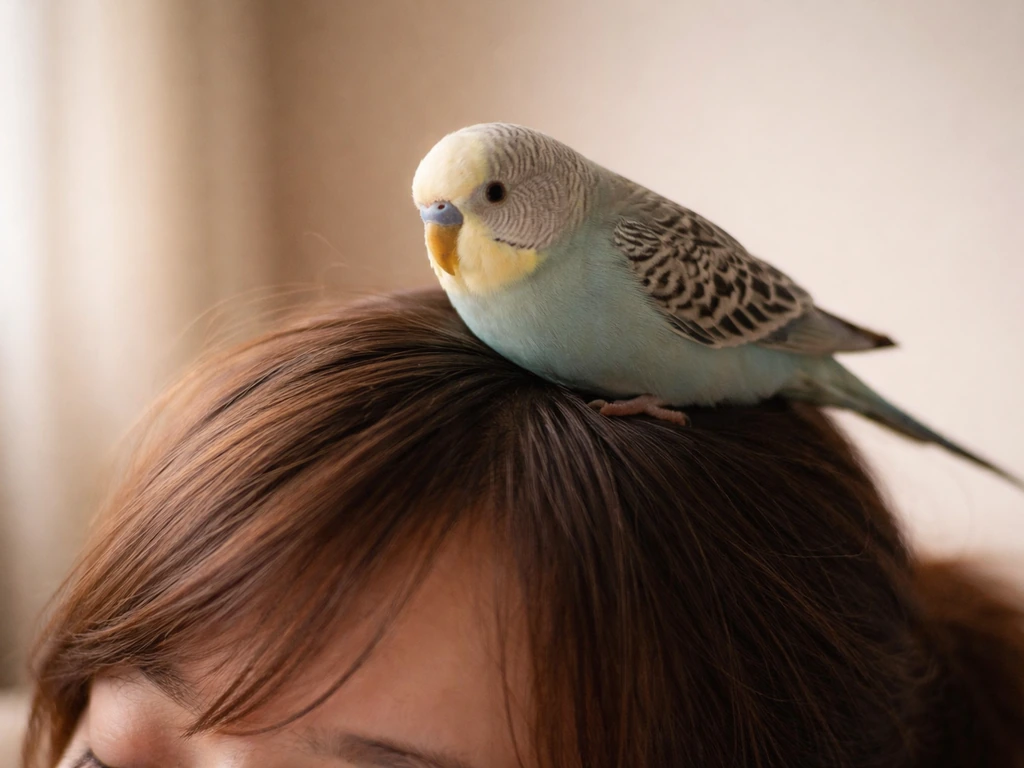
Your bird sits on your head because it feels safe there. From a bird's perspective, the highest point in the room is the best perch, and the top of your head checks every box: it's warm, it moves with you, it smells like their favorite person, and it puts them at eye level with the world. For most pet birds, especially parrots and cockatiels, this is a sign of deep trust and social bonding, not misbehavior. That said, it's worth understanding exactly why your specific bird does it, whether you want to encourage it, manage it safely, or gently redirect it.
Why Does My Bird Like to Sit on My Head? Practical Guide

Maya Hartwell
7 May 2026
Why birds land on heads in the first place
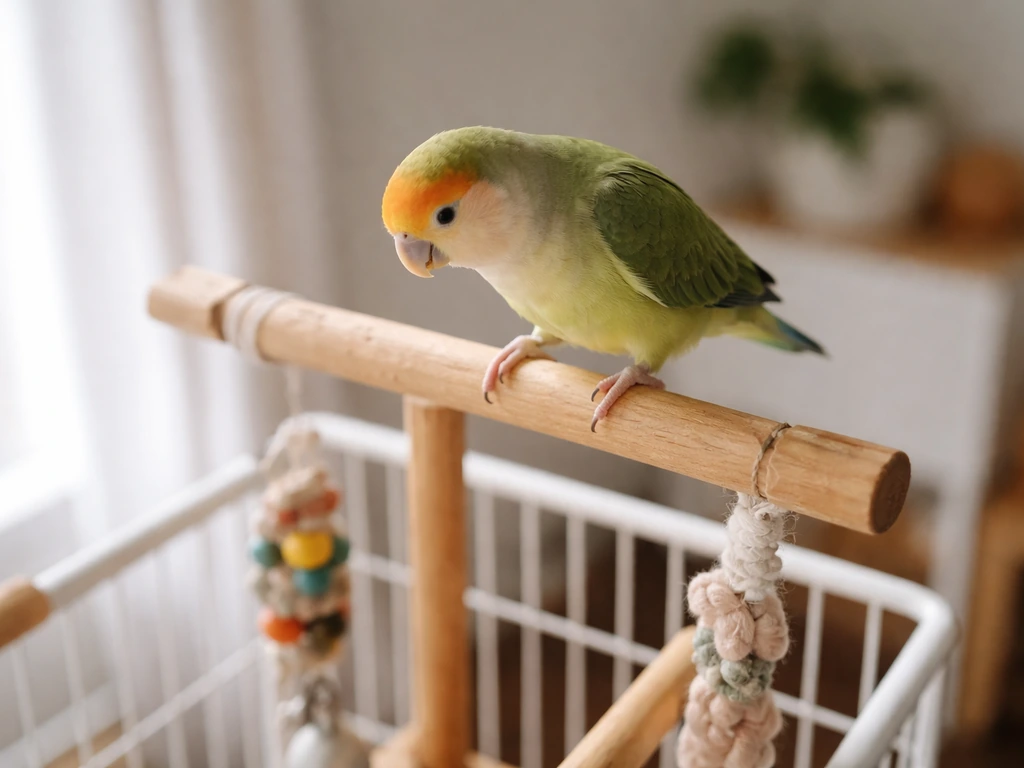
There are a handful of reliable reasons this happens, and most of them are positive. Understanding which one applies to your bird helps you respond in the right way.
- Height instinct: In the wild, high perches mean safety from predators and a clear view of the flock. Your head is often the tallest point in the room, so your bird gravitates there naturally.
- Trust and bonding: A bird that perches on you, especially your head, has chosen you as a safe companion. This level of proximity is reserved for flock members they genuinely feel secure with.
- Warmth: The top of your head radiates body heat. Smaller birds like cockatiels, budgies, and lovebirds particularly love a warm spot, especially in cooler rooms.
- Attention-seeking: If your bird lands on your head and you immediately laugh, talk to them, or try to move them, you've just rewarded the behavior. Birds are smart and will repeat whatever gets a reaction from you.
- Curiosity: Hair is interesting. It moves, it smells different, and it can be groomed. Some birds treat hair like a fascinating toy or a nesting material worth investigating.
- Comfort and security: Especially for recently adopted or younger birds, sitting close to your body, and specifically on your head, can feel like being tucked under a parent bird's wing. It's a self-soothing behavior rooted in the flock dynamic.
Most of the time, head-perching is harmless and sweet. The issue arises when it becomes a habit that creates hygiene problems, reinforces demanding behavior, or puts the bird somewhere they could fall or startle dangerously.
What this behavior actually tells you about your bird
Birds communicate constantly through body language, and where they choose to sit tells you a lot. A bird that calmly settles on your head, ruffles their feathers slightly, and closes their eyes a little is telling you they feel completely safe. That's the gold standard of bonding. Compare that to a bird that lands on your head while vocalizing loudly, bobbing, or biting at your hair aggressively. That bird might be in a heightened state of excitement or even mild distress, and they're using the high perch to feel more in control of the situation.
Watch for these signals when your bird is on your head. Slow, calm breathing, soft chirping or contact calls, and relaxed feathers all signal contentment. Rapid tail bobbing, open-mouthed breathing, or flicking wings can suggest overstimulation or stress. Biting at your hair or scalp is sometimes playful but can also mean the bird is feeling threatened or frustrated. Reading these signals correctly is the difference between a bonding moment and a situation that needs intervention.
If your bird also follows you from room to room before or after landing on your head, that's another layer of bonding behavior worth paying attention to. If your bird follows you everywhere, it often comes down to attachment and security-seeking behavior, so it helps to look at their cues and routine follows you from room to room. The head-perch is often the final, most intimate expression of a bird that wants to be as close to you as physically possible.
How to encourage safe head-perching (or redirect it)
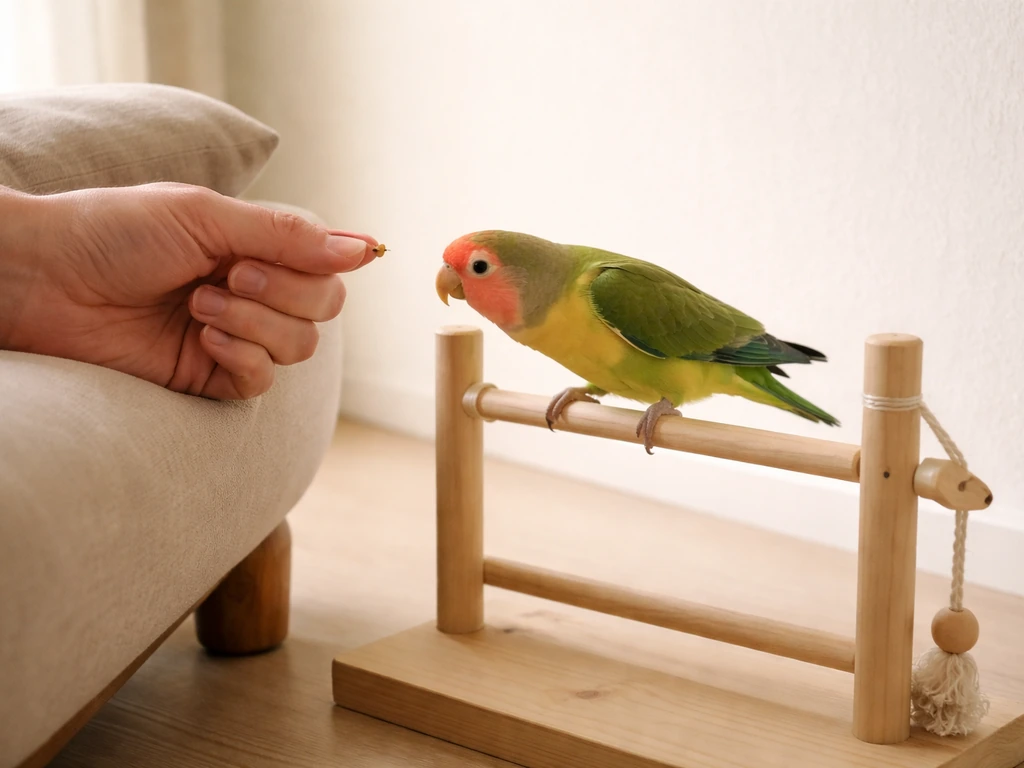
Whether you love this habit or want to manage it, you have real options today. The key is consistency and using reward-based methods that don't stress your bird out.
If you want to allow it safely
- Stay still when your bird first lands. Sudden movement is how birds get startled and fall, or worse, bite in a panic. Let them settle before you walk around.
- Keep your movements slow and predictable. If you need to move, give a gentle verbal cue first so your bird can brace or choose to hop off.
- Offer a head-friendly perch alternative: some bird owners use a small shoulder perch or hand perch positioned near head height. This gives the bird the elevation they want without the hygiene risk.
- Use target training to guide your bird to a designated perch instead. With a target stick and a favorite treat, you can teach your bird to follow the stick to an approved location every time. Kaytee and the Association of Avian Veterinarians both describe this approach as one of the cleanest ways to shape where a bird goes without any force.
- Reward calm behavior on acceptable perches with a food treat and verbal praise. Over time, your bird will choose those spots because they've learned they pay off.
If you want to discourage it
- Avoid reacting dramatically when your bird lands on your head. Laughing, squealing, or immediately trying to remove them all count as attention and reinforce the behavior.
- Calmly and immediately offer your hand as an alternative perch at chest or shoulder height. Say a consistent cue word like 'step up' and reward the bird the moment they comply.
- Follow LIMA principles (Least Intrusive, Minimally Aversive), which means never using punishment, loud sounds, or physical force to remove your bird. These approaches damage trust and can cause biting or fear responses.
- Make alternative perches more appealing. A rigid perch at your shoulder height, positioned near where you usually sit, gives the bird a high, warm, socially connected spot that isn't your skull.
- Be consistent. If you allow head-perching sometimes and not others, your bird will keep trying because the intermittent reward is actually more reinforcing than a consistent one.
Health, hygiene, and what not to do

This is the part most people skip, and it matters. Birds drop feces frequently, and if your bird is perching on your head regularly, droppings on your scalp, hair, and shoulders are a real possibility. Bird droppings can carry bacteria including Chlamydia psittaci, which causes psittacosis in humans. The Washington State Department of Health explains that psittacosis usually happens when people inhale organisms excreted in aerosolized dried feces or respiratory tract secretions from infected birds aerosolized dried feces or respiratory tract secretions of infected birds. The Washington State Department of Health and the California Department of Food and Agriculture both recommend washing your hands thoroughly with soap and water after any contact with birds or their droppings. If a dropping lands on your skin or hair, wash it off promptly with soap and water rather than just wiping it away.
Beyond droppings, bird dander (the fine dust from feathers, especially prominent in cockatiels and cockatoos) can accumulate. This is worth noting for anyone with respiratory sensitivities. VCA Animal Hospitals notes that fecal matter and dander collect on perches, bowls, and nearby surfaces, so regular cleaning of everything your bird touches, including the spots they perch near your head, is part of responsible care.
On the biting side: if your bird bites your scalp or ears while perching, don't jerk your head away sharply. That can startle the bird into biting harder or falling. Instead, use a slow, deliberate step-up cue to move them off. VCA notes that biting can come from fear, excitement, displaced aggression, or pain, so a sudden increase in biting during head-perching warrants a closer look at what's changed in your bird's environment or routine.
A few things to actively avoid: don't use any hair products with strong fragrances right before your bird perches, as birds have sensitive respiratory systems. Don't allow head-perching right after applying hair spray, dry shampoo, or other aerosol products. And never wear a hat with your bird on your head near a ceiling fan or low doorway, which are genuinely common causes of serious injury.
The spiritual and symbolic side of a bird choosing your head
If you're drawn to the idea that your bird's behavior might carry meaning beyond biology, you're not alone, and you're in good company across a lot of traditions. This section is offered as a reflective lens, not a scientific claim. Take from it what resonates with you personally.
In many spiritual and folkloric traditions, a bird landing on a person's head is considered a significant omen, and usually a positive one. In Celtic and European folklore, birds were seen as messengers between the earthly world and the spiritual realm, so a bird choosing to rest on you was interpreted as a direct blessing or communication. The head, associated with the mind, wisdom, and the crown chakra in some metaphysical traditions, makes the landing spot feel even more intentional to those who hold these beliefs.
In some Christian and biblical traditions, birds are associated with divine providence and watchfulness. The dove descending is perhaps the most well-known image, but throughout scripture, birds appear as symbols of God's care and attentiveness. A bird choosing to rest on you, even a domestic one, can be read through this lens as a reminder of being seen and protected.
From a more general metaphysical perspective, writers in the spiritual wellness space have framed a bird landing on the head as a sign of heightened intuition, incoming clarity, or a message to pay attention to your thoughts. If you've been working through a difficult decision or seeking direction, some people find these moments feel like nudges from something larger than themselves.
How you interpret it is genuinely up to you. If it feels meaningful, sit with that feeling and ask yourself what message, if any, fits your current moment. And if it feels like your bird just likes the warmth of your skull, that's a completely valid read too. Both can be true.
When to take the behavior more seriously
Most of the time, head-perching is a sweet quirk. So if you’re wondering why a bird is sitting on your porch, that can be due to safety, shelter from the elements, or curiosity why is a bird sitting on my porch. But there are specific situations where the behavior is a signal that something isn't right, and you should act on them.
- Your bird suddenly starts head-perching obsessively after never doing it before: a sudden behavior change often signals something in the environment has shifted, or the bird is experiencing stress or discomfort. Track what changed and consult an avian vet if you can't identify a cause.
- The bird shows signs of respiratory distress while perching: open-mouthed breathing, tail bobbing with each breath, or labored breathing are emergency signs flagged by both Petco's care guidelines and avian welfare checklists. Get to an avian vet immediately.
- Droppings change noticeably in color, consistency, or frequency: Purdue University's veterinary guidance notes that stress and health changes often show up in droppings first. If you notice this alongside the head-perching behavior, don't wait.
- Biting becomes frequent, unpredictable, or escalating: a bird that bites hard and unpredictably during perching may be in pain or fear. PetMD recommends working with an avian-savvy vet or trainer, and that advice applies here.
- Your bird seems unable to settle anywhere other than your head: if the behavior has become compulsive, where the bird panics if removed and can't rest elsewhere, that's a stress or over-bonding pattern that warrants guidance from a qualified bird behavior trainer.
- You're experiencing repeated illness after close contact with your bird: symptoms like fever, dry cough, and flu-like illness after bird exposure should prompt a conversation with your own doctor, not just your vet.
The bottom line is that head-perching is one of the most loving things a bird can do, but it works best when both of you feel comfortable and the behavior stays within healthy boundaries. When a bird sits on a branch, it also chooses a safe, comfortable place for balance and security head-perching. A little consistent training, a good handwashing habit, and an eye on your bird's overall wellbeing will keep those crown moments exactly what they should be: a genuine expression of trust between you and your bird. If you are wondering why a bird is sleeping on your porch, it may be seeking shelter, a safe resting spot, or protection from weather and predators why is a bird sleeping on my porch.
FAQ
How can I tell if head-perching is affectionate bonding or stress for my bird?
Watch for context, not just the landing. If your bird perches calmly but suddenly starts rapid breathing, frequent wing flicks, or aggressive biting only on certain days, look first at changes like new shampoo or fragrance, a new grooming product, a different lighting pattern, or a different room temperature.
What’s the safest way to encourage my bird to perch somewhere else instead of on my head?
If you want to manage the behavior, use short, consistent sessions that pair a relaxed cue with a preferred alternative perch (like a stand at your shoulder height). Avoid moving the bird off repeatedly while it is still seeking comfort, because that can turn the spot into a “hard to get” resource.
My bird bites when I try to move them, what should I do?
Keep training and hand positioning in mind. If your bird bites when you try to step them up or off your head, do not jerk or grab hair. Instead, offer a stable perch and use a gentle step-up cue, then reward calm contact on the perch immediately after they accept it.
Are some birds more likely to head-perch, and do the risks differ?
Age and species differences matter. Young birds may head-perch more often as they test trust and learn routines, while some cockatoos and cockatiels can be heavier and more dander-prone. If dander is a problem for you, treat cleaning and air filtration as part of the plan, not an afterthought.
Why does my bird do this more after I shower or work out?
Yes, especially if it happens right after you get up from a bed, shower, or hat-free outdoor exposure. Birds may be reacting to warmth, salt in sweat, or lingering scents. If the behavior ramps up after a shower or exercise, try neutral, unscented products and keep your head uncovered only during your normal bonding time.
What body language cues should I use while my bird is on my head?
Look at what the bird is actually doing with their body. If they ruffle, eyes partially close, and breathing stays slow, that often indicates comfort. If they keep alert posture, start head-bobbing, or tuck their feathers tightly, the behavior may be a sign they want distance or are overstimulated.
How can I reduce allergens and respiratory irritation from head-perching?
If you have respiratory sensitivities, plan cleaning and exposure control. Use regular wipe-downs of nearby perching areas, consider a HEPA air purifier in the room where head-perching happens, and avoid aerosol products before interaction because fine particles and droplets can worsen symptoms.
What should I do immediately if my bird drops on my head or hair?
Don’t rely on wiping alone if droppings land on hair or skin. Wash with soap and water promptly, and if any bird droppings contact your eyes or mouth, rinse and seek medical advice. Also, keep a dedicated towel and a “post-interaction” handwashing routine so you are not tempted to skip it.
What are the most common safety mistakes people make with head-perching?
Avoid common accidental triggers: no hat near ceiling fans or low doorways, no head-perching right after hair spray, dry shampoo, or other aerosols, and avoid strong fragrance products. Also watch for hot hair styling tools or recently used heating areas, since birds may seek warmth and get too close.
My bird head-perches but also seems to demand attention. How do I break the cycle?
If the behavior becomes a demand, you can reduce reinforcement without removing comfort entirely. For example, only allow head-perching when everyone is calm, then redirect to a nearby perch during excited vocalizing. If you always reward the instant they land while they are overstimulated, the habit can intensify quickly.
When is head-perching a reason to see an avian vet?
Yes. If head-perching increases with new biting, hiding, unusual quietness, or changes in droppings, treat it as a possible health or pain signal rather than a bonding quirk. Contact an avian vet, especially if the change is persistent or linked to a recent injury, stressful event, or diet change.
Next Article
Why Is My Bird Flapping Its Wings at Me? Causes and What to Do
Understand why your bird flaps wings at you and what to do, from hormones and stress to attention and warnings.