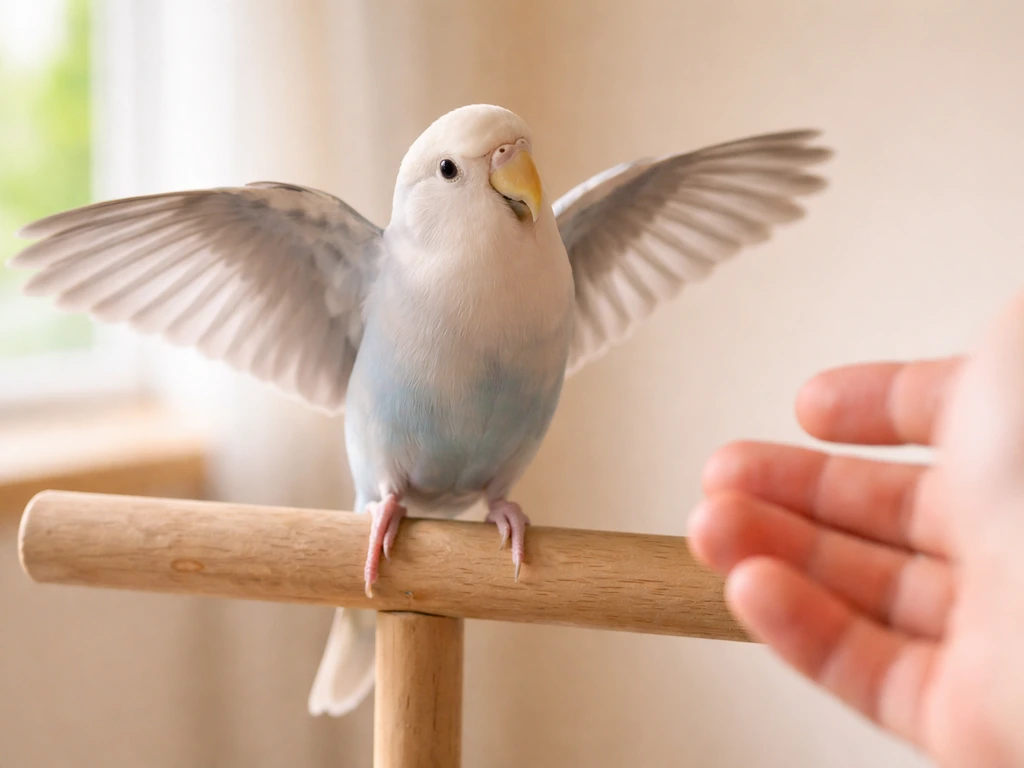
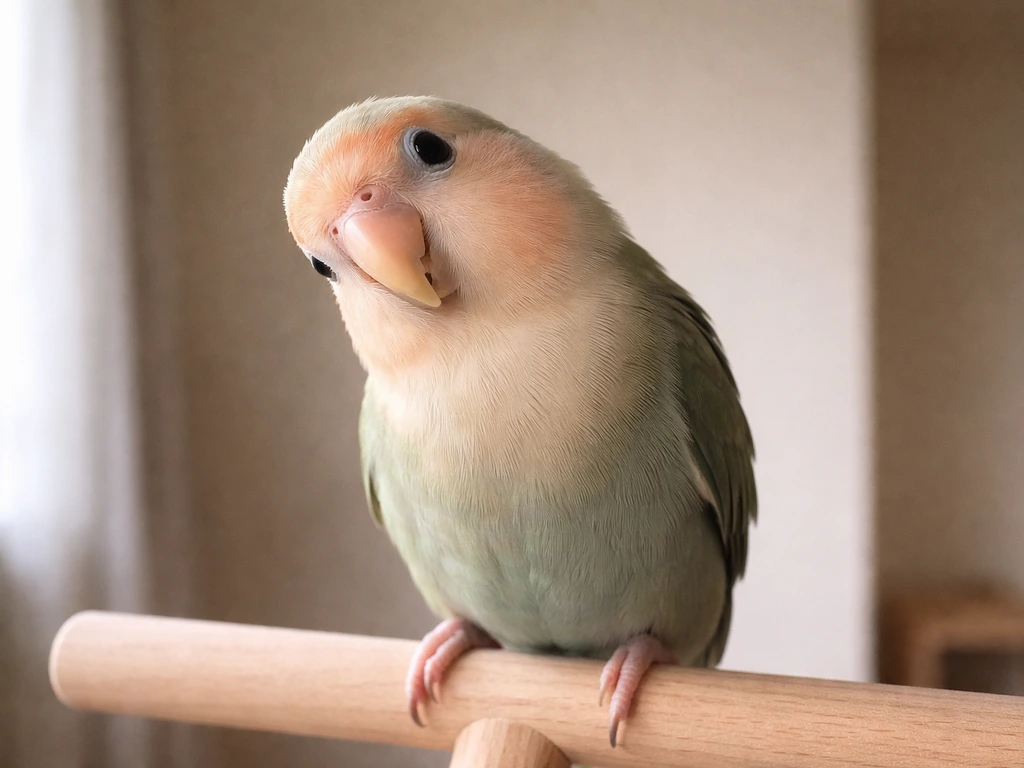
If a bird is looking at you sideways, here is the short answer: it is almost certainly normal. Most birds physically cannot look straight at you the way a dog or cat can. Their eyes are set on the sides of their heads, so tilting or angling to point one eye toward you is simply how they focus. That said, the sideways look is also one of the richest pieces of bird body language you can read, and once you understand what to watch for alongside it, you will get a surprisingly clear picture of what the bird is thinking, feeling, and possibly even communicating.
Why Does My Bird Look at Me Sideways? Causes and Meaning
Maya Hartwell
21 Apr 2026
Quick reality check: the sideways look is usually just how birds see
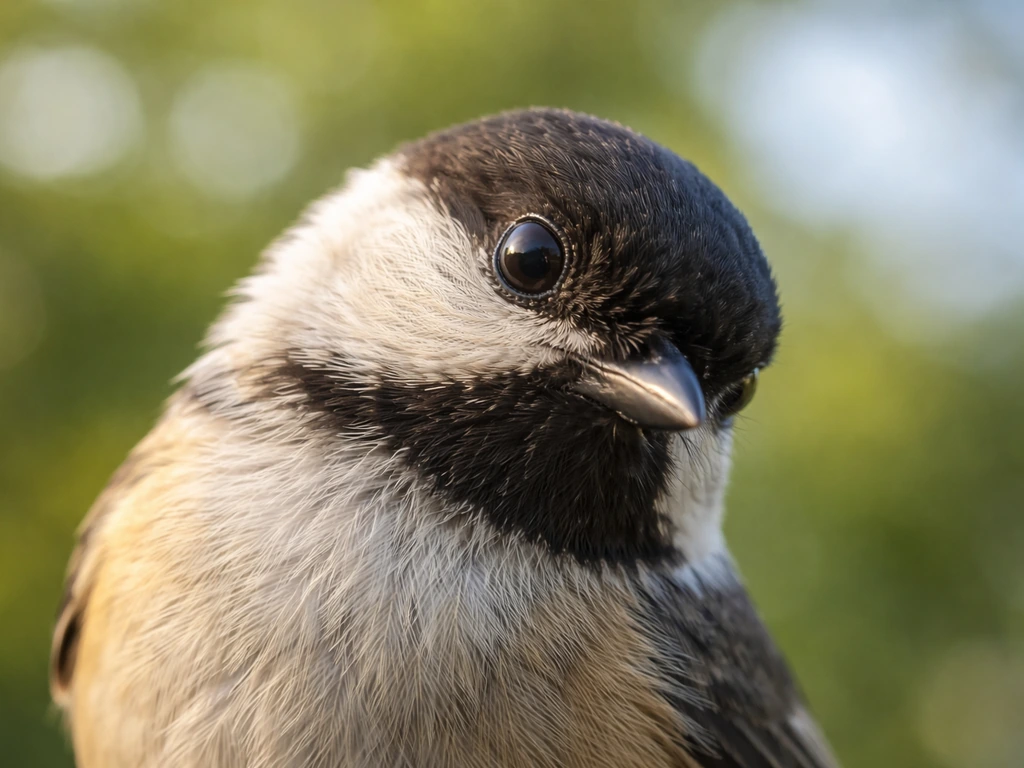
Birds are built differently from humans when it comes to vision. Most species have eyes positioned on either side of the skull rather than facing forward, which gives them a wide panoramic field of view but a very narrow zone of binocular (two-eyed) overlap. Research comparing visual fields across bird species puts that binocular overlap at roughly 20 to 30 degrees for many birds, compared to around 120 degrees in humans. That narrow overlap means a bird needs to turn its head and angle one eye toward something it really wants to inspect. So when your bird looks at you sideways, it is actually paying close attention. It is not being evasive or weird. It is pointing its sharpest visual sensor directly at you.
There is another layer to this. Birds keep their heads remarkably stable relative to gravity when they need to focus, rather than relying heavily on eye movement the way we do. That locked, slightly angled head position you are seeing is your bird essentially locking onto a target. CSU research on chickens framed the same thing: the sideways head tilt that looks odd to us is a direct consequence of how bird vision is structured, not a sign that something is wrong. Once you understand that, the sideways stare transforms from strange to fascinating.
Reading the full picture: body language cues alongside the sideways look
The sideways angle alone does not tell you much. What matters is everything happening around it. A bird that is looking at you sideways with relaxed feathers, slightly soft eyes, and maybe a slow head bob is curious and comfortable. A bird doing the same tilt but with feathers slicked tight to the body, weight shifted back, and eyes wide is scared or on alert. You have to read the whole bird, not just the angle of the head.
Here are the key signals to pair with the sideways look when interpreting what your bird is telling you:
- Feathers slightly puffed and body relaxed: content, comfortable, probably just curious about you
- Feathers slicked flat, body crouched or leaning back: stressed, fearful, or feeling threatened
- Feathers puffed all over with eyes partly closed: possible illness, especially if prolonged
- Slow head bobbing alongside the sideways tilt: engaged and interested, common in parrots and cockatiels
- Rapid back-and-forth head tilts: active tracking, usually sound or movement-based attention
- Dilating and constricting pupils (pinning) in parrots: high excitement, curiosity, or agitation depending on other cues
- Stepping toward you after the look: positive, approaching for interaction
- Backing away or turning the whole body: done inspecting, possibly uncomfortable
Context matters too. What happened just before the sideways look? Did you make a new sound, wear something unfamiliar, or move quickly? Birds are acutely observational, and a sudden sideways tilt often means they just registered something new and are assessing it. That is not a problem. That is a sharp, attentive mind doing its job.
Why birds tilt and angle their heads: vision, sound, and tracking
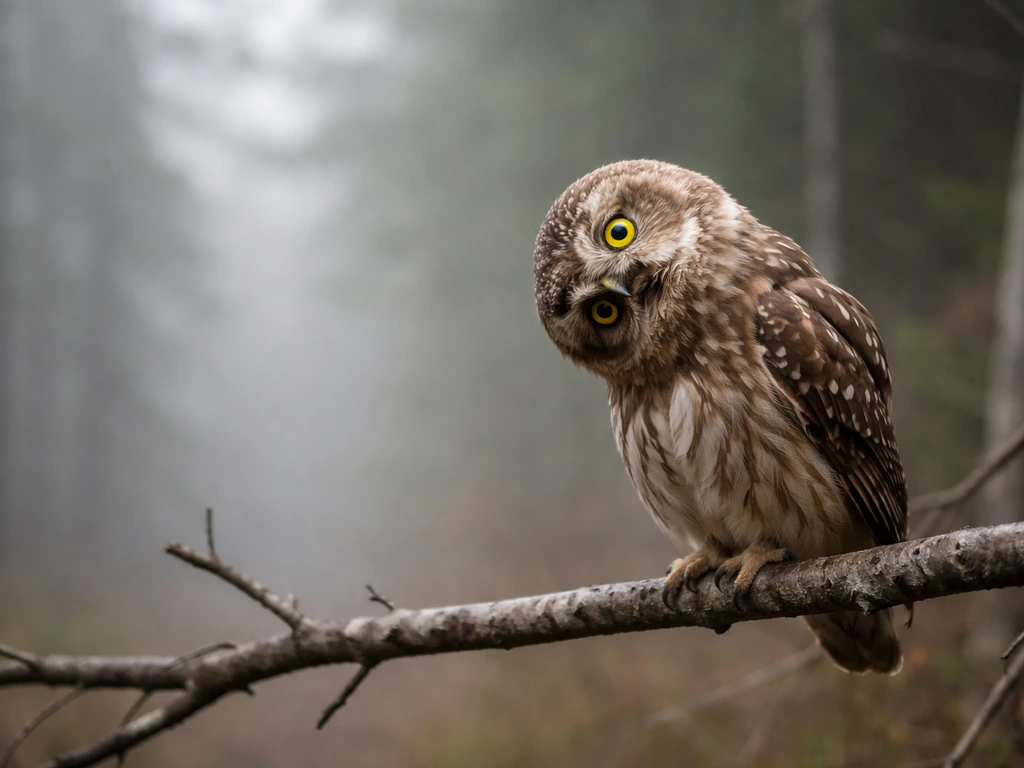
Beyond pure vision, head tilting also serves auditory tracking. Birds that hunt by sound, like owls, have asymmetrically placed ears and use precise head angles to triangulate exactly where a sound is coming from. Songbirds and pet birds do a milder version of the same thing. If your bird heard something outside, a distant alarm, a new voice, or even a subtle frequency in the room, a head tilt is how it fine-tunes its hearing and figures out what and where.
For waterfowl and birds with eyes farther to the sides of the head, like ducks, the monocular view is even more dominant. These birds essentially see different things with each eye simultaneously, and they may look at you with one eye while the other is scanning a completely different part of the environment. That is not rudeness. That is highly efficient multi-tasking built into their biology. Even for your pet parrot, one eye may be on you while the other is tracking movement across the room.
The head-locking behavior noted by researchers is also worth understanding. Instead of moving their eyes around in the socket like we do, birds often hold the head at a fixed angle and let body movement bring the gaze where they need it. When that fixed point is aimed at you sideways, you are the object of their focus, not a side glance.
It depends on the bird: species and setting differences
How a bird uses the sideways look, and what it likely means, varies considerably by species and whether you are dealing with a pet indoors or a wild bird outdoors.
| Bird Type | Common Sideways Look Context | What It Usually Means |
|---|---|---|
| Parrots (Amazon, African Grey, Eclectus) | Deliberate, slow one-eye focus with possible pupil pinning | Active assessment, curiosity, or emotional engagement; highly communicative |
| Cockatiels and budgies | Quick tilts, often with head bobbing or vocalizing | Curiosity, playfulness, or seeking attention; usually positive |
| Finches and canaries | Brief sideways flicks, rarely sustained | Environmental scanning; less about you personally, more about general alertness |
| Wild songbirds outdoors | One-eyed look from a branch or feeder, then flight or continued feeding | Normal prey-predator vigilance; you are being assessed as a potential threat |
| Waterfowl (ducks, geese) | Near-constant one-eyed scanning while doing other activities | Default vision mode due to eye placement; no single meaning without other cues |
| Raptors (hawks, owls) | Dramatic head rotation, sometimes past 90 degrees | Precise auditory and visual targeting; highly intentional focus |
For pet parrots especially, the sideways gaze is genuinely communicative in ways that smaller pet birds or wild birds are not. Parrots are emotionally intelligent and will use sustained eye contact (sideways or otherwise) as part of a real back-and-forth with you. This connects to something worth noting: a bird that stares at you consistently, follows your movements with its gaze, or tilts its head as you speak is demonstrating a level of social attention that is its own kind of bonding behavior. If your bird stares at you consistently, it is often using that sideways focus to communicate attention or curiosity. If a bird is following you, the same principles of attention, curiosity, and tracking can help explain why it keeps staying close following your movements. If you are curious about what it means when birds seem to actively seek you out visually, that overlaps with some fascinating territory around why birds choose to focus on specific people.
When the sideways look could signal stress, illness, or injury
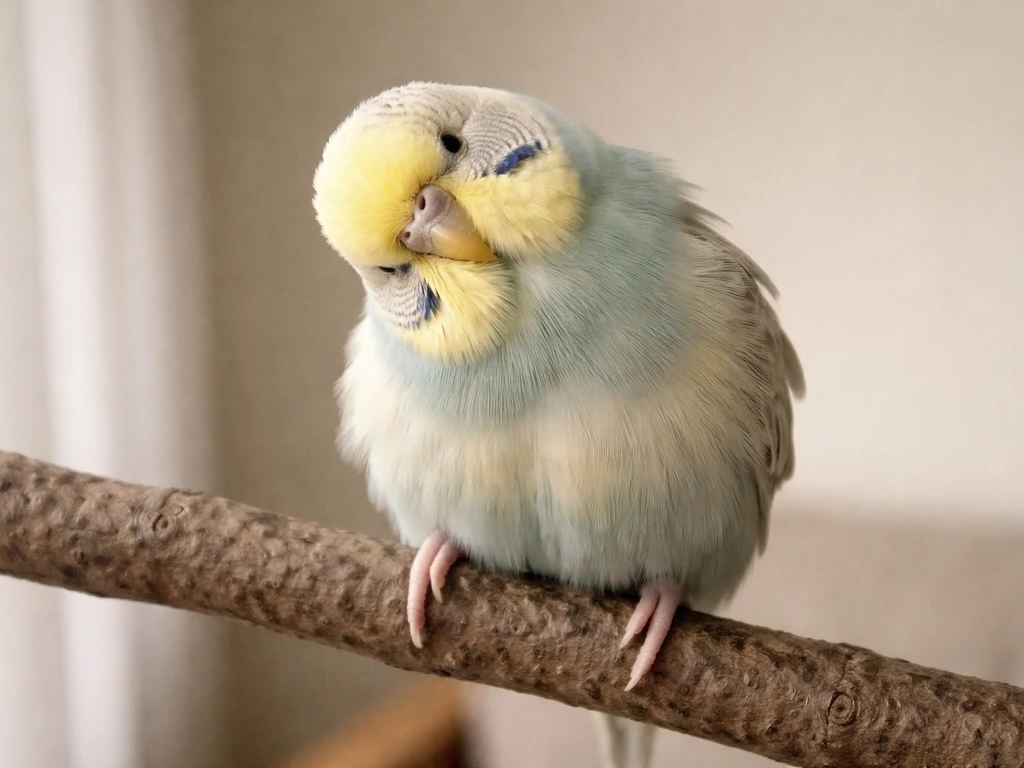
The vast majority of sideways looks are completely normal. But there are specific combinations of signs that would make me want to take a closer look and possibly contact a vet.
A healthy sideways look is brief to moderate in duration, paired with alert posture, and followed by normal behavior like eating, vocalizing, or moving around. A concerning sideways look tends to come with other red flags. Watch for:
- The bird holding its head at an odd angle consistently, not just when looking at you, which can indicate a neurological issue, ear infection, or neck injury
- Head tilting combined with loss of balance, circling, or falling off the perch, which are serious neurological warning signs requiring immediate vet attention
- One eye appearing cloudy, swollen, partially closed, or different in size from the other, suggesting an eye injury or infection
- Puffed feathers, lethargy, loss of appetite, or unusual droppings alongside any abnormal head positioning
- A sudden change in how the bird holds its head if it previously never did this, especially in older birds
- Persistent head tilt in a young or recently acquired bird that has not been vet-checked yet
A condition called torticollis (wry neck) can cause birds to hold their heads twisted or tilted involuntarily. It is different from a voluntary sideways inspection look because the bird cannot correct it and the tilt is present even when resting. If you are seeing that, do not wait. Get to an avian vet. For stress specifically, repeated sideways glances combined with flight attempts, biting when approached, or feather destruction suggest the bird is chronically uncomfortable with something in its environment, handling routine, or proximity to something frightening.
What the sideways gaze might mean spiritually and symbolically
Now we step into different territory. Across many traditions, the way a bird looks at you, especially with that deliberate, one-eyed focus, carries symbolic weight. Whether you find personal meaning here is entirely up to you, and I think it is worth holding both the biological explanation and the symbolic one at the same time rather than choosing between them.
In Celtic traditions, birds were seen as messengers between the world of the living and the spirit realm. A bird that fixes its gaze on you, particularly in an unusual or sustained way, was considered to be carrying a message or drawing your attention toward something you needed to see. The sideways look, with its one-eye-on-you quality, has sometimes been interpreted in folk traditions as a bird seeing beyond the surface, looking at something others cannot perceive. There is something almost oracular about it.
In some Indigenous traditions of North America, birds are understood as observers and witnesses, creatures whose attention is meaningful rather than random. A bird that holds its gaze on you, especially a wild bird that is not fleeing, may be seen as offering presence or acknowledgment rather than threat. In Eastern traditions, a bird's focused attention has been associated with mindfulness and the value of truly seeing, not just glancing.
Biblically, birds appear frequently as symbols of divine watching and care (the sparrow in Matthew 10:29 comes to mind), and the idea of being seen by a creature that carries no hidden agenda has resonated with many readers as a reminder of unseen attentiveness in the universe. In metaphysical and new-age frameworks, a bird locking eyes with you is sometimes interpreted as a sign that your intuition or awareness needs sharpening, that something is asking you to look more carefully at your own situation.
Here is my honest take on interpreting this responsibly: start with the biology. The sideways look is real, explainable bird behavior. Then, if you feel moved to ask what meaning this moment might hold for you personally, that is a valid and ancient human impulse. The question worth sitting with is not whether the bird is supernatural, but what you notice when something pauses and looks directly at you. What does it surface in you? What were you thinking about before the bird looked your way?
What to do right now: a practical step-by-step response
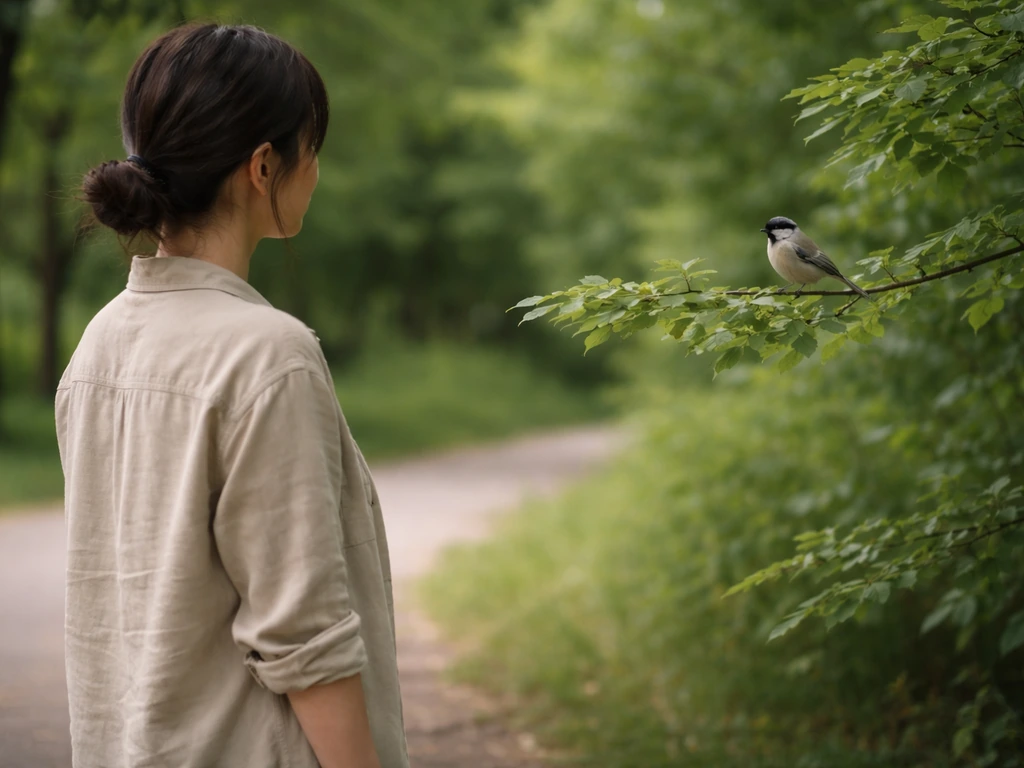
Whether you are dealing with a pet bird or a wild one, here is how I would approach this situation today.
- Pause and observe without reacting. Do not move toward the bird, make sudden sounds, or try to make contact immediately. Give the bird 30 to 60 seconds to continue its assessment. You will learn more by watching than by intervening.
- Read the full body language. Use the cues listed earlier: feather position, body posture, eye appearance, what the bird does after the look. Is it relaxed or tense? Approaching or retreating?
- Check the environment. Is there a new object, sound, smell, or person in the space? Loud appliances, reflective surfaces, direct sunlight in the bird's eyes, or a TV playing unfamiliar noise can all trigger prolonged alert behavior.
- For pet birds: if the bird looks relaxed and curious, respond calmly and positively. Speak softly, offer a familiar treat, or simply sit near it without forcing interaction. Reward the curiosity.
- For pet birds: if the bird looks tense, back away and reduce stimulation. Lower your voice, dim harsh lighting if possible, and give the bird space to settle before attempting contact.
- For wild birds outdoors: stay still and quiet. Enjoy the moment. Do not attempt to touch or feed unless you are in a situation where that is safe and appropriate.
- Do a quick physical check. Look at the bird's eyes: are they clear, symmetric, and responsive? Is the head tilt voluntary and correctable, or is it stuck in one position? Is the bird moving and eating normally?
- If anything looks physically off (asymmetric eyes, involuntary tilt, balance issues, lethargy), contact an avian vet the same day. Do not wait to see if it improves on its own.
- If everything looks normal, make a mental note of what was happening when the bird looked at you sideways. Pattern recognition over time will help you understand your specific bird's communication style far better than any general guide.
The quick decision framework
| What You See | What It Likely Is | What To Do |
|---|---|---|
| Sideways look, relaxed body, normal behavior follows | Curiosity, normal vision-based focusing | Engage calmly, enjoy the interaction |
| Sideways look, tense body, bird backs away or stays frozen | Alertness, mild stress, assessing a perceived threat | Reduce stimulation, give space, do not force contact |
| Sideways look, puffed feathers, eyes partly closed, low energy | Possible illness or discomfort | Monitor closely; if persists more than a few hours, call a vet |
| Head held sideways involuntarily, balance issues, circling | Neurological or inner ear issue | Contact avian vet immediately |
| Wild bird holding gaze on you unusually long before flying off | Normal vigilance with possible spiritual significance if that resonates | Observe, reflect, no action needed |
| Pet bird making sustained eye contact with head tilts and vocalizing | Active communication and bonding behavior | Talk back softly, offer interaction at the bird's pace |
Most of the time, your bird looking at you sideways is one of the more flattering things it can do. It means you have its full, focused attention. The biology is clear, the body language is readable with a little practice, and the spiritual dimension, if you choose to explore it, adds a layer of meaning that humans have been finding in bird encounters for as long as we have been watching them. Pay attention to what happens after the look. That is usually where the real story is.
FAQ
How can I tell the difference between my bird looking sideways to inspect me and looking sideways because it is uncomfortable?
Check the “whole bird” pattern. Inspection curiosity usually comes with relaxed or neutral posture, normal breathing, and continued normal behavior afterward (preening, eating, stepping closer, gentle vocalizing). Discomfort tends to pair the tilt with tight feathers, repeated retreating, tense body weight shifted back, or behavioral stress like refusal to come out, aggressive leaning, or feather picking.
Why does my bird tilt its head at me when I talk, but not when I am silent?
Many birds use head angles to fine-tune both hearing and sound localization. If the tilt appears right after your voice, it can be a “triangulation” behavior, especially in species that rely on sound. Try pausing your speech and offering a consistent cue (same volume, same tone) to see if the tilt is specifically triggered by sound or by your movement.
My bird follows my movements with a sideways gaze, should I worry about attachment or over-bonding?
Gaze tracking itself is often positive social attention, especially if the bird also shows comfort behaviors (calm feathers, normal appetite, occasional relaxed blinking). Worry if the bird escalates to guarding behavior, frequent biting during normal handling, or signs of fear when you try to leave. In that case, adjust interaction length, increase training sessions, and consult an avian behavior specialist.
Does a sideways look mean my bird understands what I am saying?
Not necessarily. A bird can respond to voice rhythms, volume changes, and proximity without understanding meaning. If the bird’s response is consistent with specific words or phrases (for example, only tilts when you use a particular cue), that suggests learning. If it responds to any sound, it is more likely sound-tracking than language comprehension.
Why does one eye seem to be used more than the other when my bird looks at me sideways?
Some birds have strong “monocular” efficiency, meaning each eye can scan different parts of the environment at the same time. If your bird alternates which eye is forward depending on what else is happening in the room, that is normal multi-tasking. If only one eye is constantly closed, watery, or shows discharge, that is a potential eye issue worth checking by an avian vet.
Can a sideways head posture be a sign of pain or neurological problems even if the bird seems alert?
Yes. Some medical issues can produce a tilt that persists beyond typical curiosity, or it may appear even when the bird is resting. Red flags include involuntary-looking or “fixed” head angle, balance problems, stumbling, abnormal gait, decreased appetite, or rapid worsening. If you see those signs, prioritize an avian vet visit rather than waiting for behavior to pass.
What should I do if my bird’s head tilt looks sudden or seems to start after an accident?
Consider trauma, toxin exposure, or an acute neurological event. Support safety by minimizing handling, keeping the environment quiet and stable, and offering easy access to food and water. Contact an avian vet urgently, especially if there is wobbling, falling, head jerking, or vomiting.
How long is “too long” for a sideways stare?
There is no single universal number across species, but a practical guide is context and follow-through. If the stare is brief to moderate and followed by normal behavior, it is usually curiosity or attention. If the bird holds the same sideways angle for extended periods, especially during rest, or if it prevents normal activity like eating or preening, treat it as a potential medical or stress concern.
Does the sideways look mean a wild bird is judging me or warning me?
Often it is simply inspection and sound localization, but interpretation depends on escape behavior. If the bird stays calm, continues foraging, and does not show alarm posture, it is more likely monitoring. If it repeatedly flares, calls intensely, or abruptly flees, the look can coincide with threat assessment. When in doubt, increase distance and avoid sudden movement.
Are there environmental changes that can increase sideways tilting or make it look more intense?
Yes. New sounds (appliances, alarms, unfamiliar voices), lighting changes, mirror placement, or rearranged furniture can trigger more frequent head tilts as the bird evaluates novelty. If the intensity increases after a specific change, reverse it temporarily (remove the new object or return the room setup), then observe whether the behavior settles.
Could my bird’s sideways look be part of courtship or bonding?
It can be, particularly in parrots and some social species. Courtship often includes sustained attention combined with specific behaviors such as gentle vocalizing, leaning toward you, presenting body posture, or affectionate preening attempts. If the bird also shows biting when you do not respond, protectiveness toward you, or mounting behaviors, that may be sexual or possessive, and you should manage stimulation and handling accordingly.
Next Article
Why Is My Bird Flapping Its Wings at Me? Causes and What to Do
Understand why your bird flaps wings at you and what to do, from hormones and stress to attention and warnings.