
Bird chirping means different things depending on context, and the honest answer is that it's almost always a combination of the practical and the personal. In everyday terms, birds chirp to communicate specific needs: attracting a mate, defending territory, sounding an alarm, or staying in contact with their flock. But for many people, persistent or unexpected chirping feels like more than background noise, and that instinct to pause and pay attention has roots in cultures going back thousands of years. This guide covers both layers, starting with what's actually happening behaviorally, then moving into the symbolic and spiritual meanings that have accumulated around bird song across traditions.
What Does Bird Chirping Mean? Practical and Spiritual Guide

Maya Hartwell
10 Apr 2026
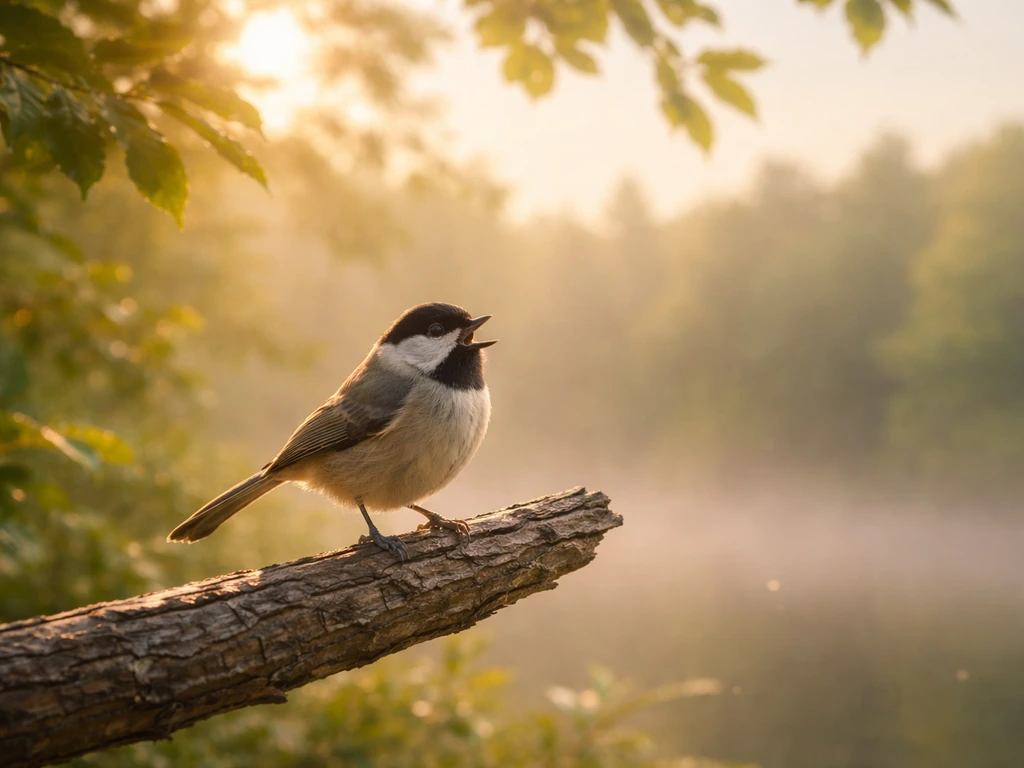
Why birds chirp: the everyday reasons
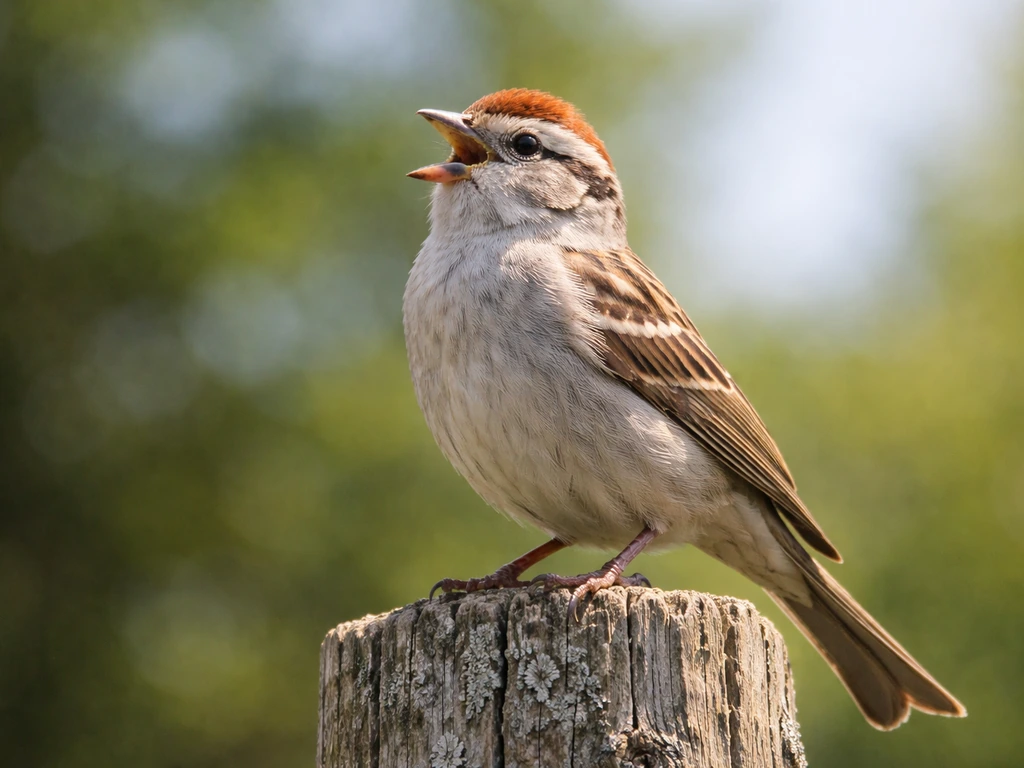
Most bird vocalizations fall into two broad categories: songs and calls. Songs tend to be longer, more complex, and are mostly used to attract mates or claim territory. Calls are shorter, sharper, and serve a wider range of purposes including alarm warnings, parent-to-chick communication, and staying in contact while a flock moves. When a bird is chirping repeatedly near your window or yard, it's almost certainly doing one of the following things.
- Advertising territory: A male singing from a prominent perch is often telling other males to back off. This is especially common in spring and early summer.
- Attracting a mate: Courtship songs can go on for hours, particularly in the morning. If a bird keeps chirping from the same spot at dawn, mating season is the most likely explanation.
- Sounding an alarm: Short, sharp, repeated calls often signal a nearby predator like a hawk or owl. One species alarming can set off a chain reaction through the yard.
- Calling for food: Nestlings and fledglings produce loud, insistent chirping to signal hunger to their parents. If you hear desperate-sounding chirping from ground level or low shrubs, this is likely why.
- Maintaining contact: Birds in flocks use soft, regular calls to stay in touch with each other while foraging or flying. This kind of chirping is relaxed and rhythmic rather than urgent.
- Reacting to reflections: Birds sometimes chirp aggressively at windows because they see their own reflection and interpret it as a rival intruder. This can go on for days.
Reading the specific signal: alarm, mating, territory, or hunger
The type of chirping matters as much as the fact that it's happening at all. Alarm calls are usually sharp and repetitive, short bursts that cut through other sounds. The black-capped chickadee, for example, adjusts its alarm call based on the type of threat, using different patterns to communicate the level of danger. When one bird alarms, nearby birds from other species often react too, freezing or joining in what's called mobbing behavior around a predator. If you notice several birds suddenly going quiet and then erupting into noise together, something spooked them.
Mating and territorial songs, by contrast, tend to be more musical and sustained. A male singing from the top of a tree or fence post at 5 a.m. every morning is almost certainly advertising himself to females and warning other males away. Some species even have what researchers describe as an aggressive flight song, with harsher notes and deliberate pauses, used specifically for defending breeding territory rather than attracting a mate. Hunger calls from baby birds are among the most distinctive: loud, urgent, and repetitive in a way that sounds almost desperate. If you hear that kind of chirping from a nest or from a young bird on the ground, the parents are almost certainly nearby attending to it.
One situation worth singling out is window-related behavior. Birds that chirp persistently while hovering near or pecking at a window are typically responding to their own reflection, which they read as a territorial competitor. They can keep this up for weeks during breeding season. It's harmless to the bird's social life but worth addressing because it can also lead to window collisions, which are genuinely dangerous. Understanding why a bird keeps flapping its wings at you or your window can help you distinguish between a reflection response and something that needs more urgent attention.
How to assess urgency and what to do right now

Most chirping is normal and requires nothing from you. But a few situations do call for action. Here's a simple way to assess what you're dealing with.
- Observe before you intervene: Watch for two to three minutes before approaching. Note the species if you can, where the bird is positioned, and whether it's moving normally. The Merlin Sound ID app from the Cornell Lab can identify over 1,300 species by sound in real time, which can help you figure out exactly what you're hearing and look up what that species' calls typically mean.
- Check for window issues: If the chirping is concentrated around a window or glass door, look for smudges or feather marks that indicate recent impacts. Place temporary window covers or hanging cords on the outside to break up the reflection.
- Look for a nest: If you hear persistent hunger calls from a low bush, tree hollow, or under your eaves, a nest may be nearby. Don't disturb it. The parents are likely foraging and will return.
- Check for a downed bird: If a bird hit your window and is on the ground, place it gently in a dark, ventilated box in a quiet space. A stunned bird may recover in 15 to 30 minutes, but don't assume it's fine just because it's upright. Eye injuries and concussions can occur even without visible bleeding.
- Decide when to call a professional: Contact a licensed wildlife rehabilitator if a bird is bleeding, has a drooping wing, cannot stand, or doesn't improve within an hour. When you call, be ready with your location, the time you found the bird, and a description of what happened. Taking injured wildlife to a licensed rehabilitator is the appropriate route in most cases.
If you have a pet bird rather than a wild one, the urgency framework is a little different. A pet bird that chirps when you walk away is usually expressing attachment rather than distress, though prolonged, anxious-sounding vocalization can indicate stress. You can read more about why your bird chirps when you leave the room to understand what that specific behavior typically signals and how to respond to it.
The spiritual meaning of bird chirping
Across metaphysical and spiritual traditions, birds are understood as messengers, as beings that exist between the earthly and spiritual realms. Frequent or unexpected bird chirping is often interpreted as a sign that the universe, a spirit guide, or a departed loved one is attempting to draw your attention to something. The message isn't usually explicit, but the experience of pausing, noticing, and asking "what might this mean for me right now?" is itself considered part of the communication.
In many metaphysical frameworks, the meaning of bird chirping is shaped by your current circumstances. If you've been wrestling with a decision and you suddenly notice a bird singing loudly and persistently in your yard, some traditions interpret this as encouragement: a signal to trust your instincts and move forward. Others see repeated chirping near the home as a sign of incoming news or a shift in energy. The sound of birdsong at dawn, specifically, is often associated with new beginnings, clarity, and spiritual renewal, which maps naturally onto the fact that many species really do sing most intensely at first light.
Some people notice birds behaving in ways that feel personally directed, and that experience deserves to be taken seriously on its own terms. If a bird keeps returning to the same window or branch near where you spend time, and you find the behavior striking, that's worth sitting with. The same curiosity that makes you wonder about bird chirping might also make you want to understand what it means when your bird twitches, another behavior that carries its own layered practical and spiritual interpretations.
What the Bible, folklore, and world cultures say

Biblical tradition treats birdsong as a form of creation's praise. Psalm 104:12 describes birds singing among the branches near streams of water, framed as part of God's provision and order in the natural world. In the New Testament, Jesus references sparrows directly in Luke 12:6, pointing out that not a single sparrow is forgotten by God, using the bird's smallness and abundance to illustrate divine attention to detail. Matthew 6:26 expands this with the image of birds of the air that neither sow nor reap yet are cared for, a teaching about releasing anxiety and trusting provision. In Christian interpretation, birdsong is often understood as a reminder of that ongoing care, a gentle nudge to notice and trust.
British and European folklore takes a more cautionary view in some traditions. The "Seven Whistlers" of UK legend are mysterious bird-like spirits whose cries were believed to foretell death or disaster, a reminder that bird calls have been read as omens of both good and ill across human history. Celtic traditions often associated birds with the Otherworld, treating their appearance and songs as potential messages from ancestors or guides. In Japanese folklore, a nocturnal creature called the Yosuzume (night sparrow) was said to chirp in ways that could disorient or paralyze travelers, depending on the regional tradition, reflecting a more ambivalent relationship with bird sounds after dark. Japanese culture also holds the crane as a powerful symbol of longevity and fortune, with bird associations extending across folk belief, art, and ceremony.
What unites these traditions, despite their differences, is the shared human impulse to listen to birds and ask what they're trying to tell us. That impulse isn't superstition. It's an ancient form of attention.
Connecting the meaning to your specific situation
Here's where the practical and spiritual interpretations actually meet: in the specifics of your experience. The same chirping sound means something different depending on where you are, what time it is, and what the bird is doing. A few questions worth asking:
| Context detail | What it likely signals (practical) | What it may suggest (spiritual/symbolic) |
|---|---|---|
| Early morning, outdoors, sustained song | Mating or territorial advertisement, especially in spring | New beginnings, energy clearing, message of encouragement |
| Persistent chirping at a window | Reflection response to a perceived rival | Attention being drawn to your inner world or a boundary issue |
| Alarm-style calls, multiple birds reacting | Predator nearby; coordinated warning system | A caution signal; pause before a major decision |
| Chirping near a nest or ground-level | Parent-offspring feeding calls, fledgling hunger | Themes of nurturing, protection, or new life |
| Night chirping or unusual timing | Disrupted circadian rhythm due to light pollution, or a specific nocturnal species | In some folklore, night bird calls carry omens or messages from the spirit world |
| Indoors, pet bird chirping when you're present | Social bonding, excitement, or contentment | Connection, presence, and communication from a trusted companion |
Species matters too. A robin's song carries different cultural weight than a crow's call or a dove's coo. If you can identify what's chirping, you can look up both the behavioral context and the symbolic associations for that specific bird. The Merlin Sound ID app is genuinely useful here: hold your phone up, let it listen, and within seconds it can match what you're hearing to a species. From there, you can research both the biology and the folklore.
You can also read a bird's body language alongside its voice. A bird that stretches toward you, chirps, and then settles is communicating something very different from one that is hunched, chirping frantically, and avoiding movement. Understanding those physical signals helps. What it means when your bird stretches when it sees you is one piece of that behavioral picture, and layering sound with posture gives you a much clearer read on what the animal is actually experiencing.
Bringing it all together
Bird chirping is almost always purposeful. On the practical side, it's communication: a bird telling the world something specific about territory, danger, hunger, or connection. On the symbolic side, it's an invitation to pay attention, one that humans across every culture and era have accepted by stopping, listening, and asking what the moment might mean. You don't have to choose between those two interpretations. The most grounded approach holds both: understand the biology well enough to know whether action is needed, and then ask, with genuine openness, what this particular encounter might be saying to you right now.
FAQ
What does bird chirping mean if it happens at night or keeps waking me up?
Nighttime chirps are often still biological, especially around breeding season, and some species sing or call after dark due to light conditions, artificial lamps, or nearby activity. If the sound is new and persistent for weeks, try identifying the bird and checking for common triggers like a nearby nest, a mate nearby, or a trapped insect near your porch that may be drawing them.
How can I tell alarm chirping from mating or territorial singing?
Alarm calls are usually short bursts that are sharp and repetitive, and the pattern often changes if the threat type changes. Territorial or mating singing is typically longer and more musical with more sustained notes. Watch for crowd behavior too, if other birds suddenly freeze then join in, it often indicates a nearby predator or disturbance.
Does hearing birds chirp around my house always mean something is wrong?
No. In many neighborhoods, frequent chirping is normal daytime communication, and even at the same spot it can simply be regular territory and boundary signaling. Look for a clear “problem pattern” like frantic repeated calls at ground level (possible nestlings), or multiple species responding at once (possible predator), rather than assuming every chirp is urgent.
What should I do if a bird keeps chirping at my window but I want to prevent window collisions?
Start by treating it as a likely reflection or territorial display. Use window coverings at peak times, add external visual blockers like decals on the outside (not on the interior glass), and remove nearby attractive cues like feeders close to the window. If collisions occur, increase the coverage immediately and avoid turning indoor lights on in rooms facing the bird.
What does it mean if only one bird chirps while others stay quiet?
A single bird can be advertising territory or attempting contact while others remain hidden, especially in dense foliage. If that lone bird changes behavior suddenly, like escalating from a call to repeated alarm-like bursts, that shift can be more meaningful than the sound itself.
How should I interpret bird chirping if I recently had a major change or loss?
In spiritual interpretations, meaningful timing can feel personal, but biologically birds may also be responding to predictable seasonal rhythms. A helpful approach is to separate “the timing feels significant” from “there is an actionable message,” then ask yourself what you need in the moment (comfort, clarity, a decision) without assuming the chirping is proof of a specific event.
Can a pet bird chirping when you leave mean distress?
It can. While many pet birds chirp due to attachment or routine, anxious distress often sounds persistent, agitated, and may come with pacing, feather puffing, or attempts to get attention repeatedly. If chirping escalates and your bird also shows body-language stress, treat it as welfare related and adjust your routine, lighting, and enrichment rather than only interpreting it symbolically.
What does it mean if the chirping seems directed toward me or my routine?
Birds can appear targeted because you are near their territory, a feeding spot, or a regular perching point. Try noting timing and conditions, does it happen only when you step outside, when you water plants, or at feeding times? If the behavior is consistent and calm, it likely reflects routine territory signaling rather than a direct “message.”
Is using an identification app like Sound ID always accurate enough to guide my interpretation?
They can be good for quick matching, but false matches happen when there are multiple birds, wind noise, or overlapping calls. Use the app as a starting point, then confirm by comparing the bird’s size, habitat, and call type you notice from your window. If the ID seems uncertain, rely more on behavior cues like posture and whether the calls sound like alarm versus sustained song.
How do I know if a chirping bird I found needs help?
If you see repeated urgent calls from a nest area, a bird that cannot fly, or chirping coming from the ground with obvious weakness or exposure, treat it as potentially urgent. If you find a nestling or injured bird, avoid handling unless you are trained, keep pets away, and contact a local wildlife rehabilitator for the correct next step.
Next Articles

What Does It Mean When a Bird Follows You? Meaning and Next Steps
Learn why a bird follows you and how to read it biologically or spiritually, plus safe next steps.
What Does It Mean When a Bird Visits You?
Learn spiritual and practical meanings of a bird visit, including repeats, plus steps to observe, stay safe, and reflect

How Did a Bird Get in My House? Steps to Get It Out
Step-by-step humane removal of an indoor bird, finding entry points, cleanup, prevention, and mindful symbolic meaning.