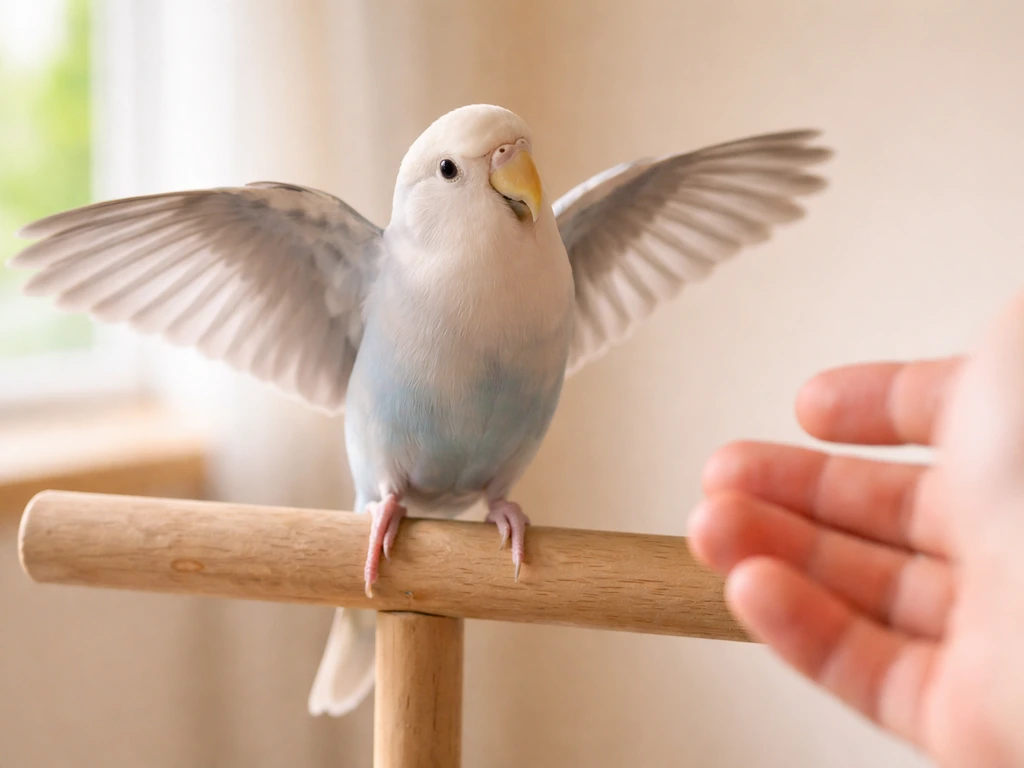
When a bird shows up near you, on your windowsill, your porch railing, or even inside your home, it gets your attention. Something about it feels deliberate, like it means something. And honestly, you're not wrong to wonder. Across virtually every culture and spiritual tradition on earth, birds have been treated as messengers, omens, and symbols of something beyond the ordinary. At the same time, birds are wild animals with very practical reasons for going where they go. The most useful thing you can do is hold both of those realities at once: look at what's likely happening in the natural world, and stay open to what the encounter might mean for you spiritually.
What Does It Mean When a Bird Visits You?

Maya Hartwell
4 Apr 2026
Natural reasons a bird may visit your home
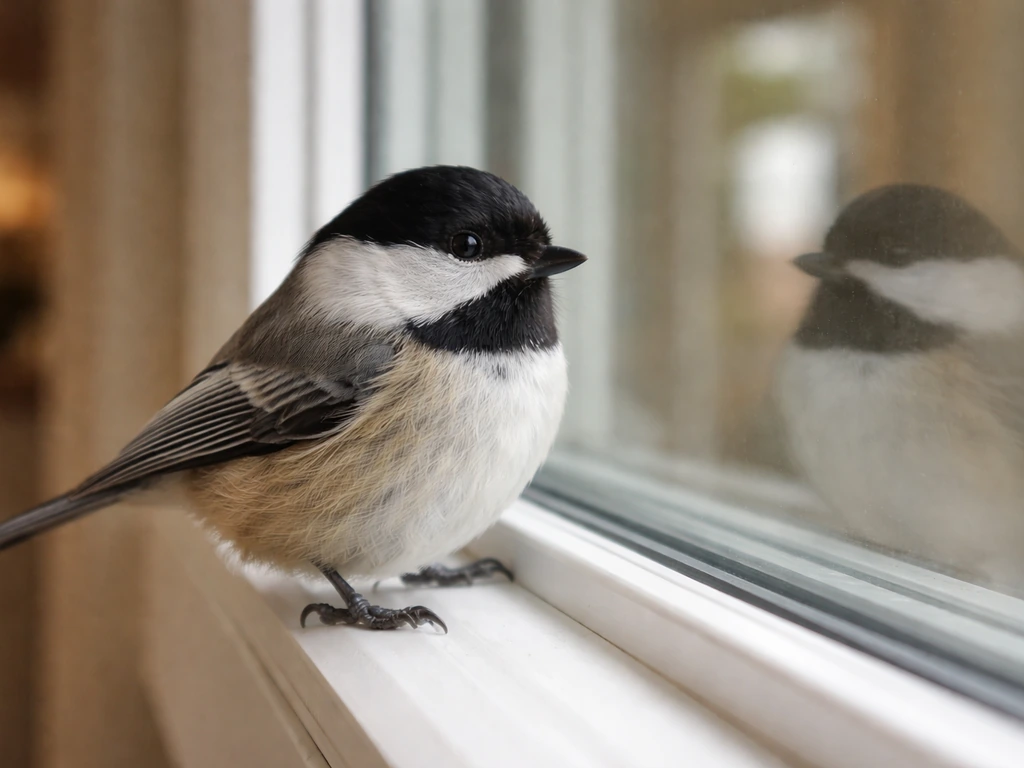
Before diving into symbolism, it's worth understanding why birds physically end up near or inside human spaces, because the cause shapes everything else. The most common drivers are food, shelter, light, and glass confusion. If you have a bird feeder, potted plants, or even a birdbath near your windows, your home is already on the bird's radar as a resource. Homes with bird feeders are actually at double the risk of bird-window collisions, precisely because you're drawing birds closer to reflective glass.
Glass is one of the biggest practical culprits behind close bird encounters. Ornithology Center also provides a downloadable PDF summary of blank" rel="noopener noreferrer">window-collision deterrents and related spacing and placement concepts. Birds can't reliably distinguish transparent or reflective glass from open sky. A window reflection might show what looks like a clear flyway or a patch of habitat, and the bird flies straight for it. This is what causes the dazed, stunned bird sitting on your porch after a window strike. During nighttime migration, indoor lights make windows glow and draw migrating birds off course, sometimes causing repeated visits or collisions. The Cornell Lab context also specifically encourages a “Lights Out” approach at night, with an example action window of about 11:00 p.m. to 6:00 a.m. through mid-June blank" rel="noopener noreferrer">turn out lights at night during migration. External insect screens can help here because they reduce reflection and signal to the bird that there's a barrier present. If you're seeing a bird repeatedly tapping your window or sitting near it dazed, glass confusion is your most likely natural explanation.
Other natural reasons include nesting, especially in spring when birds are actively scouting cavities and sheltered spots. They may also visit because they see their own reflection and perceive a territorial rival, or because your yard simply has insects, seeds, or water they need. None of this cancels out the possibility of meaning, but it's good information to have.
Spiritual and symbolic meanings of a single bird visit
A one-time bird visit, especially one that feels unusually close, calm, or direct, is widely interpreted as a message or sign across spiritual traditions. The most common themes are: a loved one reaching out from beyond, a spiritual reminder to pay attention, a sign of incoming change, or simply an affirmation that you're being watched over. The bird doesn't usually carry a single universal meaning. Instead, it acts more like a nudge that invites you to reflect on what's happening in your life right now.
In many traditions, the bird is seen as a bridge between the physical and spiritual realms. Its ability to fly between earth and sky made it a natural symbol of messages moving between worlds. So a bird that lands near you, makes eye contact, or lingers longer than expected is often read as a moment of contact, something or someone trying to get your attention. Whether you frame that as a departed loved one, a spirit guide, your own intuition surfacing, or simply the universe communicating, the invitation is the same: pause, notice, and ask yourself what this might be pointing you toward.
What changes when the bird keeps visiting
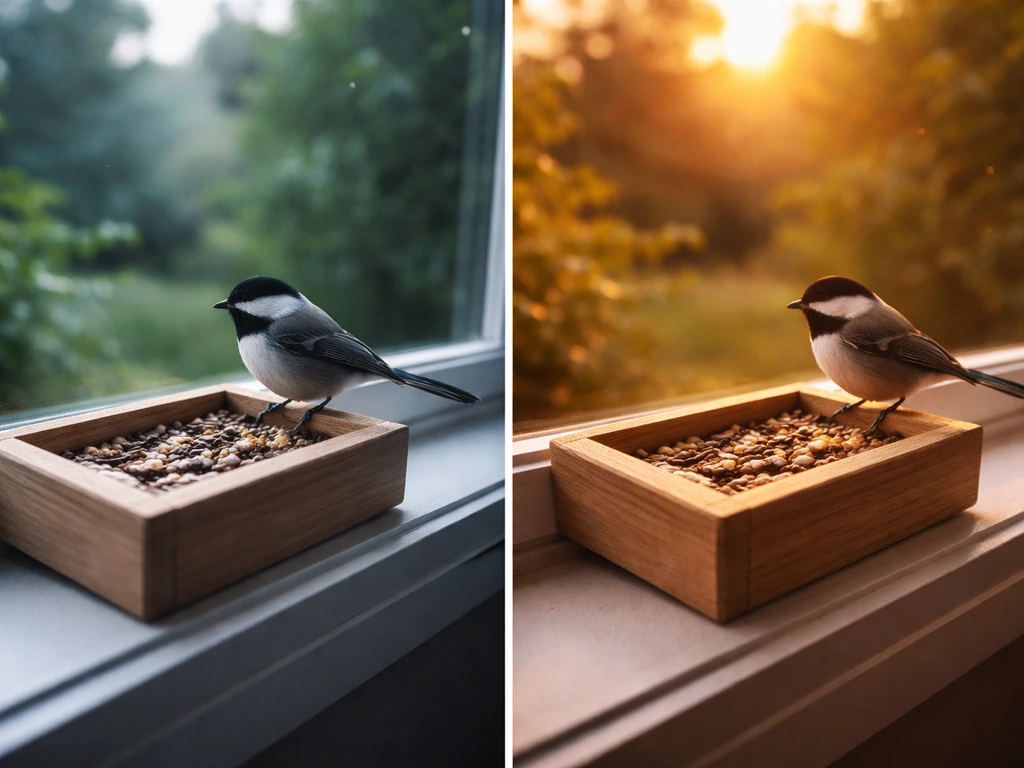
A single visit is an invitation. A repeat visit, or a pattern of visits, raises the volume. Most spiritual and folkloric traditions treat persistent bird encounters as stronger signals, not just background noise. If the same bird (or the same species) keeps showing up in the same spot over several days or weeks, the general interpretation is that the message hasn't been received or acted on yet, that deeper attention is being called for, or that a theme in your life is asking for real engagement.
Practically speaking, repeat visits do also have natural explanations worth ruling out first. A bird returning to the same window is often reacting to its own reflection, treating it as a territorial intruder. A bird returning to your porch every morning may have found a reliable food source. But once you've checked those boxes, and the visits still feel pointed or unusual, most traditions would say: take it seriously. When a bird follows you or continues to appear in unexpected places rather than one predictable spot, that pattern carries even more symbolic weight in many belief systems.
How bird details change the interpretation
The meaning of a bird visit shifts significantly based on what you actually observed. Species, behavior, time of day, and location all add layers of context that can help you narrow down what this encounter might mean, both practically and symbolically.
Species
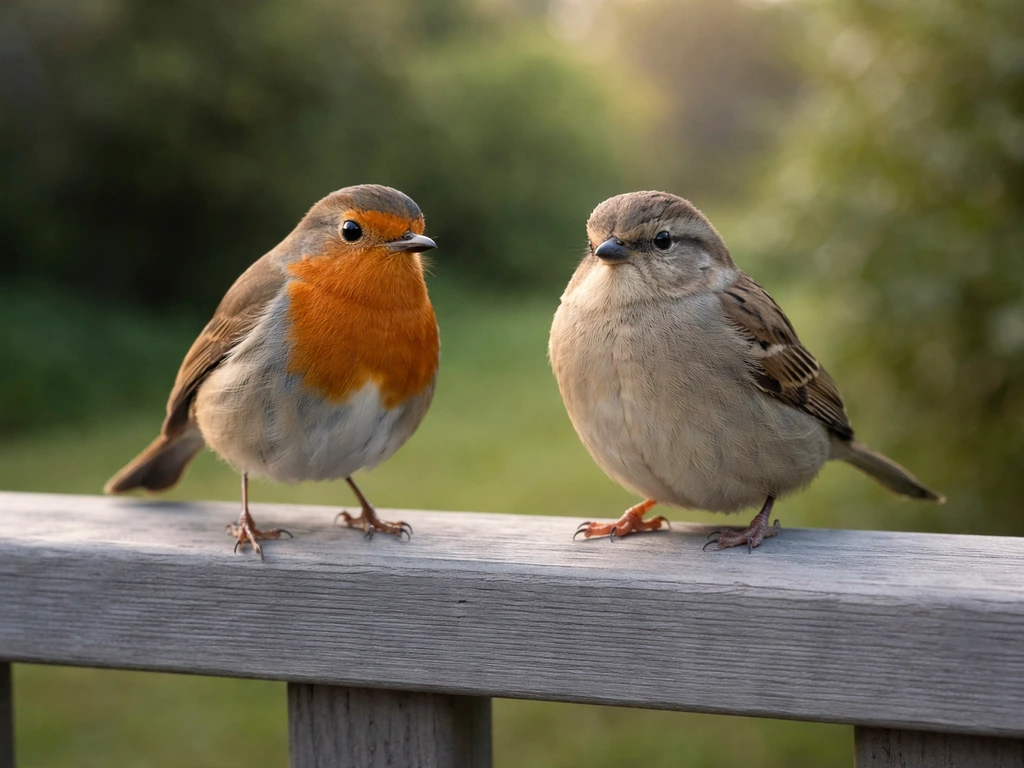
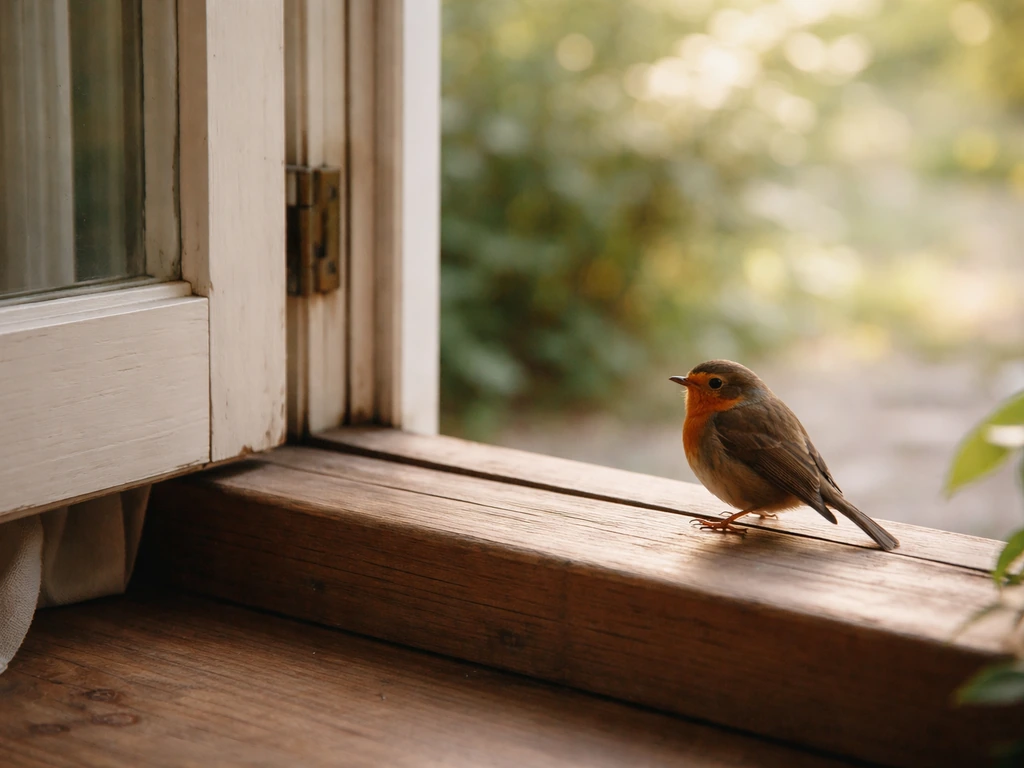
Different birds carry very different symbolic histories. A robin is almost universally linked to hope, new beginnings, and spring renewal, and when a robin bird visits you specifically, many people interpret it as a sign from a departed loved one, particularly in British and Celtic tradition. A mockingbird, with its vocal mimicry and assertive presence, tends to carry themes of finding your own voice or adapting to change, and when a mockingbird visits you that energy is often tied to communication and expression. Some birds carry darker or more complex symbolism. The butcher bird, for instance, is known for impaling prey and has associations with strategy and duality, and when a butcher bird visits you the interpretation often centers on resourcefulness and confronting difficult truths.
Behavior, time of day, and location
A calm, still bird that makes eye contact reads very differently from one that's frantic, tapping glass, or flying in distress. Calm, lingering presence is most commonly interpreted as a gentle message or affirmation. Agitated or erratic behavior often points to a natural cause like glass confusion or injury, but in symbolic terms it can also signal urgency. Morning visits are traditionally linked to new beginnings or incoming news. Evening or nighttime encounters tend to carry more mystery or threshold energy, since many cultures associate dusk and dawn with the thinning of the veil between worlds. Location matters too: a bird inside your home carries more weight than one at a distance, and a bird sitting directly on you or very close is treated as highly significant in nearly every tradition.
| Detail | Natural interpretation | Symbolic interpretation |
|---|---|---|
| Calm, lingering bird | Comfortable with humans, scouting territory | Gentle message or affirmation |
| Dazed or stunned bird | Window collision (glass confusion) | May still be read as a sign, but address injury first |
| Bird tapping window repeatedly | Reacting to own reflection | Persistence, urgency, or an unheard message |
| Bird enters your home | Followed light, open door, or was startled | Symbolically significant in most traditions: major news or change |
| Morning visit | Active foraging hours | New beginnings, incoming news |
| Night or dusk visit | Light attraction during migration | Mystery, threshold between worlds |
| Repeat visits, same spot | Food, water, nesting, or rival reflection | Unheeded message, deeper attention required |
Biblical, folklore, and metaphysical perspectives all in one place
Across traditions, bird visits are rarely seen as random. Here's how major belief systems and cultural frameworks tend to interpret them:
- Biblical: Birds appear throughout scripture as carriers of divine provision and messengers. The dove brought Noah the olive branch as a sign of peace and new beginnings. Ravens fed the prophet Elijah. In the New Testament, sparrows are used to illustrate God's attentiveness to even the smallest creatures, suggesting that noticing a bird is itself an act of spiritual awareness. A bird visiting you is often read in this framework as a reminder of divine care or a call to trust.
- Celtic and European folklore: Celtic tradition held birds as souls of the departed or messengers from the Otherworld. A bird entering a home was often seen as a harbinger of significant change, sometimes of death, sometimes of important news. The specific species mattered greatly: robins and wrens were associated with the spirit world and good fortune, while owls often signaled a threshold moment.
- Indigenous traditions: Many Indigenous cultures across North America, Australia, and elsewhere treat birds as totems and spiritual guides. A bird appearing to you, especially repeatedly, may be considered your spirit animal making itself known or a message from ancestors. The meaning is deeply tied to the specific bird's medicine and the seeker's current life situation.
- Eastern traditions: In Chinese culture, certain birds are powerful omens of luck and prosperity. The crane symbolizes longevity and good fortune. Magpies are considered very auspicious, and the more that visit, the better the news. In Japanese tradition, cranes are sacred, and a visit from one carries themes of grace and long life.
- Metaphysical and New Age frameworks: In contemporary spiritual practice, a bird visit is often interpreted as a sign from spirit guides, angels, or the universe. Birds are seen as high-vibrational beings whose presence raises the energy around them. A bird visiting you may be interpreted as confirmation you're on the right path, a nudge to pay attention to your thoughts in that moment, or a message from someone who has passed. The specific thought or feeling you had when the bird appeared is considered part of the message.
What to do right now: observe, stay safe, and reflect
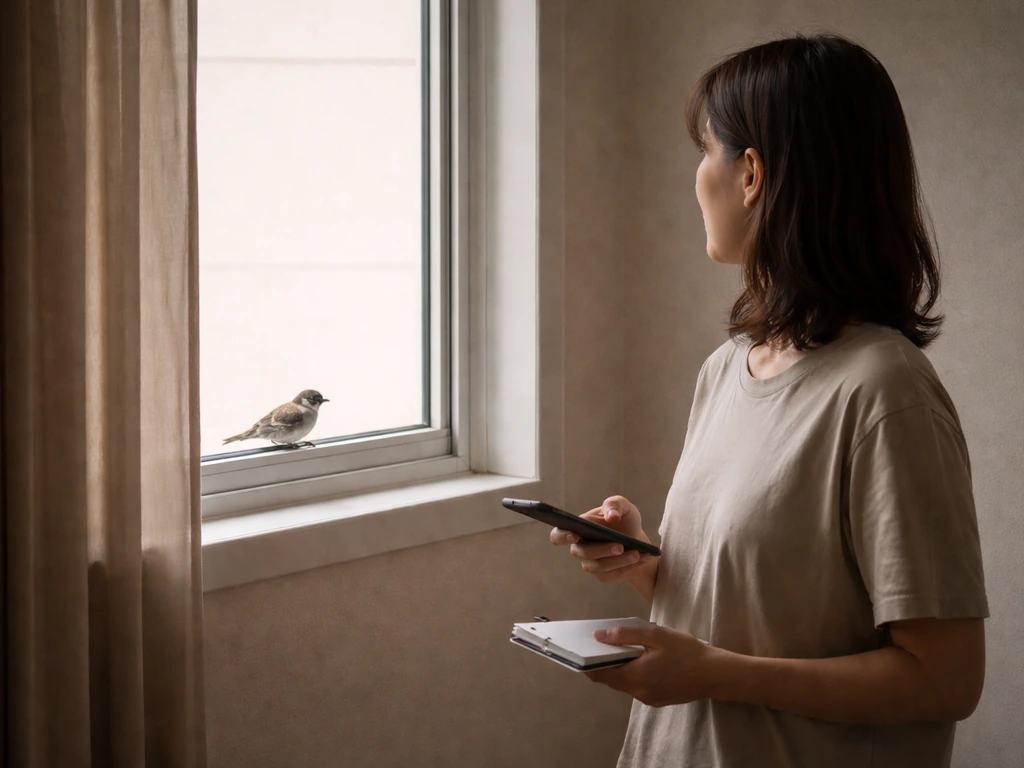
If a bird just visited you and you're reading this to figure out what to do next, here's a practical sequence that respects both the natural and the symbolic dimensions of the encounter.
- Observe and document. While the details are fresh, write down or voice-memo everything you noticed: the species if you can identify it, the color and size, what it was doing, where it appeared (window, porch, inside, yard), what time of day it was, how long it stayed, and how it behaved. Was it calm or agitated? Did it make eye contact? Did it make sounds? These details will matter if you want to interpret the encounter more deeply, and they're easy to forget within a few hours.
- Address any safety concerns first. If the bird is inside your home, open windows and doors and give it a way out without chasing it, which causes panic and injury. If the bird is stunned or injured from a window strike, do not handle it with bare hands. Place a ventilated box over it and let it rest in a quiet, dark space for up to two hours. If it doesn't recover, contact a local wildlife rehabilitator. For preventing future window collisions, external screens and evenly spaced exterior markings on glass are the most reliable solutions.
- Check for natural causes. Ask yourself: Is there a feeder nearby? Could the bird be reacting to its reflection? Was there a light on inside last night during migration season? Ruling out the most practical explanations doesn't mean the encounter wasn't meaningful. It just helps you understand what kind of encounter you actually had.
- Sit with the symbolism. Once practical concerns are handled, give yourself five to ten minutes to sit quietly and reflect. What were you thinking about right before the bird appeared? What's happening in your life that might connect to themes of change, communication, or new beginnings? What emotion came up first when you saw the bird? These reflection questions often surface the meaning more reliably than any external interpretation guide.
- Choose your reflective practice. Journal about the encounter, noting what felt significant and what questions it opened up. If you have a prayer or meditation practice, bring the experience into it. If you use oracle or tarot cards, you might draw one with the bird encounter as your focus. There's no single right way to process this. The goal is to move from passive observation to active inner listening.
- Research the specific species. If you know what kind of bird it was, look deeper into its symbolism across traditions. Different species carry genuinely different meanings, and knowing those traditions can help you find the interpretation that resonates most honestly with your own situation.
Bird visits are one of those experiences where the practical and the spiritual aren't actually in conflict. A bird may have come to your window because of a reflection, and it may also have arrived at exactly the moment you needed a reminder to pay attention. Both things can be true. The most useful question you can ask isn't "was this a sign?" but rather "what does this moment invite me to notice?" That question tends to lead somewhere worth going.
FAQ
A bird came into my house and won’t leave. Does that change the meaning, or is it mostly practical?
If the bird is inside and looks stunned, start by turning off indoor lights and keeping people and pets away from the room. Open one window or door to the outside, close interior doors so it has a clear exit path, and place a towel or box near the bird so it can steady itself. Avoid handling the bird with bare hands, because even small species can bite, and injured birds can worsen stress quickly.
What if the same bird keeps coming back to the same window, does that make it more likely to be a sign?
Yes. A bird repeatedly tapping or repeatedly appearing at the same window is often tied to reflection or a nearby resource it keeps checking. The spiritual “take it seriously” part makes more sense only after you rule out the visible drivers, like mirrored glass, bird feeders or birdbaths close to windows, and nesting activity nearby. If the behavior persists even after you adjust lights and reduce reflections, then many people treat the pattern as an additional layer beyond coincidence.
How should I interpret a bird visit differently if it happens in the morning versus at night?
Time of day matters most for likelihood of natural causes. Morning visits can overlap with birds feeding after sunrise, evening visits can align with roosting or insects near porch lights, and nighttime indoor encounters are more often caused by migration and misdirecting lights. If you want the symbolic angle to be meaningful, pair it with what was happening in your life at that same time window (for example, a decision, a message you were waiting on).
I can’t identify the bird species. Can I still make sense of the visit?
Species-specific meanings can be interesting, but a more reliable shortcut is to focus on what the bird did. For example, a bird landing directly near you tends to feel more personal than a bird flying past. If you cannot identify the species, describe behavior and setting (on a porch rail, at a window, inside a room, calm versus frantic) and use that as your main “context key,” then let symbolism be secondary.
What if the bird seems injured or dazed after the encounter?
If you find feathers, a collision victim, or a bird that appears injured, prioritize safety and first aid steps over symbolism. Contact a local wildlife rehabilitator for guidance, especially for birds that cannot right themselves or have blood or wing injuries. In that situation, many people would treat the “message” as urgent care rather than a spiritual metaphor.
If it’s a sign, what does “taking it seriously” actually look like in everyday life?
Look for a concrete action you can take, not just an interpretation. Examples include checking the window for reflection, reducing exterior lights at night, placing a feeder farther from glass, or having a real conversation you have been delaying. In spiritual frameworks, the “sign” is often treated as an invitation to change your attention and behavior in the next 24 to 72 hours.
Does it mean more if the bird makes eye contact or lingers instead of flying away quickly?
A bird staring, positioning itself at eye level, or lingering can feel like a direct message, but lingering can also happen when the bird is deciding whether it sees threat, food, or a territorial rival. The practical way to test your environment is to observe from a safe distance, then check whether the bird keeps returning after you change something like turning off lights, moving objects, or covering one reflective window.
What does it mean if a bird seems to follow me rather than just visiting once?
If a bird follows you only in the sense that it flies nearby along a route you’re walking, that can be normal behavior (seeking the same insects, shade, or open habitat). The “meaningful pattern” is more likely when the route is unusual for the bird and the encounters happen without a clear shared resource. If you notice a consistent direction and timing over multiple days, then pattern-based interpretations become more credible.
Next Article
Why Is My Bird Flapping Its Wings at Me? Causes and What to Do
Understand why your bird flaps wings at you and what to do, from hormones and stress to attention and warnings.