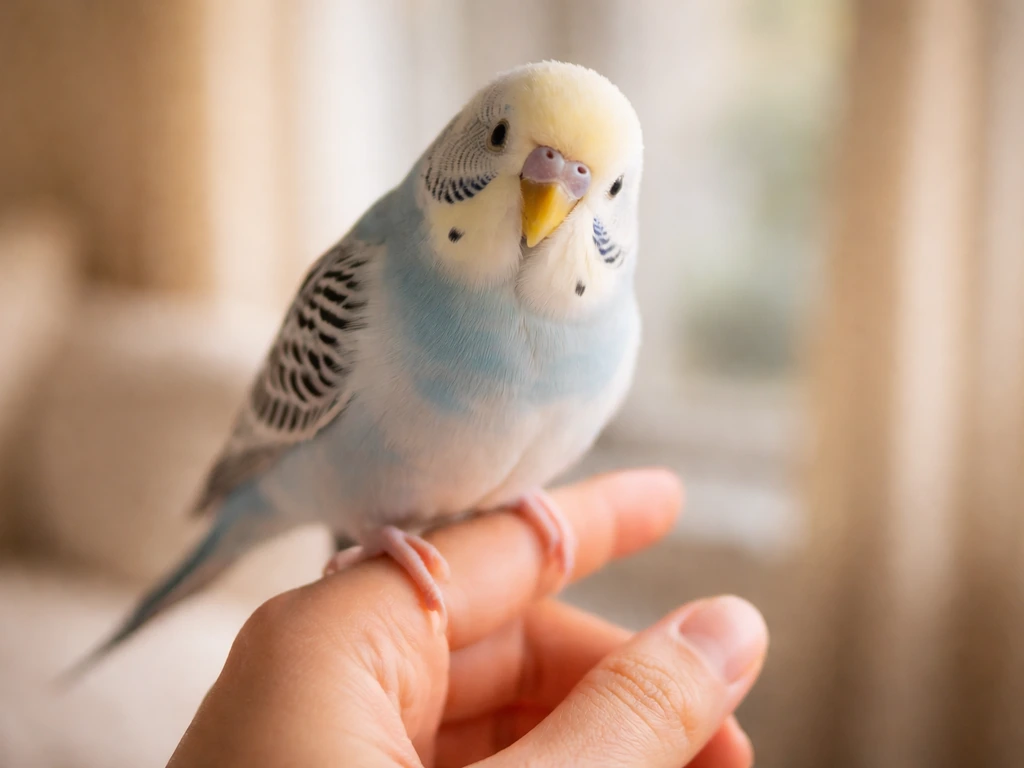
If you want a bird to come to you right now, your best move is to get low, stay still, hold out a high-value food like sunflower seeds or mealworms, and let the bird make the decision to approach on its own terms. That single shift, from chasing to inviting, is what actually works. Everything else, the feeder placement, the voice cues, the timing, is just you building a more convincing invitation.
How to Tell a Bird to Come Here: Reliable Steps and Meaning

Maya Hartwell
2 May 2026
What actually makes birds approach (and what never will)
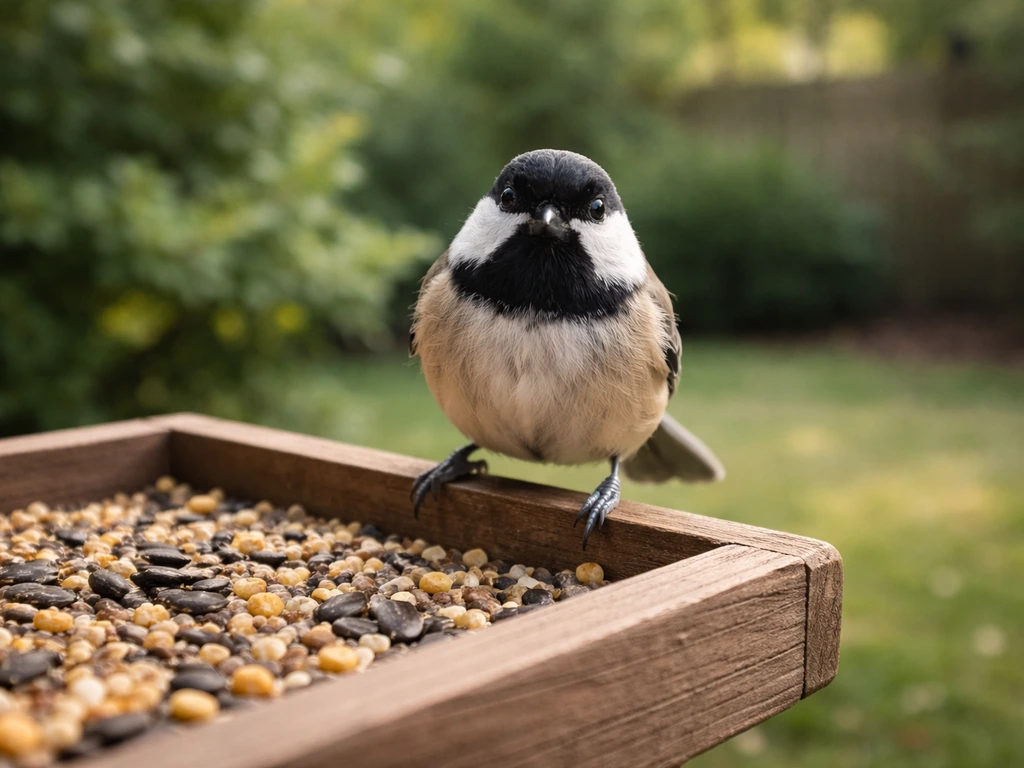
Birds are risk managers. Researchers describe something called flight initiation distance, which is essentially the closest a bird will let you get before it flies away. That distance shrinks when a bird has learned that a specific human or location is safe and when there's a reliable food reward involved. It never shrinks because you waved at it, made kissing sounds, or walked toward it confidently. From the bird's perspective, a large animal moving toward it at any speed is a predator.
So the mental model to work with is this: you are not calling a dog. You are negotiating with a small, fast animal that has survived entirely by being suspicious of everything larger than itself. Your job is to become boring, predictable, and worth the risk. That takes consistency more than it takes any special trick. A bird that visits your yard once might come back if conditions are right. A bird that visits daily for two weeks will eventually eat from your hand.
One honest caveat before we go further: wildlife agencies including USDA APHIS and the CDC caution that regularly feeding wild birds or encouraging them to lose their fear of humans can create dependency, disrupt their natural foraging behavior, and increase disease spread when birds concentrate at artificial feeding sites. That does not mean you should never feed birds, but it does mean approaching this thoughtfully rather than making wild birds reliant on you. CDC guidance for “bird hobbyists” emphasizes taking precautions to avoid handling contaminated materials such as droppings and other surfaces contaminated with wild-bird saliva, mucus, or feces.
Quick practical setup: food, water, and the right spot
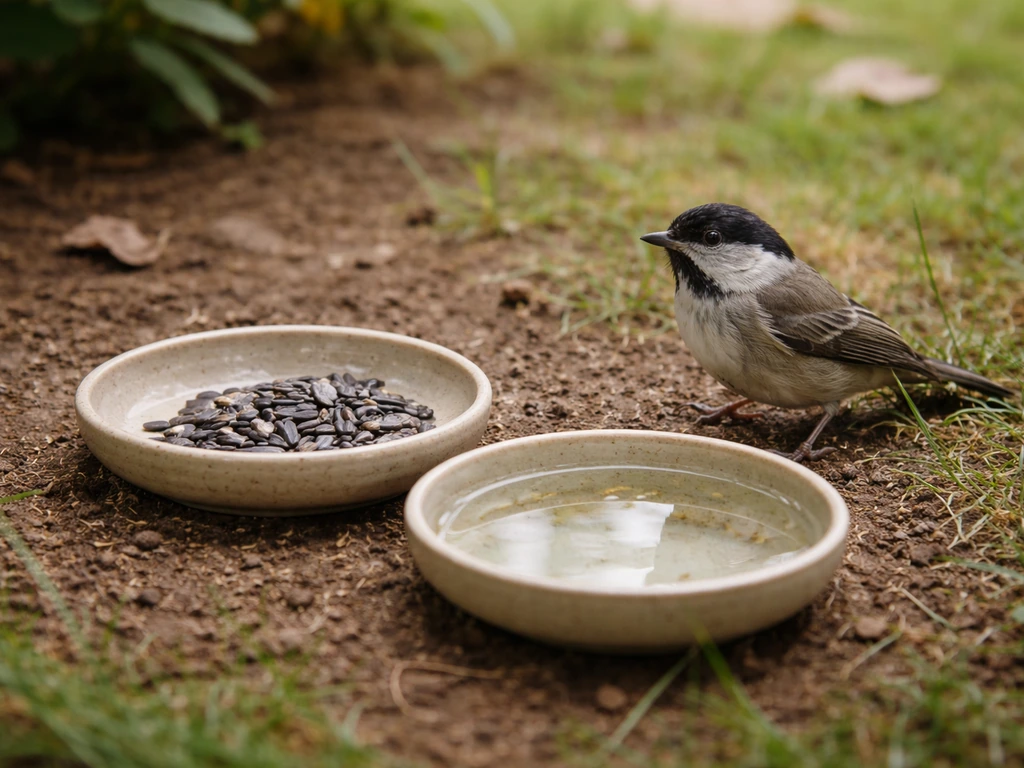
The fastest way to get a bird to come closer is to give it a reason to be there. For most common backyard birds, that means black-oil sunflower seeds, mealworms (dried or live), or suet. Suet is particularly effective in cooler weather because it is a dense, high-energy food made from animal fat that birds burn through fast. For hummingbirds, a simple sugar-water feeder works, but change the solution every three to five days and more often in hot weather to prevent mold and fermentation, which can harm the birds.
One thing to skip entirely is bread. It has no real nutritional value for birds, and moldy bread is actively harmful. The same goes for loose seed scattered on decks or patios, which concentrates birds in tight spaces and can increase disease spread. A proper feeder keeps things cleaner and healthier.
Feeder placement matters more than most people realize. Position feeders either within about 3 feet of a window or 30 feet or more away from one. The reason is counterintuitive: a feeder at 30 feet gives a bird room to see the window clearly and avoid it. A feeder right at the window means a spooked bird does not have enough momentum to cause a serious collision. The dangerous middle ground is 5 to 25 feet away, where birds build up speed and then hit the glass hard.
Add fresh water nearby if you want to double your odds. A birdbath or even a shallow dish gets visited constantly, and birds that come to drink often stay to investigate the feeder. Place your feeder near natural cover like shrubs or a low tree so birds feel they have an escape route. An exposed feeder in the middle of an open lawn is much less appealing to most species.
How to act and cue: body language, voice, and timing
Timing makes a real difference. Bird activity is highest in the early morning and again in the late afternoon, with a significant dip in the middle of the day. USGS research confirms that time of day is a measurable factor in bird behavior. If you want to be outside when birds are most active and most willing to approach, those morning and late-afternoon windows are your best bets.
Once you are outside, the rules are simple. Sit down or crouch so you are smaller. Move slowly and avoid direct, sustained eye contact, which birds read as predatory attention. Extend your hand with food in your palm and stay completely still. A low, soft, repetitive voice cue, something like a gentle whistle or a quiet spoken phrase you use consistently, can over time become a signal the bird associates with food and safety. The RSPCA recommends a soft, encouraging voice during these interactions and emphasizes stopping entirely if the bird shows signs of distress.
For pet birds, the approach is slightly more structured. Short sessions work better than long ones. Chewy's guidance on reducing hand fear in pet birds recommends incremental closeness over multiple sessions rather than forcing an approach. Watch for relaxed body cues like smooth feathers and curious eye movement to know when the bird is comfortable. Tense, fluffed feathers or a bird leaning away means you are moving too fast.
If it still won't come: troubleshooting for skittish birds
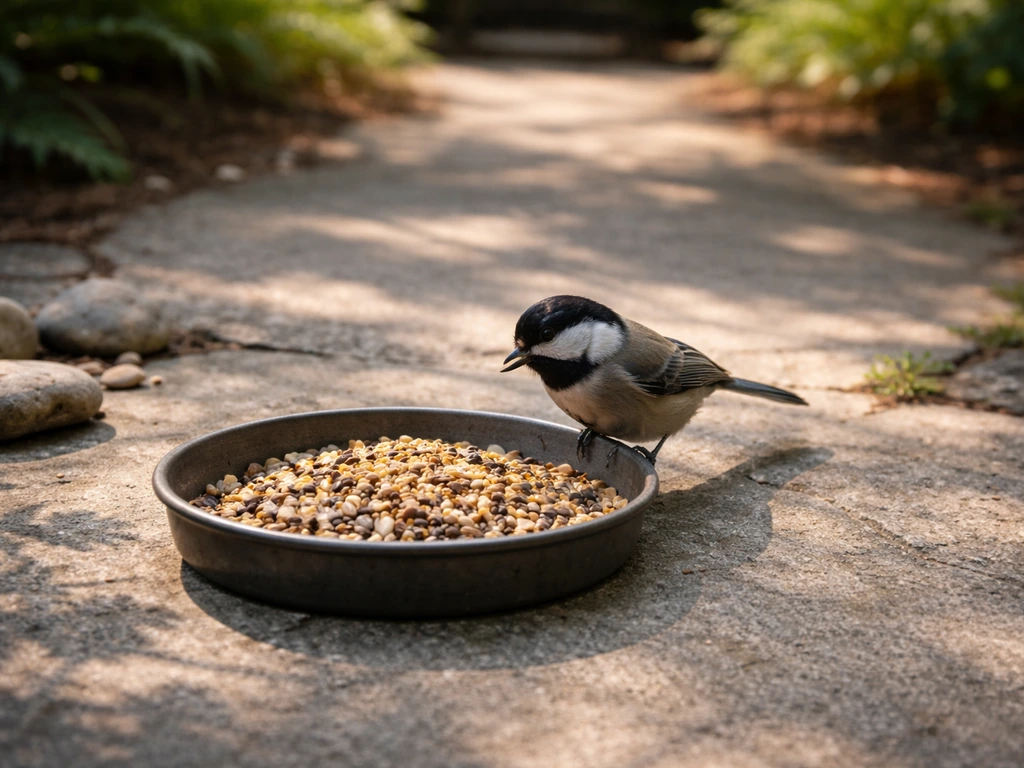
If a wild bird is hanging back, the most effective move is to back off. Leave the food in a dish at a distance and walk away completely. Let the bird eat without you present, and then gradually over multiple sessions move the dish a little closer to where you sit. This is the same principle SpectrumCare recommends for nervous pet birds: let the bird make the choice, reduce pressure, and let it build positive associations with your presence at its own pace.
For yard birds that have been visiting but are still shy, consistency is your main tool. Visit at the same time every day, sit in the same spot, and offer the same food. Predictability is what converts a cautious bird into a regular. If you have been trying different spots, different foods, and different times, that inconsistency is probably why it is not working.
- Check that your feeder is not in a high-traffic area where noise and movement are frequent
- Make sure the food is fresh, seeds can go rancid and birds will avoid a stale feeder
- Consider whether neighborhood cats or other predators are making the area feel unsafe
- Try species-specific food: chickadees and nuthatches love sunflower seeds, robins prefer mealworms, sparrows go for millet
- Sit farther away initially and reduce the distance over days, not minutes
Safety and humane boundaries: knowing when not to approach
A wild bird that lets you walk right up to it without flying away is usually not tame. It is usually sick or injured. Healthy wild birds maintain their flight distance from humans. If a bird is sitting on the ground and not moving when you approach, that is a warning sign, not an invitation.
Signs of illness to watch for include fluffed feathers (especially in warm weather, since cold birds fluff up normally), tail bobbing with each breath which can indicate respiratory distress, abnormal breathing or panting, and an inability to stand or fly. The RSPCA notes that birds are very good at hiding pain, so by the time visible symptoms show up, the bird often needs professional help.
Window-strike victims are a specific case. If a bird hits your window and falls to the ground stunned, do not pick it up and toss it into the air assuming it will fly away. The Wildlife Center of Virginia is clear that these birds need evaluation from a permitted wildlife rehabilitator or veterinarian. Place the bird gently in a ventilated box in a quiet, dark spot to reduce stress, and contact a wildlife rehab facility right away. All About Birds notes that window-strike victims have the best chance of recovery when they get help immediately.
If any wild bird appears badly injured, contact a licensed wildlife rehabilitator. Best Friends Animal Society recommends this as the first call whenever a bird is noticeably injured or acting abnormally. Most states have a wildlife rehab finder through their fish and wildlife agency.
Why a bird might be approaching you: natural reasons and spiritual meanings
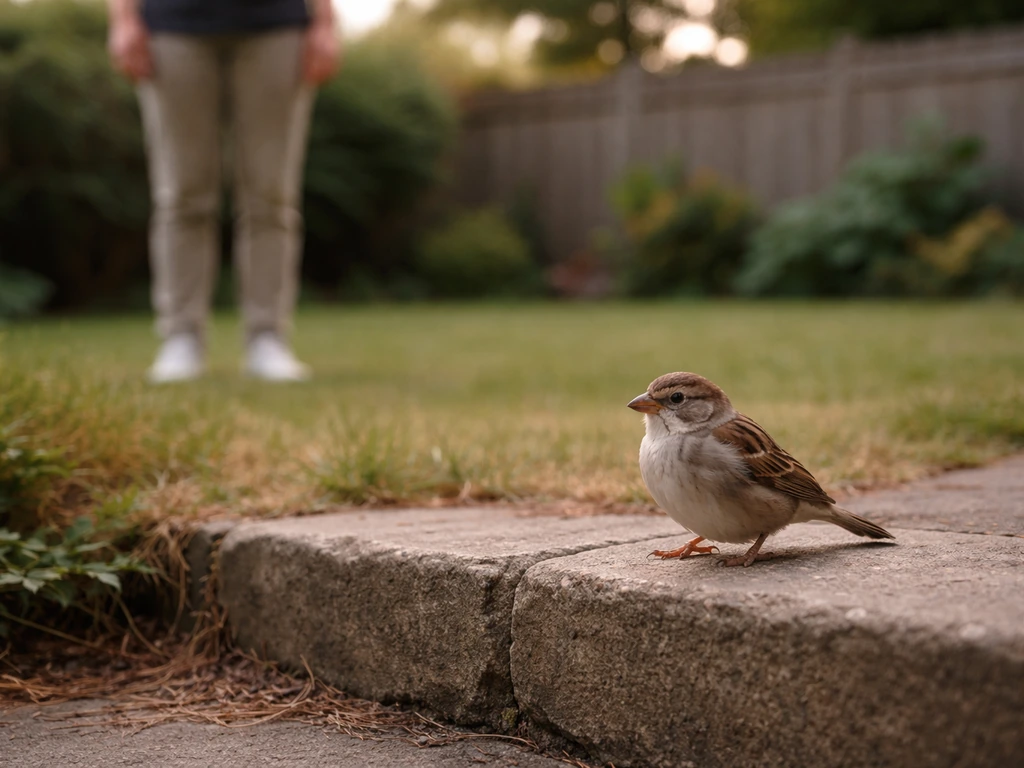
Before jumping to meaning, it helps to know the natural explanations. A bird that follows you, lands nearby repeatedly, or shows unusual fearlessness around you is most often motivated by food, safety, or territory. Some birds have learned through social imprinting that humans near certain locations mean food is coming. Others have simply been hand-fed long enough that they have lost the instinctive caution most wild birds carry. The Environmental Literacy Council frames it clearly: when a wild bird approaches or follows a person, it is usually attributable to basic survival needs rather than a guaranteed symbolic message.
That said, people across nearly every culture and time period have assigned deep meaning to bird encounters, and there is something worth sitting with in those traditions even if you hold them lightly. In many biblical traditions, birds appearing at significant moments are interpreted as messengers or signs of divine presence. Celtic folklore reads a bird landing near you as a connection between the physical world and the spirit realm. Indigenous traditions in North America frequently treat birds as messengers between the living and the ancestors. In Eastern philosophy, a bird arriving unexpectedly at your door or window is often seen as a signal to pay attention to something you have been ignoring.
Funeral.com and similar folklore-oriented sources note that bird visits are particularly often interpreted as meaningful when they occur close to significant emotional events like a loss, a decision point, or a transition. The common thread across traditions is that a bird approaching you, especially repeatedly or in an unusual way, is an invitation to pause and reflect rather than a literal prophecy. What you take from that is genuinely personal.
It is also worth considering the bird's species if you want to explore symbolic meaning. A red cardinal arriving at your window carries different cultural weight than a crow circling overhead or a sparrow landing on your hand. Each species comes with its own symbolic history across traditions. If the encounter felt significant to you, that feeling is worth exploring, even if the practical explanation is simply that a hungry chickadee spotted your sunflower seeds.
If you find yourself wondering whether this bird actually likes you, trusts you, or has bonded with you in some way, those questions are worth exploring separately. If you are wondering how to tell if a bird likes you, focus on whether it consistently approaches with relaxed body cues rather than just temporary curiosity Whether a bird actually likes you. Whether a bird is bonded to you, whether it has imprinted on you, and how to read whether it is actually looking at you as an individual are all distinct layers of the bird-human relationship that go beyond a single visit.
Keep the invitation going (or let the moment be what it was)
If your goal is an ongoing relationship with yard birds or a pet bird that comes when called, consistency is everything. Maintain the feeder, keep the water fresh, show up at the same time, use the same voice cue. Over weeks, you will notice individual birds starting to treat you as part of the landscape rather than a threat. That shift, from stranger to familiar presence, is genuinely one of the more rewarding things you can build with patience.
If the encounter was a one-off, a single bird landing near you in an unexpected place, that is worth noting too. You do not have to do anything with it except notice it. Some encounters are practical (hungry bird, wrong window, wrong time). Some feel like more than that. Either way, the fact that you wanted the bird to come closer says something about where your attention is right now, and that is a reflection worth sitting with on its own.
FAQ
Can I call a bird by using sounds like whistles or clapping, or do I really have to rely only on food?
Food is the fastest and most reliable “reason,” but consistent sounds can become a secondary cue. Keep the sound soft and repetitive, use it only when food is visible, and avoid sudden volume changes, since unpredictable noises can reset the bird’s sense of safety.
What should I do if the bird is still far away, even after placing a feeder near natural cover and using the right food?
Start with distance and reduce pressure. Place the food farther from your presence than you think you need, then stay seated and let the bird approach without you advancing. Only shorten the distance in small increments over multiple days, stopping if the bird increases its flight distance.
How long does it usually take before a yard bird will come closer or eat from my hand?
There is no single timeline, but behavior typically improves over 1 to 2 weeks when visits are frequent and conditions stay predictable. If you see no trend after a couple of weeks, the most common fixes are adjusting feeder timing, changing food to something the local species prefers, or moving away from the “window collision” danger zone.
Is it safe to feed birds from my palm, or can that harm them?
Feeding from your palm is generally okay if the bird can approach calmly and you do not chase or grab. The bigger risk comes from attracting many birds to tight areas, which can raise disease spread, and from offering food that spoils (especially in heat). Use fresh food, clean up leftovers, and avoid crowded feeding spots.
What if the bird I want to attract is aggressive or won’t let others approach?
Some species are territorial and may chase other birds away from the same spot. Use multiple feeding locations spaced apart, so dominant individuals cannot block everyone, and consider separate stations for suet, seed, and water to reduce competition.
Should I use bread, even occasionally, if that is what I have on hand?
Avoid bread entirely. It provides little nutritional value and it can grow mold quickly, especially in warm weather, which can harm birds and contribute to unhealthy feeding conditions.
How do I clean feeders and dishes to reduce disease risk?
Clean at least every few days, and immediately after rain or if food looks wet or clumpy. Wash with hot water and a safe cleaner appropriate for bird feeders, and make sure seeds and water sources do not sit fermenting. Also remove fallen seed from the immediate area so birds are not forced to feed in dirty, crowded pockets.
What’s the best way to handle a window-strike victim if I find one at my feet?
Do not assume it will recover on its own. Place it gently in a ventilated box in a quiet, dark place to reduce stress and contact a permitted wildlife rehab facility or veterinarian right away. The key factor is speed to professional evaluation.
How can I tell the difference between a bird being friendly and a bird that is sick?
Friendly birds usually keep normal posture and can fly off when startled. Sick or stressed birds may sit fluffed on the ground, show abnormal breathing or panting, have tail bobbing with each breath, or be unable to stand or fly. If you see these, treat it as an urgent wildlife welfare issue.
If I want hummingbirds to come close, how should I prevent mold and keep the feeder safe?
Change the sugar solution every three to five days, and more often in hot weather, then rinse and refill to remove residue. Position the feeder so you can observe without hovering or making sudden movements, since frantic attention can discourage visits.
Can I train a wild bird to “come here” on cue like a pet?
A wild bird is not realistically trainable the way a pet is, because you cannot reliably shape behavior without risking dependency or stress. What you can do is create a consistent association between your presence, a cue, and a food reward, and accept that the bird chooses whether and when to approach.
Should I move the feeder closer to my window if birds seem cautious?
If your feeder is in the 5 to 25 feet range from a window, consider moving it either much closer (within about 3 feet) or far enough away (about 30 feet or more) to reduce collision risk. Safety matters first, so do not optimize “closeness to you” at the expense of bird-window collision prevention.
Next Article
How to Tell If a Bird Likes You: Signs and Steps
Learn signs a bird trusts and loves you, plus safe bonding steps, red flags, and optional spiritual interpretations.