If your bird keeps flying to your shoulder, tilting its head toward you, or chirping every time you walk into the room, you're probably wondering whether that's genuine affection or just normal bird behavior. The honest answer: you can absolutely tell the difference, but it takes learning to read body language rather than projecting human emotions onto your bird. Here's how to do that accurately, safely, and in a way that actually helps you build a real bond.
How to Tell If a Bird Likes You: Signs and Steps

Maya Hartwell
17 Apr 2026
What "liking you" actually means for a bird
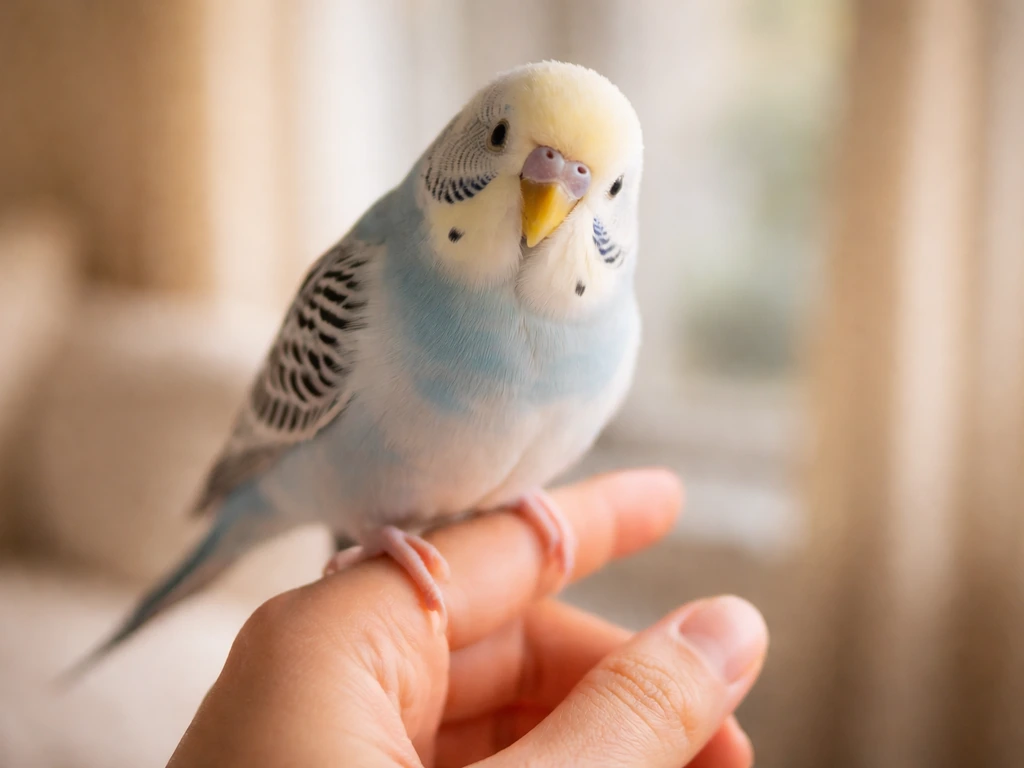
Birds don't experience affection the way humans do, but they do form genuine preferences and attachments. When we say a bird "likes" you, we really mean it has developed trust and a sense of safety around you specifically. That is meaningful and real, but it shows up in behavioral and physical cues, not in ways that mirror human expressions of warmth. The risk of anthropomorphizing birds is that owners sometimes misread stressed or fearful compliance as affection. A bird that tolerates handling without fighting back isn't necessarily comfortable; it might be shut down. Understanding the difference between a bird that tolerates you and one that actively seeks you out is the first and most important distinction to make.
Normal bird behavior includes vocalizing when the household gets active, moving toward food sources, and reacting to stimuli in the environment. None of that is personal. What's personal is when a bird chooses you specifically, approaches you voluntarily, or modifies its behavior in your presence in ways that signal relaxation and invitation rather than obligation or fear.
Behavioral signs that your bird trusts and likes you
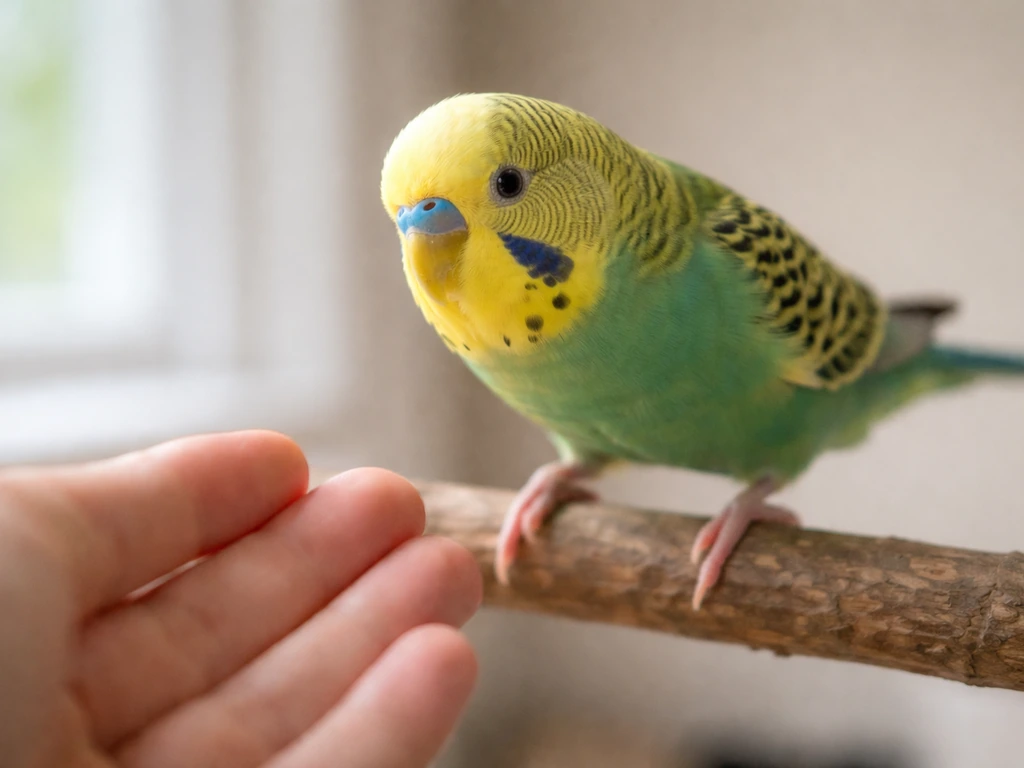
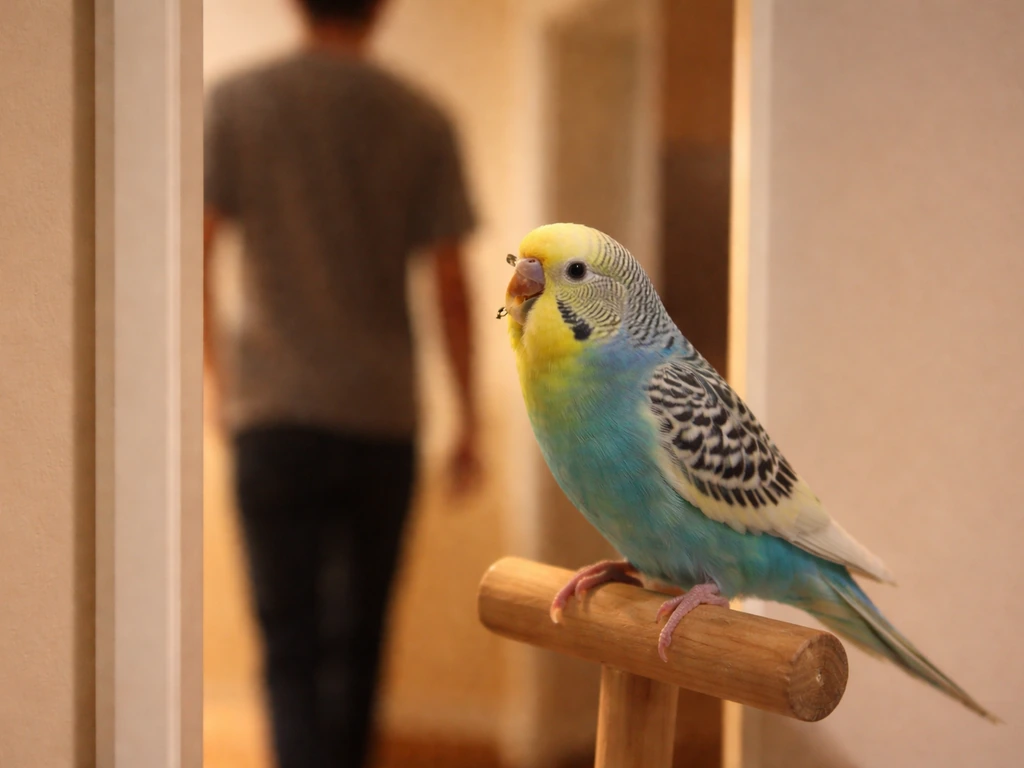
The clearest behavioral signal is voluntary proximity. A bird that genuinely likes you will move toward you without prompting. It will fly or walk in your direction when it has the option to go anywhere else. Preening in your presence is another strong indicator because birds only groom themselves when they feel safe enough to drop their guard. If your bird preens while sitting near you, that's a real signal of comfort. Allopreening, where a bird tries to groom your hair or eyebrows, is one of the most affiliative behaviors you'll see. In flock dynamics, mutual preening is reserved for trusted companions.
Head bobbing can indicate excitement or a desire for interaction depending on context, and a bird that leans toward you or presses against your hand or chest is communicating a desire for closeness. Play behavior directed at you, offering you toys or objects, and following you from room to room are all positive bonding indicators. If you want a clear, focused look at what trust specifically looks like versus general comfort, it helps to understand how to know if a bird trusts you as a concept separate from liking, since trust is the foundation that affection is built on.
Body language and vocal cues to watch closely
Posture and feather position
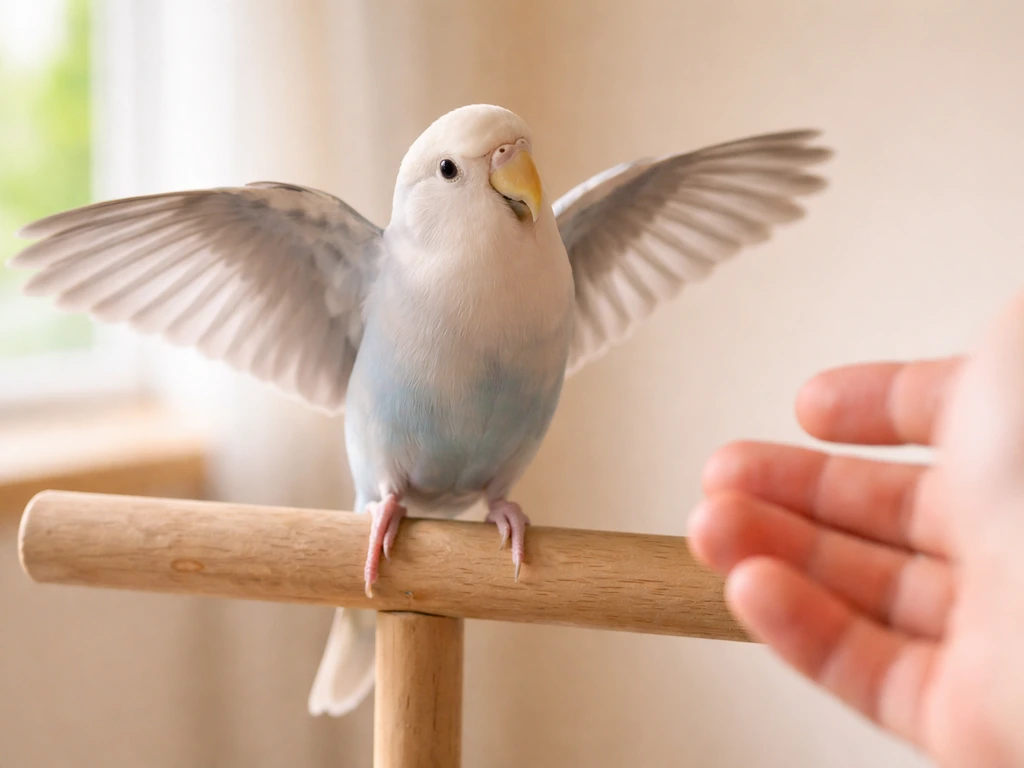
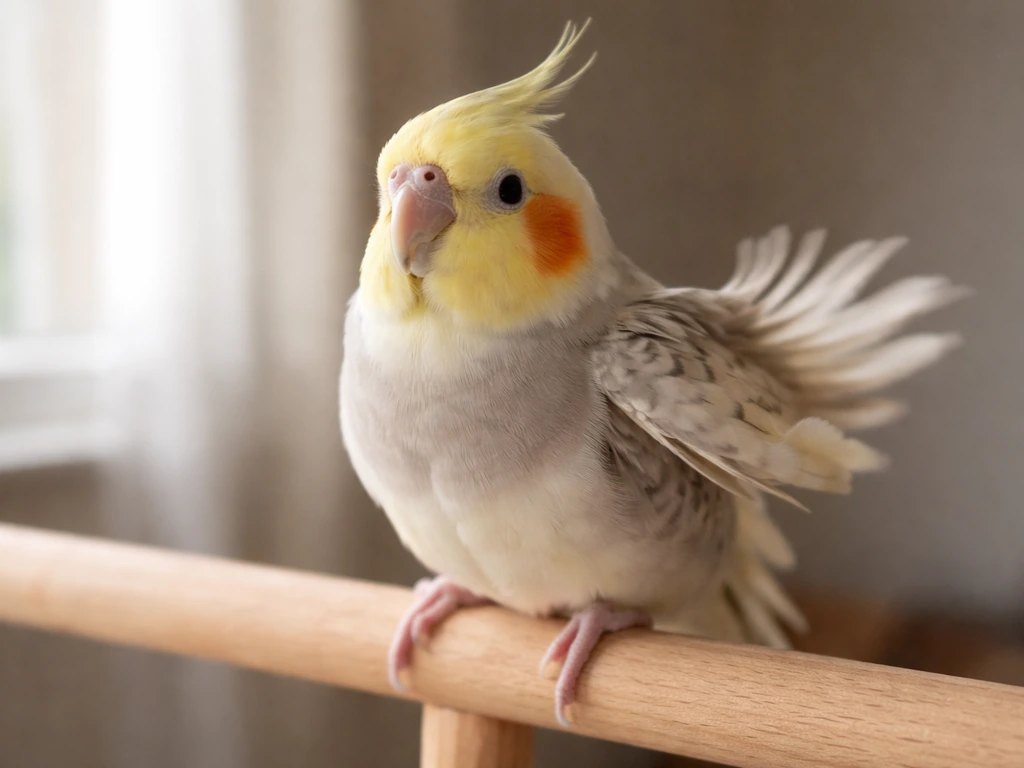
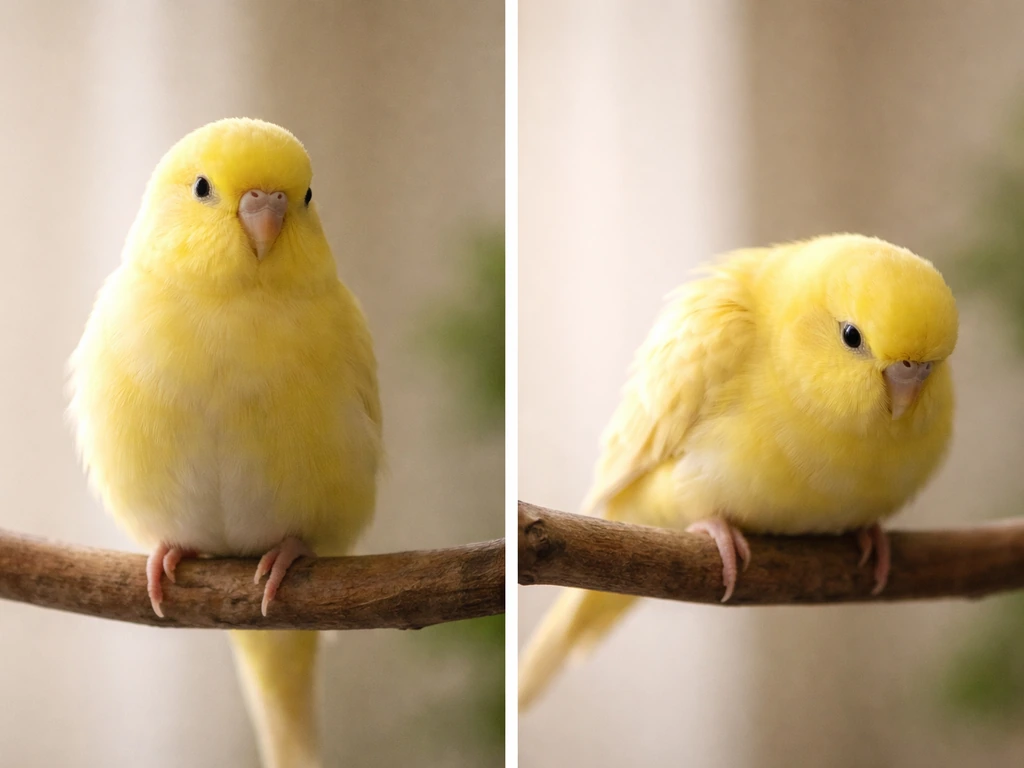
Relaxed feathers, soft eyes, and a slightly puffed (but not hunched) posture are signs of a bird at ease. When a bird lowers its head toward you with relaxed head feathers, it's inviting contact. Leaning toward you without any tension in the body is a welcoming cue. In contrast, slicked-back feathers, an upright rigid posture, or a crouched position with hard, focused eyes are signs the bird is not in a receptive state. Raised feathers combined with a low crouch is a clear signal to back off.
blank" rel="noopener noreferrer">Eye pinning, where the pupils rapidly constrict and dilate, is one of the most discussed body language cues in parrots. It's worth knowing that eye pinning alone doesn't mean aggression. It can appear during courtship, excitement, or intense interest. The surrounding context matters enormously. Eye pinning paired with relaxed feathers and leaning toward you reads very differently than eye pinning with puffed head feathers, a fanned tail, and wings held away from the body. That second combination is a warning, and a bite is likely incoming.
Vocalizations that signal positive connection
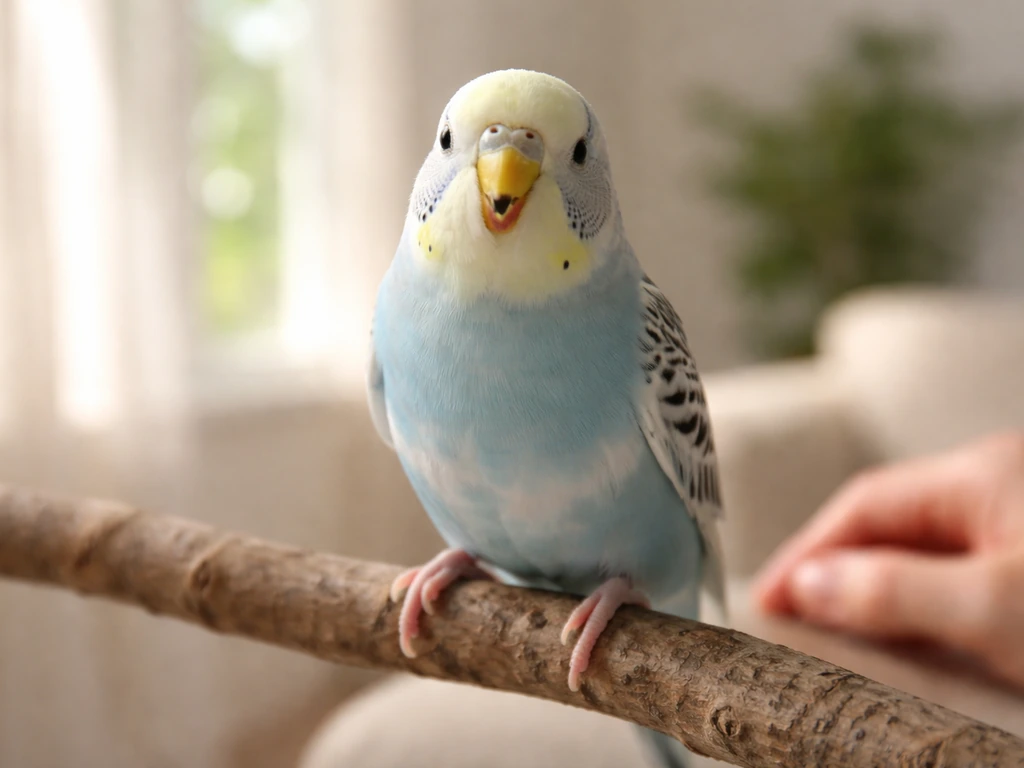
Short, frequent chirps are generally excitement or contentment sounds. Singing, whistling, and calm talking are strong indicators that a bird is happy and relaxed in your presence. Kaytee's bird behavior guidance notes that chirping functions as a reassurance call between flock members, which means a bird chirping at you is treating you like part of its social group. That's a meaningful compliment in bird terms. Raspy or harsh chirps, alarm calls, and repetitive screaming, on the other hand, signal stress rather than connection. Context always matters: a bird that calls loudly when you leave the room might be bonded and missing you, but it could also be experiencing separation anxiety that needs to be addressed through gradual independence-building.
Eye contact and perching choices
A bird that consistently perches as close to you as possible and orients its body toward you is showing preference. If you've ever wondered whether your bird is actually paying attention to you specifically, learning how to tell if a bird is looking at you as opposed to scanning the room is worth understanding. Birds have monocular and binocular vision, so when a bird turns its head to focus one eye on you deliberately and holds that gaze, it's actively choosing to attend to you. Calm, soft eye contact combined with relaxed posture is an invitation. Darting eyes scanning for escape routes is the opposite.
How feeding and handling interactions confirm (or complicate) things
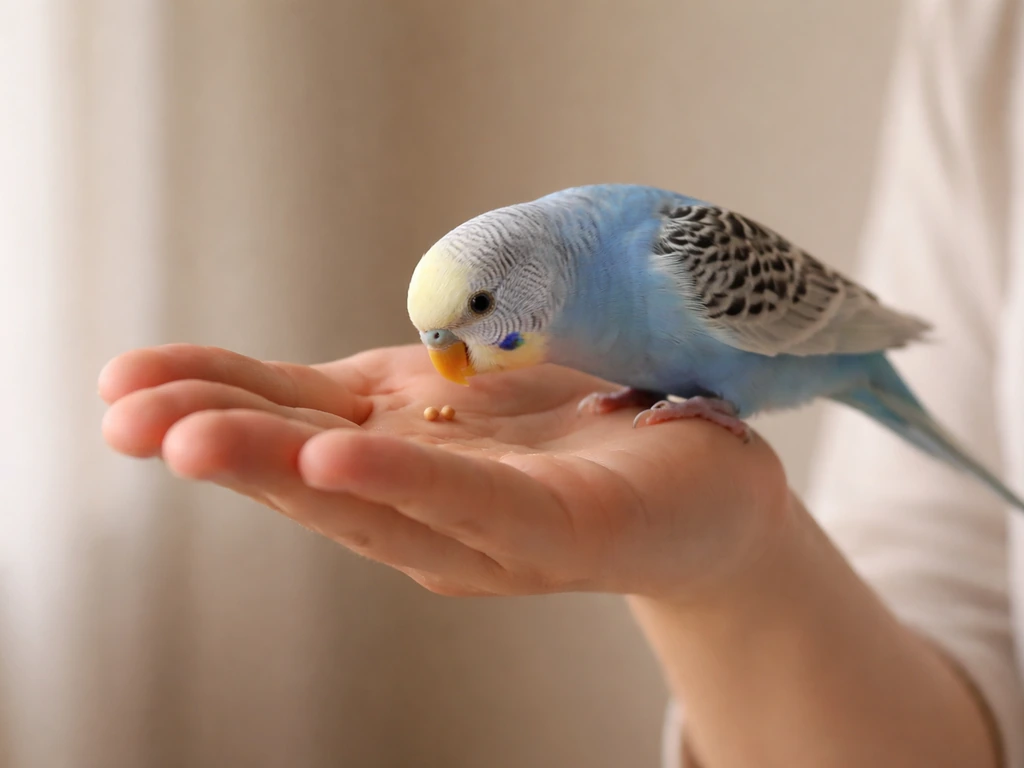
Hand-feeding is one of the most reliable ways to gauge where you stand with a bird. A bird that accepts treats directly from your fingers without hesitation, and doesn't immediately retreat afterward, is showing trust. The key detail is what happens after the treat: does the bird stay near you, or does it take the food and move away? Staying close is the more meaningful signal. Species that bond tightly, like some parrot species, may even refuse treats from people they don't trust while readily accepting them from their preferred person.
Step-up behavior, where a bird steps onto your hand or arm when asked, is often used as a trust benchmark. It's a reasonable one, but only when done correctly. The step-up should be offered as an invitation, not imposed by pushing your finger into the bird's chest until it steps up out of startled reflex. That push-on-chest technique is a common mistake that creates compliance, not trust.
The bird is stepping up to avoid falling, not because it wants to be with you. Teaching step-up with positive reinforcement, patience, and giving the bird the option to decline builds genuine willingness. Training with [positive reinforcement](https://fabclinicians. org/wp-content/uploads/2020/02/Bird-step-up.
pdf) should give the bird choice rather than forcing a step-up, emphasizing that options and voluntary behavior are key to effective learning. Only when a bird is comfortable with your hand being near it will the step-up work as a true bonding tool. Learning how to tell a bird to come here using cues and rewards rather than physical force is the approach that actually builds lasting trust.
Another mistake to avoid: interpreting a bird sitting still during petting as enjoying it. Some birds go quiet and still when overstimulated or uncomfortable because they've learned that struggling makes things worse. Watch for slicked feathers, a frozen posture, or the bird moving away the instant you stop. Those are stress signals, not contentment. A bird that genuinely enjoys being handled will often lean into your hand, close its eyes, make soft sounds, and may even seek more contact when you stop.
Why your bird might act differently than expected
Species and individual temperament make an enormous difference, and this is where a lot of owners get confused. A budgerigar is a highly social, flock-oriented species that may show comfortable proximity to almost everyone in a household once it feels safe, while a larger parrot might bond intensely to one person and be wary of everyone else. Finches and lovebirds typically bond more strongly to other birds than to humans and may show affection more subtly than a cockatoo that climbs all over you. Smaller pet birds and medium to large parrots genuinely differ in their bonding patterns and the amount of interaction they seek from humans.
Past experiences also shape behavior heavily. A bird with a history of mishandling or inconsistent care may show fearful behaviors even with a patient, loving owner. It doesn't mean the bird dislikes you; it means trust-building will take longer and requires more consistent positive reinforcement. Age matters too. Hand-raised birds that were socialized as chicks often show more immediate comfort with humans, while wild-caught or previously neglected birds may take months before showing obvious signs of preference. If you're noticing behaviors that seem like something deeper than casual comfort, it's worth exploring how to tell if a bird has imprinted on you, since imprinting is a distinct developmental process that creates a fundamentally different kind of attachment.
Signs you're reading fear or stress as affection
This section matters more than most owners want to admit. Several behaviors that can look like a bird accepting your presence are actually stress responses. Knowing the difference protects your bird's welfare and your actual relationship with it.
- Frozen stillness during handling: often shut-down stress, not contentment
- Crouching low with a slight spring tension in the body: ready to flee, not relaxed
- Leaning away or turning its back to you consistently: a clear request for distance
- Repetitive pacing, bar-biting, or rocking: signs of chronic stress, not affectionate habit
- Excessive screaming or alarm calls when you approach: fear response, not a greeting
- Cowering or trembling: obvious fear that should never be confused with bonding
- Aggression when you try to handle it (lunging, biting, fanning its tail, wings held out): a warning that its threshold has been crossed
The AAV's welfare framework describes a spectrum from relaxed to high-stress states in companion birds, and it specifically notes that birds leaning away and attempting escape before handling are at a welfare threshold that owners need to respect rather than push through. Continuing to handle a bird showing these signs damages trust rather than building it. If you're seeing several of these red flags regularly, the priority is addressing stress rather than pursuing more interaction.
Practical steps to build a real bond starting today
- Spend low-pressure time near the cage daily without reaching in or demanding interaction. Let the bird observe you as safe and predictable.
- Offer high-value treats from your open palm (not your fingers initially) to associate your hand with good things, not threats.
- Watch body language continuously and honor requests for distance immediately. Every time you back off when the bird asks, you deposit trust into the relationship.
- Introduce the step-up cue using positive reinforcement only when the bird is already comfortable with your hand nearby.
- Keep sessions short and end on a positive moment, before the bird shows stress signals, so the interaction is always associated with good outcomes.
- Use a calm, consistent voice. Birds are sensitive to human emotional states, and tension in your body or voice communicates threat.
- Avoid punishment-based responses like squirting with water or shouting, which damage trust and create defensive behaviors.
- Build foundation behaviors like targeting (touching a stick with its beak) to give the bird a way to interact with you cooperatively and reduce uncertainty about what's being asked.
If you want to understand the progression of bonding more deeply, looking at how to tell if your bird is bonded to you can help you recognize when you've moved past early trust into a more established, mutual relationship. Bonding isn't a single moment; it's a pattern that accumulates over time through consistent, respectful interactions.
A quick comparison: affection signals vs. stress signals
| Behavior | Likely Meaning | What to Do |
|---|---|---|
| Approaching you voluntarily | Positive interest, affection | Welcome it calmly, offer interaction |
| Lowered head, relaxed feathers | Inviting contact or grooming | Respond gently if comfortable doing so |
| Singing, chirping softly near you | Contentment, treating you as flock | Enjoy it, reinforce with calm presence |
| Preening in your presence | Feels safe around you | No action needed, just good sign |
| Leaning away or turning back | Requesting distance | Back off immediately, try again later |
| Frozen stillness during handling | Stress/shutdown response | Stop handling, reassess approach |
| Slicked feathers, rigid posture | Fear or over-arousal | Give space, reduce interaction intensity |
| Lunging, biting, tail fanning | Threshold crossed, defensive | End session, review what triggered it |
| Repetitive pacing or bar-biting | Chronic stress | Consult avian vet or behavior specialist |
The spiritual side: what people read into a bird's connection with them
Across cultures and across centuries, the bond between humans and birds has carried meaning beyond the observable. In Celtic tradition, birds were seen as messengers between the living world and the spirit realm. In many Indigenous traditions, a bird choosing to rest near a specific person was interpreted as that person being recognized or chosen for a purpose. Eastern philosophies often associated birds with the soul's freedom and its capacity for transcendence. These are not care instructions, but they are part of a long human conversation about what it means when a bird seems to single you out.
When your bird consistently seeks your presence, calls for you specifically, or responds to you in ways it doesn't respond to others, many people naturally feel that something more is happening. Spiritual interpretations frame that feeling as meaningful: a sign of being trusted by a creature that cannot be deceived, a reflection of your own inner state of calm and openness, or even a message from something beyond the physical. Bird symbolism traditions often emphasize that a bird's choosing you is a mirror, asking you to reflect on what you are offering to the world and whether you are living in alignment with your own values.
Whether you hold those interpretations literally, metaphorically, or not at all, there's something genuinely worth sitting with: birds are exquisitely sensitive to human emotional energy. The calmness, consistency, and genuine care that make you trustworthy to a bird are exactly the qualities that many spiritual traditions say make a person worthy of meaningful encounters. The practical work of earning a bird's trust and the inner work of becoming someone a bird feels safe with are, in many traditions, the same work.
If a bird has been showing up in your life, whether as a companion animal or a wild visitor, in ways that feel significant, the spiritual lens invites you to ask: what does it mean to be chosen by something that cannot be fooled? What might that say about the kind of presence you're bringing into your relationships, your home, and your daily life? Those are questions worth holding, regardless of where you land on the spiritual spectrum.
FAQ
My bird follows me but doesn’t step up or take treats. Does that mean it likes me or is it just curious?
Following you can be preference, but if the bird avoids touch and retreats after taking a treat, it often means “safe from a distance” rather than trust with your hands. Use a low-pressure test, offer treats close to your body but not at the bird, then watch whether it chooses to stay near you for several minutes after feeding. Sticking around (not just taking food) is the stronger “likes you” signal.
How can I tell the difference between excitement and overstimulation when my bird preens near me or gets very vocal?
Excitement usually comes with soft, relaxed body tension and ongoing invitations (leaning in, relaxed head feathers). Overstimulation tends to look like rapid escalation, then sudden stillness, feather changes, or moving away when you try to engage. A practical check is to reduce interaction for 1 to 2 minutes and see if the bird visibly relaxes, quiets, or chooses a calm posture.
What if my bird leans toward my hand during petting, but then bites when I stop?
That pattern often means the bird was tolerating the interaction, not enjoying it, or it is ending the session on its own terms. Try switching from petting to “pause and offer,” stop touching, and let the bird decide whether to approach again. If it leans in only while contact continues, keep sessions shorter and use fewer handling cues.
My bird makes eye pinning when I enter. Is it always an aggression warning?
Eye pinning alone is not automatically a bite signal. Context matters most: look for relaxed feathers, a soft body, and head/torso orientation toward you. If eye pinning comes with puffed head feathers, fanned tail, or wings held away from the body, treat it as a “back off now” state and end the interaction before it escalates.
How soon can I expect to see signs that my bird likes me after adopting it?
It varies by species, age, and history, but a common pattern is early cues of safety (staying near you, calm vocalizing when you’re around) before “affiliative” cues (preening near you, directed play, consistent step-up). If you see only avoidance or freeze responses after a reasonable adjustment period, shift your focus to stress reduction and predictable routines rather than pushing for closeness.
My bird seems affectionate, but it also screams sometimes. Does screaming mean it dislikes me?
Not necessarily. Screaming can be a general arousal, an alarm response to the environment, or a call for you when attention is missing. Pay attention to timing and triggers: if screaming spikes specifically when you leave and settles when you return, it may be attachment-related rather than rejection. If the calls intensify with certain handling attempts, it is more likely stress.
Can a bird “like” multiple people, or do birds always bond to one person?
Both are possible. Flock-oriented species may show comfort and voluntary proximity to several household members once safe, while many parrots form a primary preference and can be wary of other people. A useful approach is to assign consistent, positive routines (same quiet greeting, same treat timing, same distance) and see whether the bird chooses to approach voluntarily rather than forcing any shared interaction.
What are the most common mistakes people make when trying to tell if their bird likes them?
Two big ones are interpreting compliance as affection (like forcing step-up by pushing the chest) and missing stress cues (slicked feathers, rigid posture, hard-focused eyes, escape attempts). Another frequent error is focusing on one behavior, like vocalizing, without checking the full body state. Use a quick “cluster review” each time: posture, feathers, gaze, and what the bird does when you stop moving toward it.
If my bird accepts treats from my hand, does that guarantee it is bonded to me?
Hand-feeding is a strong trust indicator, but the real test is what happens immediately afterward. If the bird takes the treat and stays close, or returns for more sessions, that suggests a meaningful preference. If it takes the treat quickly then retreats and avoids you afterward, it may be learning “tolerate you for food” rather than “choose you for comfort.”
What should I do if I think my bird likes me, but it shows red flags like leaning away during contact?
Treat red flags as the bird telling you the interaction is too much, even if it also shows some friendly behavior at other times. End contact, give space, and rebuild using shorter sessions at a distance (talk softly, move slowly, offer choice). Over time, the “likes you” signs should become more voluntary and less conditional on you initiating every interaction.
How can I tell if my bird is looking at me on purpose versus just scanning the room?
Deliberate attention is usually longer and steadier, the bird orients its head or body toward you and maintains focus without rapidly searching for escape routes. Scanning is faster and broader, with frequent head swings to other areas. A practical method is to gently change position in the room, if the bird updates its gaze to you promptly and holds it, that’s stronger directed attention.