When a bird fluffs up its feathers, it most often means one simple thing: the bird is doing exactly what it's built to do. Fluffing is a normal, healthy behavior tied to warmth, rest, comfort, and feather maintenance. Most of the time, you can watch for a minute, confirm the bird looks alert and active, and walk away without a second thought. But sometimes, fluffed feathers are one piece of a larger picture that signals the bird needs help. Knowing how to tell the difference in just a few minutes is what this guide is for.
What Does It Mean When a Bird Fluffs Up? Why and What to Do
Maya Hartwell
12 Apr 2026
Normal behavior vs. genuine cause for concern
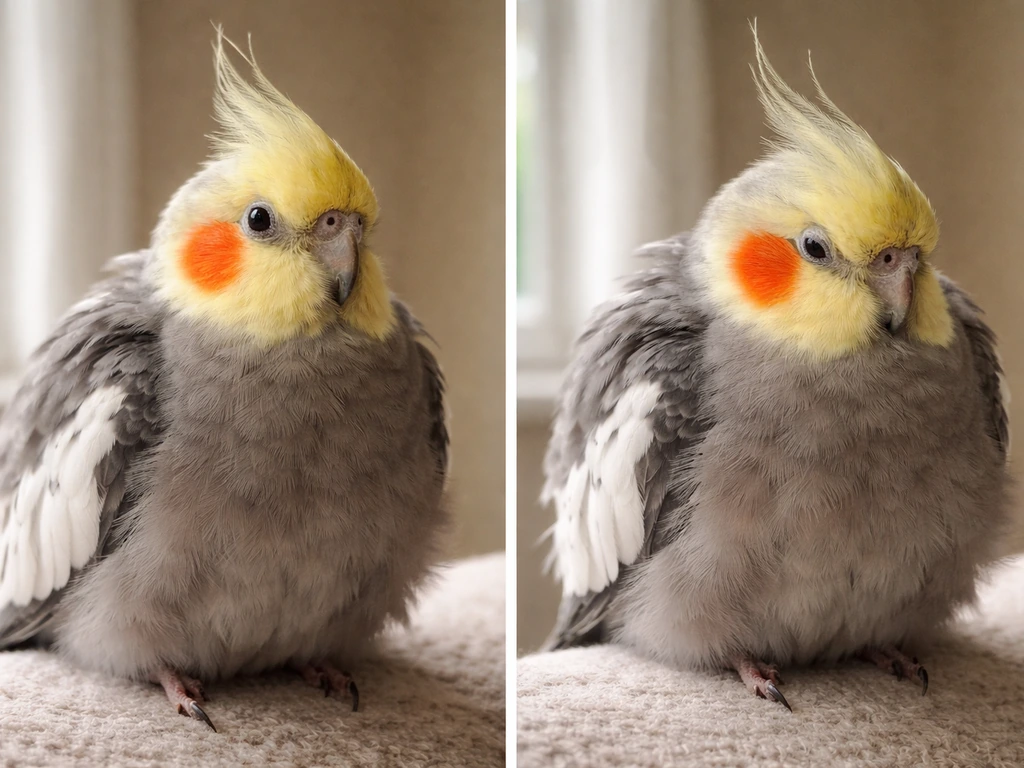
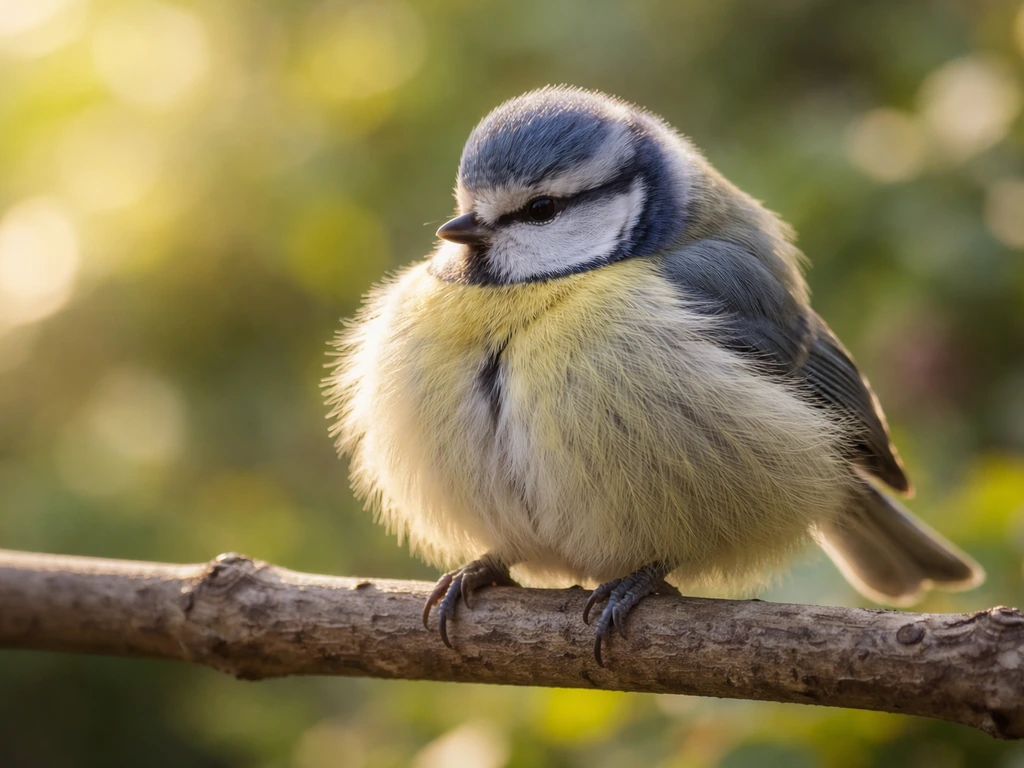
The short answer is that a fluffed-up bird is, more often than not, perfectly fine. Birds fluff their feathers dozens of times a day as a routine part of managing their body temperature, settling in for a nap, or simply relaxing on a branch. The behavior only becomes a red flag when it shows up alongside other signs of distress: lethargy, labored breathing, discharge, or an inability to fly or perch properly. A bird that is fluffed, bright-eyed, responsive, and moving around normally is almost certainly healthy. A bird that is fluffed and sitting motionless on the ground, barely blinking, and breathing with its mouth open is a different story entirely.
Part of what makes this tricky is that birds are also masters at hiding weakness. Because showing illness in the wild is dangerous, many birds will mask symptoms until they're quite sick. So if something feels "off" beyond just the fluffed look, trust that instinct and keep reading.
Why birds fluff: warmth, comfort, rest, and feather care
Feather fluffing is a behavior scientists call ptiloerection, and it's controlled by tiny muscles attached to the base of each feather. When a bird raises those feathers, it increases the effective thickness of its plumage and traps warm air close to the skin, creating an insulating layer that helps the bird hold onto body heat. This is the same basic principle as a puffy down jacket. Research on avian thermoregulation confirms that fluffing is one of the first strategies a bird uses when exposed to cold air or wind, and it works because the pockets of trapped air act as a thermal buffer.
But warmth isn't the only reason a bird puffs up. Here are the most common everyday triggers:
- Cold temperatures or wind chill: The bird is insulating itself, often combined with shivering of the pectoral muscles to generate additional heat.
- Resting or sleeping: A slightly fluffed posture, often with feathers rounding out under the chin and eyes going to half-mast, is the bird equivalent of pulling on a blanket.
- Contentment and comfort: A relaxed bird may puff up, tuck one foot up, and preen simultaneously. This is a good sign, not a problem.
- Molting: During feather replacement, birds can look patchy, scraggly, and oddly puffed. Molting can make a bird appear rougher than it actually is, and as Audubon notes, looks can genuinely be deceiving during this phase.
- Stretching: Birds will sometimes briefly fluff and shake their feathers as part of a full-body stretch, similar to a person rolling their shoulders.
- Feather maintenance: Preening often involves brief puffing to access feathers at different angles.
You might also notice subtle fluffing behaviors linked to communication. What it means when a bird wags its tail is a good companion read if you're trying to decode a full sequence of movements, since birds often combine tail motion, head position, and feather posture into one communicative package.
Stress and environmental triggers
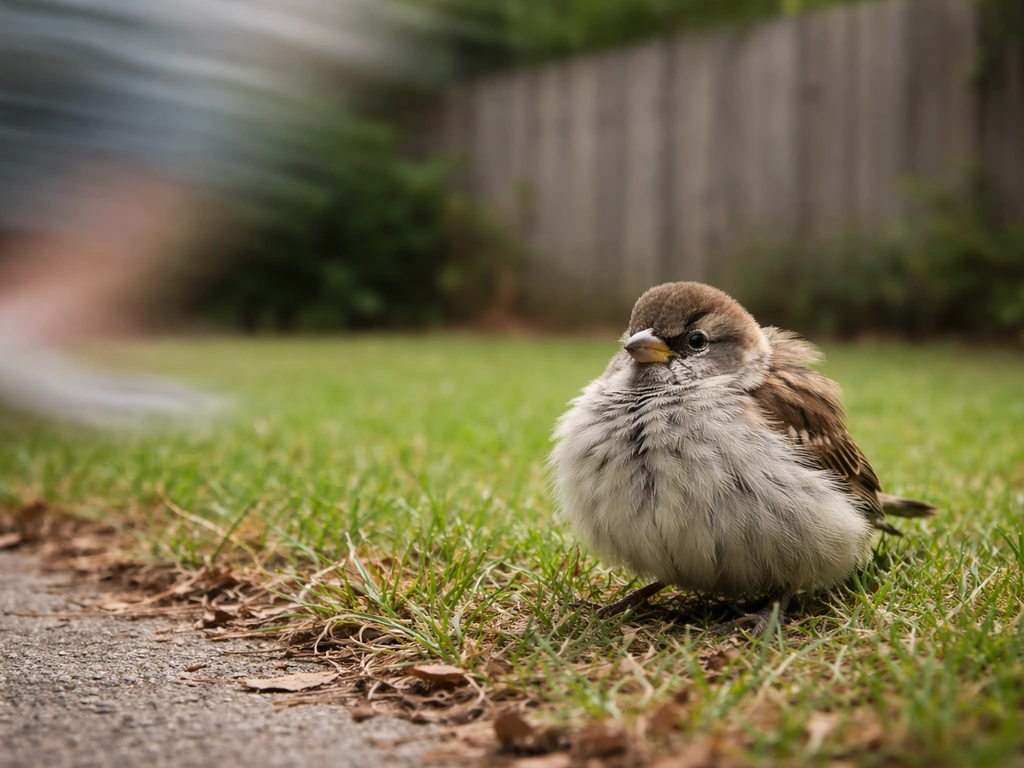
Birds also fluff in response to stress, and this is where the context around the bird matters as much as the fluffing itself. A sudden loud noise, a nearby predator (including your dog or cat), an unfamiliar human presence, or a dramatic weather shift can all cause a bird to momentarily puff up as part of its stress response. In this case, the fluffing is a short-lived reaction and the bird should return to normal behavior fairly quickly once the stressor is removed.
Human noise, touch, and direct eye contact are especially stressful for wild birds. Wildlife rescue educators emphasize keeping your distance and minimizing stimulation when observing any wild bird that looks distressed. If the bird you're watching is fluffed because you're standing two feet away staring at it, step back and give it space before making any assessment. What it means when a bird tilts its head can help you read other subtle cues the bird is sending while you observe from a respectful distance.
Extreme heat is another trigger worth knowing about. While cold makes birds fluff to insulate, overheating causes the opposite: feathers slick down, wings are held away from the body, the beak opens, and the bird may look like it's panting. A bird that is both fluffed and panting is likely in serious trouble and may be dealing with heat stress on top of illness.
When fluffed feathers can signal illness or injury
Fluffed feathers become a warning sign when they persist regardless of temperature and combine with other observable symptoms. Wildlife rehabilitation guidelines from multiple states and countries consistently list fluffed-up posture alongside the following as indicators that a bird may be sick or injured:
- Labored or open-mouthed breathing (panting or gaping when it's not hot)
- Tail bobbing with each breath, which suggests respiratory effort
- Eyes partially closed or frequently blinking when the bird is not napping
- Head tucked under the wing for extended periods outside of normal sleep
- Hunched, motionless posture on the ground with no flight response when approached
- Nasal discharge, blood, or secretions around the beak or eyes
- Visible limping, wing drooping, or asymmetrical posture
- Limpness or lack of normal body tension when the bird does move
A bird showing even two or three of these signs alongside fluffed feathers needs attention. Wild bird care organizations note that fluffed feathers on their own are worth monitoring, but paired with any breathing irregularity, the situation becomes more urgent. What it means when a bird opens its mouth goes deeper into this specific symptom if you're seeing open-beak behavior alongside the fluffing.
One specific scenario that demands immediate action: if the bird has had any contact with a cat or other animal, even with no visible wounds, bring it to a licensed wildlife rehabilitator as soon as possible. Cat saliva carries bacteria that cause fatal infection in birds within hours, and internal injuries from a strike or grab are often invisible.
How to assess the bird right now
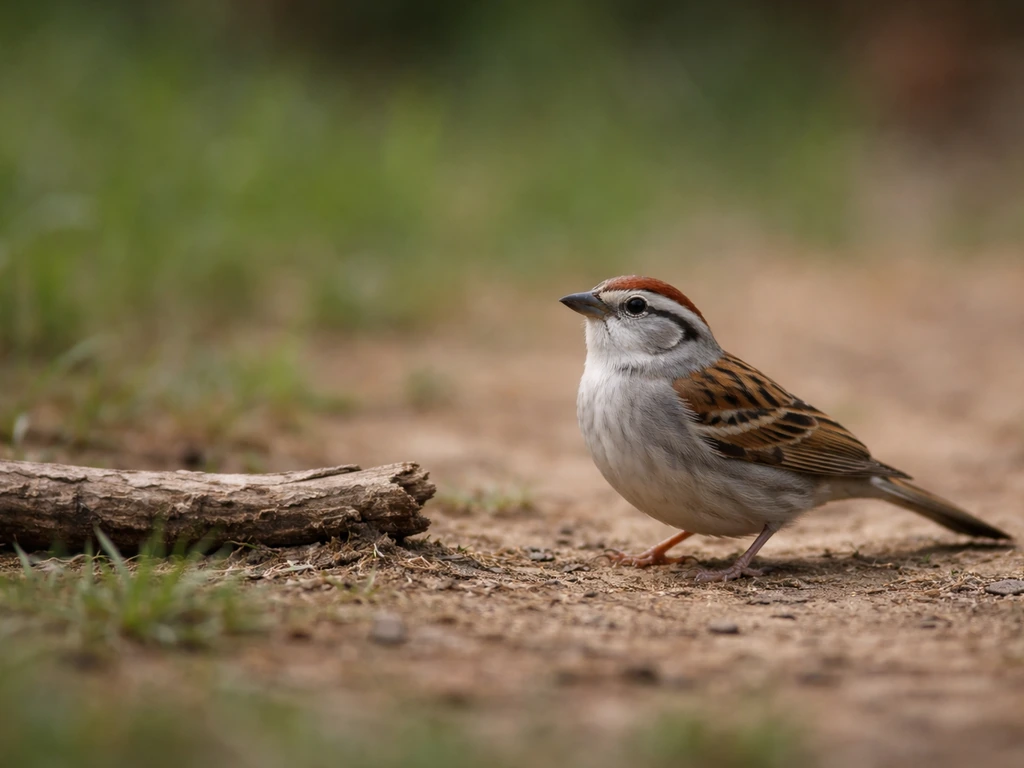
You don't need to handle the bird to do a solid first assessment. Observe from several feet away and work through this checklist:
- Is the bird alert and tracking movement around it, or does it seem unresponsive and dull-eyed?
- Can it perch or is it sitting directly on the ground in an unusual way?
- Is its breathing visible, labored, or accompanied by tail bobbing?
- Is its beak open when it's not obviously hot outside?
- Are its eyes fully open, or are they partially closed and it's not napping?
- Does it move away when you approach slowly, or does it stay frozen in place?
- Are there any visible wounds, asymmetrical features, or unusual discharge?
- Has it been in the same spot, fluffed and motionless, for more than 30 to 60 minutes?
If the bird moves away when you approach and appears coordinated, that's a very good sign. A bird that lets you walk right up to it without attempting escape is almost always in trouble. Note everything you observe before taking any action, because a wildlife rehabilitator will want this information.
If you find a feather nearby during your assessment, it's worth noting that finding a bird feather carries its own layer of meaning for many people, separate from the immediate welfare check you're doing right now.
What to do next: leave it, monitor, or call for help
Here's a practical decision tree for the four most common situations:
| What you're seeing | What it likely means | What to do |
|---|---|---|
| Fluffed, alert, moving around, responsive to your presence | Normal behavior: cold, resting, or molting | Leave it alone and enjoy watching |
| Fluffed, has been in same spot over an hour, slightly dull but breathing normally | Possibly stressed or mildly unwell | Monitor from a distance for another 30 minutes, reduce nearby disturbances |
| Fluffed, on the ground, not moving away, open-mouth breathing or tail bobbing | Likely sick or injured | Contact a licensed wildlife rehabilitator immediately |
| Fluffed, any contact with cat or dog, or found after a window strike | Internal injury risk even without visible wounds | Contain safely and get to a rehabilitator today |
If you determine the bird needs help, the guidance from wildlife care organizations is consistent: do not attempt to feed or give water without direction from a trained rehabilitator. One critical note from wildlife first aid resources is to never squirt water into a bird's mouth, as this can cause aspiration. Keep the bird warm, dark, and quiet in a ventilated box while you arrange transport. Do not place it on its back, as birds have more difficulty breathing in that position.
Unless the bird is in immediate danger, most wildlife authorities recommend against intervening with animals that show no obvious signs of injury. For young birds especially, what looks like distress may be a normal fledgling phase. Contact your local wildlife rehabilitator or a wildlife hotline before taking action, and describe exactly what you observed.
Sometimes a bird fluffs up and lingers in one spot not because it's sick but because something brought it there: a food source, a quiet corner, an unusual moment of stillness. What it means when a bird lights on something near you explores these close encounters and what people across cultures have made of them.
The bigger picture: ruffled feathers and what bird behavior tells us
Bird behavior is layered, and fluffing is only one piece of it. Bird ruffling feathers meaning takes a closer look at the specific act of ruffling as distinct from general puffing, including how birds use it as a social signal and what it communicates to other birds nearby. Understanding the difference between a slow, comfortable fluff and an agitated ruffle adds real depth to what you're watching. And if you want to understand what a bird encounter might be pointing toward more broadly, that framing can help you hold both the practical and symbolic threads at once.
The spiritual and symbolic side of a fluffed-up bird
Once you've confirmed the bird is safe and healthy, or after you've done what you can for one that needed help, it's entirely natural to sit with the question: what might this moment mean? Many cultures and spiritual traditions have long paid attention to birds as messengers and mirrors, and a bird that puffs itself up and lingers near you carries a particular kind of symbolic weight.
In many Indigenous traditions that draw on bird totems as guides, the image of a bird puffed up and settled conveys themes of self-protection, comfort, and the wisdom of knowing when to hold yourself close rather than expand outward. It can be read as a reminder to protect your own energy, to rest without apology, or to create warmth from within when the world feels cold. The same imagery appears in biblical symbolism, where birds sheltering under their own wings suggest themes of divine protection and taking refuge.
In Celtic and European folklore, a bird that appears still and present near a person, rather than fleeing, has traditionally been interpreted as a sign that a message is nearby or that a period of healing and recovery is being called for. The fluffed posture, which makes the bird look larger and more rounded, carries associations with wholeness and nurturing in these traditions.
From a more mindfulness-oriented perspective, some practitioners interpret a fluffed-up bird as an invitation to pause and check in with yourself. The bird is modeling something: slowing down, taking up gentle space, conserving energy for what matters. In a culture that rewards constant motion, a puffed-up bird sitting quietly in your yard can feel like a small but pointed nudge toward stillness.
It's worth noting that spiritual meaning and animal welfare are not in conflict, but they do belong in separate lanes. A bird that appears to be delivering a symbolic message still needs a welfare check first. Once you know the bird is healthy and simply resting in the cold, then the question of what it might mean for you personally becomes a rich one to sit with.
What does a fluffed bird spark in you when you see one? Is it a moment of recognition, a feeling of warmth, a sense that something has paused just long enough for you to notice? Many people report that bird encounters hit differently when they slow down enough to really look. The bird was already there. The meaning, if any, grows in the looking.
FAQ
How can I tell the difference between a normal fluff and a sick bird fast (like in under a minute)?
Watch posture and breathing first. A normal fluffed bird usually stays balanced on its feet or perch, looks alert with normal or slow breathing, and may shift position or blink normally. Be more concerned if the bird is on the ground, cannot perch or right itself, stays motionless, breathes with the mouth open, or shows any labored breathing or discharge.
Is it normal for a bird to fluff up after I approach, then settle down again?
Yes, that can be a brief stress response. If the bird puffs up while you are close but then returns to normal within a few minutes after you step back and reduce stimulation, it is more likely temporary. If it continues to puff and does not resume normal activity, treat it as possibly unwell.
Why does a bird look smaller when it fluffs, or does it ever look larger than usual?
Fluffing usually makes feathers spread outward, so the bird often looks rounder and larger. But if the bird also hunches low, tucks the head, and reduces movement, it may appear “smaller” overall. The key is overall behavior, not just size: coordinated movement and normal breathing point to wellness.
What should I do if I find a fluffed bird in my yard but it won’t let me get near it?
If it can fly or perch and moves away in a coordinated way, it is often best to leave it alone and monitor from a distance. Do not chase or try to corner it. Only escalate to rescue if you notice inability to fly or perch properly, ongoing lethargy, or breathing trouble.
Can cold weather cause fluffed feathers even if the bird seems healthy?
Yes. Cold and wind are common triggers because fluffing traps warm air near the skin. Healthy cold-related fluff typically comes with normal alertness and movement. If the weather is mild and the bird remains fluffed and withdrawn, that shifts the odds toward illness or injury.
Does overheating look like fluffing too, or is it the opposite?
Overheating usually looks different. Birds in heat often hold wings away from the body, slick feathers down rather than puffing, and open the beak, sometimes appearing to pant. If you see both abnormal puffing and open-beak breathing, treat it as urgent because it can reflect severe stress or illness.
What if the bird’s feathers are fluffed but it is still singing or making normal calls?
Ongoing normal vocalizing and responsive behavior often suggests the bird is not in immediate distress. Still check for other red flags like labored breathing, discharge, inability to perch, or weakness. If any of those appear, contact a wildlife rehabilitator even if it sounds “normal.”
If a fledgling fluffs up, how do I know whether it needs help or is just resting?
Young birds can look ruffled or fluffed and may stay still for long periods. Concern rises if it cannot stand, cannot right itself, has open-mouth breathing, appears very weak, or you see it repeatedly unable to perch. When unsure, contact a local wildlife rehabilitator and describe what you observed, including location and timing.
Should I try to give water or food to a fluffed bird I find?
Do not feed or water unless a trained rehabilitator tells you to. In particular, do not squirt water into the beak, aspiration risk is real. The safest immediate steps are keep it warm, dark, and quiet in a ventilated container, then arrange professional guidance if needed.
What container and setup is safest if the bird seems unwell but I must transport it?
Use a ventilated box or carrier with a dark, warm resting surface, and avoid handling the bird more than necessary. Keep it stable and warm, and do not place it on its back. Minimize drafts and noise, and take it to a wildlife rehabilitator as soon as possible.
I found a bird fluffed on the ground, but I also see a dropped feather nearby, does that change what I should do?
A feather nearby can indicate molt, normal feather maintenance, or a self-protective response after stress. It does not confirm the bird is healthy. Still prioritize welfare signs like breathing quality and ability to perch or move normally, and use the feather detail only as supporting context when you contact a rehabilitator.
How urgent is it if a cat or other animal may have touched the bird, even if there are no visible injuries?
Very urgent. If there was any contact with a cat or other predator, internal injuries and infections can occur quickly even without obvious wounds. Arrange help immediately with a licensed wildlife rehabilitator, and keep the bird warm and calm until transport.
What information should I write down before I call a wildlife hotline or rehabilitator?
Note the exact location, weather conditions, time you noticed it, whether it was on the ground or perched, ability to move or fly, breathing pattern (including open-mouth breathing), responsiveness, and any visible discharge or injuries. This helps them judge severity and advise next steps without you handling the bird further.
Next Articles
What Does It Mean When a Bird Is Nearby or Indoors
Learn likely meanings when a bird is nearby or indoors, including health or injury signs plus spiritual interpretations
Why Is My Bird Flapping Its Wings at Me? Causes and What to Do
Understand why your bird flaps wings at you and what to do, from hormones and stress to attention and warnings.
Makes My Bird Twitch Meaning: Causes, Fixes, and Red Flags
Understand why your bird twitches, what to check now, red flags, first-aid steps, and symbolic meaning safely.