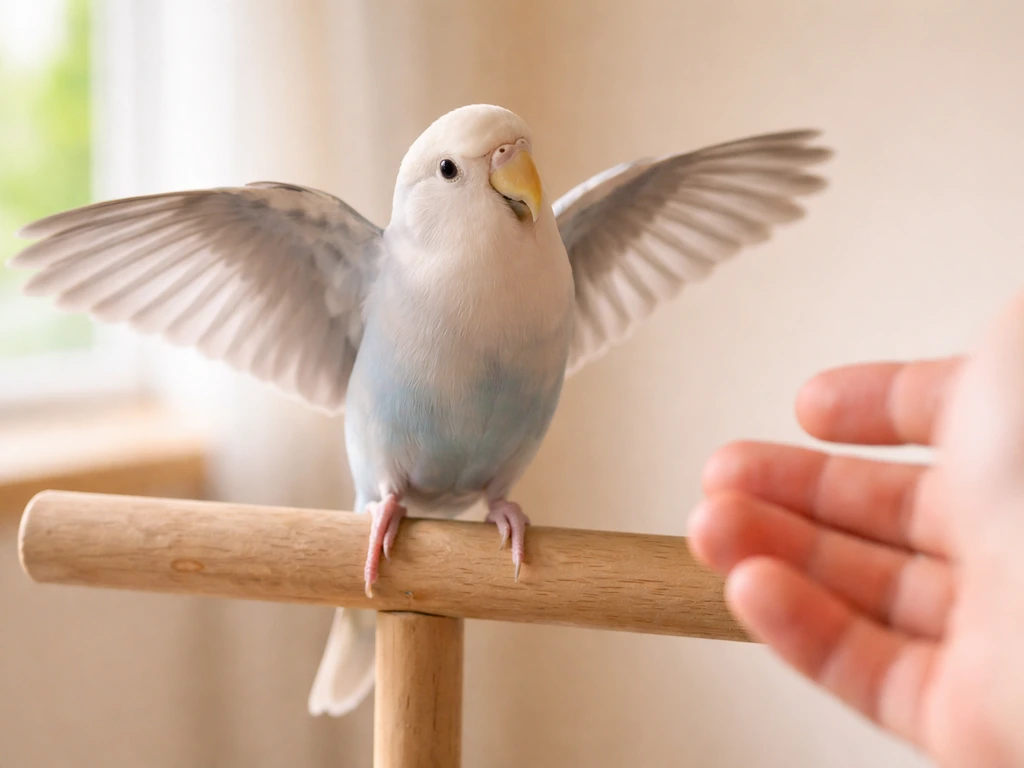
A bird flying into your house doesn't have one fixed biblical meaning, and Scripture won't hand you a single verse that says exactly what it signifies for your situation. What the Bible does offer is a rich symbolic framework around birds: they appear as messengers, signs of divine care, symbols of the Holy Spirit, and reminders that God watches over even the smallest creatures. Whether this moment feels like a spiritual nudge or just a startled sparrow looking for the exit, the most useful thing you can do is handle the situation calmly right now, then sit with the experience and ask what it might be saying to you personally.
Biblical Meaning of a Bird Flying in Your House: What to Do

Maya Hartwell
23 May 2026
First Things First: What to Do Right Now
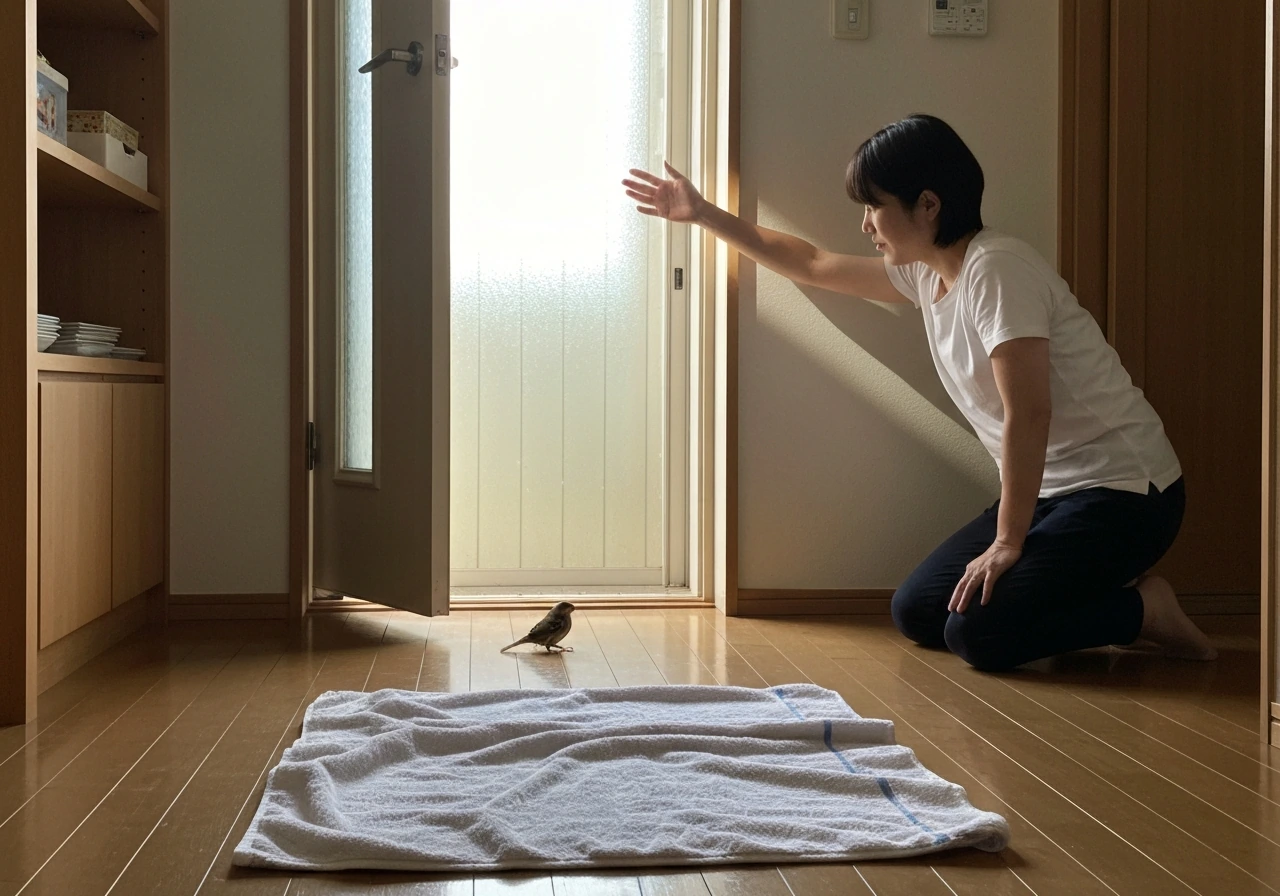
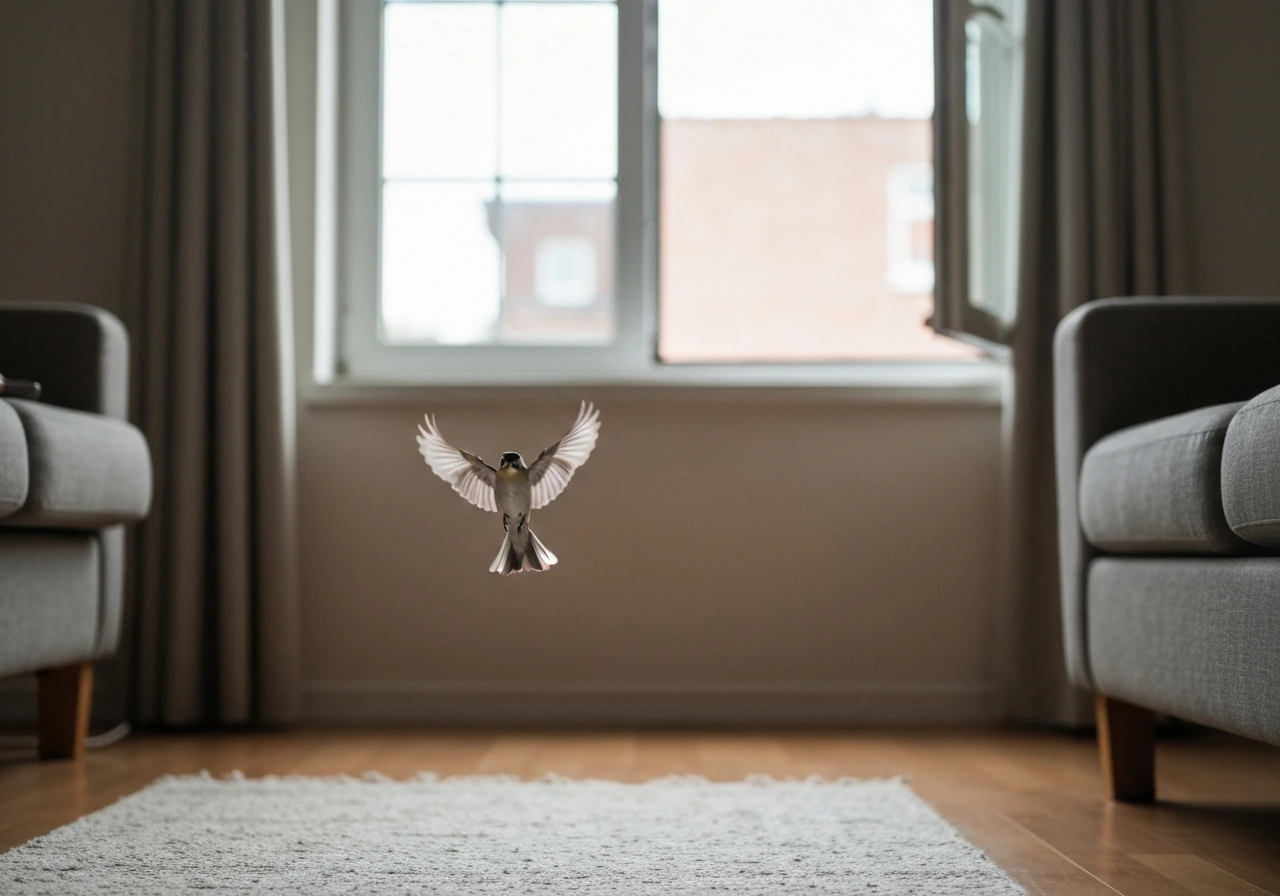
Before you start looking for spiritual meaning, get the bird out safely. A trapped bird is stressed, and a stressed bird can injure itself badly by flying into walls and windows. The RSPCA's guidance is straightforward and genuinely works: open one external door or one window wide, then turn off your indoor lights and draw curtains over any other closed windows. This removes confusing reflections and gives the bird a single obvious exit. Then step back and give it space. Most birds find their way out on their own within a few minutes once the room is calm and the exit is clear.
Do not chase the bird, clap loudly, or throw a towel or blanket over it. That approach can worsen injuries and increase the bird's panic. If the bird has already hit a window and is sitting stunned on the floor, don't assume it's fine just because it's still breathing. Birds that don't recover quickly after a window strike need care from a permitted wildlife rehabilitator or a vet. The Wildlife Center of Virginia makes this point clearly: window collision injuries are often internal and not visible from the outside.
Once the bird is out or being cared for, deal with any mess before you do anything else. If you're wondering about the biblical meaning of bird pooping on your car, the same theme applies: don’t skip the practical safety steps before you look for symbolism bird droppings. The CDC links bird droppings to psittacosis (a bacterial infection spread by breathing in dried droppings or secretions) and, in some parts of the U.
The CDC describes psittacosis as caused by bacteria that infect many types of birds, and the most common infection route for people is breathing in dust containing dried bird secretions or droppings The CDC links bird droppings to psittacosis.
S. , to histoplasmosis. Don't sweep or vacuum dry droppings. Dampen them first with water and a little disinfectant, then wipe them up wearing disposable gloves.
Wash your hands thoroughly after. If you have any reason to suspect the bird may have been ill, take the CDC's guidance seriously and avoid touching surfaces contaminated with bird saliva, mucus, or feces.
How the Bible Talks About Birds
Birds carry real symbolic weight throughout Scripture, even if no verse says "a bird in your house means X." That context matters when you're trying to interpret an indoor bird encounter through a biblical lens, so it's worth knowing the main threads.
- Divine care and watchfulness: In Matthew 10:29-31, Jesus points to sparrows as proof that nothing escapes God's attention. "Are not two sparrows sold for a penny? Yet not one of them will fall to the ground outside your Father's care." The implication is that if God notices a sparrow, He certainly notices you.
- The Holy Spirit: The dove descending at Jesus' baptism (Matthew 3:16, Luke 3:22) is one of the most recognized bird symbols in the New Testament, representing the Spirit's presence and blessing.
- Messengers and guidance: In 1 Kings 17:4-6, ravens bring Elijah food by divine command. Birds acting in unusual ways in Scripture often mark a moment of transition or divine provision.
- New beginnings: Noah's dove returning with an olive branch (Genesis 8:11) became a lasting symbol of hope, renewal, and the end of a difficult season.
- Spiritual alertness: Proverbs 27:8 compares a person who wanders from home to a bird that wanders from its nest, suggesting displacement and the value of rootedness.
- Warning and spiritual battle: In some prophetic texts (Jeremiah 12:9, Revelation 18:2), birds gathering in unusual ways signal coming judgment or spiritual darkness.
None of these passages directly address a bird flying through your door. But they do establish a consistent biblical pattern: birds are not random background noise. They show up in Scripture at meaningful moments, and paying attention to them is not considered superstitious within a biblical worldview. What matters is how you discern meaning, and the biblical model for that is prayer, context, and community, not a single sign taken in isolation.
Common Symbolic Readings People Take From This Experience
People across many traditions interpret a bird flying indoors as significant, and certain themes come up repeatedly. These aren't biblical doctrines, but they're worth knowing because they may resonate with what you were already sensing when the bird arrived.
- A message or prompt to pay attention: The most common interpretation. The bird's arrival is read as a signal that something in your life needs closer attention right now.
- A messenger from someone or something beyond: In many traditions, including some Christian folk belief, an unexpected bird visit is associated with a deceased loved one or spiritual presence.
- Disruption as a sign of change: A bird breaking into your ordinary domestic space can feel like a disruption of routine, and disruption in a biblical sense often precedes growth or transition.
- An invitation to prayer or spiritual renewal: Some people experience an indoor bird as a prompt to get still, pray, or re-examine where they are spiritually.
- Freedom and release: A bird wanting to get out of an enclosed space resonates with themes of spiritual liberation, particularly Psalm 124:7: "We have escaped like a bird from the fowler's snare."
Context Changes Everything About the Meaning
Two people can have a bird fly into their house in the same week and take completely different things from it, because context shapes interpretation. If you're trying to be honest and thoughtful about what this moment means, these are the variables worth considering.
The Bird's Behavior
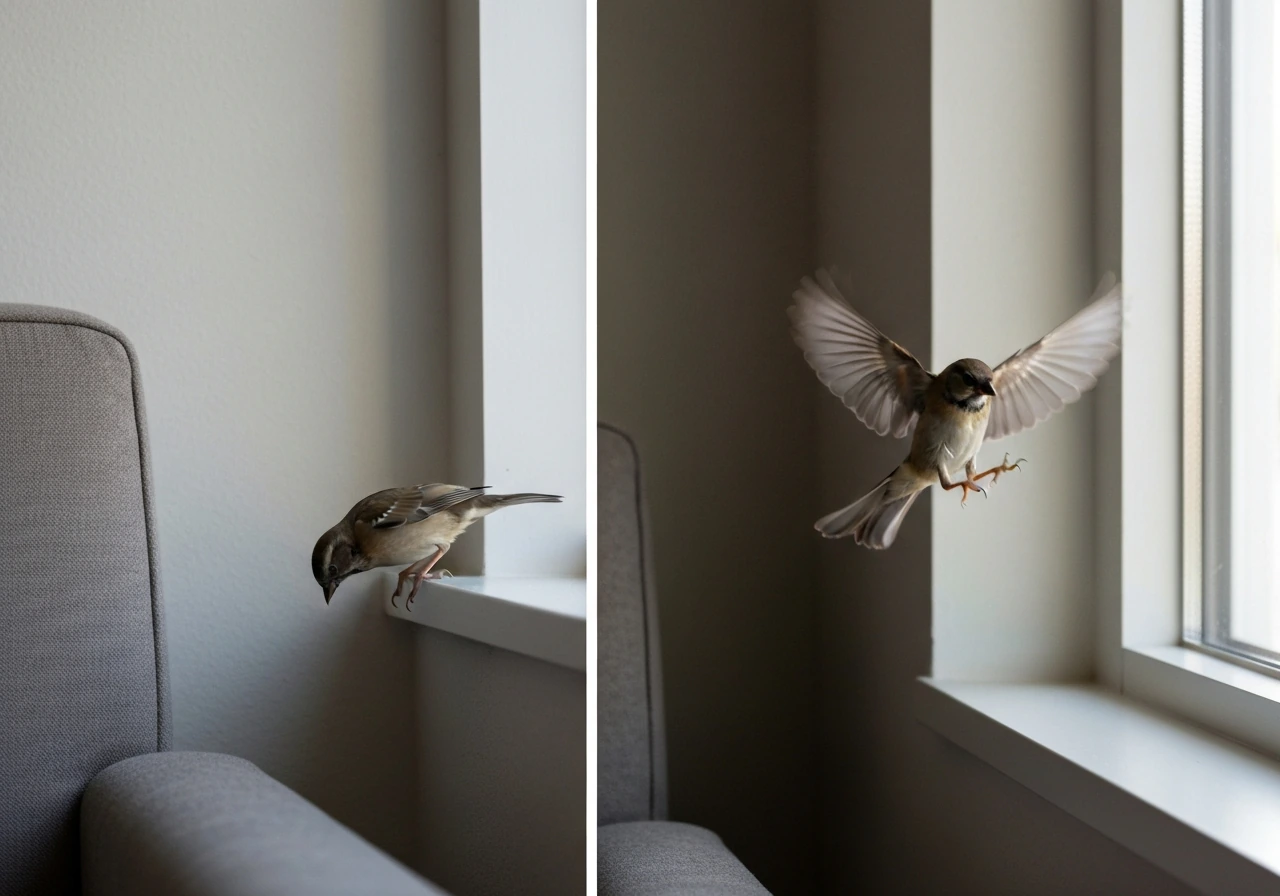
A calm bird that enters, circles slowly, and lands somewhere in your home reads very differently from one that frantically crashes into windows in a panic. Frantic behavior is almost always a stress response, not a message, and trying to read spiritual meaning into it is like trying to interpret someone's words when they're screaming in fear. A calm, curious bird that moves deliberately is the one people more often describe as feeling "intentional." A bird that lands near you, makes eye contact, or lingers is the encounter that tends to stay with people spiritually.
Time, Timing, and Your Own Circumstances
Timing matters because you bring context to the encounter. If you've been in the middle of a significant life decision, grieving a loss, or praying about something specific, an unusual bird visit will naturally feel connected to that thread. That's not wishful thinking; that's how meaningful coincidences work in most spiritual traditions. A bird arriving at dawn carries different cultural weight than one arriving at dusk. Morning in many biblical contexts is associated with new mercy (Lamentations 3:22-23), while evening can evoke reflection and rest.
Bird Type and Color
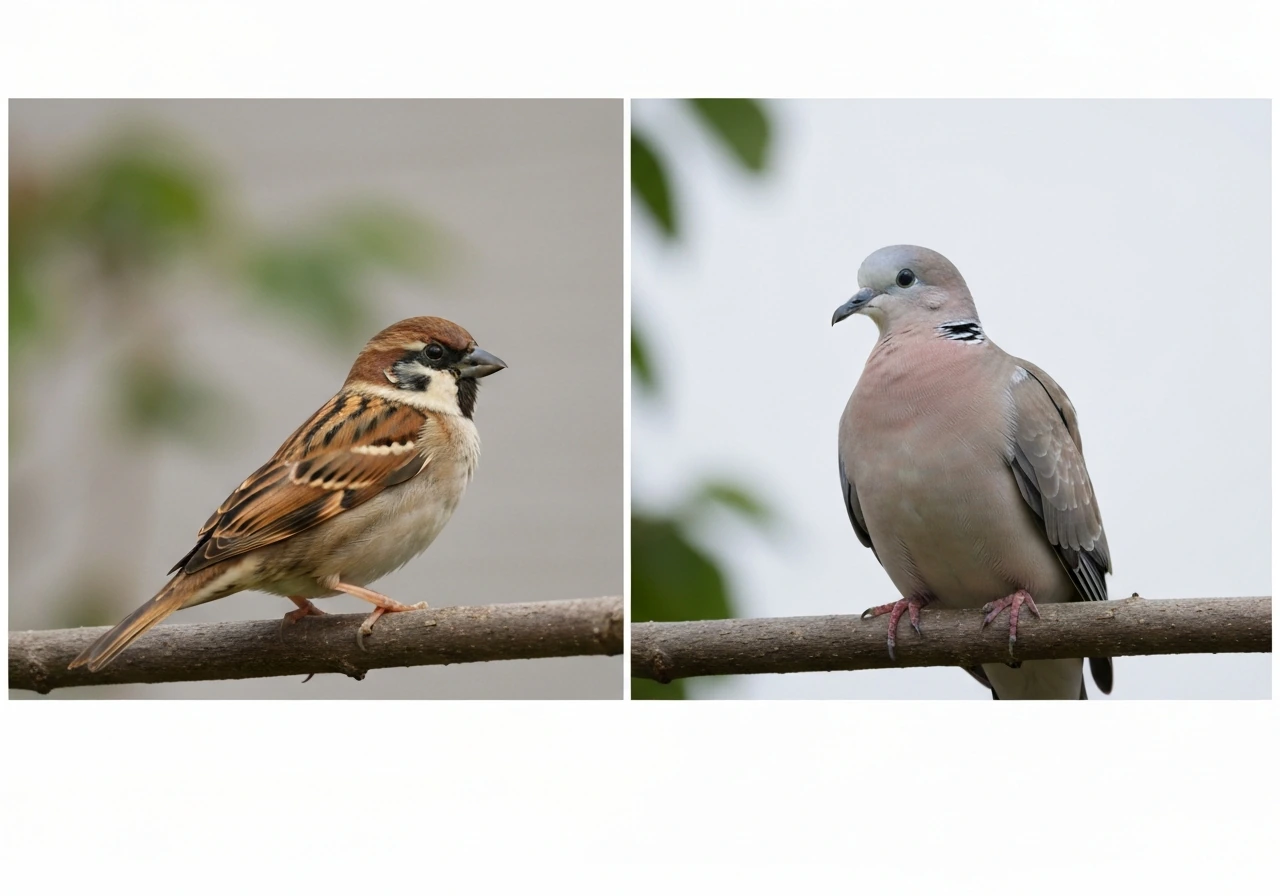
| Bird Type | Common Symbolic Association | Biblical Connection |
|---|---|---|
| Dove | Peace, the Holy Spirit, new beginnings | Baptism of Jesus (Matthew 3:16), Noah's dove (Genesis 8:11) |
| Sparrow | Divine care, humility, being known | Matthew 10:29-31 |
| Raven / Crow | Provision, mystery, sometimes warning | Ravens feeding Elijah (1 Kings 17:4-6) |
| Robin / Songbird | Joy, renewal, spiritual song | Song of Solomon 2:12 (singing of birds as a seasonal sign) |
| Owl | Wisdom, night, solitude | Associated with desolation in prophecy (Isaiah 34:15); wisdom in broader tradition |
| Hummingbird | Resilience, joy, lightness | No direct biblical reference; strong in indigenous and metaphysical traditions |
What Folklore, Metaphysical Traditions, and Other Cultures Say
This site explores meaning across multiple traditions, and it's worth being honest: folklore about birds entering homes exists on almost every continent, and some of those threads overlap with biblical symbolism while others diverge entirely.
In Celtic tradition, birds were considered messengers between the living world and the spirit realm. A bird entering a home could signal that a message from an ancestor or spirit was being delivered. Some European folklore (particularly British and Irish) historically treated an indoor bird as an omen of death or serious news, though modern interpreters often soften this to mean significant change rather than literal death.
In many Indigenous American traditions, specific birds carry specific medicine or meaning depending on the tribe. A bird arriving in your space is often read as an animal spirit guide making contact, particularly if the encounter feels unusual or the bird behaves in an unexpected way. Eastern traditions, including some Buddhist and Hindu frameworks, connect birds with the soul's journey and the cyclical nature of life.
Metaphysical and New Age perspectives tend to view an indoor bird as a sign from the universe, a spirit guide, or a deceased loved one making contact. This overlaps significantly with what some Christian folk belief traditions have held for centuries, even if mainstream theology is more cautious about it.
The honest takeaway is this: virtually every human tradition has noticed birds and found them meaningful. A bird in your home is an encounter that has always prompted people to stop, look up, and ask "what is this about?" You're in good company asking the question. Where traditions diverge is in how they answer it, and that's where your own discernment, faith, and personal context matter most. If you've ever wondered about related bird encounters, the spiritual meaning of a bird pooping on you or what it means to catch a bird in a dream are questions that follow a similar interpretive logic.
What to Do With It: Reflection, Prayer, and Next Steps

Once the bird is out and the room is cleaned up, the real work begins if you want to engage with this spiritually. The biblical pattern for processing unusual experiences isn't to assign immediate meaning but to bring it to prayer, sit with it, and let clarity emerge over time. The biblical meaning of catching a bird in a dream often points to discernment, care, and how God may be prompting you to respond with wisdom bring it to prayer. Here's a practical framework for doing that.
- Write it down: Journal the details while they're fresh. What kind of bird was it? What was it doing? Where did it land? What were you thinking or doing when it arrived? Specific details matter, both practically and spiritually.
- Pray or get still: If prayer is part of your practice, bring the moment to God directly. You don't need to have an interpretation first. Sit with the question: "What do you want me to see or hear right now?"
- Ask yourself what's already on your mind: Most meaningful spiritual moments land on fertile ground. What have you been wrestling with? What question have you been carrying? The bird encounter may be less about external prophecy and more about what it activates inside you.
- Hold the interpretation loosely: Resist the urge to lock in one meaning immediately. The Bible doesn't encourage interpreting signs in isolation, and neither do most wise spiritual traditions. Let the meaning clarify over days, not minutes.
- Talk to someone you trust: If this felt significant, share it with a pastor, a spiritual director, or someone in your faith community. Interpretation is rarely meant to be a solo exercise.
Some reflection questions worth sitting with: Is there an area of your life where you've been feeling caged or restless? Are you in a season of waiting, and does this feel like a sign to move? Is there someone you've been thinking about who this bird reminds you of? What would it mean to you if this were a message, and what would you want the message to be?
When This Might Be a Warning Worth Taking Seriously
Not every bird encounter is spiritual first. Sometimes it's physical first, and ignoring the practical dimension can cause real harm. Here's when to prioritize the grounded response over the symbolic one. If the question you are really asking is the biblical meaning of killing a bird in a dream, it helps to consider Scripture's emphasis on life, accountability, and how you respond to conviction. If you are wondering about the bird peeing on you meaning, try to keep the focus on context, safety, and practical next steps rather than jumping to a single interpretation.
- Health risk from droppings: If a bird has left droppings throughout your home, clean them up properly before anything else. The CDC is clear that breathing in dried bird droppings carries real disease risk, including psittacosis and histoplasmosis. Don't wait on this.
- Injured or sick bird: If the bird hit a window or appears disoriented, lethargic, or injured, contact a wildlife rehabilitator. A bird in distress isn't delivering a calm message; it needs help.
- Repeated incidents: One bird flying in is an unusual event. Birds repeatedly entering your home may indicate a structural issue (gaps, broken vents, open chimneys) that needs attention before you focus on the spiritual layer.
- Your own emotional state: If you arrived at this article feeling panicked, anxious, or already convinced this is a terrible omen, that's worth noticing. A pattern of interpreting neutral events as warnings can sometimes signal anxiety that deserves its own attention. The bird entering your house is not automatically a threat.
- Avian influenza awareness: While not a common household risk, the CDC advises against touching surfaces contaminated by birds with suspected or confirmed avian influenza. If you live in an area with active avian flu activity or the bird appeared very ill, follow local public health guidance.
The most balanced place to land is this: treat the practical concerns first, then create space for the spiritual. A bird in your house is an unusual moment worth paying attention to, and you don't have to choose between the grounded response and the meaningful one. Do both. Handle what needs handling, then get quiet and ask what this moment might be saying to you. That balance, between action and reflection, between the practical and the sacred, is itself a pretty biblical way to move through life.
FAQ
Should I pray immediately, or focus on removing the bird first?
Wait until the bird is fully out of the home (and the room is safe and calm) before you try to “read” symbolism. If you still feel drawn to prayer, you can do a short prayer while you prepare the exit route, then shift to action, not interpretation, until the practical steps are done.
What should I do if the bird seems stunned after crashing into a window?
If the bird hit a window, still breathing is not the only factor to watch. Look for signs like repeated staggering, inability to stand, weakness, or an inability to fly normally within a short time, and contact a vet or permitted wildlife rehabilitator if recovery is not quick.
How do I interpret the encounter without forcing a single fixed meaning?
Avoid turning the encounter into a “meaning hunt” that depends on one detail like direction, eye contact, or how long it stayed. A more biblical approach is to track overall circumstances (bird behavior, your life context) and bring that to prayer, then review any thoughts after the room is calm.
Is it ever okay to touch the bird to help it leave?
Do not handle the bird with bare hands, especially if there is any concern it may be injured, ill, or shedding waste. If you must assist, use protective barriers like gloves and focus on getting it out safely, then wash hands thoroughly after any cleanup.
How can I keep my pets and kids safe while the bird is inside?
If you have pets or small children, keep them out of the room while you open an exit and turn off reflections. Even if the bird looks calm, a sudden pet chase can injure the bird and escalate the situation.
What if the bird won’t leave after I open a door or window?
If the bird repeatedly returns to the same room or won’t leave after the exit is open, change conditions: ensure the exit is the only obvious bright path, close interior doors that block its way, and keep room lighting consistent until it finds the route.
Can I treat this as a spiritual sign without assuming it’s a guarantee about the future?
Yes, you can treat the experience as spiritually significant without assuming it guarantees prophecy. Think “a prompting to reflect” rather than “a definite prediction,” and confirm any strong conclusions through scripture-based wisdom and trusted community guidance.
What’s the safest way to clean up bird droppings after the bird leaves?
For cleanup, avoid dry sweeping or dry vacuuming. Dampen droppings first, use gloves, and disinfect. Also ventilate the area if possible, and keep that space off-limits to people and pets until you finish.
When should I be concerned about health after a bird encounter?
If you recently had contact with droppings, saliva, or mucus, wash hands right away and avoid touching your face. If you develop symptoms like fever, severe fatigue, or breathing issues, seek medical advice and mention potential bird exposure to your clinician.
Does the time of day the bird arrives change the biblical meaning?
Morning and evening can influence how the moment feels, but don’t overcommit to a symbolic “time meaning.” Instead, use timing as a prompt to reflect on where you are emotionally and spiritually right now, then ask what response would be wise.
If the bird is frantic, should I still look for spiritual meaning?
If the bird’s behavior is frantic, treat it primarily as stress. A biblical lens still allows attention and prayer, but the first “interpretation” is care and calm, not meaning assigned from panic movements.
What if the bird looks ill, weak, or shows unusual discharge?
If you believe the bird is sick or injured, prioritize professional help. Wild birds can deteriorate quickly, and attempting to nurse them at home can delay care or increase disease risk to you and others.