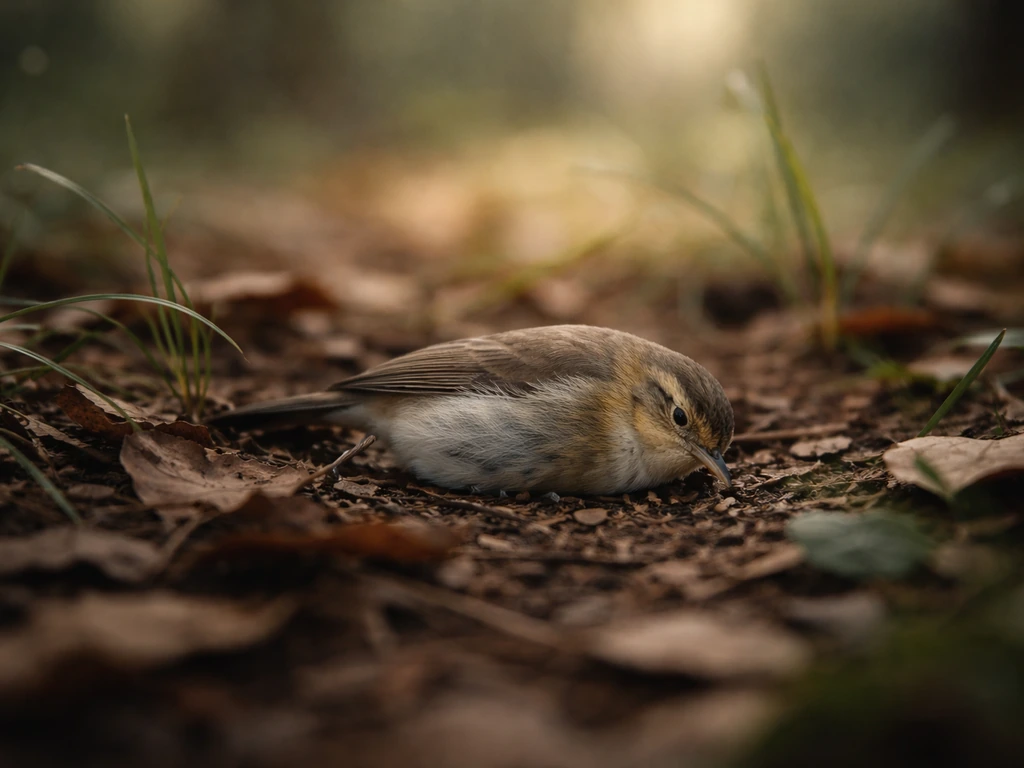
Finding a dead bird in your pool is jarring. One minute you're walking out for a morning swim, and the next you're standing there wondering what it means, whether it's dangerous, and what you're supposed to do next. The short answer: it's almost certainly a natural accident, it does carry symbolic weight in dozens of cultural and spiritual traditions, and there are clear, safe steps you should take right now before you do anything else.
Dead Bird in Pool Meaning Spiritual, Superstition, and Reality

Maya Hartwell
12 Apr 2026
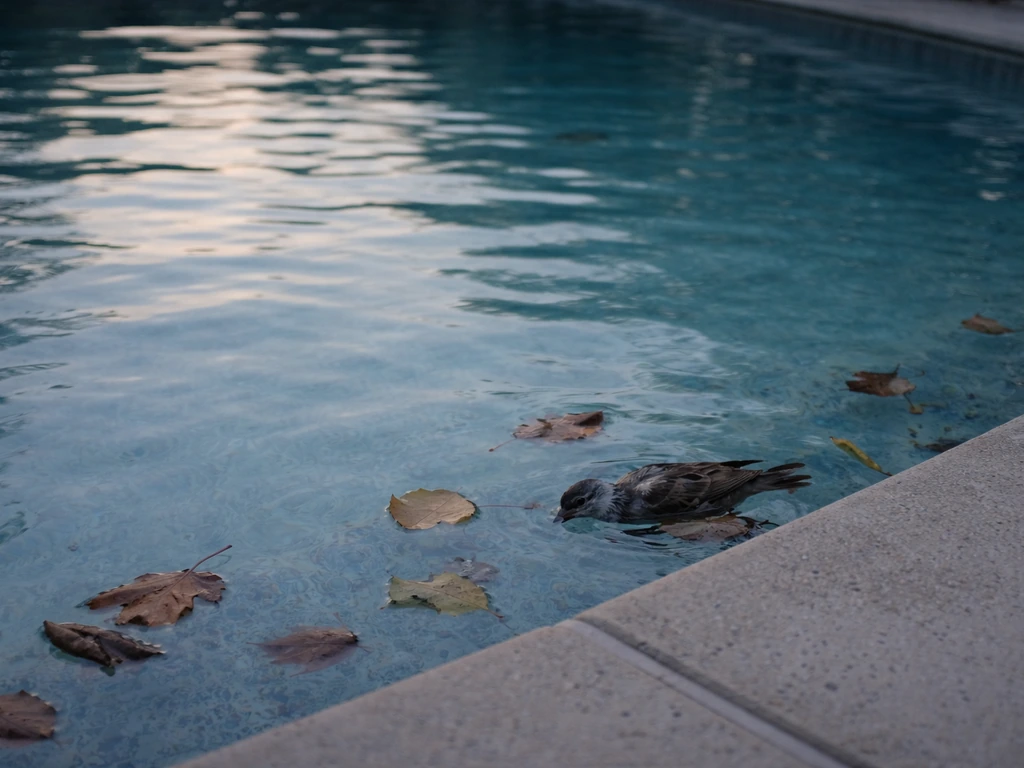
What actually happened: the reality-check first
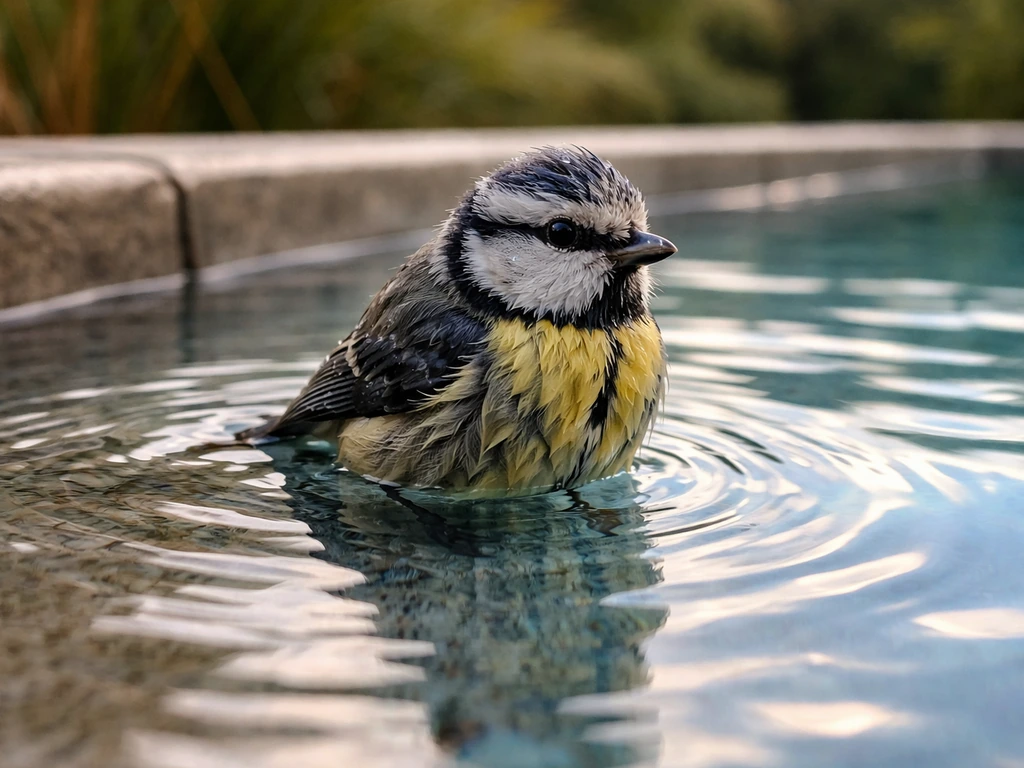
Before going anywhere near the spiritual or superstitious angles, it's worth being honest about why this happens all the time. Birds are drawn to pools for the same reason they're drawn to any body of water: they're thirsty, they want to bathe, or they're simply flying low and misjudge the surface. Several things can turn that visit fatal.
- Accidental drowning: Birds can land on the water surface, become waterlogged, and exhaust themselves trying to get out if there's no easy exit point.
- Pool chemicals: High concentrations of chlorine or other sanitizers can disorient or incapacitate a bird that drinks pool water.
- Predator drop: Hawks, owls, and cats sometimes catch birds and lose them mid-flight over water. What you find may not be a bird that died in the pool at all.
- Weather and collision: Wind events, storms, or disorientation at night can drive birds into unexpected surfaces, including pool covers and walls.
- Disease or illness: A bird that was already sick may have landed, been unable to recover, and died there.
None of these explanations mean the event is meaningless to you personally, but they do mean it does not automatically signal something supernatural. Pools are water hazards for small wildlife. It happens to careful, attentive homeowners just as often as anyone else. What this event likely does NOT imply on its own: that your pool is cursed, that someone around you is about to die, or that the universe is sending you a dramatic warning. Context matters enormously, and we'll get to that.
What people spiritually believe about a dead bird in water
Across many spiritual traditions, water itself is a powerful symbol: it represents the unconscious, emotion, purification, transition, and the boundary between the living world and whatever lies beyond it. When a bird (a creature of air, freedom, and higher perspective) is found dead in water, many traditions read that as a meaningful intersection of two elemental forces. The result is an image that people across cultures have interpreted as a message about change, endings, and emotional transition.
Transition and the end of a chapter
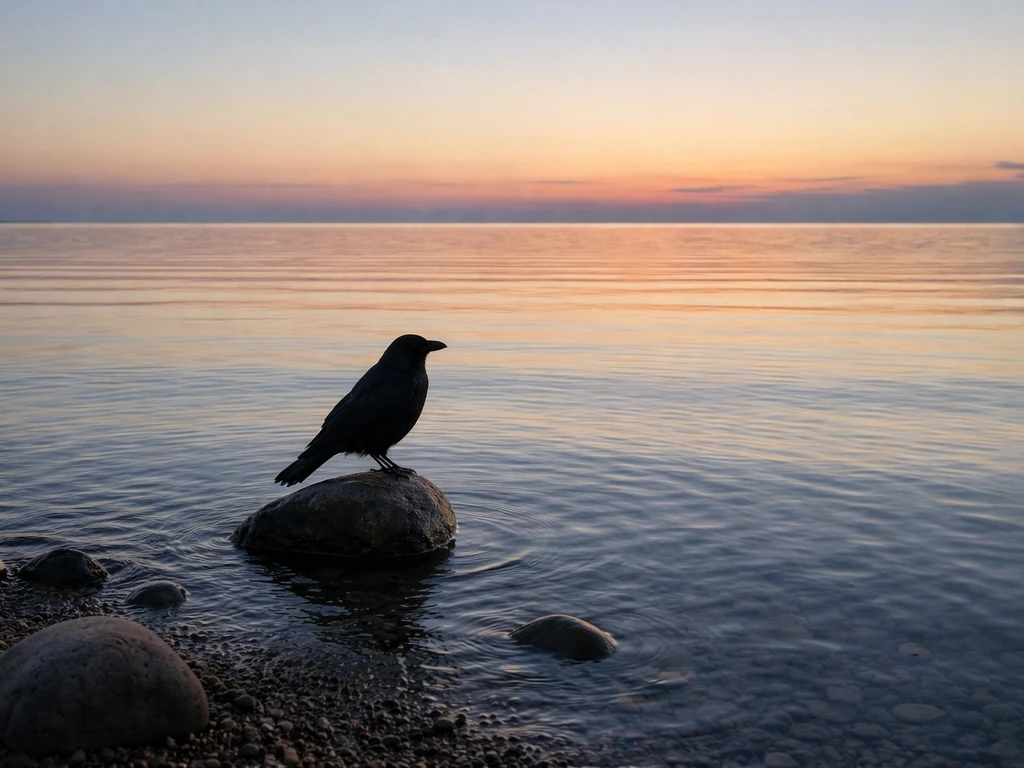
In a broad spiritual sense, dead birds in many traditions signal the close of one phase of life and the opening of another. The pool setting amplifies this. Water in spiritual symbolism often represents the subconscious, grief, or emotional processing. A bird at rest in water can be read as a sign that something in your inner life, a relationship, a belief system, a way of living, has completed its journey. It's not necessarily a bad thing. Endings make room for what comes next.
Purification and release
Some spiritual interpretations, particularly those drawing on indigenous and Earth-based traditions, view the combination of a bird (messenger between worlds) and water (cleansing element) as a symbol of release and purification. If you've been carrying grief, resentment, or a burden you haven't fully named, this encounter might be read as an invitation to let it go. The bird has carried something down into the water, and the water is receiving it.
A message from beyond
In many Celtic and folk-Christian traditions, birds are regarded as messengers between the physical world and the spiritual one. A dead bird omen meaning in these frameworks often hinges on which species you found, the time of day, and what was happening in your life at the moment. Finding it in the pool specifically, in a space designed for leisure and reflection, can be interpreted as the message arriving in your private space, your sanctuary, demanding personal attention rather than being easily dismissed as something that happened "out there."
The species matters
Spiritually speaking, a sparrow in the pool carries different associations than a crow, a dove, or a robin. Doves traditionally symbolize peace and the Holy Spirit in biblical contexts, so finding one dead can feel especially striking and may be read as a call to examine where peace has been lost in your life. Crows and ravens in Celtic and Norse traditions are already deeply associated with death and prophecy, so their presence in any form tends to feel weighted. Sparrows, tiny and numerous, are linked in Matthew 10:29 to divine awareness even of small things. Whatever bird you found, its identity is worth noting as part of your interpretation.
Superstition, folklore, and the omen angle
If you're here wondering whether this is bad luck or a dark omen, you're in well-traveled territory. Humans have been interpreting dead birds as omens for thousands of years across nearly every culture on earth. Knowing what those traditions say can be helpful, even if you hold them lightly.
In European folklore broadly, a dead bird near the home, especially one that appears unexpectedly in an enclosed or private space, has historically been read as a warning of impending hardship, illness, or loss. The Victorian-era superstition of a bird flying into the house and dying was considered one of the most serious domestic omens. A pool, as a bounded, private water space adjacent to the home, occupies similar symbolic territory in modern interpretations. Some people interpret it as the "threshold omen" that the older tradition once assigned to the front door.
In Eastern traditions, particularly in parts of Chinese folklore, a dead bird near the home can be interpreted as a sign that negative energy or misfortune is circling. However, there's also a counterinterpretation: the bird may have absorbed that negative energy and sacrificed itself, serving as a kind of protective symbol that redirected harm away from the household. This is not unlike the concept of a "spirit animal" taking on a burden in certain indigenous belief frameworks.
It's also worth noting that the location of death matters in most folklore systems. A bird found dead mid-flight, falling from the sky, carries its own symbolism that you can explore separately, since that event tends to be read as a more sudden or collective omen. If you've ever wondered about dead bird falling from sky meaning, the interpretations share some overlap with the pool scenario but diverge in interesting ways. Similarly, what does a bird falling from the sky mean is its own loaded question across cultures and traditions. The pool scenario is more intimate, more bounded, and most traditions would read it as a more personal message rather than a communal or prophetic one.
One lesser-known folklore angle: in some rural American traditions, a dead bird floating in water near the home was seen as a sign to pay attention to your dreams in the coming nights. Water and death together were thought to open a temporary channel between waking and dreaming consciousness. Whether or not that resonates with you, it's a useful prompt to slow down and notice what your mind is processing.
What to do right now: cleanup and safety
Spiritual meaning or not, there's a bird in your pool and it needs to come out. Here's how to handle it safely and correctly.
Remove the bird safely
Do not pick up the bird with your bare hands. This is non-negotiable. The CDC, OSHA, and multiple state wildlife agencies all recommend avoiding direct contact with dead birds, primarily because of West Nile virus risk, though the actual risk of infection from handling a dead bird is low for most people. Use disposable gloves, or if you don't have gloves, use a double plastic bag turned inside out over your hand to grab the bird. Place it directly into a garbage bag, seal it, and put it in your outdoor trash. Wash your hands thoroughly with soap and water afterward, even if you wore gloves.
Disinfect the pool
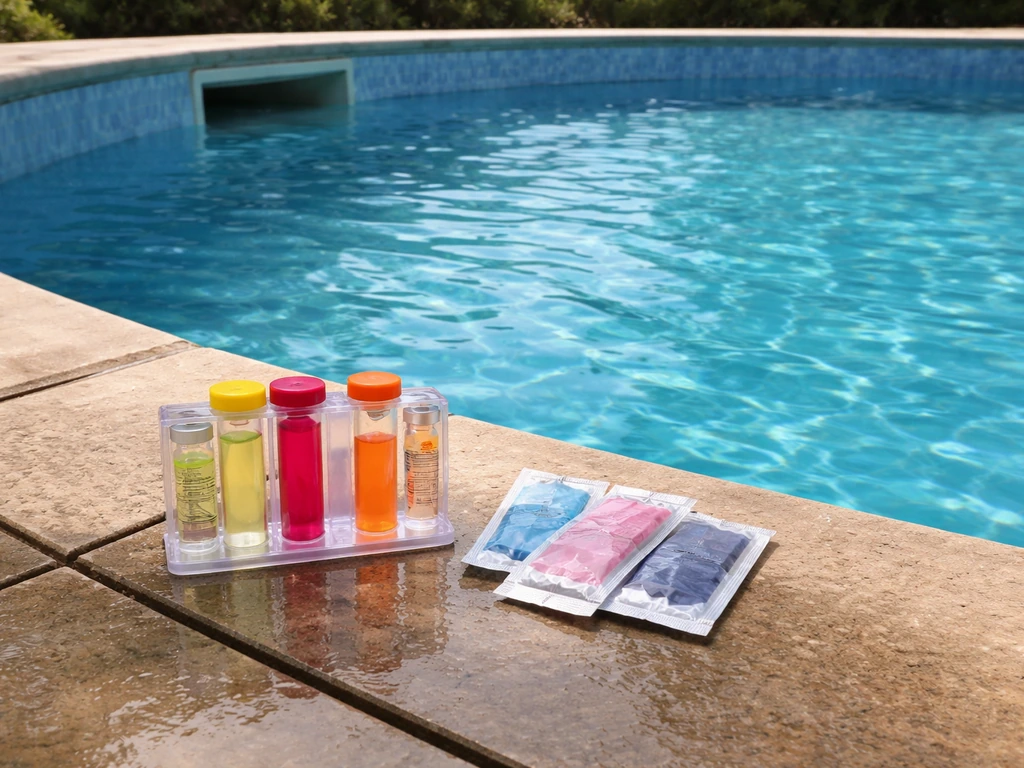
The CDC notes that in a properly maintained pool with adequate chlorine levels, germs from bird droppings are typically killed within minutes. That's reassuring, but you still want to take a few steps. Check that your pool's free chlorine level is at least 2 ppm and that the pH is between 7. For pool safety, Wisconsin DHS advises maintaining free chlorine at about 1 mg/L (1 ppm) and keeping pH between 7.
2 and 7. 8 to maximize germ-killing power [free chlorine level at about 1 mg/L (1 ppm) and pH between 7. 2 and 7. 8](https://www.
dhs. wisconsin. gov/beaches/pools. htm).
2 and 7. 8. If the bird appeared to have been in the pool for a long time or if there are visible droppings, it's worth running your filter for several hours and possibly doing a shock treatment. Avoid swimming until the chemistry is verified and the water is clear.
Document what you found
Whether you're approaching this practically or symbolically, documentation is valuable. Note the date, time of day, species (if you can identify it), approximate condition of the bird (fresh, decomposed, injured before death), and what was happening in and around your pool. This information matters both practically (helps you identify patterns if it recurs) and symbolically (date and timing are significant in many spiritual frameworks, especially around moon phases, seasons, or personal anniversaries).
When you genuinely have reason to worry
A single dead bird in your pool is almost certainly not cause for alarm. But there are situations where you should dig deeper and possibly contact local authorities.
| Situation | What it might mean | What to do |
|---|---|---|
| Multiple dead birds found in a short period | Possible local disease outbreak, environmental toxin, or predator activity | Contact your local wildlife or animal control agency; report to your state's wildlife disease surveillance program |
| Bird shows signs of neurological distress before death (circling, inability to fly) | Possible West Nile virus or other avian disease | Do not handle without gloves; report to local authorities |
| Strong chemical smell or discoloration in pool water | Pool chemistry issue that may have contributed to the death | Test water chemistry immediately; do not swim until resolved |
| Dead birds found repeatedly over weeks or months | Environmental hazard nearby (pesticide use, contaminated water source) or structural pool issue attracting and trapping birds | Investigate surroundings; add a pool cover or bird deterrents; consult an exterminator or wildlife specialist |
| Bird found with no obvious cause of death and in perfect condition | Possible poisoning from a nearby source | Investigate any recent pesticide applications nearby; report if pattern continues |
If you're in an area with known West Nile virus activity, your state health department may want you to report dead birds for surveillance purposes. Check your state's wildlife or health department website for reporting instructions. The USGS notes that the actual risk of infection from handling sick or dead wildlife is low for healthy adults taking basic precautions, but reporting helps track disease patterns in your community.
From a purely spiritual symbolism standpoint, repeat occurrences carry significantly more weight than a single event. One dead bird in a pool is easy to explain naturally. Three birds in three weeks, especially of the same species, is the kind of pattern that many traditions would take more seriously. If you've ever seen the symbolism tied to dead bird hanging from tree meaning, you'll notice that the recurring, unexplained nature of such findings is often what elevates them from curiosity to genuine spiritual inquiry.
Finding your own meaning: reflection and next steps
Once the practical side is handled, you're left with the question that probably sent you searching in the first place: what does this mean for me? The honest answer is that meaning is something you bring to an experience, not something the experience comes with pre-loaded. But that doesn't make interpretation pointless. It makes it personal.
Sitting with a few reflection prompts, either in your head or in a journal, is one of the most useful things you can do after an encounter like this. These questions aren't about arriving at a definitive answer. They're about paying attention to what surfaces when you slow down and look.
- What was I thinking about or dealing with in the hours before I found the bird? Is there something in my life right now that feels like it's ending or needs to end?
- What is my pool to me, really? Is it a place of joy, relaxation, family? What might a death in that specific space be pointing toward symbolically?
- What species was it, and does that bird have personal meaning for me? Has this type of bird shown up before in meaningful moments?
- What do I feel in my gut when I think about this: dread, sadness, curiosity, or calm? My first emotional response often carries information.
- If this were a message and I had to guess what it was, what would I say it's about? What part of my life does that land on?
- What would I like to release or let go of right now, and could the water symbolism here be an invitation to do that intentionally?
You might also want to do a small, intentional act of acknowledgment. Many spiritual traditions suggest that when you encounter death in the natural world, a moment of gratitude or respect for the creature is appropriate. This doesn't require a specific religion or ritual. It can be as simple as pausing, saying a few quiet words, or placing the experience in the context of your broader beliefs about life and what follows it.
If you want to go deeper into the broader symbolism before forming your own interpretation, exploring how different cultures read these encounters can give you useful context. The meaning of finding any dead bird in an unexpected place, which you can read more about in this piece on dead bird omen meaning, provides a wider lens that can help you situate your pool experience within a longer tradition of human interpretation.
At the end of the day, you found something unexpected in a space that belongs to you. That's worth paying attention to, regardless of whether you're a deeply spiritual person or someone who approaches these things with healthy skepticism. The practical steps protect your health. The reflection honors the experience. Neither cancels the other out.
FAQ
Should I stop using the pool until I remove the bird, or can I leave it for a bit?
Remove it promptly, but avoid swimming and avoid reaching in with bare hands. Even if chlorine is usually effective, leaving the carcass can increase contact with droppings and make the water cloudy, so it is better to wait for chemistry verification after the removal.
What if the bird is still warm or looks fresh when I find it?
Treat it as potentially hazardous and handle it with gloves immediately. Freshness can also suggest it hit the water recently, so after removal, run the filter for several hours and recheck free chlorine and pH before resuming any water contact.
Can I clean the pool with a hose and continue later the same day?
You can resume later only after you verify chemistry and the water looks clear, but do not blast debris around the deck in a way that gets it into soil or drains. Focus on removing visible mess, then skim and filter to keep the pool system circulating.
How do I check the chlorine and pH correctly after this happens?
Use a reliable test kit, measure free chlorine and pH after the pool has been circulating, and compare against your typical baseline if you have one. If readings are off, adjust according to your pool instructions, then re-test before swimming.
What should I do if I see multiple birds in the area but only one in my pool?
A single pool finding may still be an accident, but multiple reports nearby can raise your risk awareness. Document dates and species, and if your health or wildlife department recommends reporting dead birds during outbreaks, follow those instructions even if only one is in your pool.
Is it safe to take the bird out with a net or pool skimmer instead of gloves?
Gloves are still the safer choice. A net or skimmer can transfer contamination onto your hands, shoes, and deck. If you use a tool, clean and disinfect it afterward, and still wash your hands thoroughly even if you think you did not touch the bird directly.
What if I have pets or small children who might have approached the bird?
Prevent access until everything is removed and you have washed hands and any affected surfaces. If a pet or child touched the bird or water, rinse skin promptly with water, and consider calling your veterinarian or a clinician for guidance, especially in areas with West Nile activity.
Should I report the bird to my city or wildlife agency automatically?
Reporting is usually tied to local disease surveillance or known outbreak periods rather than every single incident. If you are in an area with active West Nile monitoring or you notice clustering (same species repeatedly), check your local health or wildlife reporting criteria.
Does the bird species matter, and how accurate do I need to be?
Species matters most for your own interpretation and for reporting. For safety and reporting, a rough identification (for example, crow vs. sparrow, or dove vs. pigeon) is often enough. If you are unsure, note size, color pattern, and any distinctive features rather than forcing a guess.
How can I interpret the situation without ignoring the practical risks?
A useful approach is to separate tasks: handle health and pool safety first (remove with gloves, verify chemistry), then do reflection second (journal prompts, personal meaning). This way you are not relying on symbolism to decide what to do.
Next Article
Dead Bird Omen Meaning: Spiritual Meaning and What to Do
Dead bird omen meaning and spiritual interpretations, plus what to do next and safety tips for handling a found bird.