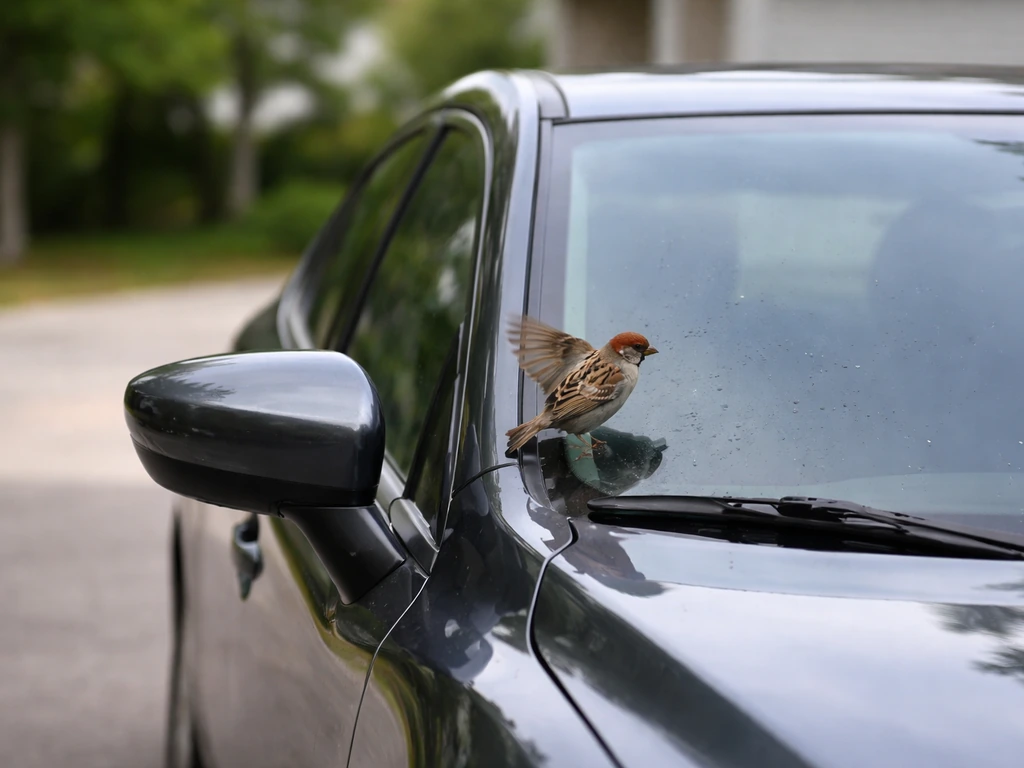
Birds suddenly appear near your home or around you for very concrete reasons: food, water, shelter, nesting sites, migration timing, or weather shifts. Something in your immediate environment changed, or the season brought a wave of new arrivals, and the birds followed. That said, if you're also curious what it might mean symbolically or spiritually, there's a rich tradition around that too, and we'll cover both angles so you leave with a full picture.
Why Birds Suddenly Appear: Natural Causes and Meaning

Maya Hartwell
11 May 2026
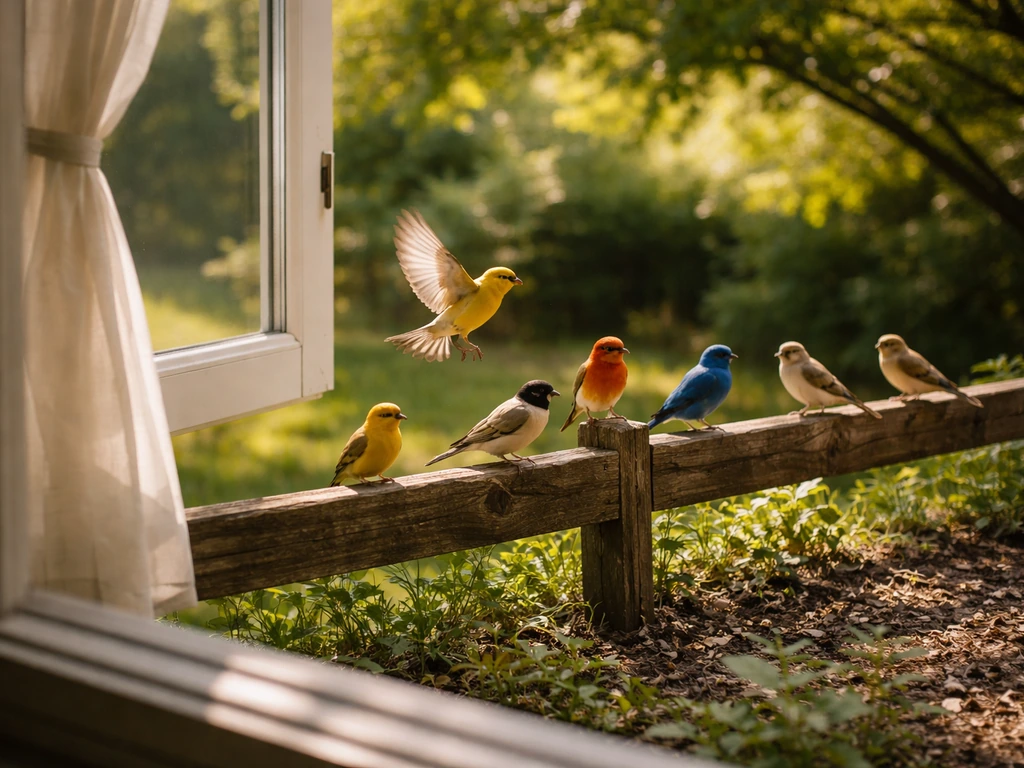
Why birds seem to "suddenly" appear (natural causes)
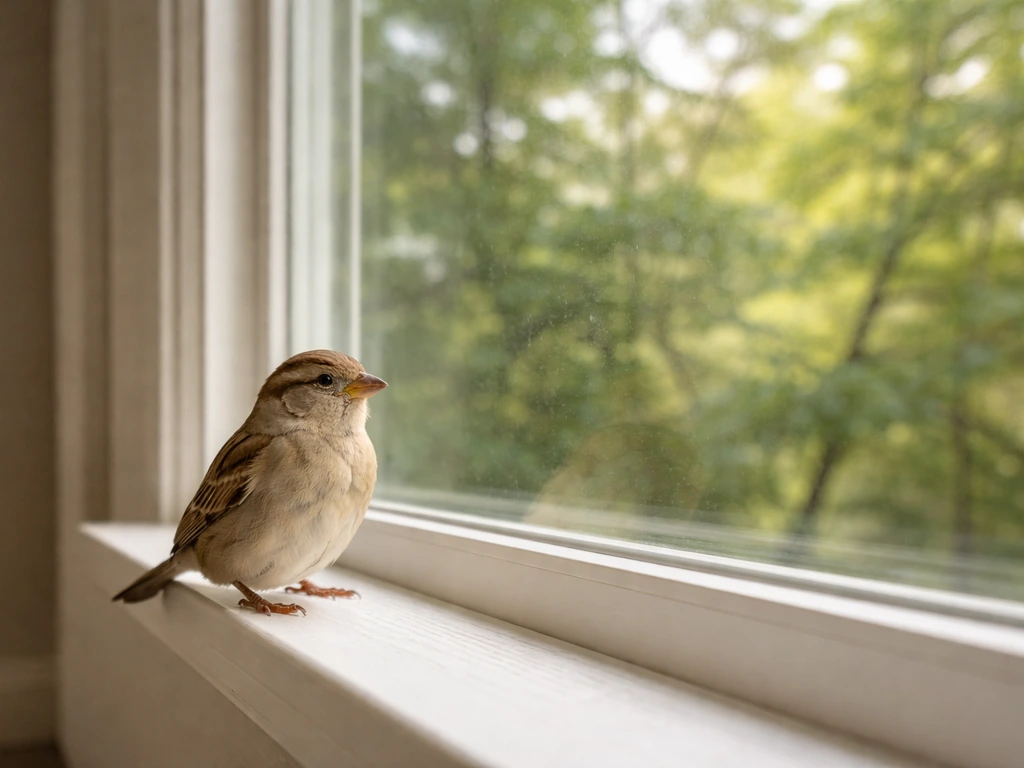
Birds don't actually materialize out of nowhere, even when it feels that way. What usually happens is that something in the environment tips over a threshold and draws them in. A tree finally fruiting, a puddle forming after rain, a neighbor clearing brush that pushed them your way, a feeder going up nearby, or migration timing bringing species you never normally see. The appearance is sudden to you, but the birds are following a chain of cues that makes perfect sense to them.
Window reflections play a bigger role than most people realize. Birds can see a reflection of sky, clouds, and trees in your glass and fly straight toward what looks like open space. According to the Cornell Lab of Ornithology, this is one of the leading causes of unexpected bird encounters right outside your window. So if you're seeing birds appear suddenly near glass surfaces, whether at home or around a vehicle, the glass itself is often the draw. Tufts Wildlife Clinic’s bird-strike guidance recommends breaking up window reflections with stickers or plastic wrap placed on the outside of the glass as a prevention step.
Territorial behavior is another common trigger, especially in spring. A male bird spotting his own reflection will interpret it as a rival and show up repeatedly to challenge it. Penn State Extension notes this is most common in spring when males are establishing territories, and it typically stops on its own once nesting and pairing begin. It looks very intentional and directed, which is part of why people find it striking.
Common triggers around your home: food, water, shelter, and nesting
Walk around your property with fresh eyes and you'll usually find the answer quickly. Birds are practical creatures and they show up where their needs are being met.
- Food sources: berry-producing shrubs, fruit trees, seed heads on ornamental grasses, insects on flowers, spilled bird seed, compost bins, or a neighbor's feeder that spills onto your yard
- Water: birdbaths, puddles after rain, leaky outdoor spigots, gutters holding standing water, or decorative fountains
- Shelter: dense shrubs, overgrown hedges, brush piles, ivy on walls, or thick evergreens that offer safe cover and roost spots
- Nesting sites: eaves, vents, hanging baskets, dense climbing plants, window ledges, or any sheltered nook at the right height
- Insects: a recent bloom, a damp lawn full of earthworms, or a patch of aphids on your garden plants that acts like a buffet
If you recently added a bird feeder, planted native shrubs, or let part of your yard go a little wild, that alone can explain a sudden influx. Feeders in particular can take a few days to weeks for birds to discover, but once one bird finds it, others follow fast. It's also worth checking whether nesting season has begun. Active nests in your yard will keep birds returning repeatedly, sometimes many times an hour, and can make it feel like they appeared out of nowhere.
Season, weather, and migration timing
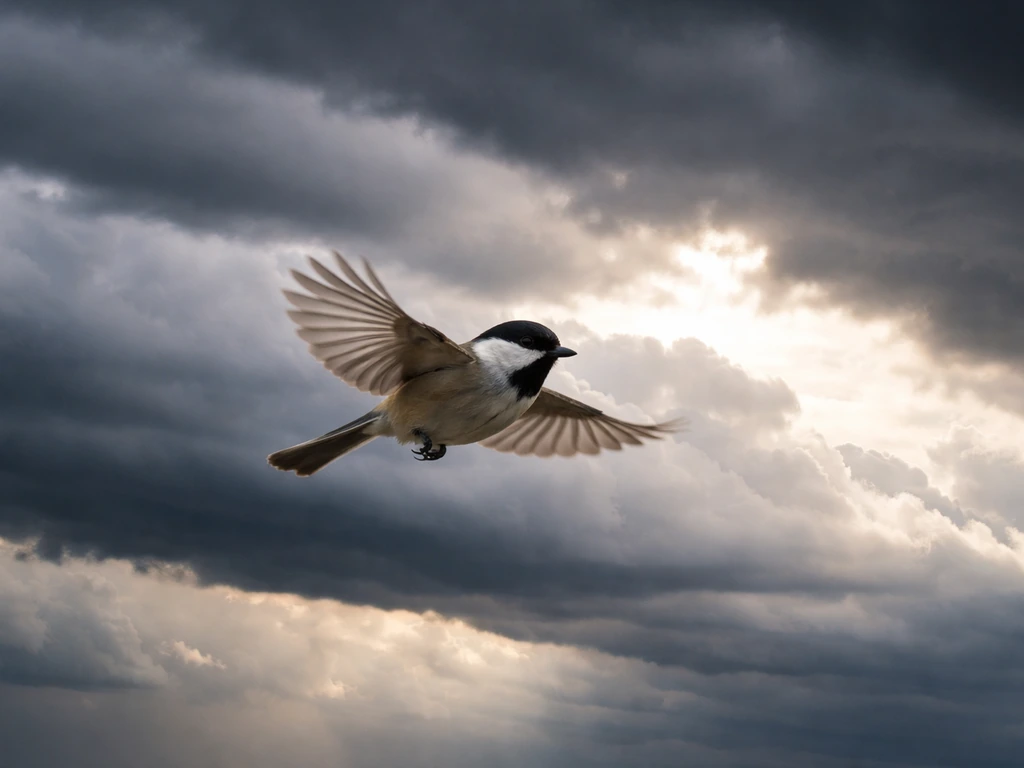
Timing is one of the biggest reasons birds seem to appear suddenly. North America's major nocturnal spring migration runs roughly from mid-March to mid-June, and fall migration peaks from mid-August to mid-November. During these windows, more than 4 billion birds move across the continent, according to Cornell CALS research. Your yard or street might sit directly under a flyway, meaning you'll see species overnight that simply weren't there the day before.
Weather shifts trigger visible surges in bird movement. A cold front pushing south in autumn can ground thousands of birds at once in your area, which is why you might step outside one morning and see a yard full of warblers or sparrows that weren't there yesterday. Warm southerly winds in spring push migrants north quickly. Birds also tend to hunker down and cluster near food sources before a storm, which can make them seem to "arrive" all at once.
Migration timing is also species-specific. Different birds travel on different schedules, so the explanation for a sudden appearance of robins differs from a sudden appearance of cedar waxwings or hummingbirds. Knowing the species you're seeing gives you a much sharper answer. A quick look at a regional birding resource or app like eBird will show you whether that species is expected in your area right now.
Why you might notice them more right now
Sometimes the birds haven't changed, but your attention has. If something prompted you to look outside, spend more time in the yard, or simply be more present than usual, you'll notice things that were always there. This is especially true after a significant life event, a period of grief, or a time when you're actively searching for meaning. The brain is wired to notice patterns when it's looking for them, which doesn't make the experience less real, but it does help explain the timing.
Environmental changes on your end also shift what you see. A newly cleared view, a window you've started leaving open, a different routine that has you outdoors at dawn or dusk, a new feeder or water source, even removing a fence that used to block your sightlines: all of these can make bird activity that was always happening suddenly visible to you. If you've moved recently, you may also just be encountering the normal bird population of a new neighborhood for the first time.
What to do today: a quick bird-encounter checklist
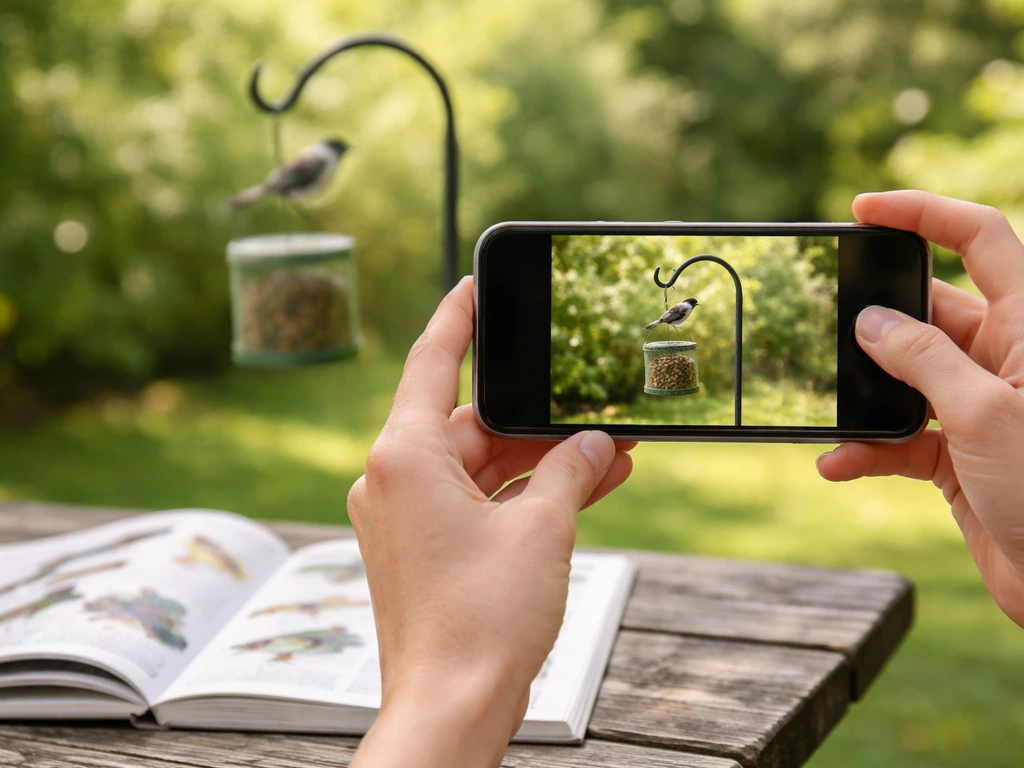
If birds have shown up suddenly and you want to figure out what's happening and respond sensibly, work through these steps:
- Identify the species if you can: take a photo or note the size, color, and behavior. Knowing whether it's a migrant passing through or a local resident changes everything.
- Look for a nest: check nearby shrubs, eaves, vents, hanging baskets, or dense plants within about 20 feet of where the birds are appearing. If you find an active nest, leave it alone.
- Check for attractants: walk the area and look for food sources, water, or shelter that might be drawing them in.
- Inspect nearby windows: if birds are appearing near glass, check whether they're hitting it or hovering near reflections. If so, treating the glass should be your first action.
- Apply window treatments if needed: the U.S. Fish and Wildlife Service recommends external markers spaced no more than 2 inches apart across the glass surface. Decals, tape strips, or external insect screens all work. The pattern needs to cover the whole window, not just a corner.
- Adjust your setup if birds are a nuisance: if they're fouling surfaces or becoming aggressive, remove attractants (spilled seed, open water near windows), add deterrents like reflective tape, and modify nesting opportunities.
- If a bird is injured: place it gently in a dark, ventilated box like a shoebox with a lid, keep it in a warm, quiet spot, and do not offer food or water. Contact a licensed wildlife rehabilitator or veterinarian. According to Tufts Wildlife Clinic, if a bird doesn't recover within a couple of hours after a window strike, it needs professional help.
- Wash your hands after any direct contact with birds, droppings, or surfaces they've contaminated, as the CDC recommends as basic hygiene around birds.
Spiritual and symbolic meanings of a sudden bird visit
Across cultures and throughout history, birds appearing unexpectedly have been read as messages, omens, or signs. These interpretations don't cancel out the natural explanations above. Many people hold both perspectives at once, accepting that a bird came for practical reasons while also feeling that the timing carried personal meaning. That's a reasonable and very human response to an encounter that feels significant.
In many Christian and biblical traditions, birds are messengers of divine care. The sparrow appearing in Matthew 10:29 is a symbol that nothing goes unnoticed by a watchful God. In Celtic traditions, birds were thought to carry messages between this world and the next, with specific species like robins and wrens carrying particular significance as winter messengers or heralds of change. In many Indigenous traditions across North America, birds are considered relatives and guides, with their behavior read as meaningful communication from the natural world. In Eastern traditions including Chinese and Japanese folklore, certain birds like cranes symbolize longevity and good fortune, while the sudden appearance of a bird near a window has been interpreted as a soul checking in.
The behavior of the bird matters symbolically as much as the species. A bird that keeps returning to the same spot is often read as persistence, a message trying to get through. A bird that flies directly toward you or makes eye contact is interpreted in many traditions as a personal sign. A flock appearing suddenly is often associated with collective energy, community, or a call to pay attention to the bigger picture around you. A bird appearing indoors (which is a distinct situation from an outdoor visit) carries stronger omens in most traditions, typically seen as an urgent message or a soul visiting.
What you take from the encounter is ultimately personal. The most useful question isn't "what does this mean universally?" but "what does this feel like it means to me, right now, given what's happening in my life?" The bird's appearance might be a prompt to slow down, to pay attention, to revisit something, or simply to feel connected to the living world around you. That reflection has value regardless of what tradition you come from.
When a sudden bird appearance is something to take seriously
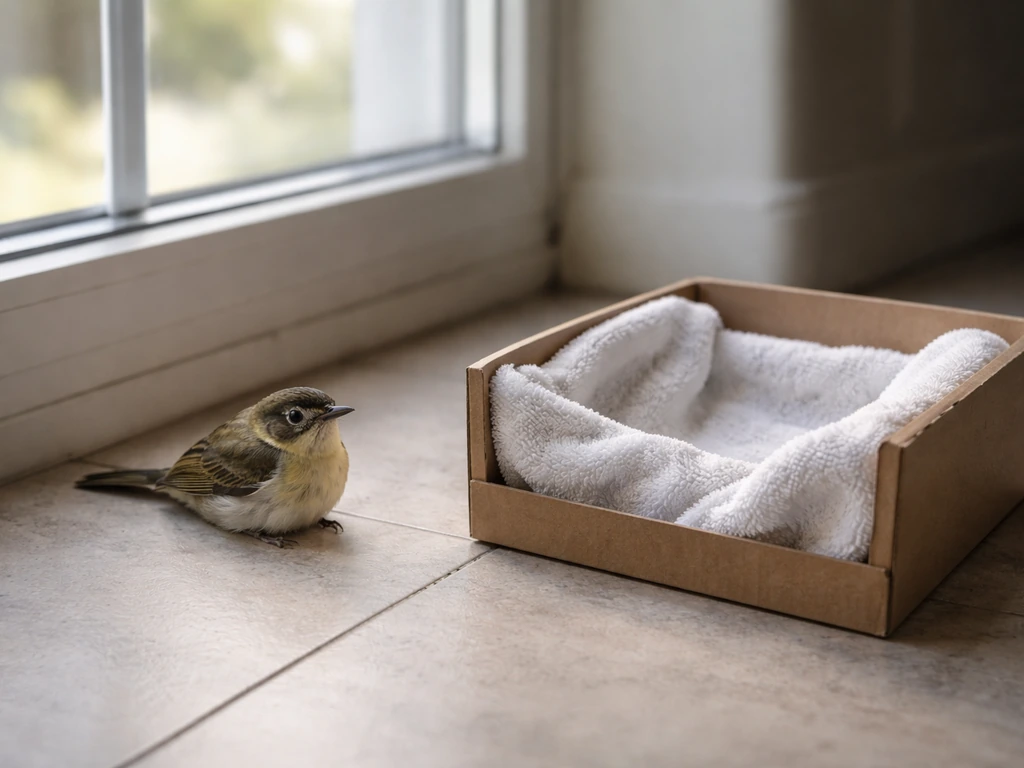
Most sudden bird encounters are harmless and brief. But there are situations where you should act quickly rather than just observe.
| Situation | What it likely means | What to do |
|---|---|---|
| Bird is dazed or sitting still on the ground | Window strike or injury | Box it, keep it quiet and warm, contact a wildlife rehabilitator if not recovered in 1-2 hours |
| Bird keeps hitting your window repeatedly | Seeing its own reflection (territorial behavior, especially in spring) | Apply external window treatments: decals or tape strips spaced 2 inches apart across the full glass surface |
| Bird is visibly sick (fluffed, lethargic, discharge) | Disease risk to other birds and potentially humans | Do not handle with bare hands; contact a wildlife rehabilitator; wash hands if you've touched the area |
| Active nest in a problematic location (vent, doorway) | Nesting conflict | Do not disturb an active nest with eggs or young; contact a local wildlife agency for legal guidance on timing |
| Bird is diving at you or acting aggressively | Nest defense (most common in spring/summer) | Give the area a wide berth; the behavior stops when young fledge, usually within a few weeks |
| Bird droppings accumulating on surfaces | Health hygiene concern | Clean with gloves and a damp cloth (avoid dry sweeping), wash hands thoroughly; dried droppings can carry psittacosis risk if inhaled |
It's worth noting that avian pox and similar bird diseases are not known to infect humans, according to both Missouri Department of Conservation and Mass. Massachusetts Audubon recommends observing an injured window-strike bird for a couple of hours, and getting help if it doesn't recover Helping Injured Birds. gov, but diseases like psittacosis can be transmitted to people through inhaled dust from dried droppings, as Washington State DOH explains. The CDC also notes that avian influenza risk to humans is mainly associated with contact with sick or dead birds. So while daily backyard bird-watching carries very low risk, handling sick or dead birds or cleaning up heavy droppings accumulation warrants basic protective care.
If you've noticed birds not just near your home but specifically around your car, that's a related but slightly different pattern with its own set of triggers, from territorial reflection behavior on the car's body panels to foraging around tires and undercarriage. Birds sometimes keep returning to cars for the same reasons they show up near windows or yards, like reflections, warmth, and food sources under and around the vehicle. If the bird is targeting your vehicle repeatedly, it can be due to mirror or window reflections, territorial behavior, or searching for food near the tires and undercarriage why is a bird attacking my car. If you’re wondering why a bird is trying to get in your car, start by checking the reflection, nearby food sources, and whether the bird is actually mistaking the vehicle for open space birds not just near your home but specifically around your car. Those scenarios are worth exploring separately for the most useful guidance.
A moment to sit with what you noticed
Whether the birds showed up because your neighbor's crabapple finally dropped its fruit, because migration pushed a wave of travelers through your zip code overnight, or because something in you was ready to pay attention, you noticed them. That noticing is worth something. Before you move on, consider: What species were they? What were they doing? What was happening in your own life in the days before this encounter? You don't need a single definitive answer. Sometimes the practical explanation and the symbolic one point in the same direction, and that's where the most interesting reflection starts.
FAQ
If birds show up suddenly at my window, how can I tell whether it is reflections or something else like food?
First, confirm they are really the same species, then check your windows and any shiny surfaces. Birds often hit or hover near glass because reflections look like open sky or a nearby perch, especially on clear days. A practical test is to watch from an angle where reflections are minimized (turn off interior lights, close curtains, or view from another room) and see if the visits drop within a day.
What should I look for if birds keep returning to the same area after disappearing for a day?
If you see repeated visits to the same exact spot, look for a simple “resource loop”: feeder locations, dripping gutters, standing water, or a nesting site just out of sight (like a shrub corner or eave gap). Also note timing, birds that arrive consistently at dawn or after meals are usually responding to predictable cues, not random wandering.
Can birds seem to “arrive” suddenly even if nothing changed on my property?
Yes. A big influx can happen even without new feeders if weather has concentrated birds nearby, for example after a cold front grounds them or before a storm pushes them to cluster around remaining food. Check whether your sightings jumped right after a forecasted temperature change or rain period, then compare it with what birds are being reported nearby.
How long does it usually take after adding a feeder or water source for birds to show up in noticeable numbers?
For several species, it can take days to weeks for the first visitors to discover a new feeder or water source, then a faster follow-on wave begins. If you just put out the feeder, expect the pattern to ramp up gradually rather than instantly, and keep the food consistent so birds learn the new reliable spot.
Why might birds appear to target my car or keep coming back to the same parked spot?
Yes, if the bird is looking for a mate or defending territory, a mirror-like surface can trigger repeat behavior, especially during spring. If the “target” is your car paint, side panel, or mirrored attachment, relocating it to a different angle or covering reflective surfaces for a few days can quickly reveal whether reflection is the driver.
What observation helps most to figure out why birds suddenly appear (species, behavior, or timing)?
In most cases, you will get more insight by identifying what the bird is doing than by guessing the “meaning.” Watch for cues like feeding (food search), courtship (following and calling), or nesting (carrying material, repeated visits to a cavity). Pair that with the species name and the time of year to narrow the cause.
What is the safest way to respond if birds look sick or there is a lot of droppings around the area?
Avoid directly handling sick or dead birds and don’t sweep up heavy droppings dry. If cleanup is needed, use gloves, ventilate the area, and moisten droppings before removing to reduce inhaled dust. If multiple birds are found dead, use caution and contact local wildlife or health authorities for guidance.
Does an indoor bird appearance have the same causes as birds appearing outside my home?
If birds are showing up indoors, treat it as a separate situation from outdoor visits. Often it is a directional confusion caused by light and reflections, for example a bright room near the brightest window. Keep windows closed or cover reflective surfaces, then guide the bird toward an exit using dimmed interior lights and a lit window.
How can I verify whether the species I saw is expected in my area at this time of year?
If you want a fast reality check, note the species, your exact location (neighborhood or city), and the date and time, then compare with local sightings. If a species is rare for your area right now, that can point to a weather-driven detour or a sudden range shift rather than a “mystery” local change.
Next Article
Why Is a Bird Obsessed With My Car? Fix It Today
Stop a bird repeatedly attacking your car with a quick checklist: find causes, block access, adjust lights, and ensure s