A bird biting you almost always comes down to one of a few very natural reasons: the bird felt threatened, it was protecting a nest, it mistook your hand or finger for food, or it was reacting to stress or hormonal changes. Most bites are not random, and they are not personal. That said, if you're here because you're also asking what it could mean on a deeper level, there's a rich tradition of interpreting bird encounters as messages or omens, and a bite, with its sharp insistence, does carry some interesting symbolic weight. Let's start with what actually happened, make sure you're taken care of physically, and then get into the meaning.
What Does It Mean When a Bird Bites You?

Maya Hartwell
29 Apr 2026
Why birds bite: the immediate physical reasons
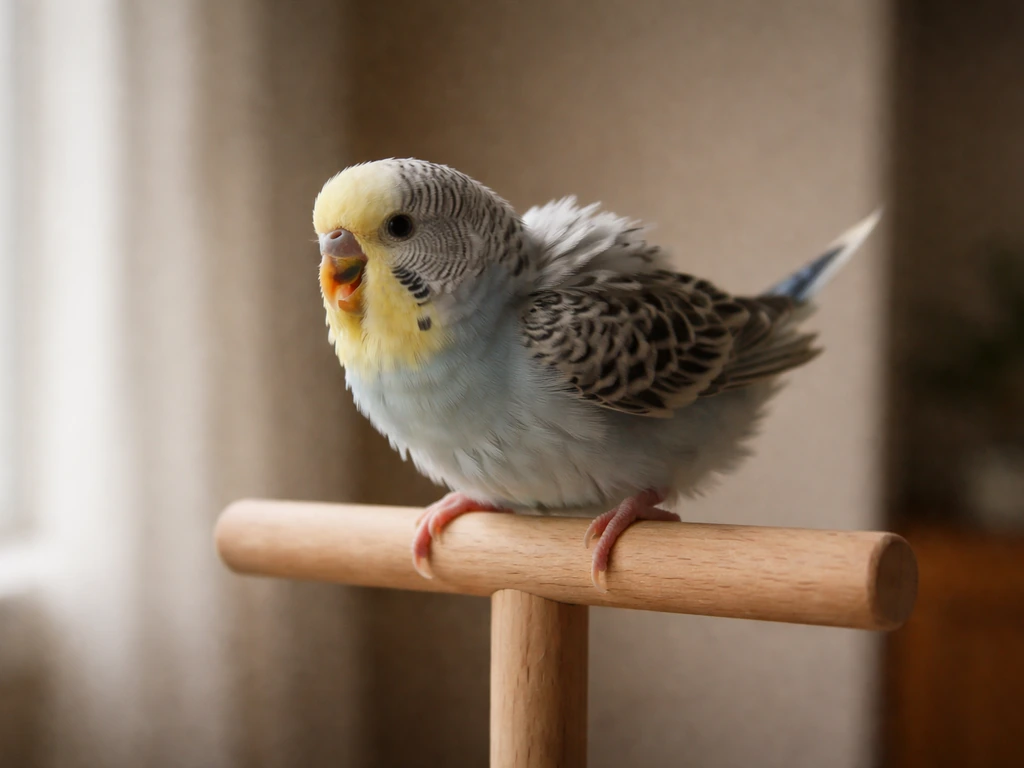
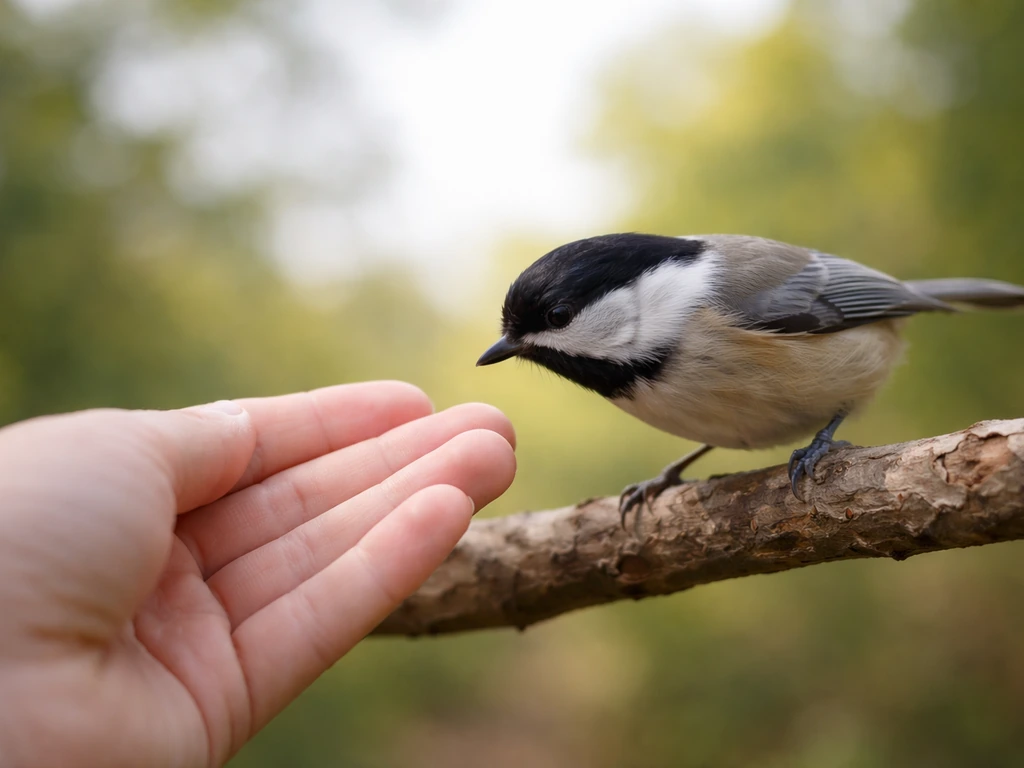
Birds don't bite out of spite. Every bite has a reason rooted in instinct, body language, or environment. The most common triggers are fear, territorial defense, nesting aggression, hunger confusion, hormonal changes, and overstimulation. Understanding which one applies to your situation changes how you respond, and whether a repeat is likely.
- Fear response: Even a pet bird that normally trusts you can bite if it's startled, cornered, or feels it has no other escape. Fear bites often come with warning signals first — feathers flattened, eyes pinned, body leaning away.
- Nesting and territorial aggression: Wild birds guarding a nest will respond aggressively to anyone who gets too close. The U.S. Fish & Wildlife Service notes this behavior can occur across a wide window from roughly January through August depending on species and location.
- Hormonal biting: In spring, longer daylight hours trigger hormonal shifts in many birds. Pet birds especially can become territorial about their cage, their person, or even a favorite object — and a bite can come seemingly out of nowhere.
- Mistaking you for food: Quick movements, brightly colored nails, or shiny jewelry can look like food to a curious or hungry bird, especially a young one. These bites tend to be exploratory and lighter.
- Displaced aggression: Sometimes a bird is agitated by something it can't reach — another bird, a noise, a reflection — and the nearest hand gets the bite instead.
- Overstimulation: Birds have a tolerance threshold for handling and petting. When it's crossed, a bite is how they communicate 'that's enough.' This is especially common with parrots and cockatiels.
What to do right now after a bird bite
Before you interpret anything, take care of the wound. Mayo Clinic also advises taking proper wound care after an animal bite and considering rabies risk based on the animal involved. Most bird bites from small birds cause minor punctures or scratches, but bird beaks can cause real damage and the mouth and beak carry bacteria.
Basic first aid

- Wash the wound thoroughly with soap and water for several minutes. This is the single most important step — the Mayo Clinic and MedlinePlus both emphasize that thorough washing reduces infection risk significantly.
- Apply gentle pressure with a clean cloth if there is bleeding.
- After cleaning, apply an antiseptic and cover with a clean bandage.
- Monitor over the next 24–48 hours for signs of infection: increasing redness, swelling, warmth, pus, or fever.
When to get medical attention
MedlinePlus guidance recommends getting medical attention within 24 hours for any bite that breaks the skin. If the bite is deep, involves a wild bird, or you haven't had a tetanus shot recently, call a doctor. The CDC notes that bites involving saliva, including animal bites, can factor into tetanus prophylaxis decisions depending on your vaccination history. If you develop symptoms like spreading redness, warmth, fever, or swollen lymph nodes, go in sooner rather than later.
One thing worth knowing: birds cannot get or transmit rabies, so that's off the table entirely. However, people who have close contact with pet birds or poultry should be aware of psittacosis, a bacterial infection caused by Chlamydia psittaci. It's typically spread through airborne dried bird feces rather than bites, and mild cases can resemble flu, but severe cases can progress to pneumonia. The CDC notes there is no vaccine for psittacosis, so safe handling and good hygiene are your best prevention. If you feel ill in the days following a bird bite, especially with respiratory symptoms, mention the bird contact to your doctor.
Reading the bird's behavior: what was really going on
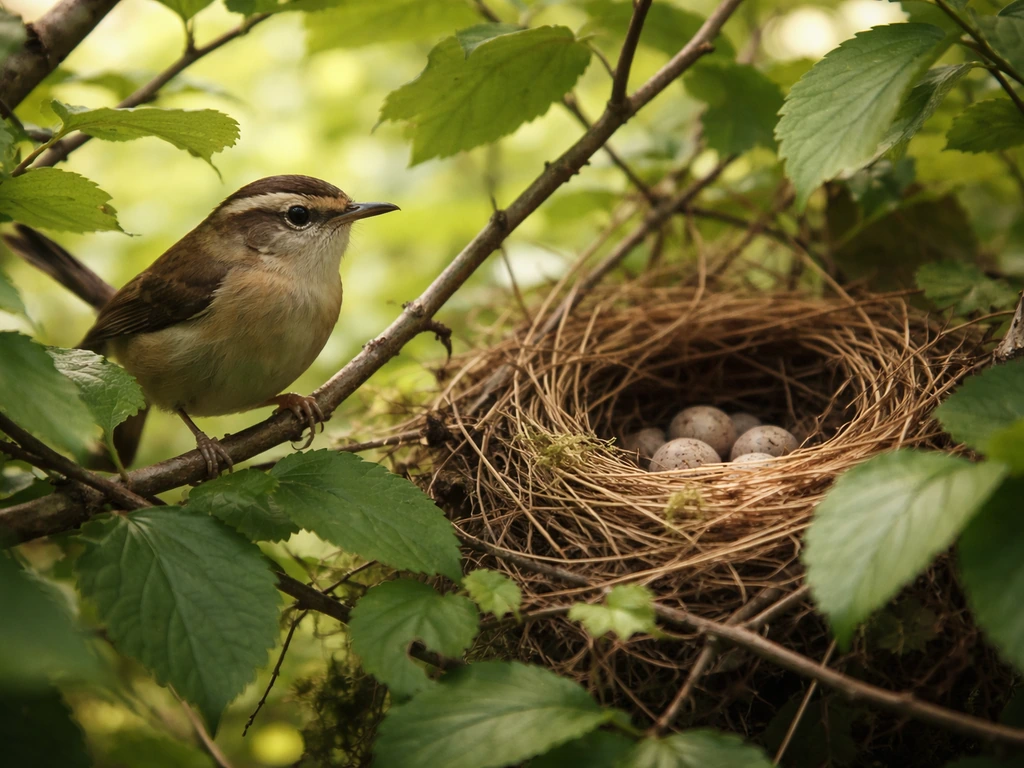
Context matters enormously here. A bite from a wild bird guarding a nest is completely different from a bite from a pet parrot who's been handled too long, which is different again from a bite from a bird you've never interacted with before. Each scenario tells its own story.
| Situation | Likely cause | What it signals |
|---|---|---|
| Wild bird near a nest or fledgling | Territorial/nesting defense | You were too close to something it's protecting — back off and give it space |
| Pet bird during spring or mating season | Hormonal territorial shift | Day length is triggering instinct; adjust handling and avoid petting in ways that mimic mating behavior |
| New or unfamiliar bird | Fear or stress response | The bird doesn't trust you yet; slow, patient, positive-reinforcement approach is needed |
| Normally calm pet bird bites suddenly | Overstimulation or displaced aggression | Watch for body language cues (twitching tail, pinned eyes) and reduce handling duration |
| Bird pecking at fingers or jewelry | Curiosity or food confusion | Exploratory, not aggressive — usually a light nip rather than a true bite |
For pet birds specifically, the International Association of Avian Trainers and Educators recommends positive reinforcement as the preferred training strategy, rewarding calm behavior with treats, rather than responding to biting with punishment, which tends to increase aggression and avoidance over time. VCA Animal Hospitals echoes this, suggesting that when biting becomes a persistent problem, consulting an avian veterinarian and possibly an avian behaviorist is the most effective path forward.
The spiritual and symbolic meaning of a bird biting you
Here's where the interpretation opens up. If you came to this question feeling like the bite meant something, like it wasn't just random, you're not alone in that instinct. Across many spiritual traditions, a bird making direct, forceful contact with a person is treated as significant. If you are wondering what it means when a bird touches you, these symbolic readings are one lens people often use spiritual traditions. A bite especially, because of its sharpness and intention, tends to be read as a message that demands attention rather than a gentle nudge.
Boundaries and a warning to pay attention
The most common spiritual reading of a bird bite is one tied to boundaries. The bird enforced its own with clarity, and the interpretation often turns that mirror on you. Are there boundaries in your own life that need enforcing? Are you in a situation where you've been getting too close to something that isn't ready to welcome you, whether in a relationship, a decision, or an environment? The bite, in this reading, is a prompt to pause and reassess rather than push forward.
Being noticed and chosen
Some spiritual interpretations flip the experience entirely. Rather than a warning, the bird's direct contact, even an aggressive one, is seen as a sign that you were noticed by the natural world. In traditions that view birds as messengers between the earthly and spiritual realms, any deliberate, physical contact can carry the sense that you are being singled out for a message. Whether that message is a caution or a calling depends on the context and the bird species involved.
Protection, change, and waking up
A bird biting to protect its nest is, in spiritual terms, a powerful symbol of fierce protection and the willingness to defend what matters. If this resonates with your life right now, if you're in a season where you need to protect something precious or hold a firmer line, the encounter can feel remarkably well-timed. Other readings frame bird aggression more broadly as a signal of change approaching: something is shifting, and the bite is a way of getting your attention before the transition fully arrives. Think of it as the universe being a little less subtle than usual.
It's also worth sitting with the question of what you were doing in the moment. Were you rushing? Distracted? Overstepping? The bite interrupts whatever you were doing and forces you to be fully present. In many mindfulness-adjacent spiritual frameworks, that sudden snap-back to presence is the whole point of the experience, regardless of any external omen.
Cultural, biblical, and folklore themes around birds and contact
Cultures around the world have long treated birds as messengers, omens, and spiritual intermediaries. Direct contact with a bird, especially unexpected contact, tends to carry extra weight in these traditions.
Biblical perspective: birds as creatures under divine notice
In Matthew 10:29–31, Jesus tells his followers that not a single sparrow falls to the ground outside of God's awareness, and that humans are valued far more than sparrows. Many biblical interpreters use this passage to counter fear-based readings of bird encounters. Rather than treating a bird bite as an omen of misfortune, this theological lens suggests that the encounter, like all things, is held within a larger framework of care and attention. The bird was noticed. So were you. 'Fear not' is the explicit takeaway of the passage.
Divination and bird communication in folklore
Alectryomancy is one of the more fascinating examples of how birds have been used as symbolic communicators: in this ancient practice, a bird's pecking at scattered grains was interpreted as a message or prediction. The idea that a bird's intentional contact with the physical world carries meaning is deeply embedded in folk tradition. Being pecked or bitten, in this framework, isn't random, the bird is responding to something, and the question is what that something might be.
Cautionary themes in folklore and cross-cultural belief
Many folk traditions treat unexpected bird contact as a warning or a message from the other side. The superstition around a bird flying into a house, widely interpreted in European folklore as a death omen or a sign of impending change, is part of the same broader category of 'bird intrusion as omen.' Celtic traditions, for instance, associated certain birds with the Otherworld and viewed any uninvited bird encounter as potentially carrying otherworldly weight. Owls specifically carry ill-omen associations across multiple cultures, from ancient Rome to many indigenous traditions, representing danger or forewarning. What's interesting across nearly all of these traditions is that the bird is positioned as a messenger, not a cause. It is reflecting or announcing something, not creating it.
This theme of bird-as-messenger connects naturally to other forms of bird contact explored across this topic area, whether a bird preens you, blinks slowly at you, or simply chooses to land on or near you, each of those encounters carries its own symbolic vocabulary in folk and spiritual traditions. If you are wondering what it means when a bird preens you, it can point to trust, social bonding, or a comfort cue in bird behavior what does it mean when a bird preens you. A bite sits at the more insistent end of that spectrum: harder to ignore, more likely to be treated as urgent.
Preventing repeat bites and staying safe going forward
If this wasn't a one-time event, or if you want to make sure it doesn't become a regular occurrence, there are clear practical steps for both wild and pet bird situations.
Wild birds
The U.S. Fish & Wildlife Service is direct on this: if a wild bird is behaving aggressively, the safest and most respectful response is to back away and stay out of the immediate area. During nesting season (which can stretch from January through August for many species), aggressive behavior near a nest is normal and predictable. Give the birds a wider berth, redirect foot traffic away from known nesting areas, and wait until the young have fledged and the parents are less defensive. Never attempt to handle a wild bird, even one that appears injured, without proper equipment or professional guidance.
Pet birds
For pet birds, the path forward is about understanding the pattern. Was this a spring bite triggered by hormonal changes? A stress response to a new person or environment? An overstimulation bite during a long handling session? Identifying the trigger is the first step. From there, consistent positive reinforcement, rewarding calm behavior with treats, keeping handling sessions shorter, and learning to read your bird's body language before it escalates to a bite, will reduce incidents over time. If the biting is persistent, aggressive, or out of character, get an avian vet involved. Behavioral issues in birds are often tied to health issues, environment, or training gaps that a professional can help untangle.
Health and hygiene habits to keep in place
- Wash your hands before and after handling any bird, pet or wild.
- Keep your tetanus vaccination up to date — animal bites, including bird bites, can factor into tetanus risk depending on wound type.
- If you spend significant time around pet birds or poultry, be aware of psittacosis symptoms (fever, chills, headache, respiratory symptoms) and mention bird exposure to your doctor if you feel ill.
- Avoid handling wild birds unless you are trained to do so — wild birds carry their own bacterial flora, and a bite from a wild bird creates more unpredictable exposure than a bite from a well-monitored pet.
A bird biting you is rarely just one thing. Physically, it's usually a clear behavioral signal worth understanding. CDC Yellow Book notes that rabies transmission occurs most successfully through bites of a rabid animal, so prevention involves avoiding blank" rel="noopener noreferrer">bites and scratches from mammal reservoirs. Spiritually, it's an encounter that many traditions would ask you not to dismiss too quickly. If you also notice your bird sleeping on you, that can point to trust and bonding, but it still helps to consider comfort and safety signals too. What strikes you most about the moment it happened, the species, the setting, what you were thinking about, what's been unresolved in your life lately? Sometimes that context tells you more than any omen interpretation could on its own. If you are wondering what it means when a bird pees on you, it can also connect to symbolic readings and practical safety considerations.
FAQ
What should I do right after a bird bites me to reduce infection risk?
If a bird breaks the skin, the safest default is to treat it like any other puncture wound: wash immediately with running water and soap, apply an antiseptic, and watch closely for worsening redness or swelling. Even if it seems minor, deep punctures are harder to clean and can increase infection risk.
Do I need a tetanus shot after a bird bite?
Your tetanus status matters more than the bird itself. If you have not had a tetanus shot within the recommended timeframe, you may need a booster, and clinicians may adjust for risk based on vaccination history and wound characteristics.
If birds cannot transmit rabies, what illnesses should I still watch for after a bite?
Even though rabies is not a concern with birds, you should still consider other illnesses if the bird was wild or if you had close contact with poultry or pet bird droppings. If you develop flu-like symptoms, especially respiratory symptoms after the event, tell a clinician about the bird exposure.
What if my pet bird keeps biting, and it seems to be getting worse?
A bird that bites multiple times or escalates quickly is a red flag for safety and for underlying causes. For pet birds, don’t rely on “distraction” or punishment, instead look for triggers like overstimulation, interrupted sleep, poor diet, pain, or unwanted handling, and involve an avian vet if it’s out of character or persistent.
Could my body language or approach cause a bird to bite me?
Not always. Many bites happen when a hand is unexpectedly close to the bird’s beak level, near a cage or favorite perch, or when the bird is startled. Re-evaluate your body position, avoid looming over the bird, and give the bird a clear choice to approach.
How can I tell if a wild bird is biting because of nesting, and what should I do in that case?
Yes, nesting season, even if you think it is over, can extend depending on species and local conditions. If you see defensive behavior near a nest or repeated charging, the practical answer is to back away and reroute foot traffic until parents stop defending.
How do I know whether the bite was a mistake or deliberate aggression?
There’s a difference between accidental contact and targeted aggression. If the bird bites after repeated cues like head bobbing, pinned eyes, tail lifting, lunging, or stepping backward, that pattern points to a consistent trigger you can reduce by changing handling time, spacing, and approach.
What practical changes can I make to reduce biting during handling?
If you were bitten while handling, the most useful “next step” is to shorten sessions and increase predictability, reward calm behavior quickly, and stop before the bird reaches a threshold. For stubborn patterns, record time of day, what happened right before the bite, and the bird’s posture, then share it with an avian veterinarian or behavior professional.
Could there be a health reason for biting that training won’t solve?
If a bird bite happens repeatedly in the same context, it helps to stop assuming it is “just personality.” Birds can bite due to stress, hormones, pain, irritation from skin or feather issues, or unfamiliar environments. A vet check can rule out health causes that training alone cannot fix.
How do I balance spiritual meaning with practical safety after a bird bite?
If you want the symbolic interpretation, a grounded way to use it is as reflection, not as a prediction. Ask what boundary, stress, or attention issue the moment highlights, then take a concrete action like changing your approach, improving safety, or addressing an unresolved situation.
Next Articles
What Does It Mean When a Bird Preens You? Practical and Spiritual
Why a bird preens you: bonding, comfort, curiosity, nesting or mating, plus spiritual and cautionary guidance.
What Does It Mean When a Bird Pees on You and What to Do
Know why birds drop on people, how to clean safely, and spiritual omens and reflection prompts after the event.
Why Is My Bird Flapping Its Wings at Me? Causes and What to Do
Understand why your bird flaps wings at you and what to do, from hormones and stress to attention and warnings.