Dreaming of an injured bird most often points to something in your own life that feels wounded, grounded, or unable to move forward the way it should. Birds in dreams are widely understood as symbols of freedom, aspiration, and spiritual connection, so when one appears hurt, your dreaming mind is usually flagging that one of those qualities is impaired right now. It does not mean something terrible is about to happen. It means something deserves your attention and care.
Dream Meaning Injured Bird: Spiritual, Biblical, and Practical Steps

Maya Hartwell
4 May 2026
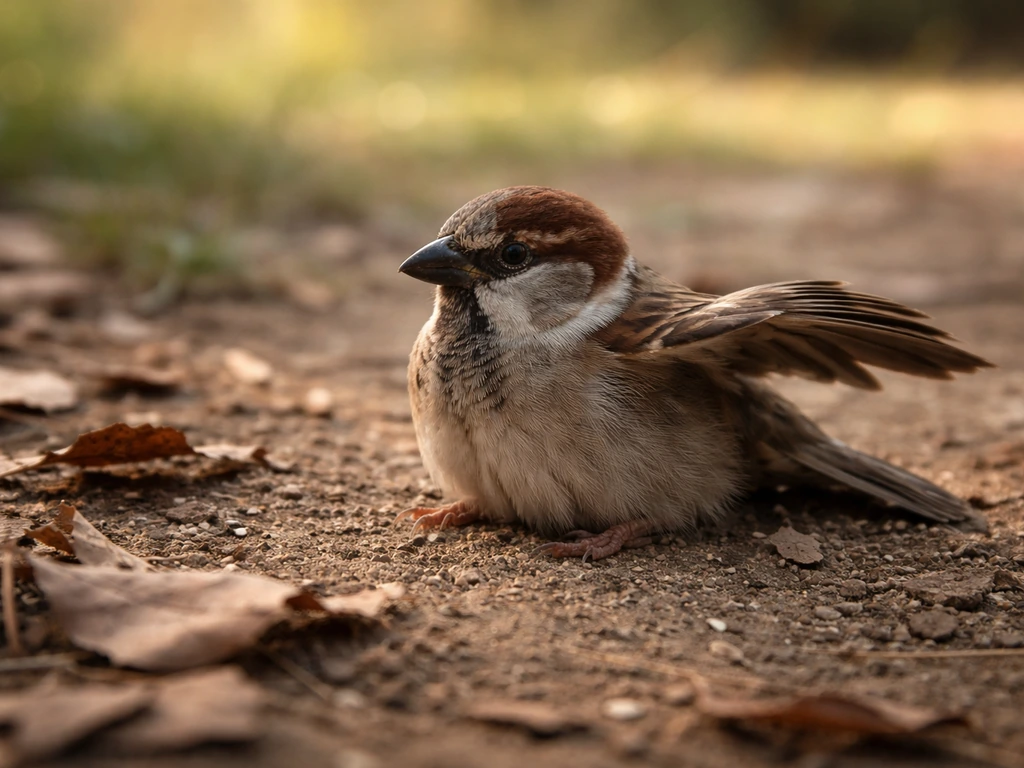
What an injured bird dream typically symbolizes
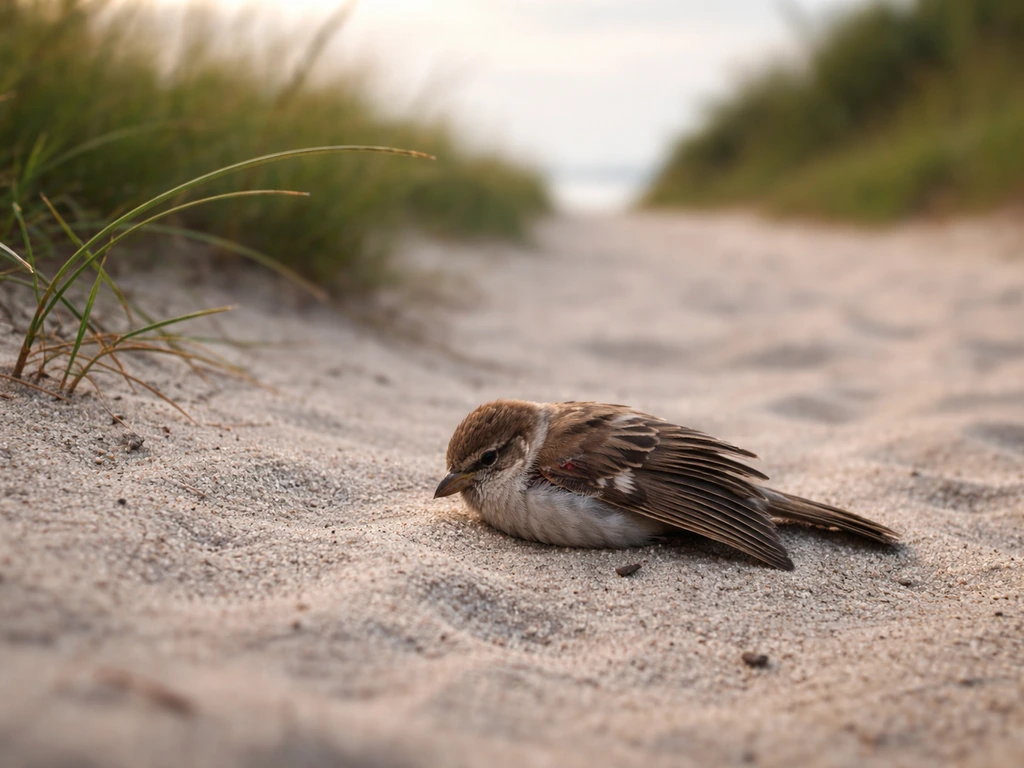
Across most dream interpretation traditions, birds represent the parts of life that lift us: freedom, hope, goals, creative energy, and spiritual intuition. An injured bird disrupts that imagery deliberately. The dream is not showing you flight; it is showing you something that should be flying but cannot. That distinction carries a lot of weight.
The most common themes associated with an injured bird dream are: impaired progress toward a goal, a creative or spiritual faculty that feels suppressed or blocked, emotional exhaustion that has been ignored, or a relationship or responsibility that needs gentle care rather than pushing harder. Some dream guides describe this as "trouble taking off", a simple but accurate image for what the dream is communicating. You have something with potential, but something has happened to hold it back.
Spiritual interpretations often go one step further, framing the injured bird as a symbol of your intuition or inner wholeness feeling damaged. If you have been ignoring gut feelings, disconnecting from your spiritual practice, or running on empty for a long time, this kind of dream can surface as a way of making that visible. It is less a warning about the outside world and more an honest mirror of your inner state.
Dream details that shift the meaning
The general symbol is one thing, but the specific details of your dream are where the real interpretation lives. Two people can both dream of an injured bird and be processing completely different life situations. Here are the variables that matter most.
The species of bird
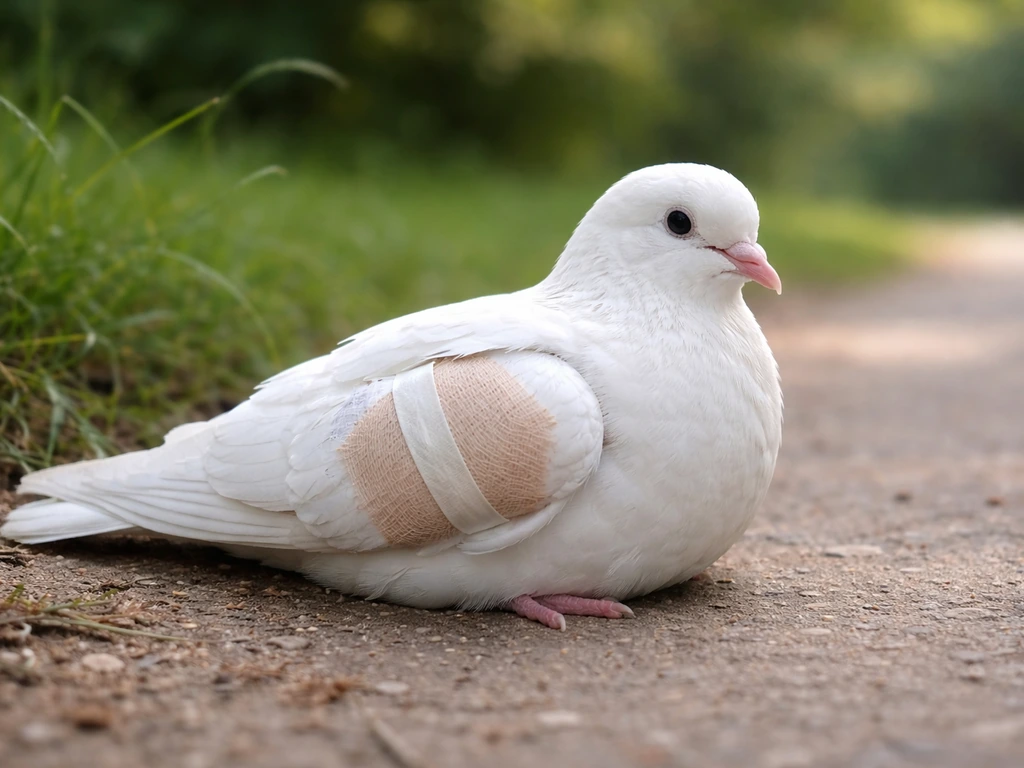
Species adds a significant layer of meaning. A dove is a universal symbol of peace, gentleness, and spiritual connection, so an injured dove often points to damaged harmony in a relationship or a disruption of inner peace. A raven or crow carries associations with mystery, transition, and sometimes darker omens, meaning an injured raven might point to a disrupted intuition or a transformation that feels painful rather than clean. A songbird hurt or silent can reflect a creative voice that has gone quiet. A hawk or eagle injured often speaks to ambition, vision, or leadership feeling compromised. A vulture, already associated with endings and scavenging, injured in a dream can signal that a difficult but necessary process in your life has stalled.
The type and severity of the injury
A broken wing almost universally represents an inability to move forward or rise above a situation. A bleeding bird adds emotional urgency to the image, suggesting that whatever is blocked is also painful and cannot be deferred. A bird that looks dull, listless, or sick without a visible wound tends to point more toward fatigue and depletion than acute crisis. Sick bird dream meaning often comes down to what in your life feels drained, stalled, or not yet addressed sick without a visible wound. A bird injured but still fighting or trying to fly suggests resilience remains even in a hard season.
Your role in the dream
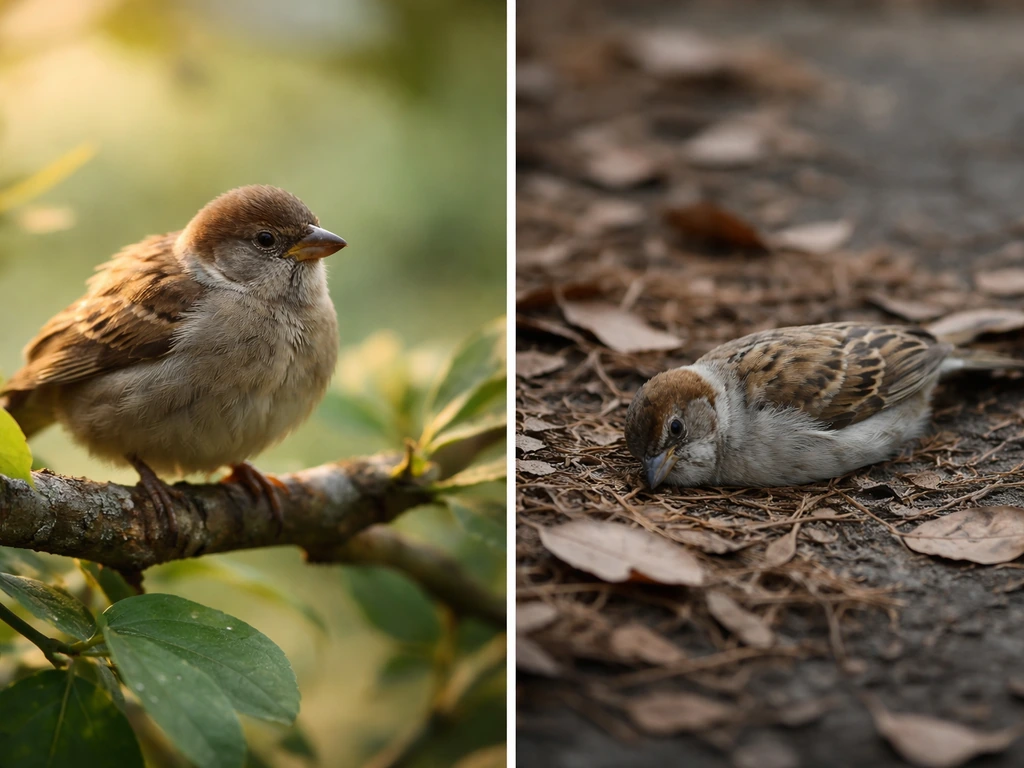
Whether you find the bird, help it, hold it, or watch it from a distance changes the interpretation considerably. Finding an injured bird often signals that you are becoming aware of something that needs care. Actively helping the bird is widely read as a sign that you are ready to review your goals and life direction, possibly slowing down in a new situation or relationship to give it the attention it needs. Holding the bird gently tends to connect with themes of opportunity and how you are handling what has been placed in your hands. Watching helplessly is worth noting too: it may reflect feelings of powerlessness or guilt around something you have not yet acted on. This connects closely to dreams about trapped birds, which share themes of confinement and the desire to intervene. If instead of an injured bird you see an empty bird cage, the dream meaning often centers on feeling blocked from freedom, support, or hope empty bird cage dream meaning.
The outcome: does the bird recover or die?
Many spiritual frameworks treat the bird's outcome as meaningful. If the bird recovers, heals, and flies away, that is generally read as a hopeful signal that what is wounded can be restored with attention. If the bird dies in the dream, it shifts closer to the territory of loss or endings, similar to, but distinct from, dreams where a bird is killed outright. This includes cases where the bird is killed in the dream, which often points to fears of loss or the end of something that felt unsafe to ignore dreams where a bird is killed outright. The emotional tone you carry out of the dream matters just as much as what literally happens in it.
Your emotions during the dream
Fear, compassion, guilt, urgency, sadness, or even helpless grief all point in different directions. Fear suggests anxiety about something in waking life that feels fragile. Guilt often means you already know you have been neglecting something important. Compassion and urgency together can signal a protective instinct kicking in, either toward yourself or someone you care about. Your emotional response is, in many ways, the most reliable key to unlocking what the dream is actually about.
Spiritual and metaphysical perspectives
In spiritual traditions that treat dreams as meaningful communication, an injured bird is often framed as a personal message or a gentle wake-up call rather than a harsh omen. The distinction is important. A wake-up call implies that something needs your attention now, not that doom is coming. Spiritually oriented interpretation guides tend to link the injured bird to healing work that is either needed or already underway, with the bird's condition reflecting where you are in that process.
In metaphysical energy frameworks, birds are often associated with higher vibrations, air energy, and spiritual communication. An injured bird in this context can suggest that your connection to your higher self, your intuition, or your spiritual practice is feeling strained or blocked. Some practitioners read this as a call to cleanse your personal energy field, reset intentions, or return to practices that restore your sense of connection and clarity.
It is worth noting that different traditions interpret the same image differently, and that ambiguity is normal. A dove injured in a dream might be read as a disruption of divine peace in one framework and a call to mend a broken relationship in another. Neither reading is automatically wrong. The most useful approach is to sit with both and notice which resonates with what is actually happening in your life right now.
Biblical and religious perspectives
Birds appear throughout scripture as symbols of God's care, vulnerability, and the scope of divine attention. One of the most cited passages in this context is Matthew 6:26, where Jesus points to the birds of the air as examples of creatures provided for without striving, using them to frame an argument for releasing anxiety. This is a grounding, reassuring image rather than an ominous one: birds are associated with being cared for, not abandoned.
Matthew 10:31 takes this further with the sparrow passage: "you are more valuable than many sparrows." The framing matters here. Even the smallest, most vulnerable bird is within God's awareness. If you are someone who approaches dreams through a biblical lens, an injured bird might naturally prompt a question about where you are placing your trust when something feels fragile or broken, rather than treating the dream as a supernatural warning.
Psalm 102:6 uses desert birds as poetic imagery for grief and desolation, written by someone in genuine distress. This gives a scriptural precedent for using bird imagery as a language for emotional pain, which can be genuinely useful when processing a distressing dream through prayer or journaling. The psalm does not treat that distress as the final word; it moves through grief toward petition and hope.
From a Christian discernment perspective, reputable guidance around spiritual dreams encourages taking time with the image rather than rushing to a single interpretation. Dream meaning can be personal and layered, and prayer, reflection, and patience are considered more reliable tools than immediate certainty. That framing applies well here: sit with the dream, bring it to prayer if that is your practice, and trust that discernment takes time.
What psychology says about this kind of dream
From a psychological standpoint, dreaming of an injured bird is almost never about birds. It is about stress, emotional processing, and the way your sleeping brain works through unresolved concerns. Research from sources like the Cleveland Clinic confirms that higher stress and anxiety levels are directly associated with more vivid dreaming and more nightmares. If you are going through a demanding season at work, navigating a difficult relationship, or carrying a lot of unspoken worry, an injured bird dream fits naturally into that picture.
The specific emotional content of the dream often maps onto what you are experiencing but have not fully processed. Guilt in the dream about not helping the bird may reflect guilt in waking life about neglecting a responsibility, a relationship, or your own needs. A protective instinct toward the bird often reflects the same impulse in real life toward someone or something you care about and feel unable to fully protect right now. Fear or helplessness watching the bird suffer can mirror anxiety about things feeling out of your control.
If the dream recurs or leaves you genuinely distressed, there are evidence-based approaches worth knowing about. Imagery Rehearsal Therapy (IRT), a cognitive-behavioral technique validated by the American Academy of Sleep Medicine, involves consciously rewriting the distressing dream with a new, safer outcome while awake. Practicing the new version mentally before sleep has been shown to reduce nightmare frequency and distress over time. It is not mystical; it is your brain learning a different script. That said, if anxiety, intrusive thoughts, or derealization are increasing around the dream, reaching out to a mental health professional is a practical and reasonable step.
A quick guide: species, injury, and what to consider
| Dream Detail | Common Symbolic Theme | Worth Reflecting On |
|---|---|---|
| Injured dove | Damaged peace, broken harmony | What relationship or inner calm needs tending? |
| Injured crow or raven | Blocked intuition, painful transition | Where is a necessary change feeling stalled or difficult? |
| Injured songbird | Silenced creative voice | Have you stopped expressing something important? |
| Injured hawk or eagle | Compromised ambition or vision | What goal or leadership role feels out of reach right now? |
| Broken wing | Inability to rise or move forward | What is keeping you from progressing? |
| Bleeding bird | Urgent emotional pain | What have you been deferring that needs care now? |
| Helping the bird | Readiness to act, reviewing goals | What in your life are you ready to nurture or slow down for? |
| Bird recovers | Healing is possible | What would restoration look like in the area of life this mirrors? |
| Bird dies | Loss, an ending | What needs to be released or grieved rather than fixed? |
What to actually do after this dream

The most useful thing you can do the morning after this dream is write it down before it fades. Not just what happened, but how it felt. Emotions are the most direct route to meaning. Once you have the dream on paper, the following steps can help you move from confusion to clarity.
Journaling prompts to try
- What was the bird doing when I found it, and what did I feel in that moment?
- What in my life right now feels "grounded" or unable to take off the way I hoped?
- Is there a relationship, creative project, or aspect of my health that I have been neglecting?
- Did I help the bird in the dream? If not, what stopped me, and does that pattern feel familiar?
- If the bird represented my own freedom or spirit, what would it need to heal?
- What has felt most fragile or vulnerable in my life over the past few weeks?
Reflection and grounding questions
Beyond journaling, it helps to take a grounded look at what is actually happening in your life. Ask yourself where you have been pushing through fatigue instead of resting. Check in on relationships where you have felt helpless or guilty. Notice if there is a goal or ambition you have quietly given up on that still matters to you. The injured bird in your dream is almost certainly a stand-in for something real, and naming that thing is the most direct path to doing something useful with the dream.
Spiritual practices for after this dream
- If prayer is part of your practice, bring the image to prayer without demanding a specific answer. Ask for clarity and trust that it will come in time, which aligns with how Christian discernment traditions approach symbolic dreams.
- Set a simple intention for the day that mirrors caring for what is wounded. This could be as small as reaching out to someone you have been distant from, or as personal as giving yourself a genuine rest.
- If you work with energy practices, a grounding or cleansing ritual can help release the emotional residue of a distressing dream and reset your focus.
- Consider a small act of care directed outward, whether donating to a wildlife rehabilitation center, helping someone in need, or simply being gentler with yourself and others. Turning the dream's impulse into action in the real world is a meaningful way to respond to it.
- If the dream was recurring or genuinely distressing, try the IRT technique: rewrite the dream with a new ending where the bird heals and flies free, then read that version aloud before sleep for a few nights.
An injured bird dream is rarely just noise. Whether you approach it spiritually, psychologically, or through a biblical lens, it is almost always pointing toward something that needs gentleness and care right now, whether that is a goal, a relationship, your creative life, or your own exhausted spirit. Eating a bird dream meaning is often discussed in dream interpretation as a sign of something in your life being processed, absorbed, or transformed injured bird dream. The fact that you are asking what it means is itself a form of paying attention. If you keep wondering what dreaming of a bird means, use the details of the bird, the injury, and your emotions to narrow the message to your real life. That is usually where the healing starts. If you keep seeing the dream and want to understand the specific message, explore setting a bird free dream meaning and how it reflects your readiness to move on setting bird free dream meaning.
FAQ
What if the injured bird in my dream looks like a specific bird I’ve seen in real life (or resembles my pet)?
Treat the symbol as personal, not automatic prophecy. If it resembles a real animal, it can also point to a real concern (health, safety, neglect, or grief) in your waking life. In your journal, note the bird’s traits you recognize (color, size, behavior) and connect them to the feeling you had in the dream, not only the injury.
Does an injured bird dream always mean something bad is coming?
Not usually. In most interpretations, it signals attention and care, not a doom prediction. A practical check is to ask, “What part of my life feels stuck or wounded right now?” If you can identify an actionable area (rest, apology, boundary, medical check, relationship repair), the dream is more likely processing than predicting.
How do I interpret it if I did not feel compassion in the dream (I felt annoyed, angry, or numb)?
Emotion is a key decoder, so numbness or anger can mean you are emotionally distancing yourself from a situation in waking life, or you are resentful about responsibilities you cannot change yet. Try writing one sentence per emotion: “In real life, I feel ___ about ___.” That usually reveals what the dream is translating.
What does it mean if the bird heals or flies away, but I still feel sadness when I wake up?
A “happy outcome” combined with lingering sadness often indicates mixed feelings in waking life, for example relief plus grief, progress plus unfinished closure. Consider whether the dream is about recovery that is underway but not fully integrated yet, or a hope that reminds you of something you lost.
Is there a different meaning if the bird is injured but not bleeding, and it can still move a little?
Movement without full recovery typically points to partial progress, capability that is still present, but momentum is limited. It can suggest you are making progress while needing modifications (slower pace, different strategy, more support). In your notes, ask what aspect is “almost working” and what you are missing to make it fully work.
What if the injured bird dream repeats over weeks, but my waking life circumstances haven’t changed?
Repetition often means the underlying stressor or need is still unresolved mentally, even if external events feel static. Look for an internal loop, like rumination, self-blame, or avoiding a conversation. Consider trying Imagery Rehearsal Therapy or a structured “one-step action” plan (one conversation, one boundary, one rest schedule) rather than only interpreting.
How can I tell whether this is more psychological stress processing versus a spiritual message?
Use your response and your next-step fit. If the dream fades when your stress decreases, it leans psychological. If you feel drawn toward prayer, reflection, forgiveness, or reconnection with your values, it may function spiritually for discernment. Either way, the practical focus remains: identify what needs gentleness and care now.
What does it mean if I watch helplessly but never try to help the injured bird in the dream?
That often mirrors guilt, learned helplessness, or fear of consequences around acting. A helpful next question is, “What am I avoiding because I feel powerless or afraid?” Then translate it into a small safe action (send the message, make the appointment, ask for help, ask for clarity).
Should I avoid interpreting the dream if it makes me anxious or triggers intrusive thoughts?
Yes, prioritize stability. If the dream content increases anxiety, reduce “over-solving” and focus on grounding (sleep routine, limit doom-scrolling, journaling for 5 to 10 minutes then stop). If intrusive thoughts or distress persist, consider professional support, especially if you notice escalating nightmares or fear of sleep.
Can an injured bird dream be connected to grief or a loss I’m not ready to name?
Yes. The “wounded and fragile” imagery can be grief language your mind uses before you have words for it. If the dream leaves you with sadness, emptiness, or longing, try journaling one honest sentence: “Something feels like it has been taken from me,” then identify what that might be (a relationship, a role, a plan, a version of yourself).
What are a few fast questions to answer the morning after, beyond just writing the dream down?
Try these: What exact emotion was strongest (fear, guilt, urgency, compassion)? What did the bird want or symbolize for me (freedom, creativity, peace, intuition)? What is one area where I’m “not letting myself take off” right now? Choose one answer to act on in the next 24 hours.
Next Article
Killing Bird in Dream Meaning: Spiritual and Practical Steps
Explore killing bird in dream meaning, symbolism of birds and endings, spiritual steps, and calming practical guidance.