Dreaming about setting a bird free almost always points to letting go of something in your waking life, whether that's a relationship, a fear, a guilt you've been carrying, or a situation that has kept you feeling stuck. The act of release is the core symbol here, and in most cases it carries a genuinely hopeful charge: you are the one doing the freeing, which suggests your inner world recognizes that release is possible and maybe even overdue. That said, the details of your dream, especially how you felt, what kind of bird it was, and what the bird did after you opened the cage or loosened your grip, can shift the meaning considerably.
Setting Bird Free Dream Meaning: Spiritual and Practical Insights

Maya Hartwell
6 May 2026
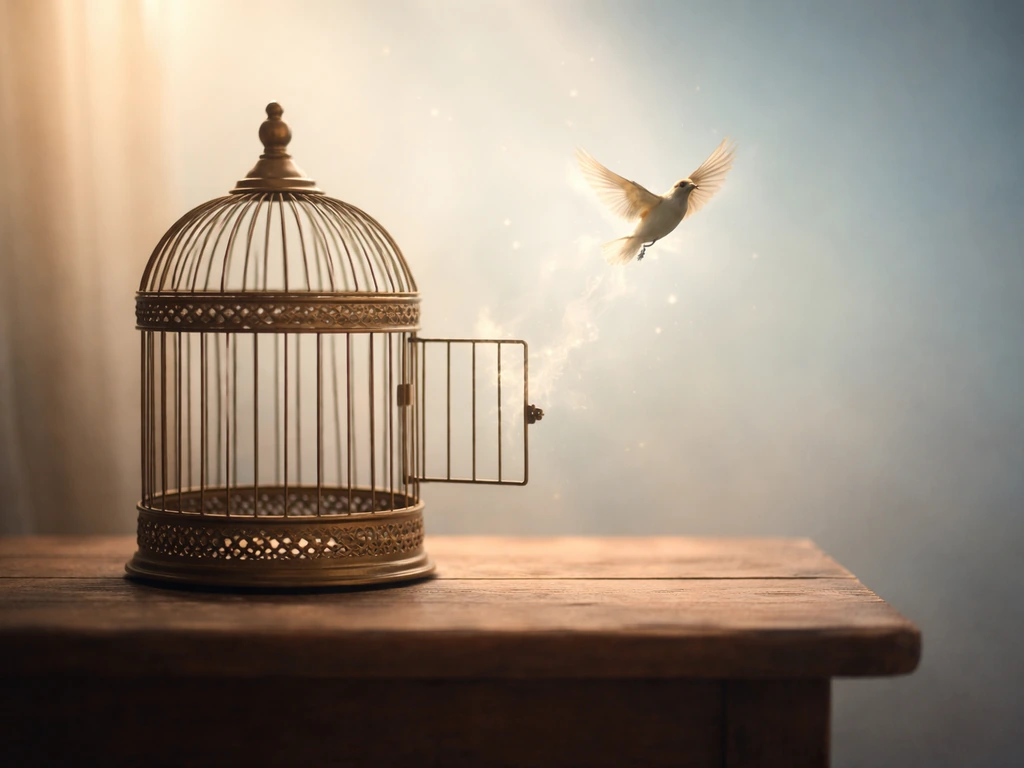
What Setting a Bird Free in a Dream Usually Means
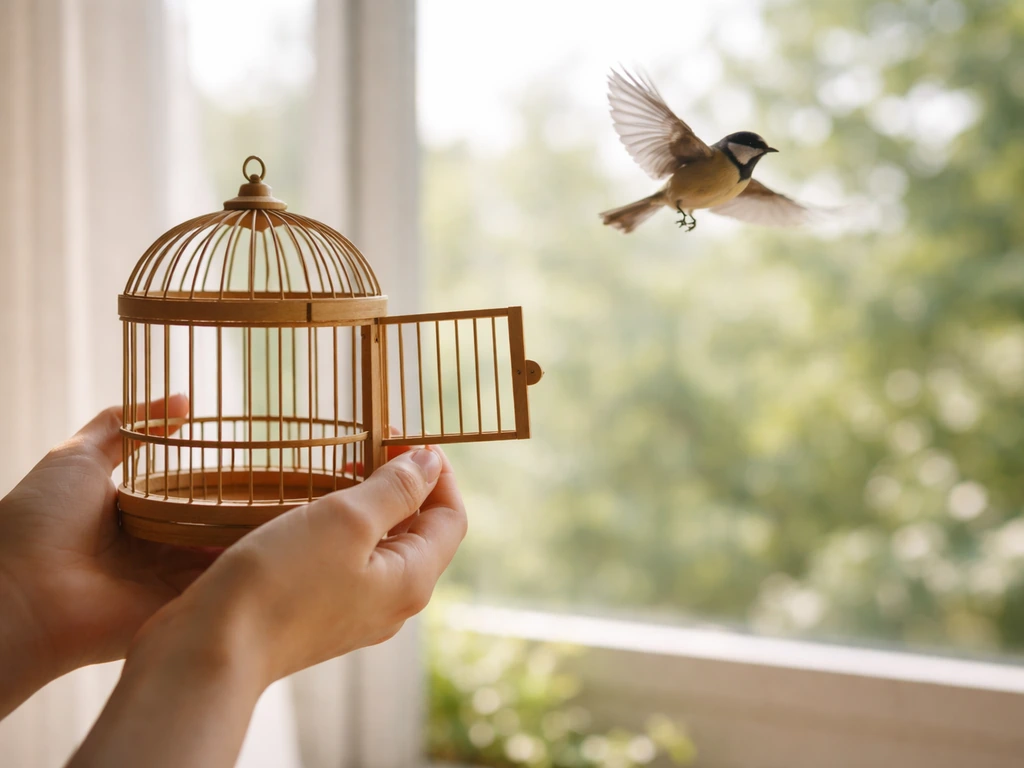
At the most fundamental level, releasing a bird in a dream is your unconscious mind rehearsing or processing the act of letting go. Dream researchers and Jungian analysts both describe this kind of imagery as the psyche working through unresolved tensions, not delivering a fixed prophecy but rather showing you something you already know and haven't fully acted on. The bird, classically associated with freedom, the soul, spiritual messages, and aspirations that want to take flight, is a natural stand-in for whatever feels caged inside you right now.
Most interpretation traditions, from folklore to metaphysical dream work, read a bird escaping captivity as a profoundly positive omen. It maps to personal liberation, breaking free from a restrictive situation, and the achievement of long-held goals. But there's a second, quieter reading worth taking seriously: sometimes the dream is working through separation anxiety or unresolved emotional distance. Releasing the bird doesn't always feel triumphant. If there's grief or hollowness underneath the gesture, your dream may be exploring the cost of letting go rather than celebrating it.
Details That Change Everything: Emotion, Bird Type, and Setting
Emotion is genuinely the master key here. Dream interpretation guides are consistent on this point: the feeling you carry out of the dream tells you more about its meaning than any individual symbol does. Ask yourself honestly: when you released the bird, did you feel relief, joy, grief, fear, or something hollow and empty? That emotional fingerprint is your first and best clue about what your dreaming mind is actually processing.
The bird species matters too, because different birds carry different symbolic weight across cultures. A dove released in a dream leans heavily into peace, forgiveness, and spiritual reconciliation. An eagle points toward ambition, personal power, and sovereignty. A sparrow or small songbird often connects to everyday joy and the simple freedoms we take for granted. A parrot, with its association with voice and mimicry, might suggest releasing something you've been saying (or not saying) for others rather than for yourself. If the bird in your dream was one you recognized, trust that recognition and follow it.
The setting of the captivity also fine-tunes the message significantly. A cage suggests imposed structure or self-imposed limits that have become confining. A net or trap suggests you (or someone else) stumbled into a situation rather than choosing it deliberately. This is also closely tied to the trapped bird dream meaning, where the feeling of being stuck points to what needs attention in your waking life.
A bird found indoors, fluttering against a window, adds a layer of urgency and disorientation. The condition of the bird matters too: a healthy, vibrant bird ready to fly carries a different charge than an injured bird you're nursing back to freedom, which can suggest a healing process that isn't quite finished yet.
If the bird was injured, which can overlap with a sick bird dream meaning, that often hints the release you want is fragile and may require more healing before it takes flight. Dream meaning injured bird can be a sign that the release you want is still fragile and may require gentle healing before it fully takes flight. Dreams about an injured bird often point to your need for gentle care, patience, and time as you work through a release that is not fully complete yet.
Dreams about injured birds, much like those about trapped birds or sick birds, often signal that the situation being released is more fragile or complex than it appears on the surface.
| Detail | What It Often Points To |
|---|---|
| Felt relief or joy releasing the bird | Healthy, ready letting-go; a decision your gut has already made |
| Felt grief or loss releasing the bird | Processing the cost of a necessary ending; ambivalence is normal |
| Felt hollow or empty after the bird left | Examining what's missing once a long-held situation resolves |
| Felt fear while releasing the bird | Anxiety about losing control; uncertainty whether the release is right |
| Bird was healthy and vibrant | The thing being released is whole; the timing feels right |
| Bird was injured or weak | Healing is still in progress; release may be premature or ongoing |
| Bird was in a cage | Self-imposed limits or externally constructed boundaries |
| Bird was caught in a net or trap | An accidental or unchosen restriction; victim-circumstance energy |
| Bird was indoors, near a window | Something that doesn't belong in its current environment; urgency |
What 'Freeing' Tends to Represent in Real Life
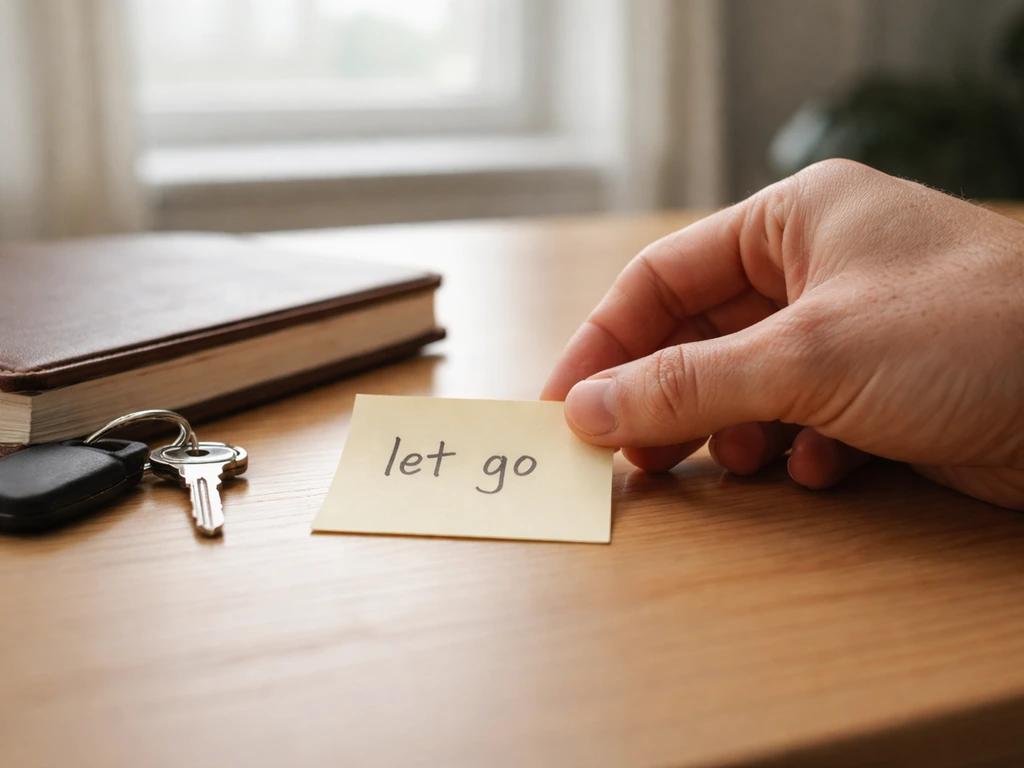
When this dream shows up, the themes it tends to mirror in waking life cluster around a few recognizable categories. Relationships are the most common: a friendship or romantic connection that has run its natural course, a family dynamic where someone needs more space than you've been giving them, or a version of a relationship you've been holding onto past its natural end. But the bird doesn't always represent another person. Sometimes it represents a part of yourself, an old identity, a belief system, a career path, or even a long-held grudge.
- Releasing guilt or shame you've been carrying privately
- Ending a work situation, contract, or role that has felt restrictive
- Giving someone (or yourself) permission to change or move on
- Letting go of an expectation, outcome, or version of the future you've been attached to
- Forgiving someone, which is really about unburdening yourself rather than approving their actions
- Taking a courageous action you've been delaying because of fear of the unknown
Bird symbolism traditions across multiple cultures consistently tie constrained birds to growth that's being limited by guilt, self-doubt, or external expectations. When the dream shows you as the one releasing the bird, it's worth asking: are you also the one who has been doing the constraining? Sometimes the cage in the dream is one you built yourself, and the dream is telling you that you already hold the key.
What It Means If the Bird Flies Away, Stays, or Comes Back
This is where the interpretation branches in genuinely meaningful ways, and it's worth paying close attention to what happened after you opened the door or let go.
The Bird Flies Away Freely
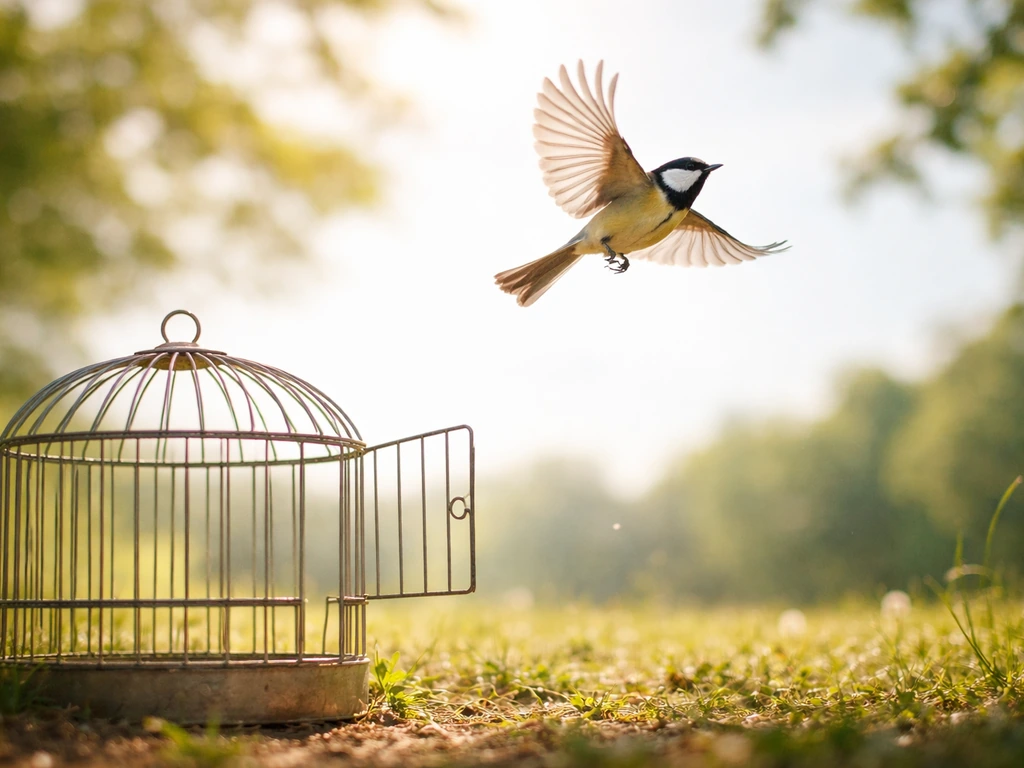
This is the most affirming outcome in most traditions. The bird taking flight confidently and without hesitation reflects successful release, a clean completion. If you felt relief or joy watching it go, your dream is likely confirming that a letting-go you're considering (or already doing) is aligned with your deeper knowing. Some folklore traditions read this as a genuinely positive omen for a new phase beginning, a door opening as another closes.
The Bird Hesitates or Stays Nearby
A bird that doesn't immediately fly, that perches on your hand or lingers near the cage, introduces nuance. This can reflect ambivalence on either side of a relationship or decision. It might mean the thing you're trying to release isn't quite ready to go, or that the separation isn't as clean as you'd hoped. It can also be a gentle symbol of trust: the bird staying suggests a bond that doesn't disappear just because you loosened your grip.
The Bird Returns to You
A bird that flies away and then comes back carries a distinctly different message. In many folklore and metaphysical readings, this suggests that what you thought you needed to release is actually meant to remain in your life, perhaps in a different, freer form. It's a symbol of chosen connection rather than obligation. The difference between a caged bird and a bird that chooses to return to you is profound, and dreams seem to understand that distinction intuitively.
The Bird Doesn't Leave, or Something Goes Wrong
If the bird can't or won't leave, if it's too weak, if the cage door won't open, or if the release attempt fails in some way, the dream may be signaling that the conditions for a particular kind of release aren't yet in place. This doesn't mean giving up. It usually means more inner work, healing, or preparation is needed before the letting-go can happen cleanly.
If you felt hollow or empty after the bird left (or tried to leave), pay attention to that: the birdcage dream tradition specifically notes that a void after release can symbolize an emptiness that needs to be acknowledged and tended to, not just explained away. If your dream involved an empty bird cage after the release, that can add a different layer to the empty bird cage dream meaning as well birdcage dream tradition.
Faith and Spiritual Perspectives on Releasing vs Holding On
Across multiple faith traditions, birds carry remarkable symbolic weight when it comes to freedom, the soul, and divine care. In the Christian biblical tradition, birds appear throughout scripture as carriers of spiritual meaning. Psalm 84:3 describes even the sparrow finding a home near God's altar, suggesting that even the smallest, most seemingly insignificant creature is held and known.
The release of doves at pivotal moments in biblical narrative (Noah sending out a dove, the Spirit descending as a dove at Jesus's baptism) ties birds to discernment, peace-seeking, and divine confirmation. While the Bible doesn't offer a dream-symbol dictionary, its bird-and-cage imagery (referencing captivity and constraint) resonates with themes of spiritual liberation and the dangers of holding what isn't meant to be held.
From a broader spiritual and metaphysical perspective, releasing a bird in a dream is often interpreted as an act of spiritual trust: the willingness to surrender control, to stop grasping at outcomes, and to trust that what is meant to remain will remain and what is meant to go will go. Many Eastern and indigenous traditions frame this as alignment with natural order rather than personal defeat. In Celtic folklore, birds frequently served as messengers between worlds, and releasing one could symbolize sending a message or intention into the unseen realm. If your faith tradition has practices around surrender, forgiveness, or releasing outcomes to a higher power, this dream is a natural invitation to bring those practices into deliberate focus.
For readers approaching this from a Jungian or psychological spiritual angle, the dream is accessing unconscious material about conflict and fixation. The bird is a projection of something psychically alive inside you, and the act of release is the ego practicing the surrender of control over something it's been trying to manage. That's meaningful work, whether you frame it in spiritual or psychological terms.
Practical Next Steps You Can Take Today
The most useful thing you can do immediately is write down everything you remember while it's fresh. Sleep researchers and dream workers consistently recommend capturing your dream before you even sit up in bed, because the images fade quickly once you're fully awake. Keep a notebook or use your phone's voice memo function and get the details down: the setting, the bird, the feeling, what happened after you let go.
Once you have the raw material, use structured reflection to translate it into waking insight. The following journal prompts are designed to help you move from symbolic image to lived meaning:
- What did it feel like to release the bird? Match that exact emotion to something happening in your waking life right now.
- What or who does the bird remind you of? Don't overthink it. Write the first answer that comes.
- Is there something in your current life that feels caged, constrained, or unable to take flight? What would it look like if you opened the door?
- Who or what have you been holding onto longer than feels healthy or natural?
- Is there a guilt, fear, or expectation you've been carrying that you haven't consciously examined in a while?
- This dream could be telling me to… (finish the sentence without editing yourself).
- If the bird returned to you in the dream: what does it mean if the thing you're trying to release actually chooses to stay?
- If the bird flew away freely: what opens up in your life once this release happens?
If you're approaching this from a faith-based perspective, consider spending time in prayer or quiet reflection specifically around the theme of surrender. Ask what you're holding too tightly, and whether the holding is serving you or the thing being held. You might also revisit passages in your tradition that address trust, release, or divine provision, not as a formula, but as a conversational starting point.
Finally, look at your current waking-life situation with fresh eyes after doing the journal work. Is there a relationship, a work situation, a belief about yourself, or a long-deferred decision that the dream seems to be pointing toward? You don't need to act on anything immediately. But notice whether the dream has surfaced something you already knew and had been avoiding.
Dreams about freeing birds almost never appear in a vacuum. If you're also searching for bird in dreams meaning, this dream is often pointing you toward what you are ready to release and why. They tend to arrive when a part of you is already ready to let go, even if the rest of you hasn't caught up yet.
FAQ
If setting a bird free feels sad in the dream, does that change the meaning?
Yes, and the emotional tone usually clarifies which meaning is dominant. If you felt relief or joy, the dream typically aligns with an overdue release. If you felt sadness, emptiness, or fear, it often points to grief, separation anxiety, or the real cost of ending something, not just the idea of freedom.
What does it mean if the bird does not fly away right after being freed?
A bird that flies away calmly is often read as a clean letting-go, while a bird that struggles, won’t fly, or the cage won’t open can suggest you are trying to release something before the inner conditions are ready. In practical terms, treat this as a signal to do preparatory work (boundaries, conversations, timelines) rather than pushing the change instantly.
Could the freed bird represent something other than a relationship or person?
It can, especially when the bird represents an identity or belief rather than a person. If you keep thinking about what you “set free” after waking, ask whether it was an old self-concept, a story you tell yourself, or a promise you keep making out of guilt. The dream can be rehearsing a shift in how you define yourself.
I’ve had similar dreams multiple times about freeing a bird, what does repetition suggest?
Yes. If you repeatedly dream about releasing the same bird or reopening the same cage, it may reflect an unfinished emotional loop (unprocessed anger, unresolved grief, or persistent self-doubt). One useful next step is to journal the specific thing you are still afraid will happen if you truly let go.
Does it matter whether I free the bird myself versus someone else doing it?
Because the “release” action is the key symbol, your role matters. If you are the one freeing it, it often points to owning your agency, even if the outcome is uncomfortable. If someone else frees the bird, it can suggest receiving help, surrendering control, or letting another influence the transition.
How should I interpret the meaning if the bird is injured or sick in the dream?
Look at the bird’s condition and your reaction. A healthy bird suggests the release is timely, while an injured bird can point to healing that is still in progress. Practically, this can mean you may need to reduce exposure to triggers, repair routines, or seek support before you expect a “complete” shift.
What does an empty cage after the bird leaves usually indicate?
Often. If the dream includes an empty cage afterward, it may highlight the emotional aftermath of closure, including a need to acknowledge grief, loneliness, or uncertainty. Consider planning a replacement structure (support system, new routine, or a step-by-step goal) so you do not try to fill the void by rushing another grip.
If the bird comes back to me in the dream, does that mean I shouldn’t let go?
Yes, and it is easy to misread. If the bird comes back, the message can be about choosing connection rather than obligation, or about a boundary that needs adjustment. Ask yourself whether you are afraid of losing someone, or whether the situation needs a freer form rather than a total separation.
Does the type of cage setting (indoors, outdoors, room-like spaces) affect the meaning?
Consider whether the cage is actually inside a dream location that mirrors your waking constraints. For example, if it feels like your home or your personal space, it may point to self-imposed limits. If it feels like a public place, it can relate to social expectations or reputational pressure. Pair the setting with your immediate emotional response to get the most accurate read.
How can I tell if this dream is more spiritual than psychological for me?
A “spiritual message” interpretation is more likely when the dream feels calm, meaningful, or guided, and when you wake with a sense of clarity about surrender. If the dream feels chaotic or threatening, a psychological read (anxiety, control struggles, unresolved conflict) may fit better. You can also test this by checking whether you feel guided toward a specific next step in waking life.
Next Article
Eating a Bird Dream Meaning: Spiritual Symbolism and Guidance
Interpret eating a bird in dreams spiritually: fears or messages absorbed, plus prompts to journal and respond wisely.