A bird will poop on you at some point. It is basically guaranteed. And when it happens, your first reaction probably won't be philosophical. It'll be "ugh, gross" followed by a frantic search for napkins. So let's handle that first, then get to the part about what the moment might actually mean.
Someday a Bird Will Poop on You: What to Do Now

Maya Hartwell
8 Apr 2026
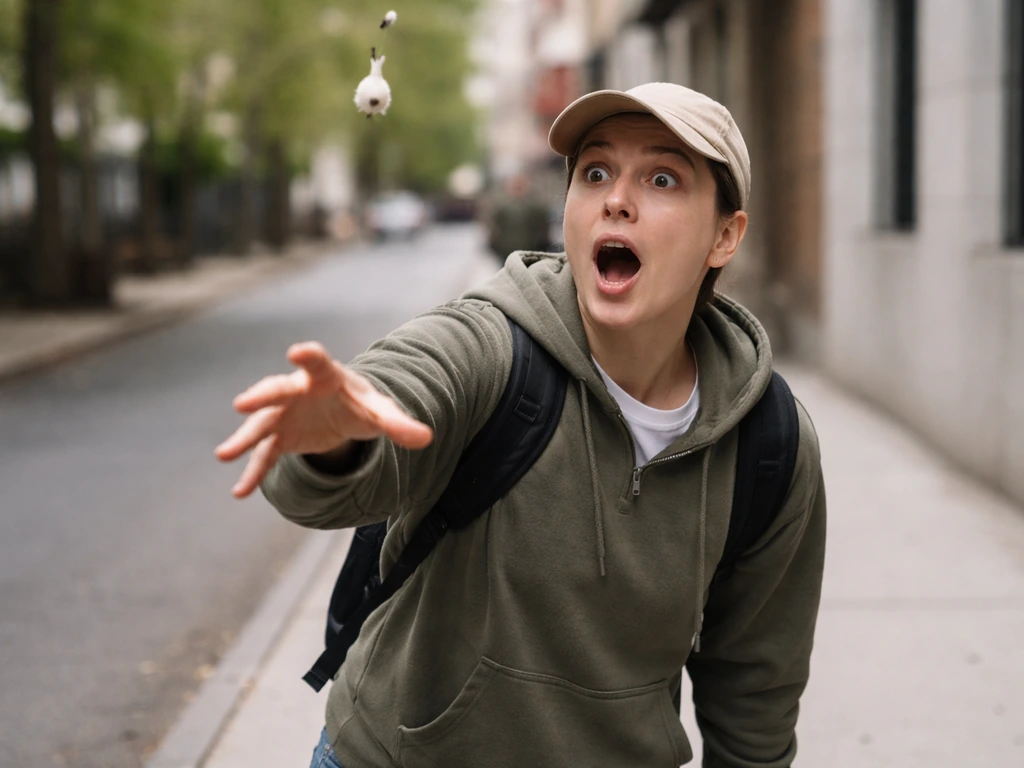
First aid when bird poop lands on your skin
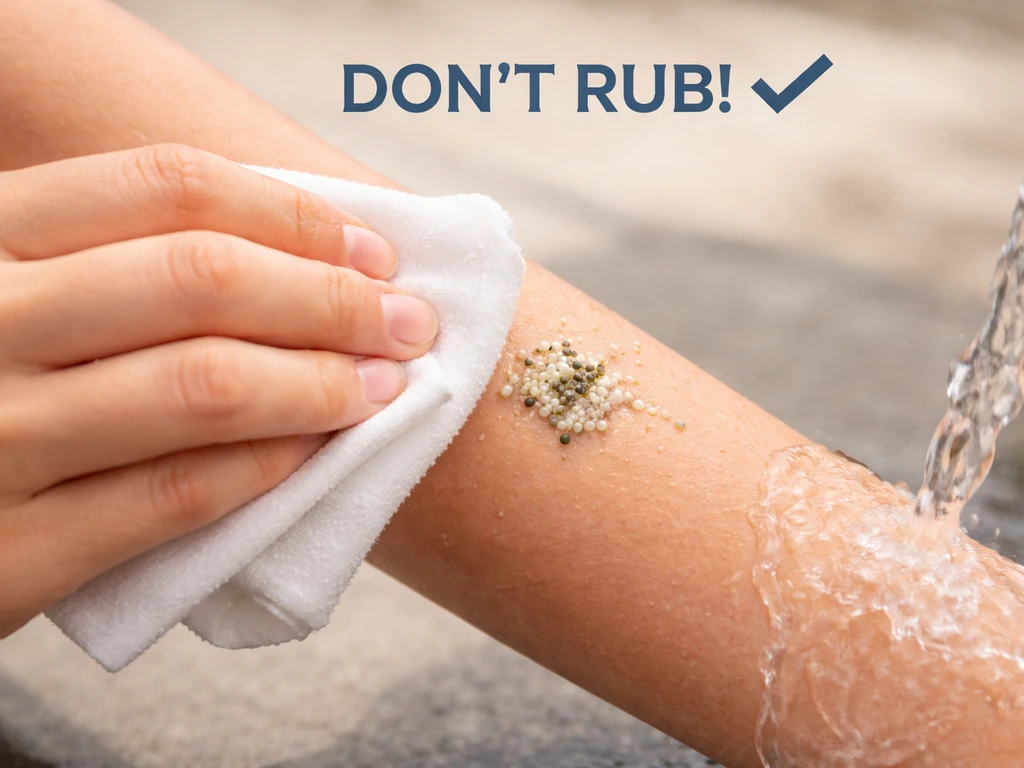
The good news: a single, fresh dropping from a passing bird carries very low health risk. According to NIOSH and CDC-aligned guidance, fresh droppings on surfaces like sidewalks and skin have not been shown to present a meaningful risk for histoplasmosis or most other bird-borne diseases. The real risk is disturbing large, dried accumulations that send spores airborne. Still, bird poop is fecal matter, and basic hygiene applies immediately.
- Don't rub it. Your first instinct is to wipe, but rubbing spreads the material and can push it closer to mucous membranes. Blot or scrape off the bulk first.
- Rinse the affected skin with clean water right away. Cool or lukewarm water works fine. If you're nowhere near a tap, use a water bottle.
- Wash with soap and water for at least 20 seconds once you have access to a sink. The CDC lists thorough handwashing as the single most effective step after contact with animal feces.
- If any got near your eyes, flush immediately with cool or lukewarm water in a steady stream for at least 15 minutes. The Illinois Poison Center recommends running the stream over the bridge of your nose so it flows into both eyes. After flushing, seek medical attention.
- Cover any broken skin, cuts, or open wounds before you finish cleaning. WorkSafe Queensland specifically flags broken skin as an entry point and recommends covering it before any cleanup activity.
- Avoid touching your face, mouth, or eyes until your hands are fully washed.
That's genuinely all most people need to do. You do not need to panic, call a doctor, or bleach yourself. Just clean thoroughly and move on.
Cleaning droppings off clothes, shoes, and bags
Bird droppings are acidic and can set into fabric or leather quickly, especially in warm weather. The faster you act, the easier the cleanup.
Clothes and fabric
- Let the dropping dry slightly if it's very fresh and wet, then scrape off the solid material with a spoon, dull knife, or stiff card. Do not rub.
- Sponge the stain with a cloth dipped in a solution of laundry detergent or washing soda and water. University of Georgia Extension recommends this approach for animal fecal stains, then rinsing thoroughly with clean water to remove all residue.
- For stubborn stains on colorfast fabrics, an oxygen-bleach or hydrogen peroxide treatment can help lift the stain. Always test on an inconspicuous area first and rinse fully after.
- Machine wash according to the garment's care label at the warmest safe temperature.
- Do not put the item in the dryer until the stain is fully out. Heat will set the stain permanently.
Shoes
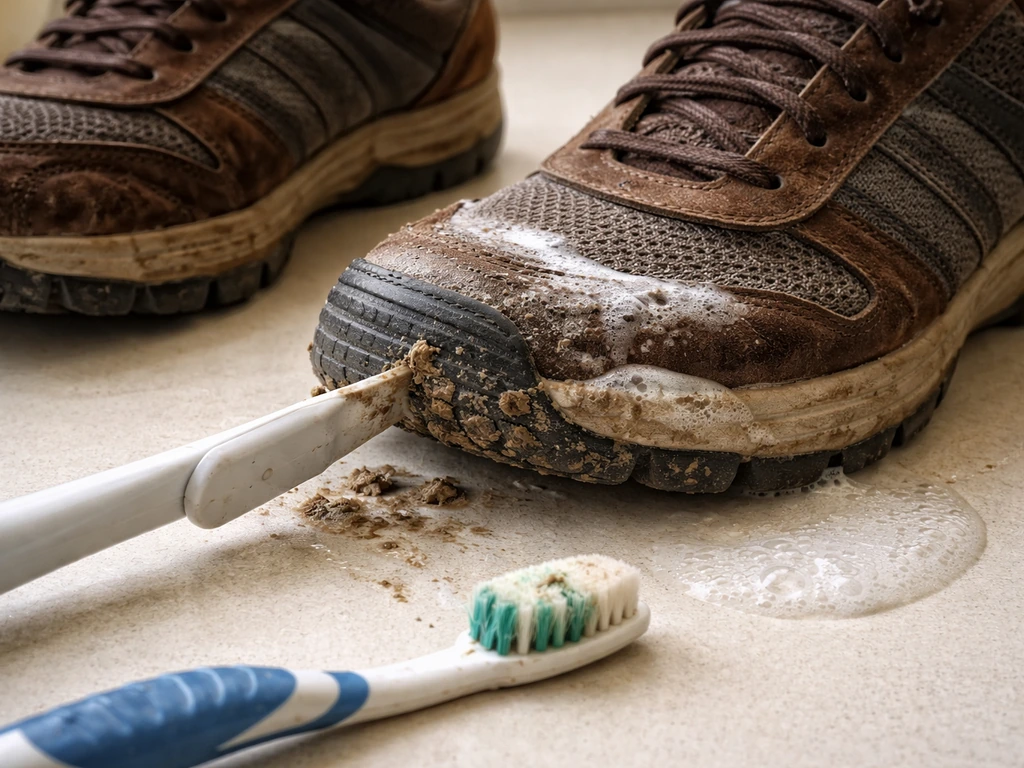
Wipe off the solid material first, then dampen the area with a little soapy water and scrub gently with an old toothbrush. Rinse with a damp cloth. For leather shoes, avoid soaking and follow up with a leather conditioner once dry. For suede, let it dry completely and use a suede brush to lift the residue rather than adding water.
Bags and backpacks
Check the care label on your bag before doing anything else. Salomon's manufacturer cleaning guidance highlights this step specifically because packs with leather panels or inserts need different treatment than fully synthetic bags. For most nylon or polyester bags, a damp cloth with mild soap handles it well. For leather bags, spot-clean with a damp cloth and a leather-safe cleaner, and avoid oversaturating.
Hard surfaces (car, furniture, pavement)
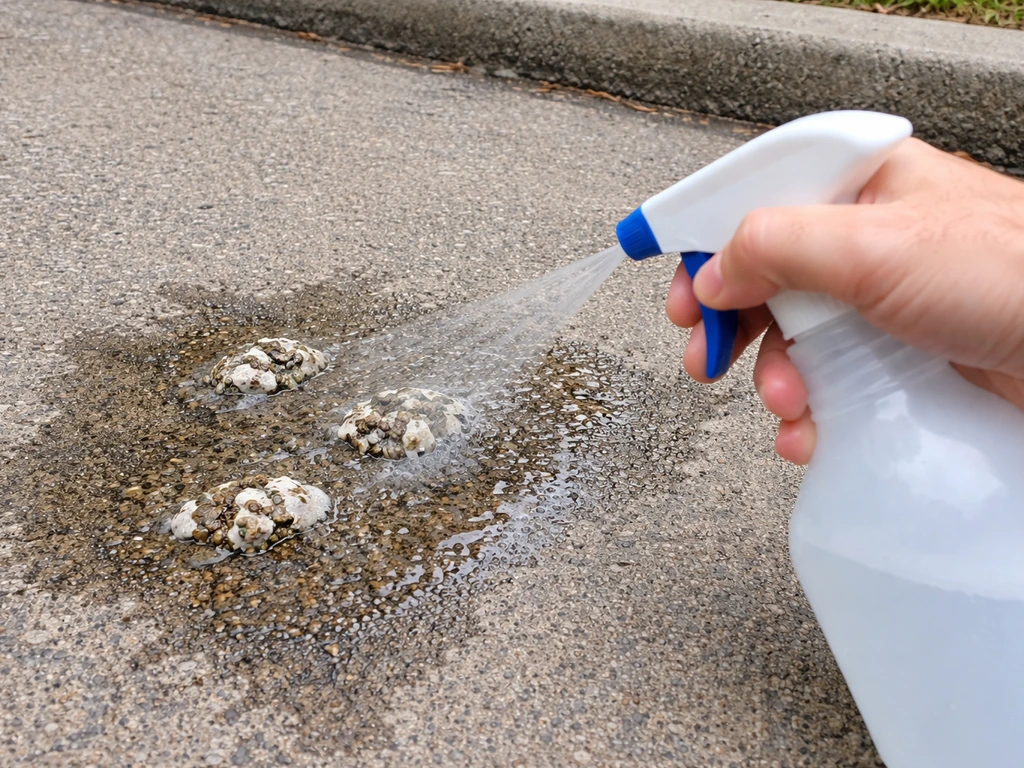
For any surface cleanup involving larger or older accumulations, use the wet method: soak the droppings thoroughly with a disinfectant solution rather than dry-sweeping. WSU Environmental Health and Safety recommends a 1-part bleach to 10-parts water mixture, applied so the area is thoroughly soaked, then left for adequate contact time before wiping. This matters because dry sweeping creates dust particles, and aerosolized dried droppings are where respiratory risk from organisms like Histoplasma actually comes from. Never dry sweep or use a leaf blower on dried bird droppings.
When you should actually worry about your health
Most people who get a bird dropping on them will be completely fine. The health risk picture is more nuanced than the "yuck" reaction suggests, so here's a clear breakdown.
| Situation | Risk Level | What to Do |
|---|---|---|
| Single fresh dropping on intact skin | Very low | Wash thoroughly with soap and water |
| Fresh dropping near or in eyes | Low but worth treating | Flush for 15 minutes, see a doctor if irritation continues |
| Dropping on open wound or broken skin | Low-moderate | Clean wound carefully, cover, monitor for infection |
| Disturbing a large dried accumulation (e.g., under a roost) | Moderate to high | Wet the area first, use respiratory protection, avoid aerosolizing dust |
| Flu-like symptoms 3–17 days after heavy exposure to droppings | Possible histoplasmosis | See a doctor and mention bird/bat dropping exposure |
| Any contact if you're immunocompromised | Higher than average | Consult your doctor even after minor contact |
The Illinois Department of Public Health notes that serious health risks are associated with accumulated droppings under roosts over time, not typically from a single fresh deposit. Histoplasmosis, the most commonly cited concern, is acquired by breathing in Histoplasma spores disturbed from dried accumulations, not from a bird aiming at your shoulder. The CDC also notes it is not aware of evidence that Cryptococcus spreads directly from birds to humans through casual contact. If you are unsure after any exposure, WorkSafe Queensland recommends consulting a general practitioner or local public health unit rather than guessing.
Prevention habits that actually reduce your odds
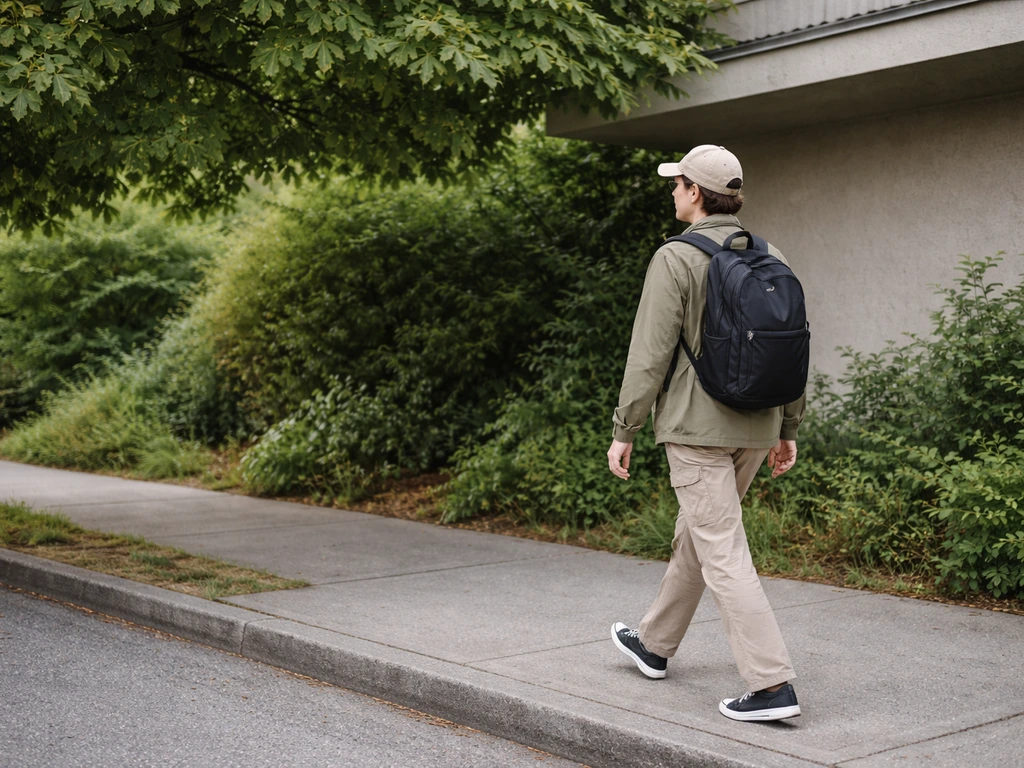
You can't fully prevent it, but you can tilt the odds. Birds tend to poop when they take off, when they're perching and relaxed, or when they're startled. A few habits go a long way.
- Avoid sitting or standing directly under trees, telephone wires, ledges, or anywhere birds are actively perching. This is the single most effective prevention.
- Watch for birds gathering overhead, especially pigeons, gulls, and starlings, which roost in large groups.
- Carry a lightweight packable umbrella or wear a hat when you're in high-bird zones like parks, seafronts, or city centers during nesting season.
- Keep car windows closed when parked near trees or roosts if possible, and park away from known bird perch spots.
- If you feed birds at home, don't stand directly underneath or near the feeder while birds are active.
- For your home or property, the CDC recommends preventing droppings from accumulating in the first place through physical deterrents (netting, spikes, slope modifications) before a cleanup problem develops.
There's a broader spiritual angle to prevention worth noting: if this has happened more than once lately and you keep finding yourself under birds, you might find it useful to read about what it means when a bird poops on your head specifically, since that version of the encounter carries its own layer of traditional interpretation.
Handling the "gross" feeling without spiraling
The disgust response after bird poop contact is completely normal and biologically useful. It exists to protect you from pathogens. The problem is that for some people, that initial disgust can snowball into excessive washing, repeated checking, or lingering anxiety well beyond what the actual risk warrants. Research on disgust and OCD notes that contamination fears can drive washing rituals that don't match the objective level of risk, and that recognizing the pattern is the first step.
One practical tool for managing that spiral is urge surfing: instead of immediately acting on the urge to compulsively rewash or check, you observe the urge, name it, locate where you feel it in your body, and let it pass naturally without giving in. The VA MIRECC defines urge surfing as a skill for letting cravings and urges change over time rather than responding automatically. It sounds simple because it is, and it genuinely works for short-term contamination anxiety.
Practically: clean once, thoroughly. Then stop. Put on clean clothes, wash your hands properly, and redirect your attention. The incident is over. Most people reset within minutes once they've cleaned up and gotten on with their day.
What bird poop actually means across traditions
Now for the part that might surprise you: across a wide range of cultures, getting pooped on by a bird is considered good luck, not a bad omen. It sounds like people rationalizing an embarrassing moment, but the tradition runs genuinely deep. Russian folklore holds it as a financial windfall. Turkish superstition treats it as incoming prosperity. In many Western European folk traditions, the rarity of the event and the idea that you were "chosen" by the bird elevates it to a positive sign. If you want to explore the full picture of what different traditions say, the meaning of bird poop on you draws on a broad range of these interpretations.
From a biblical and spiritual-cleansing perspective, some traditions interpret a sudden, unexpected deposit as a disruption meant to break through ordinary routine, a kind of cosmic tap on the shoulder. The idea of being "marked" by a creature that moves freely between earth and sky carries weight in many spiritual frameworks. Some readers find resonance with the concept of cleansing and renewal: something unwanted lands on you, you wash it off, and you are literally cleaner than before. The spiritual meaning of getting pooped on by a bird explores this cleansing-and-renewal angle more fully.
It is also worth knowing that the location of the dropping matters symbolically in many traditions. A dropping on the head carries different connotations than one on the shoulder, hand, or clothing. The symbolic meaning of seeing a bird poop and where it lands has its own cultural weight depending on the tradition you're drawing from. Similarly, if the incident happened to your car rather than your body, the symbolic meaning of bird poop on your car is interpreted differently in several folk traditions, often tied to travel, transition, or property.
Dreams add another layer. If you haven't been physically pooped on but keep dreaming about it, the dream meaning of bird poop tends to cluster around themes of release, unexpected change, and the subconscious processing of something that feels socially or emotionally messy. Specifically, a dream about a bird pooping on your head is often interpreted as a symbol of being overwhelmed by external judgment or pressure, and your psyche working through it.
The point isn't to tell you which tradition is correct. Signs and omens have been interpreted across every culture in human history, and they vary enormously depending on context, species of bird, location, time of day, and the personal significance the receiver assigns to the event. What's consistent across many traditions is that unexpected bird contact is rarely neutral: it tends to be read as meaningful in one direction or another.
Choosing your own life lesson from the moment
The phrase "someday a bird will poop on you" as a life lesson is essentially shorthand for: unexpected, undignified things happen to everyone, and how you respond says more about you than the event does. That's the secular version. But there are richer personal lessons available if you want to dig a little.
Journaling is one of the most effective tools for extracting meaning from a disorienting experience. The Institute for Spirituality and Health describes journal practice as a meaningful way to process distressing thoughts and events in a way that supports emotional clarity. You don't need to be a writer. You just need a few minutes and a prompt.
UC Berkeley's structured journaling framework suggests identifying the thoughts and feelings the experience brought up, then asking yourself what you might do differently next time and what you can learn. Applied here, that looks like this:
- What was your immediate reaction? (Disgust, laughter, embarrassment, frustration?) What does that reaction tell you about how you typically respond to the unexpected?
- Did anyone around you react in a way that surprised or helped you? What does that say about your community or support system?
- If you believe in signs, what does this one feel like to you personally? Good luck? A nudge to pay more attention? A reminder to not take yourself too seriously?
- Is there something you've been holding too tightly, or taking too seriously lately, that the absurdity of this moment might be gently disrupting?
- What would it mean for you to "clean it off and keep moving"? Are there other areas of your life where that same action would serve you?
You don't have to use any particular spiritual framework to find something meaningful in an ordinary moment turned strange. A bird chose to be overhead at the exact moment you were below. The odds of that specific overlap are low enough that most traditions throughout history decided it must mean something. Whether that something is luck, a lesson in humility, a cosmic wink, or just a funny story you'll tell for years depends entirely on what you bring to it.
Clean up. Wash your hands for 20 seconds. Check your clothes. And then, if you're the type who finds meaning in unexpected moments, sit with this one a little before you dismiss it entirely.
FAQ
If the bird poop hits my face, like near my eyes or mouth, do I need to do anything differently?
Use plain soap and water on your skin, then rinse well. If poop got into an eye, mouth, or open wound, flush with running water for several minutes and seek medical advice for reassurance, since mucous membranes and breaks in skin are different from intact skin.
Should I disinfect everything every time I get a bird dropping on me?
Yes, but only for dried or large accumulations. For small fresh spots, thorough cleaning is enough, and repeatedly disinfecting your skin is usually unnecessary and can irritate it. Stick to cleaning first, disinfect only the surface area where residue is present.
What’s the worst mistake people make right after it happens?
Avoid turning it into dust. Do not brush, shake, or use compressed air, and do not vacuum dry material. Instead, dampen first so it stays put, then wipe or blot, and wash fabrics afterward if washable.
How do I clean bird poop off clothes without ruining the fabric?
For washable clothes, remove the item without smearing, rinse the spot under cool water, then launder using detergent. Hot dryer heat can set staining, so check before drying completely and repeat washing if any discoloration remains.
What should I do if bird poop lands on my phone, laptop, or remote?
If it’s on electronics, power off first, then keep moisture to a minimum. Wipe any residue with a slightly damp, microfiber cloth, then dry immediately. For keyboards and ports, use light pressure and avoid soaking.
I keep getting hit in the same area, is there a way to prevent repeat incidents?
If you’re dealing with repeated exposures in a particular spot, it’s usually a prevention issue, not a health issue. Try changing the route or timing, avoid lingering under roosting areas, and consider a small umbrella or hat on predictable perching paths.
When would bird poop exposure be a reason to see a doctor instead of just cleaning and moving on?
If you have breathing symptoms after cleaning a large, dried accumulation (persistent cough, wheezing, shortness of breath), seek medical care. The key edge case is respiratory distress or symptoms that don’t improve, especially if you were around lots of dried droppings.
I get stuck in compulsive re-washing after bird poop. How can I break the cycle?
It helps to avoid double-cleaning. Clean once thoroughly, put on clean clothes, and decide a cutoff time like “I’m done after I wash hands.” If your mind keeps pushing “just one more check,” try urge surfing for a few minutes rather than extending the ritual.
How do I handle the superstition side without increasing my anxiety?
Don’t overinterpret rarity into a certain meaning about your personal future. The best use of the “good luck” or “cleansing” traditions is as perspective, not a prediction. If the event increases anxiety, focus on the practical cleanup and grounding instead of hunting for more signs.
Could bird poop get spread to other things I touched during cleanup?
Yes, many people miss the simple step of checking for transfer. After cleaning your hands, also check the rest of what you touched during cleanup, like the sleeve, bag strap, or car steering wheel, then wipe those surfaces to avoid spreading residue.
Next Articles
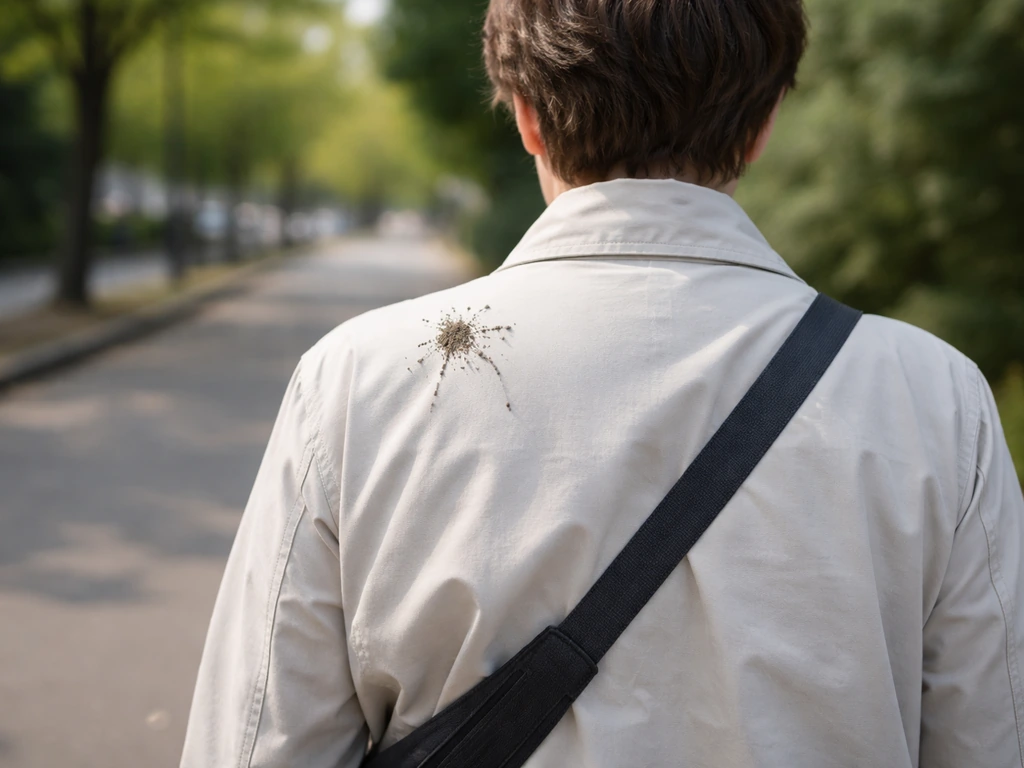
Meaning of Bird Poop on You: Real Causes and Symbolic Meanings
What bird poop on you means now and symbolically, plus safe cleanup tips and signs to watch for.
What Does It Mean When a Bird Follows You? Meaning and Next Steps
Learn why a bird follows you and how to read it biologically or spiritually, plus safe next steps.
What Does It Mean When a Bird Visits You?
Learn spiritual and practical meanings of a bird visit, including repeats, plus steps to observe, stay safe, and reflect