If you've just accidentally killed a bird, whether by hitting one while driving, a window collision at your home, or any other sudden accident, here's the short answer: you need to handle the bird safely, know when to call wildlife services, and then decide for yourself what (if anything) it means spiritually. This article covers both sides clearly so you're not left guessing.
Killing a Bird by Accident Meaning: What to Do Now and Why It Feels Significant

Maya Hartwell
15 Apr 2026
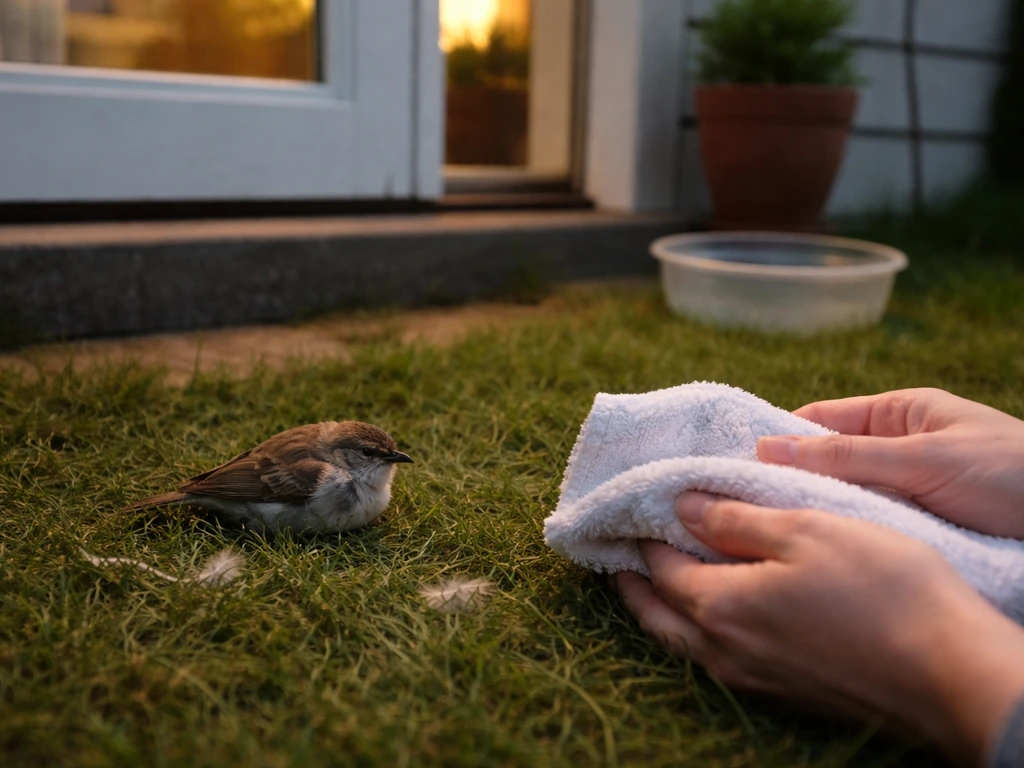
What "accidentally killing a bird" actually means (and why you're searching it)

When people search for "killing a bird by accident meaning" or "accidentally killing a bird meaning," they're almost always in one of two emotional states: either they're rattled by what just happened and need practical next steps, or they feel a strange weight around the event and are asking whether it carries some deeper significance. Often it's both at once.
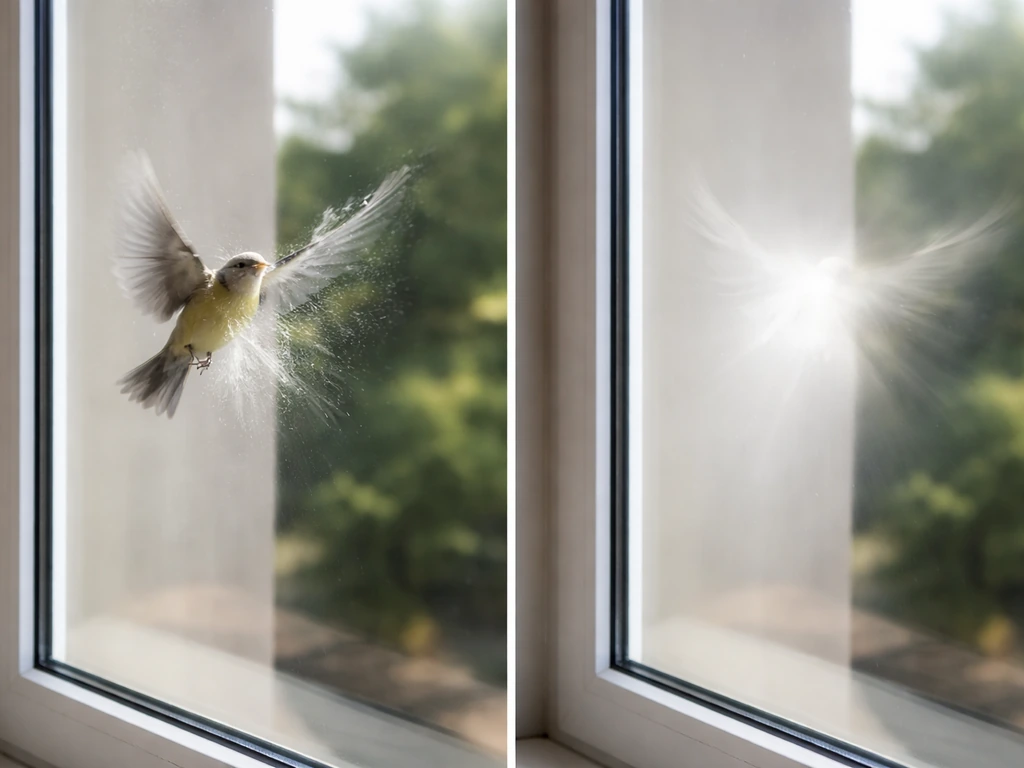
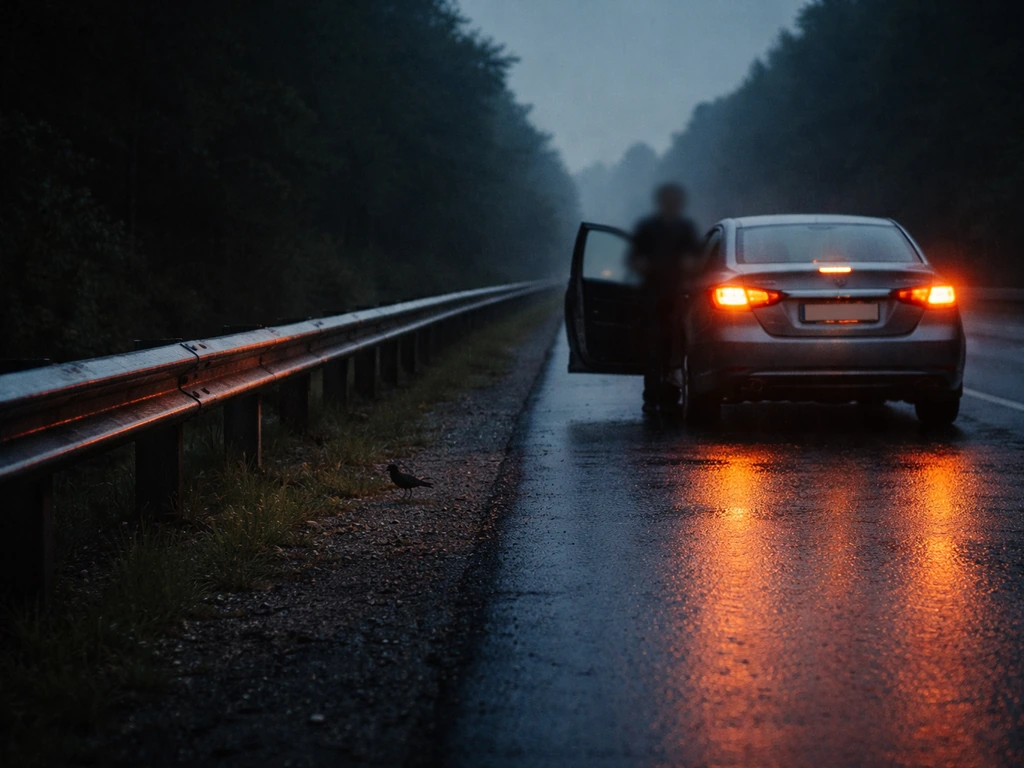
The accidental killing itself usually happens in a few common ways: a bird flies into a window or glass door in your home, a bird flies into your moving car (sometimes called a "bird strike" in technical contexts), or a cat you own catches one in the yard. In any of these cases, the outcome is the same and the questions that follow are similar: What do I do with the bird? Is this a health risk? And honestly, why does this feel so significant?
The feeling of significance is real and shared across cultures. Birds have been treated as messengers, omens, and spiritual symbols for thousands of years. So it makes complete sense that when one dies suddenly in your space, your mind reaches for meaning. This article respects that impulse and also gives you the grounded, practical steps you need right now.
What to do with the bird right now: safety and disposal
Before you think about meaning, handle the bird properly. Dead birds can carry pathogens including West Nile Virus and avian influenza strains like H5N1, so the CDC is clear: never use bare hands. Put on disposable, impermeable gloves first. Then place the bird directly into a plastic bag, seal it, and if you can, place that bag inside a second bag. This double-bagging method is what Oregon's Department of Fish and Wildlife recommends, and it's the simplest way to contain any risk.
If there's a mess involved, like feathers scattered or any fluid on a surface, and you're concerned about splashing while cleaning it up, the CDC also recommends wearing safety goggles and a surgical mask to protect your eyes and mucous membranes. Once the bird and any debris are bagged, place the sealed bag in a garbage can with a lid that animals can't get into. After all of that, remove your gloves by peeling them inside-out so you don't touch the outer surface, discard them, and wash your hands thoroughly with soap and water. If you're out somewhere without running water, an alcohol-based hand gel works in a pinch.
Illinois, California, and New York state health departments all give similar guidance: avoid direct contact, use gloves and a mask, and dispose of the bird in sealed garbage. It's simple and it only takes a few minutes to do it right.
When you actually need to call wildlife services

You don't need to call anyone for every single dead bird. Oregon's Department of Fish and Wildlife actually says not to call a state agency in most routine cases, especially when the death is clearly from trauma, like hitting a window, vehicle collision, or predation by a cat. In those situations, safe disposal is all that's needed.
However, there are situations where contacting your local state or federal wildlife agency is the right move. The USGS advises reaching out to your closest wildlife agency if you're unsure about the cause of death or if the situation seems unusual. A general rule used by several state health departments: if you find more than five dead birds in one area or at one time, that's a potential disease event and should be reported. Some states have specific hotlines for this, like Oregon's dead bird reporting line at 866-968-2600. New Jersey's Department of Health also has a DEP hotline and advises that if you find sick (not just dead) birds, a dispatcher can direct you to a wildlife rehabilitation center. In its guidance, New Jersey’s Department of Health also notes that a hotline dispatcher can advise you to take sick birds to an avian wildlife rehabilitation center a dispatcher can direct you to a wildlife rehabilitation center.
If the bird you encountered is actually injured rather than dead, that changes things. An injured bird should be reported to wildlife services or taken to a licensed wildlife rehabilitator rather than handled at length by you. Most states have rehabilitation centers that accept wild birds, and keeping a wild bird without a permit is illegal under federal law in the United States.
The spiritual weight of an accidental bird death
Once the practical side is handled, the question that lingers for many people is: what does this mean? And honestly, that depends entirely on which framework resonates with you. There's no single universal answer, but there are a few consistent themes that show up across traditions.
The most common spiritual interpretation of accidentally killing a bird is one of transition or release. Birds are widely understood as symbols of freedom, spirit, and movement between realms. When one dies suddenly in your presence, many spiritual thinkers frame it not as a punishment or curse, but as a moment of crossing, a threshold being marked. The accident part matters here: you didn't intend it. That distinction is spiritually significant in most traditions, which tend to separate intentional harm from unintentional involvement in death.
Another theme that comes up often is the idea of a lesson or wake-up call. Some people find that an accidental bird death prompts them to slow down, pay attention, or reconsider something they've been moving too fast through. Whether that interpretation feels true for you is a personal question. It's worth sitting with: was there anything you were ignoring before this happened?
It's also worth noting that whether hitting a bird is actually a bad omen is something people debate across cultures, and the answer isn't as grim as you might fear. Most interpretations lean toward change or awareness rather than doom.
A biblical and Christian perspective
In Christian tradition, birds carry rich symbolic meaning in Scripture and sacred art. The Catholic Encyclopedia notes that birds have long served as symbols of spiritual truths in Christian art and iconography, representing everything from the soul to the Holy Spirit. The National Shrine of the Immaculate Conception similarly describes birds as used throughout Scripture to communicate deeper spiritual realities.
One of the most directly comforting passages is Jesus's teaching in the Gospels: "Look at the birds of the air..." This teaching, referenced in theological resources as a framework for bird symbolism, emphasizes God's awareness of and care for even small creatures. The implication is not that a bird's death is meaningless, but that it does not go unnoticed.
At the same time, mainstream Christian teaching, rooted in passages like Deuteronomy 18, is generally cautious about interpreting everyday events as omens or seeking divine direction through signs. The Summa Theologiae addresses this directly, framing the practice of reading omens as spiritually problematic in a Catholic theological context. So if you're coming from a Christian background, the more grounded approach would be to acknowledge the moment with prayer or gratitude for the creature's life, rather than treating it as a divine warning. It can be a moment of reflection without being a sign you need to decode.
Folklore, karma, and metaphysical readings
Outside of organized religion, the folklore around birds and death is deep and global. In Welsh folklore, the "Aderyn y Corff" (corpse bird) was specifically associated with death omens, showing just how old and widespread the connection between birds and mortality is in folk tradition. European folklore also treated certain birds, like magpies, as ill omens near a home, particularly if one appeared near a window.
In metaphysical and New Age frameworks, an accidental bird death is often read as a message from spirit or the universe, though the content of that message is considered personal. Some interpret it as a sign that something in your life is ending and something new is beginning. Others frame it as a karmic moment: not punishment, but an opportunity to respond with compassion, which in itself generates positive energy. The accident itself is seen as neutral; what matters is how you respond to it.
If you're drawn to these kinds of interpretations, you might also find it meaningful to explore what shooting a bird means spiritually, since that tradition of symbolic interpretation overlaps with how cultures read accidental bird deaths, particularly around themes of guilt, karmic consequence, and unintended harm.
One thing most metaphysical traditions agree on: intention matters. Accidentally killing a bird is not the same as hunting one down. Most karmic frameworks account for this distinction and don't assign heavy consequence to unintentional acts, especially when followed by respectful acknowledgment of the animal.
How each type of accidental bird death tends to be interpreted
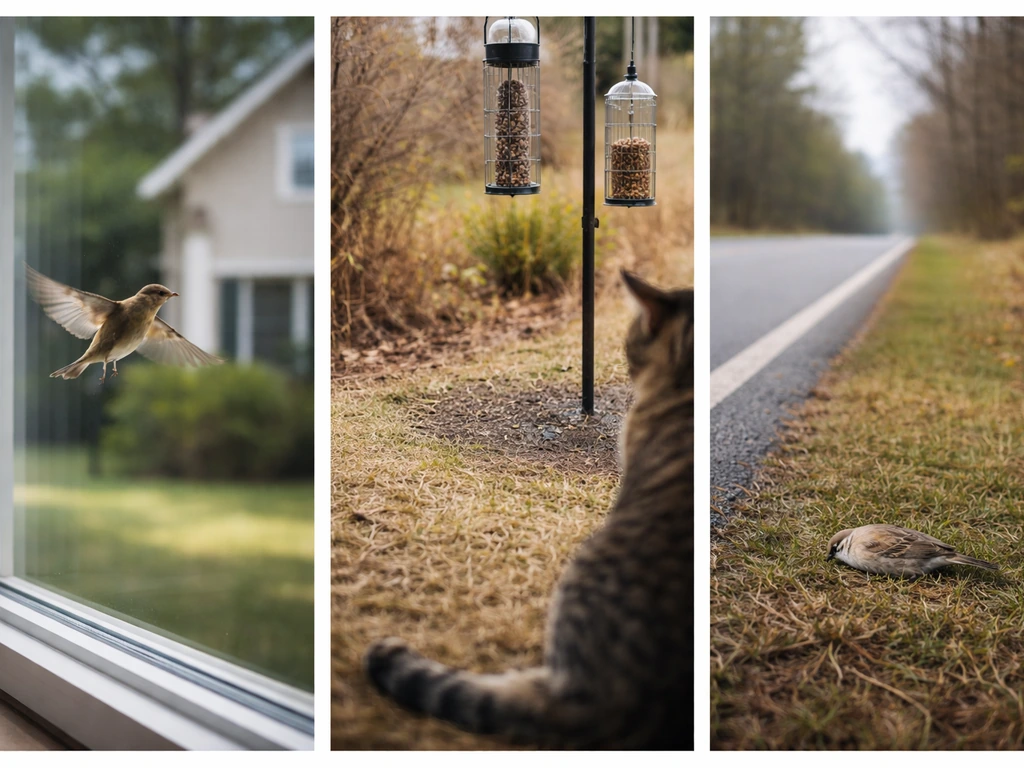
| How it happened | Common spiritual reading | Practical cause |
|---|---|---|
| Bird hits your window | Transition, a message attempting to reach you | Reflective glass confuses birds about open space |
| Bird hit by your car while driving | Unexpected change, sudden shift in path | Birds often fly low across roads unpredictably |
| Cat catches a bird in yard | Nature's cycle, predator-prey energy | Instinctual predation, not spiritual in origin |
| Bird found dead near your home | Omen of change, spirit visit, threshold moment | Disease, age, or prior injury most likely |
Preventing it from happening again
Window collisions
Window strikes are one of the most common ways birds die near homes. The Bird Collision Prevention Alliance notes that birds hit windows because they see the reflection of trees or sky and don't recognize glass as a barrier. The fix is breaking up that reflection. Canada's government guidance recommends using decals, window films, tape, cut-outs, or paint patterns on the outside of the glass. The key detail from Audubon: whatever pattern you use needs to be spaced no more than 2 to 4 inches apart to actually work. Larger gaps let birds think there's room to fly through.
Cats and outdoor birds
If you have a cat and a bird feeder, that's a combination worth rethinking. Smithsonian research recommends keeping cats indoors, especially in areas with active bird feeders, to dramatically reduce the number of birds killed by domestic cats. It's one of the simplest changes you can make.
Driving and road hazards
For car-related bird strikes, there's less you can directly control since birds often swoop low and fast. Slowing down in wooded or rural areas and being aware of birds on the road or fence lines can help reduce the chance of a collision. What it means when you run over a bird is something many drivers wonder about after the fact, and the honest answer is that it's usually a combination of the bird's behavior, road conditions, and unavoidable timing. You likely couldn't have prevented it.
Closing the loop: guilt, grief, and finding your own meaning
It's normal to feel bad after accidentally killing a bird. The guilt or unease you feel is actually a sign of care, not weakness. Most spiritual traditions would say that feeling is worth honoring rather than shaking off quickly.
If you want a practical way to find closure, here are a few optional practices that people across traditions find meaningful. None of these are required, but they can help if you're sitting with unresolved feelings:
- Acknowledge the bird's life out loud or in writing, even a simple "I'm sorry, I didn't intend to harm you" carries weight in many spiritual frameworks.
- Bury the bird if practical, or place it somewhere natural rather than in a bin, as a gesture of respect (while still following safe disposal guidelines).
- Light a candle or take a quiet moment of reflection, marking the event as significant rather than rushing past it.
- In prayer-based traditions, offer a prayer for the creature and ask for clarity if you feel the event is nudging you toward something.
- Journal about what you noticed in the moment: what were you thinking about, where were you going, what felt different afterward?
These are not rituals you have to perform. They're invitations to slow down and notice. If the accidental death of a bird prompts even five minutes of reflection, many spiritual traditions would say the creature's life carried meaning simply by creating that pause in you.
If you're still sitting with the feeling and want to understand the symbolic layers more deeply, it's worth reading about what it means when you hit a bird from a symbolic standpoint, or exploring the nuances in the meaning of hitting a bird across different cultural lenses. Different traditions frame it differently, and one of them may resonate more clearly with your own experience.
The bottom line: you handled a practical situation, the bird's death was not your intention, and whatever meaning you take from it is yours to determine. That's not avoidance, it's actually the most honest thing any tradition can tell you.
FAQ
What if I already handled the bird with bare hands before realizing I should use gloves?
If you have already touched a dead bird or cleaned up without gloves, stop and wash your hands (and any exposed skin) with soap and water for at least 20 seconds. Avoid touching your face while you’re still handling cleanup items, and if you develop flu-like symptoms or eye irritation in the following days, contact a clinician and mention possible bird exposure.
Can I just wipe the area with disinfectant, or do I need to do more if there was a mess?
Yes, but the safest approach is to bag it and disinfect only what needs to be cleaned. Wear gloves and eye protection, remove visible debris first, then clean the surface with a standard household disinfectant appropriate for the material (hard floors, counters). For porous items (some fabrics or soil), it may be safer to discard rather than attempt full decontamination.
What should I do if the bird looks dead but might still be alive?
If the bird is truly alive (moving, breathing, or responsive), do not try to “finish” anything and do not pick it up loosely. Keep pets and kids away, contain it to a small area, and contact a licensed wildlife rehabilitator. In many places, keeping a wild bird at home without permits is illegal, even if your intentions are good.
Do I need to report every dead bird I find to wildlife authorities?
Not usually. If there is no unusual pattern (no large cluster nearby) and the death appears due to a normal cause like a window collision or cat predation, routine reporting is often not required. Reporting becomes more important if you notice many deaths, sick birds (not just dead), or signs of a disease event, like birds acting unusually before death.
Is it safe to keep using my bird feeder after I find a dead bird nearby?
Avoid feeding other birds on the same day until the area is cleaned, and keep bird feeders away from cat access. If you have to keep feeding, switch to safer feeding practices (cleaning stations and removing spilled seed) and focus on sanitation rather than leaving contaminated food out for longer periods.
Can I rinse or hose off a bird hit on the driveway, or is that a bad idea?
If it is a small bird you can safely bag, the best option is usually to leave it in sealed bags and dispose promptly. Do not rinse the bird in a sink, do not put it into recycling, and do not sweep loose debris without protection, since splashing and aerosolizing particles can increase exposure risk.
What precautions should I take if I have pets or kids at home during cleanup?
Yes, especially if you have multiple animals or vulnerable household members. Pets can carry contamination on paws and fur, so wash pet bedding, wipe paws after cleanup, and prevent pets from accessing the disposal area. Immunocompromised people and young children should be kept away from cleanup until everything is bagged and surfaces are disinfected.
What should I do if I’m not sure why the bird died or whether it counts as an unusual event?
If you’re unsure whether it’s a bird collision case, a possible disease event, or another cause, it’s reasonable to contact your local wildlife or public health agency for guidance. Use the “unusual situation” test: clusters, sick behavior in nearby birds, or repeated unexplained deaths are the clearest triggers to ask for help.
If it happened because of a car strike, what’s the best way to handle cleanup and prevent it from happening again?
If the bird hit was your car, remove the bird safely only if it’s already dead and you can do so without bare hands, then bag it and disinfect any contacted surfaces. The more important car-focused step is prevention next time (slower speed in bird-heavy areas, watch fence lines and roadside shrubs).
How do I handle the spiritual “meaning” without turning it into fear or needing a definite omen interpretation?
If you’re trying to interpret meaning, a practical way is to separate “values and response” from “prediction.” Consider what you can do now (drive more slowly, add window prevention, keep cats indoors) and treat the spiritual layer as encouragement to care, not as a sign that you must decode a specific prophecy.