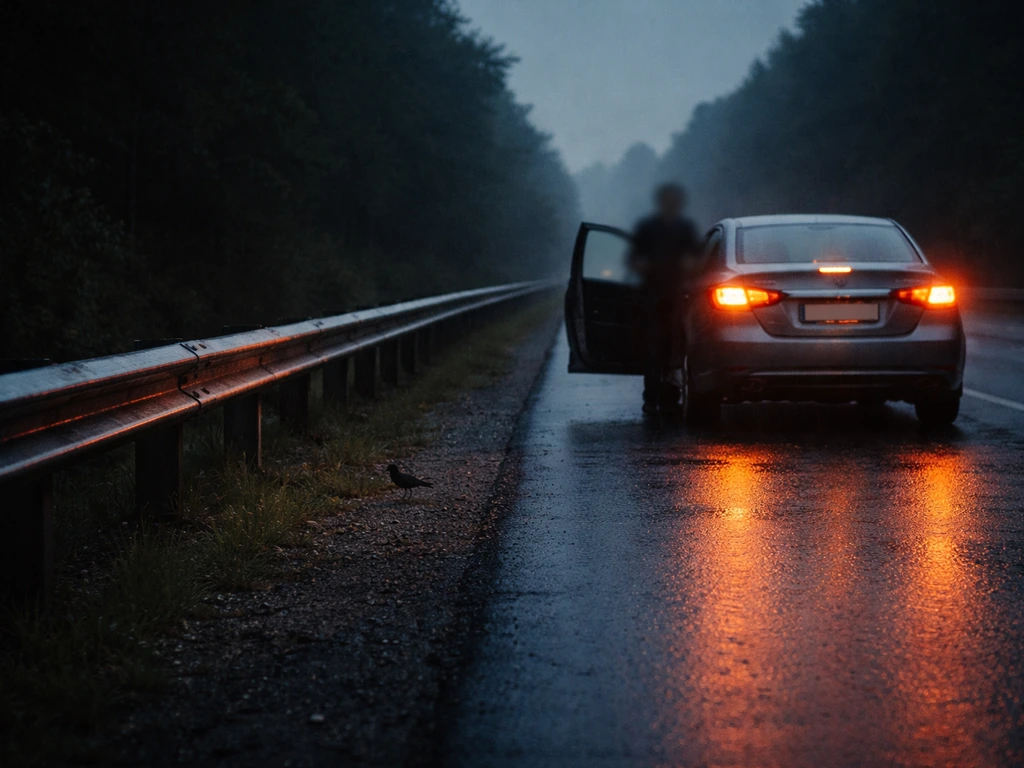
Hitting a bird, whether with your car, a window, or nearly missing one, is one of those moments that stops you cold. The shock is real, and so is the question that follows almost immediately: what does this mean? The honest answer is that it can mean several things at once, a literal event with a practical side, and a symbolic moment that many traditions read as carrying a message. This guide walks through both, so you can take care of what needs handling right now and then decide, with a clear head, whether there is a deeper meaning worth sitting with.
Hitting a Bird Meaning: Literal and Spiritual Interpretations
Maya Hartwell
13 Apr 2026
Literal vs. symbolic: the two readings happening at once
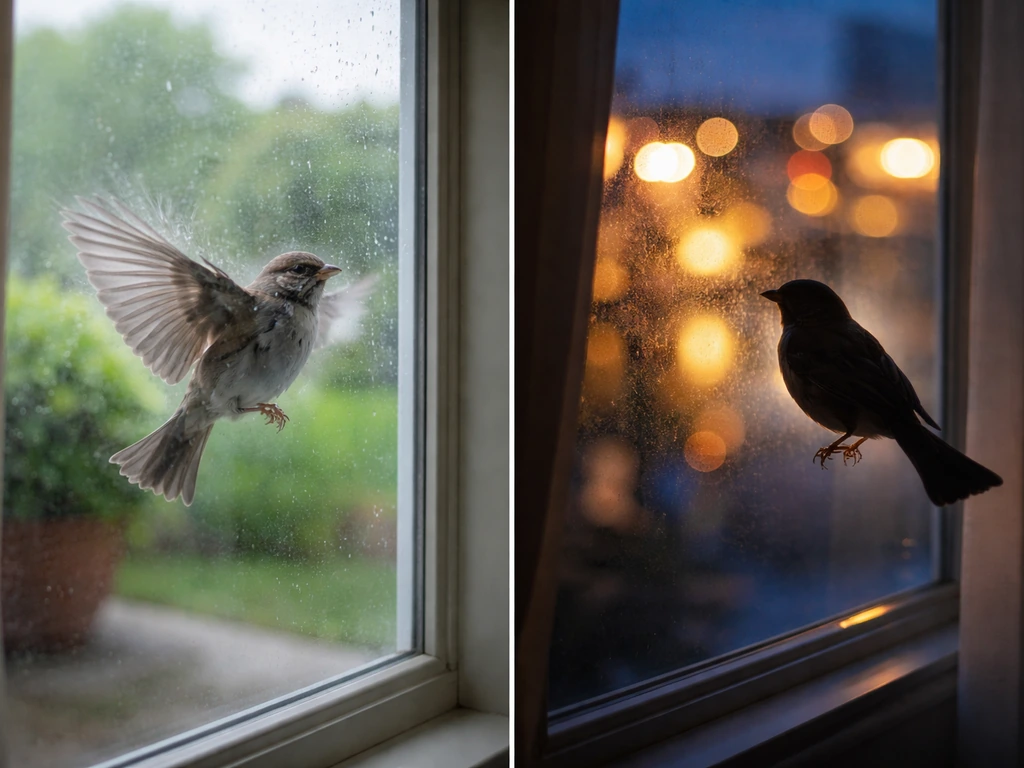
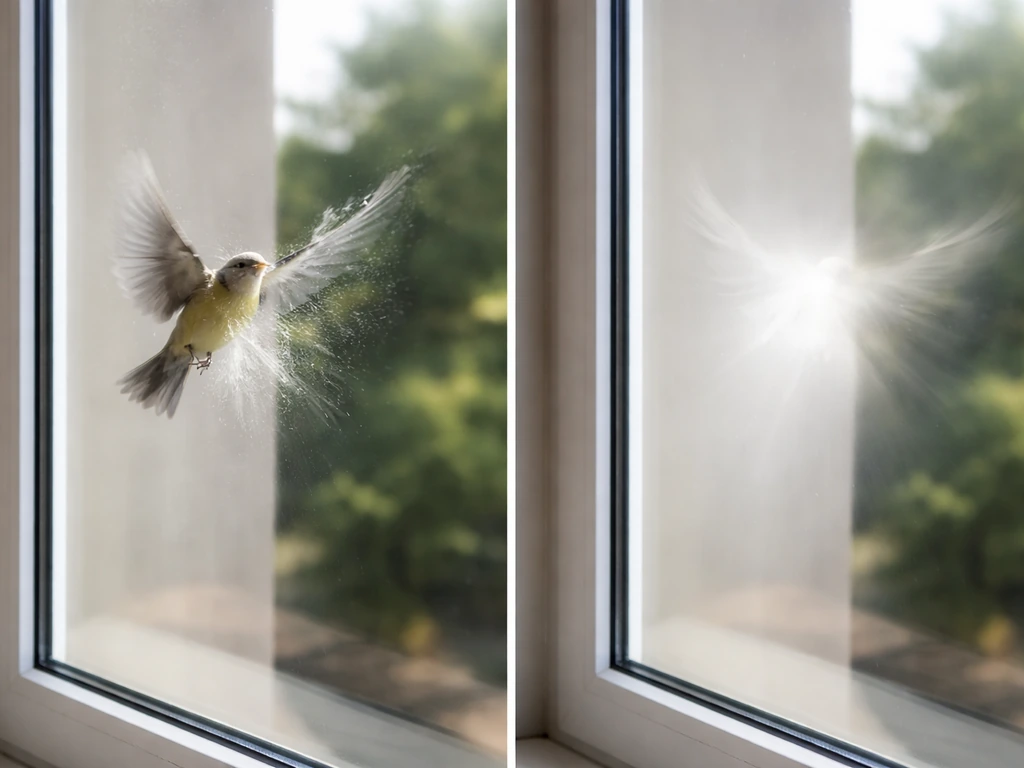
On the literal side, birds hit windows because, as the National Wildlife Federation explains, they simply cannot see glass as a barrier. Their visual system interprets the reflection of sky or trees as open space, and they fly straight into it. Car strikes happen for similar reasons: birds are low or crossing fast, and there is no time to react. These are extremely common events, and they say nothing about you as a person or about your luck. Millions happen every year.
On the symbolic side, cultures across history have read bird encounters as meaningful signals. The practice of divination by observing birds is called ornithomancy, and it dates back to ancient Rome, Greece, and beyond. The word "inauguration" itself comes from a ritual of taking omens from bird behavior before major decisions. So when you feel a jolt of significance after hitting a bird, you are tapping into something genuinely old and widespread. Both readings, practical and symbolic, are worth taking seriously.
Hit vs. almost-hit: the interpretation shifts with the outcome
A direct strike and a near miss carry noticeably different symbolic weight across most traditions, and it is worth separating them. If you want to understand what it means when you hit a bird directly, the most common spiritual read is that something in your current path is being disrupted, a signal to pause, examine where you are headed, or acknowledge a transition happening in your life. The bird, in many frameworks, represents the soul, freedom, or a message in transit, and a collision suggests that message was not received gently.
A near miss reads very differently. If the bird veered away at the last second and survived, most spiritual traditions lean toward protection, redirection, or a warning that was delivered before real harm occurred. Think of it less as a bad omen and more as a course-correction signal: something said "not this way" loudly enough to get your attention without causing damage. Many people describe near-misses with birds as feeling almost choreographed, a split-second avoidance that feels pointed. That instinct has historical roots.
What different spiritual traditions say about it
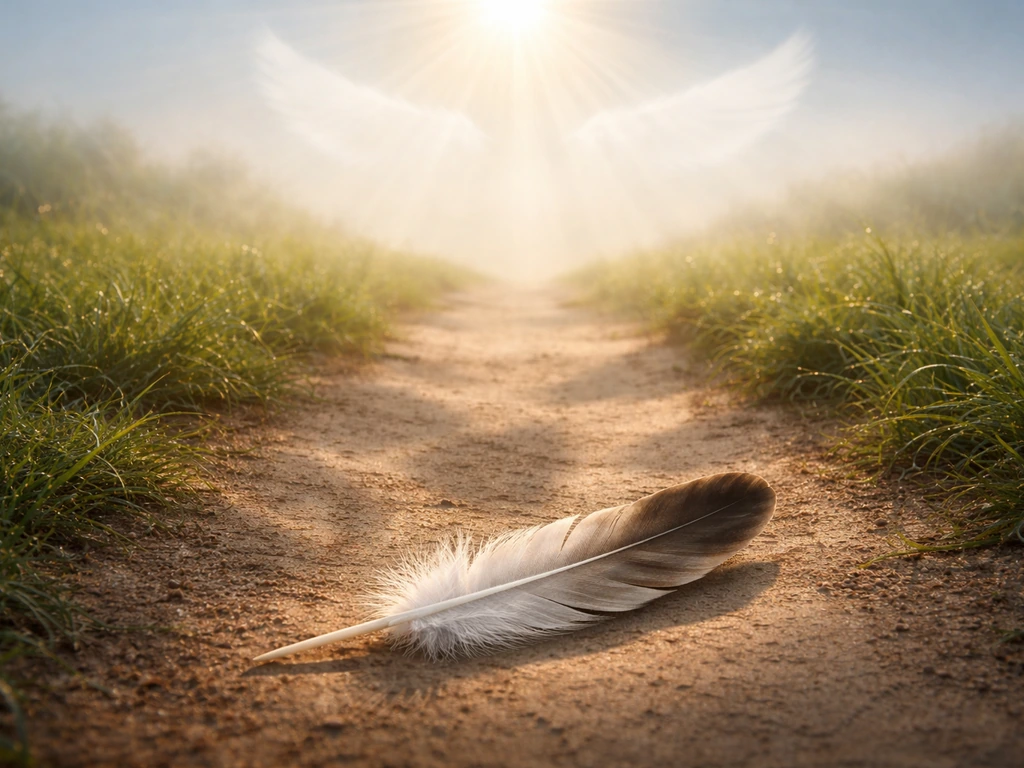
Most spiritual interpretations of hitting a bird frame it as a message rather than a punishment. A common metaphysical reading is that the event is the universe prompting you to slow down, reflect, and notice a transition you may be moving through too fast. Some frameworks go further and suggest the bird was acting as a messenger, a soul trying to reach you or draw your attention to something unaddressed in your inner life.
The species involved often shapes the reading. A dove strike tends to be interpreted as a disruption of peace or a call to restore harmony. A raven or blackbird hitting your window carries heavier associations in Western and Celtic traditions, sometimes read as a signal of endings, transformation, or the thinning of the veil between physical and spirit realms. Many people who wonder whether it is a bad omen to hit a bird are surprised to find that most traditions emphasize transformation over doom: endings that make space for something new, rather than straightforward misfortune.
Some traditions also read this as a mirror for the person's own circumstances. If you have been feeling constrained, overwhelmed, or like your own "wings" are clipped by circumstances, the collision can feel like a symbolic reflection of that internal state. Rather than predicting external bad luck, it may be pointing inward.
Biblical and faith-based angles
Christian scripture does not assign specific omens to bird strikes, but it does speak directly to the significance of birds and what happens to them. Matthew 10:29-31 is probably the most relevant passage: Jesus uses sparrows to reassure his followers that nothing falls outside the Father's awareness, not even the smallest bird. The intended message is comfort, not superstition. If you are coming to this experience from a Christian faith background, the instinct to feel that something significant just happened is not at odds with your tradition. The passage says God notices. What you do with that noticing is yours to decide.
Psalm 147:9 speaks to divine provision for animals, reinforcing the idea that birds are not outside the scope of sacred concern. From a stewardship perspective, many faith traditions see the human response to an injured or killed animal as meaningful in itself: how you handle what happened reflects your care for creation. Some readers find the action steps after the event, checking on the bird, reporting it, handling it respectfully, to carry their own kind of spiritual weight regardless of whether an omen is involved.
What folklore and cultural traditions say
Folklore from multiple regions treats birds crossing your path as meaningful events. Pre-colonial Philippine folk belief, preserved in the Tigmamanukan tradition, assigned both good and ill readings to birds crossing one's path, depending on direction, species, and timing. African traditional beliefs around the lightning bird connect certain avian events to required actions and community-level significance. Across Celtic traditions, birds, especially certain species like wrens, robins, and ravens, were read as messengers between the living and the dead.
The question of whether hitting a bird is good or bad luck does not have a single answer in world folklore. It depends heavily on the bird, the direction it came from, the time of day, and the life circumstances of the person involved. What most traditions agree on is that the event is not neutral: it is a prompt to pay attention. Exploring the meaning of killing a bird by accident across folklore reveals a consistent theme of unintended disruption that calls for some form of acknowledgment, whether ritual, practical, or reflective.
What to actually do right now after the incident
If the bird is injured or stunned

Do not offer food or water. This is a consistent recommendation from wildlife rehabilitation organizations including Audubon, the Minnesota Bird Coalition, and Greenwood Wildlife Rehabilitation Center. A stunned bird may not be able to swallow safely, and the wrong intervention can cause more harm. Instead, gently place the bird in a cardboard box with air holes, keep it in a dark, quiet space, and contact a licensed wildlife rehabilitator as quickly as possible. Audubon's database and your state's fish and wildlife agency can both connect you with local resources. Do not attempt to release the bird on your own without professional assessment, since internal injuries, including eye trauma, may not be visible.
If the bird has died
Handle it with care and proper protection. Wear disposable impermeable gloves when picking up the bird, and avoid touching your face with gloved or unwashed hands. After any handling, wash your hands thoroughly with soap and water. If you have any concern about exposure to body fluids, or if you were scratched or bitten, contact your local health department to assess whether any follow-up is needed. The CDC recommends that any animal exposure that involves potential contact with saliva or neural tissue be evaluated by a healthcare professional. This is not about panic, it is just a standard protective step.
You can report a dead bird through iNaturalist or, if your state has a protocol, through your state wildlife agency. The Oregon Department of Fish and Wildlife, for example, has a direct reporting process for birds that appear to have died from vehicle or window trauma. Reporting helps researchers track collision patterns and contributes to broader bird conservation efforts.
If it was a near miss
If the bird flew away, your main practical concern is that you are driving safely and that the startle did not put you in danger. Pull over if you need a moment. If you think about what it means when you run over a bird compared to a close call where the bird escapes, the emotional and spiritual processing tends to be very different. A near miss often leaves people feeling shaken but strangely grateful, which is worth sitting with rather than dismissing.
Preventing it from happening again
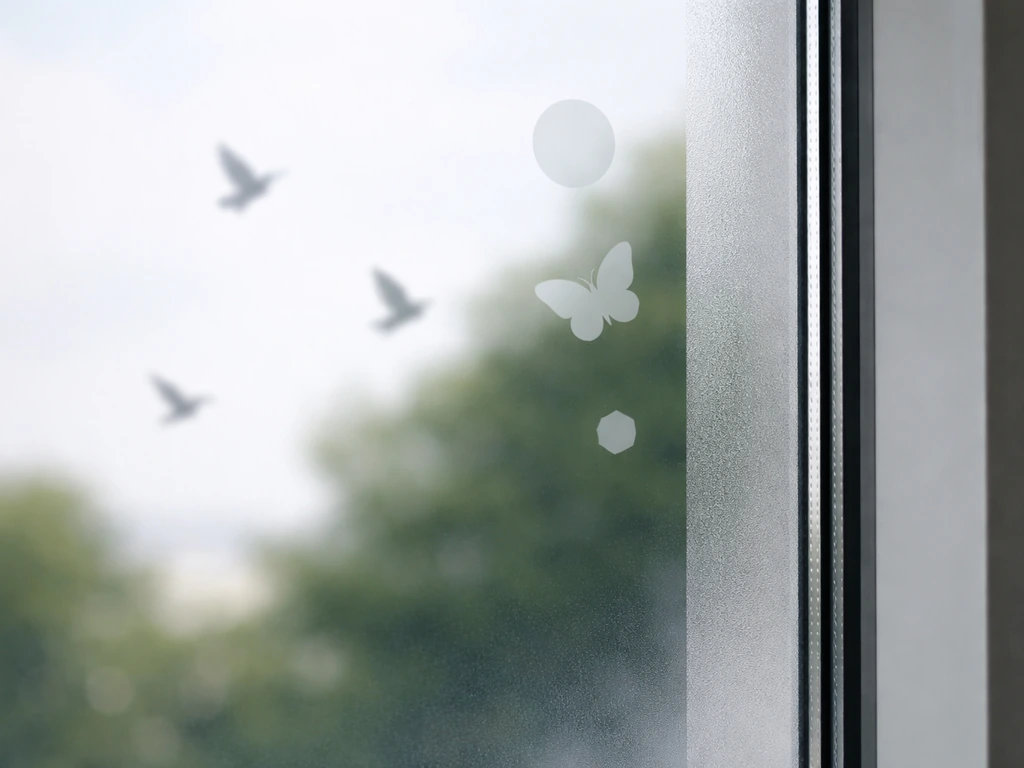
For window strikes, the NWF recommends treatments that break up the reflective surface of glass, such as UV-reflective decals, frosted film, or external screens. These are effective because they make the glass visible to approaching birds. Internal solutions like hanging objects close to the glass can also help. If you notice repeated strikes in one spot, it is worth inspecting that window and making a change, since some locations are chronic problem areas depending on what is reflected.
Handling the guilt, fear, and "did I do something wrong?" feeling
The emotional aftermath of hitting a bird, especially when it dies, can be surprisingly heavy. Some people feel guilt that seems disproportionate to a wildlife incident, and that reaction is worth understanding rather than dismissing. Chaplaincy and trauma-informed resources recognize that unintended harm can produce what is called moral injury: a distress that is not quite grief and not quite guilt, but something in between. You did not mean to cause harm. That matters, and most ethical frameworks, spiritual and secular alike, treat intent as a significant factor in moral weight.
If the guilt is sticking around, the most useful thing you can do is acknowledge it directly rather than push it away. Guilt that points toward something real can serve a purpose: it might be asking you to handle the bird respectfully, to reflect on something you have been avoiding, or simply to sit with the discomfort of being a creature who sometimes causes unintended harm. Feeling that and then moving forward thoughtfully is not weakness. What does not help is spiraling, turning the event into proof of something wrong with you, or reading it as a guaranteed sign of coming misfortune.
If you are anxious and want to ground yourself quickly, one effective approach is to re-engage your senses in sequence: notice five things you can see, four you can touch, three you can hear. This kind of grounding interrupts the anxiety loop and re-engages logical thinking, giving you a steadier platform to decide how you want to interpret what happened. From that calmer state, the symbolic and spiritual questions tend to feel less threatening and more genuinely interesting.
How to reflect and choose what this moment means for you
You do not have to pick a single explanation. Most people who think seriously about experiences like this hold the practical and symbolic readings at the same time: yes, birds hit windows because glass is invisible to them, and also, this moment felt significant and I want to sit with that. Both things can be true. The question worth asking is not "was this a bad omen?" but rather "what does this moment seem to be pointing me toward?"
Some people who explore what shooting a bird means symbolically, versus an accidental strike, notice that the presence or absence of intent dramatically changes how the event feels spiritually. Accidental encounters tend to read as messages rather than consequences. If the bird died, consider a small act of acknowledgment: a moment of stillness, a few words of gratitude for the bird's life, or a decision to do something differently going forward. Many traditions, across indigenous, Celtic, and folk religious frameworks, treat a small ritual acknowledgment as a way of closing the loop that the encounter opened.
Here are a few reflection prompts worth sitting with after the event:
- What was I thinking about or moving toward right before this happened?
- Does the species of bird carry any meaning for me personally, from memory, dream, or past encounters?
- Am I being invited to slow down, change direction, or pay attention to something I have been moving past too quickly?
- What would a respectful, grounded response to this moment look like, practically and spiritually?
- Is the guilt I am feeling pointing somewhere useful, or is it a loop I need to gently step out of?
There is no single correct answer to what hitting a bird means. What you take from this moment depends on your belief system, your current life circumstances, and what resonates when you slow down and honestly ask. What is consistent across traditions is that the moment is worth noticing, and that how you respond, both practically and reflectively, matters more than whether you can assign a definitive omen.
FAQ
What should I do if I hit a bird but it flies or runs away?
If the bird hits your car and then runs off, treat it like a safety and observation issue rather than a sign. Check your own condition (head injury from braking, eye irritation from splatter), then verify the windshield and lights are functioning properly. Spiritually, many traditions read a “no further harm” outcome as redirection, but practically the key is to drive and reassess the route, not to chase the bird.
If the bird seems okay after a strike, should I still get help?
Yes. Internal injuries can be invisible, so a bird that looks fine can still have trauma after a window or car impact. Keep it out of the way of people and pets, box it with air holes if you can do so safely, and contact a licensed wildlife rehabilitator for guidance even if it seems alert.
Can I take an injured bird to a friend’s place or release it somewhere nearby?
Avoid chasing and re-homing the bird yourself. Moving a bird without assessment can worsen fractures or eye injuries, and release without rehab can fail even if it “seems strong.” The best next step is to contact a wildlife rehabilitator or your state wildlife agency to confirm whether rescue or relocation is appropriate.
What if I cannot safely reach the bird?
If you cannot safely approach the bird (traffic, height, aggressive behavior, or risk of another strike), document key details instead: time, location type (road, balcony, specific window), bird species if known, and whether it appears stunned, injured, or dead. Then report it and wait for professionals or local wildlife services to advise you.
How do I choose the right solution if the same window keeps getting hit?
Window strikes are often fixable, but the “best” fix depends on whether the bird is seeing reflections or silhouettes. For repeated strikes, prioritize solutions that change what the bird sees before it approaches, such as external screens, frosted film, or UV-reflective decals, and focus on windows facing trees, sky, or open reflective spaces.
What if the bird is dead, or I can’t find it after the incident?
If the bird died or you cannot find it after the impact, you can still respond responsibly. Clean the area with gloves and paper towels, avoid aerosolizing debris, and report the incident if your area has a collision reporting protocol. For spiritual closure, many people find it helpful to do a brief acknowledgment and then shift attention back to practical care and prevention.
Why do I feel guilty even though it was an accident, and what helps?
Guilt is common, and trauma-informed frameworks describe it as “moral injury” when the distress feels out of proportion to intent. A practical way to work with that is to separate what is controllable (reporting, cleanup, window prevention) from what is not (rewinding the moment), then decide on one concrete action within 24 hours.
What are the health steps if there was contact with the bird’s fluids?
If you have to enter the car or handle the area quickly, do so in a way that reduces risk: wash hands when finished, avoid touching your face, and if you were scratched or bitten or you think body fluids got near eyes or mouth, contact a healthcare professional. The goal is not panic, it is standard exposure assessment.
How should I interpret a near miss spiritually compared with a direct strike?
Near misses can feel less like “a message of disruption” and more like a “warning not to ignore something.” A useful decision aid is to ask, what did I change in the moment (slowing down, checking a blind spot, being more alert), and what does that suggest about a pattern to correct in daily life.
What if I don’t believe in omens, but I still want meaning from the experience?
If your spiritual or religious framework discourages omen reading, you can still use the experience without superstition. Many people translate the “meaning” into values-based action, such as mindfulness, slowing down, gratitude, and better care for creation, focusing on response rather than predictions.
Do species differences change what I should do in the moment?
Yes, different species often change the tone of symbolic interpretation, but the practical response should not. Wildlife triage depends mainly on whether the bird is alive and how it was injured, not on symbolism. If species is unknown, describe size and color patterns when reporting, and let rehabilitators identify it.
Does time of day change how I should prevent future bird-window strikes?
If the incident occurred at night or in bad visibility, reflections and speed matter even more, and birds may be especially disoriented. Afterward, add lighting and visibility precautions: reduce indoor lights near the glass at night, consider blackout curtains for problem windows, and reassess outdoor lighting sources that create strong reflections.