Running over a bird with your car is jarring, and the first thing most people feel is a sick combination of shock and guilt. Practically speaking, you need to pull over safely if you can, assess the situation, and handle any remains with proper protection. Spiritually, many traditions read this kind of sudden, involuntary encounter as a crossroads moment: a message about transition, awareness, or something ending and beginning. Both dimensions matter, and this guide walks you through both without letting either one crowd out the other. So what does it mean to <a data-article-id="59897047-9D7E-493D-A475-CB7BD8D69BDC">flip someone the bird, and why do people use that gesture when they are angry or trying to insult someone? If you are looking for what might prompt you to flip someone the bird, it often comes down to anger, feeling disrespected, or trying to deliver an insult without words.
Running Over a Bird Meaning: What to Do and Interpretations

What to do in the first few minutes
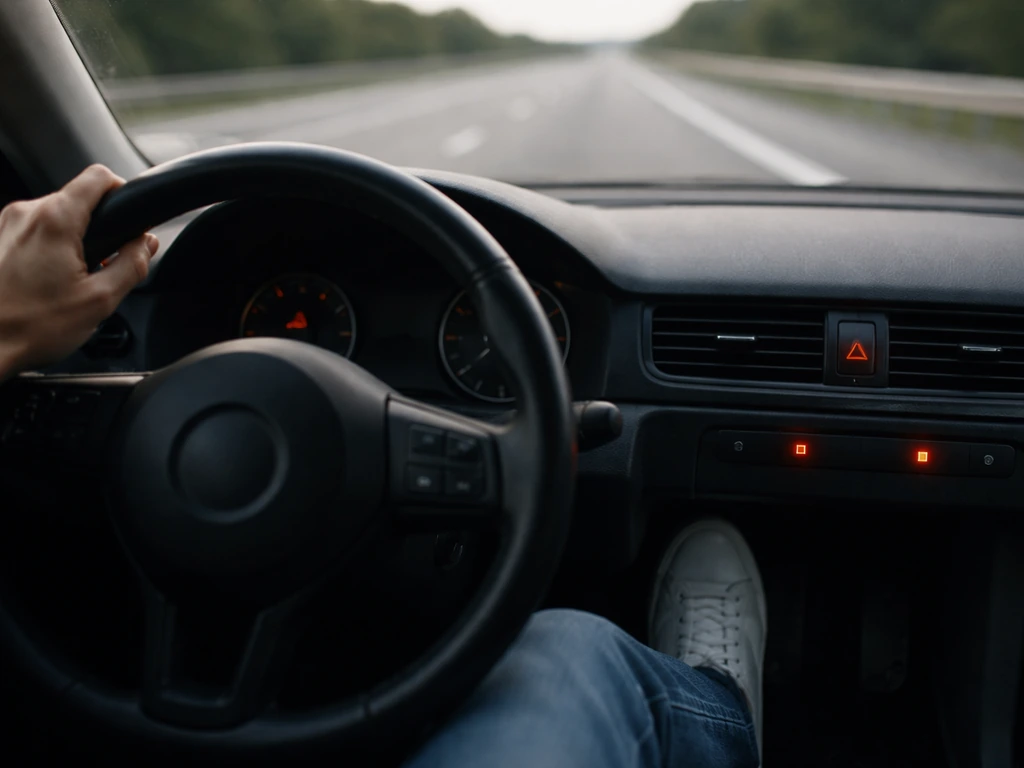
Driver safety comes first, full stop. If you hit a bird while driving, resist the urge to brake hard or swerve. Once the initial impact has passed, check your mirrors, signal, and pull to the shoulder or a safe stopping point only if it's genuinely safe to do so. Turn your hazard lights on. A stationary person on the roadside is at far more risk than the situation itself calls for, so if traffic is heavy or visibility is poor, it may be safest to keep moving and circle back later or skip returning entirely.
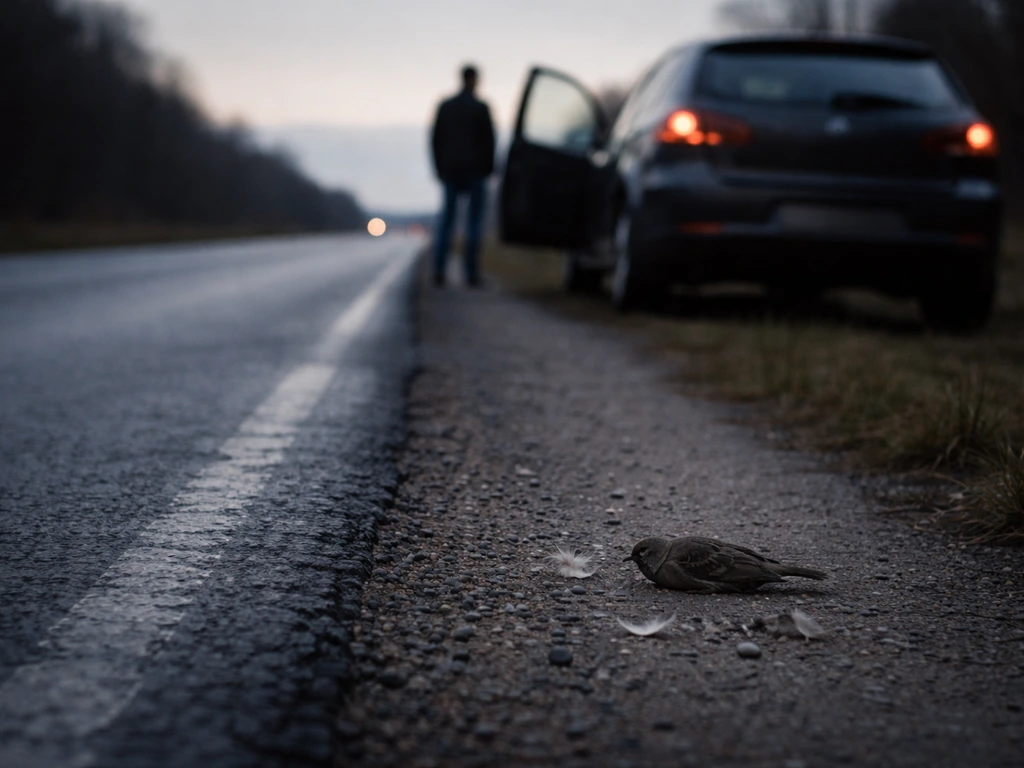
If you do stop, check the road ahead and behind you before stepping out. Look quickly to see whether the bird is still alive or clearly deceased. If it's alive but injured, don't pick it up with bare hands. A panicked or injured bird can scratch and peck, and many wild birds carry bacteria or parasites. Note the location and contact a wildlife rehabilitator as the best next step. If the bird is dead, you can choose to move it from the road to prevent further hazard, but you are not legally required to handle it yourself.
Safety, cleanup, and handling the remains
If you decide to move or dispose of the bird, protective gear matters more than most people assume. The CDC recommends wearing waterproof gloves, protective eyewear, and covering any open wounds before handling animal carcasses. The NYSDEC extends that guidance specifically to wild birds, recommending gloves, eye protection, a mask, and rubber boots, particularly for species like waterfowl, gulls, and raptors, which can carry diseases including avian influenza.
The easiest safe disposal method is the double-bag technique the CDC recommends: cover your gloved hand with a plastic trash bag, use that bag-covered hand to pick up the remains, then invert the bag over the bird and seal it. Place that sealed bag inside a second bag and seal that too. Wash your hands thoroughly afterward even if you wore gloves, and discard or disinfect any PPE you used.
If the bird left blood or feathers on your vehicle, clean the area with a diluted bleach solution or a commercial disinfectant before touching it with bare hands. For odor inside a wheel well or undercarriage, a hose rinse and enzymatic cleaner work well. Keep pets and children away from any area where the bird landed until it's been cleaned.
Spiritual and metaphysical interpretations
In spiritual and metaphysical traditions, birds are widely regarded as messengers, intermediaries between the earthly and the unseen. When one crosses your path violently and unexpectedly, many practitioners interpret it not as a punishment or bad omen in the traditional sense, but as a sharp, attention-grabbing signal. Think of it as the universe tapping you firmly on the shoulder rather than whispering.
A common interpretation frames the event as a crossroads moment: something in your life may be ending, transforming, or demanding your attention. The bird, in many traditions, represents the soul, freedom, or a carried message. When that symbol is suddenly and involuntarily extinguished in front of you, it can be read as a prompt to examine what you might be ignoring, what transition is underway, or what part of your life has run its natural course.
The species of bird sometimes carries additional weight in metaphysical interpretation. A dove might be read as a disrupted peace or a call to restore harmony. A crow or raven, already associated with transformation and the liminal in many traditions, might underscore a theme of necessary change. A sparrow, one of the humblest birds, might prompt reflection on small things overlooked. These readings are always subjective, but they can serve as useful mirrors for personal reflection.
It's also worth noting that running over a bird is distinct from intentionally killing one. If you mean intentionally killing a bird, the meaning people assign can shift from accidental spirituality to deliberate moral reflection meaning of killing a bird. If you mean intentionally killing a bird, the meaning people assign often shifts from accidental spirituality to deliberate action and moral reflection what does it mean when you kill a bird. The accidental nature of the event matters spiritually to many people, and most metaphysical frameworks do not assign the same weight to unintended harm as they do to deliberate action. If you are wondering about getting hit by a bird, the meaning people assign often follows the same themes of surprise, symbolism, and personal interpretation getting hit by a bird meaning. If you're working through what this means for you personally, that distinction is worth sitting with. The related question of what it means when you almost hit a bird carries a slightly different energy, one more about warning than culmination.
Biblical and faith-based perspectives
In Christian scripture, birds appear repeatedly as symbols of God's care, provision, and watchful attention. Matthew 6:26 has Jesus pointing to birds as examples of creatures God sustains without toil or worry. Even more pointed is Matthew 10:29-31, where Jesus notes that not a single sparrow falls to the ground apart from the Father's knowledge, and follows with the reassurance that humans are of far greater value. This passage is often read as a comfort: even this small death did not go unnoticed.
From a faith-based perspective, running over a bird is not typically interpreted as divine punishment or a curse. Christian theology generally cautions against reading random misfortune as direct spiritual retribution. What it may invite, particularly for believers, is a moment of reflection: gratitude for your own safety, a brief prayer for the creature, and a reminder of the fragility and preciousness of life. Many Christians find that a simple, sincere prayer acknowledging the moment and releasing guilt is both spiritually sufficient and emotionally freeing.
Other faith traditions carry their own readings. In some Indigenous North American frameworks, the unintended death of an animal during travel is acknowledged with a spoken word of thanks or apology to the animal's spirit. In certain Hindu traditions, birds are connected to ancestors and deities, and an accidental encounter might prompt a small act of reverence. None of these frameworks require you to be superstitious; they simply offer structured ways to process an event that feels meaningful.
What folklore and cultural traditions say
Birds as omens are one of the oldest human preoccupations. The ancient Romans practiced ornithomancy, formal divination from bird behavior, and cultures from Celtic to West African to East Asian have long treated bird encounters as potentially meaningful. Across many of these traditions, a bird that crosses your path unexpectedly, especially one that dies in the crossing, is seen as a messenger that has delivered its message at cost.
In Celtic folklore, birds were seen as intermediaries between the living world and the otherworld. A sudden bird death near a person was sometimes read as a soul passing through or a warning being delivered. In some Eastern European folk traditions, hitting a bird while traveling was taken as a sign to reconsider the journey or to be more cautious about what lay ahead. In parts of West Africa and the African diaspora, birds are closely tied to ancestral communication, and an unexpected bird death might prompt someone to wonder whether a message from a departed loved one has been sent.
It's important to approach all of these interpretations as cultural lenses rather than established facts. They are ways humans have made meaning from jarring, unexpected events for thousands of years. The meaning you take from the encounter depends heavily on your own background, beliefs, and what you're carrying emotionally at the time. There's wisdom in exploring these interpretations without treating any single one as definitive.
Dealing with guilt and fear without spiraling
A lot of people who search for this topic aren't just looking for omens. They're looking for reassurance. The guilt after hitting an animal, even accidentally, is real and completely normal. Research on self-compassion from UC Berkeley's Greater Good Science Center shows that higher self-compassion is directly linked to reduced rumination and self-criticism after distressing events. In practical terms: being hard on yourself doesn't undo what happened, and it doesn't honor the bird either.
A grounded response to the guilt looks something like this: acknowledge the event honestly (it happened, it was unintentional, it matters), take any practical action available (handle the remains respectfully, clean up properly), and then release it. If spiritual ritual helps you do that, use it. Lighting a candle, saying a few words of apology or thanks, or setting an intention to be more attentive going forward are all legitimate ways to close the loop emotionally without sliding into superstition or obsessive fear.
Fear of bad luck is common too, and worth addressing directly. Most serious spiritual traditions, including those that do assign meaning to bird encounters, do not frame an accidental death as an automatic curse or guarantee of misfortune. If you find yourself ruminating, watching anxiously for "follow-up signs," or feeling genuinely distressed for more than a day or two, that's worth talking through with someone, whether a trusted friend, a clergy member, or a counselor, rather than feeding the anxiety with more omen-searching.
When to contact wildlife authorities and what the law says
Most single bird deaths from roadway encounters don't require you to report anything. However, there are situations where contacting wildlife authorities is the right call.
- The bird is injured but alive: contact a licensed wildlife rehabilitator in your area. Your state wildlife agency's website will have a directory.
- The bird is a raptor, waterfowl, or another protected migratory species and you want to understand your obligations: call your state DEC or fish and wildlife office for guidance.
- You find multiple dead birds in the same area in a short period: this is worth reporting to your state wildlife agency, as it can indicate disease outbreaks like West Nile Virus or avian influenza that authorities actively monitor.
- The bird is banded or otherwise marked: report it to the U.S. Geological Survey Bird Banding Laboratory, which tracks migration and population data.
On the legal side, the Migratory Bird Treaty Act (MBTA), a federal statute codified at 16 U.S.C. § 703, makes it unlawful to take, kill, or possess migratory birds or their parts, nests, or eggs without a permit. The vast majority of wild birds in the U.S. are covered. In practice, accidental roadway deaths are not prosecuted, but this is why you should not keep feathers, wings, or any part of the bird you find. Possession of even a single feather from a protected migratory species without a permit is technically illegal. If you're unsure whether a bird is protected, the safe and legal answer is to leave all parts with the remains when you dispose of them.
The NYSDEC recommends calling a local regional wildlife office during business hours if you have specific questions about a dead bird you've encountered. They can advise whether collection for disease surveillance is warranted and walk you through any local reporting requirements. The USGS Bird Banding Laboratory is an integrated program that supports collecting, curating, and disseminating data from banded or marked birds, including reporting and encounter infrastructure for the public disease surveillance. In most routine cases, proper disposal and moving on is all that's needed.
If signs keep showing up afterward
Some people notice that after an event like this, bird encounters seem to multiply: a bird flies into a window at home, you dream about birds, or the same species keeps appearing. Whether you read this as meaningful or coincidental depends on your personal worldview, and both are valid. If you're inclined toward spiritual interpretation, these follow-up encounters might be worth sitting with quietly rather than immediately researching or analyzing. Ask yourself what's happening in your life right now that the symbol of a bird might speak to: freedom, transition, communication, something unresolved.
If you're more practically minded, know that heightened awareness of birds after an emotional bird encounter is a well-documented psychological phenomenon called the frequency illusion or Baader-Meinhof phenomenon. You're not receiving more bird encounters; you're noticing them more because your attention has been primed. Both explanations can coexist. The spiritual reading and the cognitive one don't cancel each other out. What matters most is that you use the experience, whatever meaning you assign to it, as an invitation to pay attention to your life a little more carefully for a while.
FAQ
What if the bird is still alive after the collision, should I transport it myself?
Only swap the approach for legal, safety, and health reasons. If the bird is still alive, keep traffic safety as the priority, avoid handling with bare hands, and contact a wildlife rehabilitator for guidance on whether to transport it. If the bird is clearly dead, you can move it to reduce the hazard, but do not collect feathers or body parts for keepsakes, since many species are protected.
When is it unsafe to stop at the roadside to check the bird?
Yes. A common mistake is staying on the shoulder longer than necessary, especially at dusk, on multilane roads, or with reduced visibility. If you are not in a safe position to check, or if traffic is heavy, it is reasonable to move to a safer stopping point and call for help, or circle back later only when you can do so safely.
How should I clean my car if there is blood or feathers, and what about vents or electronics?
Wear gloves and eye protection if you will handle remains, but for cleanup you can switch to safer household methods. Use diluted disinfectant on blood or feather spots, and keep pets away until the area is dry. If the bird landed in vents, under a seat, or near electronics, avoid saturating areas, use targeted cleaning, then let it fully dry before using those areas again.
Is it okay to leave the bird where it landed, or should I always move it?
Leaving the remains where they are can be safer and more appropriate than collecting them. If you move the bird, the article’s double-bag method reduces exposure and contamination. If you are unsure what to do legally or practically, dispose of it with the remains, do not keep parts, and contact a local wildlife office if you want case-specific advice.
Can I try to rescue an injured bird on my own?
Avoid trying to “save” or revive an injured wild bird unless a licensed rehabilitator instructs you to. Most injuries are beyond first aid, and attempting to restrain a panicked bird increases bites, scratches, and disease exposure. If you want to help, the best next step is contacting a rehabilitator and describing the bird’s condition and location.
Why do I see more birds after the incident, is it possible I am just noticing more?
Frequency illusion is the idea that once something becomes emotionally salient, you notice similar things more often. To ground this, watch for patterns you would normally see anyway, like typical city bird activity, and give it a short window (a few weeks) before concluding the repeated encounters are a message.
What if the spiritual interpretation makes me anxious or keeps me obsessing?
If your guilt turns into compulsive checking or fear that the incident predicts ongoing harm, that is a sign to shift from meaning-making to support. The article notes talking with a trusted person, clergy, or a counselor if distress lasts beyond a day or two, especially if you feel unable to stop researching “signs.”
How can I handle the guilt without getting stuck searching for signs?
You can, and it helps prevent rumination. A practical approach is to do one closing action you can complete, for example, say a short prayer or set an intention to be more attentive while driving, then intentionally stop looking for additional signs. If the ritual does not reduce guilt, consider support that targets self-blame rather than interpreting more omens.
Can I keep a feather or take something from the bird as a memento?
For legal risk, the key issue is possession of parts from protected migratory birds. Even a single feather can create a technical problem. If you find the bird and want to document what happened, take photos of the location or the bird from a distance, then dispose of the remains normally.
Does the Migratory Bird Treaty Act mean I will get in trouble for an accident?
In many places, accidental deaths are not typically enforced the way intentional harm is. Still, the article’s guidance is to not keep parts and to call local wildlife authorities if you have specific questions. If you are outside the U.S., legal coverage can differ, so the safest move is contacting your local wildlife agency for what applies where you live.
Why does the meaning change if the bird was accidentally hit versus intentionally harmed?
Yes, and it matters. If you feel you intentionally caused harm, some people experience the meaning shift toward moral accountability rather than an accidental crossroads narrative. If it was accidental, many traditions focus on transition, awareness, and release of guilt, so your interpretation can be shaped by intent and emotions at the time.
What is a simple step-by-step plan for the first hour after I hit a bird?
If it happened very recently and you are shaken, prioritize a short, consistent sequence: check safety, decide whether to contact a rehabilitator, use protective cleanup, then do one emotional closure step. Avoid long car-cleaning marathons right after, since rushing can lead to splashes, missed disinfecting, or increased stress.
Meaning of flipping someone the bird, intent by context, and step-by-step de-escalation for in-person and online replies
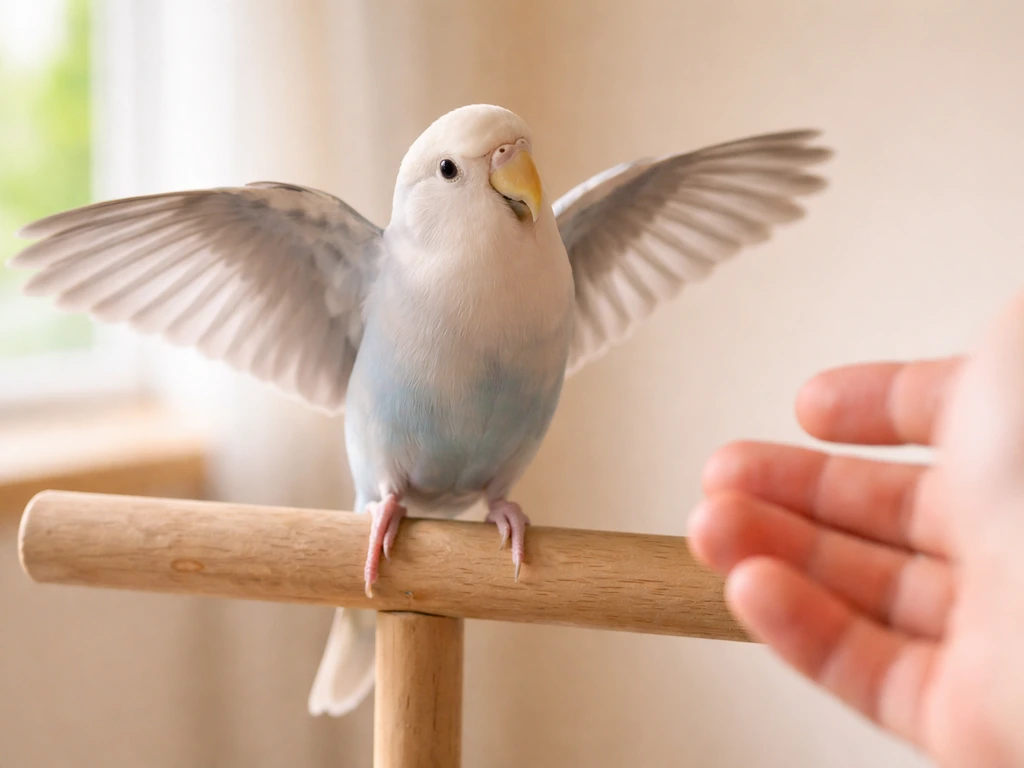
Understand why your bird flaps wings at you and what to do, from hormones and stress to attention and warnings.
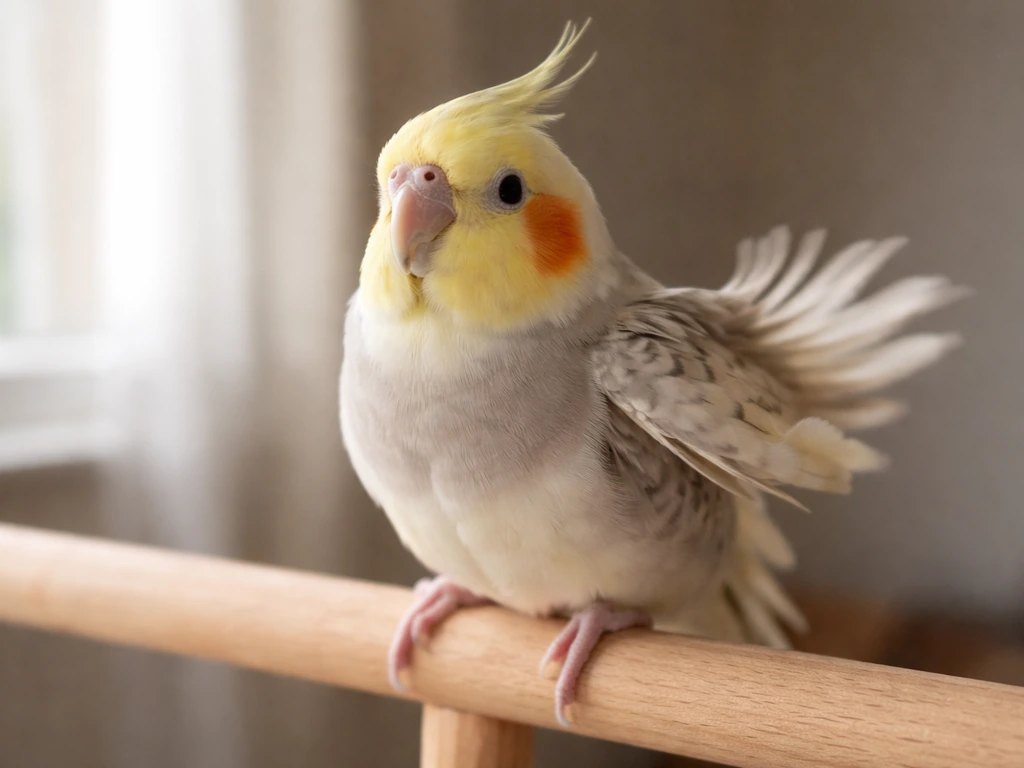
Understand why your bird twitches, what to check now, red flags, first-aid steps, and symbolic meaning safely.