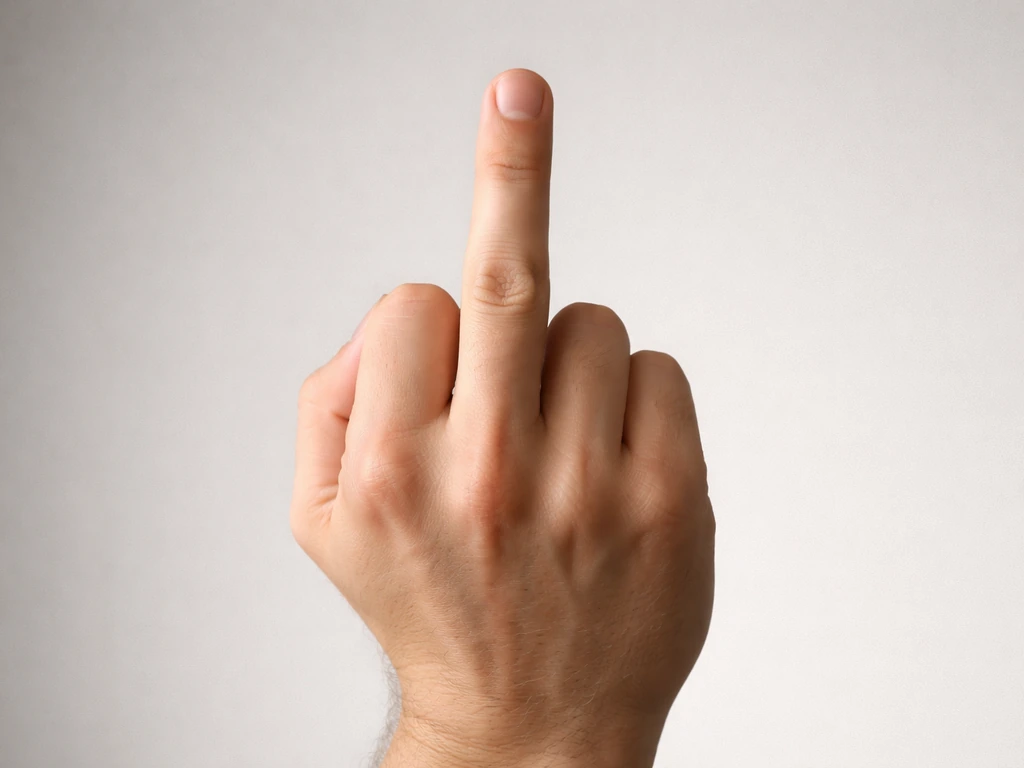
When someone flips you the bird, they are extending their middle finger toward you as a deliberate insult. It signals anger, contempt, defiance, or a blunt "get lost", and in most Western contexts, everyone in the vicinity reads it exactly that way. The phrase itself is idiomatic slang with no literal connection to birds or bird encounters. If you landed here looking for spiritual symbolism around an actual bird, scroll down and I'll point you in the right direction. But if someone just threw that gesture your way and you're trying to figure out what it means and what to do next, you're in the right place.
What It Means to Flip Someone the Bird and How to Respond

Maya Hartwell
23 Apr 2026
What the Gesture Actually Means
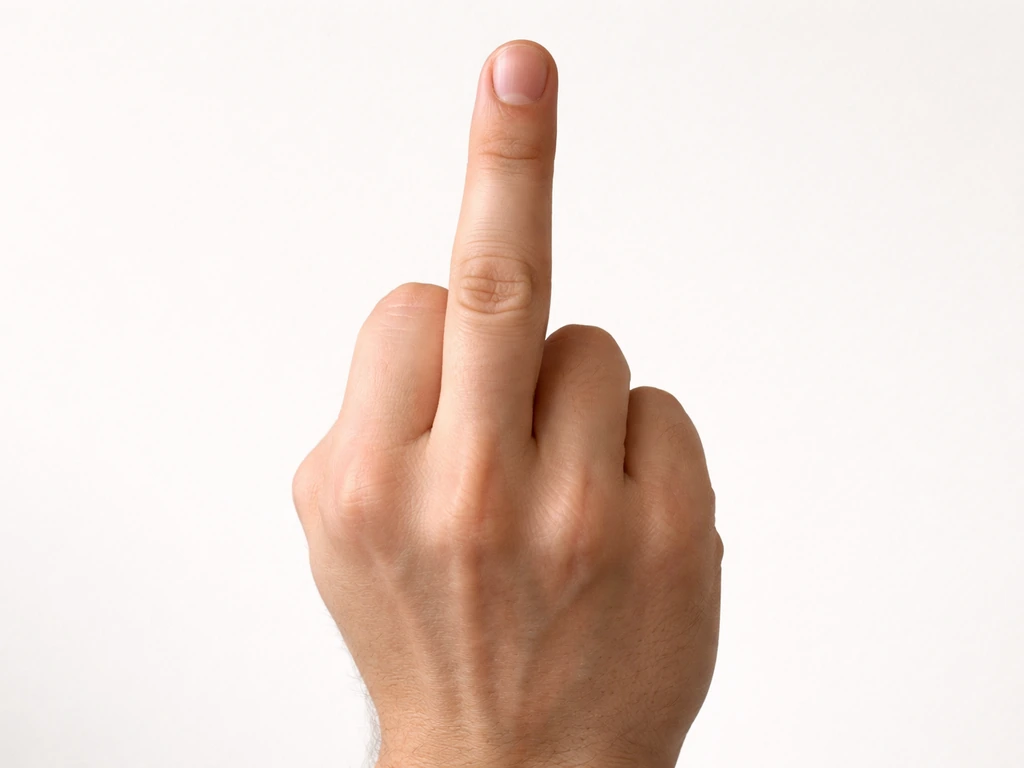
Flipping someone the bird means raising the middle finger toward another person while keeping the other fingers folded down. Merriam-Webster defines it plainly as an offensive gesture, and Cambridge describes it as a way to show someone you are angry or do not respect them. In practice, it compresses a lot of emotion into a single second: frustration, contempt, dismissal, and sometimes outright aggression. It is widely recognized as obscene in English-speaking countries and most of Western Europe.
The gesture has a surprisingly long history. While the exact phrase "flipping the bird" appears in print as early as a 1967 issue of Broadside magazine, the underlying hand gesture traces back centuries through various insult traditions. An older 19th-century expression, "give the big bird," referred to hissing or booing at a performer, a way of saying "you don't belong here." Over time, the language evolved, the gesture became attached to the phrase, and by the late 20th century "flipping the bird" had become standard slang for the middle-finger insult.
At its core, the gesture communicates one of three things: raw anger in the moment, deep disrespect for the person receiving it, or a desire to end an interaction entirely. Which one it is depends almost entirely on context.
Context and Relationship Change Everything
Not every middle finger carries the same weight. Between close friends who joke around, flipping the bird can be playful sarcasm, the kind of thing that gets a laugh rather than a gasp. Between strangers in a road-rage incident, it can escalate into something genuinely dangerous. And in a workplace or formal setting, it is almost always a serious breach, regardless of intent.
Body language and tone matter enormously here. A slow, deliberate gesture accompanied by eye contact and silence usually signals real contempt. A quick, exaggerated flip accompanied by laughter reads as a joke. The same physical motion carries completely different social meaning depending on facial expression, vocal tone, and the history between the people involved. Before deciding how to respond, it helps to read the full scene, not just the gesture itself.
Setting also reframes meaning. In a workplace, school, or public service environment, the gesture typically crosses a professional or legal line regardless of what prompted it. Online, where the person doing it is shielded by distance, it often functions more as performance for an audience than a direct personal threat. Understanding which version you are dealing with determines how you should respond.
How It Reads Across Cultures and Online Spaces
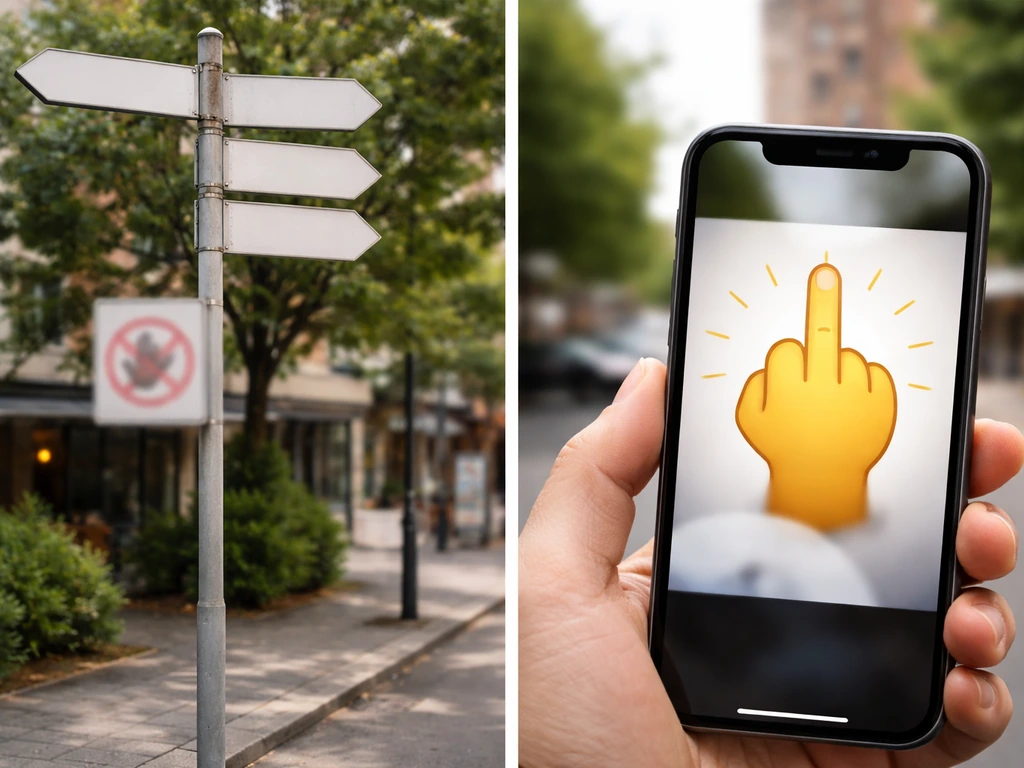
In the United States, Canada, the UK, and most of Western Europe, the middle-finger gesture is almost universally recognized as obscene and offensive. In a Reddit r/AskABrit Q&A, people also discuss how the middle-finger vs the UK-style V-sign variants differ in how they are performed and understood middle-finger gesture is almost universally recognized as obscene and offensive. In some countries, including parts of the Middle East and East Asia, the gesture itself may not carry the same cultural weight, but the obvious hostile intent still communicates clearly enough. Traveling with that assumption that "everyone will understand this" can create misunderstandings in reverse, where someone unfamiliar with the specific slang sees only aggression without understanding the cultural frame.
Online, flipping the bird has been partially defanged through memes, reaction GIFs, and comedy clips, you will see celebrities and influencers using it casually in photos or videos as a brand of edgy humor. But directed at a specific individual in comments, DMs, or social media replies, it still functions as harassment. Platforms like Instagram, TikTok, and YouTube have policies against targeted harassment, and a screenshot of someone sending you that gesture digitally is documentation of hostile behavior.
The Symbolic Layer: Boundaries, Frustration, and the "Bird" Connection
If you found this article through a bird-symbolism lens, here is how the two worlds briefly overlap. This site explores what bird encounters, behaviors, and signs mean in spiritual and cultural traditions. The phrase "flipping the bird" borrows its name from the gesture's slang lineage, not from any actual bird. But the symbolic language around birds and human conflict is genuinely rich. In many folklore and metaphysical traditions, conflict signals, sudden aggression from another person, an unexpected confrontation, are sometimes read as an invitation to examine your own boundaries and emotional state.
If you find yourself looking for meaning in the moment someone snapped at you this way, it is not unreasonable to ask: What boundary did this moment reveal? Was this person communicating something about their own suppressed frustration? Was the conflict a signal to slow down and reframe how you are engaging in a particular relationship or situation? These are questions worth sitting with, not as a literal omen, but as a reflective practice.
What might this moment be showing you about the dynamics at play? What might prompt you to flip the bird, specifically, is usually about anger, contempt, or a desire to end the interaction rather than anything to do with birds What might this moment be showing you about the dynamics at play? .
That said, do not overread the gesture as cosmic communication. The middle finger is a human social signal with a very specific, grounded meaning. If you are looking for genuine bird symbolism, a real bird encounter, a dream about birds, or a bird-related experience that felt meaningful, those interpretations live in a different space entirely.
Experiences like almost hitting a bird, getting struck by a bird, or having a bird cross your path unexpectedly carry their own symbolic traditions worth exploring separately. If you were really wondering about getting hit by a bird meaning in those belief systems, you may find the bird-specific interpretation there useful.
If you are asking about what it means when you almost hit a bird, you may also be wondering what running over a bird means in different belief systems.
What to Do If Someone Flips You the Bird
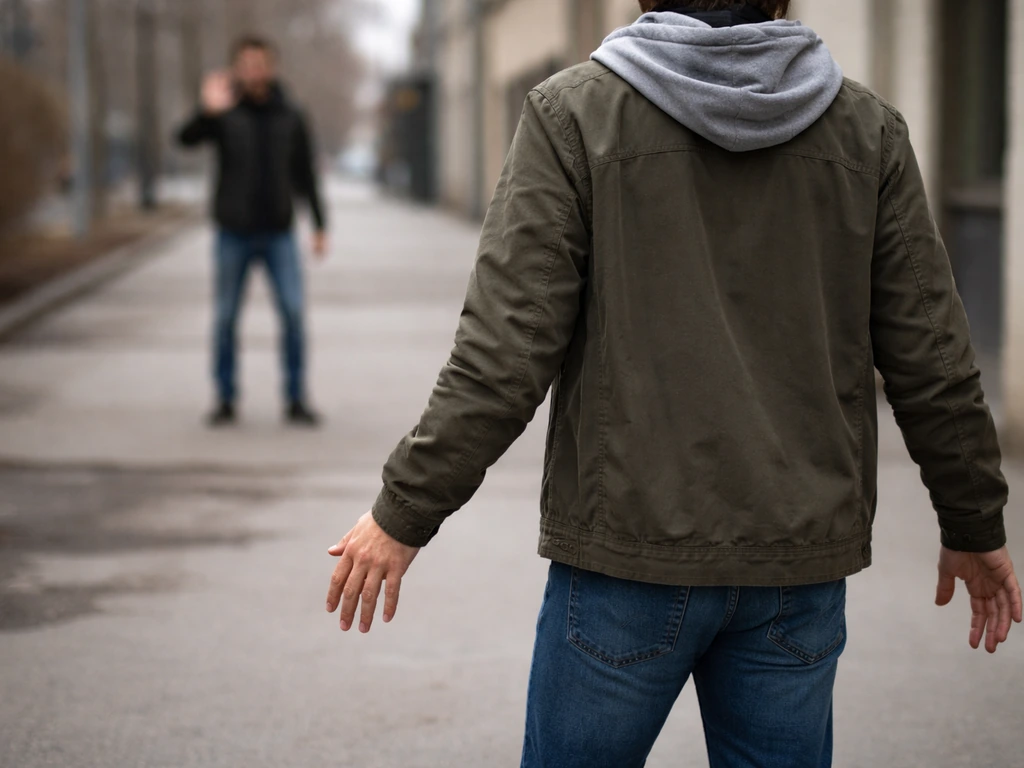
The biggest mistake most people make is mirroring the energy back. Retaliating with the same gesture, yelling, or following someone to "settle it" almost always makes things worse and can put you in genuine danger, especially in road-rage or public confrontations. In that situation, the meaning of killing a bird while driving is not about birds at all, but about the middle-finger insult and road-rage context. Here is what actually works instead.
- Take a breath before reacting. The impulse to respond immediately is strong, but a two-second pause changes your options.
- Disengage physically when it is safe to do so. In traffic, increase the distance between your vehicle and theirs. In public, move away from the person.
- Do not escalate verbally. Shouting back or returning the gesture confirms the conflict and invites more.
- In a workplace or school setting, document what happened — time, location, any witnesses — and report it through the appropriate channel.
- Decide whether the relationship warrants a conversation. With a stranger, it usually does not. With someone you know, a calm, direct conversation later (not in the heated moment) is often worthwhile.
- Check yourself honestly. Was there a trigger you contributed to? Not as a way of taking blame for someone else's behavior, but as a useful question for your own growth.
If You Witness It Happening to Someone Else or It Shows Up Online
Witnessing someone flip the bird at another person puts you in a different role. If the exchange looks like it is heading toward physical confrontation, your first job is to stay safe yourself. Do not physically insert yourself between two people who are clearly angry. If you are in a position to alert a manager, security guard, or law enforcement without escalating the situation, that is usually the right call.
If it happens online, in a comment thread, a group chat, or directed at someone on social media, the best move is to screenshot the exchange and use the platform's reporting tools. Most platforms treat a targeted obscene gesture as harassment under their community guidelines. You can also offer private support to the person it was directed at, which is often more valuable than a public response that draws more attention to the exchange.
Scripts for Different Situations
Knowing what to say in the moment (or shortly after) is one of the most practical things you can have ready. Here are straightforward, calm responses for common scenarios.
| Situation | What to Say or Do |
|---|---|
| Stranger on the road or in public | Say nothing. Increase distance. The exchange is over the moment you disengage. |
| Someone you know, in the moment | "I'm not going to engage with this right now. Let's talk when things are calmer." |
| Coworker or colleague | "That gesture is not acceptable at work. I'm going to report this to HR." Then do it. |
| Someone in a group setting (school, community) | Remove yourself from the immediate situation, then report to a supervisor, teacher, or administrator. |
| Online or social media | Do not respond publicly. Screenshot, report to the platform, and block if needed. |
| A friend or partner (recurring pattern) | "When you do that, it shuts down any chance of resolving the issue. I need us to communicate differently." |
What to Avoid Saying
- "Right back at you" — escalates and confirms the conflict.
- "You'll regret that" — sounds threatening and can be used against you.
- Anything shouted in anger — raises stakes and reduces your options.
- Lengthy public explanations online — these almost always make things worse and extend the conflict's visibility.
A Note If You Were Looking for Bird Symbolism
If you searched this phrase hoping to find spiritual or symbolic meaning around an actual bird experience, the gesture and the animal share only a slang label. It is also common for people to wonder, more literally, about what running over a bird means in different belief systems running over a bird meaning.
Real bird encounters, a bird flying into your home, a bird crossing your path, or even accidentally hitting a bird while driving, carry their own meaningful traditions in folklore, spiritual practice, and cultural symbolism. Those experiences are worth exploring on their own terms, separate from this very human, very grounded gesture. What draws you to look for meaning in these moments is itself worth paying attention to.
FAQ
Is there any time when flipping someone the bird is not serious or harmful?
Yes, between people who already have a clear joking relationship it can be used as playful sarcasm, but you should still watch for signs like prolonged eye contact, no laughter, or escalation in the other person, those cues suggest it is no longer “joke” territory.
What should I do if I see it happening in public, and I am not the target?
Keep distance and do not move in between the people. If there is any chance of physical confrontation, create space and alert on-site safety staff or call local authorities, especially in places like parking lots, bars, or at school events.
If it happened to me in a road-rage situation, is it okay to confront them verbally?
Usually no. Verbal pushback and trying to “settle it” often increases adrenaline and can turn a verbal insult into an attack, instead prioritize getting to safety, driving away, and documenting details if you can do so without stopping.
How do I tell if the gesture is just contempt or a sign the person might become violent?
Look for accompanying behavior: closing distance, aggressive body stance, repeated gestures, threats, or blocking your path. A fast gesture with laughter can be playful, but deliberate, persistent signaling with tense posture is higher risk.
What if someone flips me the bird but I do not know what I did?
Treat it as hostile intent until proven otherwise. Avoid asking “why” in the heat of the moment, step back, lower your engagement, and focus on leaving the area or ending the interaction safely.
Can mirroring it ever be a good way to “win” the interaction?
No. Even if you feel justified, mirroring the gesture commonly escalates conflict and can harm your credibility with witnesses or staff, it can also create liability if the situation turns physical.
If this happened online, is reporting always enough?
Reporting helps, but also save evidence. Screenshot the full thread, including usernames, timestamps, and any preceding context, then use the platform’s targeted harassment option rather than only the generic report category.
Should I reply to a comment or DM that uses the middle-finger gesture?
If it is targeted and hostile, the safest move is usually not to engage. Short, nonreactive responses can sometimes reduce attention, but avoid long explanations that keep the person invested in the conflict.
What is the best “short response” when I am required to keep things calm, like school or work?
Use a boundary statement and pivot away, for example: “I’m here to handle this professionally. Let’s continue without insults.” Then document the incident and involve a supervisor or staff member if it repeats.
If I am traveling, can this gesture be misunderstood?
Sometimes. Even if the middle finger does not carry the exact same slang meaning everywhere, it is still widely read as hostile. Assume it will be interpreted as disrespect, and avoid escalating or making jokes about it in public.
What if a child repeats the gesture at school or at home, what should I teach them?
Explain that it is an insult gesture, not a “joke,” and that it can get people hurt or in trouble. Teach a replacement phrase like “I’m upset” and coach them to walk away, report to a trusted adult, and do not copy what they see online.
Does flipping the bird count as harassment or something actionable legally?
It can. Workplace school policies and platform rules often classify targeted obscene gestures as harassment, and repeated or threatening incidents can increase the chance of formal action. If it is part of a pattern, keep a record and talk to the appropriate authority.
Next Articles
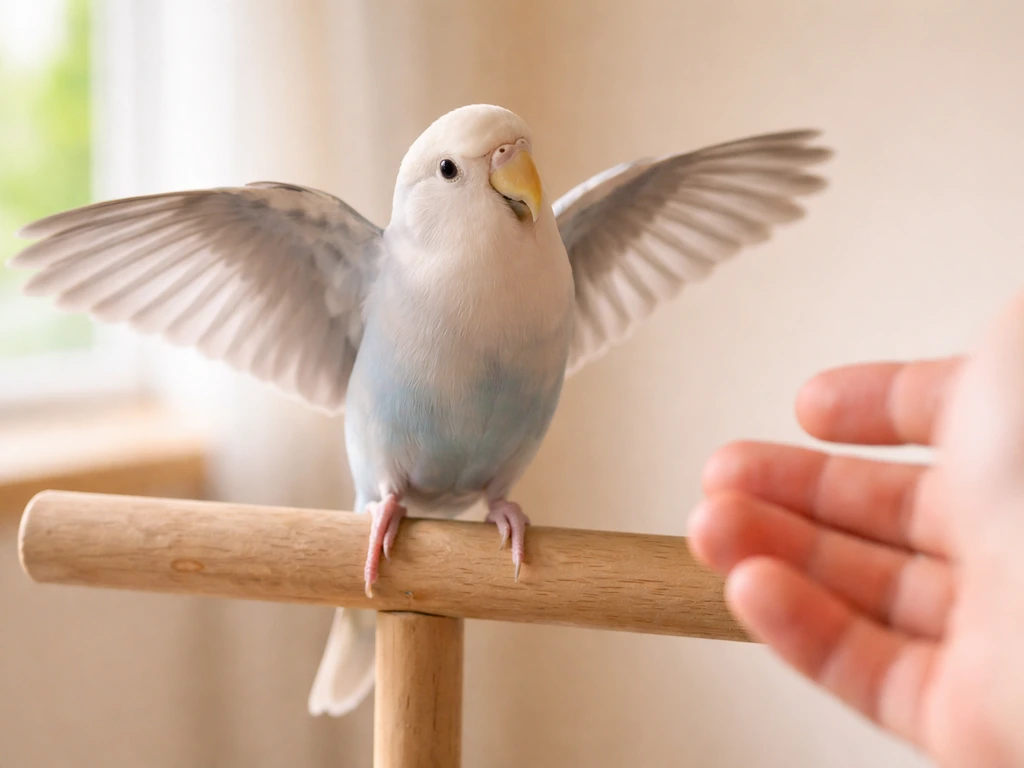
Why Is My Bird Flapping Its Wings at Me? Causes and What to Do
Understand why your bird flaps wings at you and what to do, from hormones and stress to attention and warnings.
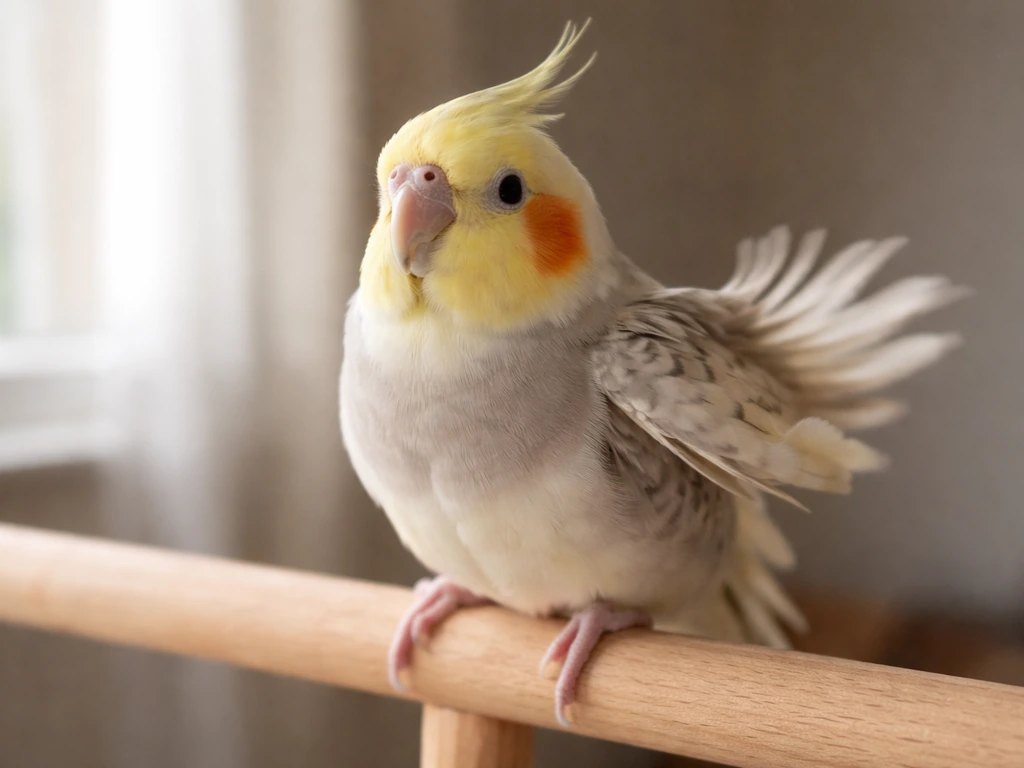
Makes My Bird Twitch Meaning: Causes, Fixes, and Red Flags
Understand why your bird twitches, what to check now, red flags, first-aid steps, and symbolic meaning safely.
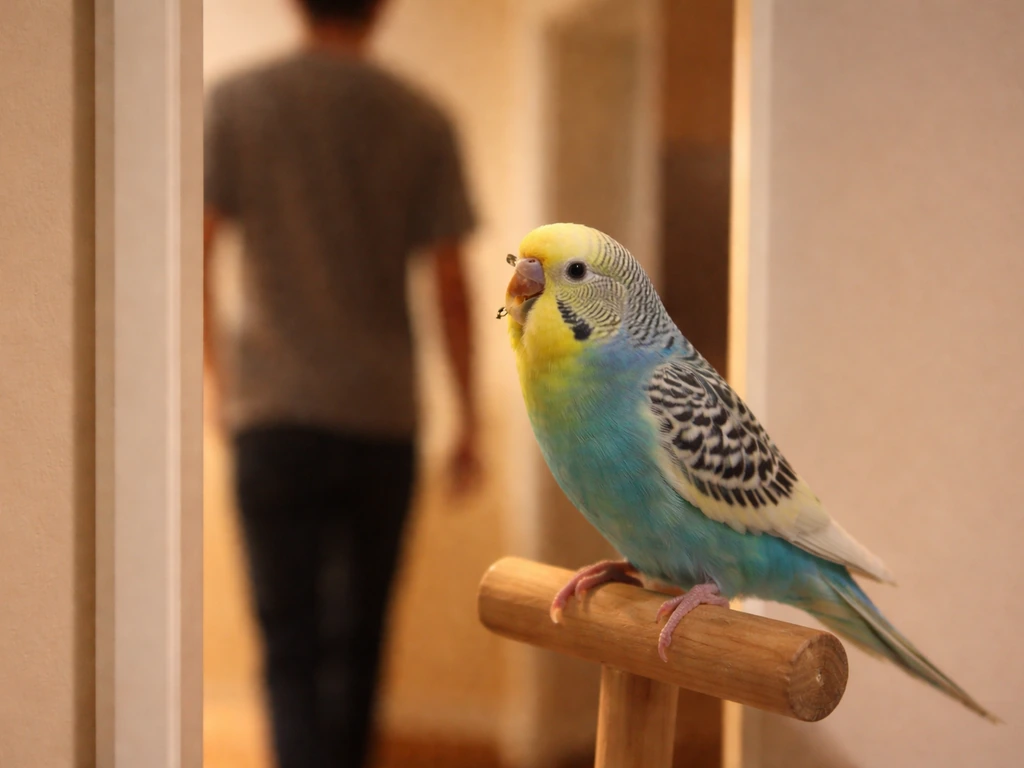
Why Does My Bird Chirp When I Leave the Room? Causes and Fixes
Understand why your bird chirps when you leave and follow a step-by-step plan to reduce stress, plus optional spiritual