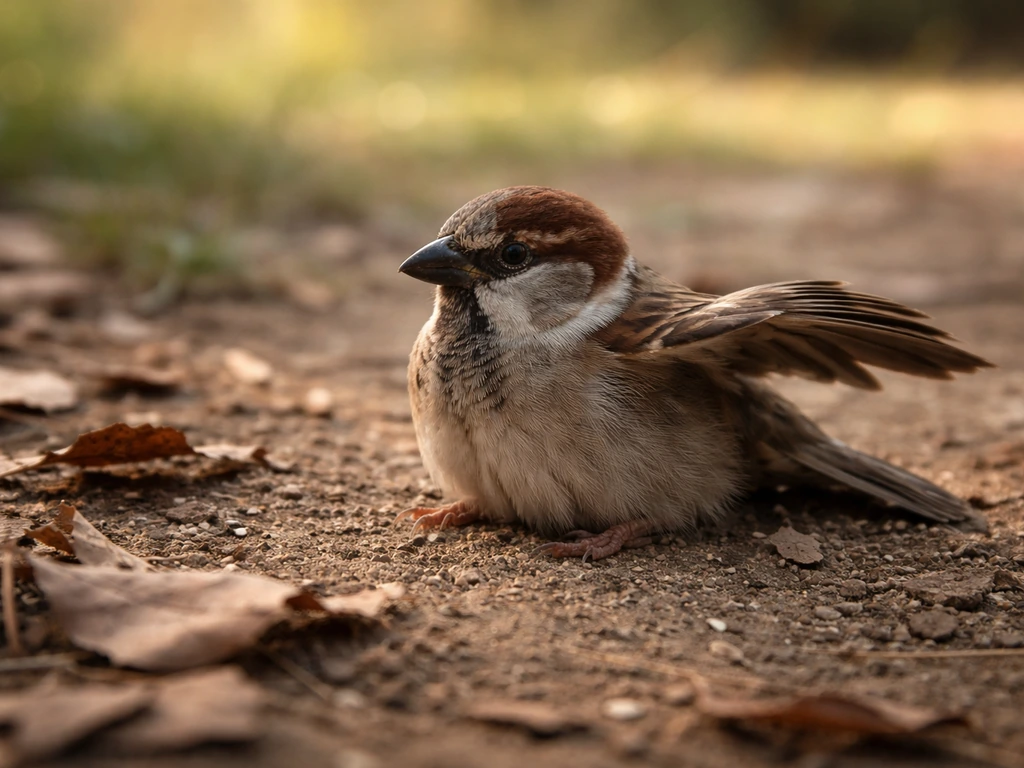
Dreaming of a sick bird most commonly points to vulnerability, emotional imbalance, or something in your life that feels fragile and needs attention. It rarely means something literal is about to go wrong. Instead, think of it as your subconscious flagging a part of you, a relationship, a creative project, or your own health that has been quietly struggling and deserves care. The specific details of the dream, what the bird looked like, how sick it was, where it was, and what you did, sharpen that general message considerably.
Sick Bird Dream Meaning: Ill Bird, Injured, Dying or Dead

Maya Hartwell
21 May 2026
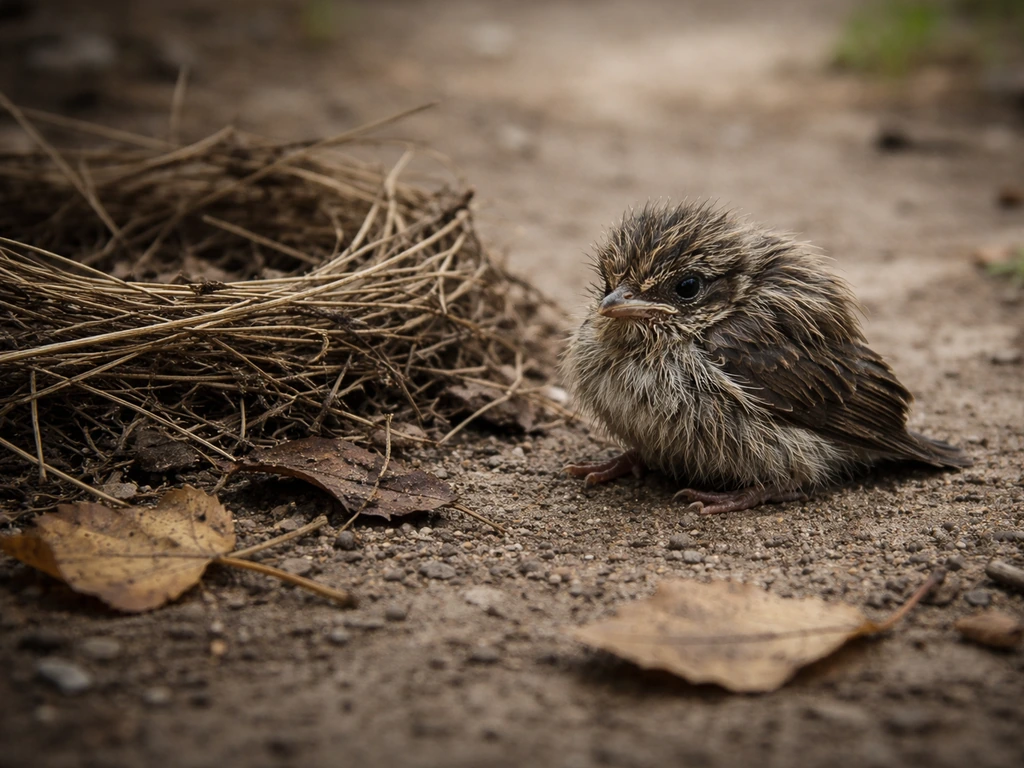
Why sick bird dreams feel so unsettling
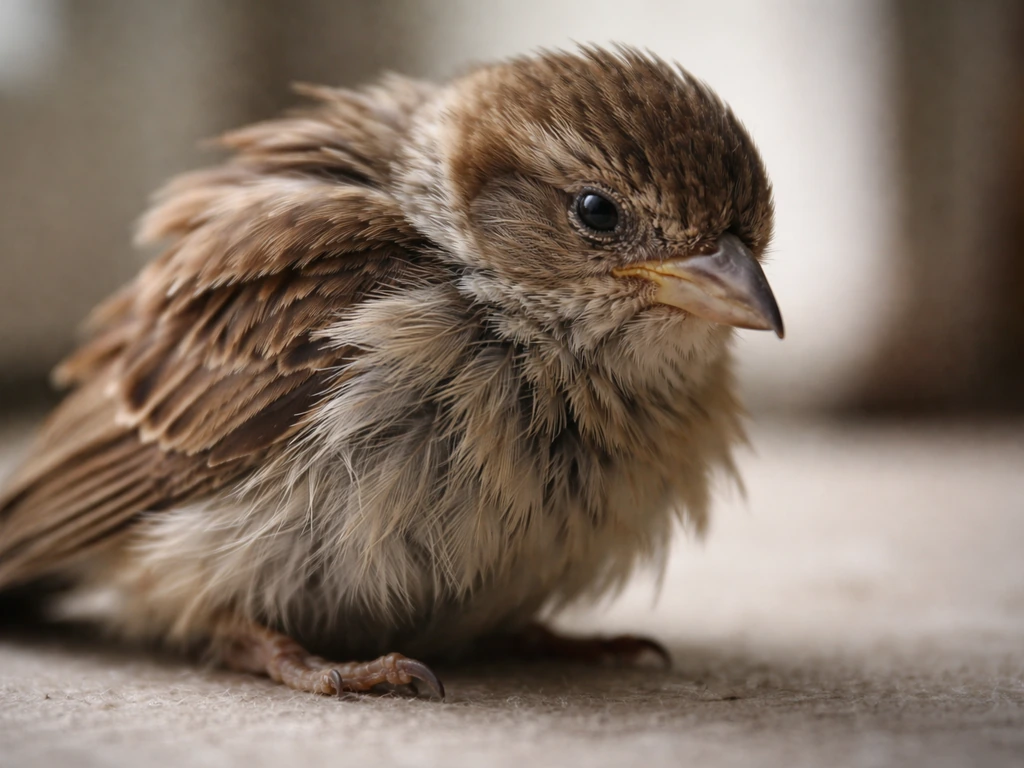
Birds in dreams carry a long tradition of meaning freedom, communication, and spiritual ascent. When one appears sick, injured, or dying in your dream, it violates that expectation in a way that sticks with you after waking. There's a gut-level wrongness to it. That emotional residue is actually useful information. Many dream researchers, including those working in the Jungian tradition, treat the feeling you wake up with as one of the most reliable clues about what the dream is processing. If you woke up grieving, anxious, or desperate to help, that emotional texture is part of the message.
From an evolutionary psychology perspective, Threat Simulation Theory suggests that vivid, distressing dream content, including sick or dying animals, can function as a kind of mental rehearsal for coping with difficult situations. That doesn't make the dream a prediction. It makes it a signal that something in your waking life is registering as a threat worth processing. Knowing that can take some of the dread out of it.
Reading the details: bird type, condition, and what you did
Not all sick bird dreams mean the same thing. The variables matter enormously, and paying attention to them helps you land on an interpretation that actually resonates with your life right now.
How sick is the bird?
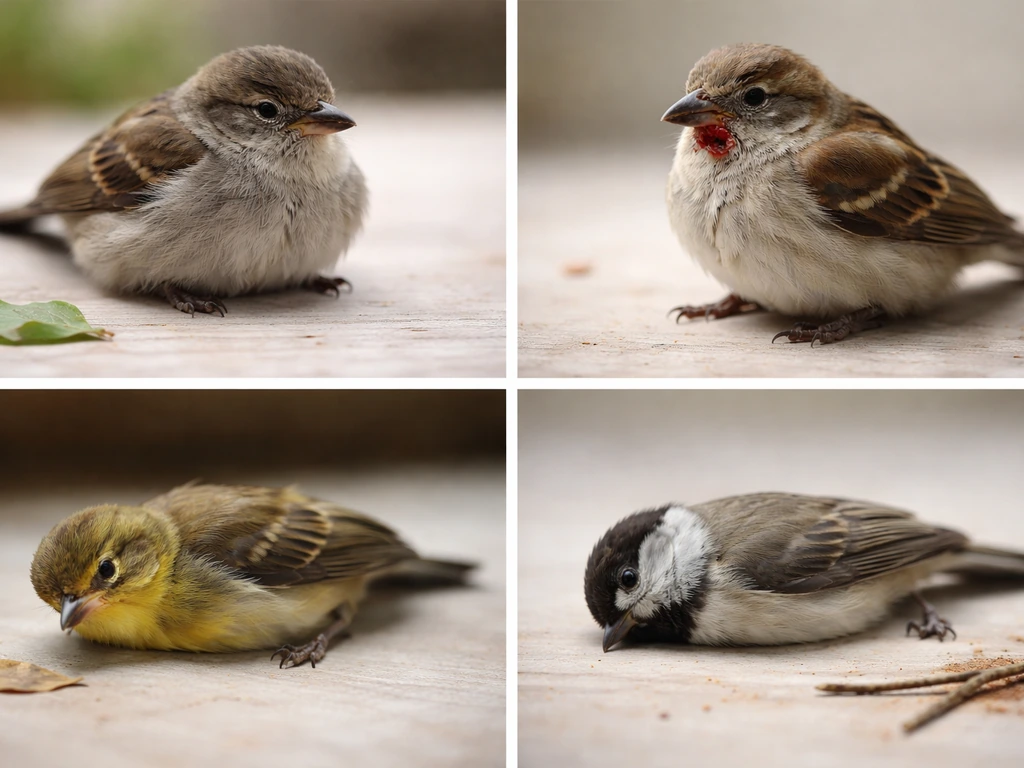
A bird that looks weak or listless but is still alive tends to symbolize something fragile that hasn't yet collapsed. There's still time to act. A bird that is visibly bleeding or severely injured intensifies the emotional urgency of the dream's message, suggesting the situation it represents has been ignored for longer or has escalated. A bird in the process of dying or already dead shifts the symbol toward endings, the closing of a chapter, or the loss of a hope, idea, or relationship. Most dream guides treat dead or dying birds as markers of a difficult period or transition, not as literal omens of physical death.
Where is the bird?
Location shapes the meaning significantly. A sick bird inside your home usually points inward, to your personal life, family dynamics, or private emotional world. A sick bird outdoors, particularly in an open or wild setting, can feel more like a commentary on your wider world: career, social life, or a larger goal. A sick bird in a cage combines two heavy symbols at once, illness and confinement, and tends to speak to something that feels both trapped and deteriorating. This overlaps with what many people report when they dream of a trapped bird generally, the sense of restriction building to a breaking point. For a deeper look at trapped bird dream meaning, consider how the restriction in the scene reflects what you feel is blocked in your waking life.
What bird species appeared?
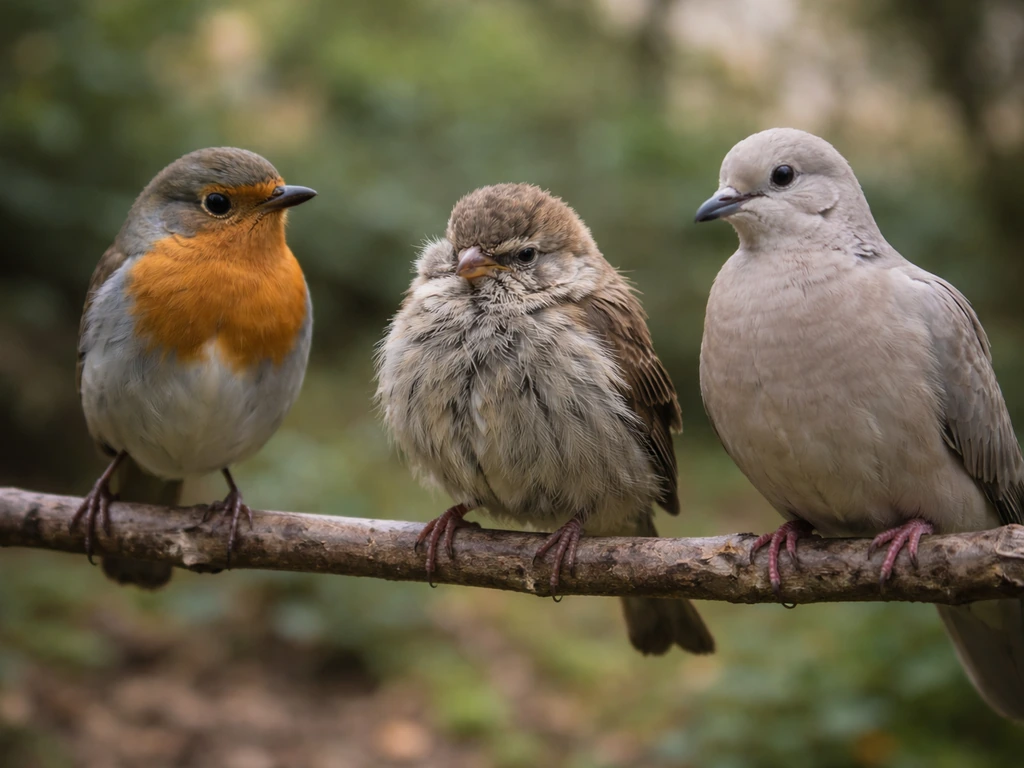
The species adds a layer of personal and cultural meaning. A sick sparrow, given the sparrow's strong associations in Christian and Jewish traditions with God's watchfulness and humility, might carry a more reflective or spiritually loaded quality. A sick raven or crow, birds long associated with transformation and prophetic insight in Celtic and indigenous traditions, may point toward a disrupted message or stalled transformation. A sick dove, traditionally a symbol of peace and communication, might signal that a relationship or inner peace has been compromised. If the bird is one you personally love or associate with a specific memory, that personal resonance always takes priority over cultural generalizations.
What did you do in the dream?
Your behavior inside the dream is arguably the most telling element. Trying to rescue or heal the bird suggests you are in a caretaking role in waking life, possibly to the point of exhaustion, or that you feel a strong pull to fix something that may be beyond your control. Watching the bird suffer without acting can reflect feelings of helplessness or avoidance around a real situation. Ignoring the bird entirely might point to suppressed awareness of something you are not ready to confront. Feeding or comforting the bird is a hopeful sign, associated in many energy-healing frameworks with recovery, renewal, and the beginning of a healing arc.
Spiritual and omen-style interpretations
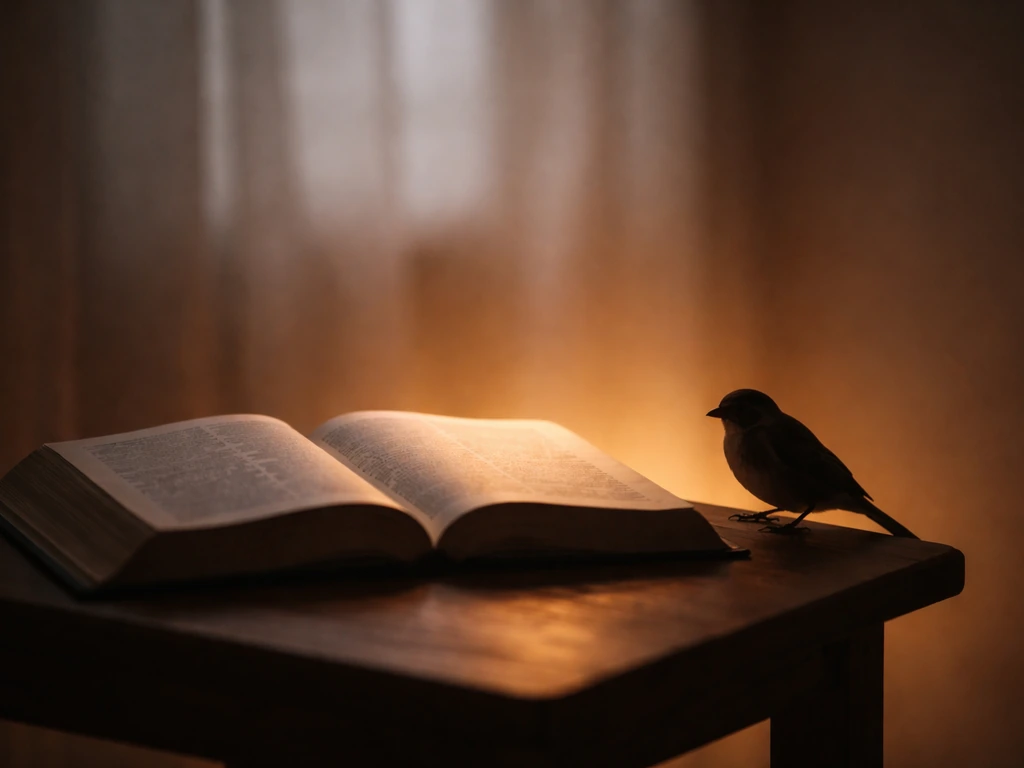
Across many spiritual traditions, birds function as messengers between the earthly and unseen realms. When the messenger appears sick or unable to fly, the symbolic reading shifts: the channel of communication, whether that means your intuition, your spiritual practice, or your connection to something larger than yourself, feels blocked or wounded. Several metaphysical and omen-style frameworks interpret this as a cautionary signal, not a curse, but a nudge to pay attention.
In folklore-influenced dream reading, a bird that cannot fly due to illness or injury is often mapped to thwarted aspirations or suppressed freedom. The grounded bird represents something in you that was meant to soar but is being held back, either by external circumstances or inner resistance. Sri Lankan folklore, for instance, treats certain bird calls as portents of difficulty ahead, which illustrates how widely spread the idea of birds as warning messengers is across cultures. The Western dream-dictionary tradition tends to soften this to emotional distress, despair, or a period of disappointment rather than literal doom.
If you work with energy or cleansing frameworks, a sick bird in a dream is frequently read as a call to restore balance: something in your environment, relationships, or inner life is depleted and needs healing attention. Dreaming that you successfully healed or released the bird is often interpreted as a positive forecast for recovery and renewal.
Psychological and life-context interpretations
If the spiritual framing doesn't resonate with you, the psychological lens is equally coherent and just as actionable. Jungian analysts would caution against treating any dream symbol as having a fixed, universal meaning. Instead, the question is: what does a sick bird mean to you personally, and what is happening in your life right now that this image might be reflecting? If you are wondering what does dreaming of a bird mean, this same approach can help you connect the symbol to your emotions and your current circumstances.
Several common life situations tend to generate sick or dying bird dreams. Anxiety dreams in general, including those involving ill animals, are strongly linked to daytime stress levels. If you have been carrying a heavy caretaking burden, worrying about someone's health, grieving a loss, or pushing through creative burnout, the sick bird is an almost textbook anxiety image. It externalizes something fragile that you have been managing internally.
There is also the angle of neglected self-care. If the bird in your dream represents you, which is a common interpretive move in depth psychology, its sickness might be your mind's way of surfacing the fact that you have been running on empty. The specific condition of the bird can map to how severe that depletion feels subconsciously, a limping bird for low-level fatigue, a visibly bleeding or dying bird for something that has been ignored for a long time.
Fear for someone else's health is another frequent trigger. If someone you love has been unwell, or if you have had a nagging worry about your own health that you haven't addressed, the dream may simply be giving form to that anxiety. Clinical sources are clear: dreaming about illness or death does not mean those things will happen. It means your mind is processing fear around them.
Biblical and reflective angles
For readers who approach dreams through a biblical or spiritually reflective lens, birds carry significant weight in scripture. Matthew 10:29 and Luke 12:6 both reference sparrows specifically to illustrate that even the smallest, most vulnerable creatures are not overlooked by God. A dream about a sick sparrow, read through this lens, is less an omen and more an invitation to reflect on God's attention to fragility, including your own.
The stewardship angle is worth sitting with. Christian teaching around birds frequently connects God's care for them to our own call to respond with compassion and attentiveness toward vulnerable life. If you dreamed of a sick bird and felt moved to help it, that impulse can be read as a moral and spiritual cue: where in your waking life is something vulnerable being overlooked, by you or by others? The Talmudic tradition also uses birds symbolically in teaching about holiness and moral attentiveness, reinforcing that across Jewish and Christian frameworks, the bird is rarely just a bird. It is a prompt toward humility and care.
The key distinction in a biblically informed reading is to hold the dream as an invitation to reflection rather than a prophecy or a judgment. The takeaway is compassionate, not fearful.
How the sick bird compares to related bird dreams
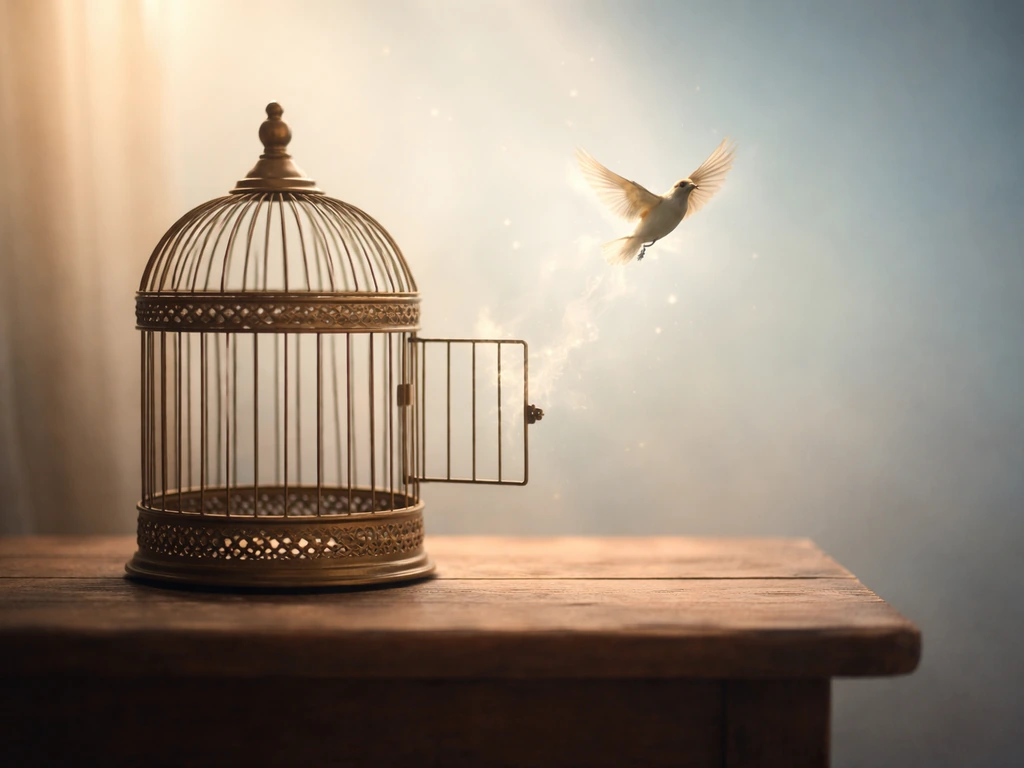
It helps to know where this dream sits relative to others in the same family. Dreaming of an injured bird is the closest sibling: the injured bird tends to emphasize a specific wound or breach, while sickness implies a more systemic, ongoing depletion. A dream about killing a bird carries a more decisive energy, often pointing to the deliberate ending of something. Eating a bird dream tends to be about absorption or taking something in. An empty birdcage points to absence and what has already been lost or freed, while a trapped bird dream focuses more on constriction before any deterioration has set in. Setting a bird free is generally the resolution that many of these other dreams seem to be building toward. The sick bird dream sits in the middle of that arc: something is wrong, but it hasn't resolved yet, and your response in the dream (and in waking life) still matters. If you are comparing this to the broader bird in dreams meaning, remember that the sick detail usually shifts the message toward something vulnerable needing care rather than a purely literal omen.
What to do today: practical next steps
The most useful thing you can do right now is write the dream down in as much detail as you remember, specifically the bird's condition, its location, the species if you can identify it, and what you did. Then sit with three questions:
- What in my life right now feels fragile, stuck, or depleted?
- Is there a person, relationship, project, or part of myself that I have been neglecting or feel helpless about?
- What would it mean to actually tend to that thing today, even in a small way?
If prayer or meditation is part of your practice, use the image of the sick bird as a focal point. Ask what it represents and sit with whatever surfaces without forcing an answer. If you work with affirmations, a simple reframe, something like 'I am attending to what is fragile with care and intention', can shift the emotional residue the dream left behind.
On the practical side: check in with the people you have been quietly worrying about. If you have been postponing a health appointment of your own, let this dream be the nudge. If the dream feels tied to creative or professional stagnation, identify one small action you can take today to unstick that energy. The dream's message, across nearly every framework, is not 'give up' but 'pay attention now, before it gets worse.'
When to take the dream more seriously
One vivid sick bird dream is usually just that: a single, meaningful image that deserves reflection but not alarm. However, there are situations where the dream is worth treating as a more concrete prompt.
- If you have been experiencing recurring nightmares about sick, dying, or dead birds and waking up distressed, that pattern of disturbing dreams can be linked to anxiety, sleep deprivation, or unresolved stress and is worth addressing directly rather than just interpreting symbolically.
- If the dream is connected to a real, nagging worry about your health or someone else's, use it as permission to make that doctor's appointment or have that conversation you've been putting off.
- If the dream leaves you with intrusive thoughts during the day, or if you are spending significant mental energy trying to decode it out of fear, that level of anxiety deserves support. A therapist familiar with anxiety or sleep issues, including approaches like Imagery Rehearsal Therapy for nightmare disorder, can genuinely help.
- If you are already going through a period of grief, major life transition, or chronic stress, the sick bird dream is almost certainly a reflection of that. Addressing the waking-life source, through therapy, community, or intentional self-care, is more effective than any dream interpretation alone.
Clinical sources are consistent on one point: disturbing dream content, including dreams about illness and death, does not predict the future. It reflects the present. And the present is always something you can work with.
What feels true to you about what you saw? That question, held honestly, will lead you further than any single interpretation can.
FAQ
Does a sick bird dream ever mean an actual person is going to get sick soon?
Usually no. The dream is best treated as processing your fear or worry in a symbolic way. If the dream matches a real, current concern, use it as a reason to take a practical step (check in with someone, schedule the appointment), not as a prediction.
What if I woke up feeling numb or indifferent instead of anxious or sad?
That emotional tone matters. Indifference can suggest avoidance, emotional shutdown, or that the issue feels “on mute” in your mind. When possible, reflect on what you have been reluctant to face (even gently), because the dream may be pointing to a neglected signal rather than an urgent threat.
How should I interpret it if the bird is already dead in the dream?
A dead bird tends to symbolize an ending, lost hope, or a part of you that stopped trying. A helpful next step is to identify what “chapter” ended recently or what you are emotionally done with, then ask whether you need closure, rest, or a new beginning.
My dream had a sick bird outside, but in a specific neighborhood or park. Does that location change the meaning?
Yes. A recognizable outdoor place often ties the symbol to your real-world environment or routine. Ask what that place represents for you (work pressure, social life, safety, freedom). If you cannot recall a clear place, use the broader theme, like “public life” or “community.”
What does it mean if I tried to heal the bird, but it kept getting worse in the dream?
That pattern often reflects caretaking without effective control, exhaustion, or feeling responsible for outcomes you cannot manage. Consider whether you are overextending yourself, then choose one boundary or request for help you can realistically make in waking life.
What if I saw the bird in a cage, but I never tried to free it?
Caged-with-no-action can point to staying stuck, tolerating deterioration, or delaying a needed change. It may help to translate it into a small real-world action today (make one decision, start one conversation, change one routine) that loosens the “cage.”
Does the bird’s species always matter, or can I ignore it?
Species helps, especially if you personally associate that bird with a memory, belief, or personality trait. If you cannot identify it, do not force it. Instead, focus on the bird’s behavior (flying, hopping, trembling) because those details often carry the core emotional message.
How do I interpret the dream if I felt relief after the bird died or was released?
Relief can indicate you are ready to let go or that you are processing relief from stress. The dream may be validating that an attachment is finished. Still consider what “released” means for you, so you distinguish healthy closure from emotional avoidance.
Is dreaming of a sick bird the same as dreaming of an injured bird?
They overlap, but sickness often reads as prolonged depletion or ongoing imbalance, while injury more strongly emphasizes a specific wound, breach, or recent harm. If you have both themes across different dreams, compare timing: injury can feel more immediate, sickness can feel more like a slow buildup.
What should I do if these dreams keep happening frequently?
Frequency suggests the mind is still working through an unresolved theme. Keep a short log (triggering events during the day, your emotions on waking, where the dream takes place) and look for patterns. If anxiety is high or sleep is disrupted, consider discussing it with a qualified mental health professional.
Could this dream be linked to my health anxiety or a pending medical worry?
Yes, it can. When the dream mirrors a real concern, the most useful approach is action-oriented: note what you are worried about, address the next concrete step (symptom check, appointment, lifestyle support), and limit rumination by setting a “worry window” so sleep is protected.
How do I avoid overreacting or spiraling after the dream?
Treat it as information, not a verdict. Use a grounding step like writing the dream details, then choosing one manageable action (check on someone, schedule care, do one small task). If you find yourself searching for omens, pause and return to the question of what feels fragile in your current life.