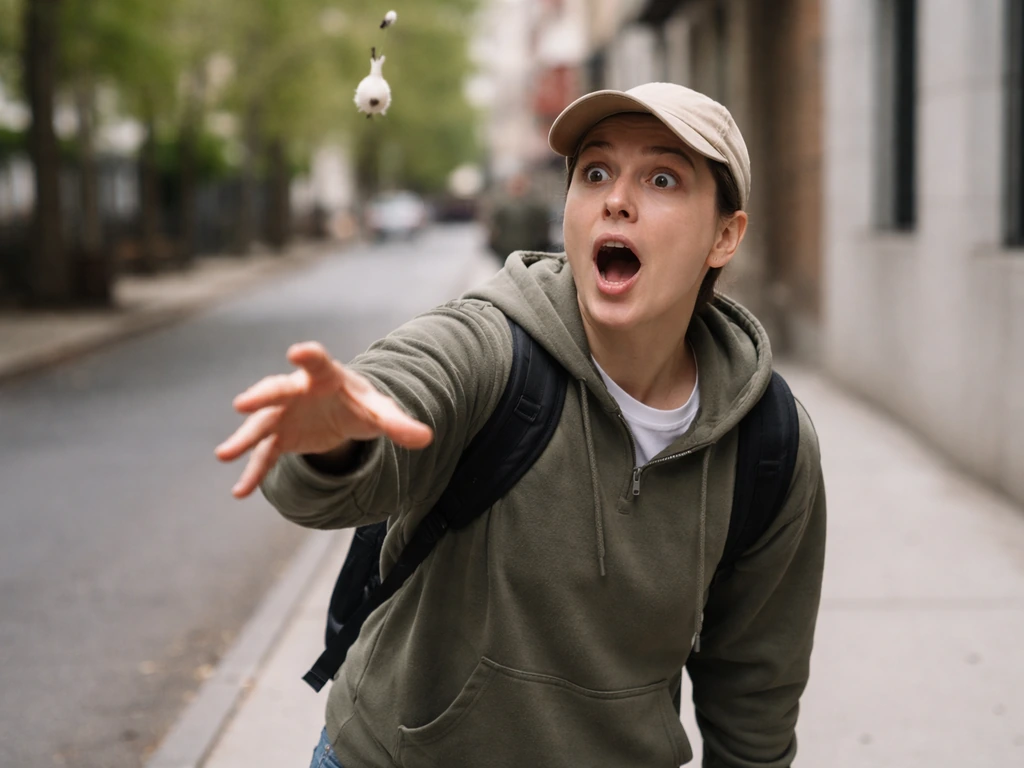
Getting pooped on by a bird is one of those moments that stops you cold. You're going about your day, and then, splat. Your first instinct is probably to look around and see if anyone noticed, then figure out how to clean it up. But a lot of people find themselves doing something else too: wondering what it means. That wondering is completely reasonable, and this article is built to answer both needs at once. We'll cover exactly what to do in the next few minutes, what the health realities actually are, and then dig into the rich web of spiritual, symbolic, biblical, and folkloric meanings that people across cultures have attached to this very specific kind of bird encounter.
Getting Pooped on by a Bird Meaning: What It Could Signify

Maya Hartwell
14 Apr 2026
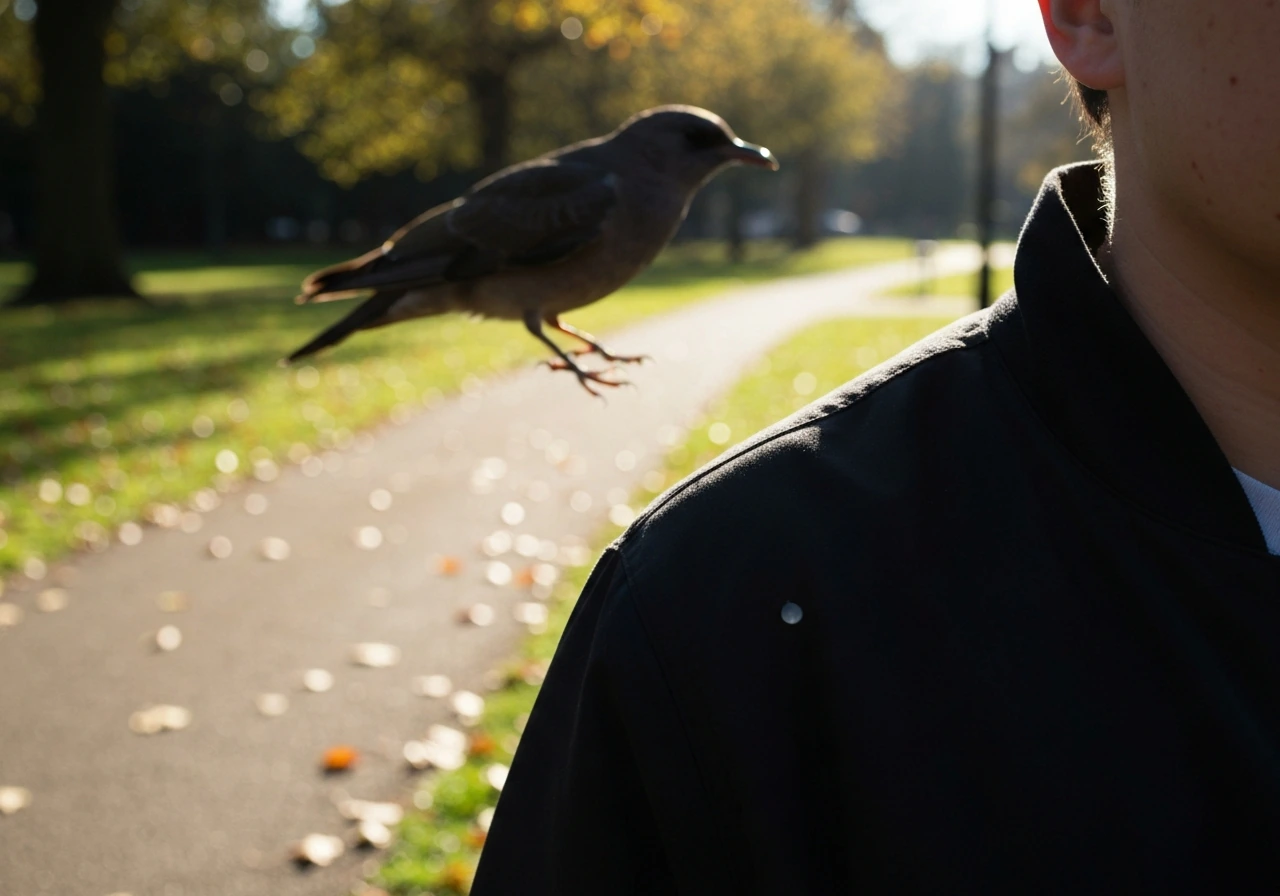
Why birds poop on people (the literal, unsexy explanation)
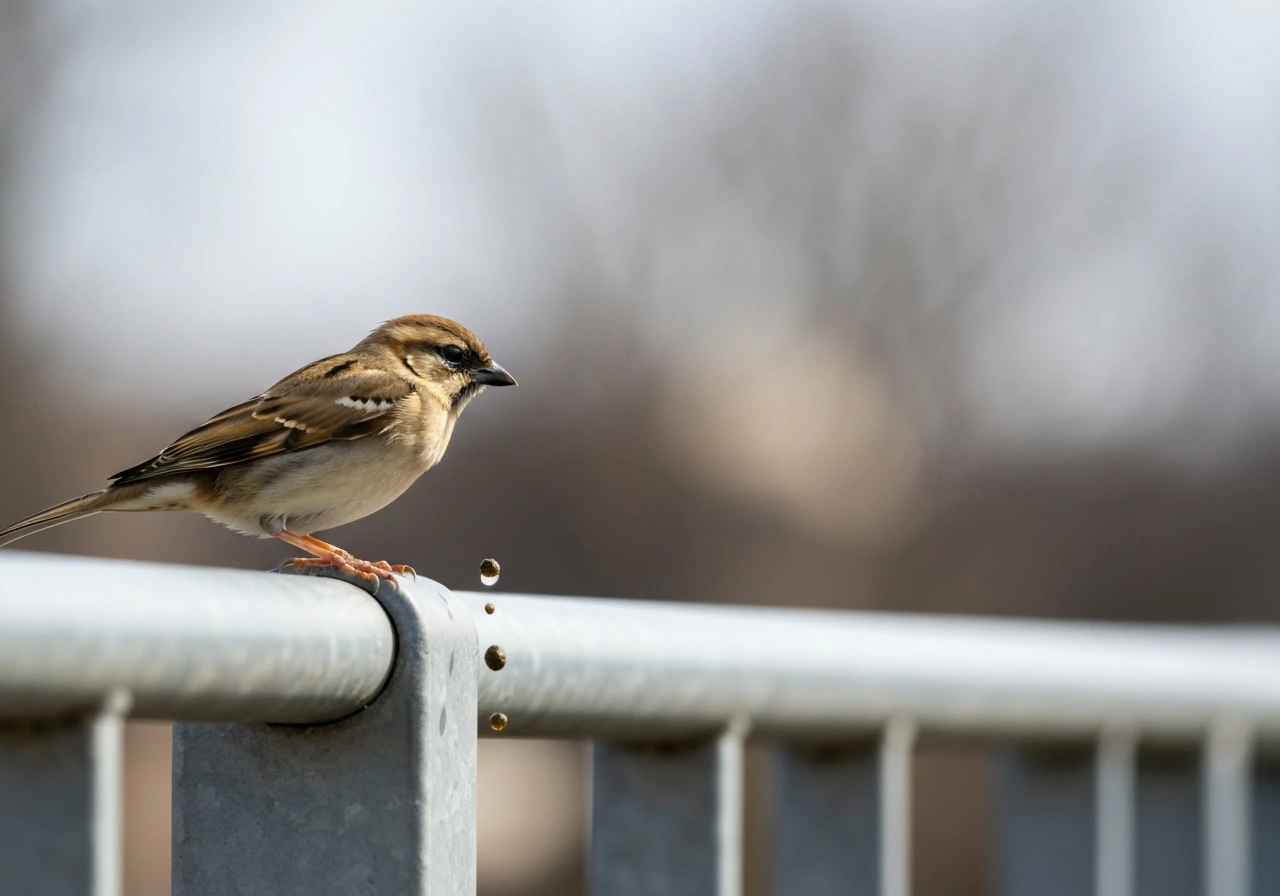
Birds don't target you. They don't hold grudges. The biology here is pretty simple: birds have no sphincter control the way mammals do, so they eliminate whenever the urge hits, mid-flight especially, because offloading weight helps them fly more efficiently. If you're standing under a tree, a power line, a bridge, or a popular roosting ledge, you're in the drop zone. Pigeons, gulls, starlings, crows, and sparrows are the most common culprits simply because they're the birds most comfortable in human-populated spaces. High-traffic areas with overhead perches are prime territory. Morning hours are particularly risky because birds tend to be most active and feeding early in the day, which means their digestive systems are running on full. If you're eating outside, food smells can also attract birds close enough overhead that a flyover becomes a direct hit.
The probability of a direct hit is genuinely low, which is part of why so many people feel the event carries some significance. It's random, yes, but randomness that feels pointed has a way of demanding interpretation. That feeling is where the spiritual and symbolic readings come in.
Clean it up the right way, then reduce your chances of a repeat
Immediate cleanup

If it landed on your skin or clothes, clean it off promptly and wash the area with soap and water. Don't scrub dried droppings into powder, the main health risk from bird droppings comes from inhaling aerosolized particles, not from skin contact itself. The CDC notes that even routine cleanup of droppings, like wiping a windowsill, doesn't pose a serious health risk for most people as long as you use practices that prevent dust from spreading. That means: dampen the droppings before wiping (a wet cloth or paper towel works well), avoid vigorous scrubbing, and don't use pressurized water or air on dried deposits. If you got droppings in your eyes or mouth, rinse immediately and thoroughly with clean water, those are the exposures that warrant closer attention. For surfaces like a car hood or outdoor furniture, the same rule applies: wet it, wipe it gently, disinfect.
For anyone dealing with a larger accumulation, say a balcony or rooftop that birds have been using repeatedly, the CDC and NIOSH recommend respiratory protection (an N95 respirator at minimum) because repeated disturbance of large deposits can aerosolize fungal spores linked to histoplasmosis. NPS warns that stirring up dust from areas contaminated with large quantities of bird or bat droppings can increase risk for histoplasmosis, and recommends avoiding dusty or tampered areas to reduce exposure blank" rel="noopener noreferrer">histoplasmosis fungal spores. NIOSH/CDC workplace guidance on histoplasmosis explains that exposure risk is linked to breathing in fungal spores and that disturbing large accumulations of bird or bat droppings can be a route of exposure blank" rel="noopener noreferrer">disturbance of large deposits can aerosolize fungal spores linked to histoplasmosis. For a single fresh dropping on your jacket, no respirator needed, just common-sense hygiene.
Preventing future visits
The most effective prevention is simply changing where you stand and when. Avoid sitting or pausing under obvious perch points: dense tree canopy, power lines, building ledges with visible roosting activity, or outdoor dining areas that pigeons frequent. Morning hours are higher risk. If you have a patio or outdoor space that birds are using repeatedly, physical deterrents like bird spikes, reflective tape, or motion-activated sprinklers are the most reliable tools. The CDC's guidance on histoplasmosis specifically emphasizes prevention at the source, stopping droppings from accumulating in the first place is the gold standard, both for health and for reducing the encounter frequency altogether.
What does it spiritually mean to be pooped on by a bird?

Across an enormous range of cultures and time periods, being struck by bird droppings has been read as a sign, and remarkably, most traditions read it as a positive one. The core logic runs something like this: the odds of a direct hit are so low that the event feels chosen, intentional, almost impossible to dismiss as pure chance. That's the seed of spiritual meaning. When something rare and unexpected happens to you specifically, many belief systems interpret that as the universe, a deity, or a larger force trying to get your attention. The meaning of bird poop on you has been explored across dozens of traditions, and the throughline is almost always one of transformation, luck, or a nudge toward awareness.
In metaphysical frameworks, birds are consistently understood as messengers between the earthly and the divine. Their ability to fly, to exist between earth and sky, positions them as liminal creatures, beings that bridge what's visible and what isn't. When one singles you out (even accidentally), some spiritual traditions interpret that as a message delivered. The question is what message. That depends on the context, which we'll walk through below.
Luck, cleansing, warning: how different traditions read this moment
The most widely known interpretation is luck. In Russian folklore, bird droppings landing on a person, or on their property, are considered a sign of incoming financial good fortune. The same belief shows up in Turkish culture, parts of Eastern Europe, and in various strands of American folk belief. The logic is sympathetic: something unpleasant happens, so something good must follow to balance it. Some people take it a step further and buy a lottery ticket immediately after the incident, which has become something of a running cultural joke that still carries genuine folk-belief weight.
A second major interpretation is cleansing or purification. In this reading, the dropping represents the release of something you've been carrying, guilt, stagnant energy, a pattern you're stuck in. The bird, as a spiritual messenger, delivers an unexpected disruption that forces you to stop, reassess, and clean up, literally and metaphorically. Some practitioners of energy work or shamanic traditions see it as the bird absorbing and carrying away heavy energy on your behalf. It's uncomfortable, but it's meant to clear something.
A third interpretation is a wake-up call or reality check. If you've been moving through life on autopilot, distracted, or avoiding a decision, the sudden jolt of a bird dropping can be read as a sign to pay attention. It's hard to ignore. Something in the universe, this reading suggests, wanted to interrupt your momentum and redirect your awareness. The idea that someday a bird will poop on you has even been used as a metaphor for unexpected disruption that ultimately refocuses your priorities.
Finally, some traditions read the event as protection. The bird absorbed or deflected something negative that was headed your way, the dropping is the mark of that deflection. Think of it as the universe's version of a near-miss notification. Uncomfortable, yes. But better this than whatever was coming.
Biblical and folklore angles
The Bible doesn't address bird droppings directly as an omen, but birds occupy significant symbolic space throughout scripture. Doves represent the Holy Spirit and divine peace. Ravens are used as messengers and providers (God sends ravens to feed Elijah in 1 Kings 17). Sparrows appear in Matthew 10:29 as creatures watched over individually by God, suggesting that even small, seemingly insignificant bird encounters aren't beneath divine notice. Within this framework, some Christian-adjacent spiritual thinkers interpret bird encounters, including unexpected ones, as reminders of divine presence and care, rather than omens in the traditional sense.
Celtic and Norse folklore placed birds firmly in the role of divine messengers and soul-carriers. The raven was sacred to Odin; the wren held spiritual significance in Irish tradition. Unexpected contact with a bird, any kind, was often taken as a signal from the other world or from an ancestor. In many indigenous North American traditions, birds are similarly understood as carriers of spirit messages, and an unusual or intimate bird encounter is taken as an invitation to reflection, not an accident to dismiss.
In Hindu tradition, certain birds are considered vahanas (vehicles of deities): the Garuda carries Vishnu, the peacock is associated with Kartikeya. A bird interaction in this context might be interpreted through the lens of which deity the bird is associated with, making the bird type particularly meaningful. Japanese omamori (charm) culture and Shinto belief similarly attach spiritual weight to unexpected animal encounters, often reading them as messages from kami (spirits).
How to figure out what this means for you specifically
The most honest thing I can tell you is that a universal meaning doesn't exist, but a personal meaning might. The way to find it is to walk through the specific details of your encounter rather than accepting a one-size-fits-all answer. The meaning of seeing a bird poop shifts considerably depending on these contextual factors, and your situation is no different. Here's the checklist I'd use:
- Where did it happen? A busy city street carries different energy than a quiet garden or a sacred or meaningful location. Being hit at a cemetery, a church, a place you associate with a deceased loved one, or during a significant life event adds interpretive weight.
- What time of day was it? Morning encounters are often linked to new beginnings and fresh starts across many traditions. Midday can represent clarity and peak energy. Evening or dusk is associated with transition and endings.
- Was this a one-time event or has it happened repeatedly? A single incident is easy to dismiss as coincidence. Two or three occurrences in a short period is harder to ignore and more likely to be interpreted as a pattern or persistent message.
- What type of bird was it, if you know? A crow or raven carries very different symbolic weight than a sparrow or a dove. Crows are associated with intelligence, transformation, and the liminal in many traditions. Sparrows with simplicity and groundedness. Seagulls with freedom and navigation.
- What were you thinking about or dealing with at the time? If you were mid-conversation about a major decision, mourning a loss, celebrating something, or feeling stuck — the timing is worth noting. Many spiritual frameworks suggest that messages arrive when we're most receptive or most in need.
- How did you feel in the immediate aftermath? Shock is normal, but notice what came after it. Annoyance? Laughter? A strange sense of calm? A feeling that something shifted? Your emotional response is often the most direct data point about what the encounter means for you personally.
If you want to go deeper on specific scenarios, what it means when a bird poops on your head specifically has its own symbolic tradition, the head being associated with the mind, consciousness, and spiritual connection makes a head-landing particularly significant in many frameworks. And if you experienced this in a dream rather than waking life, that's a different interpretive track entirely: the dream meaning of bird poop has a rich body of interpretation that draws on both Jungian symbolism and folk dream traditions.
Similarly, if the incident involved your property rather than your body directly, context matters. The symbolic meaning of bird poop on your car has its own set of traditional readings, often leaning toward financial themes or the need to examine where you're headed. And if the dream version of this is what brought you here, dreaming of a bird pooping on your head adds yet another layer worth unpacking separately.
When to treat this as a health issue, not a spiritual one
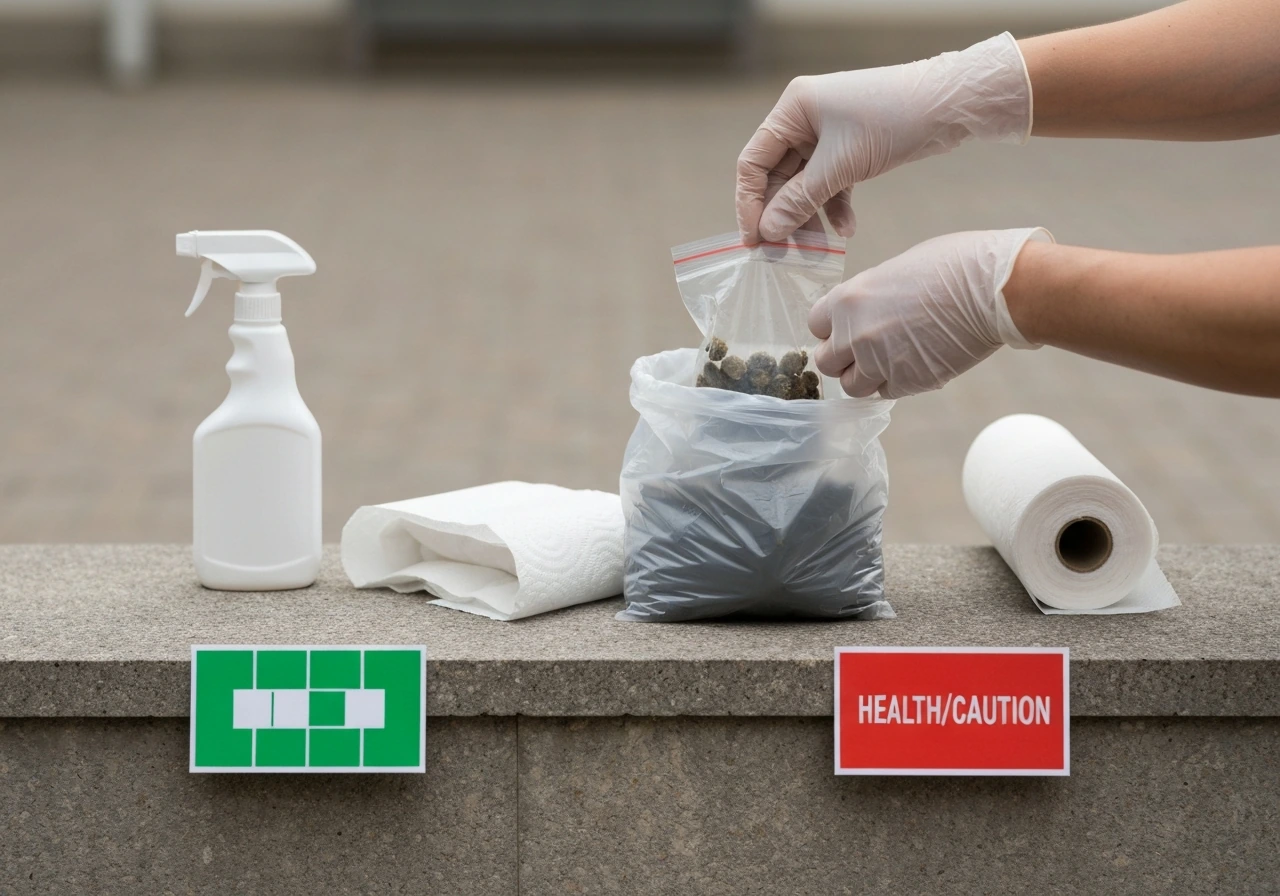
Most of the time, a single bird dropping on your jacket is not a medical event. The NYC Department of Health confirms that routine cleanup of bird droppings doesn't pose a serious health risk for most healthy adults. That said, there are real diseases associated with bird feces that are worth knowing about, not to cause alarm, but to help you make a grounded decision about when to consult a doctor.
| Disease | How it spreads from droppings | Symptoms to watch for | When to seek care |
|---|---|---|---|
| Histoplasmosis | Breathing in fungal spores from disturbed dried droppings (especially large accumulations) | Fever, cough, chest pain, fatigue, chills — appearing 3 to 17 days after exposure | If respiratory symptoms develop within 3 weeks after significant exposure to large deposits |
| Psittacosis | Breathing dust from dried droppings or secretions of infected birds (especially parrots, parakeets) | Fever, headache, muscle aches, dry cough | If you've had close contact with a sick bird and develop flu-like symptoms |
| Avian Influenza (Bird Flu) | Contact with feces, saliva, or mucous from infected birds | Fever, respiratory symptoms, conjunctivitis | Promptly if you touched an obviously sick or dead wild bird and develop any of these symptoms |
| Salmonella / E. coli | Contact with contaminated droppings and then touching face/mouth | Gastrointestinal symptoms: nausea, vomiting, diarrhea | If GI symptoms are severe or persist more than 48 hours |
For a typical encounter, one fresh dropping on your skin or clothing, cleaned off promptly with soap and water, no medical follow-up is needed. The situations that warrant more caution are: getting droppings directly in your eyes or mouth, repeated or large-scale exposure to accumulated dried droppings, any direct handling of visibly sick or dead birds, or exposure if you are immunocompromised. In those cases, call your doctor and describe the exposure clearly. The CDC's guidance on avian influenza specifically advises against touching surfaces contaminated with feces from birds suspected of infection, so if there's any reason to believe the bird was acting abnormally, err toward caution and wash thoroughly.
The practical and the symbolic don't have to compete here. Wash up, note how you feel physically over the next few days if exposure was more significant, and then, once the practical box is checked, give yourself full permission to sit with the experience and ask what it might mean for you. Those two things can coexist without one undermining the other. The moment was real. The cleanup is necessary. And the meaning, if you find one, is yours to keep.
FAQ
Is there a difference between a fresh bird dropping and dried droppings for health risk?
If it happens once and you clean it right away, it is usually treated as a nuisance, not a health problem. Be more cautious if the bird was acting strangely (lethargic, disoriented, fluffed up, not flying normally), because that can raise the stakes for infection risk. In that case, wash the area thoroughly, avoid touching your face until you are clean, and consider contacting a clinician for guidance if you were exposed to your eyes or mouth.
Does it matter whether it was a one-time accident versus the bird returning to the same spot?
Yes. If you are trying to interpret the “meaning of getting pooped on by a bird,” note whether the bird contacted you intentionally (perched close, repeatedly returning to the same spot) versus a one-off pass. Repeated targeting by the environment often points more to practical prevention and “patterns,” while a single surprise event is more commonly framed symbolically as an attention-getting message.
What is the best way to clean bird poop off clothes or shoes without making it worse?
For clothing, promptly remove or isolate the item if it got heavily soiled, then wash with normal detergent using the warmest setting the fabric allows. If the droppings dried, wet the spot first before handling to avoid turning debris into dust. Avoid dry brushing.
What should I do if bird poop gets in my eyes, mouth, or on my face?
If you got it on your face, eyes, or inside your mouth area, treat that as the highest-priority exposure. Rinse eyes or mouth with clean water immediately, then wash surrounding skin gently. Seek medical advice if you wear contact lenses (remove them, clean or replace) or if you develop eye redness, irritation, or symptoms that do not settle within about a day.
I’m cleaning up bird droppings on a balcony that birds use often, what’s the safe way to do it?
Don’t assume it is safe just because you cleaned the outside. If you have repeated exposure from an area like a balcony, the key issue becomes disturbing settled material, which can aerosolize spores. In that case, ventilate the space, wear at least an N95 respirator while cleaning, and avoid sweeping dry deposits.
Should I wear gloves and a mask even for small cleanup?
A good practical rule is, if you would not normally touch it with bare hands, don’t. Wear gloves for cleanup, dampen before wiping, and discard wipes or paper towels in a sealed bag. Afterward, wash your hands thoroughly and launder work clothes separately if you used any.
How can I figure out my personal meaning without just guessing?
Your interpretation can depend on the “context keywords.” For example, a workplace or car incident often people associate with direction, priorities, or finances, while a landing on your head is frequently linked to thoughts and awareness. If you want a grounded approach, write down (1) where you were, (2) what you were thinking or avoiding that day, and (3) how you felt immediately after. Then choose a single theme that fits those facts.
Does the bird species change the meaning, and does it change what I should do?
Yes. Different bird types show up in folklore, but from a health standpoint, the species mostly matters for likelihood of repeat perching and for any unusual behavior. Symbolically, you might treat bird species as an extra “label” for your meaning, but keep your prevention plan the same regardless of bird type.
When should I contact a doctor after being pooped on by a bird?
Most of the time, no follow-up is needed after one cleaned droplet for a healthy adult. Make a doctor call if exposure was to your eyes or mouth, if you are immunocompromised, if you had contact with visibly sick birds, or if you develop persistent symptoms such as fever, significant eye irritation, or respiratory trouble after cleaning a buildup.
Can I both take it as a sign and use deterrents, or does prevention “invalidate” the meaning?
If you are interpreting it spiritually, you can still prevent reoccurrence without “missing the sign.” Deterrents like spikes, reflective tape, or motion-activated sprinklers reduce the chance of repeated incidents, which also gives you fewer opportunities to reinterpret the same message over and over.
Next Article
Someday a Bird Will Poop on You: What to Do Now
Step-by-step cleanup for bird poop, skin care tips, prevention habits, plus symbolic life lesson reflections.