If you can hear chirping or flapping inside your chimney, here's the short answer: stop using the fireplace immediately, figure out whether the bird is trapped or nesting, and then take calm, deliberate steps to help it exit without letting it into your living space. This guide walks you through exactly how to do that, plus what to clean up afterward and how to make sure it doesn't happen again.
I Can Hear a Bird in My Chimney: Immediate Steps

Maya Hartwell
9 Apr 2026
Why there's a bird in your chimney
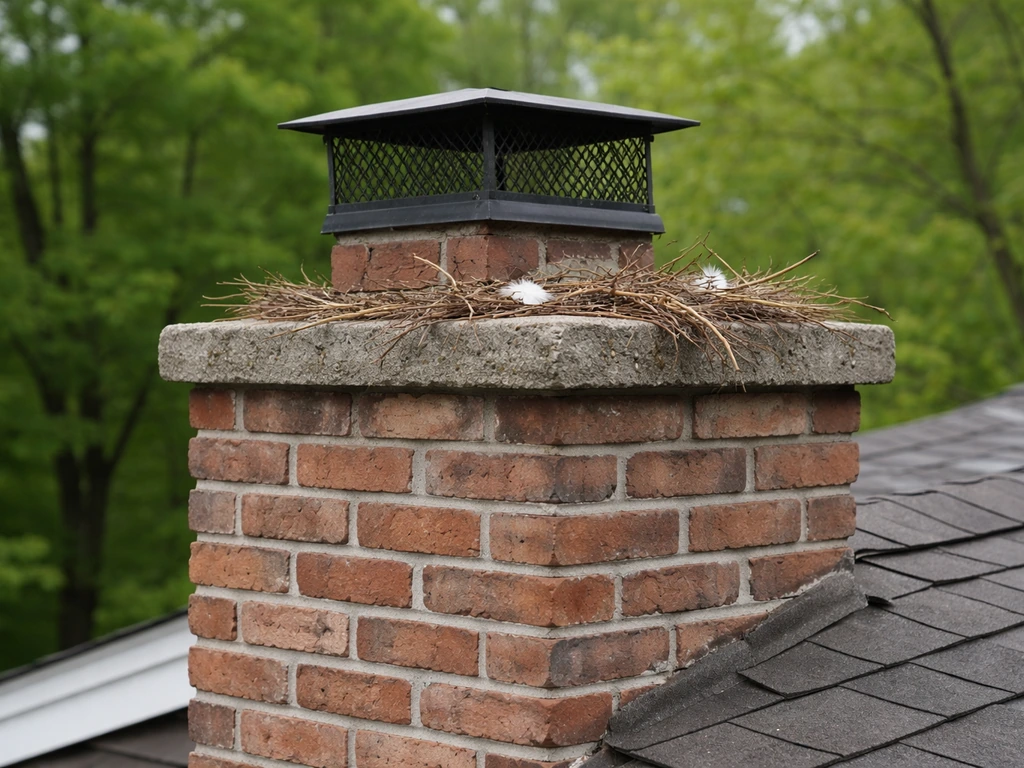
The most common reason is nesting. Chimneys mimic hollow trees, which many birds instinctively seek out for shelter and breeding. Chimney swifts in particular are strongly drawn to masonry chimneys, and the U.S. Fish & Wildlife Service notes that their breeding season runs roughly March through October. During that window, you might hear what sounds like distress chirping when in fact it's nestlings begging for food as a parent dips in and out. If you're hearing repeated chirping throughout the day during spring or summer, nesting is probably what's going on.
The second scenario is an accidental fall-in. Larger birds sometimes land on the rim of an uncapped chimney and tumble down the flue, especially during windy conditions or migration. These birds are genuinely stuck and the sounds tend to be more frantic: heavy flapping combined with scratching against masonry.
A third possibility that surprises a lot of people: it might not be a bird at all. The Internet Center for Wildlife Damage Management points out that young raccoons can produce chirping sounds that are nearly indistinguishable from birds. Squirrels and bats are also common chimney visitors. If the sounds are coming at night and seem too loud or persistent for a small bird, widen your mental list of suspects before you act.
Finally, if your home has multiple vent stacks running through the walls, sounds can travel in unexpected ways. What you hear near the fireplace may actually originate from a bird near a dryer or bathroom exhaust vent, not the flue itself. If you're asking yourself is there a bird in my chimney or somewhere else entirely, the confirmation steps in the next section will help you sort that out before you do anything drastic.
How to confirm what's happening without making it worse
Before you open the damper or start tapping on walls, spend a few minutes gathering information. Rushing this step is how birds end up flying panicked through your living room.
- Stand quietly near the fireplace and listen. Note whether sounds are above or below the damper line. Scratching or soft chirping high up suggests the bird is in the upper flue or near the top. Sounds right above the damper mean it has descended partway.
- Shine a flashlight up through the damper opening (while it's still closed). If you can see movement, feathers, or shadow shifting, the bird is in the lower flue.
- Go outside and look at the chimney cap or crown. If there's no cap at all, that's your entry point confirmed. An uncapped flue is the single most common wildlife entry condition identified during chimney inspections.
- Check the time of year. If it's March through October and the sounds are rhythmic, daytime chirping from nestlings, you're likely dealing with nesting birds rather than a single trapped individual. The Wildlife Center of Virginia notes that swift chicks don't even open their eyes until around day 14, so early-season sounds almost always mean an established nest.
- Listen for scratching at night. If the sounds intensify after dark, you may be dealing with a bat, raccoon, or squirrel rather than a bird.
What to do right now: fireplace safety and a humane approach
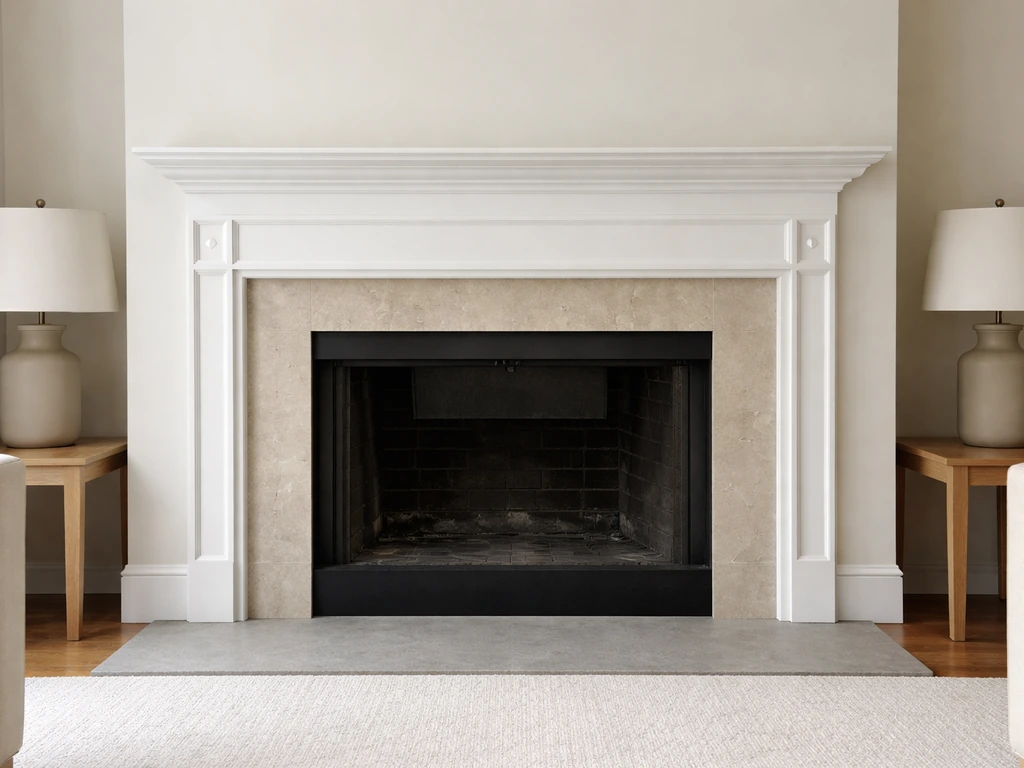
The very first thing: do not light the fireplace. A fire in the firebox while a bird is in the flue will kill it and create a smoke hazard if the carcass or any nesting material blocks airflow. If the damper is already open, you also risk the bird dropping into the firebox and then flying into your home.
Next, make sure the damper is firmly closed. This single step keeps the bird out of your living space while you figure out the situation, and it reduces the muffled background noise if you need to listen more carefully. If you have pets or small children, close off the room entirely as a precaution.
Do not bang on the chimney exterior, blast sounds up the flue, or try to pour water down to flush the bird out. These approaches cause unnecessary panic, can injure the animal, and in the case of nesting birds may put you in violation of the Migratory Bird Treaty Act. That law broadly prohibits disturbing migratory birds, their nests, and their eggs, so if you suspect an active nest, your best legal and ethical path is to let the nesting cycle complete or contact a licensed wildlife rehabilitator.
Getting the bird out: step-by-step options
If the bird has descended into the lower flue or firebox
This is the scenario where active, same-day removal is most practical. The method recommended by both the Wisconsin Humane Society and the Cornell Lab of Ornithology's All About Birds resource works by using light as a guide, because birds instinctively move toward light sources.
- Remove all people and pets from the room.
- Turn off every light source in the room, including lamps, televisions, and anything else producing glow.
- Open a door or window that leads directly outside. Position it so it's the brightest exit point visible from the fireplace area.
- Carefully open the damper fully. Step back and leave the room, closing interior doors behind you.
- Give the bird 30 to 60 minutes. It should see the light source, drop through the damper opening, and navigate toward the open door or window.
- If the bird lands in the firebox but won't fly out, you can gently drape a light towel over it to contain it, then carry it outside and release it. Wear gloves.
- For larger birds where the damper opening is too narrow, the Wisconsin Humane Society notes that it may be necessary to dismantle the damper door mechanism to create a wide enough opening for extraction.
If the bird is high in the flue and seems stuck
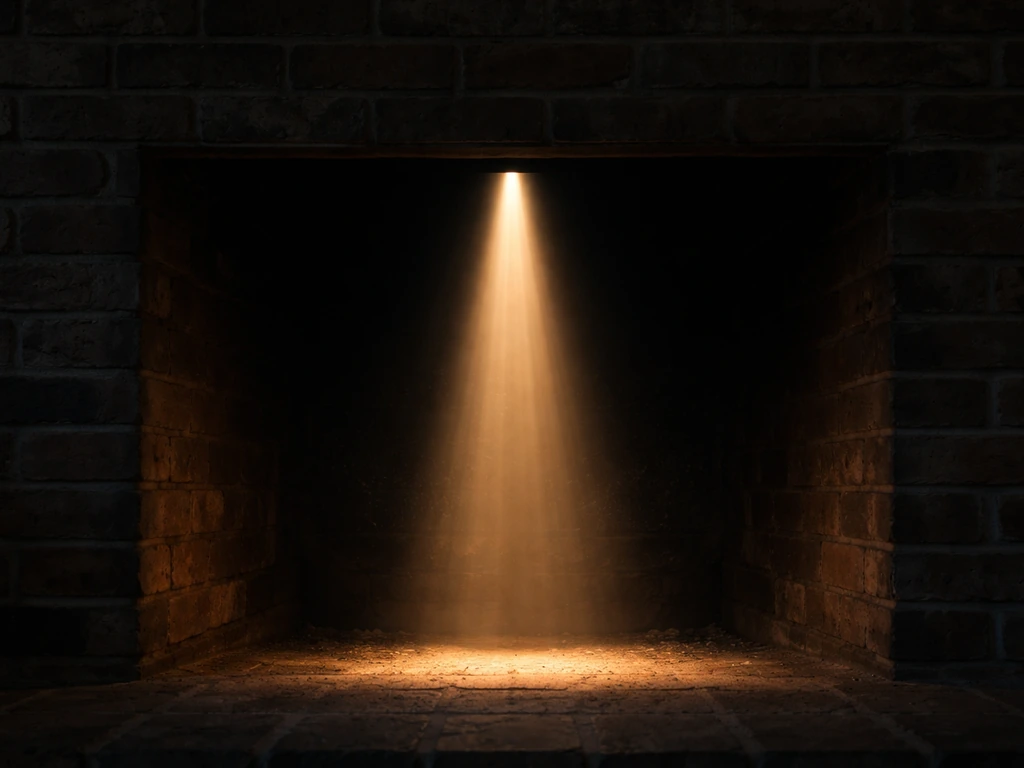
If the sounds suggest the bird is near the top but can't get traction to climb out, your options narrow quickly. You can try the light method above and wait, but if the bird is exhausted or injured it may not be able to self-rescue. This is the point where a wildlife removal professional or local wildlife rehabilitator becomes the right call. Attempting to reach into the flue from above without proper equipment is dangerous and is likely to push the bird further down rather than out.
If it's a nesting situation, not a trapped bird
If your confirmation steps indicate nesting, the humane guidance from All About Birds is worth sitting with: the birds are probably right where they want to be. Chimney swifts especially are a federally protected migratory species. Waiting for the nesting season to conclude (usually by late September or October) and then capping the chimney before the next spring is the legally sound, wildlife-friendly approach. Meanwhile, keep the damper closed to maintain the separation between the nest and your living space.
After the bird is gone: cleanup, inspection, and prevention
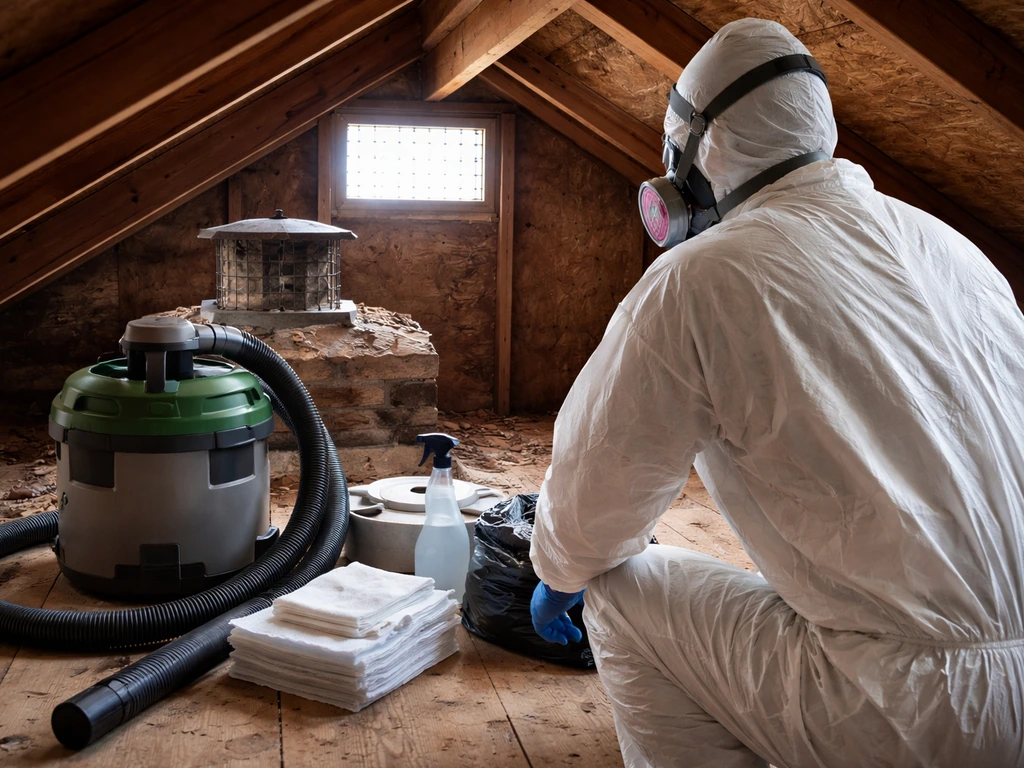
Cleaning up droppings safely
Bird droppings carry a real health risk that most people underestimate. Histoplasma, the fungal organism that causes histoplasmosis, is commonly found in soil and surfaces contaminated with bird or bat droppings, according to CDC reporting. Breathing in disturbed dried droppings is the primary exposure route, which is why the handling rules here are non-negotiable.
- Never sweep or vacuum dry droppings. Both WSU Environmental Health and Safety and EPA guidance explicitly warn that dry sweeping aerosolizes spores directly into your breathing zone.
- Wet the droppings first using water or a dilute bleach solution before any contact. This prevents dust from becoming airborne.
- Wear a NIOSH-approved N95 respirator at minimum. WSU EHS recommends going further with HEPA filter cartridge respirators for larger accumulations, along with non-latex gloves, eye protection, and disposable coveralls.
- Bag and seal all waste materials before disposing of them.
- Wash hands thoroughly and launder any clothing that contacted droppings.
If the accumulation is significant (meaning multiple seasons of nesting debris in the firebox or smoke chamber), the CDC's NIOSH guidelines recommend engineering controls like HEPA vacuum systems rather than manual cleanup. At that point, hiring a professional chimney sweep or wildlife cleanup service is the practical and safer choice.
Checking for blockages and damage
After the bird is gone and the flue is clear, have the chimney inspected before you use the fireplace again. Nesting material (dry twigs, leaves, feathers) is highly flammable and can cause a chimney fire. The Chimney Safety Institute of America specifically calls a professional inspection the number one step before lighting the first fire of any season. A CSIA Certified Chimney Sweep is trained to evaluate the full venting system, identify liner damage caused by wildlife activity, and confirm the flue is clear.
Preventing future entry
A chimney cap with a wire mesh skirt is the single most effective prevention tool. Wildlife Illinois recommends covering the inside of vents with half-inch by half-inch mesh hardware cloth and installing a commercial chimney cap to keep animals out. One important exception: if chimney swifts use your chimney and you want to support them as pollinators and insect-eaters, the U.S. Fish & Wildlife Service is clear that swift-compatible chimneys must remain uncapped. In that case, a small roof supported by legs above the chimney opening (to deflect heavy rain) is the recommended alternative.
Beyond the cap, an annual inspection in early spring, before nesting season begins, is the most reliable way to catch entry points early. If the chimney sounds you're dealing with are coming from somewhere unexpected, it may be worth thinking through whether there's a bird in your wall as well, since homes with one wildlife entry point often have others.
When to call a professional (and the red flags to watch for)
Most single-bird situations resolve within a few hours using the light method. Call a professional if any of the following are true:
- The bird has been in the flue for more than 24 hours and shows no signs of self-rescuing.
- You suspect the bird is dead or injured (sounds have stopped but there's an odor, or you can see it motionless in the firebox).
- Sounds continue even after a bird has been removed, suggesting additional animals or a nest.
- You identify the sounds as coming from a larger animal (raccoon, squirrel) rather than a bird.
- There is significant nesting material or droppings in the smoke chamber or firebox that requires HEPA-level cleanup.
- The flue liner appears cracked or damaged during your flashlight inspection.
- You're in the nesting season for chimney swifts and want professional guidance on your legal obligations under the Migratory Bird Treaty Act.
For wildlife removal specifically, contact a licensed wildlife rehabilitator or nuisance wildlife control operator in your state rather than a general pest control company. They are trained in humane handling and are familiar with protected species regulations. For chimney inspection and repair, look for a CSIA Certified Chimney Sweep in your area.
And if you've resolved the chimney situation but find that a bird has made it into your living space, the guidance on what to do when a bird is in your house covers that scenario step by step.
The spiritual side: what it might mean when a bird enters the chimney
Once the practical situation is handled, many people find themselves sitting quietly and wondering whether there's something more to what just happened. That question is worth taking seriously, and this site exists precisely for moments like this one. The chimney, after all, is not just a duct for smoke. It has always been liminal space: a vertical passage between the hearth and the open sky, between the domestic interior and the elemental world above.
In biblical tradition, birds and sheltered structures appear together as a recurring image of divine provision and the natural order finding its place. Matthew 8:20 notes that "the birds of the air have nests," framing the bird's instinct toward shelter as something woven into creation itself. The book of Ezekiel uses the imagery of birds dwelling within sheltered spaces as a metaphor for protection and covenant. If you're drawn to scripture, a bird finding its way to your hearth and then back to the sky might read as a small reminder that wildness and the sacred are not far from the ordinary places where we live.
In Celtic and Northern European folklore, a bird that comes close to the home, especially through a smoke hole or rooftop, is often interpreted as a messenger between worlds. The chimney specifically was the entry point that faeries, spirits, and protective presences were said to use, long before the modern Santa Claus mythology absorbed the imagery. A bird using that same path carries resonance in those traditions as a visitor with something to say, though whether the message is warning or blessing tends to depend on the bird's behavior and the season.
More broadly, across many traditions, a bird entering an enclosed domestic space is seen as a liminal event: something wild briefly becoming intimate with your world, then returning to its own. If you've been navigating a transition, a loss, a decision that feels too large, it's natural to feel the encounter as pointed. The spiritual meaning of a bird coming down the chimney is explored in more depth separately, and it's worth reading if the symbolic angle resonates with you.
From a metaphysical perspective, some interpreters frame a bird trapped in the chimney, struggling to find the exit, as a mirror for something in your own life that's caught between two states. The act of opening a path for the bird to find light and exit could then be read symbolically as an act of release, of creating a way through rather than forcing a solution.
None of this replaces the practical steps. A distressed bird still needs a safe exit, droppings still need proper handling, and your chimney still needs a cap. But the experience doesn't have to end the moment the bird flies free. What did you notice? What came up for you while you were sitting quietly, waiting, doing nothing but listening to something alive in the walls of your home? That part of the encounter belongs to you.
If you're finding yourself curious about the broader pattern of birds making their way into homes and what it tends to signal across traditions, the question of why a bird might be trying to get into your house opens up some of that territory from a symbolic angle. And if you've ever wondered about the mechanics of how it happened in the first place, understanding how a bird got into your house can help close the loop between the practical and the meaningful.
For the birds that find their way up from below, into the attic or upper structure rather than the hearth, the question of how a bird got into your attic follows a similar logic: an opening, an instinct toward shelter, a creature that crossed a threshold between wild and domestic. The details differ but the encounter rhymes.
FAQ
How can I tell if the bird is actually in the flue versus a bird in the attic or wall venting system?
Listen for where the sound is loudest. If you can hear it more clearly at a nearby wall vent, dryer vent, or bathroom exhaust than at the fireplace opening, the source may be another chase. Also check whether the chirping changes when the fireplace room door is opened or closed, that can indicate it is traveling through interconnected ducts rather than the chimney liner.
Is it safe to use the fireplace if the bird has gone silent?
Do not assume the sound means it left. Wait at least an hour, then confirm by checking from the fireplace opening with a flashlight (without reaching into the flue). If you see droppings, feathers, twigs, or nesting debris near the opening, treat it as still active or recently occupied and keep the damper closed.
What if I suspect a nest is active, but I need to use the fireplace soon?
Keep the damper closed and avoid any disturbance that could harm the young. For nest activity, the safest approach is to delay use until the nesting season ends or until a licensed wildlife rehabilitator advises otherwise. If you must maintain heat, use a different heating source rather than trying to “force” the situation in the chimney.
Can I try to shoo the bird out by opening windows or turning on a fan?
You can increase light in a controlled way, but do not blast air up the chimney. Fans and HVAC systems can push odors, debris, and the animal deeper into the flue or into living spaces. If you do create airflow, do it gently in the room while keeping the damper closed and watching for movement at the fireplace opening.
How long should I wait before calling a professional if the light method does not work?
If you hear repeated activity but do not see the bird reach the opening within a few hours, call for help. Extended attempts can exhaust or injure the animal, and if nesting is present, repeated interventions can increase legal and safety risks. Professionals also have proper retrieval tools and can assess whether the bird is reachable from below or not.
What should I do if I find a dead bird or dropped nest materials in the firebox after it leaves?
Do not vacuum or brush them dry. Let debris settle, then use dampened disposable towels or a HEPA vacuum if available and properly rated. Wear an N95 or better respiratory protection and gloves, and double-bag waste. If there is heavy buildup, especially from multiple seasons, switch to a professional chimney or cleanup service.
Is a chimney cap with wire mesh always safe, or can it trap chimney swifts?
It depends on the species. Some swift-compatible chimney designs must remain open to allow entry, removal, and nesting behavior. If swifts use your chimney, you may need an uncapped, swift-friendly chimney with a protective overhang or alternative structure rather than a standard fully enclosed cap.
Where exactly should I place the light for the light-guided exit method?
Aim the brightest light from near the fireplace opening and orient it so it is visible inside the flue, usually from the hearth area with the damper closed except for the period you are guiding. Avoid shining harsh lights into occupied living spaces for long periods, keep pets away, and stop if the bird starts panicking or moving downward more than upward.
Do I need to clean or sanitize the chimney right away for droppings and nesting materials?
Surface-level debris near the opening should be handled promptly, but deep cleaning is often safer to schedule after the animal is confirmed gone and the chimney is cool. If droppings appear extensive or you see accumulated nesting debris in the smoke chamber or firebox, choose HEPA-based cleaning methods or professional services to reduce airborne fungal exposure.
What chimney problems caused by wildlife should a sweep specifically look for after this incident?
Ask for a check of liner damage (cracks, loose sections, or blockage), evidence of nesting material in the smoke chamber, and airflow obstructions that could increase soot buildup or cause smoke spillage. Also request verification that the damper operates correctly and that there are no gaps animals could use to re-enter.
Next Articles
What Does It Mean When a Bird Follows You? Meaning and Next Steps
Learn why a bird follows you and how to read it biologically or spiritually, plus safe next steps.
What Does It Mean When a Bird Visits You?
Learn spiritual and practical meanings of a bird visit, including repeats, plus steps to observe, stay safe, and reflect
Someday a Bird Will Poop on You: What to Do Now
Step-by-step cleanup for bird poop, skin care tips, prevention habits, plus symbolic life lesson reflections.