Across dozens of cultures and centuries of folklore, a bird pooping on your head is considered one of the luckier things that can happen to you. The odds of it happening at all are genuinely slim, which is part of why so many traditions read it as a sign that something good is coming your way. That said, before you start celebrating your incoming fortune, there are a few real-world steps you should take right now, because fresh bird droppings carry bacteria and pathogens you do not want sitting on your scalp.
What Does It Mean When Bird Poops on Your Head?

Maya Hartwell
5 May 2026
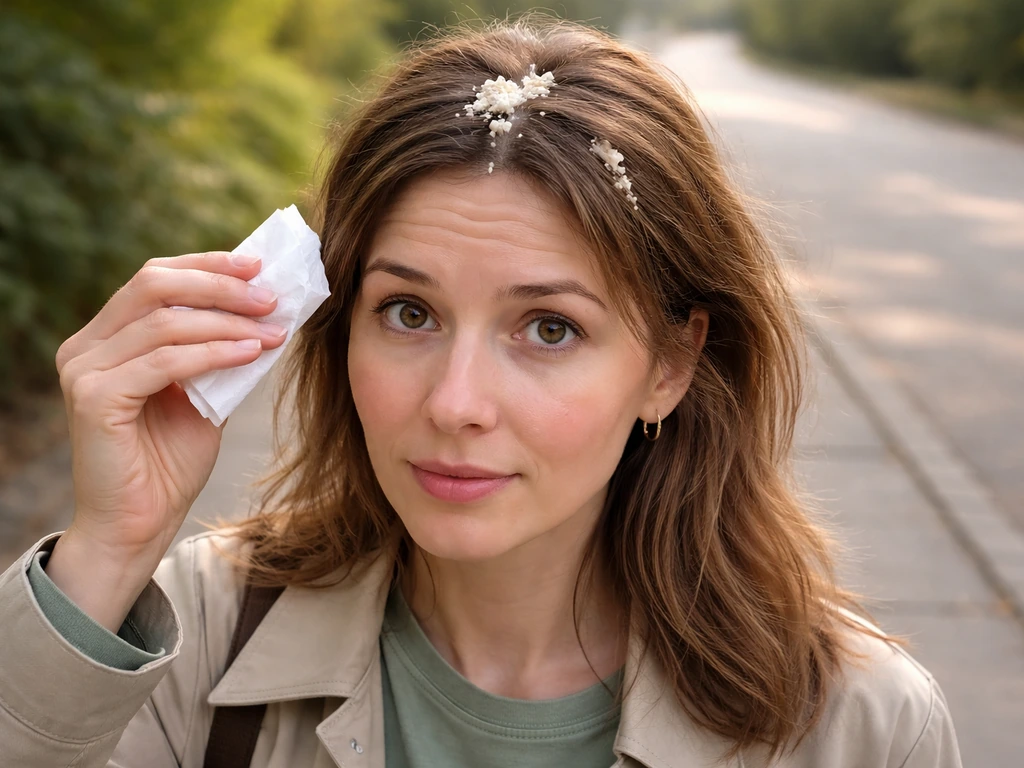
Do This First: Immediate Health and Safety Steps
The moment it happens, the priority is to avoid spreading the droppings further. Do not rub your hair or scalp, and try not to touch the affected area with bare hands until you can wash properly. If any droppings land near your eyes, nose, or mouth, rinse those areas with clean water immediately. The CDC warns that breathing in dust from dried bird droppings is one of the most common ways people contract psittacosis (parrot fever), caused by the bacteria Chlamydia psittaci. Symptoms typically appear within 5 to 14 days after exposure, so it is worth noting the date and watching for flu-like symptoms including fever, headache, and dry cough.
If you are immunocompromised, over 55, an infant, or on medications like corticosteroids or TNF inhibitors, pay extra attention. The CDC identifies these groups as being at higher risk for histoplasmosis, a lung infection caused by breathing in spores of a fungus called Histoplasma that lives in soil and in bird and bat droppings. Duck and goose droppings specifically can also carry E. coli, Salmonella, Campylobacter, and Cryptosporidium. For most healthy adults, a single fresh dropping on the head is a nuisance rather than a genuine medical emergency, but it is worth taking seriously and cleaning up quickly.
How to Clean Bird Droppings Off Your Hair and Skin
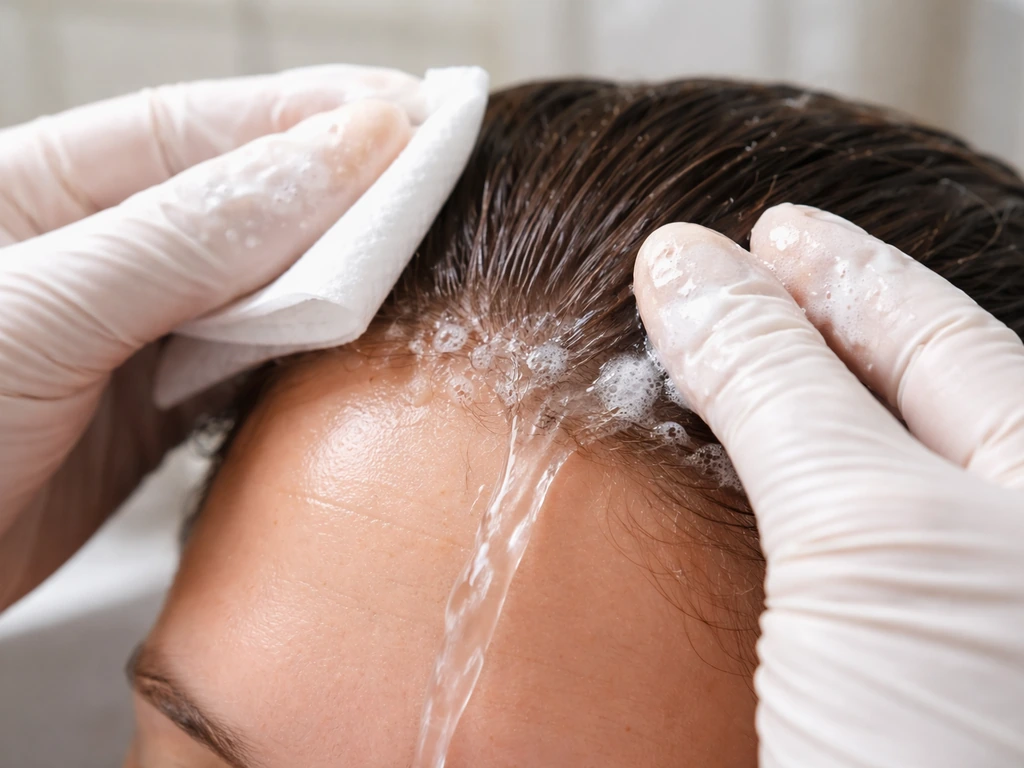
If you have access to a sink or bathroom nearby, head there right away. The goal is to remove the droppings without spreading them or creating airborne particles. Here is the approach that works best:
- Do not dry-wipe or rub the area. Rubbing spreads bacteria and can push material closer to your eyes or face.
- If possible, gently rinse the area with water first before applying shampoo or soap. Use a gentle stream rather than blasting full pressure.
- Wash your hair thoroughly with shampoo, lathering well, and rinse completely. Repeat if the dropping was large.
- Wash your hands with soap and water for at least 20 seconds after handling anything that touched the droppings.
- If you used a towel, tissue, or paper to blot the area, dispose of it in a sealed bag rather than leaving it loose in a bin.
- Avoid touching your face until your hands are fully clean.
If you are outdoors and far from a bathroom, use bottled water or hand sanitizer as a temporary measure, but do a full wash as soon as you can. Dried droppings are actually more hazardous than fresh ones in terms of inhalation risk, so if you are cleaning up a dried dropping later, dampen it before wiping rather than scraping it dry.
Why It Probably Happened (The Practical Side)
Birds do not aim. From a pure biology standpoint, getting hit is almost always a matter of being in the wrong place under a bird's flight path or roosting spot. A few common reasons it happens:
- You were standing or sitting under a tree, power line, ledge, or building overhang where birds regularly perch or roost. These are the highest-probability zones.
- You were in a park, near a body of water, or in an urban area with high bird populations, especially pigeons, gulls, starlings, and sparrows.
- Birds defecate frequently, sometimes every 15 to 30 minutes depending on the species, because their digestive systems are fast to keep their body weight low for flight.
- Warm weather and outdoor dining areas attract more birds, which increases the odds of an encounter.
- Some birds drop waste when startled or taking flight, so a sudden noise or movement nearby can trigger the timing.
In short, it is almost always a matter of location and timing rather than anything personal. But that does not stop people throughout history from reading more into it, and honestly, the interpretation can be just as real and meaningful as the biology. Many people also search for the meaning of bird pooping on your head dream as a way to connect dream symbolism with real-life signs.
What It Means Spiritually: General Symbolism and Omens
The most widespread spiritual interpretation, shared across European, South American, and Asian folk traditions, is that bird poop on your head is a sign of incoming good luck, wealth, or positive change. The logic behind it is tied to rarity and surprise. Because it happens so unexpectedly and so infrequently to any one person, many traditions frame it as a mark of being chosen or noticed by the universe in a positive way. The bird, often seen as a messenger between earthly and spiritual realms, is interpreted as delivering something your way, even if the delivery method is a little undignified.
In broader bird symbolism, the head is considered significant. It is the seat of the mind, intention, and spiritual awareness. Being touched there, even in this unexpected way, is sometimes read as a prompt to pay attention to your thoughts, decisions, or spiritual direction right now. Some interpret it as a nudge to clear mental clutter or to expect clarity coming after a period of confusion. The type of bird matters in some traditions too: pigeons and doves carry associations with peace and new beginnings, while sparrows are often linked to community and simplicity. A gull or crow overhead brings its own symbolic weight, and the specific meaning of bird poop on you shifts depending on which creature delivered it.
Biblical and Traditional Cultural Perspectives
The Bible does not address bird droppings on a person's head directly, but birds carry enormous symbolic weight throughout scripture. In the New Testament, the dove descends as a symbol of the Holy Spirit, and birds are repeatedly used as signs of divine attention and provision. The broader biblical principle from Matthew 10:29 to 31 (not a sparrow falls without God's knowledge) lends itself to the idea that nothing involving a bird encounter is entirely without meaning for those who hold this worldview. Some Christian folk traditions interpret unexpected bird contact as a moment of divine awareness or blessing, a reminder of being seen and cared for.
In Russian and Turkish folklore, bird droppings landing on you or your belongings are strongly associated with financial luck, and many people in those traditions actively treat it as a good omen rather than an embarrassment. In Celtic tradition, birds are often messengers from the Otherworld, and an unexpected contact can signal a message worth sitting with. In some Indigenous North American traditions, birds are considered spirit messengers, and a surprise encounter is treated as an invitation to reflect on what message the animal kingdom might be offering. Japanese tradition includes similar associations, where bird droppings bring unexpected money or fortune. It is worth noting that these are cultural and spiritual interpretations, not guarantees, but they reflect a near-universal human instinct to find meaning in surprising natural events.
Metaphysical and Folk Meanings: How People Read This as a Sign
In metaphysical frameworks, the timing and context of a bird encounter often matter as much as the event itself. If you were in the middle of a big decision, a stressful period, or a moment of prayer or intention-setting when it happened, many practitioners would interpret the bird poop as a confirmation signal, the universe responding to the energy you were putting out. If you are looking for more guidance, many people start with dream meaning bird poop interpretations to understand how the symbol might connect to their life. The discomfort of the experience is sometimes read as a necessary disruption, a physical jolt that breaks you out of overthinking and brings you back to the present moment.
Some people working with the law of attraction or manifestation practices see this kind of surprise event as a marker that they are on the right path and that abundance is approaching. Others in numerology or synchronicity-focused practices encourage writing down what you were thinking about the exact moment it happened, treating the thought or question in your mind as the one the universe was responding to. Whether or not you hold these beliefs, there is something genuinely useful about the prompt to pause and check in with yourself after an unexpected event.
If you are drawn to dream interpretation as well, the meaning of bird poop on your head in a dream carries its own layer of symbolism and is worth exploring separately from the waking-life experience. Similarly, if the experience happened to your car rather than your person, the symbolic reading shifts somewhat given the car's association with direction, journey, and personal identity.
What You Should Actually Do Next
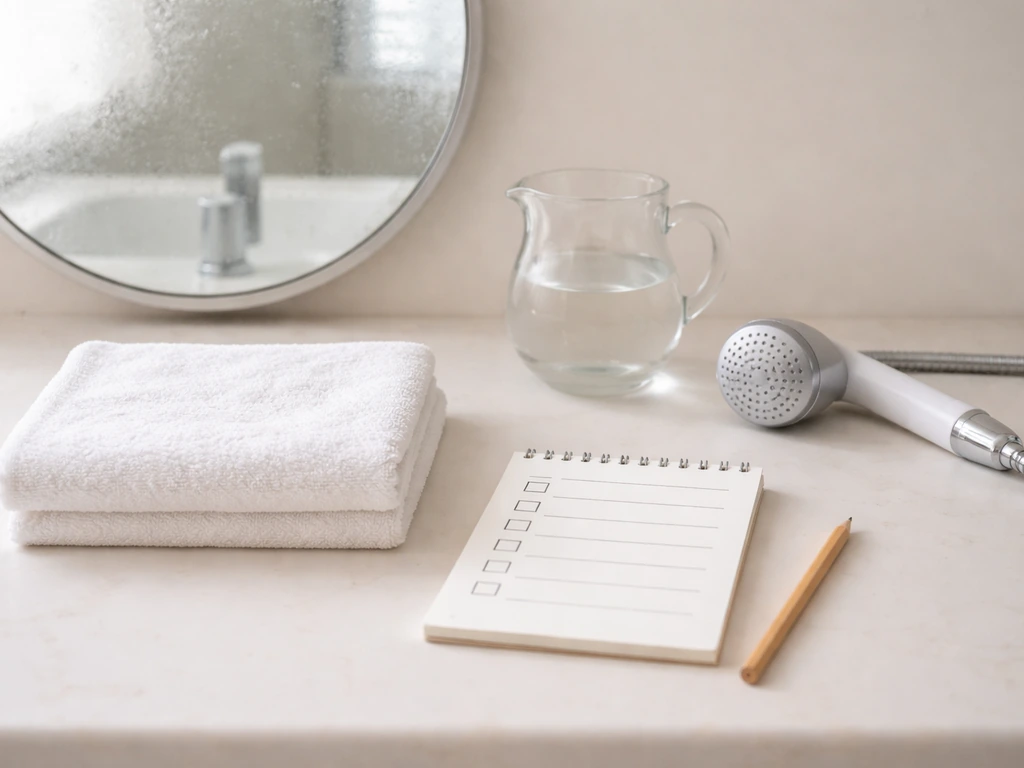
For most people, there is no need to see a doctor after a bird pooping on your head unless you have a compromised immune system or develop symptoms like fever, cough, or fatigue in the 5 to 14 days following the incident. If that happens, mention the bird exposure to your doctor so they can consider psittacosis or histoplasmosis as part of their assessment. Those are genuinely rare outcomes from a single brief exposure, but they are worth knowing about. If you want to explore the seeing a bird poop meaning angle, compare these spiritual takes with the practical safety steps so you get both perspective and protection.
A few common mistakes people make that are worth avoiding:
- Rubbing or wiping the dropping dry before adding water, which spreads bacteria and risks inhalation of particles.
- Ignoring the cleanup because it felt minor. Even a small amount of droppings from certain birds carries pathogen risk.
- Sharing the story online before washing up. Wash first, post later.
- Dismissing the event entirely without any reflection if you are someone who finds meaning in natural encounters. It is perfectly valid to clean up and then sit with the question of what the moment might mean for you personally.
Ultimately, a bird pooping on your head is one of those rare events that manages to be simultaneously messy, statistically unlikely, universally recognized across cultures as a sign of luck, and a genuine prompt for reflection. You can hold all of that at once: handle the hygiene, take a breath, and then ask yourself what was on your mind in that moment. The answer might surprise you more than the bird did.
FAQ
Should I wash my hair with soap immediately, or is rinsing enough?
Rinse first if it is near your eyes, nose, or mouth, then wash normally with shampoo as soon as you can. Avoid scrubbing hard at the scalp because that can spread residue. If the area is very small, still remove it fully with a proper wash rather than just “spot cleaning.”
What if the bird poop already dried before I got to a bathroom?
Do not scrape dry droppings off, and avoid brushing them dry. Lightly dampen with water first, then wipe and wash. This reduces the chance of turning residue into inhalable dust.
Is it safe to use dry shampoo instead of washing?
Dry shampoo is not a good substitute because it can leave residue and stir up particles. For bird droppings, washing with water and shampoo is the better choice, especially if it touched your scalp or hairline.
What should I do if it got on my glasses, phone, or hat?
Treat it like contamination. Wipe surfaces with disinfecting wipes or cleaner recommended for the material, then wash hands after. If it is on a fabric item like a hat, launder it as soon as practical rather than just wiping the outside.
Can my pet get sick from me touching my head and then touching them?
The main risk is transferring contaminated residue with your hands. Wash your hands thoroughly before handling your pet, and avoid letting your pet lick or sniff the affected area until you have cleaned up.
Do I need antibiotics or an urgent doctor visit if I feel fine?
Usually no. For healthy adults, a single brief exposure is most often a nuisance. Seek medical advice sooner only if you develop symptoms such as fever, persistent dry cough, unusual fatigue, or eye or breathing symptoms in the weeks after exposure.
What symptoms should I watch for, and when should I contact a clinician?
Watch for flu-like illness within about 5 to 14 days, including fever, headache, and a dry cough. Also contact a clinician promptly if you are immunocompromised, or if symptoms start and do not improve, because they may want to consider exposure-related infections.
I am pregnant, is there anything different I should do?
The safest approach is still immediate cleaning and good hand hygiene, because the bacteria and fungal spores concern does not change. If you develop symptoms after exposure, tell your clinician you were exposed to bird droppings so they can decide on testing and care.
What if it happened to my baby or a young child?
Clean promptly, keep the child from touching the area, and wash hands carefully. If the droppings near the mouth or eyes could have been ingested or rubbed, or if your child later develops fever, cough, or reduced energy, contact a pediatrician and mention the exposure.
Does the type of bird change the health risk?
Bird species can change what pathogens might be present, for example duck or goose droppings may carry bacteria risk. Practically, the hygiene steps are the same, but if you know it was from certain waterfowl and the droppings were on your face, seek guidance sooner if symptoms appear.
Should I post about it or tell others, or is there anything contagious I should worry about?
Bird droppings are generally a contamination and inhalation risk from the environment, not something you “catch” from another person. Still, avoid sharing contaminated items and wash hands before interacting closely with others.
What is the best way to clean my hair if I do not have time for a full wash?
If you cannot wash right away, keep residue from spreading by rinsing with clean water where it landed, then plan a full shampoo wash when you can. Avoid rubbing and avoid touching your eyes and nose until you have cleaned.
How can I reconcile the spiritual meaning with the need to prevent infection?
You can treat the omen as personal reflection while still handling the practical risk. A simple approach is, clean and document the date, then do a short check-in on your thoughts at that moment, without waiting for a “sign” to replace hygiene or medical caution.
Next Articles
Getting Pooped on by a Bird Meaning: What It Could Signify
Meaning of being pooped on by a bird, from luck and cleansing omens to quick cleanup, safety, and interpretation checkli

Someday a Bird Will Poop on You: What to Do Now
Step-by-step cleanup for bird poop, skin care tips, prevention habits, plus symbolic life lesson reflections.
Meaning of Bird Poop on You: Real Causes and Symbolic Meanings
What bird poop on you means now and symbolically, plus safe cleanup tips and signs to watch for.