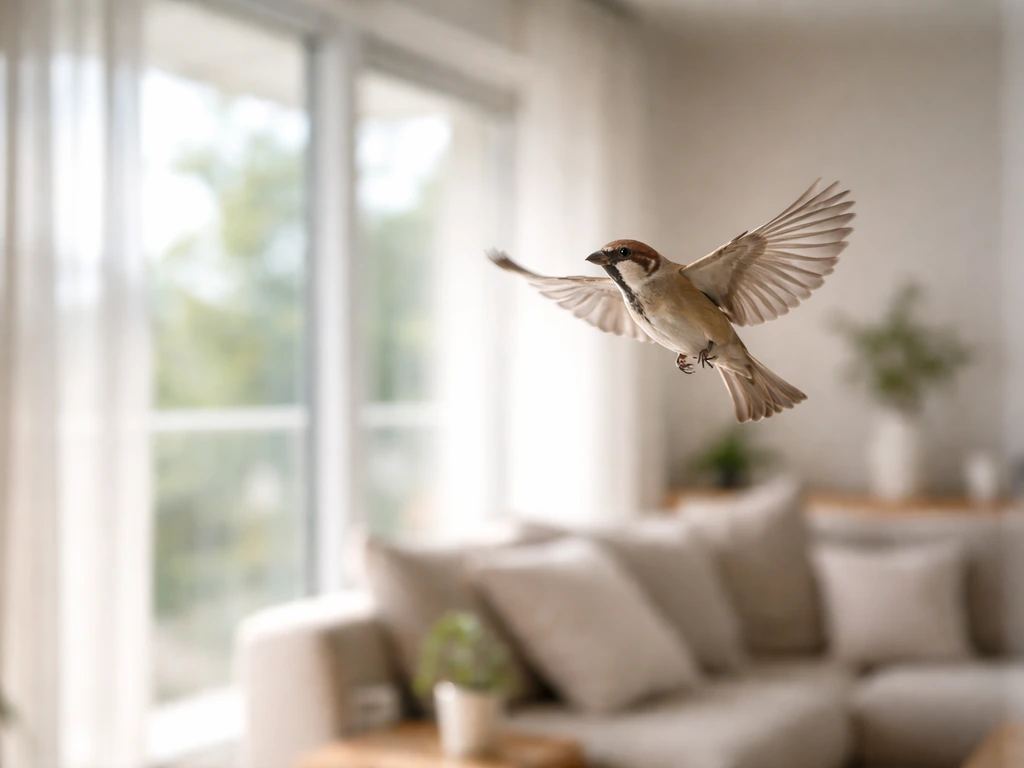
Whether a bird flying into your house is good luck depends almost entirely on which tradition you're consulting, and honestly, the interpretations range from 'wonderful omen' to 'serious warning' depending on the culture, the bird species, and even the direction it flew. What most people agree on, across both folklore and practical wildlife guidance, is this: the first thing to do is get the bird safely back outside. After that, you have all the time you need to sit with what it might mean.
Is a Bird Flying in the House Good Luck? What to Do Now

Maya Hartwell
24 Apr 2026
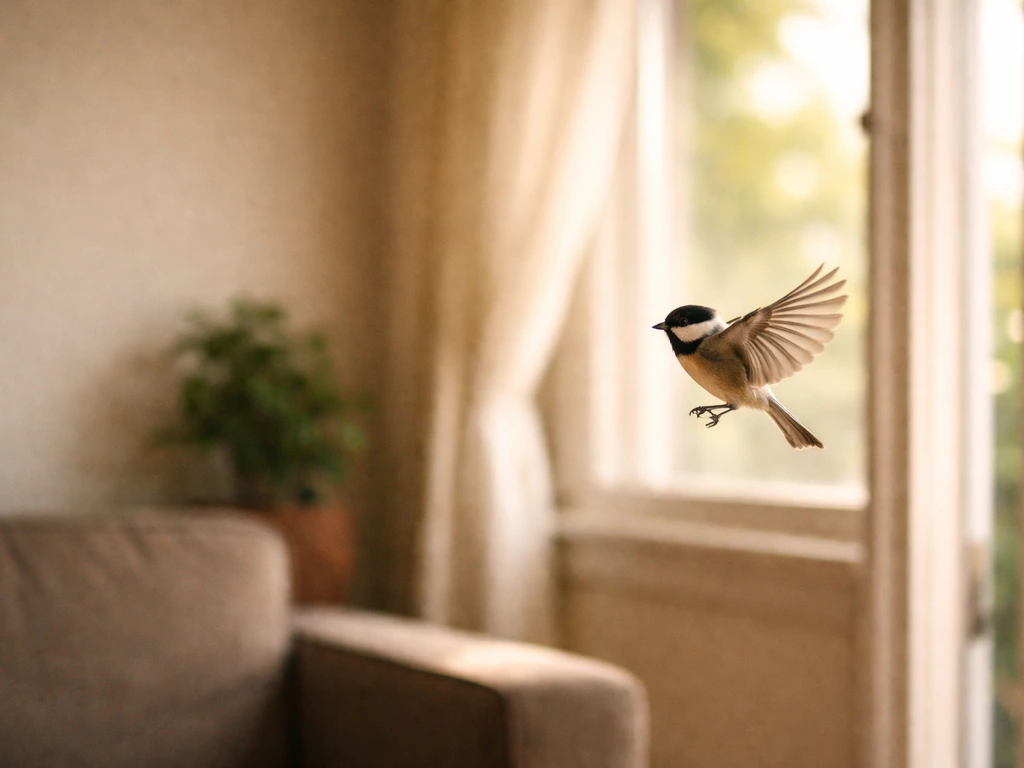
What it usually means when a bird flies into your home
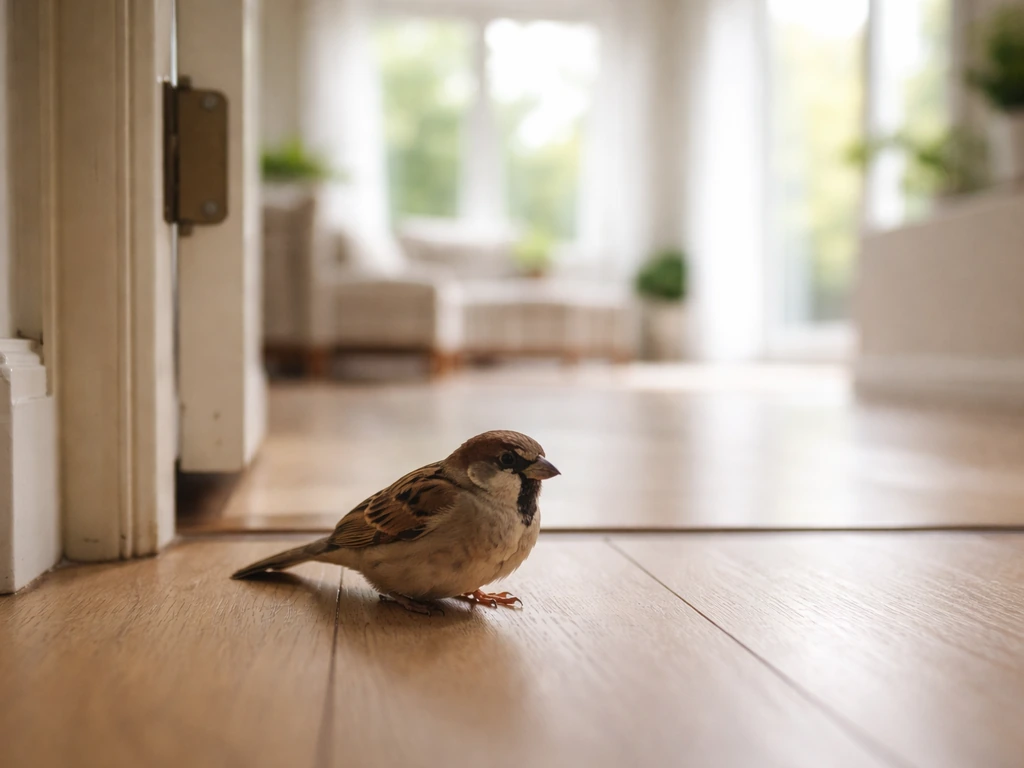
Bird-in-the-house beliefs show up in nearly every cultural tradition, and they land on opposite ends of the spectrum. Some people treat it as a sign that a visitor is coming, that good news is on the way, or that a loved one who has passed is sending a message. Others, particularly in Appalachian, Southern American, and some European folk traditions, treat it as a death omen or a warning of misfortune.
Snopes has noted that the 'bird in the house means death' belief is among the most widely repeated superstitions in the English-speaking world, while also pointing out there is no factual evidence supporting it as a predictor of anything. If you are wondering about bird fly in your house meaning, it is helpful to also compare it to this widely repeated but contested superstition bird in the house means death.
What you're left with is a genuinely ancient, genuinely contested symbol, and the meaning you take from it is very much your own to determine.
The short practical bottom line: a bird indoors is almost always a confused wild animal reacting to light, reflections, or an open door. It needs your help getting out. The symbolic layer is worth exploring once the bird is safe.
Get the bird out safely first: step-by-step
Before you look up what species it is or what the omen might mean, focus on the bird's wellbeing and your own. A panicked bird can injure itself against walls and windows, and droppings left on surfaces carry a small but real health consideration. Here is the most effective humane approach, drawing on guidance from wildlife control professionals and humane societies.
- Close all interior doors to confine the bird to one room. This prevents it from spreading through the house and gives you a smaller space to manage.
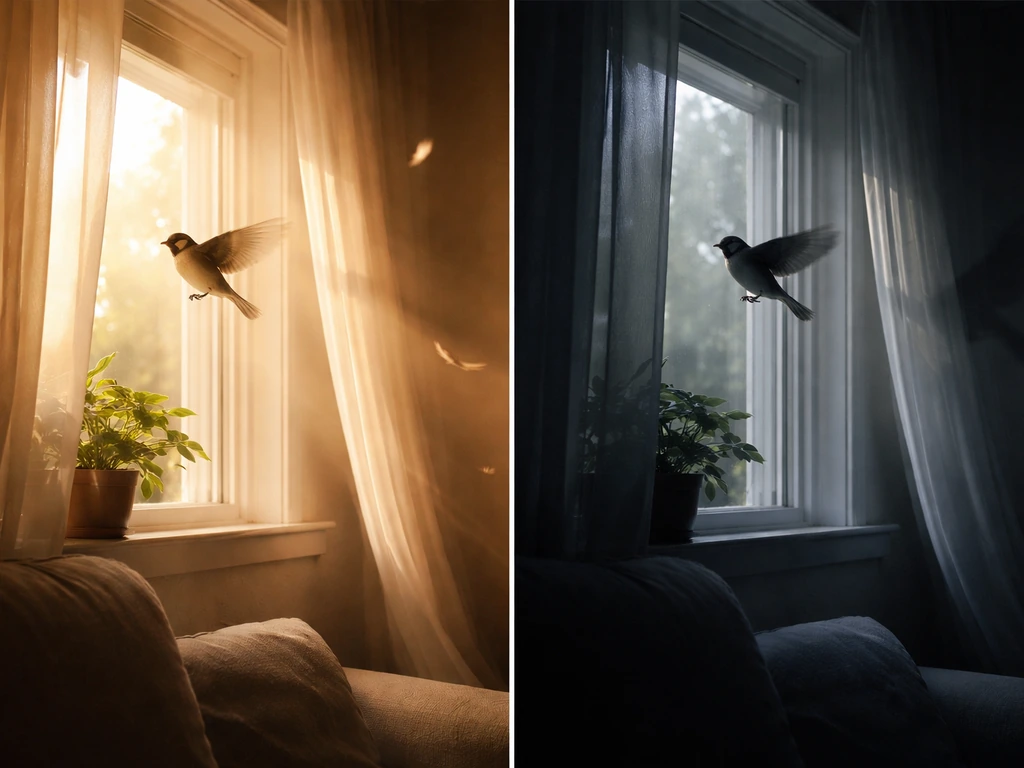
- Turn off all interior lights in that room. Darkness reduces the bird's frantic energy and helps it orient toward natural light.
- Close all windows except one, and open that window as wide as possible. If you have a door to the outside in that room, open it instead. You want one single bright exit point.
- Close curtains or blinds on all other windows so the open exit is the brightest spot in the room. Birds instinctively fly toward the brightest light.
- Leave the room quietly if you can and give the bird 15 to 30 minutes to find its own way out. This is often all it takes.
- If the bird doesn't leave, re-enter calmly and use a large towel or lightweight sheet to gently guide it toward the open window or door. Do not grab or chase it.
- If the bird appears injured, is not moving, or you cannot get it out on your own, contact a local wildlife rehabilitator or nuisance wildlife control operator. NYSDEC and similar state agencies can refer you to licensed help.
- After the bird leaves, wash your hands thoroughly and clean any surfaces the bird contacted. Avoid stirring up droppings dry, as bird droppings can carry fungal spores linked to histoplasmosis.
Most birds exit within an hour once you give them a clear, bright path. The process is usually calmer than people expect once the room is darkened and a single exit is obvious.
Good luck or bad luck? What folk traditions actually say
Here is where it gets genuinely interesting, because different traditions read the same event in nearly opposite ways. There is no single 'correct' folk interpretation of a bird entering a home, and that ambiguity is worth sitting with rather than resolving too quickly.
Traditions that lean toward good luck
- In some European and Celtic traditions, a bird entering the home is seen as a messenger bringing news, often positive, from the spirit world or from distant loved ones.
- A dove flying into the house is widely interpreted as a sign of peace, love, or divine protection across multiple traditions.
- Some Native American and indigenous traditions view unexpected bird visits as reminders to pay attention, often framed as guidance rather than warning.
- Feng shui-influenced Chinese folk belief can read a bird's entry as the arrival of positive energy or a messenger, though this depends heavily on species and behavior.
Traditions that treat it as a warning
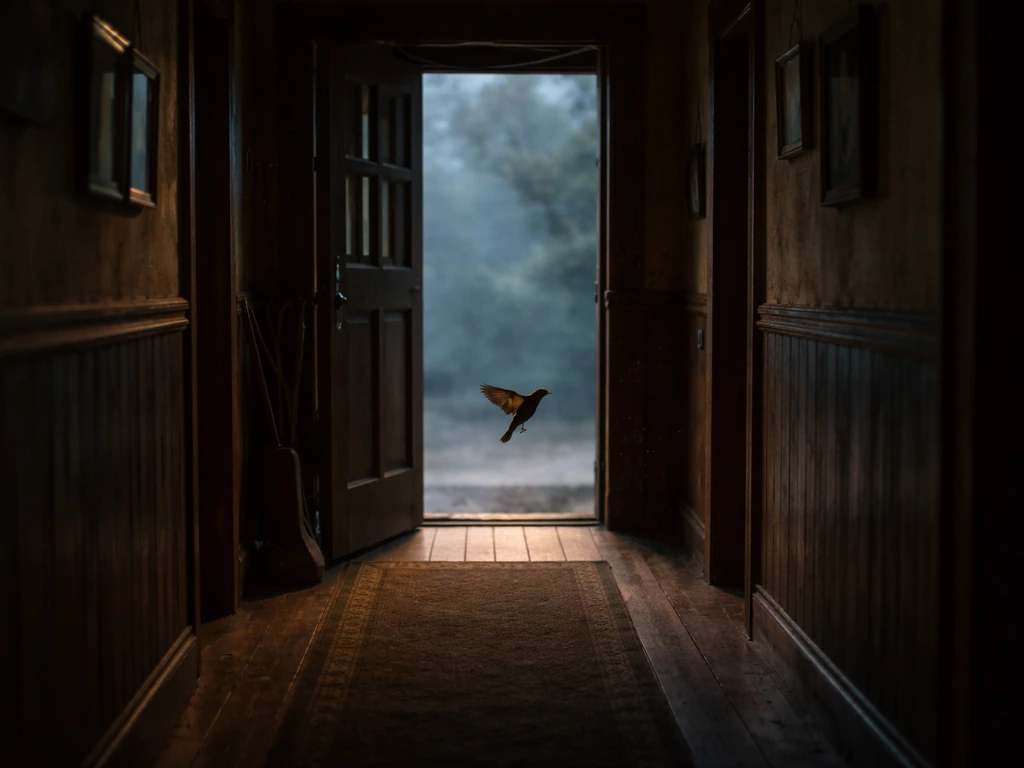
- Appalachian and Southern American folklore commonly treats a bird flying into the house as a sign of an impending visitor, illness, or death in the family.
- The USC Digital Folklore Archive documents this 'death omen' belief as one of the most widely reported superstitions in American folk tradition.
- Some older European omen systems (augury) read bird behavior based on direction and species, not simply entry, meaning a bird flying away from you carried a worse reading than one flying toward you.
- In certain traditions, a bird that cannot find its way out and keeps flying frantically is read as a more urgent warning than one that enters calmly and leaves quickly.
The tension between these readings is real, and it reflects the broader truth about omens: they are always filtered through the belief system, emotional state, and life circumstances of the person experiencing them. Someone who recently lost a loved one will read a bird in the house very differently than someone who just got good news.
What the bird's behavior might tell you symbolically
If you are drawn to symbolic interpretation, the specific behavior of the bird inside your home matters more than the bare fact of its presence. Folklore and metaphysical traditions tend to read the nuances, not just the headline event.
| Bird behavior | Common symbolic reading |
|---|---|
| Flies in calmly and perches | Often read as a peaceful message or gentle reminder, sometimes associated with a visiting presence from the spirit realm |
| Flies in frantically and can't settle | More frequently read as a warning or urgent message, sometimes linked to anxiety or unsettled energy in the home |
| Flies in and leaves quickly on its own | Often interpreted as a brief but deliberate visit, a moment of contact rather than a sustained sign |
| Repeatedly tries to enter over days | Some traditions read persistence as a stronger spiritual nudge, a message being pressed home because it wasn't received the first time |
| Enters and then dies indoors | Historically the most ominous reading across cultures, though practically this is more often a sign of window collision injury than supernatural cause |
The distinction between a bird flying inside versus a bird simply coming in and settling is subtle but spiritually relevant in many traditions. Flying suggests urgency and movement. Settling suggests a deliberate pause. If you are inclined to read the encounter as meaningful, noticing which of these felt true in the moment is worth reflecting on.
Repeated attempts to enter, where a bird returns to the same window or door over several days, is a behavior that draws particular attention in folklore. Some traditions treat this as a sustained spiritual message. Practically, it usually means the bird is seeing a reflection of sky or trees in your glass and genuinely believes it is flying toward open space. The American Bird Conservancy recommends treating window surfaces with visual markers or films to break up reflections and prevent these collisions, which is both a humane act and, if you like, a way of gently closing the door on the repeated encounter.
Biblical and broader cultural perspectives
Biblical tradition does not treat birds entering homes as omens, but it does assign deep symbolic weight to birds as a category. In Luke 12:24, ravens are used to illustrate God's care and provision, framing birds as creatures under divine attention rather than agents of supernatural warning. Matthew 10:29 extends this: even a single sparrow does not fall without God's awareness. For readers with a Christian framework, these verses tend to reframe a bird encounter as a reminder of divine presence and care rather than a threat or omen.
The dove in particular carries enormous biblical weight. In Genesis 8, Noah's dove returns with an olive branch, marking the end of the flood and the beginning of peace. That symbolism has traveled across centuries and cultures. If the bird that entered your home was a dove, you are drawing on one of the oldest and most widely recognized symbols of hope and renewal in the Western tradition.
Outside of biblical tradition, the practice of reading meaning into bird behavior is ancient. Roman and Greek augury formalized bird-sign interpretation into a system of divination, reading flight direction, bird species, and the side from which birds appeared to extract omens for decisions ranging from battles to marriages. HowStuffWorks notes that even within these systems, a bird flying toward the observer was typically a positive sign, while one flying away was less favorable. This illustrates something important: even in cultures that took bird omens very seriously, the meaning was never simply 'bird appeared, therefore bad.' Context was everything.
In Chinese folk tradition and feng shui-influenced belief, birds entering the home can carry either positive or negative energy readings depending on the species, the direction of flight, and the current energetic state of the home. A bird associated with luck or prosperity arriving during an auspicious period may be read very differently than the same bird arriving during a difficult season. This context-sensitivity is consistent across most serious bird-omen traditions worldwide.
When it has nothing to do with luck: natural and health explanations
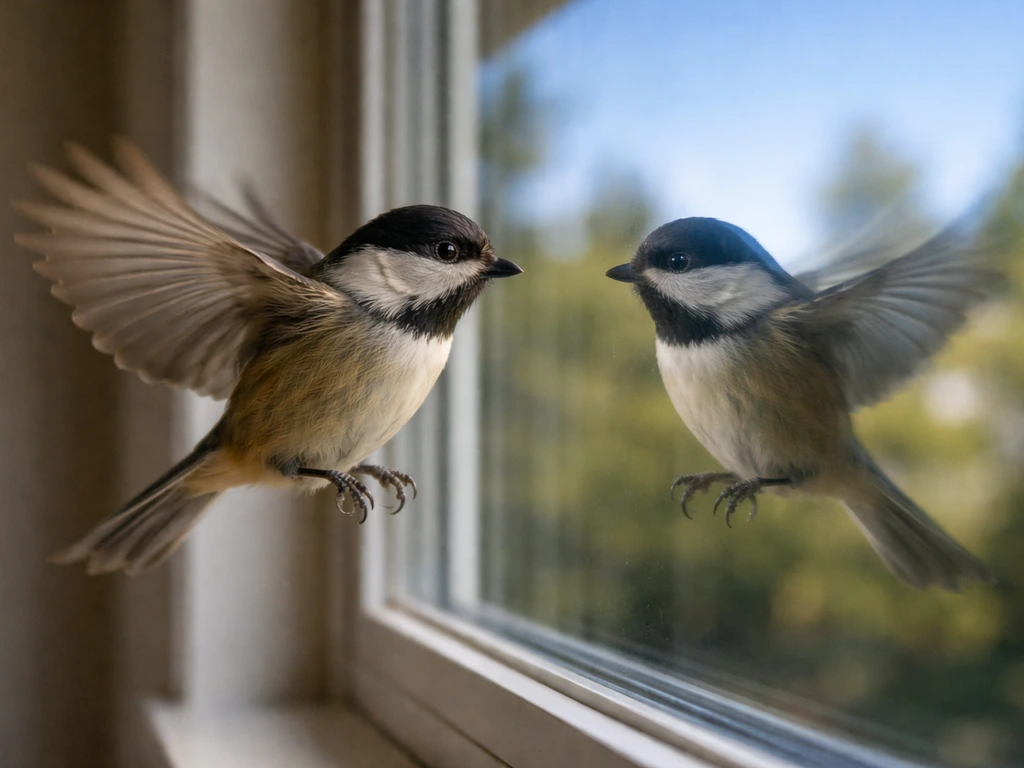
The most common reason a bird ends up inside your home is simple and practical: it got confused. Glass windows reflect sky and trees so convincingly that birds genuinely cannot distinguish the reflection from real open space. Open doors and windows during warm months create an obvious accidental entry point. Birds searching for nesting material in spring may investigate interior spaces that look sheltered. None of these have any relationship to luck, omens, or messages.
It is worth knowing that bird droppings, while not a reason for panic, do carry a real health consideration. The CDC and NIOSH note that bird and bat droppings can harbor the fungus responsible for histoplasmosis, which spreads through inhaled spores when droppings are disturbed. For a single bird visit this risk is minimal, but it is a reason to clean affected surfaces carefully rather than sweeping or vacuuming dry droppings. Wash your hands after any contact with the bird or its droppings, and if a bird has been in an enclosed space repeatedly over time and left significant accumulation, professional cleanup is the safer call.
To reduce the chance of a repeat visit, consider applying window collision prevention treatments recommended by the American Bird Conservancy, including visual patterns, films, or external screens that break up reflections. This protects the birds and removes the source of the repeated encounter, which is worth doing regardless of how you read the symbolic dimension.
How to make sense of your own encounter
If you want to take a spiritual or symbolic reading from this experience, the details you noticed in the moment matter more than any general guide. Here is what is worth paying attention to and reflecting on after the bird has left.
- Time of day: morning arrivals are often read as new beginnings in folklore; evening or night arrivals tend toward more serious or liminal readings
- Species: a robin, a sparrow, a crow, a dove, and a hawk each carry very different symbolic associations across traditions
- Behavior: was it frantic or calm? Did it perch and rest, or did it fly urgently and crash against windows?
- Duration: a brief visit that resolved quickly reads differently than a bird that stayed for hours or returned multiple times
- Your own emotional state: what did you feel in the moment? That gut response is often the most personally relevant piece of information
- What is happening in your life right now: omens and symbols resonate most when they connect to something already alive in your awareness
There is no universal answer to whether a bird flying into your house is good luck. The honest answer is that across human history, people have looked at that same moment and found death omens, divine messengers, signs of peace, and warnings of change, often all in the same community. What the encounter means to you, grounded in your own traditions and your own life, is the interpretation worth listening to.
If you are trying to pin down the specific bird flying in the house meaning, start by writing down what the bird did and when it happened. Other related experiences, like a bird persistently trying to get into your home or the broader meaning of a bird simply being inside the house, each carry their own nuances worth exploring if this encounter has sparked your curiosity.
For now: get the bird safely outside, take care of any cleanup, note what you observed, and then sit quietly with whatever question the encounter stirred in you. If you're also curious about the chinese meaning of bird flying into house, check how the species and direction of flight are traditionally read in Chinese folk tradition alongside the practical facts.
A quick overview can help you separate cultural symbolism from the more practical reality of why the bird got indoors meaning of bird flying into house. If you are wondering about the bird flying in the house meaning, start by getting the bird out safely and then look at the details you noticed.
If you are exploring bird trying to get in house meaning, the key is to notice whether it was seeking an exit or repeatedly returning to the same entry point bird flying in the house meaning. That reflection is where the real meaning lives.
FAQ
What should I do if the bird won’t leave after I open doors or windows?
Try dimming the room and turning on a light near the outside exit (or close off other rooms) so there is one clear, bright path outward. If it still keeps bouncing off glass, it may need a second method, like gently guiding it with a container and a sheet toward the open door, but avoid chasing it if it is visibly injured.
Does it matter whether the bird is a dove, robin, or something else for safety?
For safety, the species matters less than the condition of the bird and whether there is droppings or feathers around the area. Still, if you cannot identify it confidently, treat it as a wild animal, avoid bare-hand contact, and keep pets and children away until it is out and surfaces are cleaned.
Is it bad luck if the bird hits a window hard or seems injured inside?
Regardless of omen beliefs, a collision can cause concussion, broken wings, or bleeding. If you can do so safely, move it to a quiet, dim box lined with a soft cloth, leave ventilation holes, and contact a local wildlife rehabilitator for immediate guidance rather than trying to “wait it out” indoors.
Should I clean droppings immediately, or is it safer to wait?
Clean as soon as you can, but do it carefully. Avoid dry sweeping or dry vacuuming, lightly dampen droppings and surrounding dust first, and wear disposable gloves. For small, one-time messes, careful damp cleanup is usually enough, but repeated visits with heavy accumulation call for professional cleanup.
Can I interpret the direction it flew, like toward me versus toward the door?
If you want symbolic meaning, focus on what it felt like in the moment, but treat direction as a secondary detail. Practically, the priority is always the exit path you create, because birds often fly toward movement, reflections, or lights regardless of any “message.”
What if the bird entered through a vent or chimney rather than an open window?
That often indicates the bird used a hidden opening, then got trapped by interior barriers. Keep the room calm and dark except for an obvious exit light, and avoid blocking vents until you are sure where it is. If you suspect it is nesting or stuck in a wall or duct, contact wildlife control because DIY access can harm the animal.
Is it ever dangerous to touch the bird to move it outside?
Yes. Wild birds can bite, scratch, and shed pathogens. Use a barrier method instead, like placing a container around it and sliding paper underneath, or use towels for grip only if you must. Wash hands afterward, and keep your face away from feathers and dust.
If I consider it a spiritual sign, when is it okay to stop worrying about it?
Once the bird is safely out and any mess is handled, you can treat the event as “done” and shift back to practical actions (preventing repeat window collisions, securing doors and screens, and observing how often it happens). If the interpretation is making you feel unsafe or obsessively anxious, it helps to ground in what you can control rather than re-reading the omen repeatedly.
How can I prevent another bird from getting in next time without harming the bird?
Use window collision prevention such as visual patterns (for example, bird-safe decals or screens), or films designed to reduce reflections. Also manage conditions that invite entry, like closing blinds at peak reflection times and ensuring screens and seals around doors and vents are intact.
Could this be a sign that I have a bird nesting problem nearby?
Sometimes. If the same species keeps returning or you notice birds lingering on a particular exterior ledge, roof edge, or window, it can be a clue they are choosing nesting spots. Look for repeated routes and consider a wildlife professional assessment, especially if you hear scratching or see material being carried into hidden gaps.
Next Articles
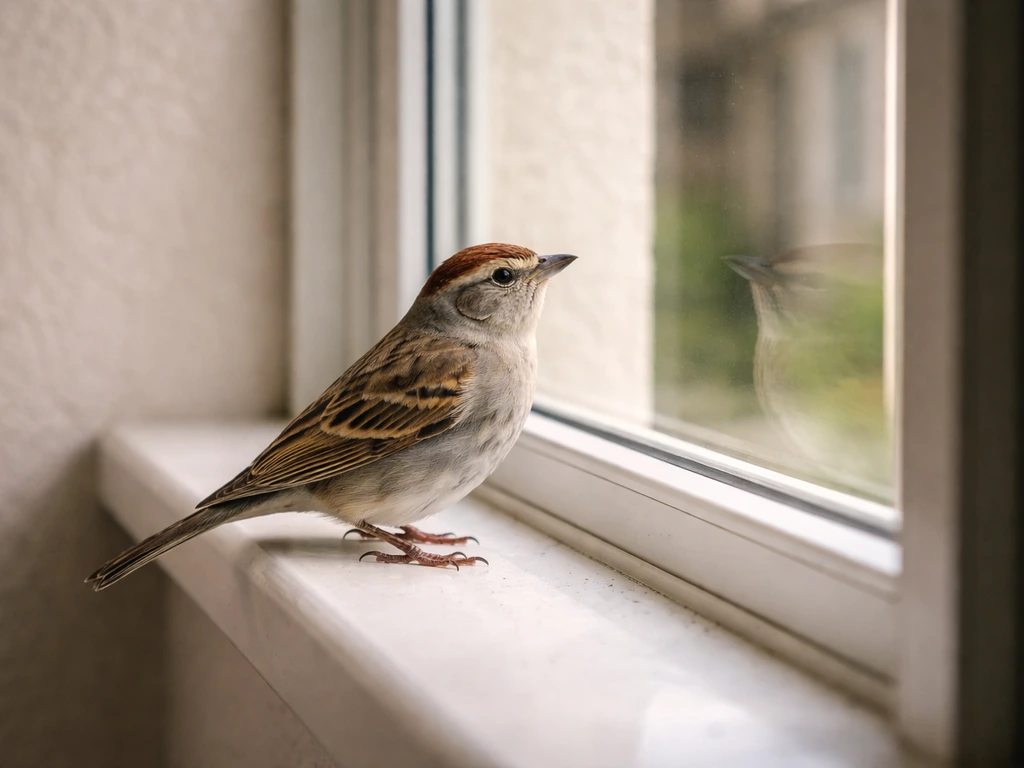
Bird Trying to Get in House Meaning: What It Really Indicates
Meaning behind a bird trying to get in, plus quick steps to safely guide it out and prevent return.
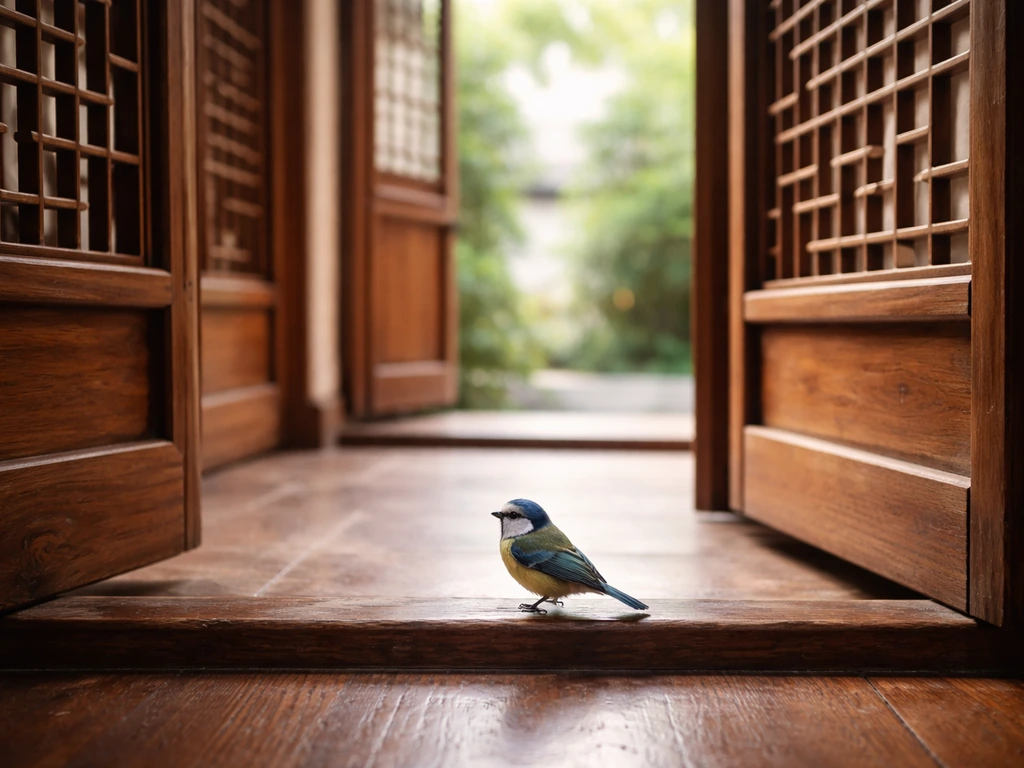
Chinese Meaning of Bird Flying Into House and What to Do
Chinese symbolism of a bird flying into your house, possible spiritual luck or warnings, and safe steps to guide it out.
Bird Flying in the House Meaning and What to Do Now
Find bird flying in the house meaning and what to do now safely, plus spiritual, biblical, and cultural interpretations.