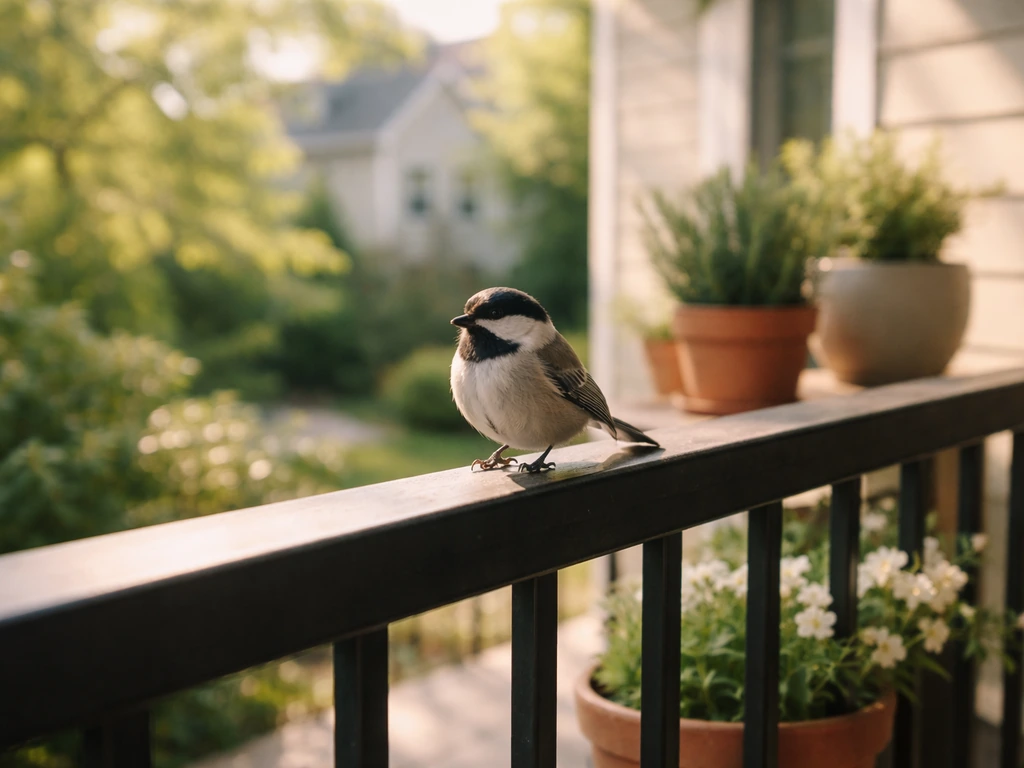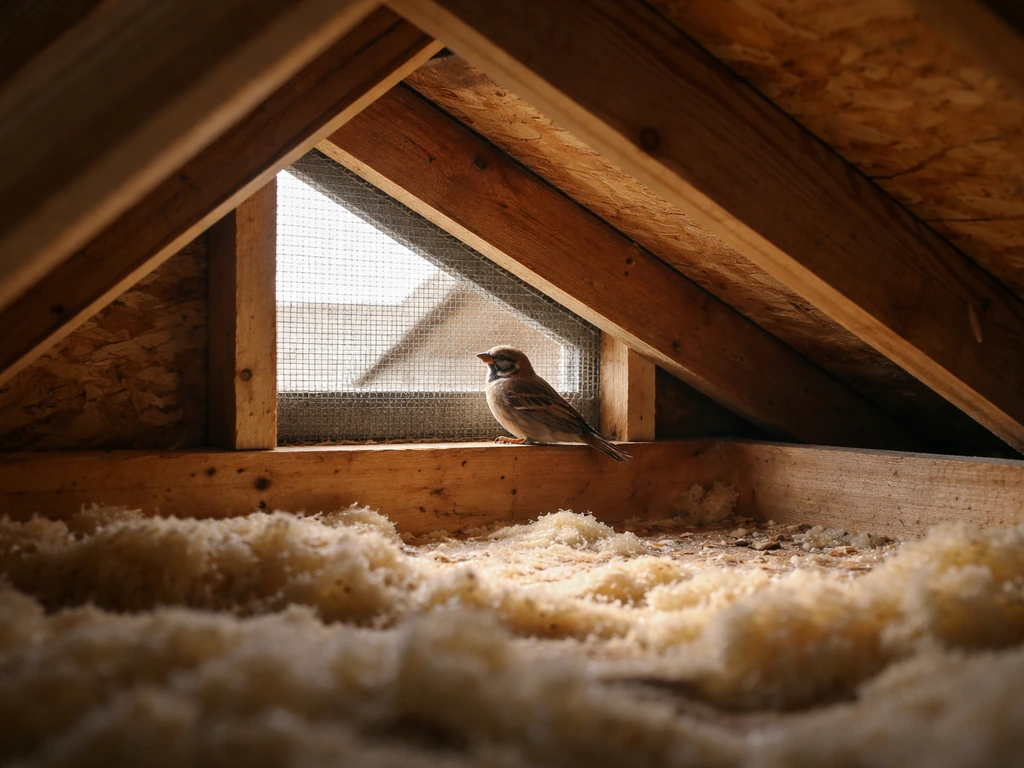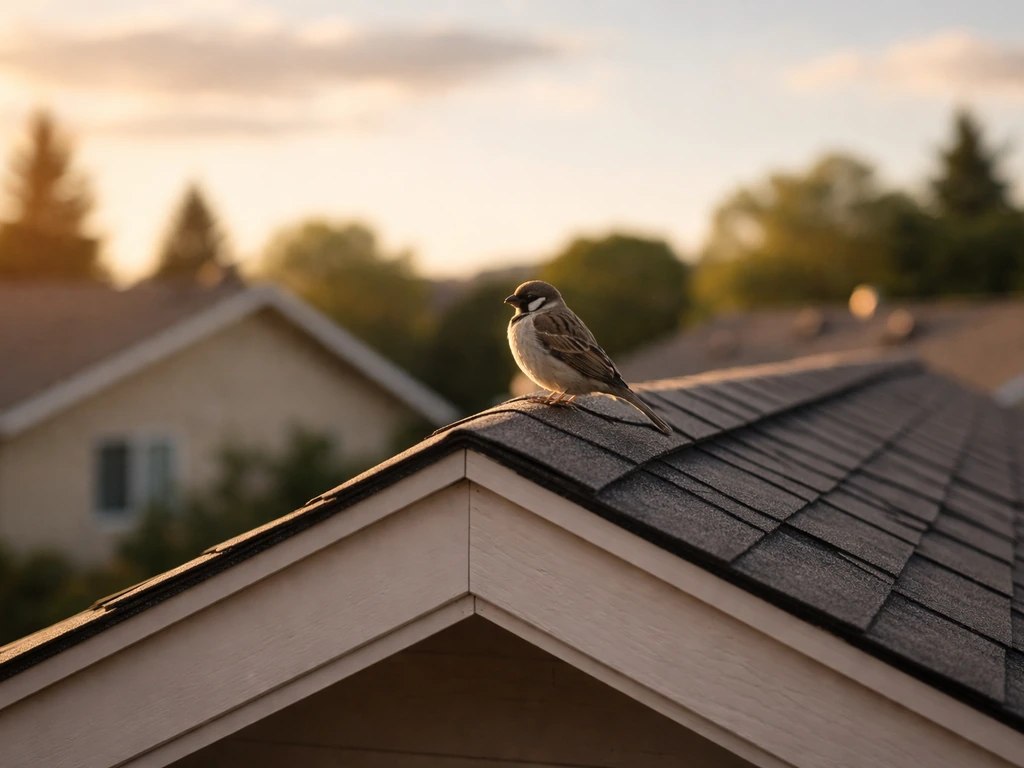
A bird at your front door most likely showed up because something physical drew it there: a reflective window, an insect attracted to your porch light, nearby shelter, or a weather shift. That's the honest starting point. At the same time, across dozens of cultures and centuries of folklore, the front door has been treated as one of the most symbolically charged spots on a home, and a bird pausing there has rarely been considered random. Both things can be true at once. Here's how to figure out what's actually happening, what traditions say it might mean, and what to do next.
Bird at Front Door Meaning: Practical and Spiritual Guide

Maya Hartwell
13 May 2026
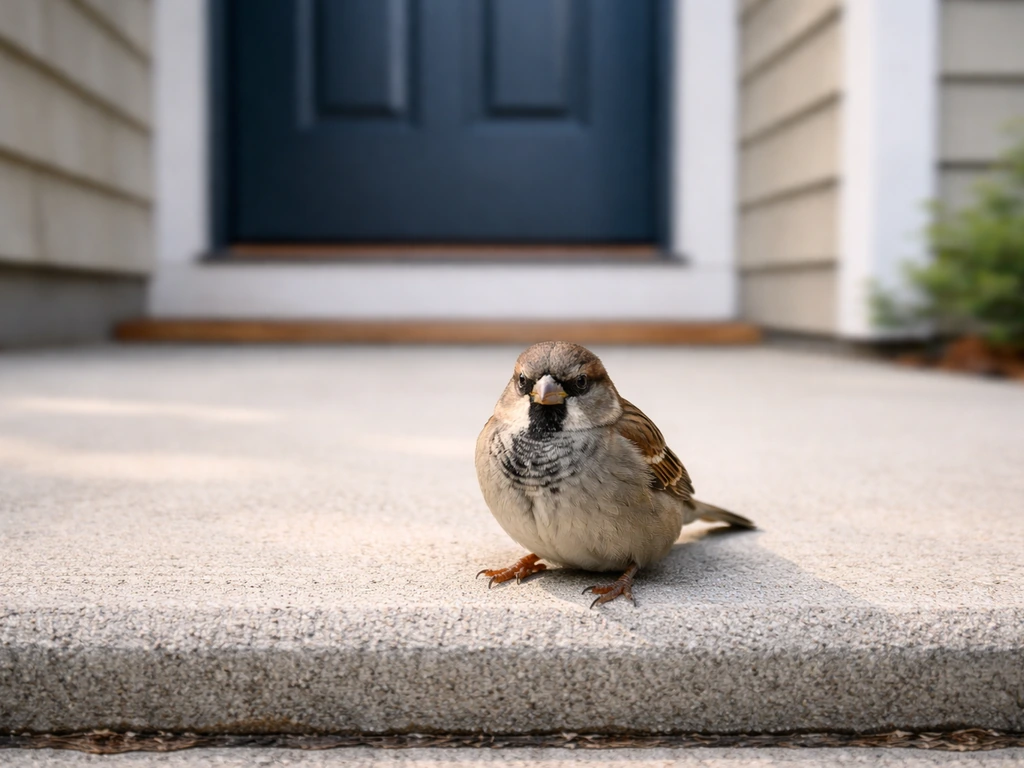
Quick reality-check: why birds actually show up at doors
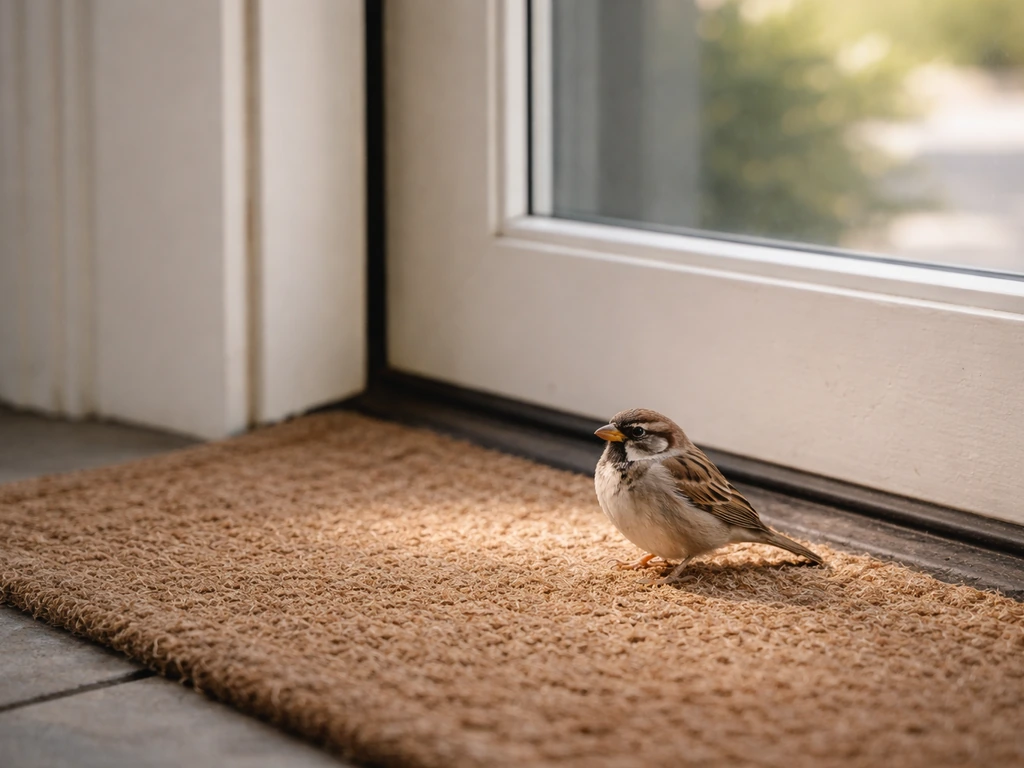
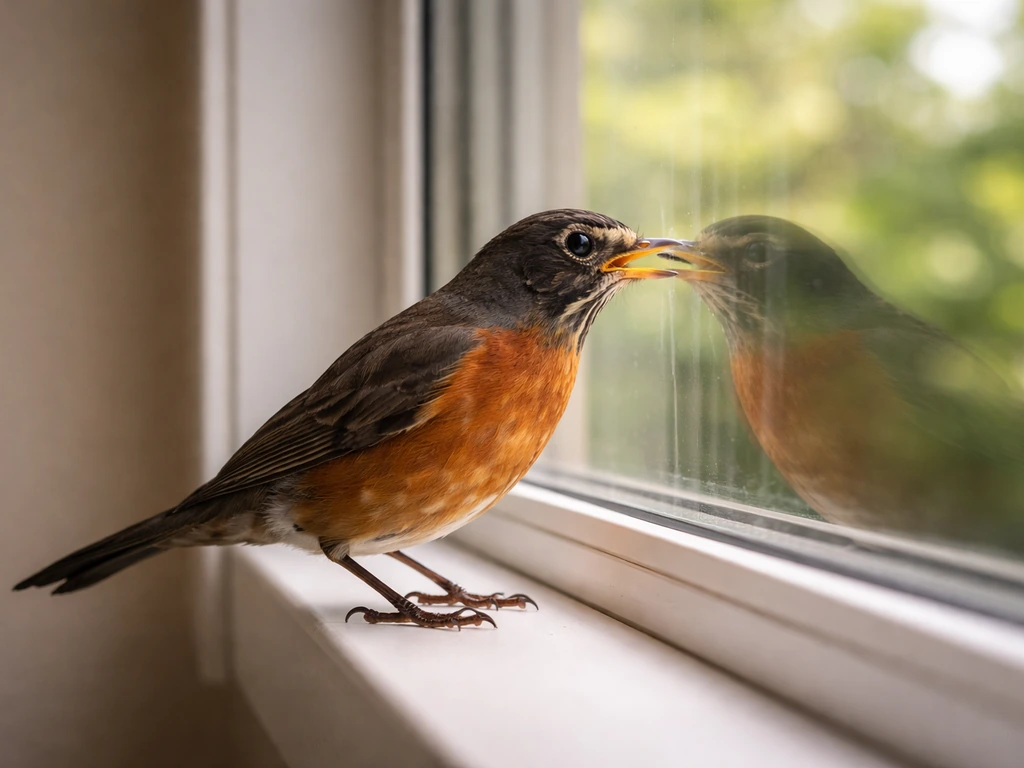
Before jumping to meaning, it helps to know what's realistically going on. The U.S. Fish and Wildlife Service estimates that more than one billion birds collide with glass in the United States every year, and the American Bird Conservancy puts about half of those collisions at home windows. A bird that appears dazed, pecking at your door glass, or repeatedly returning to the same spot is very likely responding to a reflection. From the bird's perspective, the glass looks like open sky, a rival bird, or a food source.
Beyond glass reflection, here are the most common practical reasons a bird ends up at your front door: If you notice a bird seemingly acting out a scene as it comes down the walk, that can feel like personification, where the bird is described as if it has human intent front door.
- Shelter-seeking: During cold snaps, storms, or heat waves, birds look for protected ledges, overhangs, or door frames to roost or nest.
- Bug attraction: Porch lights draw insects at night, which draws birds. If you have lights near the door, you've essentially set out a buffet.
- Migration routes: Many birds follow landscape features. A row of homes along a flight path can funnel birds right to a doorstep.
- Predator avoidance: A bird being chased by a hawk will dart toward any available cover, including a sheltered doorway.
- Mistaken entry: Doors left open, especially ones with screen doors, can confuse birds into thinking there's a passage through.
- Nesting reconnaissance: In spring (roughly March through June in most of North America), birds actively scout sheltered spots, and a door frame or wreath is an attractive candidate.
Knowing which of these applies to your situation changes both the practical response and, if you're drawn to symbolic interpretation, the layer of meaning you might assign to it. A bird scouting for a nest has a very different energy than one tapping urgently at glass.
Spiritual meaning of a bird at your front door
The front door holds a unique symbolic weight that the side entrance or back door simply doesn't carry. In spiritual and metaphysical traditions, the threshold, the literal boundary between inside and outside, represents a crossing point between worlds, states of being, or chapters of life. When a bird, already a symbol of spirit, freedom, and divine communication in most traditions, appears specifically at that threshold, many people read it as a message about something entering or leaving their life.
In general symbolic terms, a bird at the front door is often interpreted as a signal of incoming change, an arriving opportunity, or a message from beyond the physical. The front of the home is associated with your public life, how you present yourself to the world, and the future coming toward you. A bird landing there, especially one that pauses and seems to linger, is read in many traditions as an announcement: something new is approaching the threshold of your life, and you'd be wise to pay attention.
In Native American traditions, birds are frequently regarded as messengers between the human world and the spirit world, and their appearance at a home's entrance is taken seriously as a potential sign. Celtic folk belief similarly treated the doorway as a liminal zone, neither fully inside nor outside, where the veil between seen and unseen worlds is thinner. A bird pausing there could be a spirit passing through or delivering a message. In many East Asian traditions, particularly in Chinese and Japanese folk belief, birds at the home's front are often considered good omens, symbols of luck, prosperity, or a visitor soon to arrive.
If you're drawn to this symbolic lens, the most consistent thread across traditions is this: a bird at your front door invites you to ask what is trying to cross the threshold of your awareness. Is there a decision you've been avoiding? A new phase of life beginning? Something you're holding inside that wants to move outward, or something outside that wants to come in?
What the Bible and folklore say about birds at doors
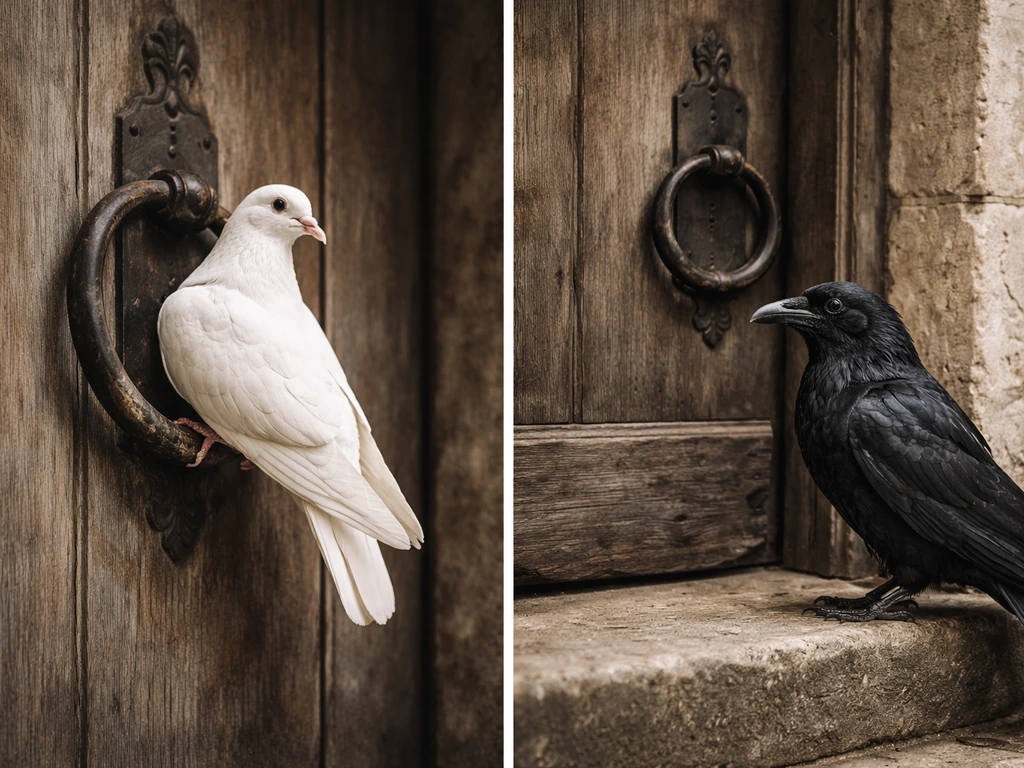
Biblical tradition is rich with bird symbolism. Doves carry peace and the Holy Spirit (as in the account of Jesus's baptism in the Gospels). Ravens are associated with divine provision (God sends ravens to feed Elijah in 1 Kings 17). Sparrows are used by Jesus himself as an example of God's attention to small things (Matthew 10:29-31). While the Bible doesn't offer a specific verse about a bird at a front door, the broader framework treats birds as creatures under divine care and, at times, as instruments of divine communication.
In European folklore, the associations get more specific and more varied. English and Scottish folk traditions sometimes treated a bird tapping at a window or door as a warning of illness or death approaching the household, particularly if the bird was a robin or a crow. In contrast, many Mediterranean and Eastern European traditions viewed a bird arriving at the home entrance as a good omen, especially if it sang. The difference often came down to species, behavior, and whether the bird entered the home or stayed outside.
Southern American folklore, particularly in African American spiritual tradition, includes birds as messengers from ancestors. A bird appearing at the front of a home, especially around the time of a family loss or anniversary, might be interpreted as a loved one checking in. This interpretation carries real comfort for many people and deserves to be taken seriously as a framework, even if it isn't everyone's tradition.
The common thread in biblical and folkloric readings is this: birds are rarely considered neutral. Their presence at a threshold prompts the question of what message, warning, or blessing might be arriving.
How the details shift the meaning
Whether you're approaching this practically or symbolically, the details matter a lot. The same event, a bird at a front door, reads very differently depending on what kind of bird it is, what it's doing, and when it shows up. Here's a breakdown of the most meaningful variables:
Species and color
| Bird | Common Symbolic Reading | Practical Note |
|---|---|---|
| Robin | New beginnings, spring renewal, messages from deceased loved ones in some traditions | Common door visitor in spring; often responds to window reflections |
| Cardinal (red) | Presence of a departed loved one, divine attention, good luck | Males are highly territorial and will attack their own reflection |
| Crow or raven | Change, intelligence, a warning to pay attention; also seen as a messenger from ancestors | Highly curious birds; may be attracted to shiny objects near the door |
| Dove | Peace, the Holy Spirit, comfort after grief, hope | Doves seek shelter easily; may be nesting nearby |
| Sparrow | Simplicity, community, divine care for small things, new friendships | Very common visitor; often nesting in door wreaths or frames |
| Owl | Wisdom, transition, sometimes a warning of significant change | Rare daytime visitor; nighttime appearance amplifies symbolic weight |
| Hummingbird | Joy, resilience, a reminder to be present and savor life | Drawn to bright colors on door decor; not a glass-collision risk |
What the bird is doing
- Tapping or pecking repeatedly at glass: Almost certainly responding to its own reflection. Symbolically, some interpret this as an urgent message demanding attention.
- Sitting still and watching you: Often read as a deliberate visitation, a messenger waiting to be acknowledged.
- Singing: Generally a positive omen across most traditions, associated with joy, good news, or celebration arriving.
- Silent and motionless: In some folklore, a silent bird at the door carries a more serious or solemn message.
- Flying away immediately: Could signal a fleeting opportunity or a message that has been delivered.
- Entering the house: A bird inside the home carries its own set of meanings, often more intense than one that stays outside at the threshold.
Time of day and other context
Morning birds, especially at sunrise, are broadly associated in symbolic traditions with new starts, clarity, and divine favor (dawn has long been a spiritually potent time in biblical and indigenous traditions alike). An evening or nighttime bird, particularly an owl, tends toward themes of transition, mystery, or a closing chapter. If you also notice a dead bird nearby, or find droppings at your doorstep, those details carry their own symbolic layers that are worth exploring separately.
Similarly, a bird on your porch, on your doorstep, or up on the roof each nudges the symbolism slightly differently depending on how close it gets to the actual threshold. If you're also wondering about the more specific bird on porch meaning, that same context of distance to the threshold can help you interpret the symbolism in a grounded way.
If you are wondering about the bird on your balcony meaning, it can help to compare its behavior and timing with how other door and threshold visits are interpreted a bird on your porch, on your doorstep, or up on the roof. If you are looking specifically for bird on doorstep meaning, pay attention to the type of bird and how close it gets to the threshold.
A bird on the roof is often tied to its own bird on the roof meaning, especially when you notice where it is positioned and how long it stays.
What to do right now: safety, release, and prevention
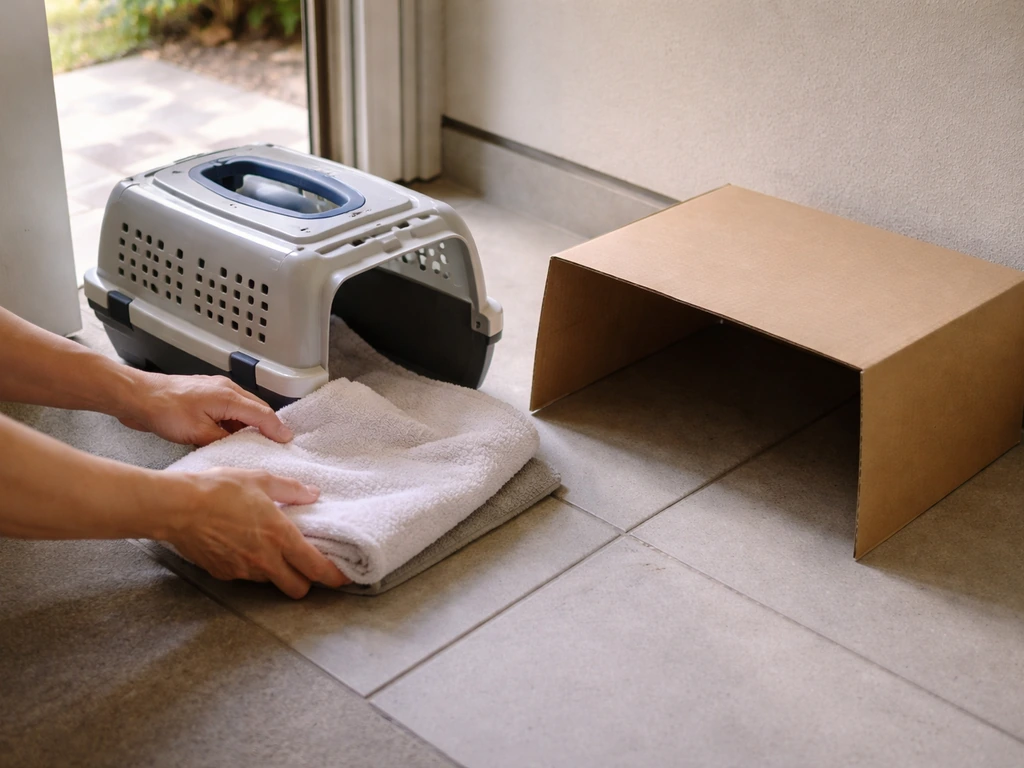
If a bird is currently at your door and needs immediate help, here's a practical sequence to follow:
- Check for injury first. If the bird appears stunned (from a window collision), don't touch it immediately. Give it 15 to 30 minutes in a quiet, shaded spot to recover. Place a cardboard box loosely over it to keep it calm and protected from cats or other predators.
- If you need to handle the bird, wear gloves or use a light towel. Healthy adult birds can bite and scratch. Gently place a stunned bird in a small dark box with air holes and keep it in a quiet room for up to two hours.
- If it doesn't recover in two hours, contact a local wildlife rehabilitator. In the U.S., the National Wildlife Rehabilitators Association directory can connect you with someone nearby.
- If the bird is healthy and simply lingering, give it space. Don't shoo it aggressively. Most birds will move on within minutes to hours once they feel safe.
- If a bird has entered your home through an open door, close interior doors to limit the space it's in, open windows and exterior doors to give it an exit, and turn off ceiling fans. Do not chase it; let it find its own way out.
Preventing repeat visits
If this keeps happening, a few targeted fixes make a real difference. For glass reflection issues (the most common cause), apply window film, tape strips of white or yellow tape at 2-inch intervals across the glass, or hang external screens. American Bird Conservancy estimates about half of window collisions occur at home windows, so reducing glass reflections at your own windows can help prevent repeated visits For glass reflection issues (the most common cause).
These break up the reflection without ruining your view. If porch lights are drawing insects that draw birds, switch to yellow or amber bulbs, which attract fewer insects. Seal any gaps around door frames, eaves, or siding that could attract nesting birds in spring. If a specific bird keeps returning, it almost always means it's seeing a reflection of itself, and the fix is making the glass visible to birds from the outside.
Combining symbolism with action: reflection prompts and next steps
The most useful approach, regardless of what you believe, is to hold both lenses at once. Handle the practical side fully, check the glass, secure the bird if needed, fix what's causing the visits. Then, if you're drawn to the symbolic side, give yourself space to sit with the experience and ask what it might mean for you personally.
Here are some reflection prompts worth spending a few minutes with, whether through journaling, prayer, meditation, or simply quiet thought:
- What is currently standing at the threshold of my life? Is there a decision, a relationship, or a chapter of change I've been hesitating to step through?
- Does the species or behavior of this bird resonate with anything happening in my life right now?
- Am I in a season of waiting for something new, or releasing something old? Which direction feels more alive to me today?
- If this bird were carrying a message from someone or something I trust, what would that message be?
- What would I need to open the door to, metaphorically, to feel like I honored this moment?
Your next practical steps are straightforward: fix the physical cause if there is one, document the details if you're inclined to track bird visits symbolically (species, behavior, time, what was on your mind), and revisit the moment in a few days with fresh eyes. Often the meaning of an encounter like this becomes clearer once you're not in the middle of it. The bird showed up at your threshold. What you do at yours is the part that's entirely up to you. If you want a quick shorthand for the symbolic interpretation, you might look at the phrase “like a dog with a bird at your door meaning.”.
FAQ
What should I do if the bird at my front door keeps returning the next day?
If the bird taps repeatedly, looks dazed, or keeps pecking at the same pane, treat it as a glass or reflection issue first, not an omen. Confirm by moving a flashlight across the window or checking whether the “sky” is mirrored from your angle. Then use an actual visual-break fix (window film, tape strips, or external screening) rather than only changing your mindset.
Does it change the meaning if the bird lands briefly versus tries to get inside?
For a bird that lands but does not enter, most practical explanations involve food or safety at the threshold (insects near porch lights, nearby cover, or reflections creating a “rival” zone). Symbolically, many people read a landing as a message to pay attention, while an attempt to cross inward is more strongly interpreted as something “entering” your life. Still, decide your actions based on whether the bird is struggling or just lingering.
Is it ever dangerous to ignore the bird and focus on symbolism?
Yes, and one key cue is whether the bird actually tries the door barrier. If it’s repeatedly hitting or fluttering against glass, avoid leaving it alone until it can orient itself, especially if it is injured or exhausted. If it seems calm and just pauses, you can observe from a safe distance while you address the lure (porch lights, gaps for nesting, reflective surfaces).
What if I notice droppings or a mess near the doorstep?
If you find droppings, assess it as a hygiene and safety issue first (clean with gloves and avoid spreading dust), then note the timing. Symbolic interpretations often treat droppings as a “warning to slow down and reset” or “something messy needs attention,” but the fresh practical step is to remove attractants and block access if birds are roosting near the doorway.
How much should species and behavior affect the bird at front door meaning?
Look at the bird’s species and behavior, because many tradition-based readings depend on both. A loud, singing bird is commonly framed as positive in several folk systems, while a bird that appears listless or keeps trying to escape a reflection is more consistent with practical stress. If you cannot identify the species, prioritize behavior (tapping at glass, circling, landing duration) to guide your response.
Could the timing of the bird visit change whether it’s practical versus symbolic?
If the bird appears during a known seasonal pattern (migration or nesting season), the practical likelihood increases substantially. In those times, a bird may be scouting or defending space near the entrance, and “threshold symbolism” tends to be a personal layer you add after you handle the physical drivers (lights, glass, cover).
What’s the most common mistake people make when trying to stop birds from visiting the front door?
A window reflection fix is different from simply covering a doorway. The most effective approach is to reduce mirror-like visibility from outside, such as applying window film or adding external screens, then retesting at different times of day. If you only change indoor lighting or move the bird-safe plants, the bird may continue to return to the same visual trigger.
What should I do if the bird actually gets inside the home?
If a bird is inside your entryway, prioritize safety for the bird and people. Open an exterior exit nearby, turn off interior lights that create glare, and keep pets away. For injured birds or birds you cannot safely guide, contact a local wildlife rehabilitator rather than attempting to capture it yourself.
How can I document the experience without making it feel overwhelming?
Yes. If you want a more grounded symbolic reading, track one short set of facts: species (or best guess), exact location (porch, doorstep, door glass), behavior (singing, tapping, hovering, landing), time of day, and what you were deciding or feeling that week. After a few days, you can compare entries to see what “themes” genuinely recur for you.
When does a bird at the front door mean I should focus on urgent conservation or safety actions?
Two big “edge cases” are injured birds and repeated collisions. For immediate collision risk, handle the situation now (remove reflection triggers, guide the bird, and don’t leave it to recover alone). For repeat visits, treat it like an ongoing environmental issue and perform targeted fixes at the specific trigger point the bird is using.