
A bird in the bedroom is almost always a natural accident, but that does not stop the moment from feeling like something more. Practically speaking, an open window, a mirrored surface that looked like sky, or artificial light that pulled a night migrant off course are the most common culprits. Spiritually, traditions across cultures have long read an indoor bird as a messenger, a sign of change, or a prompt to pay attention. Both things can be true at once. This guide walks you through getting the bird out safely first, then helps you sit with whatever meaning the encounter might carry for you.
Bird in Bedroom Meaning: Practical Causes and Spiritual Interpretations

Maya Hartwell
3 Jun 2026
Why a bird ends up in your bedroom
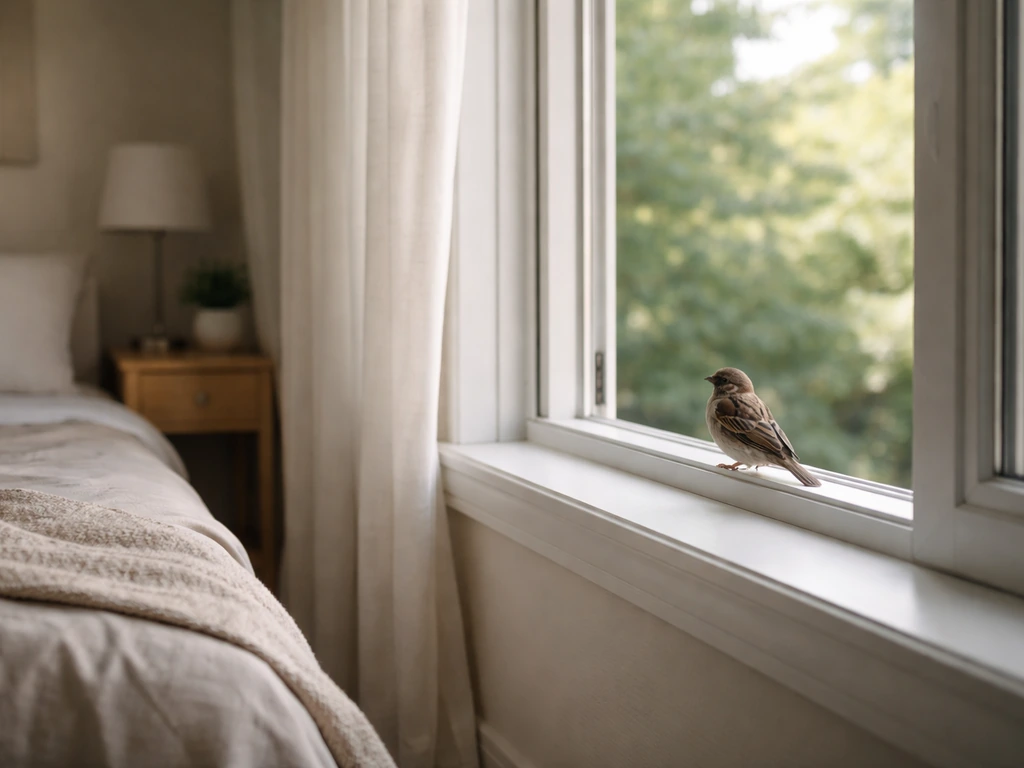
Birds do not choose bedrooms on purpose. The most common practical causes are straightforward: an open or unscreened window, a sliding door left ajar, or a gap that the bird slipped through while chasing an insect. Bedroom windows that face trees or gardens are especially prone to this, since birds are often foraging or flying low near vegetation.
Glass confusion is another major factor. Birds do not perceive windows the way we do. They may see a reflection of sky or trees and fly straight toward what looks like open space, or they may be drawn toward light coming through a window from inside the room, especially at night. Research from FLAP Canada and Cornell Lab's All About Birds confirms that artificial light from buildings disorients migratory birds, pulling them off their navigation paths and increasing the risk of window strikes and accidental entry. Turning lights off in a room, it turns out, reduced bird deaths at one monitored building by an average of 83 percent, which tells you how powerful that draw is.
Bedrooms are also quieter and darker than the rest of the house at certain hours, which can accidentally create exactly the kind of interior lighting contrast that attracts a disoriented bird. If your bedroom has a bright lamp or nightlight near a window, that combination is worth noting.
What the bird's behavior is telling you
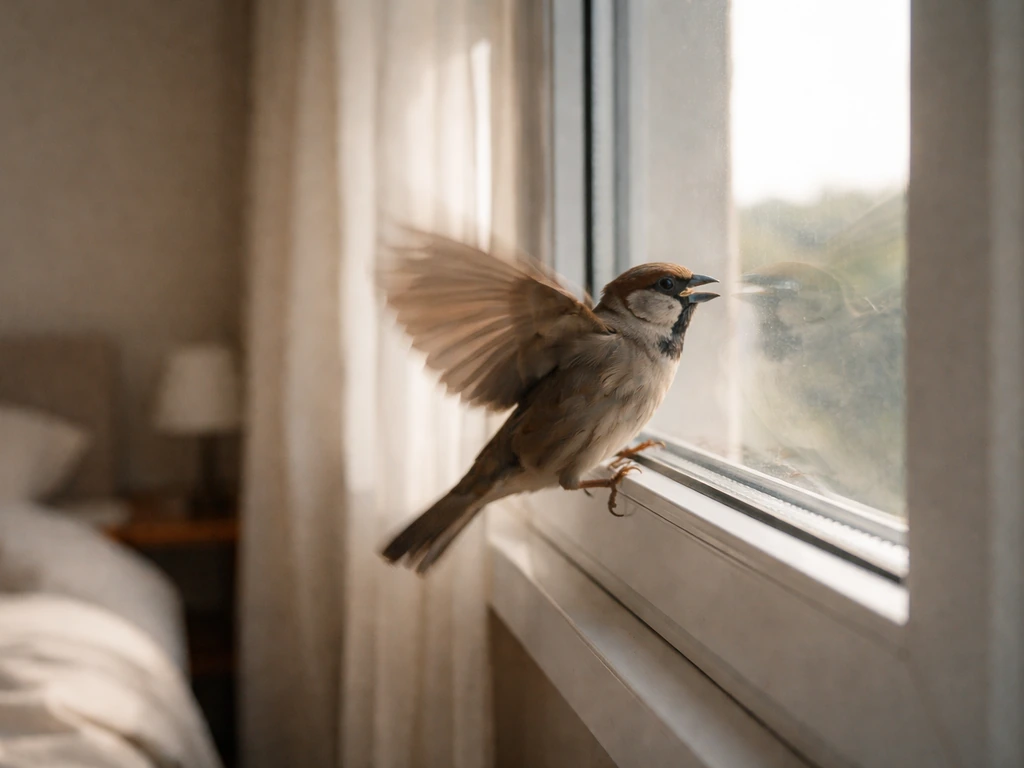
How the bird is acting when you find it matters both practically and symbolically. Here is what each scenario usually means on a practical level, which helps you figure out what kind of help the bird needs.
| Behavior | What it usually means | What to do |
|---|---|---|
| Flying frantically, hitting walls/windows | Panicked but uninjured; the bird is trying to escape | Create an exit and guide it out calmly |
| Perched quietly, looking alert | Resting or momentarily disoriented; likely uninjured | Open a window and give it space to leave on its own |
| Lingering for a long time, won't leave | Confused about the exit; may be seeing glass as open space | Cover non-exit windows and dim interior lights |
| Sitting on the floor, not flying | Possibly stunned from a window strike or injured | Place in a dark, ventilated box and contact a rehabilitator |
| Bleeding, wing drooping, unable to stand | Injured and needs professional care immediately | Secure carefully, contact a licensed wildlife rehabilitator |
A bird that flies in fast and bounces around the room is almost always just scared and disoriented, not injured. A bird sitting still on the floor is a different story. That stillness often signals a window strike, and it needs a different response.
Get the bird out safely: step-by-step
Work through these steps in order. The goal is to make the outside more obvious than the inside so the bird finds its own way out, which is far less stressful for both of you than trying to catch it. Canadian Wildlife Federation recommends turning off all the lights in the room so the bird is attracted to the light coming from the open window or door, then guiding it toward that exit with a sheet if needed make the outside more obvious than the inside.
- Close the bedroom door so the bird cannot move deeper into the house. Then close doors to any connecting rooms or hallways.
- Turn off all lights inside the bedroom. Darkness inside removes the competition and makes the open window or door the brightest, most obvious point in the room.
- Open one window or exterior door as wide as possible. Remove the screen if you can do it quickly.
- Cover any other windows that cannot be opened with a sheet, blanket, towel, or cardboard. This stops the bird from flying toward glass it mistakes for open sky.
- Step back and give the bird five to ten minutes. Most uninjured birds find the exit on their own once the room is dark and one opening is bright.
- If the bird is still lingering after ten minutes, gently guide it toward the open window using a bed sheet held between you and the bird, moving slowly and without sudden gestures.
- Once the bird is out, close the window and check the room for feathers, droppings, or any signs that the bird struck a surface hard before you arrived.
If the bird looks injured
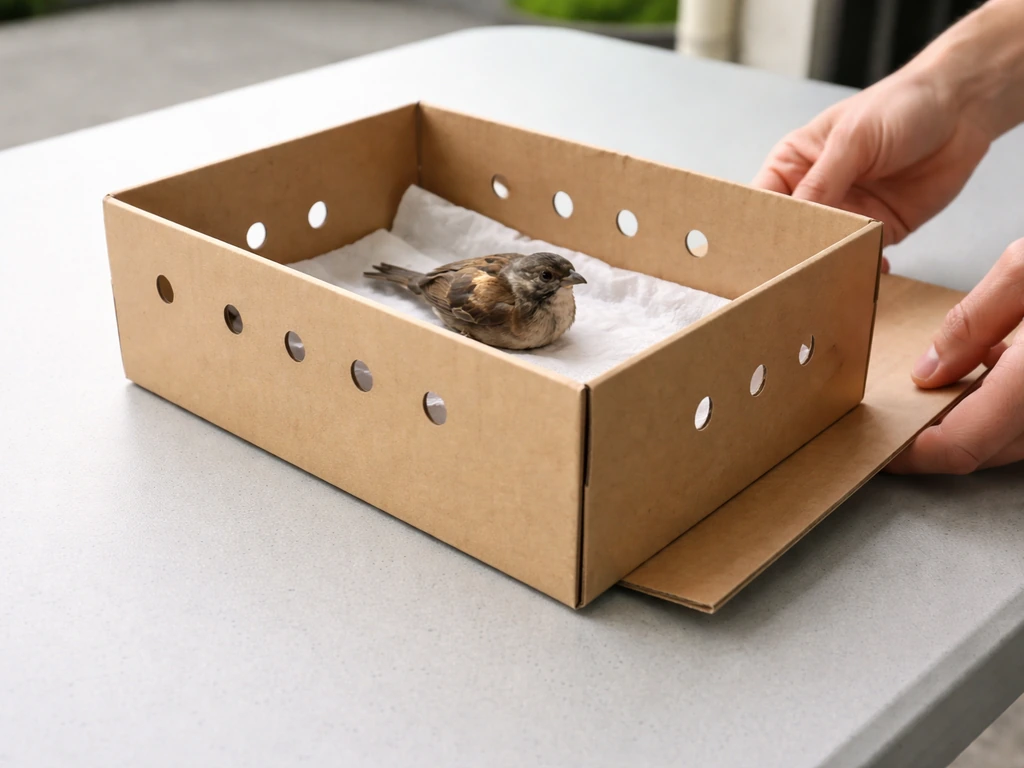
If the bird is sitting on the floor and not flying, place a shoebox or paper bag (with air holes punched in it) gently over it, slide a piece of cardboard underneath, and transfer it into the box. Add a paper towel for grip, put the lid on, and set the box somewhere quiet, dark, and warm, away from pets. If the bird was dazed from a window strike and recovers within a couple of hours, you can release it outside. If it does not recover, or if there is visible bleeding, a drooping wing, or an inability to stand, contact a licensed wildlife rehabilitator or your state wildlife agency right away. The CDC, US Fish and Wildlife Service, Audubon, and FLAP Canada all recommend professional assessment before releasing any bird that shows signs of injury. Trying to release an injured bird early can cost it its life.
What a bird in the bedroom tends to mean spiritually
Once the bird is safe, it is worth sitting with what the moment felt like. Across an enormous range of cultures and centuries, birds flying into a home have been interpreted as something beyond accident. If you are wondering about the wild bird in house meaning, many people see it as a sign of change, attention, or a message that invites reflection birds flying into a home. The bedroom specifically carries its own layer of symbolism, since it is the most private, personal space in the house. It is where you sleep, dream, process your inner life. A bird finding its way into that space, rather than the kitchen or the living room, tends to feel pointed.
Common spiritual themes associated with a bird entering a home include messages from beyond, a prompt to pay attention to something you have been ignoring, an arrival of change (good or unsettling), and the presence of a spirit or guide. Some traditions frame indoor birds as messengers from the deceased, particularly if the visit happens shortly after a loss. Others read it as an invitation to look at your inner world, since the bird has literally entered your most private space. None of these interpretations are mutually exclusive, and none of them are fixed. What resonates with you personally matters more than any single tradition's verdict.
How different belief systems frame it
Biblical and Christian perspectives
In Scripture, birds appear repeatedly as symbols of divine care and provision. The sparrow's worth in God's sight, the eagle's strength as a metaphor for spiritual renewal, and the dove as the vehicle of Holy Spirit imagery at Jesus's baptism all point to birds being treated as meaningful rather than incidental. The dove in particular carries centuries of accumulated Christian symbolism: peace, the Holy Spirit, and the hope of new beginnings (a thread that runs from Noah's olive branch all the way through contemporary church iconography). Some Christian communities interpret specific bird encounters as gentle divine reminders of God's watchfulness, though theologians typically caution against reading any single event as a direct fortune-telling omen. The framing tends to be one of attention and trust rather than prediction.
Folklore and Appalachian superstition
American regional folklore, particularly in Appalachian and Southern traditions, has long held that a bird entering a home signals either a visitor arriving soon or, in darker versions of the belief, a death in the family. These traditions do not always agree with each other, and the "death omen" reading tends to get the most attention even though the "visitor" interpretation is equally widespread. Older European superstition traditions similarly linked specific birds (robins, in particular) to omens tied to household events. It is worth noting that folklore meanings were rarely universal, they shifted by region, species, and the details of the encounter.
Metaphysical and modern spiritual frameworks
In contemporary metaphysical thinking, birds are frequently described as spirit animals, animal guides, or divine messengers. Learn Religions describes birds in this framework as symbols of uplift, connection to higher realms, and peace, with specific species carrying distinct meanings. A robin entering your bedroom, for instance, is often read in these systems as a sign of new beginnings, fresh starts, or positive change, an interpretation that aligns with the robin's association with spring and renewal across multiple cultures. The bedroom setting adds an intimacy to that message: this is not just change in your outer world, but something personal and close.
Indigenous and cross-cultural views
Many Indigenous traditions across North America view birds as important messengers between the human world and the spirit world, with specific species carrying specific messages depending on the community's teachings. Celtic traditions similarly honored birds as threshold beings that could move between worlds. In Eastern traditions, birds often represent the soul's freedom or the arrival of good fortune. These frameworks share a common thread: birds exist at a boundary that humans do not, and when one crosses into your space, it is worth noticing.
Making the meaning personal: species, color, timing, and your gut
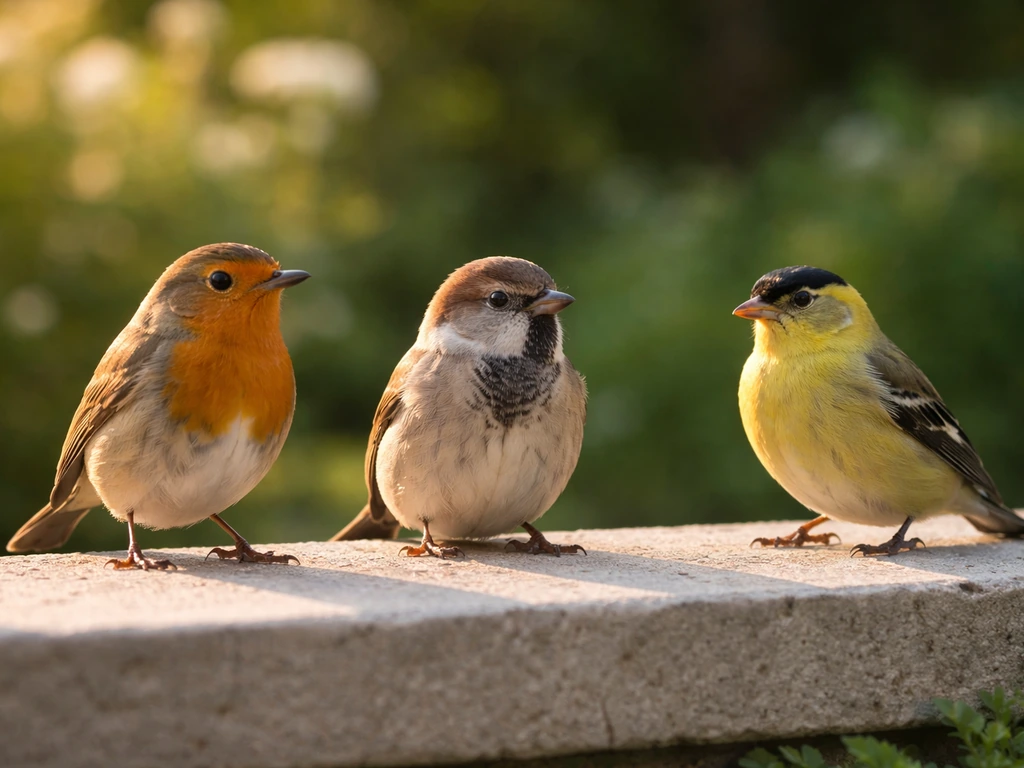
Generic interpretations only go so far. The most useful thing you can do is layer in the specific details of your encounter, because those details often point toward meaning that no general guide can give you.
- Species: A robin carries different symbolic weight than a sparrow, a crow, or a hawk. If you can identify the bird (Cornell Lab's All About Birds has a free species guide), look into what that particular bird means across traditions. A robin in your bedroom, for example, is widely associated with new beginnings and hope. A crow is often linked to transformation, mystery, or messages from the unconscious.
- Color: Color is one of the oldest symbolic languages humans have. A red bird in a private space might read as passion, vitality, or urgency. A white bird touches themes of purity, peace, or spiritual presence. A small brown bird might feel unremarkable but in many traditions the plain, overlooked bird carries messages about humility and attention to quiet things.
- Time of day: A bird arriving at dawn carries different energy than one that arrives at midnight. Morning birds align with new beginnings and clarity. A bird at dusk or night, especially since migratory birds often travel at night, might feel more liminal, connected to transition or the unconscious mind.
- Your emotional state: What were you thinking about when the bird arrived? What has been heavy or unresolved in your life lately? Sometimes the most honest interpretation is the first feeling you had when you saw it. That instinctive response often carries real information.
If you want to go further, the wild bird in house meaning and bird in house meaning superstition frameworks cover additional species- and context-specific readings that might match your situation. A robin, in particular, has its own rich tradition of interpretation that goes well beyond the generic "bird indoors" category.
After the bird leaves: reflection, ritual, and when to reach out for help
Sit with it before you explain it away
Give yourself a few minutes after the bird is gone. You do not have to decide immediately whether this was a message or just a lost sparrow. Both can be true. The practical explanation (a confused bird, an open window, artificial light) does not cancel out the symbolic one. Meaning and mechanism coexist comfortably if you let them.
Journal prompts worth trying
- What was I doing or thinking about when the bird arrived?
- What was my first feeling when I saw it, before I started problem-solving?
- If this bird were a message, what would I most need to hear right now?
- What does this particular species or color mean to me personally, setting aside what any tradition says?
- Is there something in my private life (my bedroom life, my inner world, my dreams) that has been asking for attention?
Simple rituals if the moment felt significant
If the encounter felt like more than an accident, you do not need to do anything elaborate. Opening a window and sitting quietly for a few minutes, lighting a candle with an intention around what the bird seemed to bring, or saying a short prayer or gratitude depending on your tradition can be enough to honor the moment. Some people smudge or air out the room after a bird has been inside, less as superstition and more as a way of clearing the energy and marking the transition. Do whatever feels honest to you.
When to actually call for help
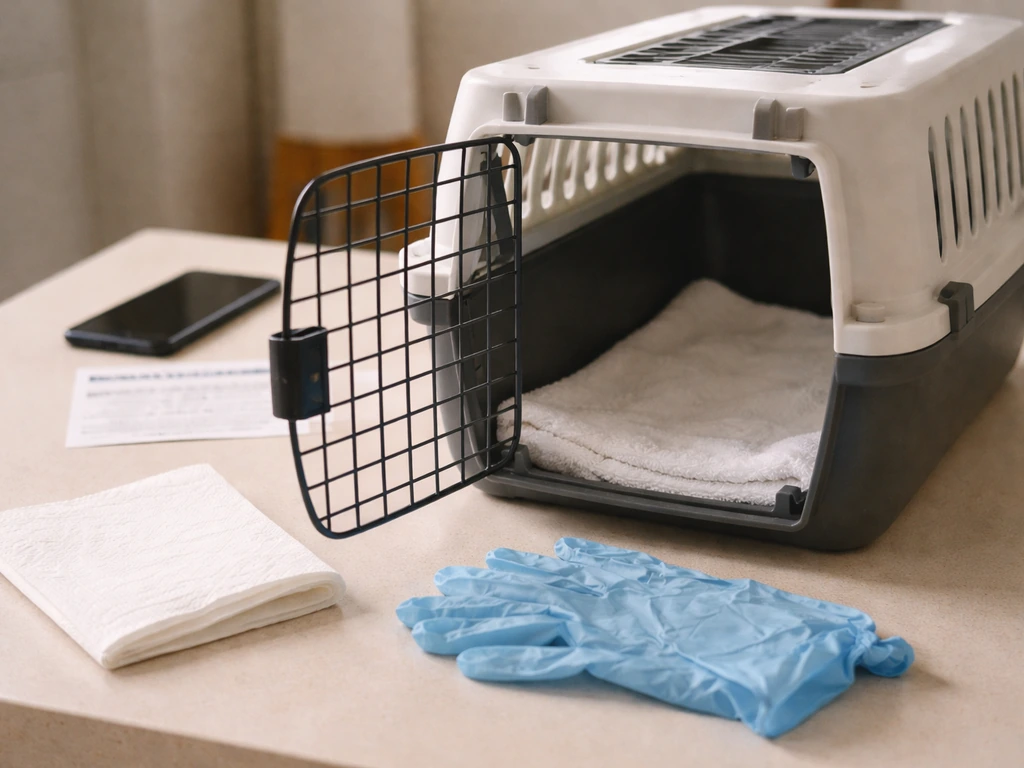
On the practical side: if the bird was injured and did not recover in your care within two hours, contact a licensed wildlife rehabilitator. Your state wildlife agency can refer you to one, and the CDC recommends this route as the safest for both you and the bird. Do not attempt to nurse an injured wild bird on your own. Large birds (hawks, owls) with talons need extra caution even when seemingly calm. On the spiritual side: if the encounter stirred up grief, anxiety, or a feeling you cannot shake, that is worth talking through with someone you trust, whether that is a spiritual director, a therapist, or a friend who takes this kind of thing seriously. Sometimes a bird in the bedroom is the thing that breaks open a feeling that was already there.
FAQ
How can I tell whether a bird in my bedroom is just disoriented or actually hurt?
If the bird is flying in tight circles, only touching the glass briefly, or repeatedly trying to exit near windows, it is usually disoriented rather than injured. If it cannot take off, lands on the same spot, or keeps its head low with slow movements, treat it as a possible window-strike injury and follow the capture-and-box guidance before you consider any symbolic meaning.
Do I need to chase the bird to get it out, or are there safer options?
No. You can make the situation easier by turning off indoor lights, closing blinds to reduce reflections, and opening one exit (a door or window) on the side you want it to leave from. Avoid chasing because that can cause panic, overheating, or worse impacts from re-bouncing into glass.
Does the time of year or time of night change the “bird in bedroom meaning” balance?
Yes, timing helps. If you find the bird during migration season or it was after strong nighttime lighting near a window, the odds of a light-disorientation accident are higher. If it happens immediately after a storm or heavy winds, it can also be more likely a “lost” bird. Spiritual readings can still be valid, but first confirm practical factors.
What should I do if the bird doesn’t survive the encounter?
If it died inside, do not treat this as a test of your intuition. Take practical steps first (ventilate, wash hands, keep pets away). For wildlife, contact your state wildlife agency or a local rehabilitator for guidance on handling, disposal, and whether the species has any reporting or bio-safety considerations.
When is it too late to release the bird, and who should I contact?
If you see blood, a drooping wing, breathing difficulty, or the bird cannot stand or hop normally after a couple of hours in a quiet warm box, it is not a DIY moment. Wild birds can deteriorate quickly even when they look calm. A licensed wildlife rehabilitator is the safest next step.
Could reflections in my bedroom be the real reason the bird ended up there?
Often yes. A mirrored closet door, TV screen, or glossy dresser can create a “sky” or “open space” illusion. If the bird repeatedly hits or aims toward those reflective surfaces, cover mirrors or turn off reflective screens until the bird is out.
What bird behavior patterns should I watch for in the room?
A higher-pitched, frantic flutter is usually panic and confusion. A bird making sustained, quiet contact with a window or sitting very still is more concerning for a collision. Use behavior plus mobility (can it hop, can it spread wings, can it lift off) rather than only sound.
Does a repeated “bird in bedroom” happen for a practical reason, and how do I prevent it?
If you keep seeing birds repeatedly after the first incident, it suggests an ongoing access issue rather than symbolism. Check for unscreened vents, gaps around window frames, pet doors, or partially opened balcony doors, then fix the entry points and reduce nighttime light near windows.
How do I know if the experience is meaningful to me or just made me anxious?
Try not to decide the meaning under stress. A practical checklist first (injury signs, exit access, lighting), then give yourself a short pause once the bird is gone. If the moment triggered grief, fear, or relief you cannot explain, journaling or talking with a trusted person can help separate intuition from anxiety.
How can I interpret the “message” without turning it into scary fortune-telling?
If the bird entered with a specific species you strongly associate with a personal theme (for example, a robin with renewal), you can still use that as a reflection prompt without treating it as prophecy. If you are superstitious or want a “safer” approach, choose an action-based meaning (like tending to a relationship or prioritizing rest) rather than predicting an event.
Next Articles
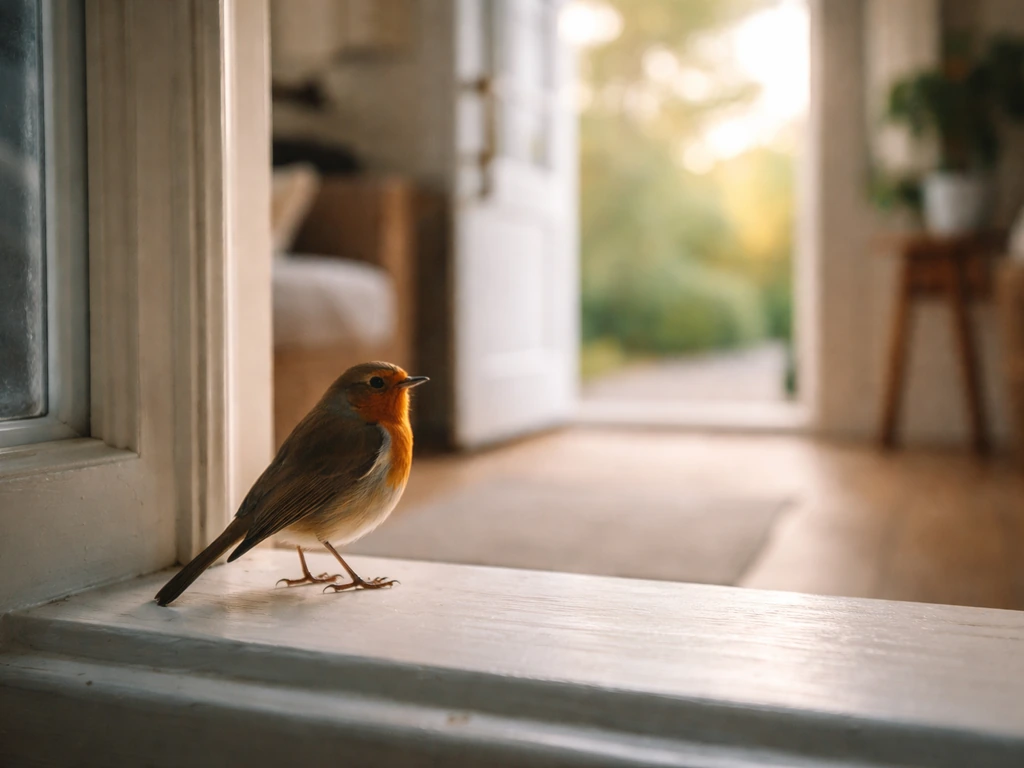
Robin Bird in House Meaning: Practical Causes and Spiritual Signs
Understand robin bird in house meaning: causes like light or open doors, plus spiritual omens by behavior, plus what to
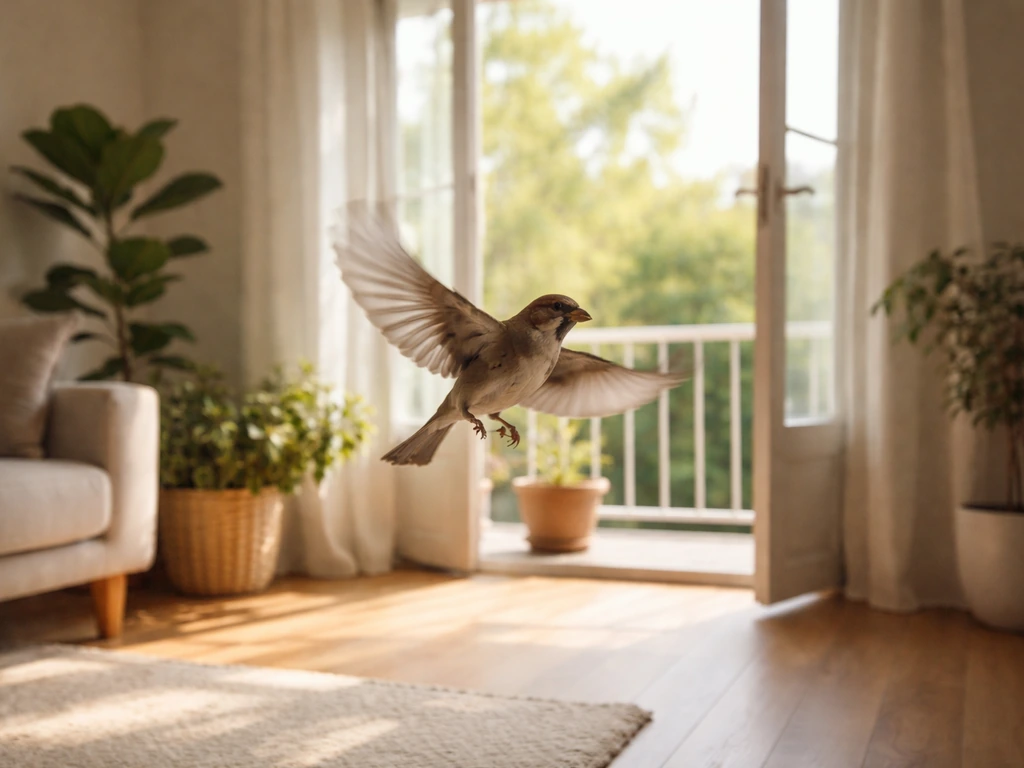
Bird in House Meaning: Superstition, Causes, and What to Do
Explore bird in house meaning superstition, common causes, spiritual or biblical interpretations, and safe steps to get

What Do the Birds Mean in Bird Box and in Real Life
Bird Box birds as early-warning plot signals, plus real-life meanings and calm next steps for sightings and symbols