
Finding a dead bird inside your home stops you in your tracks. Before anything else, two things are true at once: there is a practical situation you need to handle safely right now, and there is a symbolic layer that many people feel compelled to explore. This guide covers both, starting with what to do in the next few minutes, then moving into the natural explanations, and finally the spiritual and cultural meanings people have attached to this experience across centuries and traditions. seeing a dead bird meaning. seeing a dead bird meaning
Meaning of Dead Bird in Your House: Safety and What It May Mean

Maya Hartwell
23 Mar 2026
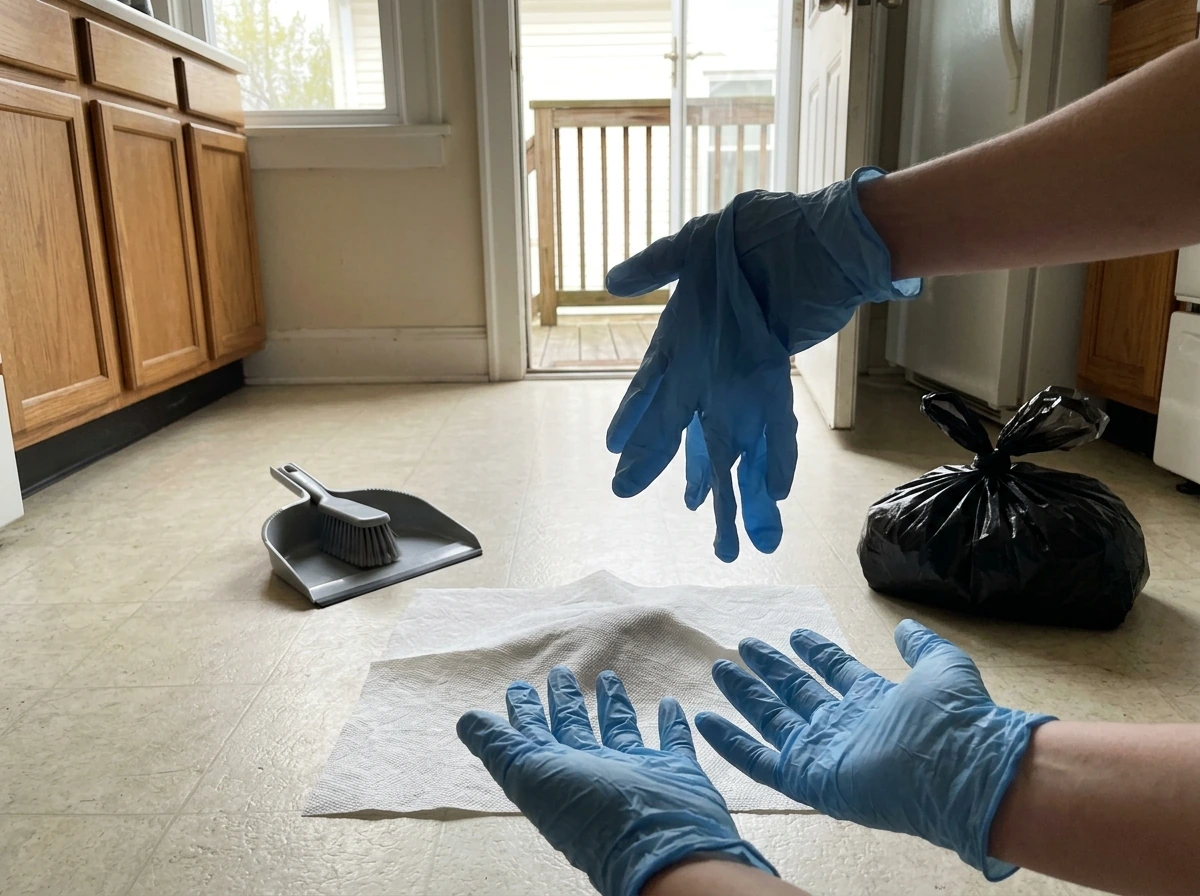
Handle it safely first: immediate steps
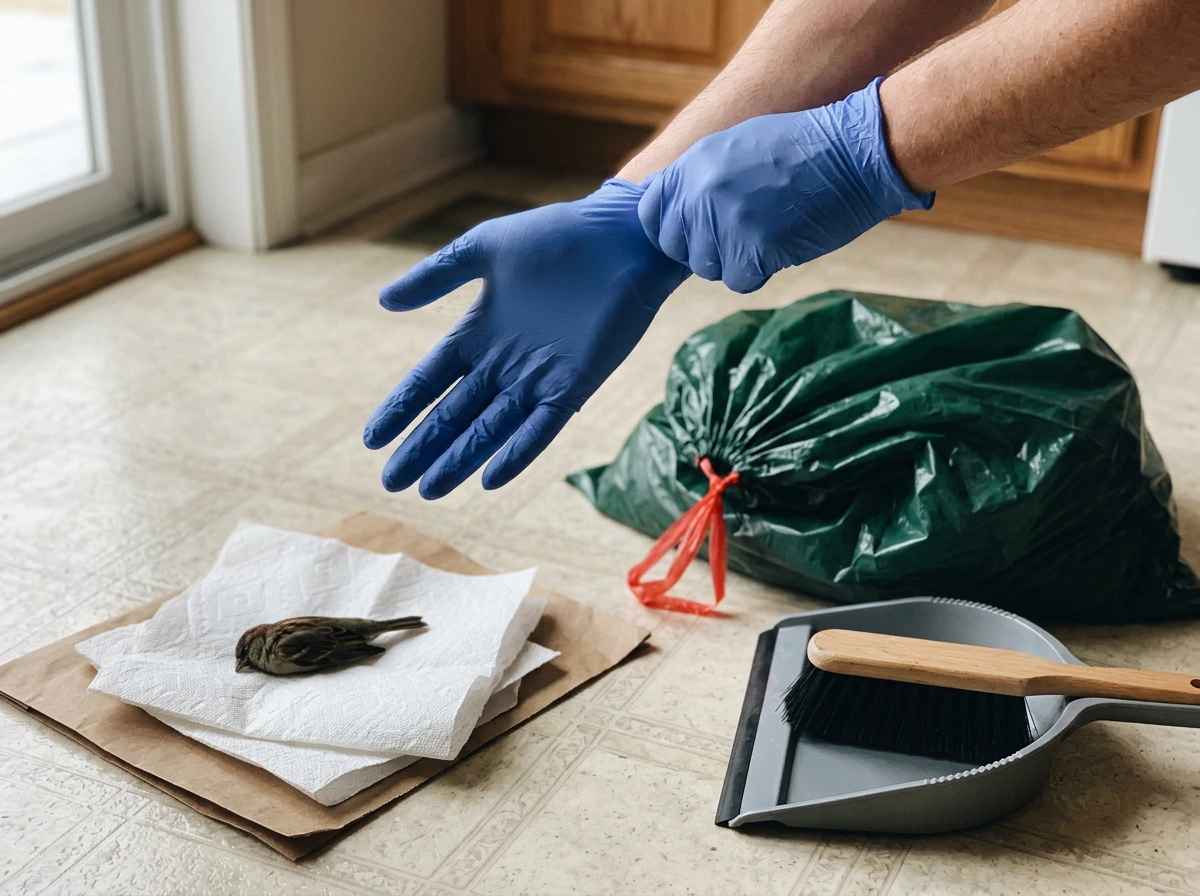
blank" rel="noopener noreferrer">Before you think about meaning, think about safety. Dead birds can carry bacteria, fungi, and in rare cases viruses like H5N1 avian influenza. The risk of getting sick from a single bird is generally low, but the precautions are simple enough that there is no reason to skip them. Rhode Island DEM recommends not touching dead birds with bare hands and suggests using protective equipment like gloves and disposing of the bird using a trash-bag approach blank" rel="noopener noreferrer">protective equipment like gloves and a trash-bag approach.
- Put on disposable waterproof gloves before you touch anything. If gloves are not available, use an inverted plastic bag over your hand like a makeshift glove.
- If there is any chance of splashing (a bird that has been there a while, visible fluids, or disturbed feathers), add an N95 mask. Stirring up dried droppings or feathers can aerosolize particles you do not want to breathe.
- Pick up the bird using the inverted bag technique: place your gloved hand inside a plastic bag, grab the bird, then turn the bag right-side out over the bird so you never touch it directly.
- Place that bag inside a second plastic bag and seal both. This double-bagging approach is the standard recommended by public health agencies for safe disposal of dead wildlife.
- Dispose of the sealed bags in an outdoor trash bin.
- Remove your gloves carefully by peeling them off without touching the outer surface, then bag them as well.
- Wash your hands thoroughly with soap and water for at least 20 seconds. Avoid touching your face at any point during or after the process.
- Clean the area where the bird was found. Avoid dry sweeping, which can stir up dust and droppings. A damp cloth or paper towel with a disinfectant works better.
- If you develop flu-like symptoms, fever, or eye irritation within 10 days of handling the bird, contact your local health department or doctor and mention the exposure.
If you have pets or young children, blank" rel="noopener noreferrer">keep them away from the area until cleanup is completely finished. Dogs especially will investigate a dead animal quickly, and you do not want secondary contact with whatever the bird may have carried. If your pet had direct contact with the bird before you discovered it, give them a thorough wash and watch for any unusual symptoms.
If you find multiple dead birds in or around your home (not just one), that changes the calculation. Contact your local wildlife agency or USDA APHIS rather than handling them yourself. Multiple bird deaths in one location can signal a disease outbreak, poisoning event, or other issue that authorities need to assess.
What about histoplasmosis?
This is worth a brief mention because it surprises people. Histoplasmosis is a fungal infection caused by Histoplasma capsulatum, a fungus found in bird and bat droppings. Disturbing accumulated droppings, especially in enclosed spaces like attics or wall cavities, can spread spores into the air. This is not typically a concern with a single fresh bird, but if you discover a dead bird in a spot where there are also signs of long-term roosting, dried droppings, or a large accumulation of feathers, treat the cleanup more carefully and consider calling a wildlife removal professional rather than tackling it alone.
Why do birds end up dead inside a house?
Most of the time, a dead bird indoors has a very ordinary explanation. Understanding the likely cause helps you both make sense of what happened and prevent it from happening again.
Window and glass collisions
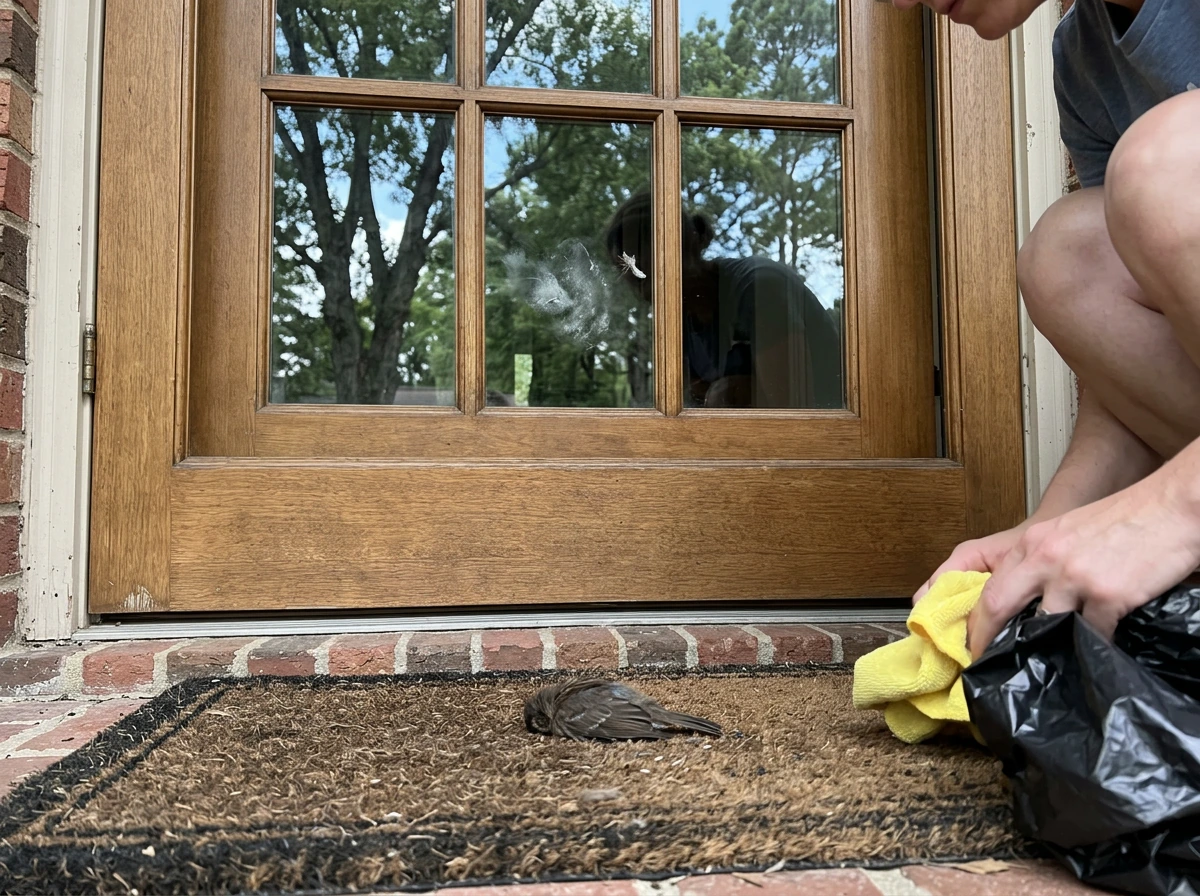
This is the most common reason. Birds cannot perceive glass as a barrier. They see a reflection of sky or trees and fly straight into it at full speed. A bird that collides hard enough with a window may die on impact or crawl to a nearby spot and die shortly after. The clue is usually a smudge or feather imprint on the glass. Audubon notes that even a bird that looks dead after a strike may just be stunned, so if you find one and it seems recently deceased, it is worth getting it to a licensed wildlife rehabilitator quickly in case it can be saved.
Nighttime light attraction and exhaustion
Bright lights from buildings at night can confuse migrating birds, pulling them off course. They may circle illuminated windows for hours until they collapse from exhaustion or collide with the building. This is sometimes called fatal light attraction, and it is especially common during spring and fall migration seasons. If you find a dead bird during these periods and your home has large lit windows facing a dark yard or natural area, this is likely a contributing factor.
Entry through gaps, chimneys, and vents
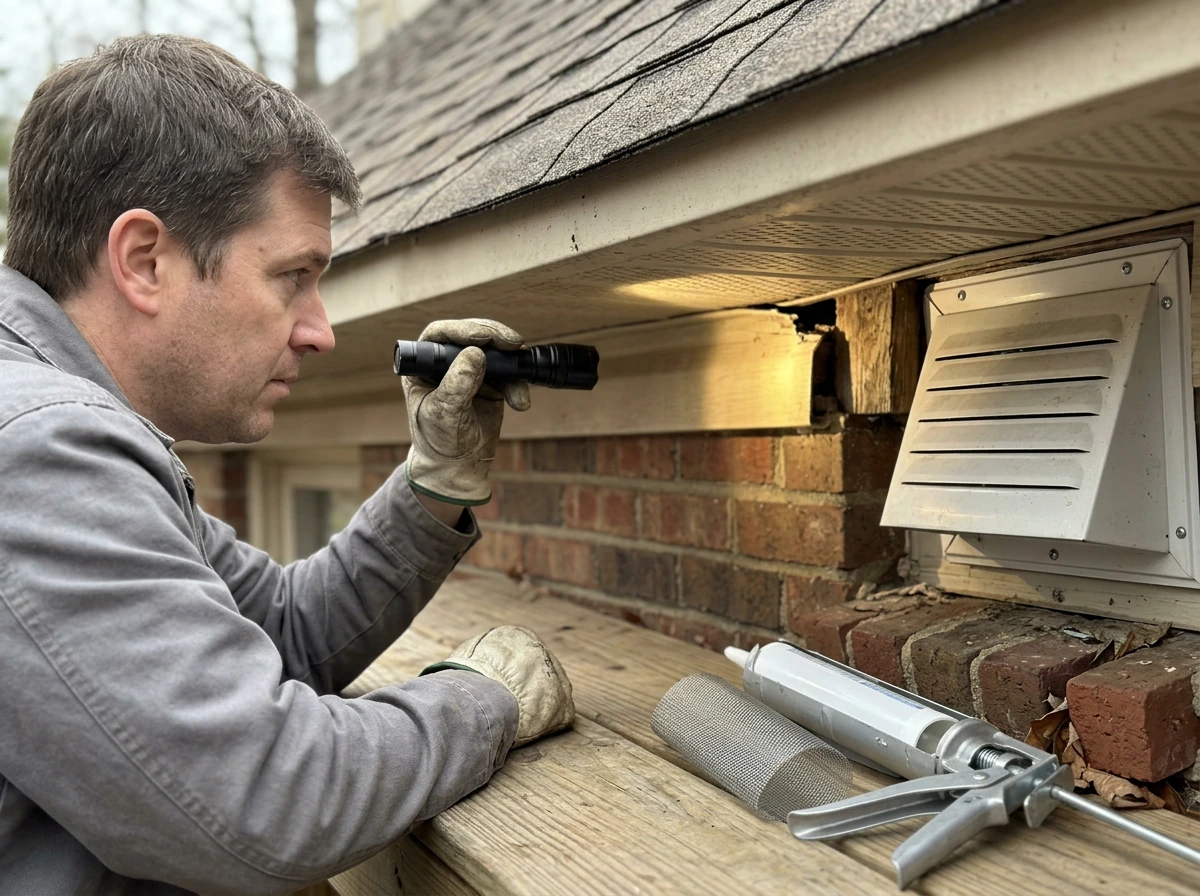
Birds can squeeze through surprisingly small openings. Uncapped chimneys, open vents, gaps in rooflines, and even HVAC access points are all potential entry routes. A bird that gets trapped inside your home may die from exhaustion, stress, dehydration, or inability to find its way back out. Maine wildlife guidance specifically calls out chimneys and vents as common entry points and recommends identifying and sealing them after an incident.
Illness, injury, and predators
A bird that was already sick or injured might seek shelter in a dark, enclosed space, which is an instinctive behavior. Indoor cats are also a significant factor. If you have a cat with outdoor access or access to an attached garage, there is a real possibility it brought the bird inside. Predator-caught birds often show obvious signs of trauma.
Rodenticide and secondary poisoning
If rodent poison has been used in or near your home, raptors and other birds that eat poisoned rodents can suffer secondary poisoning. Anticoagulant rodenticides in particular cause internal bleeding and can leave a bird disoriented and unable to fly before it dies. If you use rodent control products and are finding dead wildlife near your property, this connection is worth investigating.
Do dead birds carry spiritual meaning? An honest overview
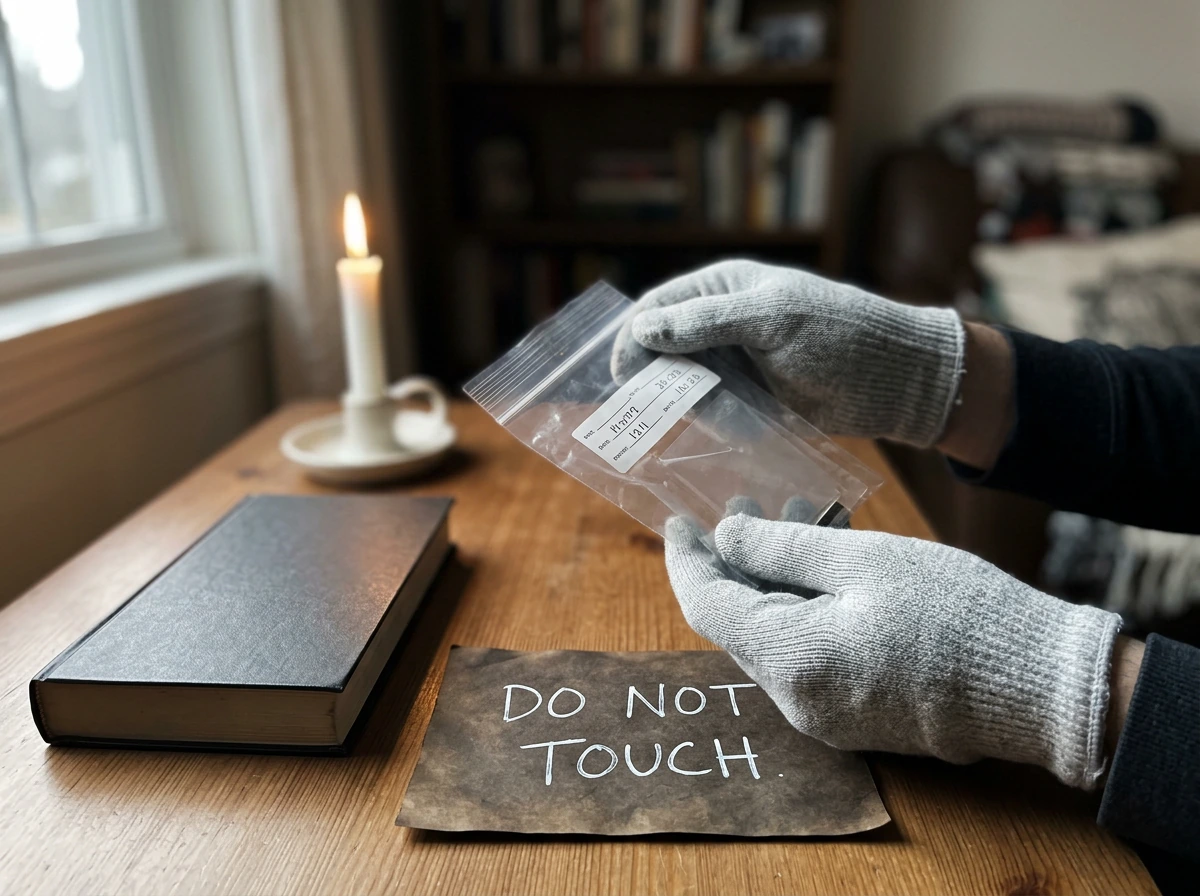
Here is where we move into territory that science does not map. the symbolic weight becomes more concentrated than seeing one outdoors. If you have been exploring what dead birds mean more broadly, much of that general symbolism applies here too, but the indoor element adds a layer of intimacy and personal relevance that many people find striking. finding a dead bird meaning That feeling is worth taking seriously, not because dead birds are guaranteed omens, but because symbolic thinking is one of the ways humans have always processed significant experiences.
Across cultures and throughout history, birds have been understood as messengers between the physical world and something beyond it. They occupy the space between earth and sky, which has long made them potent symbols of communication, freedom, and transition. When one dies in your home, in your personal space, the symbolic weight becomes more concentrated than seeing one outdoors. If you have been exploring what dead birds mean more broadly, much of that general symbolism applies here too, but the indoor element adds a layer of intimacy and personal relevance that many people find striking.
The most common themes that appear across spiritual and metaphysical traditions when a dead bird is found inside a home include:
- Transition or ending: Something in your life is completing a cycle, whether a relationship, a phase of work, an old belief system, or a chapter of personal growth.
- A warning or wake-up call: An invitation to pay attention to something you may have been ignoring, a situation that needs addressing, or a habit that is no longer serving you.
- A message from a deceased loved one: In modern spiritualist and metaphysical thinking, birds are sometimes seen as vessels through which people who have passed attempt to communicate. A bird dying in your home can be interpreted as a particularly urgent or personal version of this.
- Spiritual protection needing attention: Some folklore traditions frame a dead bird indoors as a sign that the home's protective energy is weakened or that something spiritually disruptive has entered.
- Emotional or spiritual awakening: A prompt to examine what you have been feeling, dreaming about, or avoiding on an inner level.
None of these interpretations should be taken as fixed predictions. They are lenses, not diagnoses. What resonates for you depends entirely on your own life context, what is currently unfolding, and which belief framework feels most true to you.
What the Bible says (and does not say) about signs like this
If you are coming from a Christian background, you may be wondering whether seeking meaning in a dead bird indoors is spiritually appropriate or whether it crosses into territory the Bible cautions against.
The honest answer is that the Bible does address omen-reading and divination directly. Deuteronomy 18:10 includes a prohibition against those who 'interpret omens,' listing it alongside divination and witchcraft. First Samuel 15:23 equates rebellion with the sin of divination. Many Christian teachers cite these passages when discouraging the practice of reading natural signs as spiritual messages or using them to predict the future.
That said, there is a distinction that many Christian thinkers draw between actively seeking signs as a form of divination and simply noticing an unusual event and bringing it prayerfully to God. The Bible is full of moments where God communicates through nature, birds included. Matthew 10:29 notes that not a single sparrow falls to the ground without the Father's knowledge. Whether a dead bird in your home constitutes a divine message is not something any person can declare with certainty. If you are a believer, the most grounded approach is to bring the experience to prayer and discernment rather than assigning a fixed meaning to it, or alternatively, to accept the natural explanation and move forward.
If you want to explore the broader question of what the Bible suggests about bird encounters and signs, that is a conversation worth having with your own faith community rather than resolving through a single verse.
Folklore and cultural symbolism across traditions
Long before modern spiritual movements, cultures around the world developed elaborate systems for reading meaning into bird behavior and death. The practice of ornithomancy, interpreting omens from birds, was central to ancient Roman augury and appears in various forms across nearly every major civilization.
In Welsh folklore, the Aderyn y Corff (the corpse bird) was said to be a creature whose appearance near a home portended death or misfortune. Celtic traditions more broadly associated certain birds with the threshold between the living and the dead, viewing their appearance as a message from the other side. In many Indigenous North American traditions, birds carry the prayers and intentions of people to the spirit world, and their deaths can be seen as significant transitions in that communication.
In some Eastern traditions and Feng Shui-influenced thinking, a dead bird inside the home is taken as a sign of disrupted energy or blocked progress, particularly related to freedom, opportunity, or spiritual movement. The color and species of the bird matter in these systems: a dead white bird, for instance, is interpreted differently from a dark-feathered bird, with white often carrying associations of purity, loss, or a message from the divine, depending on the tradition. If you want to explore color-specific meanings further, the symbolism of white birds in particular carries its own rich thread across cultures.
What is consistent across most folklore traditions is this: finding a dead bird indoors is treated as a more significant event than finding one outside, precisely because the home is considered protected, private, and spiritually bounded space. Finding a dead bird on a doorstep or driveway can also carry cultural interpretations, but many people weigh them differently than an event inside the home meaning of dead bird on driveway. Something entering that space and dying within it is read as a breach of the ordinary, a moment asking for attention.
Metaphysical and intuitive interpretations
In contemporary metaphysical and intuitive spirituality, the emphasis tends to be less on fixed omens and more on personal resonance. The question is not 'what does this universally mean?' but 'what does this mean for me, right now, given what is happening in my life?'
From a metaphysical perspective, the death of a bird in your home is often framed as a symbol of necessary endings. Birds represent freedom, possibility, and movement across realms. When that energy dies inside your home, it can symbolize a part of your life that is ready to end so something new can begin. This is not a threat, it is the natural cycle of transformation.
Some intuitively oriented readers also connect a dead bird indoors to themes of spiritual protection and energetic boundaries. The idea is that your home, as your personal sanctuary, can be energetically affected by stress, conflict, grief, or unresolved emotion. A dead bird appearing in that space can be read as an invitation to cleanse and renew the energy of your environment, particularly if you have been going through a difficult period.
Another thread in metaphysical thinking connects this to messages from those who have passed. If you have recently lost someone significant, or if the bird's appearance came alongside a dream, a memory, or a strong emotional feeling, many people in this tradition would encourage you to sit with that and see what surfaces.
One important note: metaphysical interpretations are not prophecy. They are tools for self-reflection. If a particular interpretation creates fear or anxiety rather than insight, that is a sign to set it aside. The most useful spiritual frameworks are the ones that open something, not the ones that close it down.
How to respond: practical, spiritual, and preventive next steps
Reflect on your personal context
If the spiritual dimension of this experience feels relevant to you, the most useful thing you can do is slow down and notice what is currently happening in your life. Ask yourself: What am I in the middle of right now? Is there something I have been putting off, avoiding, or grieving? Have I had unusual dreams recently?
Ask yourself: What am I in the middle of right now? Is there something I have been putting off, avoiding, or grieving? Have I had unusual dreams recently? Has a particular theme been recurring in my thoughts?
The dead bird is not going to answer those questions for you, but it can act as a prompt to take them more seriously. The dead bird is not going to answer those questions for you, but it can act as a prompt to take them more seriously.
Prayer, ritual, and cleansing if you feel called to it
Whatever your tradition, there is value in marking an unusual event with some form of intentional response. That might look like:
- Prayer: If you are faith-based, simply bring the experience to your prayer practice and ask for clarity, peace, and discernment. You do not need to assign a specific meaning to do this.
- Journaling: Write down what you felt when you found the bird, what is happening in your life right now, and any impressions or associations that came to mind. Sometimes the act of writing reveals connections you had not consciously noticed.
- Meditation or quiet sitting: Spend a few minutes in intentional stillness. Notice what arises without forcing an interpretation.
- Home cleansing: If you work with energetic practices, this could be an appropriate moment to clear the energy of your home in whatever way feels aligned with your beliefs, whether that is smudging, prayer over each room, opening windows to let fresh air move through, or a simple cleaning ritual done with intention.
- A small act of acknowledgment: Some people simply take a moment outside to acknowledge the bird respectfully before disposal, expressing gratitude for whatever message it may have carried. This kind of small, intentional gesture can help bring closure to the experience.
Prevent it from happening again
Once the immediate situation is handled and you have had time to process the experience, it is worth addressing the practical conditions that allowed it to happen. Most dead birds indoors are preventable.
| Likely Cause | Prevention Step |
|---|---|
| Window collisions (daytime) | Apply bird-safe window film, decals, or tape patterns on the outside of glass. The pattern needs to cover the full pane, not just a few spots. External screens also help. |
| Nighttime light attraction | Turn off non-essential interior lights at night, especially during spring and fall migration. Close blinds or use blackout curtains on bright windows facing natural areas. Audubon's Lights Out program offers guidance on this. |
| Chimney or vent entry | Install a chimney cap and ensure all vents have secure covers or screens. Inspect your roofline for gaps, especially where materials meet or age has created openings. |
| Garage or open doors | Keep garage doors closed when not in active use. Install door seals at the bottom. If you leave windows open, use screens. |
| Rodenticide poisoning (secondary) | Switch to non-anticoagulant rodent control methods. Seal holes and remove attractants like pet food and fallen fruit to reduce the rodent population rather than relying on poison that flows up the food chain. |
| Cat access | Keep cats indoors or restrict their access to areas where birds are likely to enter. Cats are one of the leading causes of bird deaths near homes. |
After prevention, identify the specific entry point or cause if you can. Look for a feather smudge on a window, an uncapped chimney, a gap in a vent cover, or signs that your cat brought something in. Knowing the how makes the fix straightforward and gives you something concrete to act on, which is often exactly what is needed after an unsettling experience.
Finding a dead bird in your home is one of those moments that sits at the intersection of the ordinary and the extraordinary. Handle the physical reality first, carefully and safely. Then give yourself permission to explore the symbolic layer if that feels meaningful to you, including the seeing a dead bird meaning people often search for. You do not have to choose between the natural explanation and the spiritual one. Both can be true at the same time, and both are worth your attention. finding a dead bird outside your house meaning. stepping on a dead bird meaning
FAQ
Can I clean up a dead bird myself, or should I call someone?
If you do it yourself, treat it like a biohazard cleanup. Wear disposable gloves (and a mask if you see dried droppings nearby), avoid sweeping or vacuuming, and mist first so you do not aerosolize dust. Afterward, disinfect the contact area with an appropriate disinfectant and wash hands thoroughly. If you cannot fully contain the mess (for example, in an attic with lots of debris), that is a good reason to hire a wildlife cleanup professional.
What if the dead bird might actually be alive after a window collision?
Yes, it is possible for a “fresh” bird to be stunned rather than dead immediately after a window strike. Look for signs like breathing, a responsive blink, or movement. If you see any life, contact a licensed wildlife rehabilitator right away instead of assuming it is too late, and keep pets away while you wait.
What changes if I find more than one dead bird, or one in a spot with lots of droppings?
Multiple birds often point to an outdoor or environmental issue, but two practical scenarios still need extra attention. First, if you see a cluster of birds around a specific product area or bait station, consider poisoning or contamination. Second, if you notice heavy roosting signs (dried droppings, lots of feathers, strong odor) plus long-term buildup, Histoplasma risk rises even if you only find one corpse. In both cases, escalation to local wildlife authorities is safer than DIY.
My indoor cat found or carried in a dead bird, what should I watch for and do?
If a cat brought it in, the main risk is secondary contact (fur, saliva, and any dried material). Pick up the bird with gloves, double-bag it, and wipe surfaces the cat touched. Then wash your cat with pet-safe grooming guidance if advised by your veterinarian, and monitor for lethargy, breathing changes, or vomiting. Do not assume your cat is fine just because it did not bite you.
How do I figure out how the bird got inside so it does not happen again?
A common mistake is interpreting fear first and forgetting to check whether the bird came in through a controllable pathway. Start with the closest likely route: window, vent, chimney, attic access, and any gap near HVAC lines. If you find smudges on glass or droppings near a specific opening, seal it after cleanup. Then reassess lighting patterns at night (turning off nonessential exterior lights or using curtains) during peak migration.
What are the most effective ways to prevent window collisions after this happens?
If the bird hit a window, the fastest prevention is to reduce reflections and give the bird a clear visual cue. Practical steps include closing blinds during high-traffic times, using decals or films designed for bird strikes, and adjusting interior lights so the night glow is less dominant compared with the outdoors. After a single incident, try the fixes near the exact window where you see smudges.
Does the bird’s species or color affect what I should do, or is safety always the same?
Color and species can matter to some folklore systems, but when it comes to safety it does not override the basics. Still, there is one practical edge case: larger birds like raptors or waterfowl may have more visible trauma or may be harder to handle safely without spreading debris. If you are unsure what it is or you suspect it died from contamination, avoid handling and contact a wildlife agency.
How can I explore the spiritual meaning without turning it into fear or predictions?
If you feel compelled to seek meaning, a good safeguard is to keep it non-predictive. Instead of treating it like a guaranteed omen, frame it as a prompt for reflection, and set a boundary with yourself: decide what action you will take (cleanup, prevention, prayer, journaling) and stop short of “this must mean X will happen.” If the interpretation reliably creates anxiety, switch to the natural explanation or a calmer reflection practice.
When should I worry about health risks beyond basic cleanup precautions?
If you believe you may have an infection risk because of droppings buildup, do not rely on intuition. Consider a health call or local public health guidance if you are immunocompromised, pregnant, or have significant exposure to dried droppings in enclosed spaces. Also, if you see multiple bird deaths and especially if there are signs of disease in the area, leave it to authorities rather than trying to assess from one event.
What is a balanced next step if I want meaning but also want to stay grounded?
Yes. While metaphysical interpretations are personal, you can still do something intentional that does not require belief. A useful next step is to write down what you noticed immediately (time, window lighting, where the bird was found) and what you are currently dealing with emotionally, then choose one practical change. That keeps the experience grounded and reduces the urge to hunt for a single “universal” answer.
Next Articles
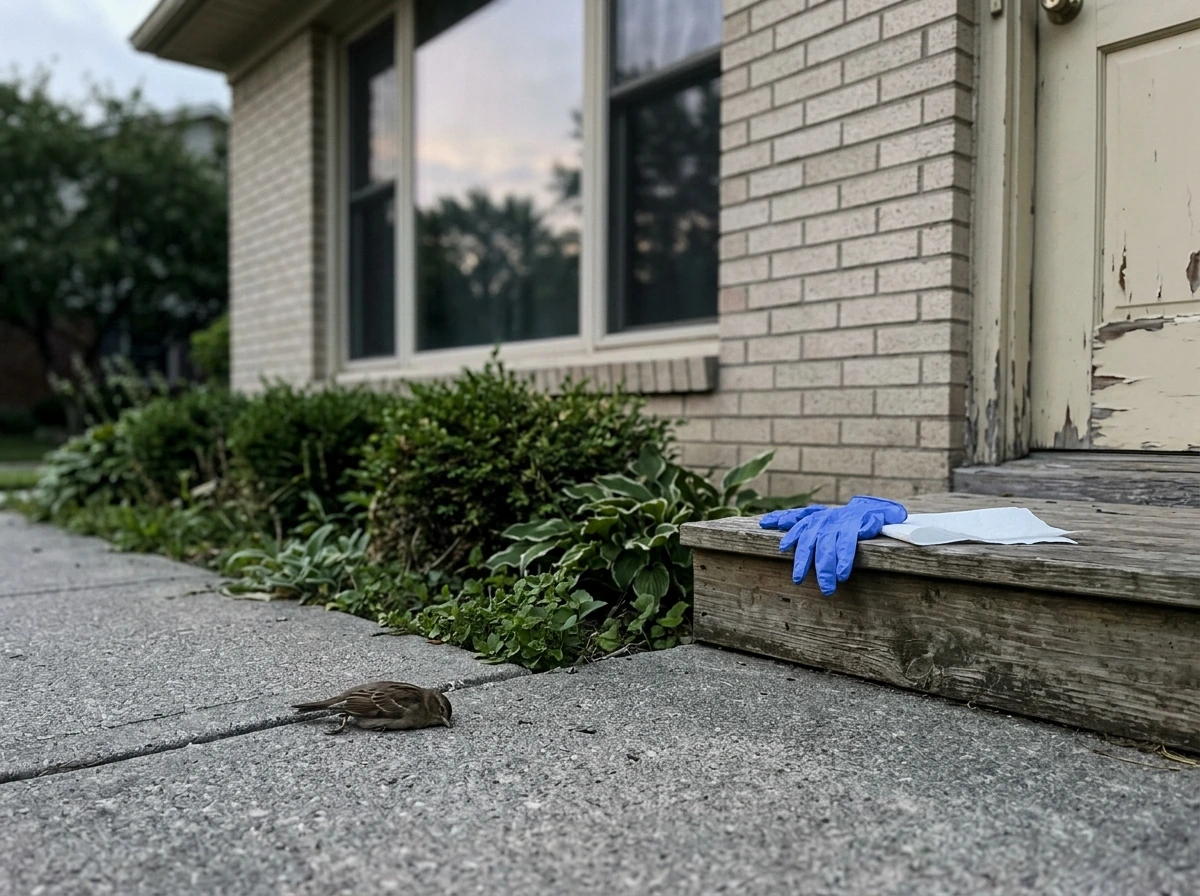
Seeing a Dead Bird Meaning: Real Reasons and Next Steps
Understand seeing a dead bird: practical causes, spiritual symbolism, and safe cleanup and next steps.
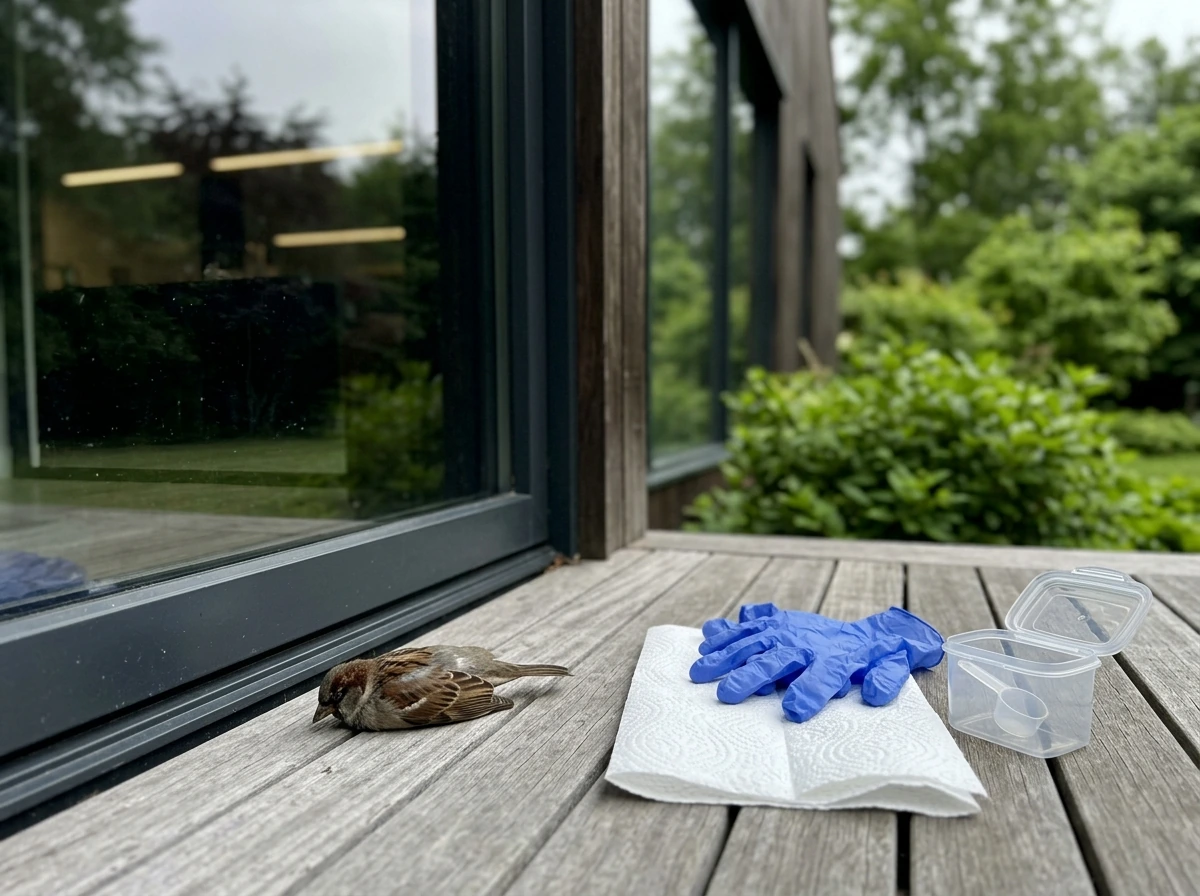
What Does a Dead Bird Mean Today and Spiritually
Discover what a dead bird means now and spiritually, plus safe handling, causes, black bird symbolism, and next steps.
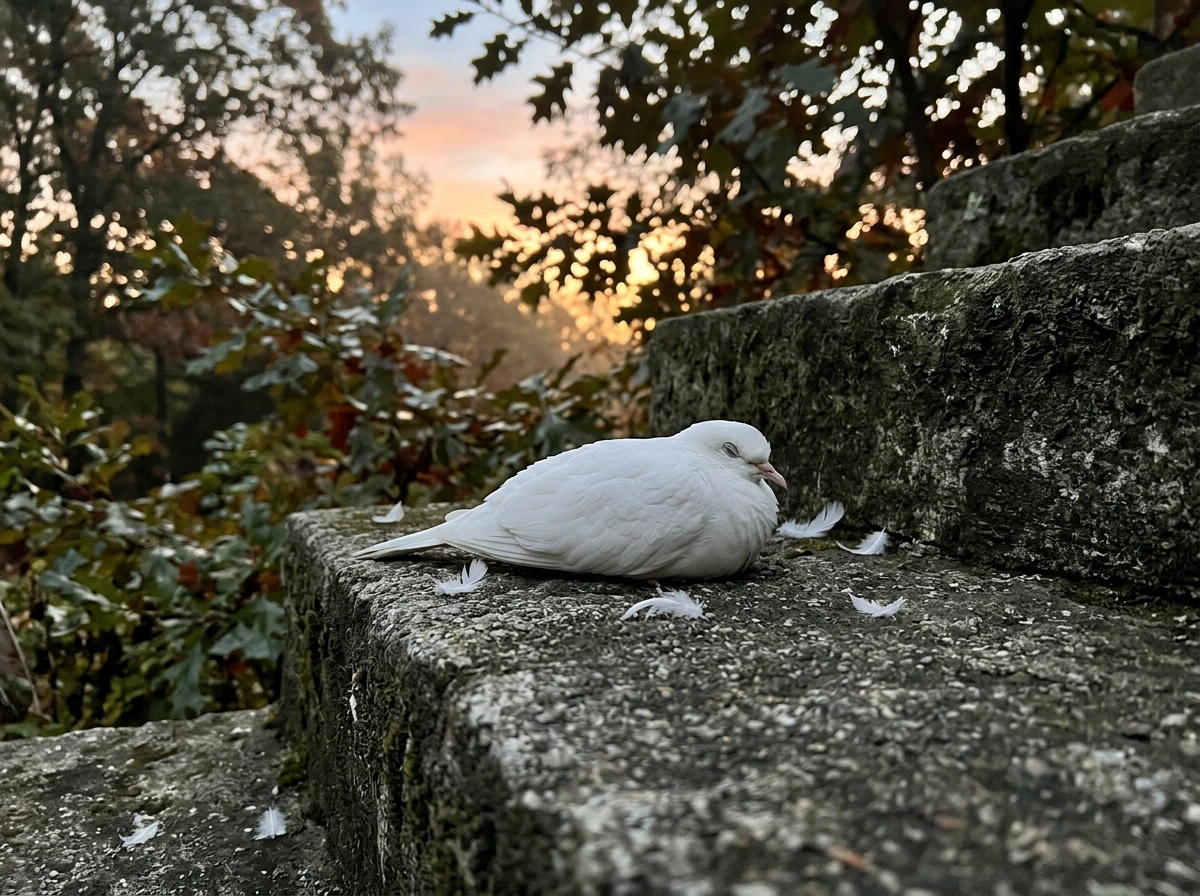
White Dead Bird Dream Meaning: Spiritual, Psychological, and Next Steps
Interpret a white dead bird dream spiritually and psychologically, then use a checklist and practical next steps for clo