
A dead bird means different things depending on where you're coming from. Practically speaking, it usually signals one of several very common causes: a window collision, a cat, illness, or exposure. Symbolically and spiritually, traditions across cultures have long read dead birds as messengers of transition, change, or awakening. Symbolically and spiritually, traditions across cultures have long read dead birds as messengers of transition, change, or awakening, and some people also connect these themes to dream meaning dead bird experiences. This guide covers both angles honestly, so you can make sense of what you're seeing and know exactly what to do next.
What Does a Dead Bird Mean Today and Spiritually

Maya Hartwell
23 Mar 2026
First things first: what to do right now (safety and disposal)
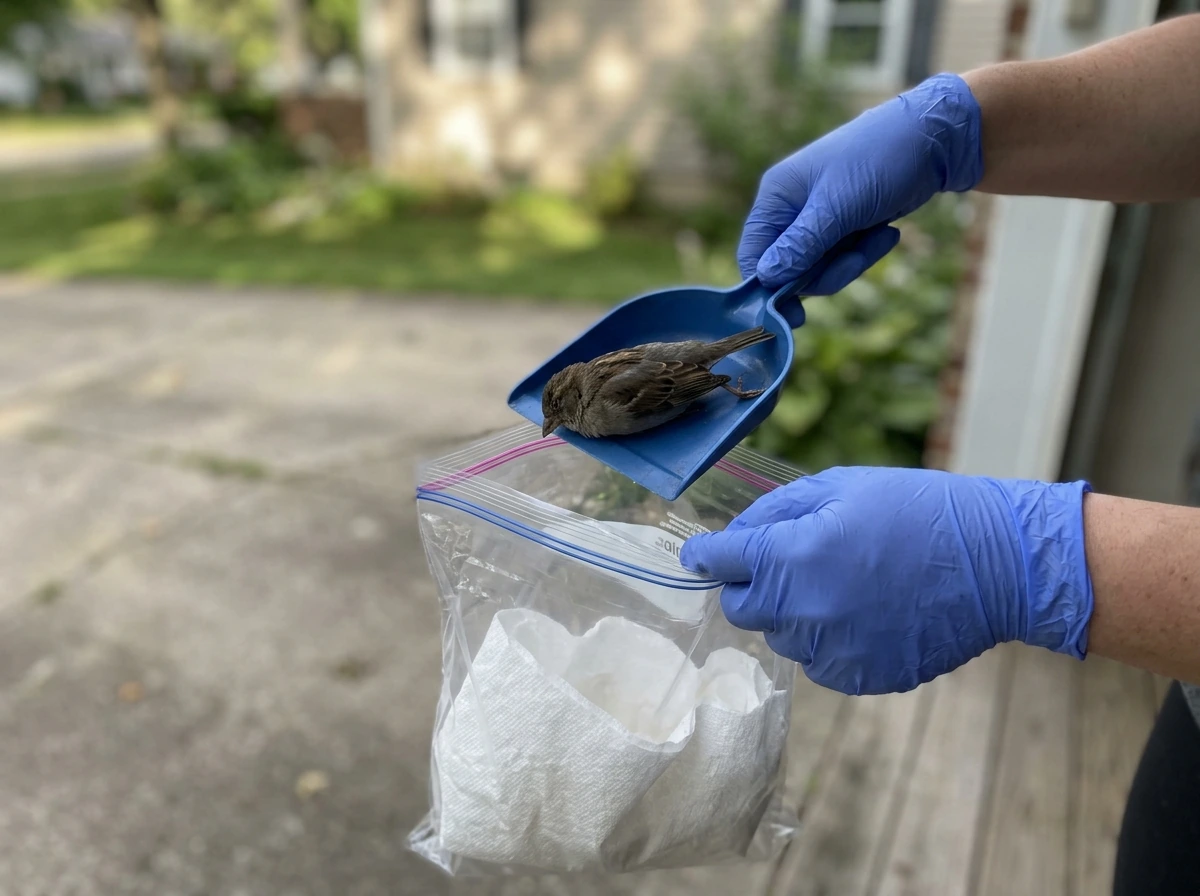
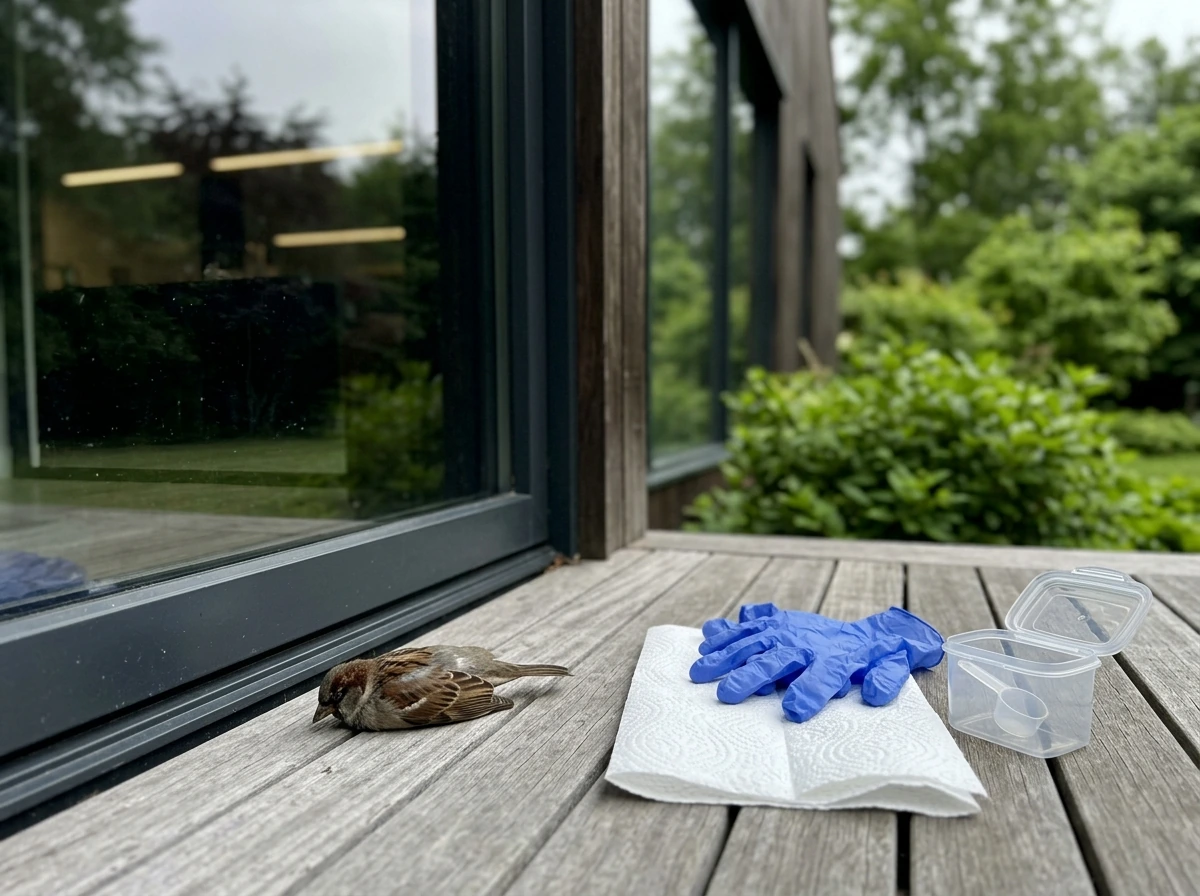
Before you spend any time reflecting on meaning, handle the situation safely. The CDC advises blank" rel="noopener noreferrer">avoiding direct contact with dead birds because some diseases, including West Nile virus and avian influenza (bird flu), can pose risks to people. To reduce the risk of illness, CDC guidance says to avoid bare-handed contact and, if you must pick one up, use gloves or an inverted plastic bag placed into a garbage bag blank" rel="noopener noreferrer">avoid bare-handed contact and use gloves or an inverted plastic bag. This isn't meant to alarm you. The vast majority of single dead birds found in a yard are not a public health crisis. But a few basic precautions make sense regardless.
- Do not touch the bird with bare hands. If you must move it, use gloves or a plastic bag turned inside out over your hand.
- Keep pets away from the carcass. Cats and dogs can spread illness by scavenging dead wildlife.
- Double-bag the bird in plastic bags and place it in a sealed garbage can where animals can't disturb it. This is the protocol recommended by multiple state wildlife agencies including Oregon and the National Park Service.
- Wash your hands thoroughly with soap and water after handling the bag or any surface that may have been in contact with the bird.
- Do not bring the carcass indoors, into your car, or to a wildlife rehabilitator if you suspect avian influenza. Report it instead.
If you're not sure whether to report it, err toward doing so. Many state and county health departments have dead bird reporting lines specifically for West Nile virus surveillance, and citizen reports have genuinely helped with early disease detection. California, LA County, and Cook County Illinois all have dedicated reporting portals or hotlines. For suspected avian influenza, the USDA APHIS hotline is 1-866-536-7593. Your state wildlife agency is also a good first call.
Why dead birds turn up so often (the natural causes)
Finding a dead bird is much more common than most people realize, and the cause is almost always something explainable. Understanding this doesn't diminish any spiritual meaning you might take from the encounter. It just gives you a complete picture.
Window and building collisions
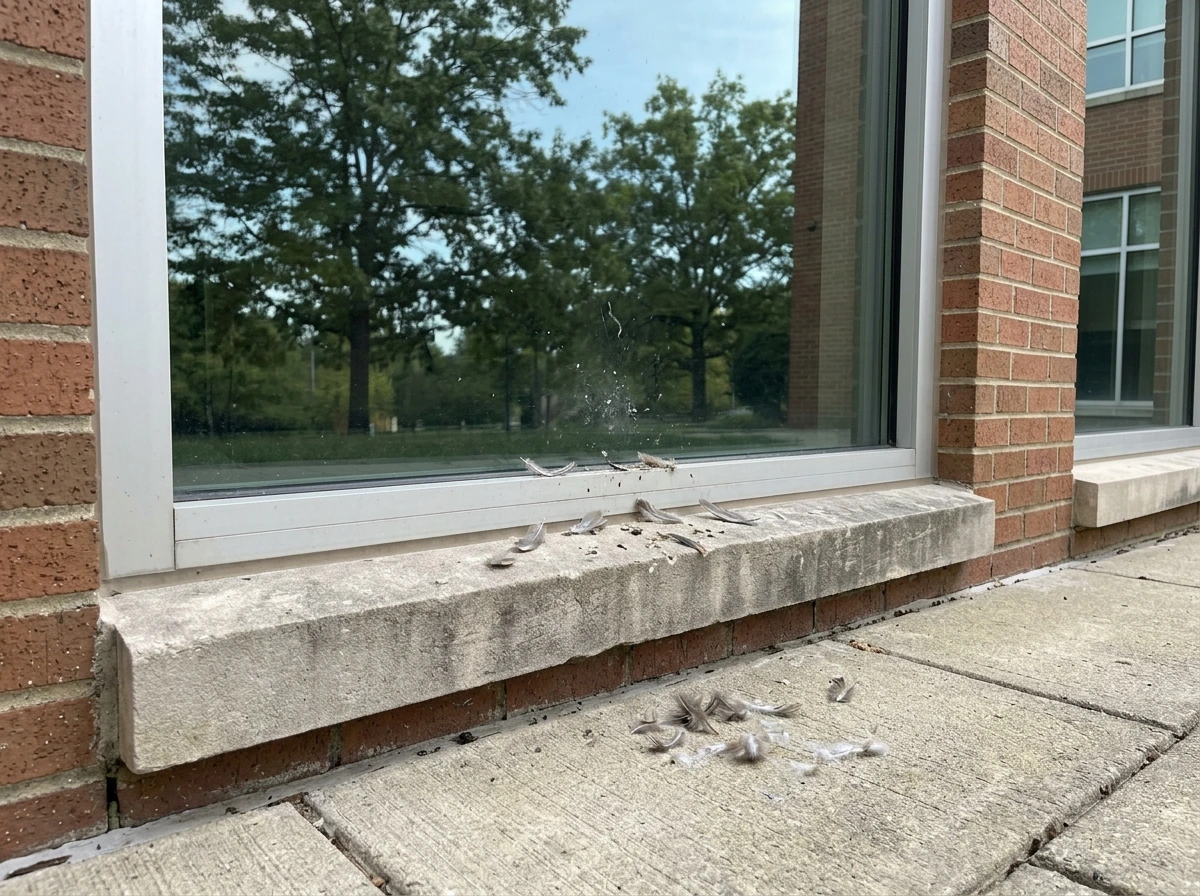
This is the single biggest human-caused source of bird death in the U.S. USGS estimates up to two billion birds are killed annually from glass collisions, and the U.S. Fish and Wildlife Service puts the figure at over one billion. Birds simply cannot distinguish a reflection of sky or trees from the real thing. Mass events happen too: USGS documented a single Chicago building killing 1,000 birds in one night. If you find a dead bird near a window, glass door, or building facade, this is very likely what happened.
Cats
Research published in Nature Communications estimated that free-ranging domestic cats kill between 1.3 and 4 billion birds per year in the contiguous U.S., with a median of 2.4 billion. Outdoor cats, including owned pets and feral cats, are responsible for more bird deaths than any other single cause. If you have outdoor cats in your neighborhood, this is a strong candidate for what happened.
Disease
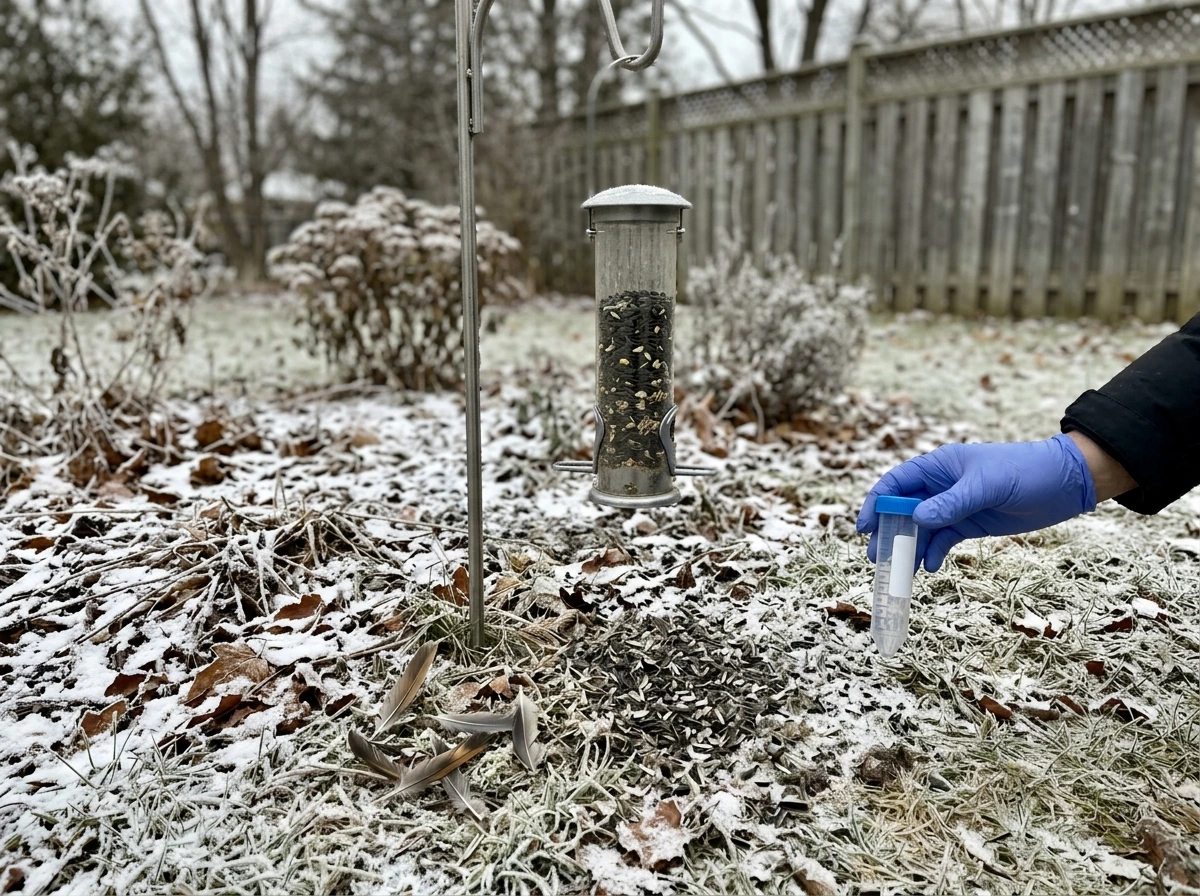
Salmonellosis causes periodic widespread deaths among wild songbirds, particularly in winter, sometimes killing hundreds to thousands of birds at a time. Avian botulism, caused by the bacteria Clostridium botulinum, can trigger cascading die-offs because the carcass-and-maggot cycle actually amplifies the toxin, spreading it further. Avian influenza (bird flu) is a more recent widespread concern, especially in waterfowl and poultry. Most of these diseases require lab testing to confirm, so if you're seeing multiple dead birds, reporting is important.
Other natural and environmental causes
- Predator injuries that the bird survived briefly before dying elsewhere
- Severe weather, especially in winter when small songbirds exhaust their energy reserves overnight
- Poisoning from pesticides or contaminated water sources
- Old age and natural causes, particularly for birds that live near human habitation
- Nest failure, where fledglings don't survive their first flights
What does it mean spiritually? The symbolic interpretations
Once you've handled the practical side, it's worth sitting with the question that probably brought you here. If you are also trying to interpret the broader omen, you can compare it to the ideas in finding a dead bird meaning. Across cultures and throughout history, encountering a dead bird has been interpreted as a meaningful event. None of these interpretations can be verified the way science verifies facts, but they've persisted because they resonate with human experience. Hold them as lenses rather than certainties, and take what feels true to you.
Transition and endings
The most consistent theme across traditions is that a dead bird signals the end of something and the possibility of what comes next. Birds have long been associated with the soul, freedom, and communication between worlds. When one dies in your path, many traditions read it as a nudge: something in your life may be completing its cycle. That could be a relationship, a way of thinking, a phase of work, or even an old version of yourself. The bird's death, in this reading, isn't a punishment or a curse. It's a marker on the road.
A call to awareness or a message
In many spiritual and metaphysical frameworks, a dead bird is interpreted as a prompt to pay attention, which is often discussed as the seeing a dead bird meaning. Something you've been ignoring may need acknowledgment. In case you're also trying to interpret the broader omen, this section on seeing a dead bird meaning can give you additional context. Some readers of signs interpret it as a message from a loved one who has passed, using the bird as a vehicle of communication. Others see it as a reminder of mortality, not in a morbid sense, but in the way that remembering death can actually clarify what matters most to you right now. finding a dead bird meaning. dream meaning dead bird
Biblical and Christian perspectives
Christian interpretations vary widely. Some faith-based writers frame dead birds as potential signs or lessons, presenting them as awareness prompts rather than omens of doom. Many mainstream Christian voices actively caution against fatalistic interpretations, arguing that treating a dead bird as a certain sign of bad luck or approaching death is incompatible with a faith based on hope and resurrection. If you're reading this through a Christian lens, the more grounded interpretation is this: the encounter may invite reflection, prayer, or a moment of gratitude for life, without being treated as a guaranteed omen.
Celtic, indigenous, and Eastern traditions
Celtic traditions often associated birds with the otherworld and messages from ancestors. A dead bird could be understood as an ancestral guide completing its work or signaling a shift in your spiritual path. Many Indigenous traditions treat animal deaths with reverence, acknowledging the animal's spirit and offering gratitude. Eastern philosophical frameworks, including Buddhist traditions, often read such encounters as reminders of impermanence and the natural cycle of all living things, not as omens but as teachings.
What a dead black bird means specifically
Color and species carry their own symbolic weight, and black birds draw the most questions. If you found a dead crow, raven, blackbird, or starling, the symbolism is layered and worth unpacking across a few traditions.
| Tradition | What a dead black bird can signify |
|---|---|
| Folklore (British/European) | Ravens and black birds have historically been associated with death omens and approaching loss. In Britain, ravens near a home were considered a warning sign. This is cultural, not factual, but the association runs deep. |
| Biblical / Christian | Black birds like ravens appear in Scripture with nuanced meaning: the raven was used by God to feed Elijah (1 Kings 17), suggesting provision and care. A dead black bird is not inherently ominous in Christian theology. Some writers caution strongly against 'death omen' readings. |
| Metaphysical / New Age | Black is associated with mystery, the unknown, and transition. A dead black bird may be read as the completion of a shadowy or difficult chapter, or as a sign that hidden truths are about to be revealed. |
| Celtic tradition | Ravens and crows were sacred to figures like the Morrigan, associated with fate, prophecy, and the battlefield. A dead crow or raven could signal a major life transition or the end of conflict. |
| General symbolism | Black birds are often connected to magic, intelligence, and liminal spaces. Their death in your path might represent the end of a period of uncertainty or the closing of a difficult door. |
What's worth noticing is that no tradition agrees completely, and most carry both shadow and light in their readings. If a dead black bird crossed your path today, the question isn't 'am I cursed?' It's closer to 'what am I ready to release or leave behind?' That reframe tends to feel more useful regardless of which tradition resonates with you. If you're curious about how the location of the encounter shapes the meaning, If you're curious about how the location of the encounter shapes the meaning, finding a dead bird outside your house carries its own symbolic readings that are worth exploring separately. finding a dead bird outside your house meaning
What to do next: reflection, ritual, and prevention
Spiritual and reflective practices
Whether you're religious, spiritual but not religious, or simply curious, there are grounded ways to honor the encounter without overclaiming what it means.
- Pause and take note of where you were and what you were thinking about when you found the bird. Encounters that feel meaningful often land in moments of transition or uncertainty.
- Journal briefly: What phase of your life feels like it's ending right now? What might you be ready to let go of? You don't need to believe the bird sent you a message to find the reflection useful.
- If prayer is part of your practice, offer a simple one: gratitude for the reminder of life's cycles, and a request for clarity about what's completing in your own life.
- If you follow a more metaphysical or ritual path, some practitioners light a candle, say a few words of acknowledgment for the bird's spirit, and set an intention for what they want to welcome as one chapter closes.
- Ask yourself: What does this bring up for me? Let that question sit for a day or two before you decide what the encounter meant. Meaning often clarifies with a little distance.
Practical prevention: fewer dead birds near your home

If you find dead birds near your windows regularly, there are concrete steps that make a real difference. Audubon recommends placing window decals or tape strips no more than 2 to 4 inches apart so birds recognize the surface as a barrier rather than open space. Physical deterrent screens should have openings no larger than 2x2 inches, and hanging cords or strings should be spaced no wider than 4 inches apart. Moving feeders closer to windows (within 3 feet) or much farther away (over 30 feet) reduces the risk of high-speed collisions. Keeping cats indoors eliminates one of the single largest sources of bird mortality. During disease outbreaks, the Pennsylvania Game Commission recommends cleaning bird baths and feeders regularly with a diluted bleach solution to reduce disease transmission.
When to call authorities or a wildlife professional
One dead bird is usually not cause for alarm beyond safe disposal. But certain situations warrant a call. Here's how to know when to reach out.
| Situation | Who to contact | Why it matters |
|---|---|---|
| Multiple dead birds (6 or more sick or dead in a short time) | Your state wildlife agency or USDA APHIS (1-866-536-7593) | This meets the threshold for potential avian influenza die-off investigation per Michigan MDARD and other agencies |
| Single dead bird in a West Nile virus surveillance area | Local mosquito control authority or county health department | Citizens reports support early detection; LA County, Cook County, and California all have reporting portals |
| Suspected avian influenza (waterfowl, poultry, or unusual species) | USDA APHIS at 1-866-536-7593 or your state fish and wildlife department | Do not transport the carcass; report in place per WDFW guidance |
| Bird found in a national or state park | Park rangers or park staff directly | NPS recommends trained staff handle removal to prevent disease spread to scavengers |
| You're unsure and want guidance on testing | Your state wildlife health unit or regional wildlife office | NYSDEC and similar agencies can advise on whether a single bird warrants testing based on species and circumstances |
The general rule from agencies like the NYSDEC is that a single dead bird usually doesn't require official action beyond safe disposal, but a cluster of dead birds in a small area or a short period of time should always be reported. If you ever suspect a disease outbreak, the safest thing you can do is leave the bird where it is, document the location, and call your state wildlife agency before doing anything else.
Finding a dead bird is one of those moments that sits at the intersection of the ordinary and the profound. Practically, it's a chance to act safely and maybe improve the conditions in your yard for wildlife. Symbolically, it's an invitation to notice what's shifting in your life. Neither reading cancels the other out. What do you take from this one?
FAQ
What does a dead bird usually mean if it’s right under a window or glass door?
If you suspect a window collision, look for patterns like the bird being on a straight line under a window or near glass doors, with little to no sign of struggle. In that case, focus on clean, safe disposal and then adjust the glass visibility (decals, screens, or curtain coverage), because preventing repeat strikes helps more than trying to interpret symbolism.
When is a single dead bird okay to handle privately, and when should I report it anyway?
Yes. Single dead birds can still be worth reporting informally, but the article suggests the higher-signal scenarios are clusters in a small area or multiple birds in a short time. Use that as your decision aid, and if you notice unusual species mix, rapid timing (same day or next day), or birds appearing weak or dying before you find carcasses, report sooner.
How can I tell whether I’m projecting spiritual meaning versus actually using it as a prompt for reflection?
Don’t assume “spiritual meaning” is the same as “a message from a loved one.” A practical next step is to write down what you were thinking about right before you found it, then treat the encounter as a prompt to reflect, not as proof of communication, especially if you are already feeling anxious about death or illness.
Does the meaning change a lot depending on the species or color (for example, a crow versus a finch)?
Species and color can matter, but the most useful action is confirming what you’re looking at (size, beak type, wing shape, and whether it was a bird of prey, waterfowl, or songbird). If you cannot identify it confidently, don’t guess for symbolism, just treat it as a safety and reporting case, because different causes and risk profiles can vary by species.
What should I do if I find multiple dead birds close together, or the carcasses look fresh?
If the bird is still fresh or you find more than one over a short period, you should avoid moving it more than necessary, document the location and timing, and contact your state wildlife or health reporting line before disposal. This reduces the chance of spreading potential disease and helps officials understand whether it looks like a die-off pattern.
What is the safest way to dispose of a dead bird at home without making things worse?
Clean-up should include gloves and avoiding aerosolizing dust, but the article’s prevention steps focus more on deterrents and feeder care than on carcass handling. A practical approach is to bag the carcass promptly, wash hands thoroughly after, and keep pets away from the area until you finish.
How can I tell if a dead bird was likely caused by a cat, and what should I change afterward?
Cats are a common cause, and there are telltale signs like the bird being partially eaten or scattered debris, or the presence of paw prints nearby. A helpful next step is to prevent recurrence by keeping cats indoors, especially at dawn and dusk when bird activity is highest.
What does it mean if I find dead birds repeatedly over time, and how should I respond differently?
If you notice repetitive encounters over weeks, treat it as an environmental feedback loop: check nearby reflective surfaces at the times birds are active, scan for other collision hazards, and review deterrents you already tried. Repetition is a stronger reason to modify the yard setup than to intensify interpretation.
How should I connect a dead bird dream meaning to what’s happening in real life without spiraling?
Yes, many people feel tempted to connect it to a dream or recent thoughts, but treat dream interpretations as personal symbolism rather than confirmation. A concrete method is to compare the dream’s emotional tone (fear, relief, urgency) with what’s currently “ending” or “changing” in your life, then choose one small grounding action (writing, prayer, planning, or a conversation).
What’s a grounded way to honor the encounter spiritually if I worry about bad luck or doom?
You can honor the spiritual aspect without risking “doom thinking” by using language like “I’m noticing” or “this invites reflection,” rather than “this guarantees” a specific outcome. If you’re religious, the article points toward prayer, gratitude, and reflection rather than treating the event as a fixed omen.
Next Articles
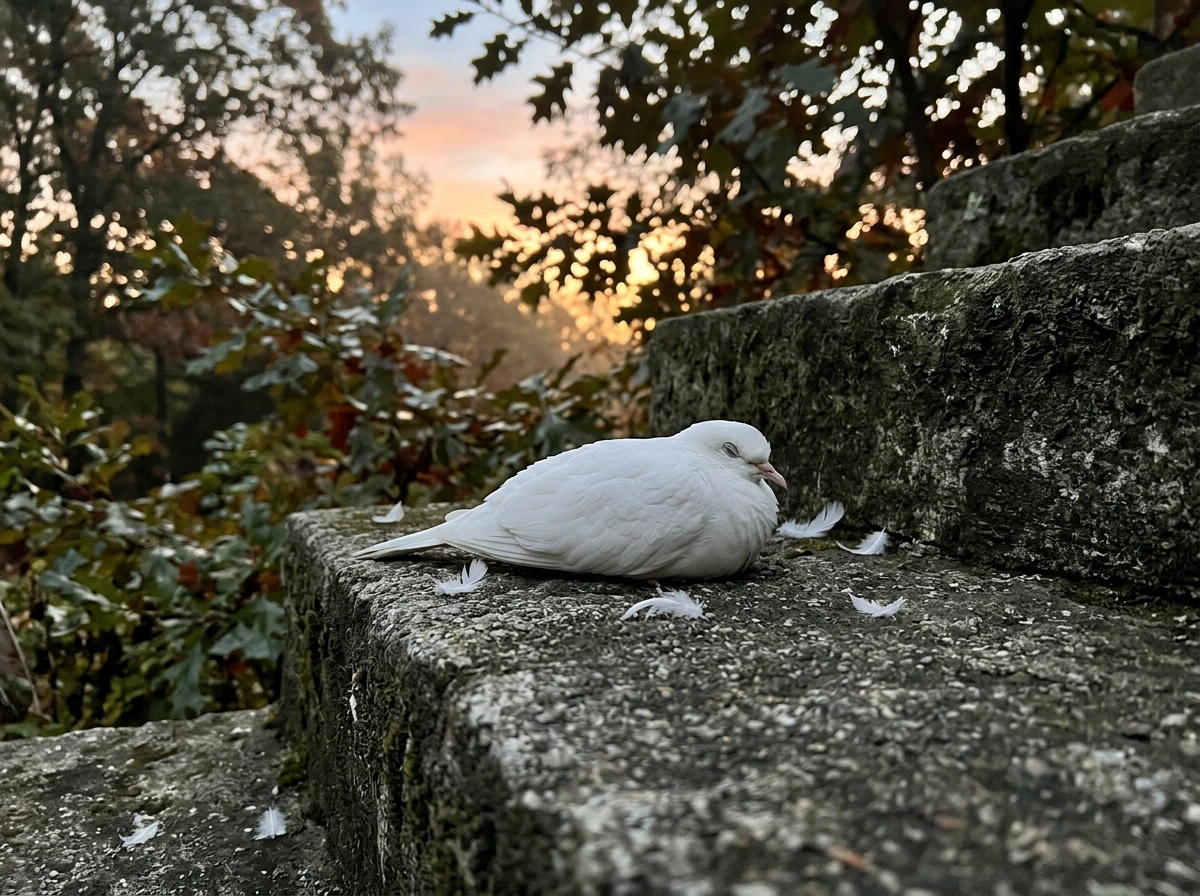
White Dead Bird Dream Meaning: Spiritual, Psychological, and Next Steps
Interpret a white dead bird dream spiritually and psychologically, then use a checklist and practical next steps for clo
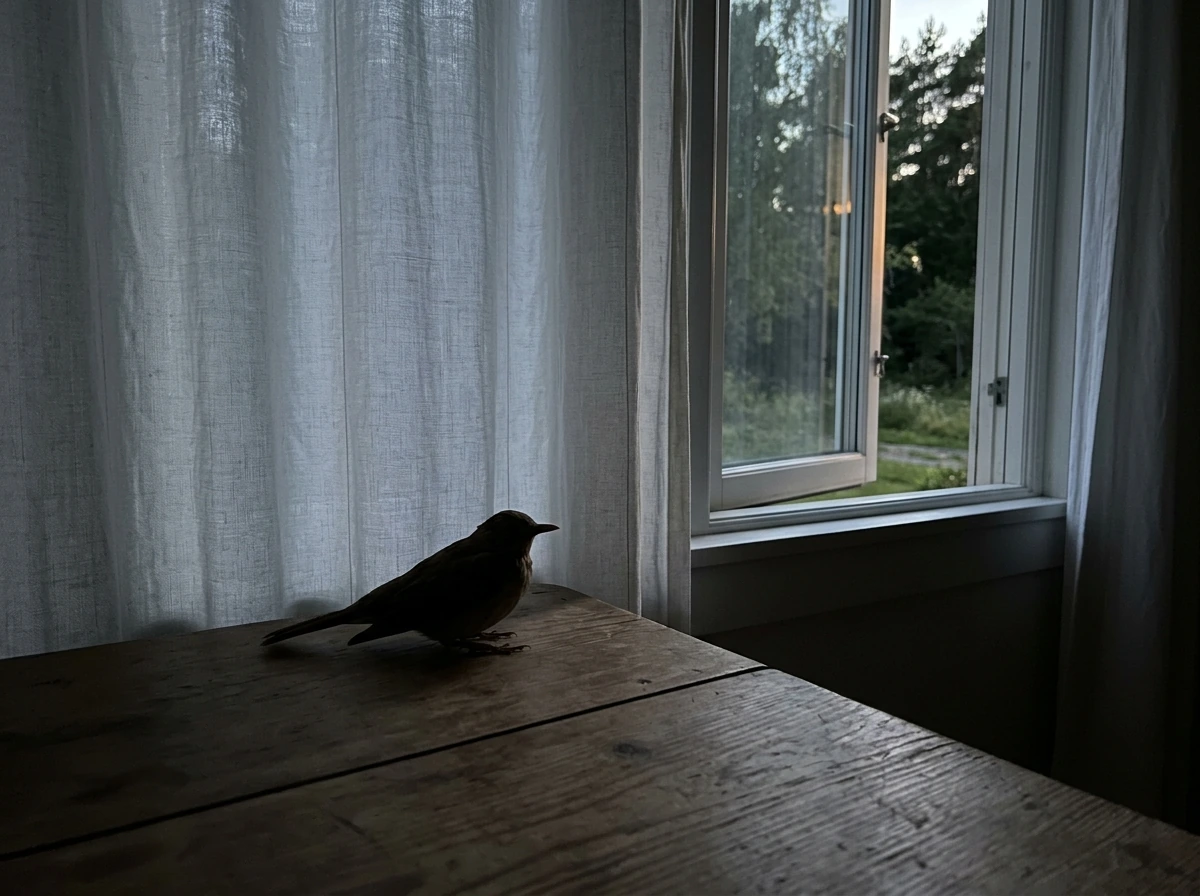
Dream Meaning Dead Bird: Common Interpretations and Next Steps
Dead bird dream meaning explained with scenarios, emotions, bird type, spiritual and psychological interpretations plus
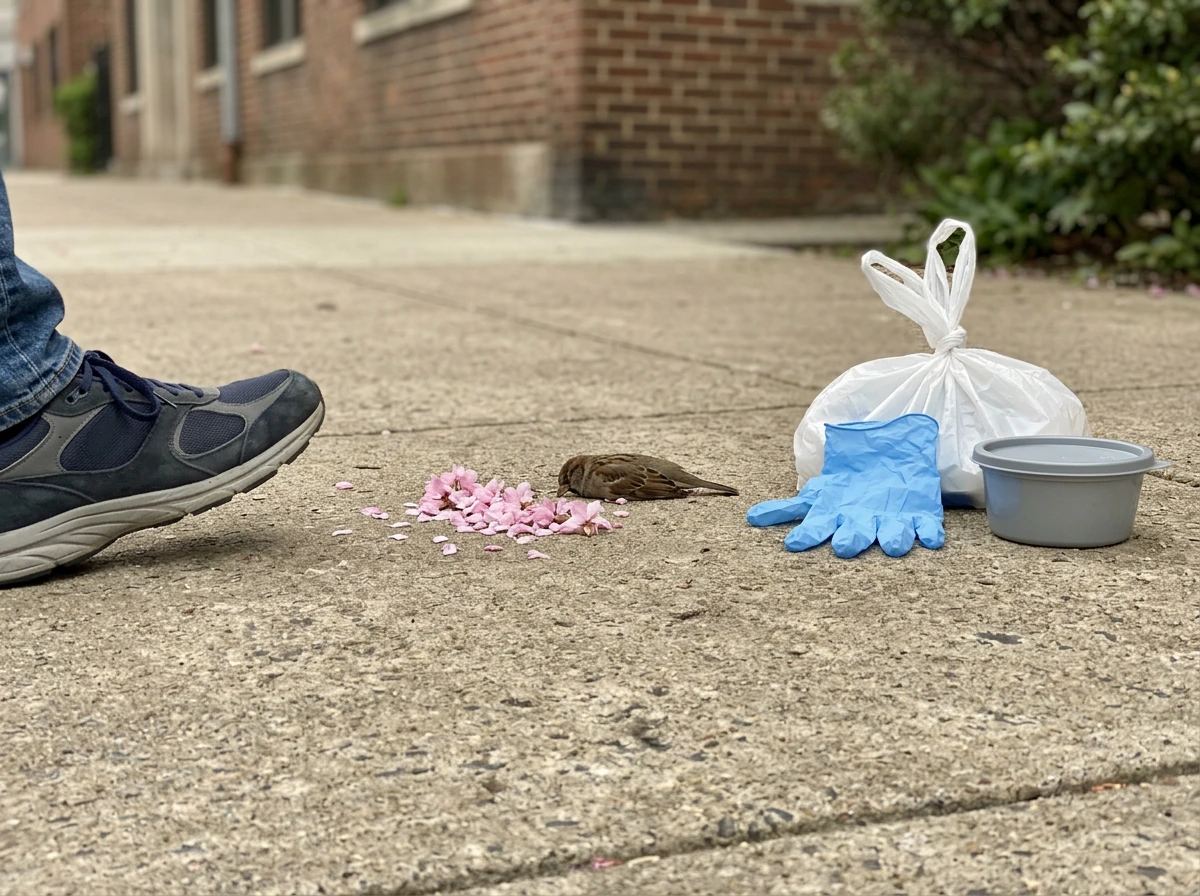
Stepping on a Dead Bird Meaning: Safe Steps and Interpretations
Learn safe cleanup steps and multiple meanings for stepping on a dead bird, plus reflection prompts.