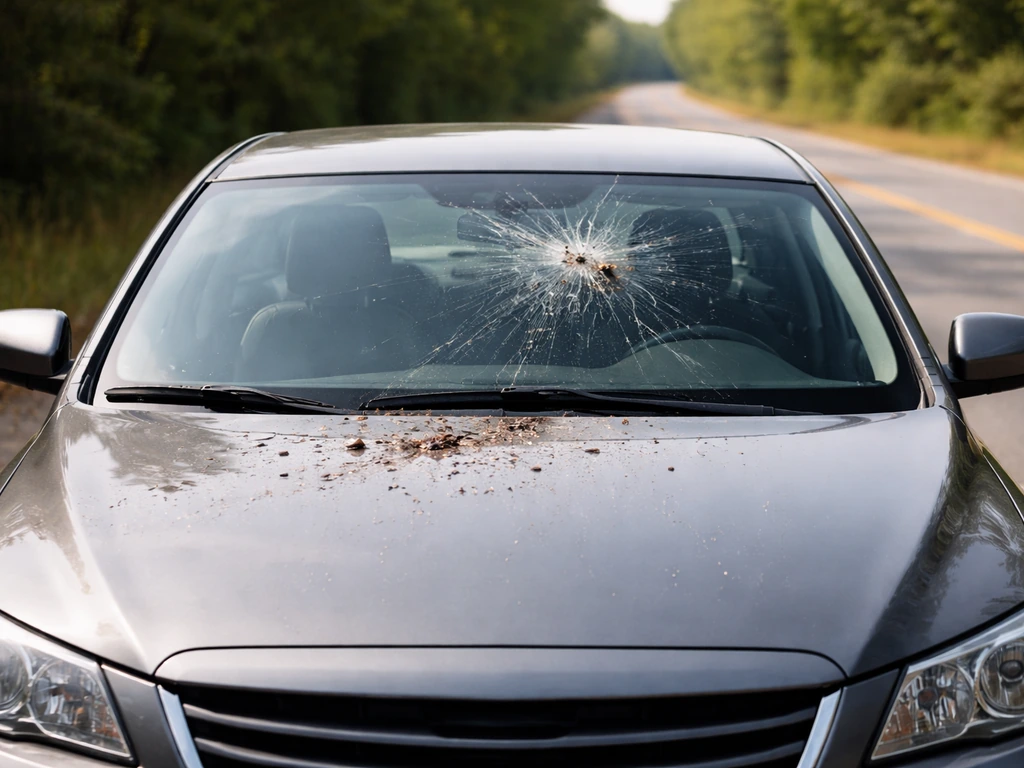
A bird flying into your car is one of those moments that stops you cold. Whether it hit your windshield at speed, fluttered through an open window and ended up inside, or dove directly in front of you on the road, your first instinct is probably equal parts concern and curiosity: is the bird okay, and does this mean something? Both are fair questions, and this guide covers them in order.
Bird Flying Into Car Meaning: What It Could Mean and Do Now

Maya Hartwell
14 Apr 2026
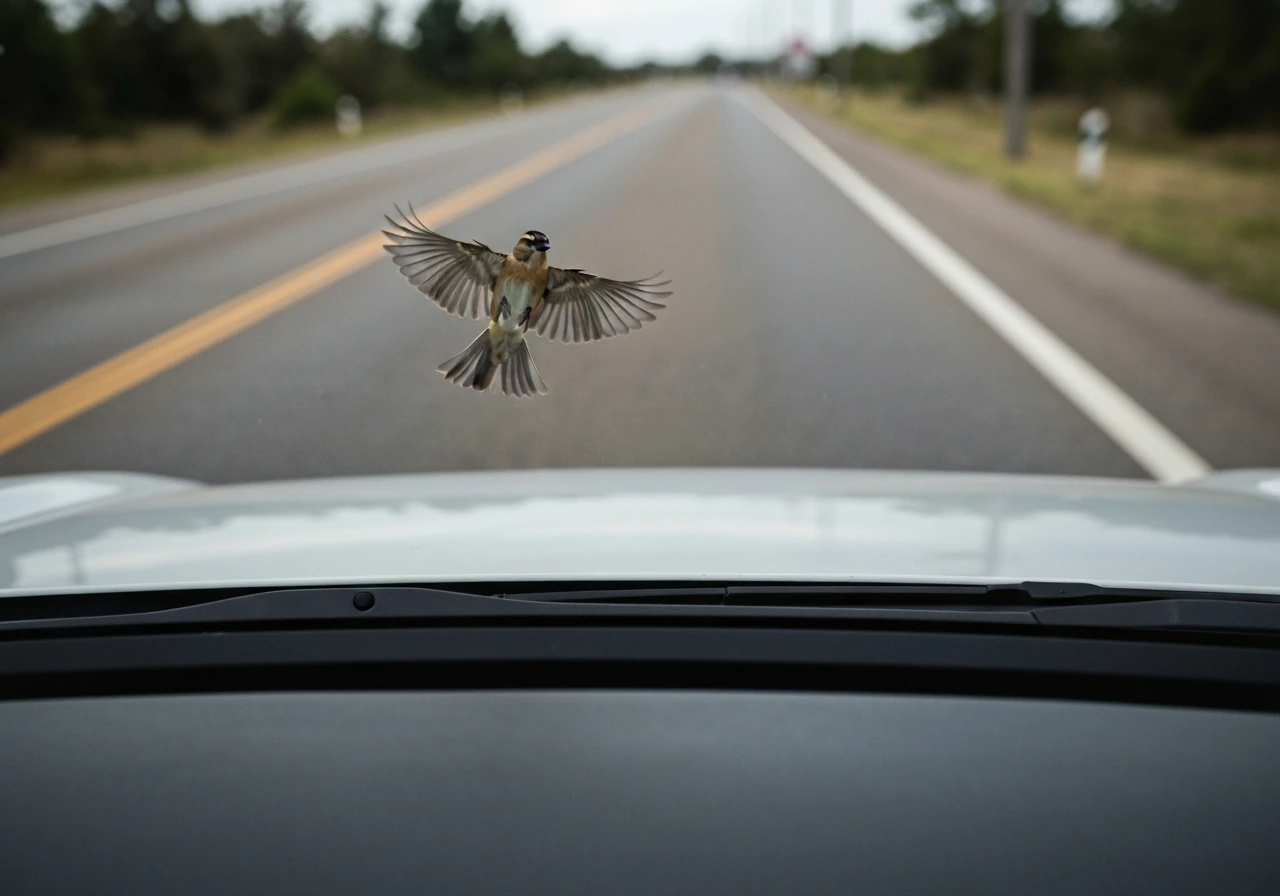
Why birds actually fly into cars (the real-world explanation)
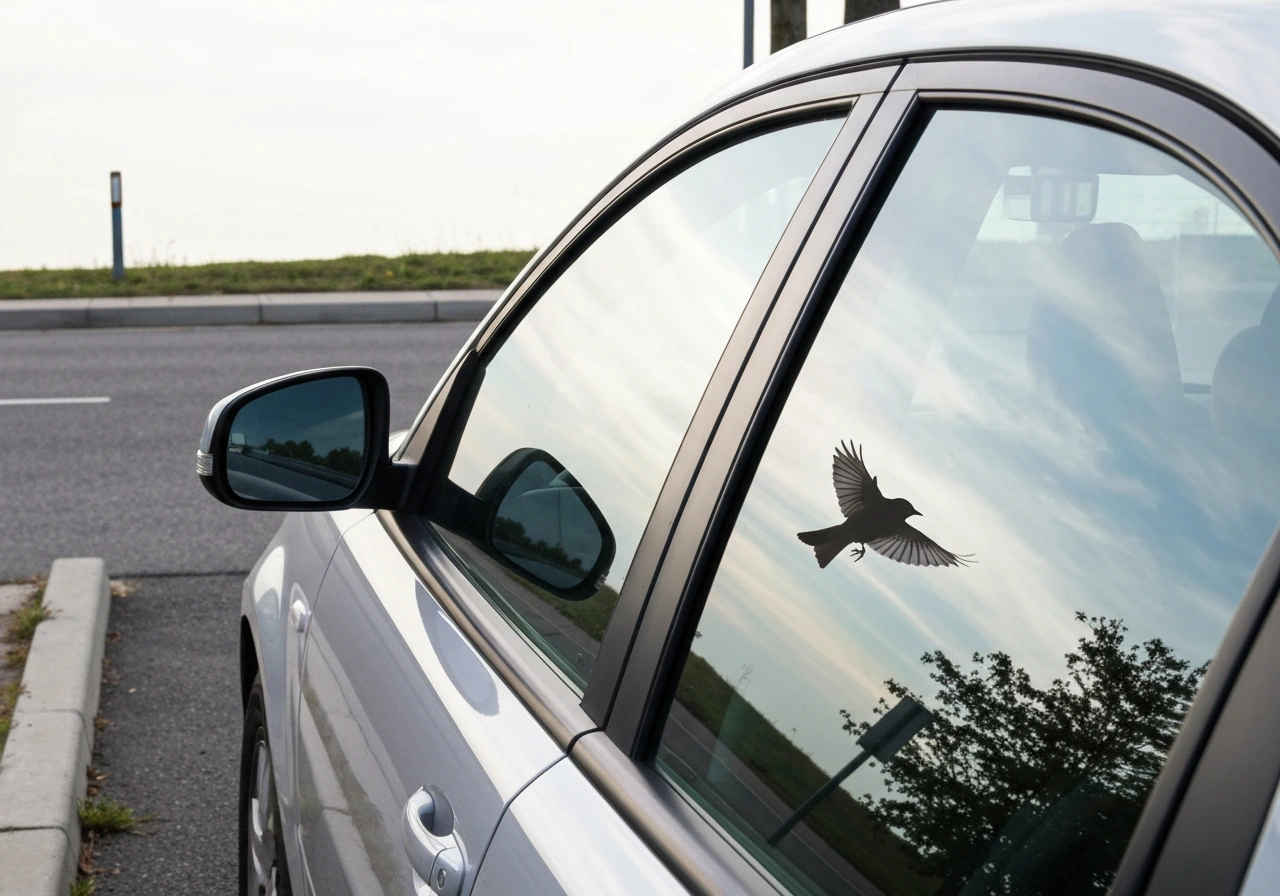
Before we get into symbolism, it helps to understand what's actually happening physically, because the cause shapes the meaning people assign to it. Birds don't have a concept of glass or moving vehicles. According to the American Bird Conservancy, birds simply do not perceive glass as a barrier at all. What they see is whatever the surface is reflecting: open sky, trees, the road behind them. They fly toward what looks like open space and hit something solid.
Car windows are especially deceptive. A parked car with windows reflecting leafy trees looks, to a bird, like more forest. A moving car's windshield can reflect sky and cloud in ways that read as a clear flight path. The Smithsonian's National Zoo notes that these reflections of blue sky and foliage are the primary trigger for window collisions, and it's why birds hit the same windows or cars repeatedly in similar conditions.
Lighting plays a role too. The National Park Service and the Bird Collision Prevention Alliance both highlight that artificial light at night disorients migratory birds, drawing them toward illuminated surfaces and increasing collision risk. The Bird Collision Prevention Alliance recommends reducing light at night by turning off nonessential lighting, drawing shades, angling exterior lights away from windows, and shielding lights to lower collision risk reducing light at night to lower collision risk. If a bird flew into your car at dusk, at night near streetlights, or during a migration period (spring and fall are peak times), the conditions were likely stacked against the bird before it ever got close to you.
For birds that fly inside an open car window, the physics shift slightly. Heat radiating from a dark interior, airflow patterns, or simply startled panic from nearby movement can pull a small bird through an open window. Once inside, the bird is disoriented because the interior is dark and unfamiliar, and it will typically try to find light, which usually means bouncing against windows trying to exit.
What to do right now if it just happened
Your immediate steps depend on the scenario. Here's how to handle each one safely and humanely.
If the bird hit your windshield or window while you were driving
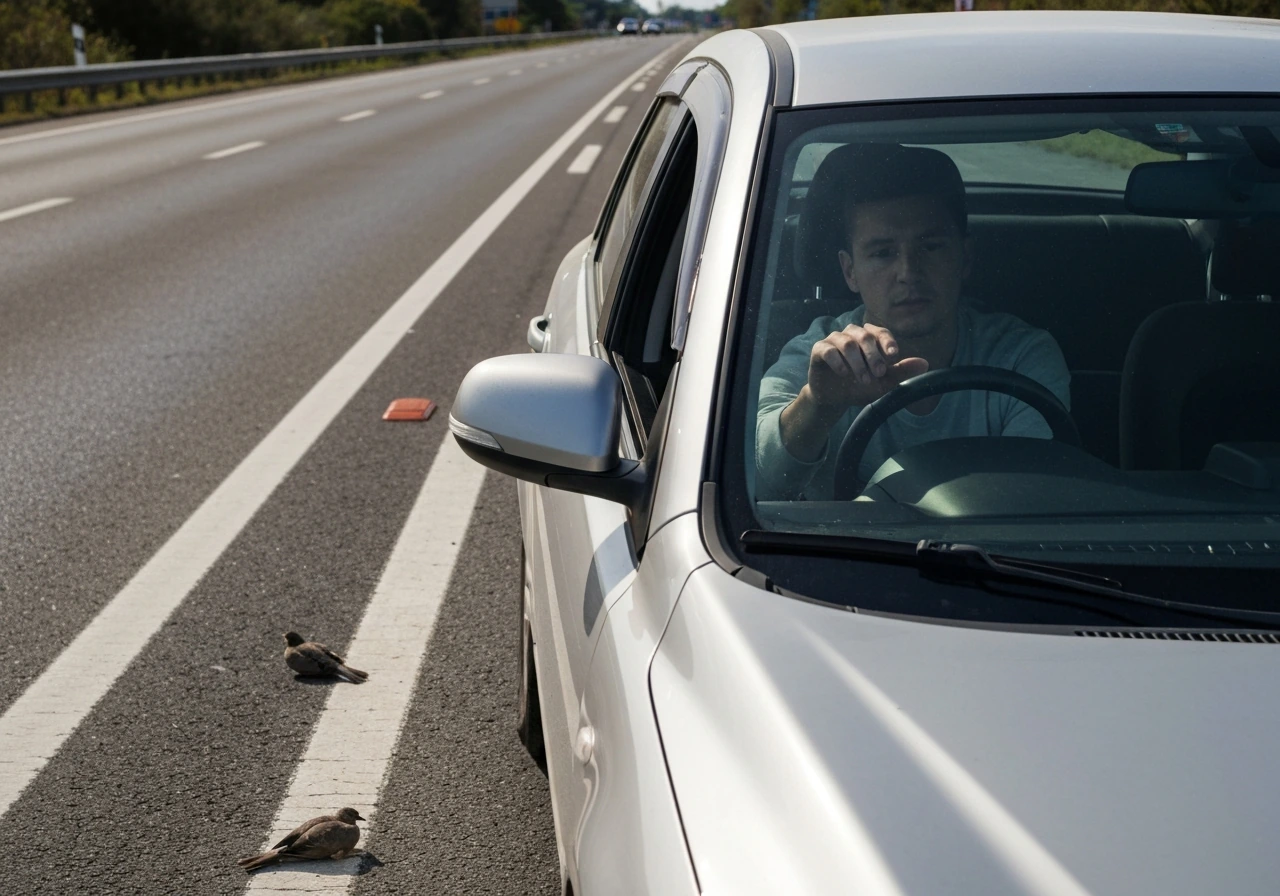
- Pull over safely as soon as you can. Do not swerve or brake sharply in traffic.
- Check the exterior of the car for the bird. It may have fallen to the road or ground nearby.
- If the bird is stunned but upright, give it space. Many birds recover from window strikes within 15 to 30 minutes once the disorientation passes.
- If the bird is on its back or side and not moving, gently place it in a small cardboard box with air holes and keep it in a quiet, dark space. Darkness reduces stress.
- Do not offer water or food. A stunned bird can aspirate liquids easily.
- If it doesn't recover within an hour, or if you see visible injury like a drooping wing or bleeding, contact a licensed wildlife rehabilitator or local wildlife control.
If the bird is trapped inside your car
- Pull over immediately and turn off the engine.
- Open every door and window fully. Birds follow light, so if you can park in open sunlight rather than shade, the bird will likely find its own way out.
- Step away from the car. Your presence adds to the bird's panic.
- If the bird is exhausted or unable to fly, use a soft cloth or light jacket to gently cup it (do not squeeze) and carry it outside. Set it on a branch or flat surface away from traffic.
- Watch from a distance. Most birds recover and fly off within a few minutes.
- If the bird appears injured or does not leave, follow the same wildlife rehabilitator guidance above.
If the bird flew in front of your car but wasn't hit
If a bird crossed directly in front of your car and flew away unharmed, there's nothing to do practically. The bird startled and redirected. This is common at road level because cars create airflow disturbances that flush birds from the brush alongside roads. You can keep driving. Your attention can shift from logistics to meaning, if that's what drew you here.
What each scenario tends to mean, spiritually speaking
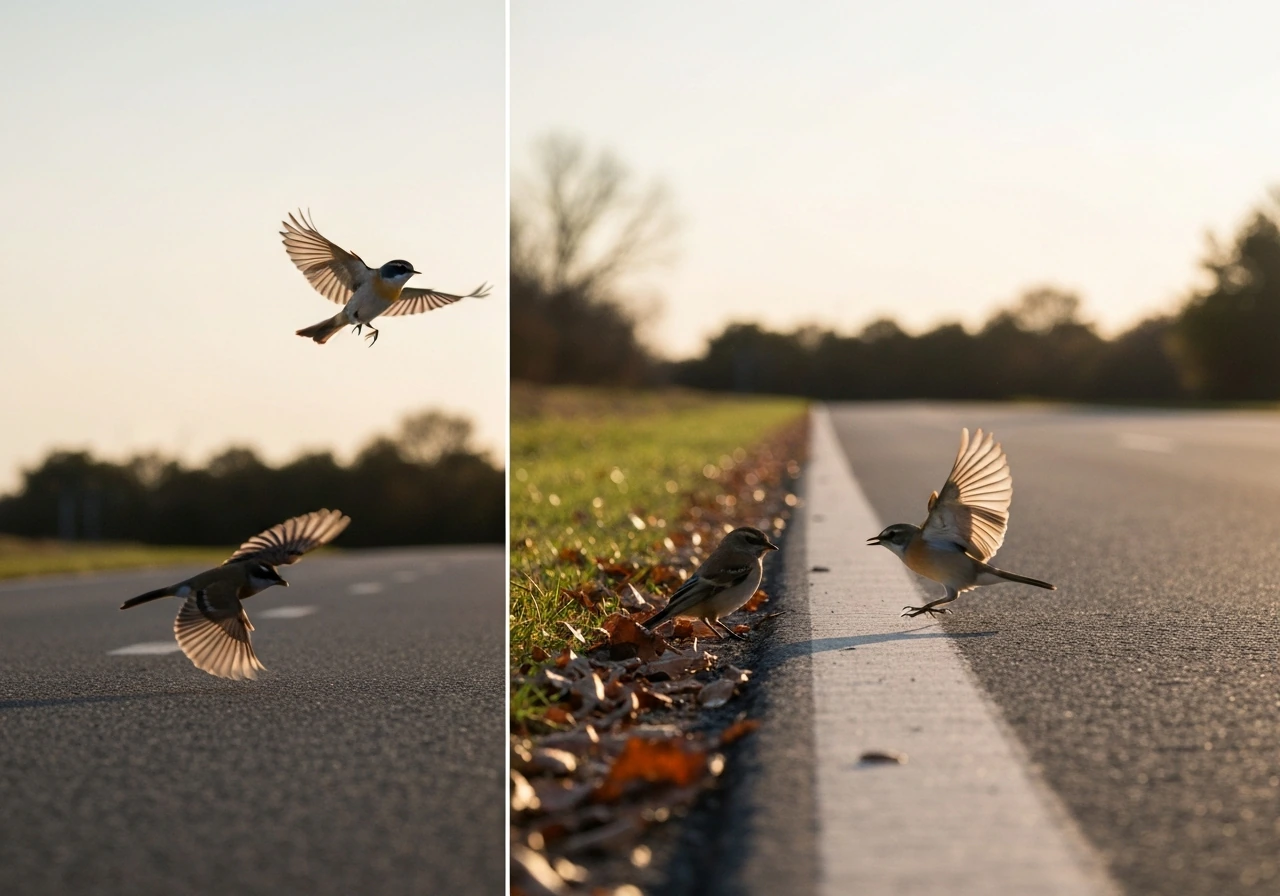
If you're here for meaning, not just mechanics, the specific scenario matters. Different types of encounters carry different symbolic weight across traditions. Think of these as lenses, not verdicts.
| Scenario | Common Spiritual Theme | Tone of the Message |
|---|---|---|
| Bird flies in front of the car (unharmed) | A crossing or transition; a redirection signal | Gentle, attention-drawing |
| Bird hits the window or windshield | A warning, a boundary being struck, or a need to pause | Urgent, worth reflecting on |
| Bird enters inside the car | An intimate visitation; a message entering your personal space | Personal, specific to you |
| Bird strikes the windshield and dies | A significant omen; a message delivered at cost | Heavy, requiring reflection |
A bird flying directly in front of your moving car, especially if it crosses your path and disappears without injury, is widely read as a sign of transition or redirection. Many spiritual traditions treat crossings (something moving across your path) as signals to pay attention to a choice or change happening in your life. It's less a warning and more a nudge. The meaning of a bird flying into your car is often connected to this idea of a message entering your immediate world, not just your peripheral vision.
A bird hitting your window or windshield, especially with force, tends to carry heavier symbolic weight. Windows in spiritual traditions often represent perception: what we see clearly and what we miss. A collision with a window is sometimes interpreted as a disruption of that clarity, a prompt to look at something you've been avoiding or misreading. What it means when a bird hits your car is a question worth sitting with, particularly if the encounter felt jarring or happened during an emotionally charged period.
A bird entering the inside of your car is the most intimate of these encounters. In many spiritual frameworks, your car represents your personal journey: the path you're currently on, the direction you're heading, the bubble of your daily movement through the world. A bird crossing that threshold uninvited is often seen as a message meant specifically for you, more personal than a street-level crossing, more immediate than a window strike from outside.
Biblical, folklore, and cultural takes on bird encounters
Birds as divine messengers is one of the oldest symbolic threads across human cultures, and the specific framing varies by tradition.
In biblical tradition, birds are regularly used as instruments of divine communication. Ravens brought food to Elijah. The dove returned to Noah with evidence of new land. Sparrows are cited in the Gospels as proof that nothing falls outside divine notice (Matthew 10:29). A bird collision or visitation in this lens is sometimes understood as a form of that ancient pattern: a creature delivered into your awareness as a sign that something in your spiritual life deserves attention. What it means when a bird hits your door follows a similar biblical thread, with the threshold being the symbolic boundary between one state of being and another.
In Celtic folklore, birds were seen as souls of the departed or messengers between the living world and the Otherworld. A bird striking your space unexpectedly was often taken as a visit from an ancestor or spirit, particularly if the bird arrived during a period of grief or transition. This reading still carries weight in modern folk traditions, especially for those who feel a strong sense of presence after a loss.
In many Indigenous North American traditions, birds are considered spiritual guides or clan symbols, and an unexpected bird encounter is treated as meaningful rather than random. The specific species matters enormously in these traditions: a hawk carries different medicine than a sparrow, and a crow is read differently from a dove. Generalizing across these traditions does them a disservice, but the through-line is respect: if a bird entered your space, it is worthy of acknowledgment.
In Eastern traditions, particularly in Chinese and Japanese folk belief, birds are often associated with good fortune, spiritual transitions, and communication between realms. A bird visiting your car, which in these frameworks represents your movement through the material world, might be seen as a blessing or a gentle course correction from the universe.
Across European folklore more broadly, a bird hitting a window is one of the most widely documented omens, historically read as a warning of death or significant change in the household. Modern interpretations tend to soften this considerably, framing it as a signal of transformation rather than tragedy. The meaning behind hitting a bird while driving draws on these same folklore roots, with the key variable being whether the bird survived the encounter.
How to make this encounter personally meaningful (and what to notice)
Spiritual meaning isn't something you extract from an event like data from a spreadsheet. It emerges from the intersection of the event and your own inner state. Here's how to reflect on what this encounter might mean specifically for you.
Notice the bird species
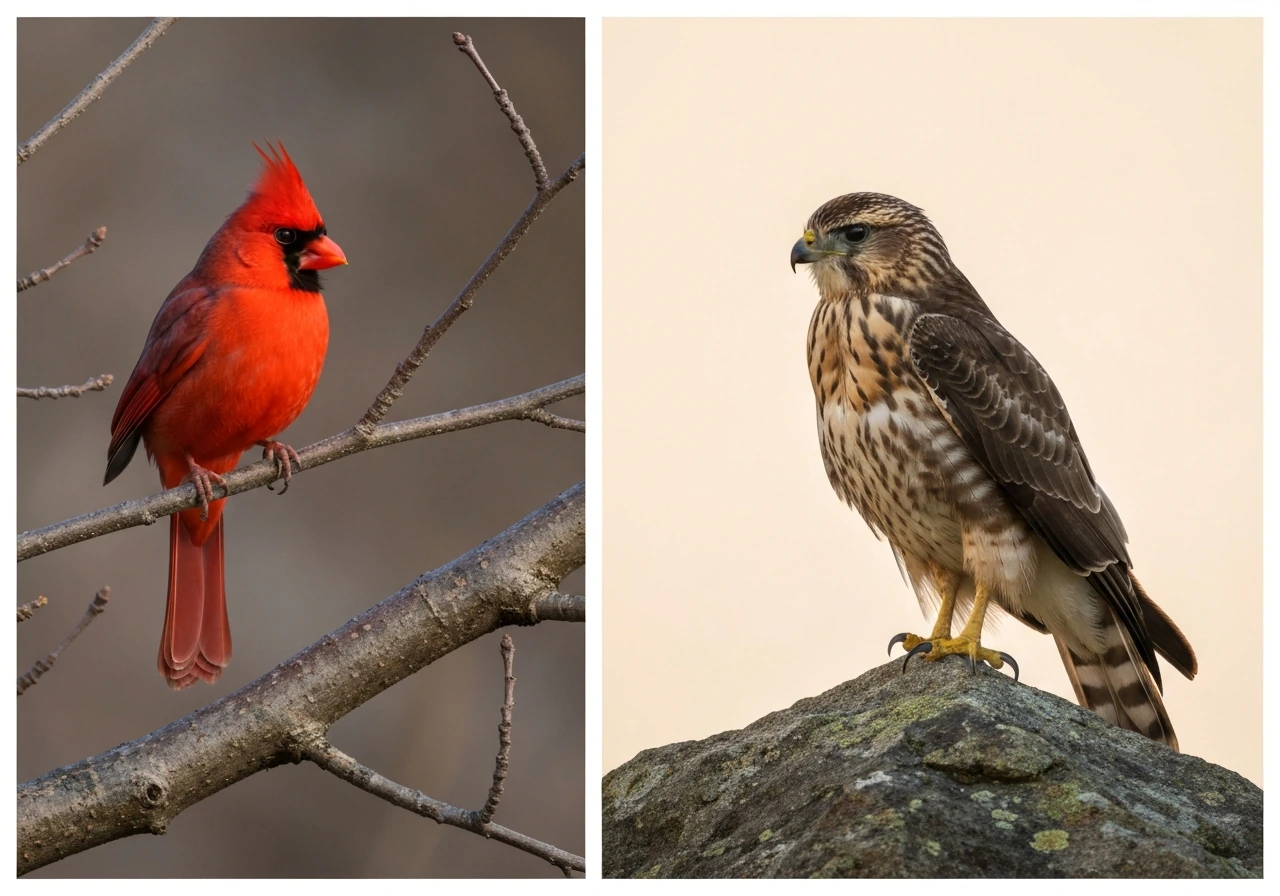
Species carries enormous symbolic weight. A red cardinal is traditionally linked to a deceased loved one visiting in many American folk traditions. A hawk signals clarity and vision. A crow or raven is associated with transformation, mystery, and sometimes shadow work. A small sparrow often points to humility, simplicity, or overlooked value. If you can identify what flew into or near your car, that detail is worth researching within your own cultural or spiritual framework.
Notice the timing
Dawn and dusk, as liminal times between states of light, are traditionally considered more spiritually charged hours. A bird encounter at sunrise might carry a different resonance than one at midday or midnight. Were you in the middle of a decision, a difficult drive, or an emotionally loaded conversation when it happened? Context anchors meaning.
Notice your emotional response
Your gut reaction tells you something. If the encounter felt ominous, sit with what in your life currently feels uncertain or threatening. If it felt surprising but gentle, ask what needed your attention that you've been moving past too quickly. If it felt like recognition, consider who or what you immediately thought of in the seconds after it happened. Those instincts are data.
Notice whether it repeats
A single bird event is easy to rationalize as coincidence. If birds keep flying into your car, hitting the same window in the same spot, or crossing your path repeatedly over a short period, the pattern becomes harder to dismiss. Repeated encounters are consistently treated across traditions as amplified messages: the universe (or your subconscious, or the spirit world, depending on your framework) is not finished trying to get your attention.
What to avoid
- Don't assume a guaranteed omen of death or disaster. Even in the strongest folk traditions, bird omens are warnings or invitations, not guarantees.
- Don't ignore the practical side. If the bird was injured, your responsibility is to the animal first.
- Don't force a meaning that doesn't feel authentic to your own belief system. If you're not spiritual, there's no obligation to be.
- Don't let the encounter spiral into anxiety. Reflection is healthy; rumination isn't.
Your next steps, depending on where you land
If you're satisfied with the natural explanation, you've got it: reflective glass, disoriented flight, physics. Check on the bird if needed, drive on, and let it go. If the bird needs help, Golden Gate Bird Alliance advises not to provide food, water, or first aid, and to keep the bird in a dark box overnight until help is available [Check on the bird if needed, drive on, and let it go. ](https://goldengatebirdalliance.
org/birding-resources/birding-information/injured-birds/). If the encounter nagged at you, if it felt like more than coincidence, the more useful question isn't "what does this mean universally? " but "what might this be pointing to in my life right now? " Write it down.
Sit with it for a day. Notice if anything surfaces. That's not superstition; it's reflection. And sometimes reflection, prompted by an unlikely messenger with feathers and no concept of glass, is exactly what you needed.
FAQ
What should I do if the bird hits my car and seems injured?
If you can do so safely, treat it like first aid. Put on gloves if you have them, keep pets away, and use a towel or box to prevent further harm. Do not offer food or water, and avoid forcing a bird to stand or fly. If it is bleeding heavily, unconscious, or you cannot get it in a ventilated container quickly, call a local wildlife rehabilitator or animal control for guidance.
Does the meaning change if the bird dies versus flies away?
Whether the bird survives or not changes the emotional tone people attach, even if the physical cause is the same. Collisions can also be repeatable when reflections and lighting match, so survival does not necessarily mean the event was “lighter.” If you are trying to interpret meaning, focus on your own context (your decisions, stress, or grief) rather than using survival as the only barometer.
Should I pull over right away to “check” the bird, even if I’m driving on a busy road?
No. A symbol interpretation is not meant to replace safety or practical steps. If the bird forced you to brake or swerve, check your lane and mirrors, and pull over only if you truly need to. Then handle the bird only if it is safe to do so, because traffic and panic can create secondary risks for you and other drivers.
If it happens more than once, how can I tell whether it’s a pattern or just a repeat collision risk?
Yes, and it helps you avoid overreading. For example, a bird repeatedly hitting the same window on a specific side of a building often points to reflection patterns, not a message. Track the time of day, weather, and which surface was struck, then address the environment before concluding it is a personal omen.
What does it mean when a bird impact feels especially violent or scary?
A “hard hit” typically means the bird likely collided with reflective glass at speed or got disoriented by the sudden surface. That can create a stronger emotional impact for you, but the bird still may have been responding to lighting and reflections more than intent. If you want a meaning takeaway, pair “perception disruption” with a practical question, like what you might be missing or misreading right now.
What should I make of a bird that lightly hits the windshield or window and leaves?
If the bird just tapped the glass or windshield and flew off quickly, the event is usually low-risk and often tied to brief misidentification. Still, check for damage and ensure there are no cracks spreading. If you are looking for meaning, many people treat these “near misses” as gentle prompts to pay attention, not urgent omens.
How should I interpret the encounter if I can’t confidently identify the bird?
Different species can be meaningful in traditions, but accuracy matters. If you are unsure, use the best observable traits you have (size, color, beak shape, flight style) and avoid forcing a match. For practical symbolism reflection, you can focus on the encounter context instead of insisting on a perfect species ID.
How do I separate real spiritual meaning from just timing and seasonal migration?
Yes, because these events can coincide with peak bird activity and your commute rhythm. If you commute during dawn or dusk, drive near parks or water, or pass areas with outdoor lights, you are more likely to experience collisions even when everything is “normal.” Use meaning as a reflection tool, but let environmental factors be part of your final answer.
If a bird gets into the car cabin, what’s the safest way to get it out?
If the bird is inside your car, the safest goal is to get it out without injury. Keep windows open or use the nearest exit once it is visible, turn off loud music, and open a door slowly. Dim interior lights at night if possible (or use a single flashlight pointed toward the exit) so it can orient toward light.
What practical changes can reduce the chances of birds hitting my windows or car again?
If you keep seeing birds fly toward your car or windows, treat it like an environmental fix problem. Try reducing night lighting near windows, adding window film or decals, using blinds/curtains during peak hours, and covering reflective surfaces. Once the collision risk is reduced, revisit the meaning question without the noise of repeated incidents.
Next Article
What Does It Mean When a Bird Hits Your Car? Steps and Meanings
Bird hits your car: what to do right away and possible spiritual meanings, plus natural causes behind the collision.