Accidentally hitting a bird is not automatically a bad omen. Most folklore and spiritual traditions frame it as a moment worth paying attention to, not a guaranteed sign of doom. What you do in the next few minutes matters far more practically, and what you take from it spiritually is genuinely up to you and your own belief system. This article walks you through both: what to do right now, and how to think about what it might mean.
Is It a Bad Omen to Hit a Bird? Practical and Spiritual Steps

Maya Hartwell
23 Apr 2026
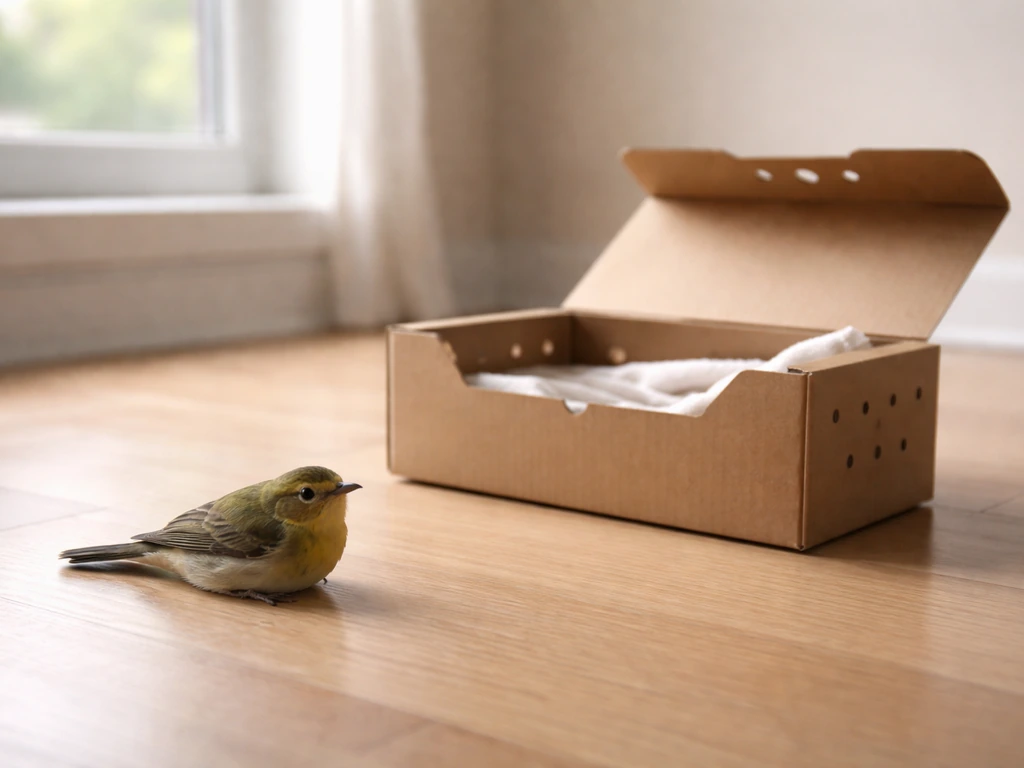
What counts as "hitting a bird" and why you're searching this now
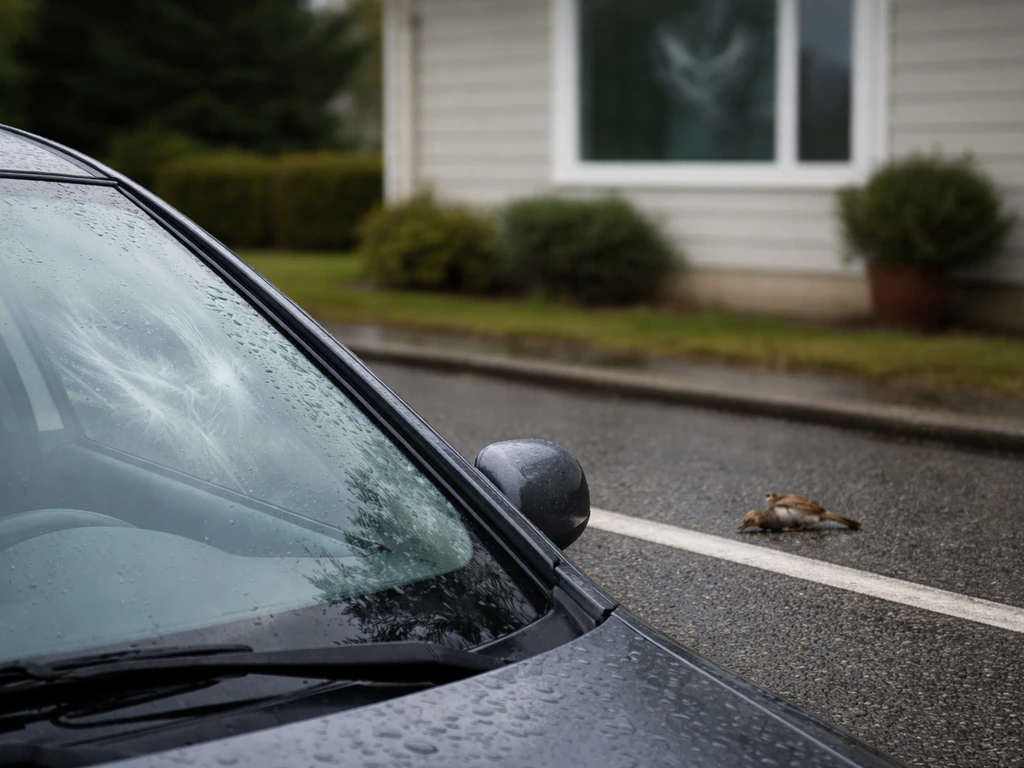
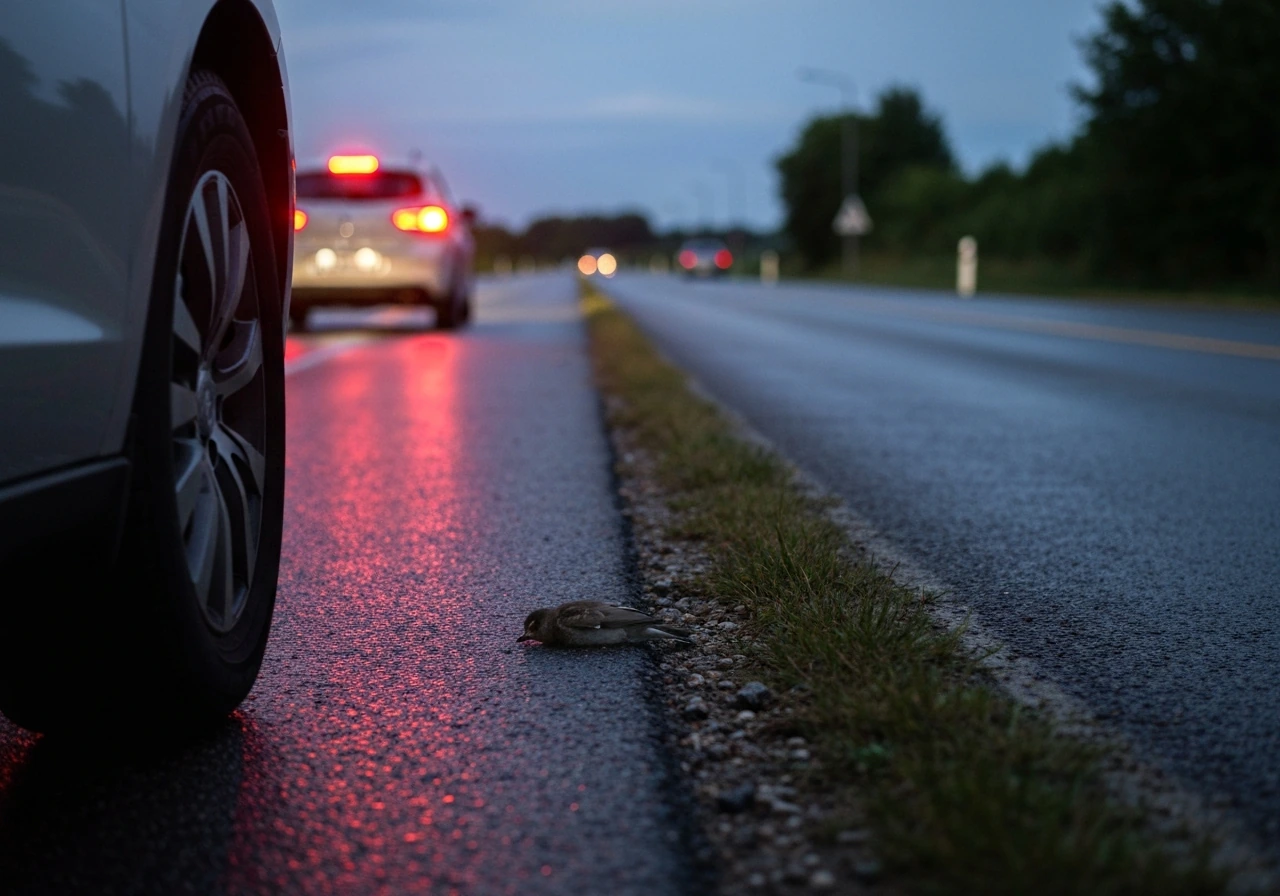
Bird incidents happen in a lot of ways. Your car strikes a bird on the highway. A bird flies into your windshield while you're driving. A bird collides with your window at home. You hit one accidentally while cycling or even walking. For the purposes of both practical response and spiritual interpretation, all of these count. The common thread is an unexpected, unintended collision between you and a bird, usually resulting in the bird being stunned, injured, or killed.
The reason you're searching right now is probably a mix of two things: you feel guilty or unsettled, and you want to know if this "means" something. That's a completely understandable response. Humans are natural pattern-seekers, and a sudden, jarring encounter with a wild animal tends to feel significant. There's nothing wrong with asking the question. The important thing is to handle the practical side first, then give yourself the space to reflect on the symbolic side without spiraling into fear. If you're wondering what it means when you hit a bird, the safest approach is to take practical steps first and only then consider symbolic interpretations.
This is a different situation from broader questions like what it generally means when you hit a bird, or what the spiritual meaning of killing a bird by accident might be. This article focuses on the specific worry about whether the incident is a bad omen, and what to do about that worry in a grounded, responsible way.
What to do immediately after the incident
Before you go down any spiritual rabbit hole, handle the real-world moment. If you were driving and the bird was struck by your car, pull over safely when it is appropriate to do so. If the bird hit a window at home, go outside and check on it. Your first job is to assess the situation calmly.
- Check if the bird is conscious, stunned, or visibly injured. Do not rush to pick it up immediately. Give it a moment if it is stunned, as some birds recover on their own within a few minutes.
- If the bird is not moving or appears injured, call a local wildlife rehabilitator or wildlife rescue hotline before doing anything else. Getting advice specific to your situation is the fastest way to help.
- Keep the area around the bird calm and clear. Move children, pets, and other people back. Stress can kill an already-shocked bird faster than the injury itself.
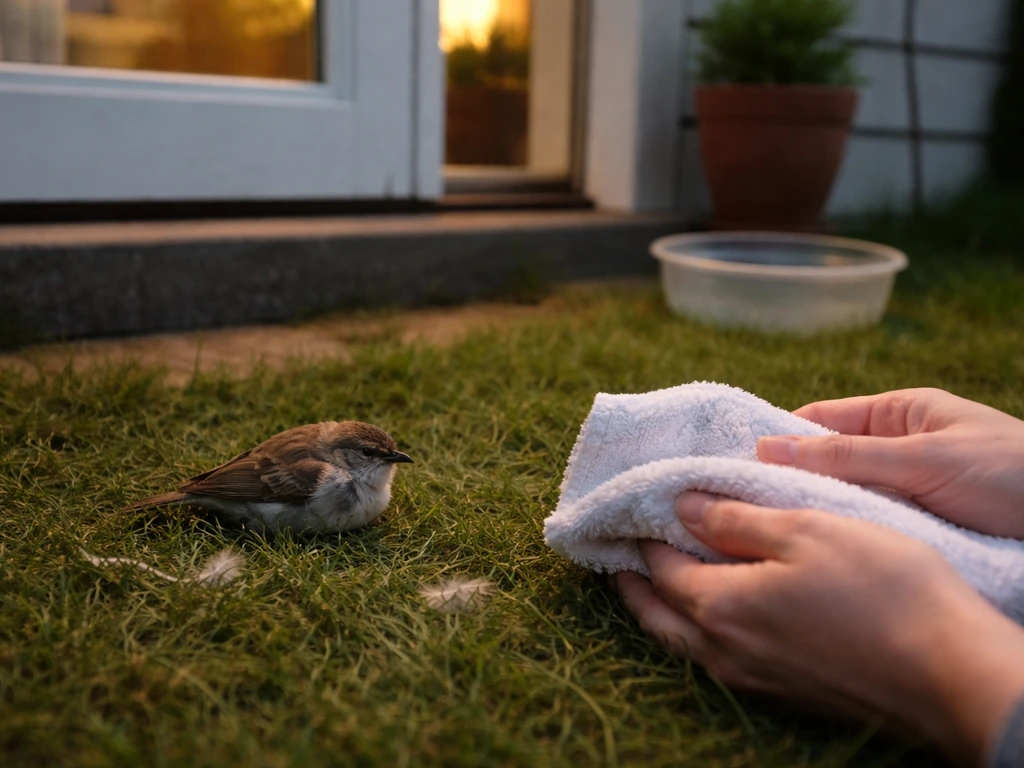
- If the bird needs to be contained, find a cardboard box, line it with a towel or paper towels, and place the bird gently inside. Close the lid with ventilation holes so it is dark and quiet.
- Do not give the bird food or water. Wildlife shelters consistently advise against this because the wrong food or the act of forcing water into a stressed bird can cause serious harm.
- Keep the box in a warm, quiet, dark place while you arrange transport. Keep it out of direct sun and away from strong air conditioning.
- Transport the bird to a licensed wildlife rehabilitation center as soon as possible. The American Bird Conservancy notes that even birds that appear fine after a collision may have internal injuries that will kill them without treatment.
One important legal note: under the U.S. Fish and Wildlife Service's Good Samaritan provision, you are allowed to temporarily take possession of an injured migratory bird specifically to transport it to a permitted rehabilitator. That is the extent of what you should do. Rehabilitating wildlife beyond that immediate transport requires a permit, so your role is to stabilize and hand off, not to treat the bird yourself.
How to handle an injured bird safely
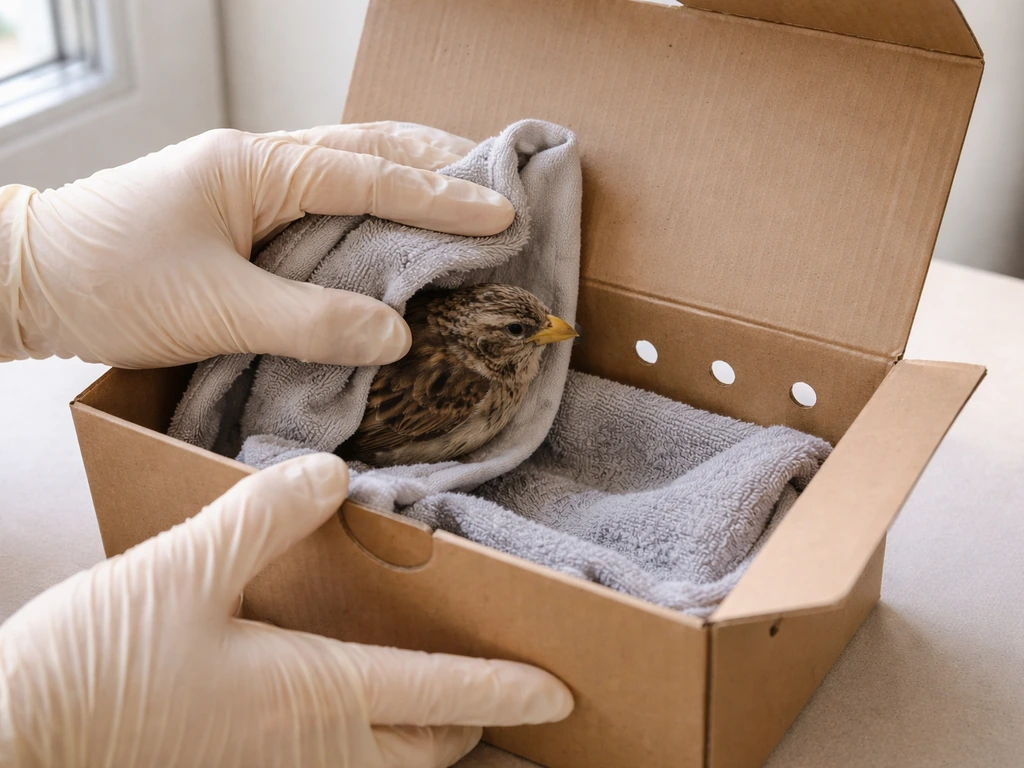
Injured birds can and do bite and scratch, even small ones. Audubon also cautions that birds can bite and scratch, and that feeding or giving water is not advised as a first-aid step What to Do if You Find an Injured or Orphaned Bird. The stress of handling can make injuries worse, so keep contact minimal and controlled. Use a light cloth, gloves if available, or simply cup your hands gently around the bird's body to scoop it into the box. Do not squeeze, hold the wings tightly against the body without force, and do not hold the bird up by its legs or wings.
Once the bird is in the box, resist the urge to keep checking on it. Opening the box repeatedly adds stress. Close it, keep it in that warm, quiet, dark spot, and focus on locating a wildlife rehabilitator. A quick search for "wildlife rehabilitator near me" or calling your local animal control or humane society will usually get you a contact within minutes. Organizations like the Avian Wildlife Center recommend calling ahead for advice before even arriving, because some cases require specific handling guidance based on the species.
What bird-omen traditions actually say about this
Across many cultures and throughout history, birds have been seen as messengers, spiritual intermediaries, and symbols of forces beyond human control. The practice of reading omens from birds even has a name: ornithomancy, which is the divination or interpretation of signs from birds' behavior, flight patterns, and cries. It shows up in ancient Greek and Roman traditions, Celtic folklore, indigenous practices, and many other cultures around the world.
Biblical perspective
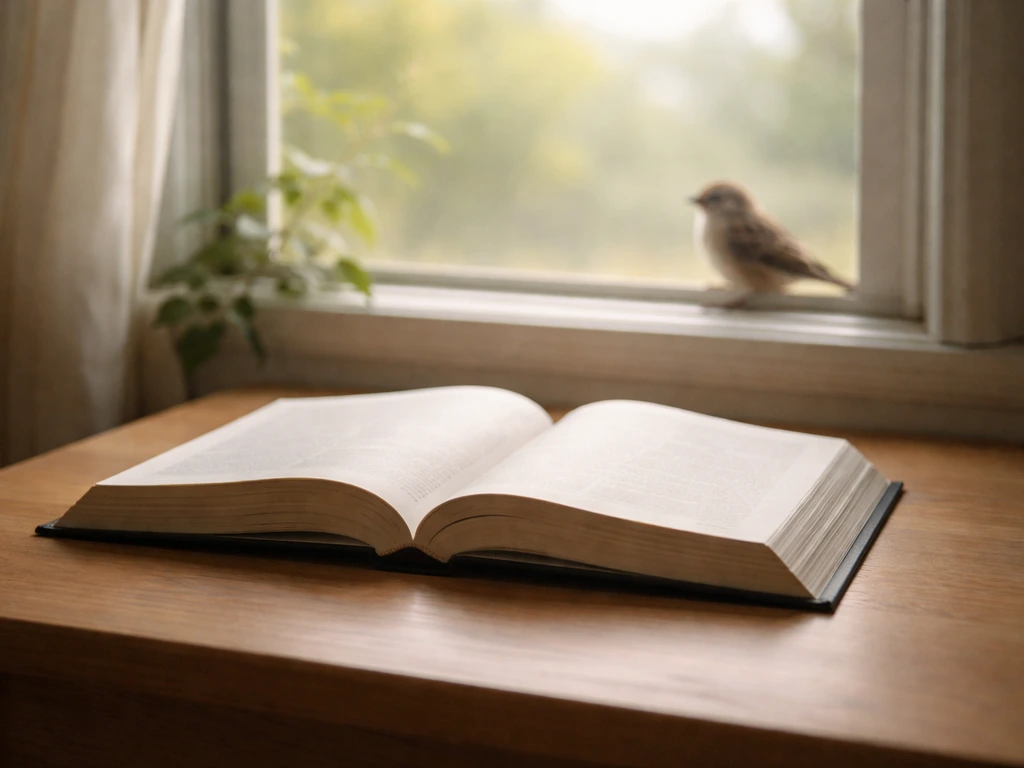
The Bible actually uses birds, specifically sparrows, as symbols of God's care and attentiveness rather than as omens of disaster. In Matthew 10:29-31 and Luke 12:6-7, the message is that not even a sparrow falls without God's awareness, and that you should "fear not" because you are of great value. Mainstream Christian interpretation leans toward these passages as comfort, not as a system for predicting misfortune. The Bible also contains prohibitions against divination, including bird-based divination, which suggests that within that framework, treating this kind of incident as a definitive omen is actually discouraged.
Folklore traditions
Folk traditions from Europe, particularly Celtic and British folklore, do associate certain birds with omens, particularly owls, ravens, and crows. A bird flying into or striking a home was sometimes read as a warning or a sign of change. However, even within these traditions, the meaning varied enormously by species, context, and outcome. The idea that any bird strike equals certain bad luck is a simplification of more nuanced systems of interpretation that considered many factors together.
Metaphysical and symbolic views
In metaphysical and New Age frameworks, birds are often seen as spiritual messengers. An unexpected bird encounter, including a collision, is sometimes interpreted as a call to pay attention to something in your life, not necessarily a bad sign. Some practitioners frame it as a disruption of spiritual energy that invites reflection. The emphasis in these frameworks tends to be on what message you might receive and what you are meant to notice, rather than on punishment or doom.
Across all of these traditions, the consistent theme is meaning and attention, not guaranteed misfortune. None of them actually say that accidentally hitting a bird condemns you to bad luck. That is worth sitting with.
The details matter: how the outcome shapes the meaning
If you want to explore the symbolic dimension thoughtfully rather than fearfully, the specific circumstances of your incident are where to look. This is where you can find personal resonance without resorting to one-size-fits-all doom.
| Circumstance | Common Symbolic Interpretation | Practical Note |
|---|---|---|
| Bird survives and flies away | Often read as a good sign: resilience, renewal, a message delivered and released | Still watch it for a minute if possible; stunned birds sometimes collapse again |
| Bird dies | In many traditions, interpreted as a transition, an ending, or a call to reflect on change | Relates closely to what different traditions say about the meaning of killing a bird by accident |
| Bird is injured and helped | Some frameworks see intervention as karmic balance: you caused harm, you corrected it | This is the most actionable outcome; acting quickly gives the bird the best chance |
| Incident near your home | Historically associated with messages meant for the household; closer to home = more personal | Window strikes at home are extremely common due to glass reflections |
| Incident on the road, away from home | Often interpreted as a more general sign about a journey, transition, or path you are on | Road incidents are less about the home and more about forward movement in life |
| Common species (sparrow, pigeon, starling) | Messages of everyday awareness, community, adaptability | Very common birds hit very common windows; not inherently more ominous |
| Uncommon or significant species (hawk, owl, crow) | These species carry stronger symbolic weight in most traditions | Species identification helps with wildlife rehabilitation too |
| Dawn or dusk timing | Transitional times of day amplify symbolic significance in many metaphysical frameworks | Lighting at those times also increases bird confusion and collision risk |
There is also a psychological dimension worth acknowledging here. The human brain is wired to find patterns and assign meaning, a tendency sometimes called apophenia. This does not make the search for meaning wrong or silly, but it is a useful check: ask yourself whether you are interpreting something genuinely unusual, or whether you are in a heightened emotional state and looking for signs to match your anxiety. Both things can be true at once, and knowing that helps you engage with the symbolism from a calmer place.
Spiritual next steps that are respectful and calming
Once the practical steps are handled, if you want to mark the moment spiritually, there are many gentle ways to do that without tipping into fear or superstition. These are optional, and which ones feel right depends entirely on your own beliefs.
- Pause and offer a simple acknowledgment: a quiet apology, a moment of silence, or a brief prayer in whatever form feels authentic to you. Many traditions hold that recognizing the significance of a life, even a small one, carries real weight.
- If the bird died, you can bury it, place it under a tree, or leave it somewhere natural. Some people say a few words, light a candle, or offer a flower. This is about giving yourself a ritual of closure as much as honoring the bird.
- Reflect on what was happening in your life at the moment of the incident. Spiritual frameworks often invite you to notice the timing: Were you distracted? Rushing? Preoccupied with something unresolved? The bird encounter might be pointing at your internal state rather than predicting your future.
- If guilt is heavy, reframe your role. You did not intend harm. Responding responsibly by helping the bird, acknowledging the moment, and taking steps to prevent future strikes is a form of making amends in both practical and spiritual terms.
- Consider a simple cleansing practice if that fits your tradition: smudging, a salt bath, burning incense, or spending time outdoors and grounding yourself in nature. The goal is to release residual fear or heaviness, not to ward off a curse.
- Ask yourself: What might this moment be inviting me to notice? That question, from any tradition, is more useful than asking whether doom is coming.
The biblical reminder in Matthew and Luke is actually useful here regardless of your faith: even the smallest creature's fate is noticed. That framing, present in many traditions beyond Christianity, positions the encounter as a moment of shared experience with the natural world rather than a threat.
How to prevent this from happening again, and how to let it go
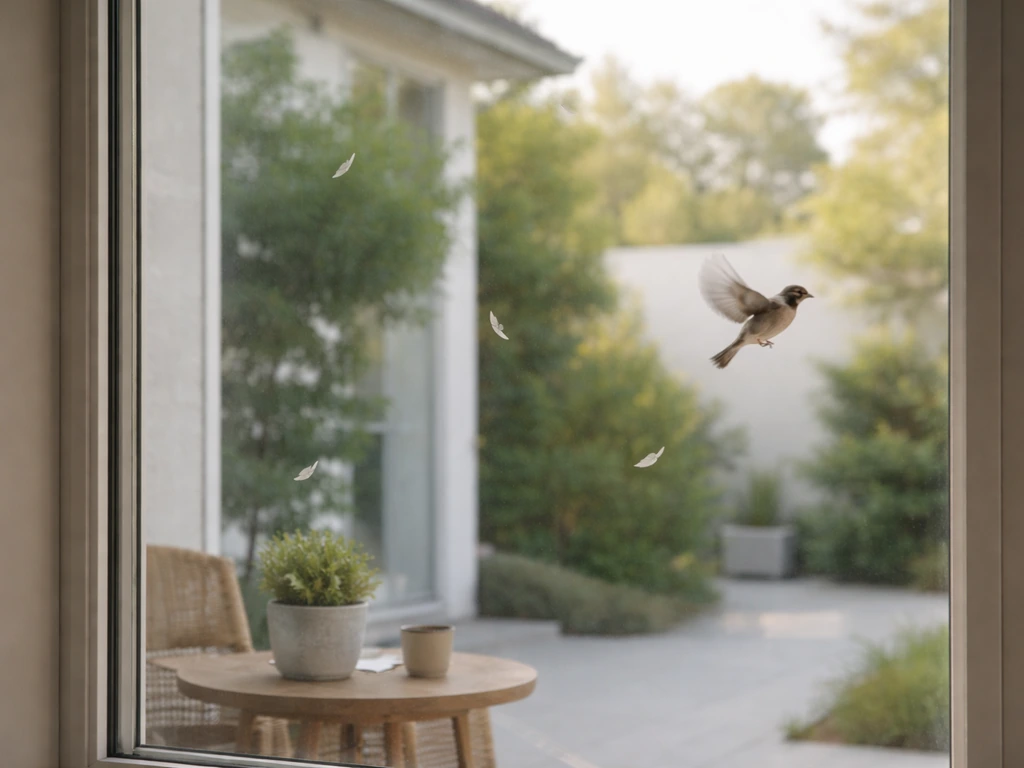
One of the most meaningful spiritual responses to an accidental bird strike is preventing future harm. Birds cannot see glass as a barrier, which is why window collisions are one of the leading causes of bird deaths. The National Wildlife Federation and U.S. Fish and Wildlife Service both point to window treatments as the most effective prevention. This is something concrete and actionable you can do, which tends to be more calming than any amount of worry.
- Apply window decals, tape, or films with patterns spaced no more than 2 inches apart horizontally or 4 inches vertically. Birds can fit through gaps larger than this and will try to fly through them.
- Move bird feeders either very close to the window (within 3 feet, so birds cannot build up speed) or far away (more than 30 feet), to reduce collision angles.
- Turn off or reduce exterior lights at night, especially during spring and fall migration seasons. Disoriented migrating birds at night are significantly more likely to strike lit structures.
- Use window screens or external shutters where possible, which add a physical layer birds can see and detect.
- If the strike happened in a car, there is less you can do physically, but staying present and aware while driving near wooded or open areas at dawn and dusk reduces risk.
Finally, give yourself permission to let this go. Accidents happen. The fact that you searched for guidance, felt concern for the bird, and took the time to understand both the practical and spiritual dimensions of this moment says something about your character. No credible spiritual tradition holds that an unintentional act of harm, followed by genuine care and reflection, marks you as cursed or condemned. The more you respond with attention, care, and action, the more you have already done what most traditions would ask of you.
As you process this, you might find yourself thinking about related encounters: what it means when you run over a bird, or the deeper symbolism behind killing a bird accidentally. When you are ready, you can also look at what it means when you run over a bird as a related example of how people interpret an unexpected bird incident. Those threads are worth exploring when you are ready, but start here, with this moment, and trust that you handled it the best way you could.
FAQ
What if the bird didn’t seem hurt or it flew away right after?
If the bird appears fine and quickly flies away, you still do not need to treat it as a definite omen. Do a quick visual safety check (especially if it hit your car or windshield), then focus on prevention, like keeping distance from flocks when driving or adding window protection at home.
What should I do if I can’t safely reach the bird?
If you are unable to safely approach the bird (for example, it is in traffic or in a dangerous spot), prioritize distance and wait for help. In the U.S., you can contact local animal control, a humane society, or a nearby wildlife rehabilitator for instructions rather than trying to intervene yourself.
Does the advice change if the bird is dead or if it is too stressed to handle?
Do not transport the bird if it is clearly dead, or if handling would put you at risk (for instance, if it is inside your home and you cannot control the situation). For the living but injured cases, transport briefly to a permitted rehabilitator, using minimal handling to reduce stress and injury.
What if the bird hits a window, and I discover it later rather than immediately?
Yes, if you find the bird at home after a window collision and it is still alert, keep pets and children away and use a covered box, not a bare container. Reduce light and noise during waiting, then arrange rehabilitator pickup or guidance promptly.
Is it okay to use gloves and touch the bird, and what’s the safe way to do it?
Gloves can help reduce scratches and exposure, but the key is gentle control and minimal contact. Avoid washing contaminants off the bird yourself; your role is to stabilize and handoff, then follow rehabilitator instructions.
If my car hit a bird, should I do anything beyond checking on it?
If the incident was from your vehicle, focus on safe driving first. After, report any hazardous location if needed (for example, an area where birds frequently cross) and consider practical steps like slowing near known bird crossings or adjusting routes during migration.
What if I got scratched or exposed to blood or bird droppings?
If you got splashed by bodily fluids while cleaning up, wash hands thoroughly and avoid touching your face until you have cleaned up. For anyone who is immunocompromised or has been bitten or heavily scratched, contact a clinician for advice.
How often should I check the bird once it’s in a box?
Repeatedly checking can increase stress and injury risk, and it can also keep you in an anxious loop. A helpful middle ground is to close the box, place it in a warm dark spot, then check only at set intervals until you can reach a rehabilitator.
How can I engage with the spiritual meaning without turning it into fear or superstition?
If you are trying to interpret symbolically, use the incident as a prompt for one concrete change rather than predicting misfortune. For example, pick one action tied to care, like installing window treatments or changing driving habits near wildlife.
If the bird seems okay but there’s a visible injury, what then?
If the bird survives but has an obvious injury, you should still seek help because injuries can worsen quickly. Species matter too, so rehabilitator guidance is important, especially for birds that look small but may have complex needs.
What are common mistakes people make when interpreting bird strikes as signs?
Avoid treating any specific species or context as an automatic “curse” because interpretations vary widely and can be emotionally misleading. If you notice your mind spiraling, shift from meaning-making to prevention and responsible care, and limit further online searching for omens.
What are practical prevention steps for repeat bird strikes, especially with windows?
If you want to prevent future collisions, prioritize window treatments, but also look at lighting at night. Turning off exterior lights or using bird-safe bulbs reduces disorientation and can lower the chance of repeat strikes during migrations.