Running over a bird is one of those moments that stops you cold. One second you're driving, and the next something happens so fast you barely registered it. If you're here searching for answers, you're probably feeling a mix of distress, guilt, and maybe a quiet wondering about what it all means. If you want the practical angle too, check the safety steps right away after a bird strike what it all means.
What Does It Mean When You Run Over a Bird? Next Steps
Maya Hartwell
20 Apr 2026
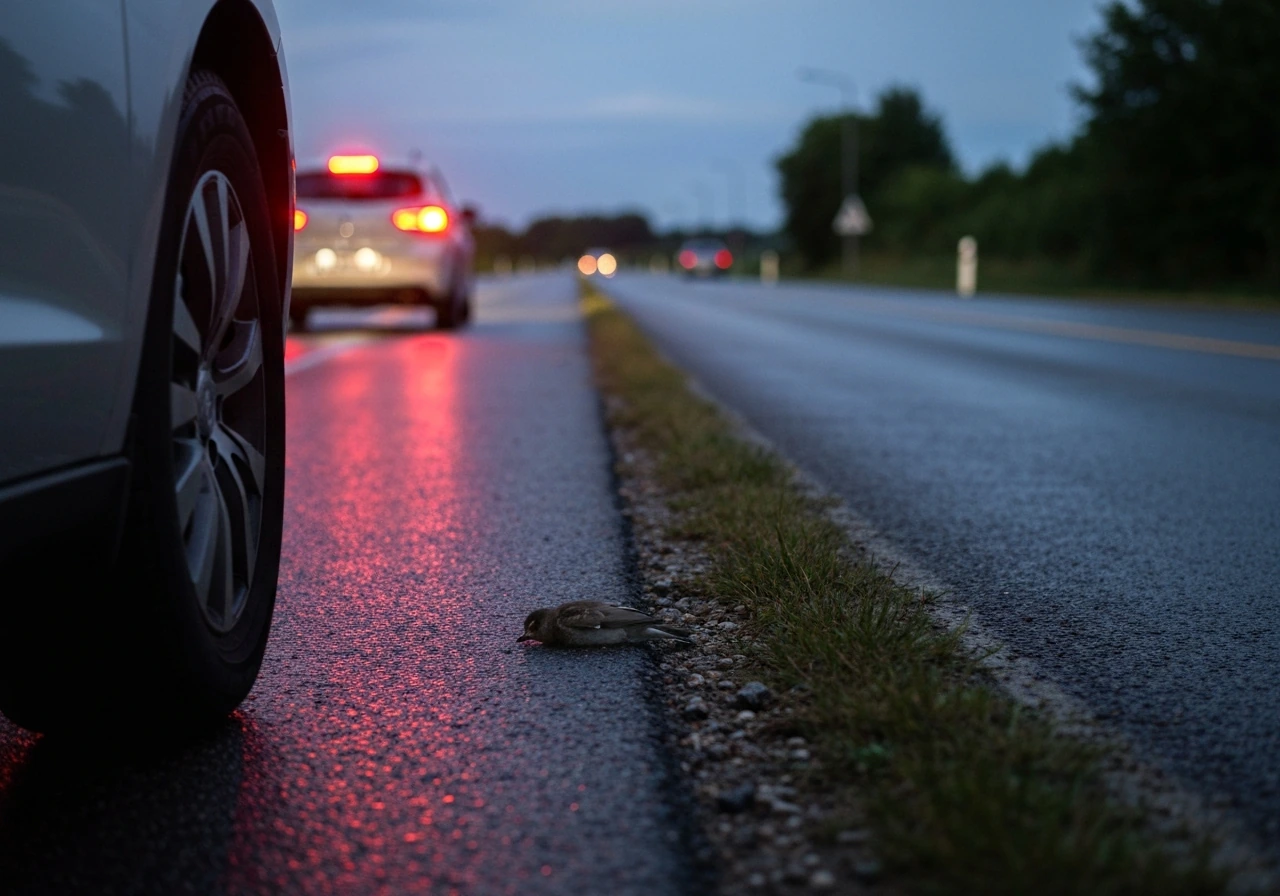
People often wonder what does shooting a bird mean in a symbolic sense, especially when an encounter feels heavy or out of character. Both of those threads, the practical and the symbolic, deserve a real answer. So let's start with what matters most right now, and then we'll work through the deeper questions together.
What to do right now: safety and the scene
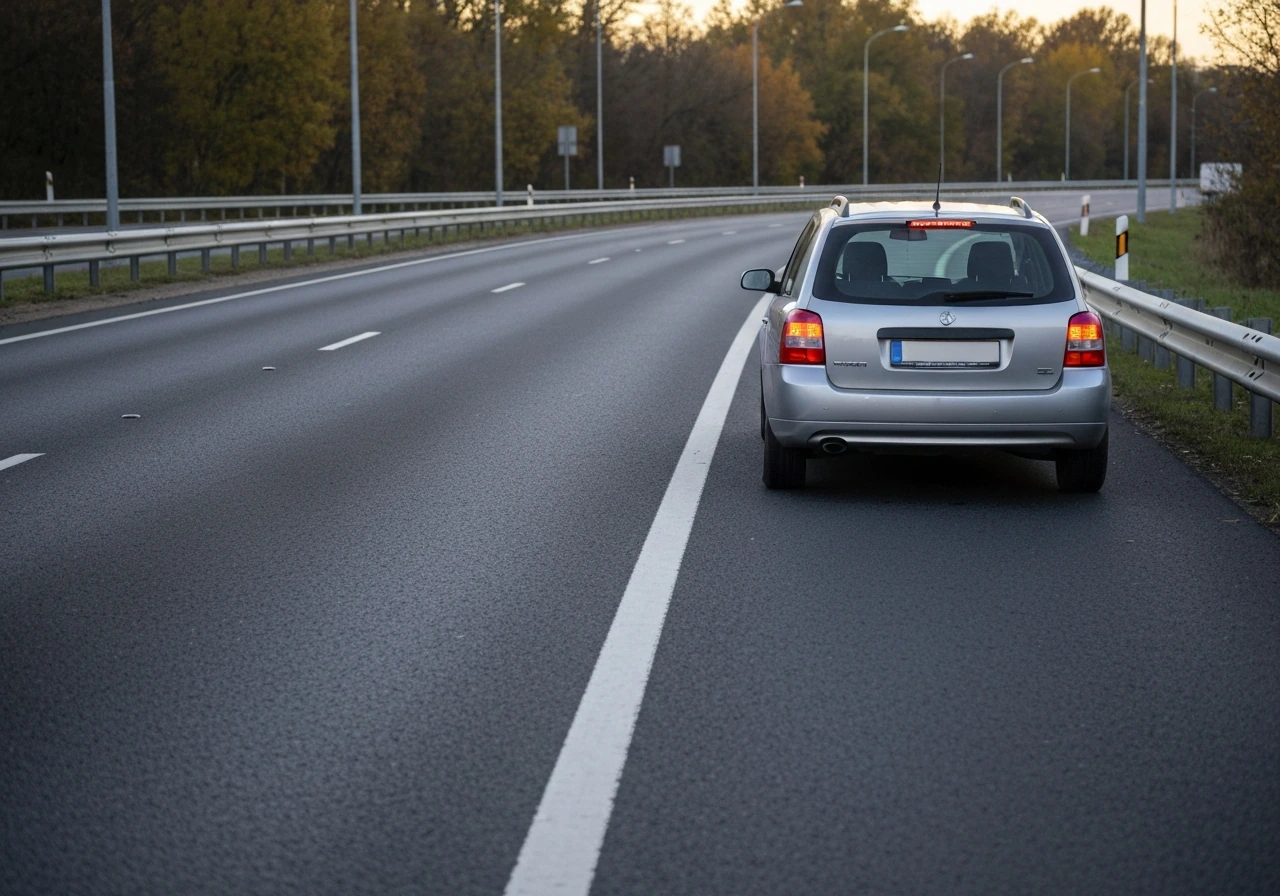
First, your safety. If you're still on the road or near traffic, get yourself to a safe position before anything else. Don't swerve or brake hard for wildlife, as that's how secondary accidents happen. If the incident is behind you, pull over safely when you can, turn on your hazards, and assess the situation from a distance before approaching.
Don't rush toward the bird. An injured animal, even a small one, can be in shock, and a frightened bird can scratch, bite, or injure itself further if handled carelessly. blank" rel="noopener noreferrer">Wildlife emergency guidance consistently recommends keeping your distance and calling a professional first rather than attempting hands-on intervention on your own.
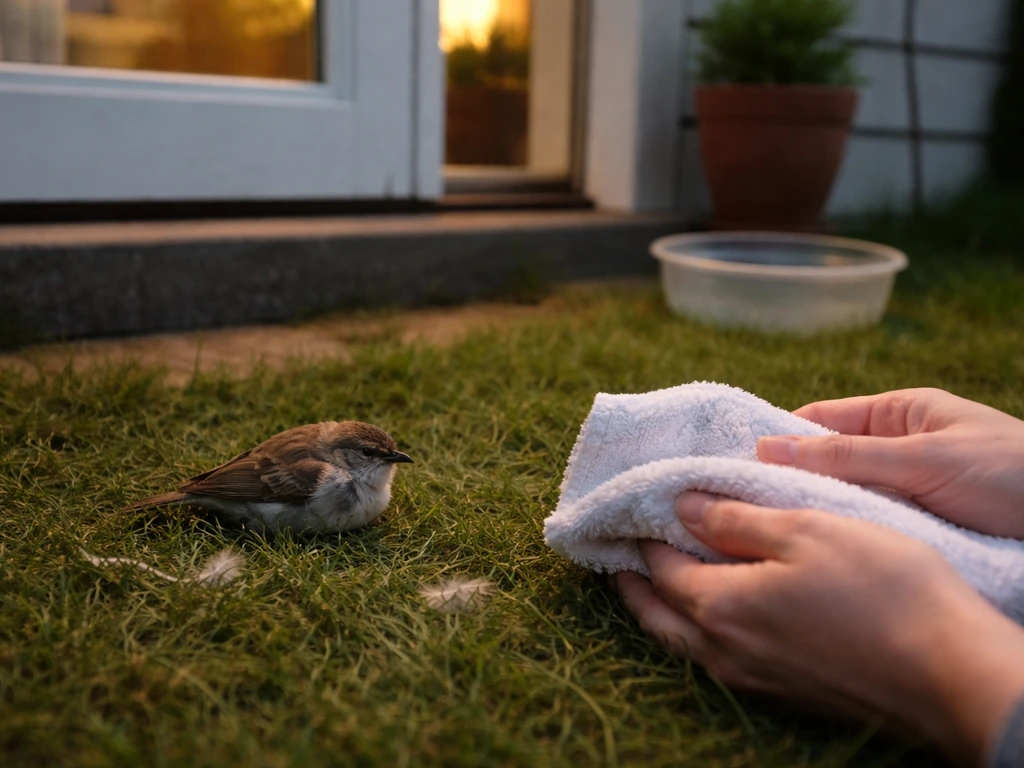
If the bird appears to be in the road and poses a hazard to other drivers, and only if it is completely safe for you to do so, you can gently move it using a towel, thick cloth, or gloves. Never use bare hands. Place it carefully into a cardboard box lined with newspaper and keep it in a warm, dark, quiet space while you get help. Do not attempt to give it food or water.
- Pull over safely, hazards on, before approaching the scene
- Keep distance initially, as shocked or injured birds can cause injury
- Call a licensed wildlife rehabilitator before handling the bird
- If you must move it, use gloves, a towel, or thick cloth, not bare hands
- Place an injured bird in a newspaper-lined box in a warm, quiet spot
- Never offer food, water, or medication to injured wildlife
Getting the bird real help: wildlife and animal resources
Your first call should be to a licensed wildlife rehabilitator in your area. These are permitted professionals trained specifically for situations like this. Time really does matter here: delay in transport can reduce a bird's survival chances significantly, so don't wait to see if it 'gets better on its own.' Injured birds rarely recover without professional help.
In the U.S., the Fish and Wildlife Service and state-level agencies are your best starting points. If you're in Alaska, there's a dedicated Sick or Dead Bird Hotline at 866-527-3358. Most states have their own wildlife rehabilitation networks, and a quick search for 'wildlife rehabilitator near me' or calling your state's Department of Fish and Wildlife will get you connected fast. If the bird is dead and on private property, organizations like Indiana DNR advise that you can contact a wildlife control operator or handle removal yourself in many cases.
There's also a public health note worth keeping in mind. If the bird appears sick (rather than clearly injured by impact), was already weak before the encounter, or if you're in an area with known avian influenza activity, the U.S. Fish and Wildlife Service recommends contacting permitted facilities and following official guidance around handling. Highly pathogenic avian influenza (HPAI) can, in rare circumstances, affect humans and domestic animals, so it's worth mentioning if you call a hotline.
If the bird is already dead and posing no immediate hazard, you don't necessarily need to do anything beyond moving it safely out of traffic (using gloves). As the Minnesota DNR notes, a dead wild animal is a natural part of the food web. You're not obligated to retrieve or bury every bird, though many people feel a pull toward doing something respectful, and we'll come back to that.
The spiritual weight of accidentally harming a bird
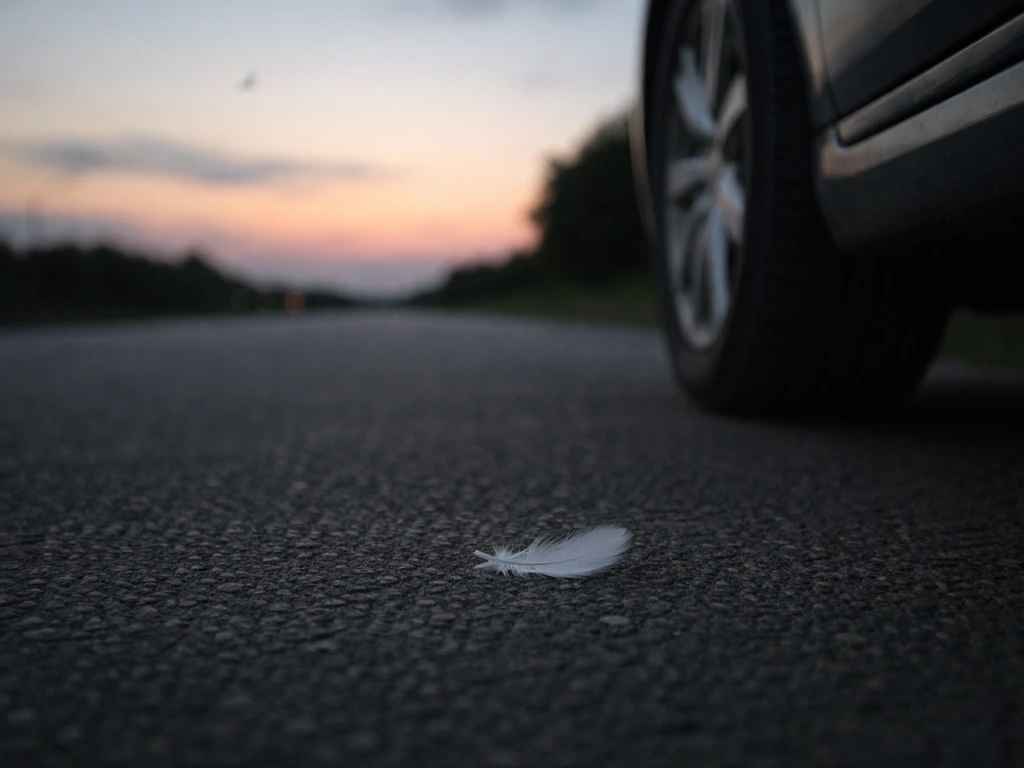
Once the practical steps are handled, the other part of this experience tends to settle in: that quiet, unsettled feeling that says this meant something. Across countless cultures and throughout recorded history, birds have been treated as messengers, as omens, and as bridges between the physical and spiritual worlds. Accidentally harming or killing one has carried symbolic weight in many traditions, and it's worth exploring what people have made of it.
The most common spiritual interpretation isn't a curse or punishment. It tends to land closer to an interruption: a moment that breaks through ordinary life and asks you to pay attention. In many metaphysical traditions, a sudden encounter with death, even an accidental one you caused, is seen as a prompt to reflect on endings, transitions, or something in your life that may need to be released. That framing doesn't require you to believe in omens to find it useful.
The guilt you may be feeling is also spiritually significant in many traditions. It reflects care, awareness, and moral sensitivity. Some teachers would say that guilt, when it doesn't harden into shame, is itself a spiritual response: proof that you value life and are attuned to the weight of what happened. That's not nothing. The fact that you're searching for meaning rather than just driving on says something about where you are spiritually.
How context shifts the meaning
If you believe in bird omens, the specifics really do matter. Not every accidental bird encounter carries the same symbolic weight, and part of interpreting the moment is looking at the details: the species, the location, the time of day, the bird's condition, and what was going on in your life.
| Context Factor | What to Consider Symbolically |
|---|---|
| Species or color | Dark birds like ravens or crows carry associations with transformation and loss in many traditions; small brown or gray birds like sparrows often symbolize humility and everyday grace; white birds like doves or egrets lean toward peace and spiritual purity |
| Injured vs. dead | An injured bird that survives may symbolize resilience or a warning that hasn't fully resolved; a bird that dies may represent a more complete ending or transition |
| Time of day | Dawn encounters are often linked to new beginnings in folklore; dusk or night incidents more commonly connect to endings, shadow work, or the unconscious |
| Where it happened | Near your home suggests the message is personal or domestic; on a journey or commute, it may relate to where you're headed in life |
| Your emotional state | If you were anxious, at a crossroads, or carrying grief before it happened, many traditions would say the encounter amplifies or responds to that internal landscape |
If you're researching what it means to hit a bird while driving versus running over one that was already on the road, the distinction matters too. If you are asking, is it a bad omen to hit a bird, the context and details are what many traditions use to interpret the symbolism more clearly.
If you want the hitting a bird meaning angle in addition to the symbolic context, you can compare it with the specific interpretation in this guide:. Hitting a bird mid-flight (where the bird crosses your path) carries more active omen energy in some folklore systems than hitting one that was already still or injured.
Related questions, like what it means to hit a bird or what killing a bird by accident means, often come up in the same emotional context as this one and tend to draw from the same symbolic well.
What the Bible and folklore traditions say

In the Christian tradition, the clearest scriptural touchstone for bird encounters is Matthew 10:29-31, where Jesus says that not even a sparrow falls to the ground without the Father knowing. The same idea appears in Luke 12:6. The theological intent isn't to make sparrow deaths ominous. It's the opposite: God's awareness extends even to the smallest creature, so how much more are you known and cared for? From this perspective, a bird's death, even one you accidentally caused, isn't outside divine awareness. Many Christian readers find comfort rather than condemnation in that passage. A Reddit discussion in r/TrueChristian also reflects on this passage as reassurance about God's awareness, rather than deterministic prophecy God's awareness extends even to the smallest creature.
Folklore traditions are considerably more varied. In British and European folk belief, certain birds carry particularly heavy symbolic associations. Magpies have long been tied to omens through the counting rhyme 'One for sorrow, two for joy,' with a single magpie considered unlucky in some regions. Ravens are associated in many cultures with loss, death, and transitions between worlds. Jackdaws settling on a rooftop or flying down a chimney were historically considered death omens in some folk traditions. The ancient practice of ornithomancy, reading omens from birds' flight patterns, cries, and behavior, was formalized in ancient Greece and Rome, where augurs were official figures who interpreted bird signs for civic decisions.
It's worth saying plainly: these are interpretive frameworks, not facts. Folklore doesn't come with guarantees. What these traditions offer is a cultural language for sitting with an unsettling experience and finding a way to make sense of it. That's valuable, even if you take it lightly.
If the experience follows you into dreams
Sometimes an incident like this doesn't end at the scene. It replays, or it seeds a dream that night or in the days that follow. If you dream about dead or injured birds after running over one, the symbolism tends to cluster around themes of loss, transition, and the need for renewal. Some Christian interpretive traditions describe dead birds in dreams as representing aspects of spiritual life that need revival, recommending discernment rather than treating dreams as literal predictions.
Broader cultural dream traditions have treated dead bird dreams as ill omens historically, with some Chinese folklore associating them with news of illness or sorrow. But many contemporary interpreters, drawing from psychology as much as spirituality, frame them more gently: as the mind processing grief, guilt, or a need for change, rather than foretelling doom. If you dreamed about birds and are wondering whether the dream amplifies the incident's meaning, it's worth asking what in your life feels like it's ending, or what you might be afraid of losing.
If questions about whether this is a bad omen are weighing on you, it helps to know that omen traditions themselves are rarely deterministic. Ancient augury read bird signs as advisories, not sentences. The question wasn't 'Is disaster coming?' but 'What should I pay attention to?' That's a more useful lens.
The metaphysical take: messages, guilt, and what this might be asking of you
In broader metaphysical and energetic traditions, accidental harm to a living creature is often interpreted as a kind of cosmic interruption that delivers a message proportional to its impact. The stronger your reaction, the more it's thought to resonate with something already stirring in your life. This isn't about blame. Metaphysical frameworks tend to be curious rather than punitive: the question isn't what you did wrong but what the moment is reflecting back at you.
Some teachers in these traditions would say that running over a bird, especially one that dies, can signal an ending that needed to happen, a cycle completing, something old making way for something new. Others would frame it around freedom, since birds so often represent liberation and spiritual reach, suggesting that something in your life tied to freedom, expression, or possibility is in transition. These are loose frameworks, not formulas. But many people find them genuinely useful for processing an experience that feels heavier than the facts alone explain.
The guilt is worth naming directly too. In metaphysical thinking, guilt that arises from accidental harm is sometimes described as a signal of spiritual sensitivity rather than spiritual failure. The task isn't to eliminate the guilt through rationalization but to let it move through you and soften into compassion: for the bird, for yourself, and perhaps for whatever in your life is also fragile or fleeting right now.
Respectful ways to respond and find some peace
You don't need elaborate ritual to honor this moment. But if you feel pulled to do something, here are ways people across different traditions respond when they've accidentally harmed an animal. These aren't prescriptions. Take what resonates and leave the rest.
- If the bird is dead and it's safe to do so, move it off the road using gloves so it isn't further disturbed by traffic. This is both practical and an act of care.
- Say something simple and honest. Many people speak a few words of acknowledgment or apology to the animal, not because the bird hears them, but because the act of naming what happened helps process it. Something like 'I'm sorry. I didn't mean to harm you' is enough.
- In Christian or prayer-based practice, a brief prayer of acknowledgment, asking for peace for the animal and for yourself, fits naturally with the scriptural understanding that God holds even sparrows.
- If you're drawn to Indigenous or earth-based traditions, leaving a small natural offering near where the bird fell (a pinch of tobacco, a flower, a few seeds) is a way of acknowledging the life and returning something to the earth.
- Reflect on what you've been carrying lately. Not with the goal of decoding a cosmic message, but as a gentle prompt: Is there something in your life that feels like it's ending? Something you've been avoiding? Let the moment open a door rather than just close one.
- If the guilt lingers, consider channeling it outward. Donating to a local wildlife rehabilitation center, reporting the area to local road safety authorities if birds frequently cross there, or simply being more alert as a driver going forward: these are practical ways to let the experience change you without it haunting you.
What you take from this encounter is ultimately personal. The traditions and frameworks above are lenses, not verdicts. Whether you see this as a random accident with no deeper meaning, a spiritual nudge worth reflecting on, or something in between, the most grounded response is the same: do what you can to help, treat the moment with honesty, and let yourself move forward without carrying unnecessary weight. You didn't set out to harm anything. That matters.
FAQ
What should I do if I run over a bird but I cannot find it right away?
First, prioritize safety and only search if it is safe to pull off. Look for signs from where it was struck (feathers or blood on the roadway) and check nearby ditches or grass edges. If you see signs of injury or movement but cannot locate the bird within a short window, call a local wildlife rehabilitator and tell them the location and time, so they can advise whether someone should return later.
Is it safer to move the bird myself, or should I call for help even if it looks small?
Call a licensed wildlife rehabilitator first whenever possible. Even small birds can bite or scratch when frightened or in shock, and improper handling can worsen injuries or spread disease. If the bird is clearly a hazard to traffic, you may move it only if you can do so with thick cloth or gloves and place it in a ventilated box, then stop and get professional guidance as soon as you can.
What if the bird hit was already dead on the road, not alive when I arrived?
If it is clearly deceased and not creating an immediate danger, you generally only need to remove it from traffic safely (using gloves and avoiding close contact). You are not expected to clean up or retrieve every remains, and you should not attempt burial or extensive handling unless local guidance suggests otherwise.
Do I need to worry about disease if I touch the bird or its feathers?
Yes, take basic precautions. Avoid touching your face, use gloves, and wash hands thoroughly right after. If the bird looks sick, is unusually weak, or you are in an area with avian influenza activity, treat it as higher risk and contact a permitted facility for direction before handling further.
What if the bird was on my property, not the road, and I accidentally hit it with my car?
Treat it similarly in terms of safety and minimizing contact, but your next step can depend on local rules. If you are on private land, you can often contact a wildlife rehabilitator or your state wildlife agency to ask whether they want you to report the incident. If the bird is dead and there is no hazard, local guidance may allow you to handle removal yourself with gloves.
How long should I wait before assuming the bird is beyond help?
Don’t wait for signs of recovery on the roadside. Many injured birds need prompt evaluation, and delay can reduce survival chances. If it appears injured, call for help immediately and arrange transport or guidance as quickly as possible, even if the bird seems briefly responsive.
Should I stop and look around other nearby birds after the incident?
If you notice other birds acting unusually, call a rehabilitator and mention what you observed. It can help with determining whether the situation involves multiple animals (for example, disease concerns or a larger hazard), and it gives responders better context.
Could running over a bird mean something different if I hit it while it was in flight versus on the ground?
Some symbolic interpretations do treat those scenarios differently, but in real-life terms the safest handling steps are the same: keep yourself safe, avoid rushed contact, and get professional guidance if the bird is injured or uncertain. Use symbolism for reflection if it helps, but don’t let it change your priority of getting help for the animal.
What should I do if I already drove away and only realized later that I may have hit a bird?
If you have a safe place to return and it is still light and safe enough to check, do a quick look around the likely impact area from the road edge. If you see feathers or signs of injury, call a rehabilitator with the location and approximate time. If you cannot locate anything or it is unsafe to return, the practical best step is to focus on safe driving going forward.
How do I handle the guilt in a way that is actually useful, not just paralyzing?
Try to convert guilt into action, limited to what you can still control. If the bird is alive or possibly injured, that means contacting help promptly. If it is already gone, consider a compassionate closure step such as learning safer driving practices near wildlife and, if it resonates spiritually, making a brief personal reflection or prayer, without turning it into self-punishment.
If I dream about an injured or dead bird afterward, does it mean the incident was a bad omen?
Not necessarily. Dreams often process emotion, threat, and unresolved guilt rather than predicting outcomes. A helpful question to ask is what in your life feels like it is ending, changing, or needing repair, because that theme tends to match common dream interpretations across both psychological and spiritual frameworks.