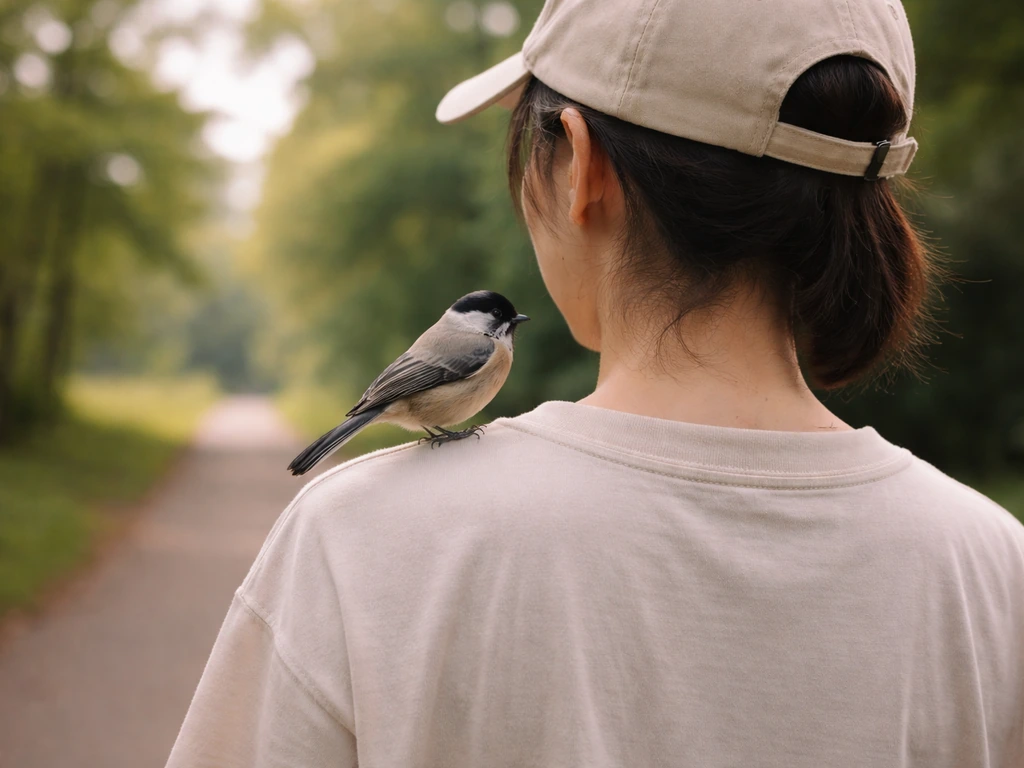
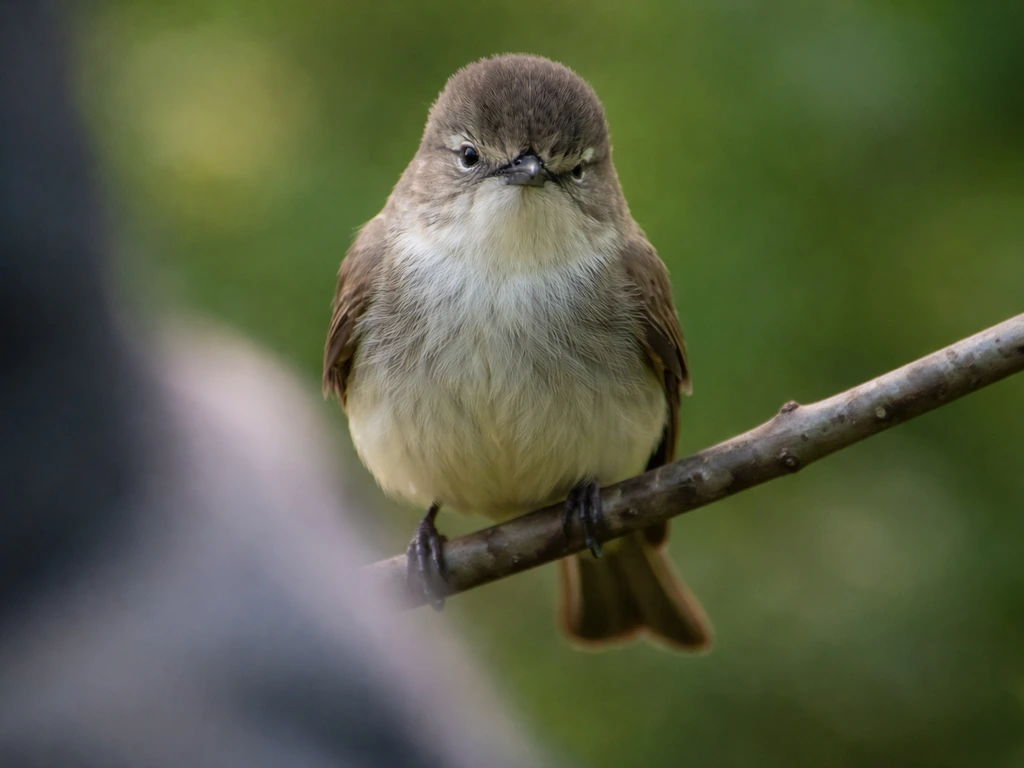
When a bird blinks at you, it most likely means the bird is comfortable enough in your presence to relax its vigilance for a split second. Blinking takes a bird's eyes offline momentarily, and birds that feel threatened typically suppress that reflex. So a blink, especially a slow or deliberate one directed your way, is often a small signal of ease, attention, or even recognition. That said, context matters enormously: the species, the distance, the setting, and what the bird does next can shift the meaning from purely biological to something that feels genuinely personal or spiritually significant, depending on your own frame of reference.
What Does It Mean When a Bird Blinks at You?

Maya Hartwell
12 May 2026
Why birds blink in the first place
[Birds actually blink in more than one way](https://pmc. ncbi. nlm. nih.
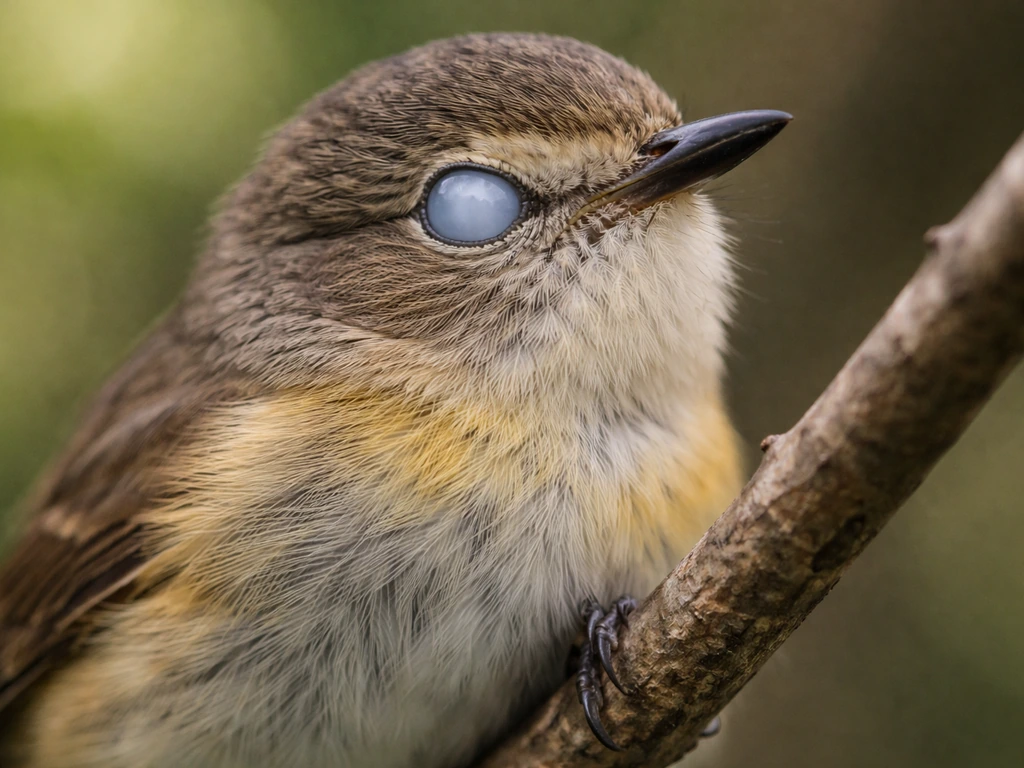
gov/articles/PMC10705787/), and understanding the mechanics helps you read what you just witnessed. Research published in scientific reviews identifies at least two distinct blink types: rapid, brief blinks driven by the nictitating membrane (a translucent third eyelid that sweeps horizontally across the eye) and slower, more sustained blinks involving the lower lid. The nictitating membrane blink is the bird's built-in goggle system.
It clears debris, protects the eye from glare or wind, and keeps the cornea lubricated, all without fully blacking out vision the way a full lid closure would. Audubon describes it as essentially giving birds the ability to blink without going blind, which is critical for a prey animal that can never fully afford to lose situational awareness.
The slower, full blink is where things get more interesting. Studies on songbirds show that blinking is closely tied to gaze shifts: birds tend to blink right as they redirect their attention, meaning a blink is often part of the act of looking at something new, including you. Even more telling, research on songbirds found that they strategically inhibit blinking when they are viewing human faces. The bird is holding its stare, suppressing the blink reflex, because it is on high alert. The flip side of that finding is equally important: when a bird does blink in your presence, it suggests that high-alert state has eased.
There is also communicative blinking. White-throated dippers, for example, have bright white eyelids and use deliberate blink displays as visual signals, adjusting the frequency and duration of those blinks depending on environmental noise levels. So in at least some species, a blink is not just a maintenance reflex but an intentional behavior used to send information. That is worth sitting with when you are trying to make sense of a moment that felt oddly intentional.
Eye contact, blinking, and staring: what each one signals
These three behaviors can look similar from a few feet away but carry very different weight in bird communication.
| Behavior | What it typically means | How it feels from your side |
|---|---|---|
| Hard stare without blinking | Heightened alertness, threat assessment, predator-scanning mode | Intense, locked-on, slightly unnerving |
| Slow or deliberate blink | Reduced vigilance, comfort, attentional shift toward you, possible social signal | Soft, almost conversational |
| Rapid nictitating-membrane blink | Eye maintenance, debris clearing, glare protection | Quick, barely noticeable flicker |
| Averted gaze after eye contact | Submission, de-escalation, or disinterest | The bird looks away without apparent alarm |
| Sustained direct eye contact (no blink) | Territorial display, possible aggression, or intense curiosity depending on species | Commanding, hard to look away from |
One thing worth knowing: raptors like owls and hawks have eyes positioned for forward-facing binocular vision and must turn their entire head to shift gaze rather than moving their eyes freely. When a raptor blinks as it turns its head toward you, you are seeing a blink layered on top of an intentional act of looking directly at you. That combination feels very different from a sparrow's quick nictitating flutter while it hops along a branch.
The situation changes everything
There is no single universal meaning because the context you are standing in reshapes almost every aspect of what the blink could signal. Here are the variables that matter most.
Distance and approach
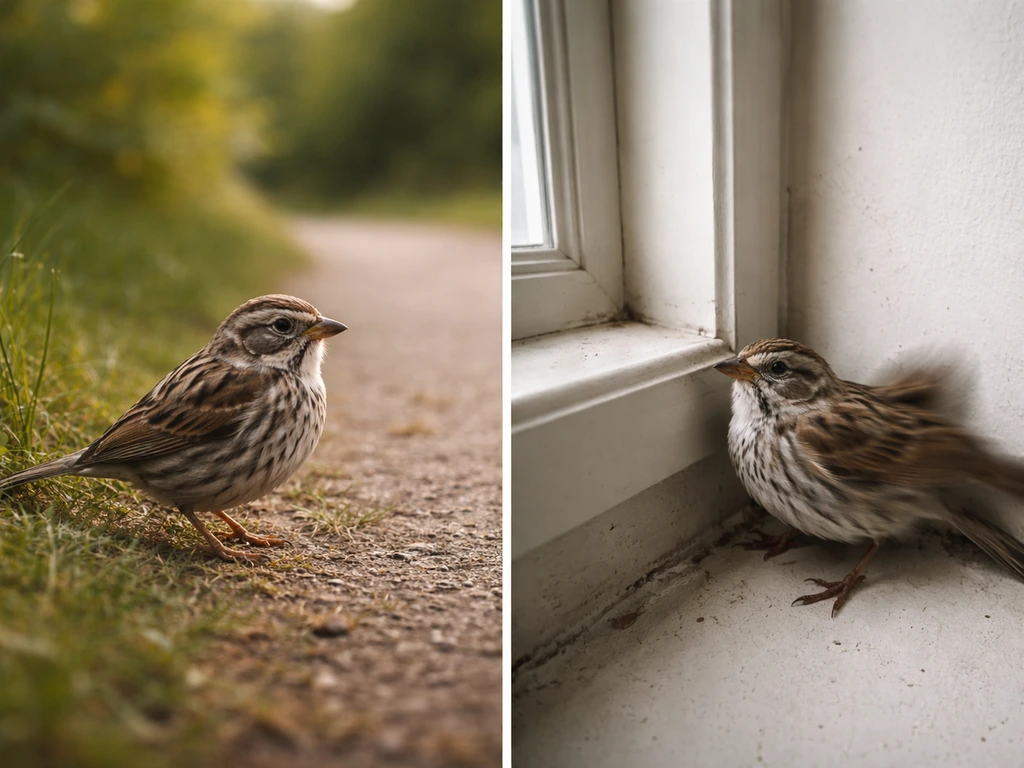
Wildlife agencies, including the National Park Service, recommend maintaining at least 50 yards from wild birds as a general rule, and Alaska's Department of Fish and Game points out that direct eye contact can itself trigger a fright or flight response in wildlife.
The National Park Service’s wildlife-watching guidance notes that most parks require getting at least 25, 50 yards away from many animals and about 100 yards from predators like bears and wolves, while also emphasizing that you should follow park-specific rules 25–50 yards away from many animals.
If you were far away and a bird blinked in your general direction, that is almost certainly routine behavior. If you were close, the bird was aware of you, and still blinked slowly rather than tensing up or fleeing, that is genuinely notable. It means you were assessed and deemed non-threatening.
Indoors vs. outdoors
A bird indoors, especially one that has flown in accidentally, is almost certainly stressed. Blinks from a bird in that state are more likely to be stress or exhaustion signals than a spiritual greeting. If the bird looks puffed up, has closed or half-closed eyes, or seems unable to fly, those are distress indicators that call for wildlife care, not spiritual interpretation. Tufts Wildlife Clinic lists closed eyes and fluffed feathers as signs of illness or injury in birds. Contrast that with a bird sitting calmly on your windowsill outside, blinking as it watches you move around the room. That is a different encounter entirely.
Time of day and weather
Dawn and dusk carry extra weight in bird behavior generally: birds are most vocally and behaviorally active at those times, and encounters during liminal hours feel more charged for good reason. In many spiritual and folkloric traditions, dawn birds are seen as message-carriers, and the timing of your encounter is something worth noting in your own reflection. A midnight encounter with a blink from an owl, for instance, sits in a very different symbolic space than a mid-morning chickadee doing the same thing.
Species
Species identity shapes both the biology and the symbolism. Corvids (crows and ravens) are known for complex cognitive behavior and sometimes seem to study individual humans with what looks like genuine curiosity, so a deliberate blink from a crow carries a different weight than the same action from a pigeon on autopilot. Owls blink with their lower lids and nictitating membrane in ways that look especially expressive to human eyes. Robins, known for approaching gardeners closely, blink routinely because they are comfortable near human activity. The species tells you a lot about whether the behavior is baseline normal or behaviorally unusual.
Signs of stress vs. signs of calm
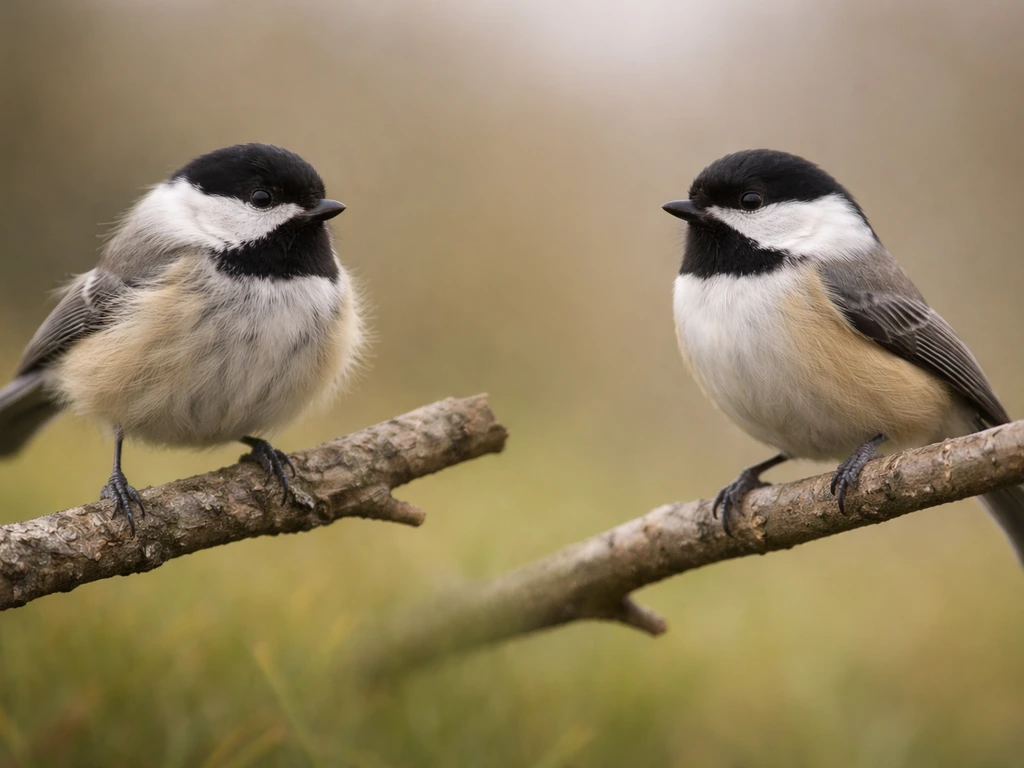
U.S. Fish and Wildlife Service guidance on distressed birds describes specific body-language cues: feathers puffed to appear larger, anxious back-and-forth weaving, and sharp repetitive vocalizations. If the bird that blinked at you was doing any of those things, you were likely witnessing a stress response and should give it space. If the bird was sitting quietly, feathers smooth, possibly even leaning toward you, the blink fits the profile of comfort or curiosity.
The spiritual layer: when a blink feels like acknowledgment
Once you have ruled out stress, illness, or routine maintenance blinking, you are left with moments that genuinely feel like the bird looked at you and said something without words. Many people describe this as a blink that felt too deliberate to be accidental, too sustained to be just eye-cleaning, and too timed to the emotional moment they were in to dismiss. That feeling has real roots in how humans have read birds for thousands of years.
In animist and nature-based spiritual traditions, birds are frequently understood as liminal beings: creatures that move between worlds (earth and sky, the living and the dead, the seen and unseen) and carry messages across those thresholds. Academic work on animist perspectives describes birds specifically as psychopomps and liminal beings that can signal transformation or transition in a person's life. From that worldview, a bird that pauses, locks eyes with you, and blinks is not doing something random. It is acknowledging your presence across a boundary you usually cannot cross.
A blink specifically, rather than a stare or a vocalization, is easy to read as a signal of peace or recognition. In human and even some animal communication, a slow blink carries connotations of trust and calm. If you have ever noticed that cats slow-blink to signal comfort and affiliation, the resonance is not accidental. Many people instinctively read a slow bird blink the same way: as a moment of quiet mutual recognition, a 'I see you, you're okay' from a creature that could have chosen to ignore you entirely.
What different traditions say about birds as messengers
Bird omens and signs cut across virtually every major cultural and spiritual tradition on the planet, and most of them focus on the idea that birds see and know things humans cannot. The specific behavior matters less than the encounter as a whole, but a blink adds a particular quality of directness to the moment.
Indigenous and folk traditions
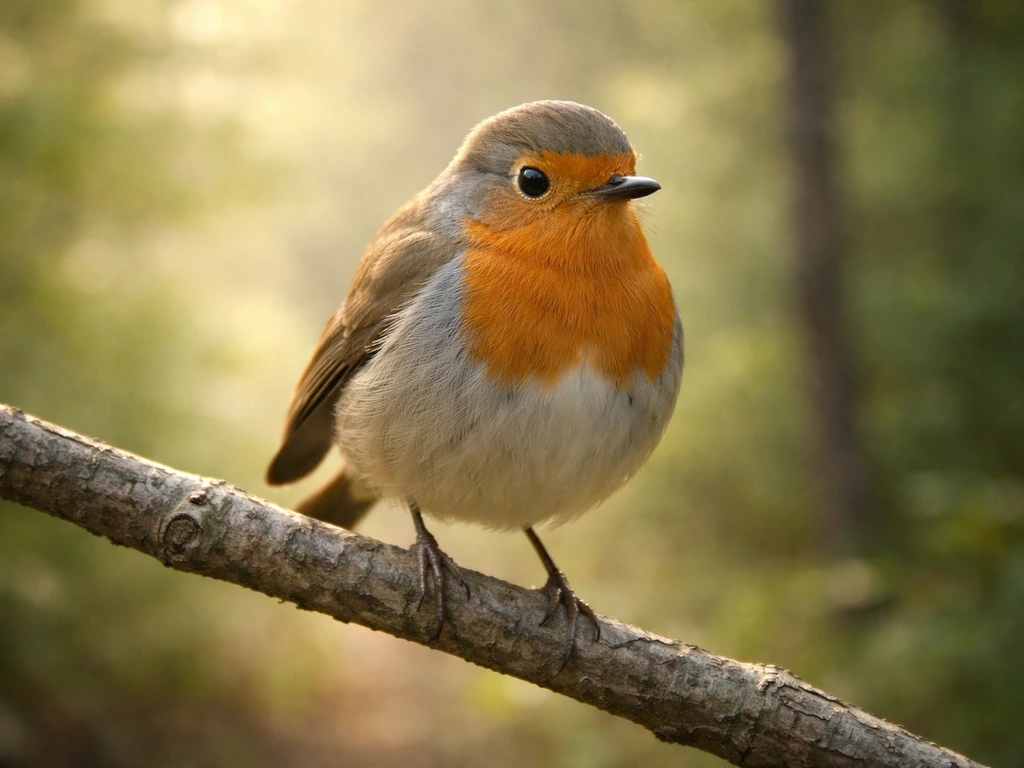
Among the Ch'orti' Maya of Guatemala, birds function as principal messengers capable of predicting events ranging from love and illness to death and rain. Ethnobiology research describes birds as seers in this tradition: their behaviors, including eye contact and directed attention, are read as intentional communications from the spirit world about future happenings. A bird that actively looks at you and responds to your presence is not, in this framing, coincidence. It is a message in transit. A comparative review of bird signs across many cultural groups found that owls, crows, cuckoos, herons, and eagles appear most frequently as sign-bearers, and that signs are communicated through a range of bird behaviors, not just calls.
Biblical and Abrahamic contexts
In biblical tradition, birds appear repeatedly as divine messengers and symbols of the Holy Spirit (the dove), divine provision (ravens feeding Elijah), and watchful care. The practice of reading bird behavior for omens, called ornithomancy, existed in ancient Jewish intellectual traditions and prompted serious theological debate: figures like Maimonides argued against it as superstition, while others engaged with it more openly. The broader biblical picture is one where birds are noticed, watched, and taken seriously as part of a divinely ordered creation. A bird that notices you back sits within that tradition of mutual attentiveness between the human and natural world.
Celtic and European folklore
In Celtic traditions, birds (particularly ravens, wrens, and robins) were considered soul-carriers and divine messengers, often associated with the Otherworld or with specific deities. A bird that made deliberate eye contact with a person was sometimes understood to be carrying a message from an ancestor or a spirit guide. The act of blinking in this context could be read as the bird acknowledging the message has been delivered: a closing and opening of the connection, like the period at the end of a sentence.
Eastern and South Asian perspectives
In Hindu and Buddhist traditions, birds appear as vehicles (vahanas) of the gods and as symbols of the soul's journey. Certain birds are associated with ancestors visiting the living, and a bird that behaves unusually calmly or attentively around a person is sometimes interpreted as a visiting spirit or protective presence. The blink in this context might be understood as a benediction: a deliberate, gentle gesture of blessing or recognition from whatever presence the bird is carrying.
How to interpret a bird's blink as a sign without overclaiming
The honest truth is that no single bird behavior carries a single guaranteed meaning, spiritually or biologically. Academic research on bird signs argues for what it calls an epistemic spectrum, ranging from purely naturalistic interpretation to fully supernatural messenger framing, and most thoughtful people land somewhere in the middle: taking the encounter seriously while holding the meaning loosely. That is actually the most useful posture you can bring to this.
The question is not 'did this blink mean something?' but 'what does this encounter invite me to notice right now?' That reframe keeps the interpretation honest and personally meaningful without turning a moment of nature into a prophecy you feel obligated to follow.
Practical next steps after the encounter
- Note the details while they are fresh: the species (or your best guess), the time of day, the weather, how close the bird was, and what you were thinking or feeling at the moment. These details feed both practical identification and personal reflection.
- Look up the species if you can identify it. Many bird-meaning resources, including this site, break down symbolism by species. A crow blinking at you and a hummingbird blinking at you carry very different cultural histories.
- Check the bird's overall condition before assigning meaning. Smooth feathers, alert posture, and normal movement suggest a healthy, calm bird. Puffed feathers, slow movement, or half-closed eyes suggest distress. If you think the bird is sick or injured, contact your local wildlife rehabilitation center rather than interpreting the encounter spiritually.
- Maintain respectful distance. The NPS recommends at least 50 yards as a general guideline for wild birds. Do not approach to try to recreate the moment.
- Sit with the reflection prompts below before drawing conclusions.
Reflection prompts to work with
- What was on your mind or in your heart in the moments before the bird appeared? Is there any thread between that and what the encounter felt like?
- Does the species carry specific meaning in a tradition you hold or feel drawn to? What does that tradition say about this kind of bird?
- If someone you loved or a wise guide had sent you a message at exactly that moment, what would it most likely have been?
- Are you being invited to slow down, pay attention, or shift your perspective on something right now?
- What would you tell a friend who described this exact experience to you? Sometimes our advice to others is the message we need.
Bird encounters that feel significant tend to cluster around transitions: grief, new beginnings, moments of uncertainty, or times when you are genuinely listening for something. A bird blinking at you during one of those moments is worth pausing for. If you are wondering what it means when a bird touches you, the same “context first” approach helps you tell comfort from stress and decide how to respond safely what does it mean when a bird touches you.
Sometimes people ask what it means when a bird bites you, and that can be a sign of fear, defense, or protective behavior rather than a spiritual message. Whether the meaning lives in the biology, the symbolism, the cultural tradition, or the simple fact that you were present enough to notice, all of those are real. They are just real in different ways.
Other close bird interactions, like a bird that preens you, bites you, or chooses to sleep near you, carry their own layered meanings worth exploring alongside this one. If a bird pees on you, people often wonder whether it means the same kind of message as other bird behaviors, but it is usually about biology and behavior rather than fate.
FAQ
How can I tell whether a blink was “slow and trusting” versus just a normal eye-protection blink?
Look for timing and body posture together. A quick nictitating blink often happens while the bird is moving or shifting in place, and the rest of the body usually stays alert. A slow blink paired with relaxed posture (smooth feathers, steady stance, no sudden head jerks) is more likely to reflect eased vigilance rather than routine eye cleaning.
What should I do right after a bird blinks at me?
If the bird appears calm, stay still for 10 to 20 seconds and avoid leaning in or making sudden eye contact. If it keeps watching and then resumes normal behavior (feeding, preening, flying on), you can move slowly. If it tenses, backs away, or changes to repetitive vocalizations, give more distance immediately.
Does blinking back at a bird mean the same thing as “slow-blinking” with cats or dogs?
Not necessarily. Humans can unintentionally increase perceived threat to some wildlife by creating direct gaze. If you want to try, do it by softening your gaze and turning your head slightly, instead of hard staring or rapid blinking, and stop if the bird becomes tense.
Can a bird blinking at me mean it recognizes me?
Sometimes, especially with species that repeatedly encounter people (for example, urban corvids or robins near gardens). Recognition is more plausible when the bird shows consistent, repeatable behavior over days (approach or watch from a similar spot), not just a single moment.
What if the bird blinks but also fluffs its feathers or keeps shifting its feet?
That combination leans toward stress or defensive assessment rather than comfort. Fluffed feathers can indicate an attempt to look larger or to cope with cold, and rapid scanning or agitation suggests the bird is deciding whether to flee or defend. In that case, increase distance and avoid approaching for photos.
Is a blink from an injured bird ever mistaken for a “message”?
Yes. Birds with head trauma, illness, or exhaustion can blink more slowly or awkwardly and may appear unusually calm while still being compromised. Red flags include inability to hop or fly normally, eyes that stay closed, wobbling, or a crouched, fluffed posture.
How does distance change the meaning of the blink?
At longer distances, a blink is often just maintenance or a brief gaze shift, even if it looks intentional. Close up, the blink becomes more informative because your presence is more salient, especially if the bird could have avoided you but instead remains steady and relaxed for a moment.
Do different bird species blink differently in ways that affect how I interpret them?
Yes. Species with particular viewing styles and eyelid mechanics can make blinks look more “expressive” to humans. For instance, raptors may appear to blink during head turns because they must reposition their head to change gaze, while songbirds may blink around attention shifts. Use species behavior patterns as the main filter, not the blink alone.
What if the bird is indoors, and it blinks at me repeatedly?
In that scenario, repeated blinking is more likely tied to stress, fatigue, or light sensitivity than communication. Keep lights and movement low, open an exit window or door, dim indoor lights relative to outdoors, and avoid cornering the bird.
Could a bird blink as a response to me moving or making noise?
Yes. A blink that coincides with you changing position (walking closer, raising your phone, turning your head, sudden sound) can be the bird’s reflex as it reallocates attention or filters glare. If it blinks right after you startle or approach, treat it as a cue to slow down rather than a deliberate sign.
When should I report or seek help for a bird that blinked at me?
Seek help if you notice ongoing distress cues, such as inability to fly, repeated disorientation, prolonged eye closure, soaked or damaged feathers, bleeding, or persistent vocal distress. If it seems safe but injured, contact a local wildlife rehabilitator rather than trying to handle it yourself.
Next Article
What Does It Mean When a Bird Touches You and What to Do
What bird contact means plus what to do now for safety and hygiene, with spiritual and cultural interpretations.