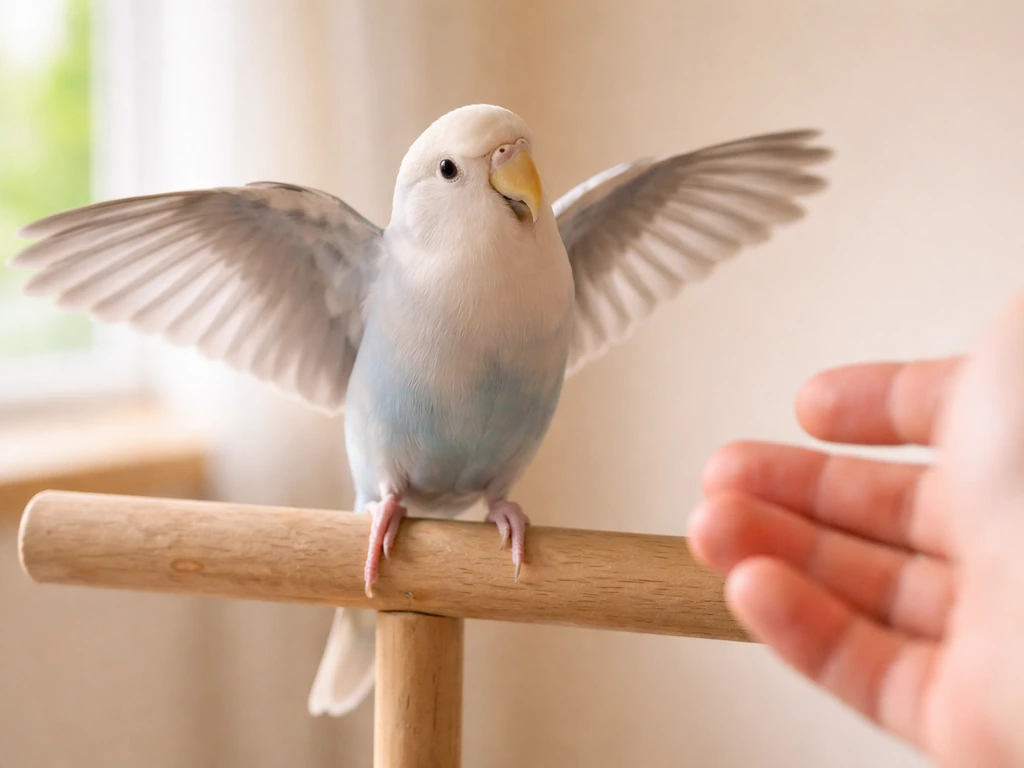
A bird flying into your house means different things depending on who you ask, and honestly, both answers matter. On the practical side, a bird inside your home is a disoriented animal that needs a calm exit strategy. On the symbolic side, cultures across thousands of years have read this moment as a message, a warning, or a blessing. You don't have to choose just one interpretation. What you do need, right now, is a clear plan.
Meaning of Bird Flying Into House: Practical and Spiritual Guide

Maya Hartwell
3 Apr 2026
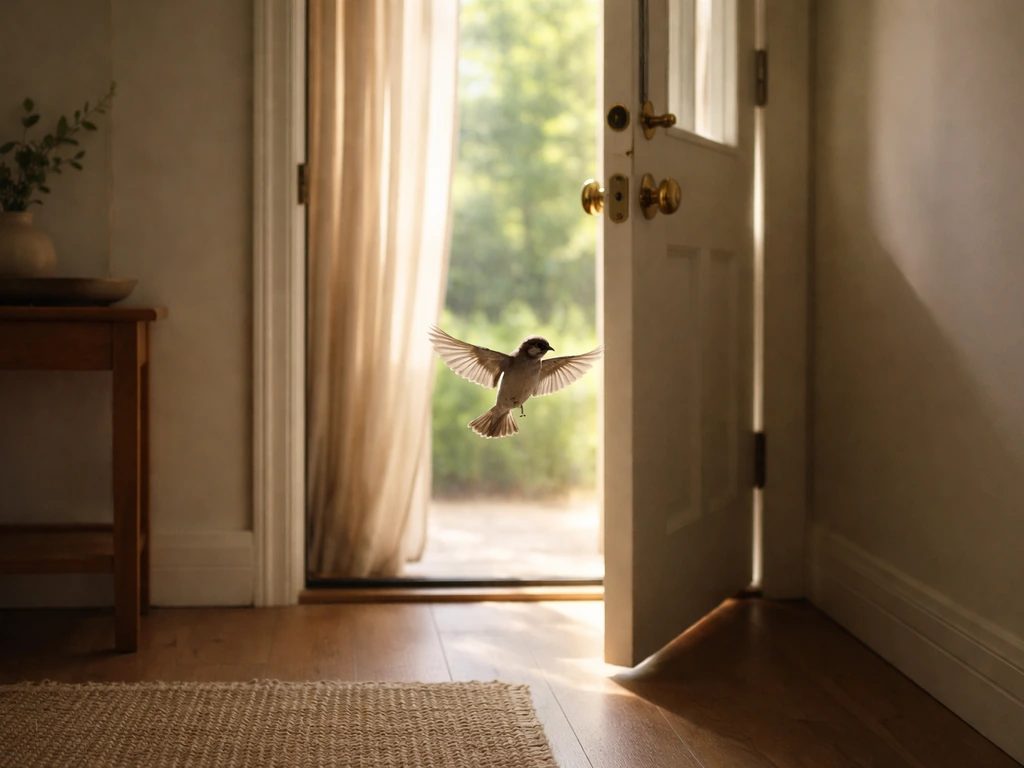
What to do right now (before anything else)
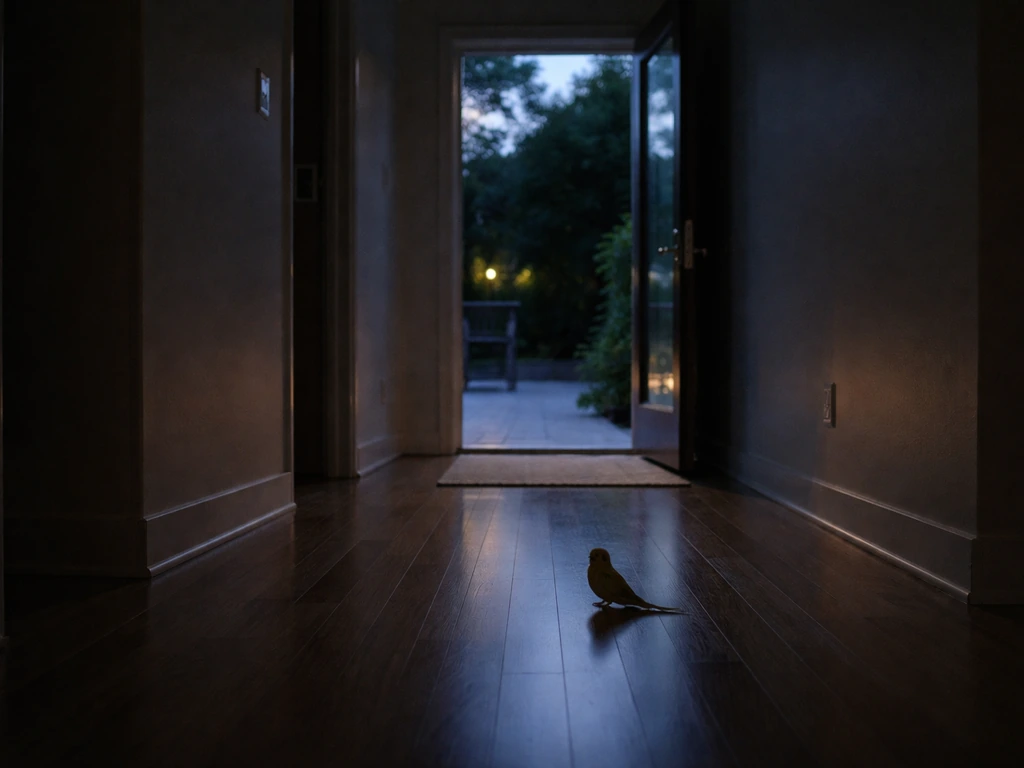
Before you start searching for omens, take care of the bird. A panicked bird bouncing off walls and windows is stressed, potentially injured, and not going to survive long if you don't act quickly. The good news is the rescue process is simple.
- Turn off all interior lights. Birds are drawn toward brightness, so your lit living room is trapping them.
- Open the window or door that leads directly outside. Make that the brightest, most obvious exit.
- Close doors to other rooms so the bird doesn't get deeper into your house.
- Leave the room. Seriously, step out and give the bird space to find the exit on its own.
- If the bird is injured or can't fly, gently cover it with a towel, place it in a box lined with crumpled paper towels, and punch a few airholes in the lid. Then contact a wildlife rehabilitator immediately.
- If the bird cannot find its way out after a reasonable amount of time, contact your local Humane Rescue Alliance or wildlife organization for hands-on help.
Birds instinctively fly upward to escape, which is why they keep hitting your ceiling and windows instead of finding the open door. Reducing all competing light sources makes the outdoor exit the obvious path. Columbus Audubon notes that this simple combination, lights off plus one clear exit, resolves most situations without any human chasing or catching involved.
One thing to avoid: do not chase the bird, wave things at it, or corner it. That dramatically increases the chance of injury, both to the bird and to you. Patience is the actual rescue tool here.
The spiritual meanings most people associate with this
Once the immediate situation is handled, the question sitting in the back of your mind is probably: but what did it mean? That's a fair question, and it has a rich body of answers across traditions. If you've been exploring what a bird flying in the house means spiritually, you'll find the interpretations cluster around a few consistent themes: change, messages from beyond, new energy entering your life, or a need to pay attention.
In many spiritual and metaphysical frameworks, a bird entering your home represents a messenger crossing the threshold between the outer world and your inner sanctuary. Your home is your energy space, and something from outside just entered it uninvited. That's significant symbolically regardless of tradition. Common positive interpretations include incoming news or a visitor, a transition or life change approaching, renewed freedom or spiritual awakening, and a message from a deceased loved one, particularly in Indigenous and ancestral traditions.
Whether a bird flying into the house is good luck is genuinely debated across cultures, and the answer is: it depends heavily on context, which we'll get into shortly. But the dominant spiritual thread in many modern interpretations leans toward the idea that the bird brought something in with it, an awareness, a nudge, a shift in energy, and that your job is to be present enough to notice what.
What the Bible and world folklore actually say
The biblical perspective on birds is largely reassuring rather than ominous. Luke 12:6-7 reminds readers that even sparrows are known to God and that humans need not fear. Matthew 10:31 builds on this directly: "Fear not, therefore; you are of more value than many sparrows." The Christian interpretive tradition, at least the mainstream of it, tends to use bird encounters as a reminder of divine care rather than as omens to dread. If you're coming from a Christian framework, the more spiritually aligned question isn't "is this bad luck?" but rather "what is this moment asking me to notice about trust and protection?"
Folklore tells a more layered story. Ornithomancy, the practice of reading omens from birds' movements and cries, was practiced in ancient Greece and Rome and gave birds a formal role as divine messengers. This tradition filtered into European, Celtic, and Appalachian folk belief in forms that have persisted to today. A classic Southern and Appalachian superstition holds that a bird entering a house means a visitor is coming, or in darker readings, that a death in the family is near. The interpretation often softens, though, if the bird flies right back out: the omen is considered broken or averted.
Irish tradition holds one of the more serious versions of this belief, treating a bird entering the home as a direct death omen tied to ancient spiritual boundaries. The Chinese meaning of a bird flying into the house sits in contrast: in Chinese tradition, birds entering the home are often read as messengers of good fortune and incoming prosperity, particularly swallows and other birds associated with spring and renewal. The meaning is genuinely not universal, which is why cultural context matters enormously when you're trying to settle on an interpretation.
Context changes everything: species, behavior, time, and location
If you're trying to find the most resonant interpretation for your specific encounter, the details of what happened matter as much as the fact that it happened. A bird that flies directly into your house with clear purpose reads very differently from one that drifted in through an open window looking confused.
Species signals
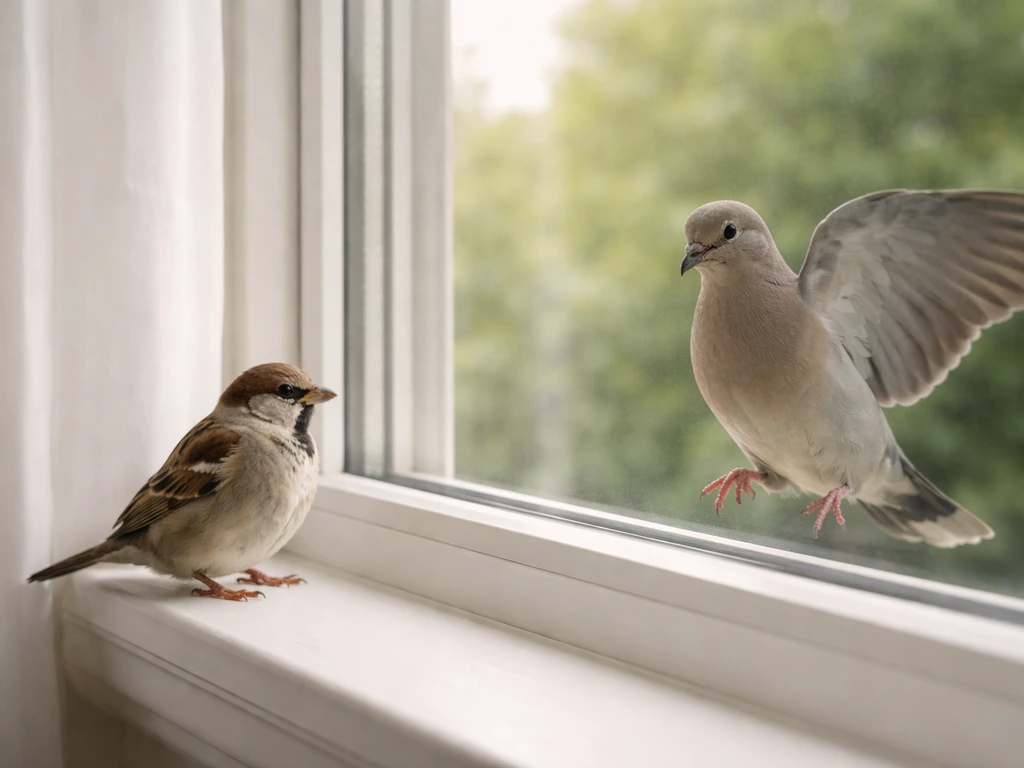
The type of bird carries its own symbolic weight across traditions. Sparrows are linked to community, humility, and divine care in Christian and folk contexts. Doves suggest peace, the Holy Spirit, or a message from a departed loved one. Owls entering a home during daylight are deeply unusual and carry weight as omens in many Native American and European traditions. A crow or raven indoors is often the bird most associated with warnings or messages from the other side, though in some traditions it's simply a smart, adaptable creature that followed food. Swallows entering a home are considered highly auspicious in Chinese, Celtic, and Mediterranean belief.
Behavior and entry point
A bird that flies in calmly, lands, looks at you, and leaves is a very different signal from one that crashes in through a window in a panic. Calm, deliberate entry, especially through the front door, tends to carry stronger messenger symbolism. If the bird came in trying persistently to get inside, that urgency is often interpreted as a more insistent message or warning. Entry through a bedroom window reads differently from entry into a kitchen or living space in many folk frameworks.
Time of day and season
A bird entering at dawn is often linked to new beginnings or incoming news. One arriving at dusk or at night carries heavier, more liminal symbolism in most traditions. Seasonally, spring entries are usually read as positive and renewal-oriented. Winter entries, particularly in Northern European and Appalachian folklore, are more likely to be interpreted as warnings. Migration seasons (spring and fall) also matter from a purely natural standpoint, as disoriented birds are far more common during those windows.
The natural explanation (and why it doesn't cancel the spiritual one)
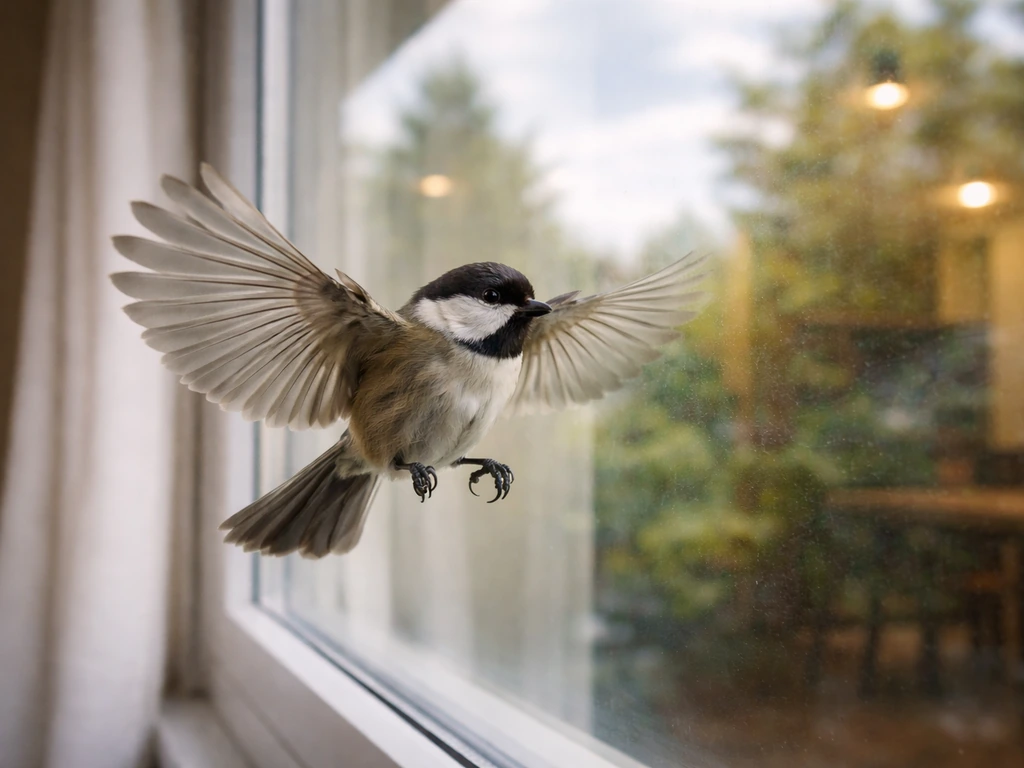
Here's something worth sitting with: the fact that there's a rational explanation for why birds enter homes doesn't erase the meaning you feel in the moment. Both can be true.
Scientifically, birds fly into houses because glass is confusing. The Smithsonian's National Zoo explains that reflective windows create the illusion of open sky or habitat, causing birds to fly straight toward what they believe is clear space. Birds are also drawn to interior lights, especially during evening and nighttime migration. The AP has documented how bright building lights during spring and fall migration attract and disorient songbirds, sometimes fatally. The U.S. Fish & Wildlife Service recommends turning off unnecessary interior lights at night during migration seasons specifically because of how powerfully light pulls birds off course.
So if a bird just flew through your open back door on a warm afternoon, it may simply have been following an insect, curious about a houseplant near the window, or confused by the reflection. That's not mystical. But the fact that it happened to you, at this moment in your life, is something only you can evaluate.
When the visit might actually be a warning worth taking seriously
There are situations where a bird entering your home should prompt real-world action, not just symbolic reflection. The first is if the bird appears sick. A bird that can't fly, is sitting on the ground, or appears lethargic may be carrying illness. Avian influenza is a genuine concern: OSHA's guidance outlines risk management steps and recommends contacting your local health department if you've had contact with a bird you suspect was infected. Do not handle a sick bird with bare hands.
The second practical concern is droppings. If the bird was inside long enough to leave droppings, that's a health consideration. The CDC notes that histoplasmosis, a lung infection caused by a fungal spore, is associated with environments where bird droppings accumulate and dry out. Disturbing dried droppings releases spores into the air. If you have a significant deposit to clean up, wear a mask, dampen the area before cleaning (to prevent aerosolization), and avoid vacuuming dry droppings. For larger amounts, Washington State University's environmental health guidance recommends contacting a professional rather than handling it yourself.
From a symbolic standpoint, a bird flying into the house and the meaning around death is the interpretation people most fear encountering. It's worth naming directly: yes, this is a real piece of folklore in multiple traditions. But it's also one of the most context-dependent readings possible. A single bird flying in and quickly leaving is not, in most folk traditions, considered an active death omen. The more serious interpretations typically involve a bird that repeatedly returns, cannot be driven out, or is found dead inside the home.
What happens after: if it stays, leaves, dies, or leaves signs
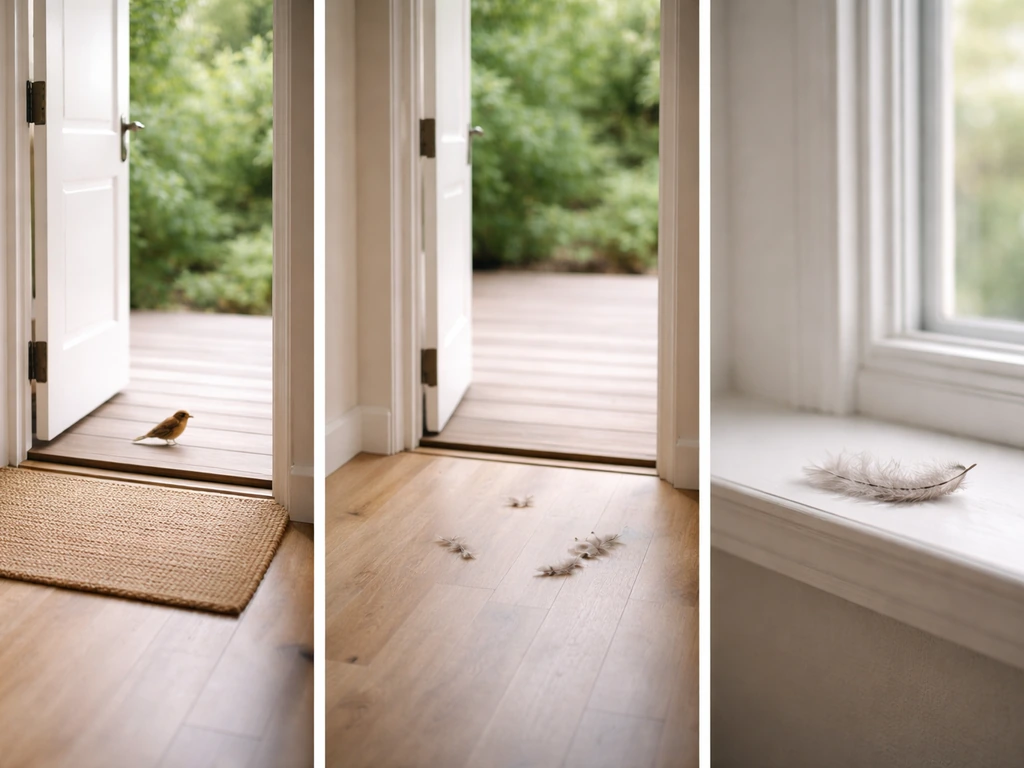
The follow-up to the initial visit carries its own symbolic layer, and it's something a lot of people don't find covered when they first search. Here's how different outcomes are commonly interpreted.
| What happens after | Natural explanation | Symbolic interpretation |
|---|---|---|
| Bird flies out quickly on its own | Found the light source exit or was never truly disoriented | Omen is broken or message delivered; change is coming but not threatening |
| Bird stays for hours or keeps returning | Injured, attracted to interior light, or confused by reflections | Persistent message; something in your life needs sustained attention |
| Bird leaves feathers behind | Normal stress response; birds shed feathers when frightened | Many traditions read left feathers as a gift or blessing from the messenger |
| Bird leaves droppings | Normal biological response in a scared animal | Less symbolically significant; clean up carefully using health guidelines |
| Bird is found dead inside | Injury from window strike, exhaustion, or pre-existing illness | The heaviest omen in most traditions; warrants reflection but not panic |
| Bird circles room then leaves | Disorientation from reflections and ceiling confusion | Some traditions read circling as the spirit 'searching' before completing its visit |
If the bird leaves feathers, hold onto one if you feel drawn to. Feathers have been used as talismans and reminders across Indigenous American, Celtic, and Egyptian traditions. The feather's color often adds another interpretive layer: white feathers are nearly universally associated with peace, spiritual presence, or a departed loved one making contact.
If the bird died inside your home despite your efforts, treat the bird's body with care. Wear gloves, place it in a sealed bag, and dispose of it according to your local guidelines. Then give yourself space to sit with whatever the experience stirred up. In many traditions, a bird dying in the home is not an announcement of someone else's death but rather an invitation to examine what in your own life has run its course and needs release.
Choosing your interpretation
The most honest answer to "what does it mean when a bird flies into your house" is: it means what resonates most truthfully with where you are right now. The traditions are real. The folklore has weight. The biblical perspective offers comfort. The natural explanation is also real. None of these cancel each other out.
What I'd suggest is this: handle the practical situation first (get the bird out safely, clean up if needed, check for injury), and then sit quietly for a few minutes afterward. Ask yourself what was on your mind the moment the bird came in. What were you thinking about, worrying over, or hoping for? Sometimes the most honest reading of an omen isn't found in a folklore dictionary. It's found in the question the encounter dropped into the room with it.
What does this moment want you to notice?
FAQ
What if the same bird or the same type of bird keeps flying into my house?
Yes, repeated visits can change the meaning in many folk traditions. Practically, repetition usually points to an attractant (open door at the same time, indoor lights, a nearby feeder, or a window reflection). Symbolically, repeated entry is often read as a stronger message, especially if the bird keeps returning even after you remove competing lights and clearly open an exit.
What does it mean if the bird lands on me or my belongings before leaving?
Birds landing on a person is typically treated as calmer messenger symbolism in spiritual readings, but it is still a safety moment. Avoid touching it, keep other people and pets back, and help it exit using reduced indoor lights and a single open path outdoors, since handling increases stress and injury risk.
What should I do if I can’t find the bird right away or it keeps hiding?
If you cannot get the bird out quickly (for example, it’s hiding behind furniture or in a hard-to-reach room), switch from rescue to containment. Close interior doors, turn off most lights, open one door or window to the outside, and wait in short intervals so it can find the exit on its own, instead of chasing or cornering.
What if the bird enters through a chimney, vent, or unusual opening?
A bird that flies in through a chimney or vents is usually a different situation physically. Practically, you may need to check for gaps, damaged screens, or an open flue and avoid blocking airflow without first ensuring the bird is gone. Symbolically, some traditions read it as a message entering your “inner space” more forcefully, but the first priority is still a safe, complete exit.
Does a bird entering and then leaving quickly mean less than one that lingers?
It depends on what happened next. In many traditions, a bird that quickly enters and leaves is considered a lighter omen, sometimes just “notice and move on.” A bird that cannot be driven out, repeatedly returns, or is found dead is more often interpreted as heavier folklore, though those patterns also overlap with practical causes like disorientation or illness.
How do I interpret the meaning if I can’t identify the bird species?
Different birds can shift the symbolic theme, but you should still judge the context. For example, a dove is often read as peace or comfort, while an owl entering during daylight is commonly treated as more serious in folk belief. If you are unsure of the species, focus on behavior (calm versus panic) and what room it entered first.
What does it mean if the bird enters a bedroom versus a kitchen or living room?
The room can matter, especially in folk readings where spaces map to life areas. Bedroom or sleeping spaces are sometimes treated as more personal or emotionally weighted, while kitchens or living rooms are read as about daily life and shared family energy. If the bird entered through a specific window, also consider practical factors like where insects and reflections are strongest.
Should I be concerned about meaning, or more about health, if the bird looked sick or left droppings?
It can, but many people miss the difference between “spiritual resonance” and “health risk.” If there are droppings, assume potential contamination and clean with protection as described in the article, rather than focusing on symbolism. If the bird looks sick or is unable to fly, contact local health guidance instead of handling it.
What if the encounter makes me feel scared or anxious, rather than curious?
Yes. If you feel strongly unsettled or fearful after an omen, grounding actions are often more helpful than trying to decode messages. Practical steps include keeping the area safe and letting the experience pass, then doing a short reflection on what you were worried about at the moment it happened.
If the bird dies indoors, how should I handle the situation symbolically without ignoring practical safety?
If the bird died inside, many traditions treat it as an invitation to release and review what is “ending,” but practical disposal should come first. Seal the body as you would for local rules, avoid stirring dust, and after that, consider a simple reset (tidying the entry area, changing what you can control, and choosing one next step).
Next Article
Why Is My Bird Flapping Its Wings at Me? Causes and What to Do
Understand why your bird flaps wings at you and what to do, from hormones and stress to attention and warnings.