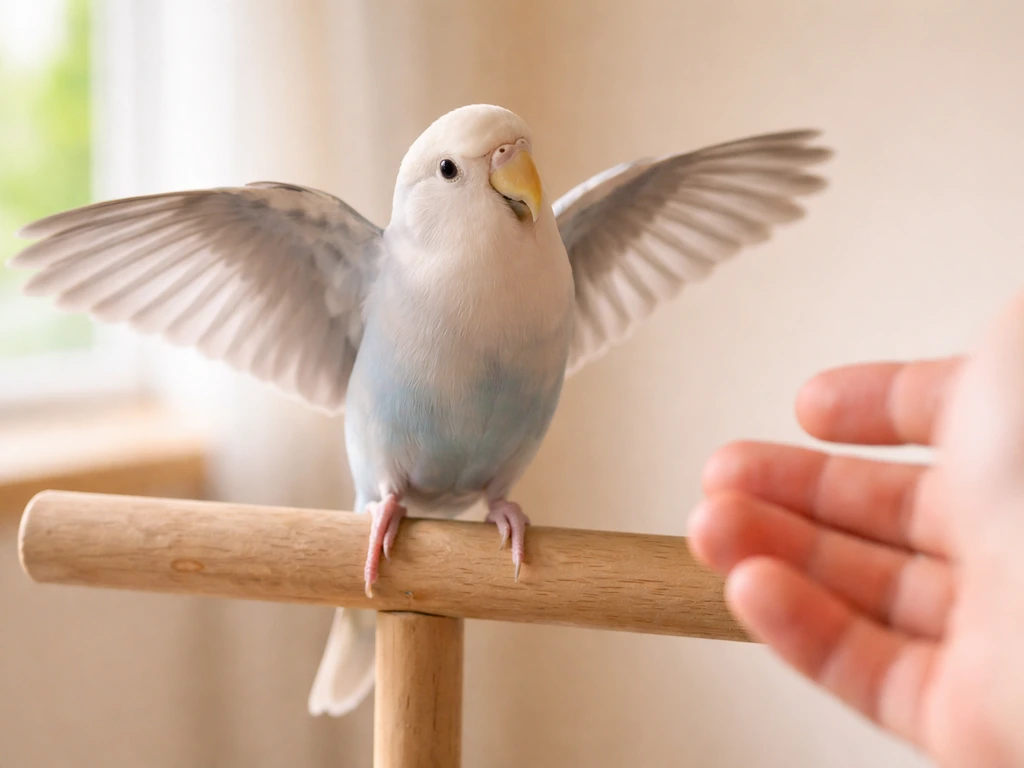
A bird landing on you is one of those moments that stops you in your tracks. Your first instinct might be to freeze, laugh, or immediately wonder if it means something. The short answer: it can mean several things at once, and both the practical and symbolic explanations are worth paying attention to. Most of the time, a bird lands on a person out of curiosity, a food association, or simple comfort with humans. Occasionally, it happens because a bird is disoriented or unwell. And across dozens of cultures and spiritual traditions, a bird choosing to make contact with you is treated as a meaningful message worth sitting with.
What Does It Mean When a Bird Lands on You? Checklist

Maya Hartwell
6 Apr 2026
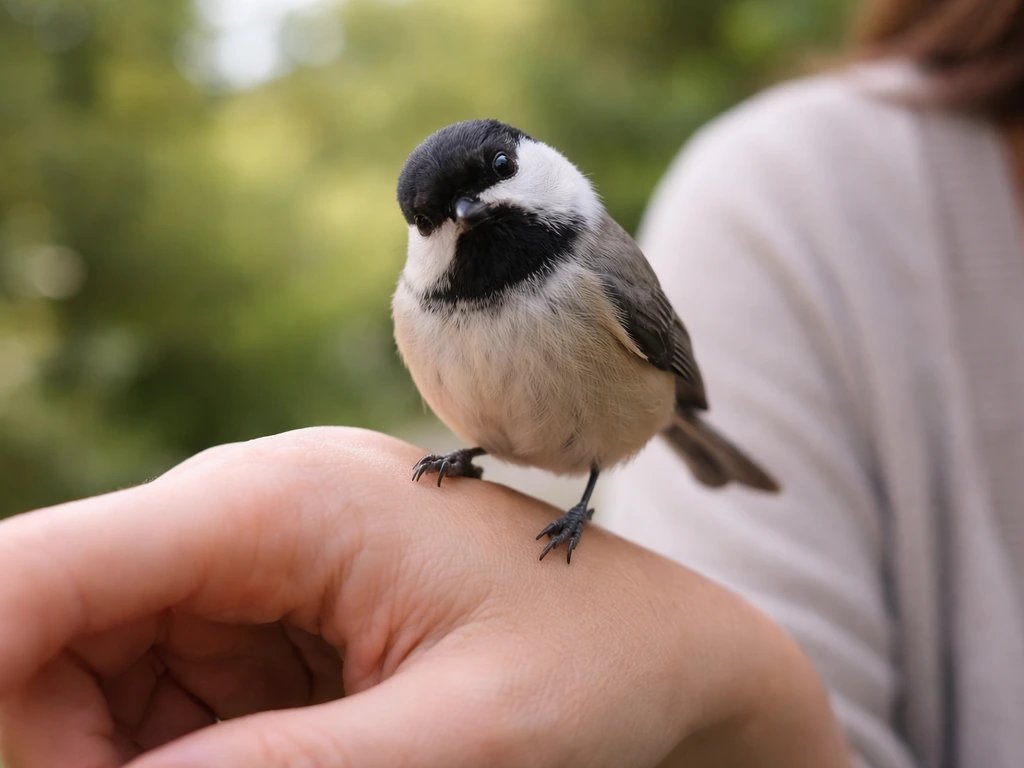
The most likely reasons a bird just landed on you
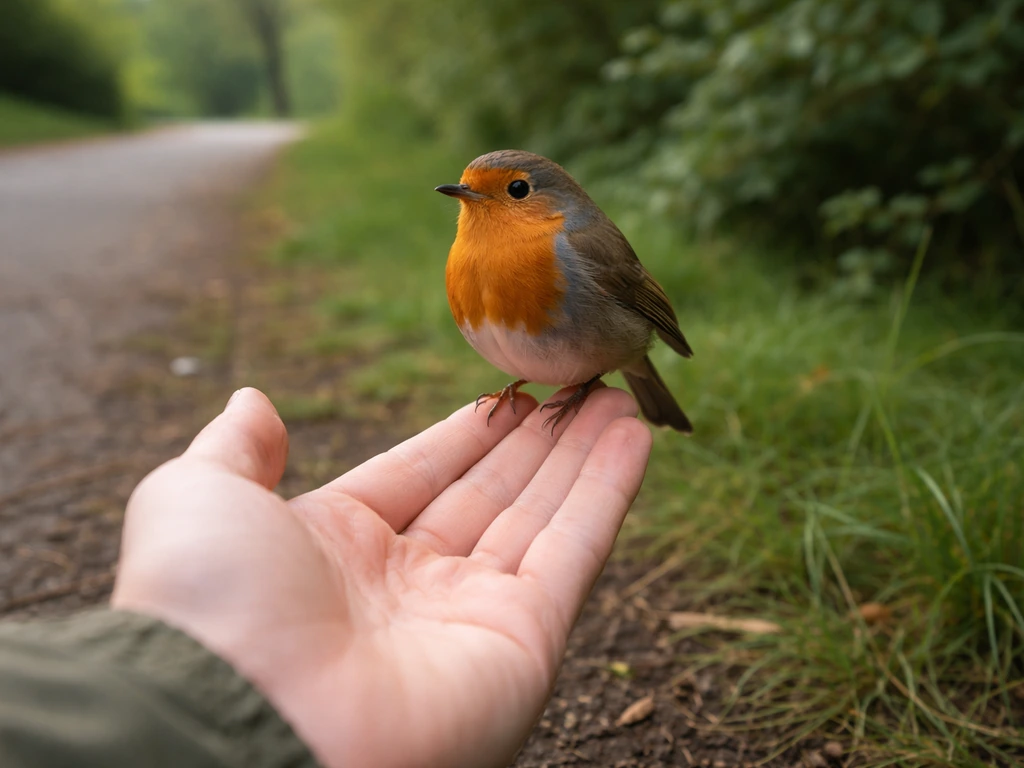
Before reaching for symbolism, it helps to understand what's actually driving the behavior. Wild birds that land directly on a person are usually showing one of these things:
- Curiosity: Birds, especially corvids (crows, jays), sparrows, and robins, are naturally investigative. A human who is still, sitting, or wearing bright colors can trigger their instinct to investigate.
- Food association: If you've been eating outdoors or visiting an area where people frequently feed birds, a bird may simply associate you with a meal.
- Tameness or habituation: Some birds in parks, sanctuaries, or residential areas lose their natural wariness of people through repeated positive exposure.
- Disorientation or illness: A bird that lands on you and seems sluggish, unsteady, or unresponsive to your movement may be sick or injured. This is an important distinction covered further below.
- Attraction to movement or reflective surfaces: Watches, jewelry, and glasses can catch a bird's eye the same way a shiny object on the ground does.
- Mistaken identity: Fledglings, in particular, sometimes land on humans because they are in an exploratory phase and haven't yet calibrated their wariness.
None of these explanations cancel out symbolic meaning. They simply give you the full picture, which actually makes the symbolic interpretation more personal and specific.
Bird lands near you vs. lands on you: does the difference matter?
Yes, proximity shifts both the practical reading and the symbolic weight. A bird landing nearby (within a few feet) is a fairly common event that usually means you've entered its foraging zone, it's using you as a landmark, or it simply isn't afraid of people. It's notable but not rare. A bird landing directly on your hand, shoulder, head, or foot is much less common in the wild and carries a different energy. It requires the bird to override its natural flight response, which is a genuinely unusual act of trust or connection.
Spiritually speaking, many traditions treat proximity as a measure of message strength. A bird circling overhead is a nudge. A bird perching nearby is a signal. A bird that physically lands on your body is interpreted as a direct, personal communication, something meant specifically for you in that moment. This is why the question "what does it mean when a bird lands on you" feels so charged compared to just spotting one in the yard.
There's also the related experience of a bird making sudden, unexpected contact. If you're curious about encounters where a bird comes toward you quickly or flies into your path, that carries its own set of interpretations. what it means when a bird flies into you is a slightly different scenario and worth exploring if your encounter felt more like a collision than a landing.
What different spiritual traditions say about this
Across belief systems, birds landing on or choosing to be near a person are almost universally treated as meaningful. Here's how the interpretation shifts depending on the lens you bring:
Biblical and Christian symbolism
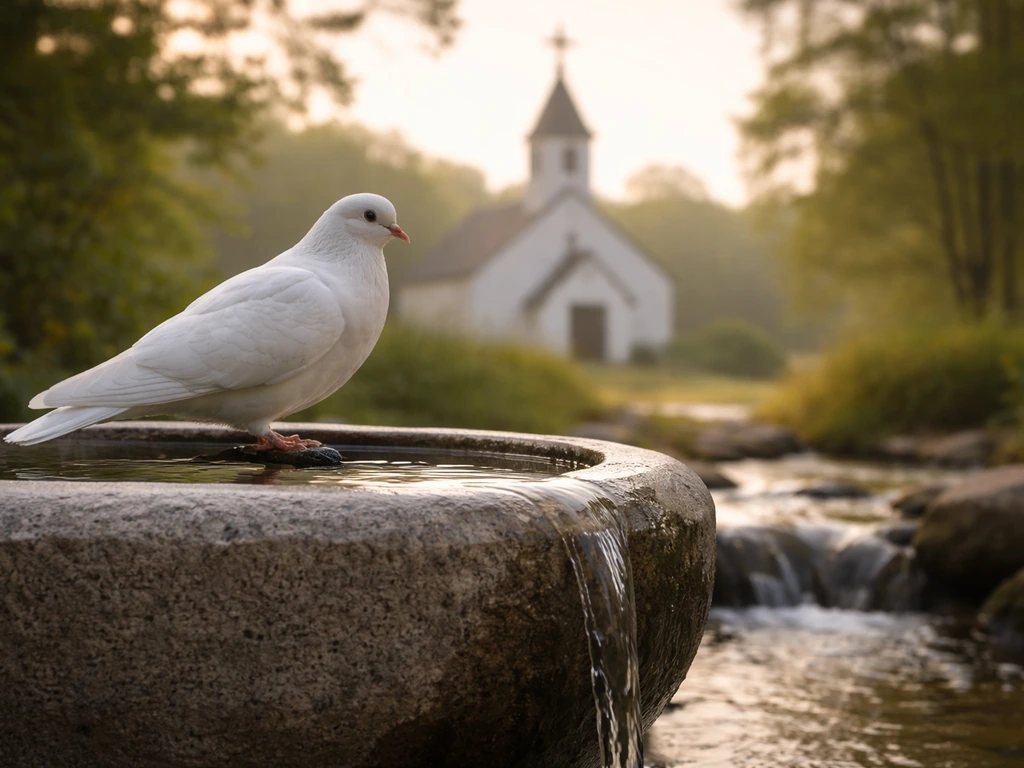
In biblical tradition, birds frequently serve as messengers or signs of divine provision and care. The dove landing on Jesus at his baptism in the Jordan River is one of the most recognizable examples: the bird as a vessel of the Holy Spirit's presence. More broadly, Psalms and the Gospels use birds as symbols of God's watchfulness (Matthew 6:26 and 10:29-31). A bird landing on you in this tradition might be read as a reminder that you are seen, cared for, and not forgotten, especially during a period of worry or transition.
Celtic and European folklore
Celtic traditions treated birds as soul-carriers and messengers between the living world and the Otherworld. A robin or wren landing on you was considered an especially significant omen, sometimes interpreted as a deceased loved one checking in. In broader European folklore, the species mattered enormously. A robin meant luck and new beginnings. A crow or raven carried the weight of prophecy or warning. An owl, if it landed near you in daylight, was considered an extraordinary omen often connected to wisdom or impending change.
Indigenous and Native American traditions
Many Indigenous North American traditions view birds as spirit helpers, each species carrying its own medicine or teaching. An eagle landing near you might signal courage and a call to higher perspective. A hawk signals awareness and precision. A hummingbird landing on you, rare and delicate as it is, is often read as a message of joy, resilience, and the sweetness available even in hard times. These traditions tend to emphasize asking what the bird's arrival stirs in you personally, rather than applying a fixed meaning.
Eastern and metaphysical interpretations
In Chinese symbolism, birds in general represent good luck, freedom, and opportunity. A crane landing near you is one of the luckiest signs possible, associated with longevity and noble character. Japanese tradition holds that cranes bring blessings and the fulfillment of wishes. In metaphysical and New Age frameworks, birds landing on you are often interpreted as confirmation from the universe that you are on the right path, or that spiritual guides are near and aware of what you're going through.
How the details change the meaning
A bird landing on you isn't a one-size-fits-all event. Several specific details shift both the symbolic reading and the practical response you should have.
Species
The species is probably the single biggest factor in personalizing the message. A sparrow landing on you suggests community, simplicity, and the value of the small things in life. A cardinal carries associations with vitality, passion, and often with messages from those who have passed. A crow signals intelligence, transformation, and sometimes a call to look more carefully at what's hidden. A pigeon, often underrated, is historically associated with peace, home, and safe return.
Calm vs. agitated behavior
A bird that lands on you calmly and stays, turning its head curiously or simply resting, is the version most traditions associate with a positive omen or message of peace. A bird that lands on you in an agitated, frantic, or pecking way is a completely different situation. If a bird is actively aggressive upon landing, that's worth separating from the "meaningful visit" interpretation. You can read more about what it means when a bird attacks you if your encounter felt threatening rather than peaceful.
Time of day
Dawn encounters are often interpreted as new beginnings, fresh starts, or timely warnings to pay attention to something emerging in your life. Midday encounters in full sun are sometimes read as clarity, visibility, or a moment of grounding. Evening and dusk encounters carry more liminal energy in folklore traditions, associated with transitions, endings, and messages from the spirit world. A nocturnal bird (like an owl) appearing and landing near you in the middle of the day is considered especially unusual and symbolically charged.
Repeat visits
A single landing is notable. The same species returning to you over multiple days or in multiple locations is where most traditions really sit up and take notice. Repeated encounters are almost universally read as a stronger, more urgent message. If you've been brushing off a particular bird's presence and it keeps showing up, that pattern is worth reflecting on more carefully than any individual visit.
Where it lands on your body
In many metaphysical traditions, the specific spot matters. A bird landing on your hand is associated with receiving, connection, and giving and taking freely. A bird landing on your shoulder is read as a companion message, someone or something walking alongside you. A bird landing on your head carries associations with thought, clarity, and receiving insight from above. If you're curious specifically about that experience, there's a deeper look at what it means when a bird sits on you that covers the body-location symbolism in more detail.
What the bird does with its gaze
Birds communicate a lot through their eyes and posture. A bird that lands and then fixes its gaze on you, holding eye contact, is considered one of the more powerful versions of this encounter in many traditions. It often reads as deliberate, intentional contact rather than an accidental or food-motivated landing. If a bird has been watching you before landing, or continues to stare after, that sustained attention is its own kind of signal worth noticing. The meaning behind a bird holding its gaze on you is something I explore separately in what it means when a bird stares at you.
A quick comparison: common species and what they're traditionally associated with
| Bird Species | Common Symbolic Meaning | Practical Behavior Note |
|---|---|---|
| Robin | New beginnings, renewal, messages from the deceased (Celtic) | Curious and bold near humans; often food-motivated in gardens |
| Cardinal | Vitality, passion, loved ones in spirit (American folklore) | Territorial; a calm landing is unusual and considered significant |
| Crow / Raven | Transformation, intelligence, prophecy (many traditions) | Highly intelligent; may land for food or out of genuine curiosity |
| Sparrow | Community, simplicity, everyday blessings (biblical, folklore) | Habituated to humans; common but still symbolically rich |
| Dove / Pigeon | Peace, love, safe return, Holy Spirit (biblical, universal) | Often tame; calm landings are frequent but still carry symbolic weight |
| Hummingbird | Joy, resilience, presence in the moment (Indigenous traditions) | Landing is very rare; considered an especially strong positive omen |
| Hawk | Awareness, vision, messages to pay attention (Indigenous traditions) | Landing directly on a person is very rare; treated as a major sign |
| Owl | Wisdom, transition, liminal messages (global folklore) | Daytime appearances especially significant; rarely lands on humans |
What to actually do in the moment and right after
Here's the practical side of this, broken into what to do while the bird is on you, what to do immediately after, and what to keep in mind for your health.
While the bird is present
- Stay still. Sudden movement will startle the bird and end the encounter. If you want the moment to last, breathe slowly and don't try to grab or pet it.
- Observe carefully. Note the species if you can, how it's behaving (calm, agitated, disoriented), and where exactly it landed. These details matter for both practical assessment and symbolic reflection.
- Do not attempt to handle or restrain it. Let the bird leave on its own. Trying to hold a wild bird causes stress to the animal and increases your risk of a scratch or bite.
- If the bird seems sick or injured (not alert, unable to fly, unresponsive), keep your distance and contact a local wildlife rehabilitator rather than touching it.
After the bird leaves

- Wash your hands thoroughly if the bird made direct contact with your skin, especially if it left droppings. This is basic hygiene and not an overreaction.
- If droppings landed on you or nearby, avoid disturbing dried droppings. The CDC notes that disturbing dried bird droppings can release airborne spores linked to histoplasmosis. A gentle wet clean-up is safer than brushing dry material away.
- Take a few minutes to sit with the experience before googling it into a neat answer. What did you feel in the moment? What was on your mind right before it happened? These internal signals are often where the personal meaning lives.
- If you want to work with the symbolism intentionally, write down what you noticed: species, color, behavior, time of day, what you were doing, and what's been happening in your life lately. Patterns often emerge from that kind of reflection.
Health and safety considerations to take seriously
This part isn't meant to scare you, but it does deserve honest mention. Wild birds can carry bacteria, parasites, and viruses. The U. S.
Fish and Wildlife Service recommends observing wildlife from a distance and not touching or handling wild birds when avoidable. Many commenters on Reddit-style wildlife rehab threads stress contacting a local rehabilitator for an injured wild bird instead of trying to treat or hold it yourself contact a local rehabilitator.
OSHA's avian influenza guidance specifically advises avoiding unprotected direct contact with birds and their secretions. If you experience symptoms like fever, cough, or difficulty breathing in the days following a close bird encounter, the National Park Service recommends seeking medical attention and mentioning the bird contact to your doctor. Most encounters carry very low risk, but it's worth knowing.
Also worth knowing: psittacosis is a respiratory illness linked to exposure to bird droppings and secretions. The CDC recommends limiting exposure as a basic precaution. None of this means a bird landing on you is dangerous. It means that after a close encounter with a wild bird, washing your hands and monitoring how you feel over the next few days is just sensible. The California Department of Food and Agriculture's backyard bird guidance also recommends blank" rel="noopener noreferrer">washing your hands before and after interacting with birds and bird-related materials.
When it's probably not a spiritual sign
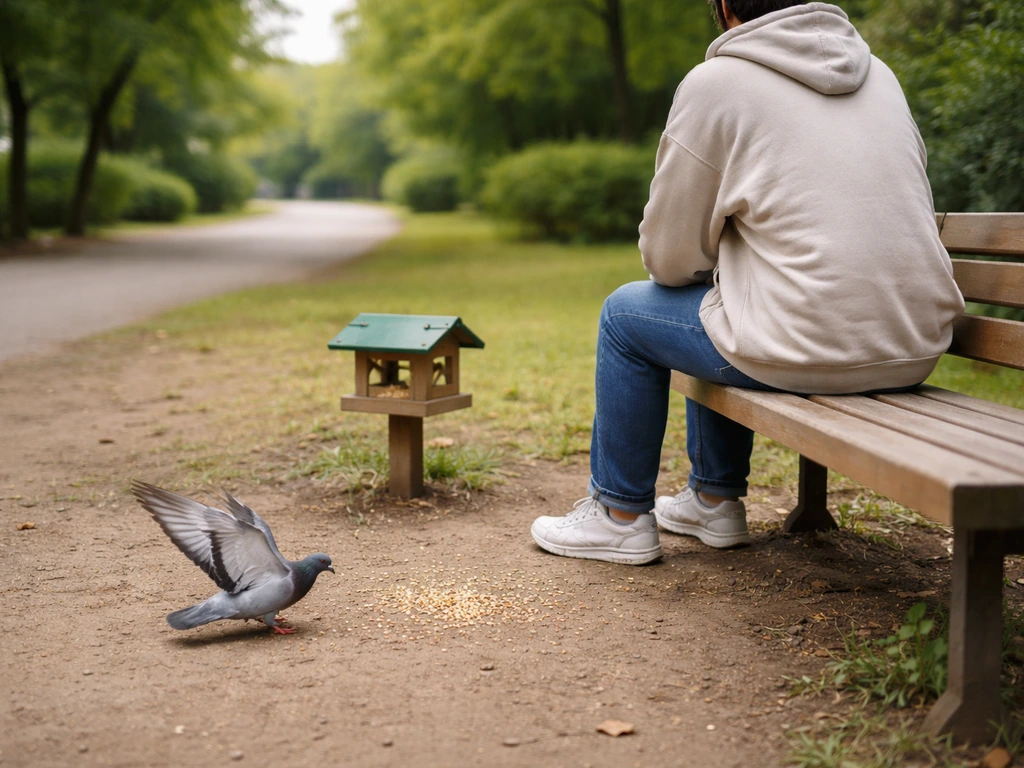
Sometimes a bird lands on you because you're sitting near a bird feeder, you're wearing a floral print shirt, or you're in a park where someone has been hand-feeding pigeons for twenty years. If you find injured or orphaned wildlife, ASPCA recommends contacting the National Wildlife Rehabilitators Association for local resources. Context matters. If a bird lands on you in a zoo, a wildlife sanctuary, or an area where humans regularly feed wildlife, the encounter is still a lovely one, but it's probably not carrying the same symbolic weight as an unexpected, unexplained landing in a place where birds normally keep their distance. Give yourself permission to notice the difference.
What about near misses and head encounters?
If a bird swooped close to your head or seemed to target that area specifically, that's worth distinguishing from a gentle landing. A bird diving at your head during nesting season is usually a territorial defense behavior rather than a message. For that experience specifically, what it means when a bird attacks your head breaks down both the behavioral reasons and the symbolic layer that some traditions attach to that encounter.
Reflection prompts to take with you
Rather than handing you a single definitive answer, these questions can help you find the meaning that actually fits your life right now:
- What was I thinking about, worrying about, or hoping for just before this happened?
- Which detail of the encounter stands out most: the species, the calmness, the eye contact, where it landed, or how long it stayed?
- If this were a message, what would I most need to hear right now?
- Has this species appeared to me before, or does this feel genuinely singular?
- What tradition or spiritual lens, if any, resonates with how I already see the world?
A bird landing on you is unusual enough to be worth pausing over. Whether you read it as a behavioral curiosity, a cross-cultural omen, a spiritual message, or simply a strange and beautiful moment, the experience tends to leave people feeling like something shifted, even briefly. That shift itself is probably worth paying attention to.
FAQ
Does it matter if the bird lands briefly versus staying on me?
If the bird lands and then immediately hops away, it is more likely curiosity or an accidental attraction (for example, movement, warmth, or a nearby food source). A longer pause, repeated gaze, or staying in place for more than a moment is the pattern most traditions treat as more intentional.
What if I was holding food, wearing something bright, or near a feeder when the bird landed?
Yes. If it lands while you are eating or handling food, the practical explanation (food association) is stronger. If you were not eating and there was no feeder nearby, the behavior is more likely linked to curiosity, comfort with people, or an unusual attraction that you can reflect on symbolically without ignoring the bird’s normal instincts.
What should I do if the bird lands and there is droppings on me or nearby?
Start by treating it like contact with wildlife. Avoid touching the bird if it is wild, and resist the urge to chase it off with your hands. Once it is gone, wash exposed skin and avoid touching your face, especially if there was droppings, since respiratory risk is most associated with secretions and contamination.
What if the bird lands on me but seems to block me or won’t let me pass?
A bird landing on you but not letting you move away can be a sign it is confused, territorial, or distracted by nesting and can happen in nesting season. In that case, prioritize safety first, slowly create space, and look for local signs like nearby nests or aggressive behavior from other birds.
What does it mean and what should I do if the bird looks sick or injured?
If you see obvious injury (bleeding, inability to perch, labored breathing) or the bird acts unusually for its species, do not handle it. Contact a local wildlife rehabilitator or animal control for guidance, and keep pets and kids at a distance while you wait.
Is a repeated bird landing on me always spiritual, or could it be environmental?
In most situations it is not a sign of something bad, but it is a cue to switch from interpretation to observation. If you notice repeated landings of the same species over days, that’s when many traditions say the message becomes more urgent, but you can also treat it as an environmental clue (route, foraging spot, or repeated attractant).
How should I interpret a bird landing on me in a zoo or near people who feed birds?
If you were in a place with routine human feeding (parks, zoos, sanctuary areas), birds may approach because they associate people with food. That does not cancel meaning for you personally, but it usually lowers the likelihood that the landing was fully unprompted, so consider both explanations at once.
Does the meaning change if it lands on my hand, shoulder, head, or foot?
Yes, body location changes the common symbolism people assign, but it can also reflect the bird’s practical behavior. A bird landing on your shoulder or head often means it chose a stable perch, while a bird landing on your hand or foot may indicate it investigated movement, warmth, or footing. You can blend both readings by asking what that location was “doing” for you in that moment (resting, reaching, standing).
What does it mean if the bird lands and then stares at me?
If it holds eye contact after landing, many traditions treat it as more deliberate. From a practical standpoint, sustained attention can also mean the bird is assessing safety, guarding a resource, or staying close because it found something interesting. Use both lenses: note how still it remains and whether it seems calm versus agitated.
How do I avoid getting overwhelmed by too many possible meanings?
If you plan to apply symbolism, choose one clear theme rather than stacking every possible tradition. A helpful method is to write down (1) the bird species, (2) the tone (calm or frantic), (3) what was happening in your life in the last 24 hours, then pick the interpretation that makes you take a concrete next step (pause, check something, reach out).
If the bird attacks or pecks, can I still interpret it spiritually?
If the bird behaves aggressively, dives repeatedly, or pecks at you, it is safer to treat it primarily as a protective or defensive behavior, especially during nesting season. If it seems to target your head area, create distance and let it pass, because territory defense is more actionable than symbolic interpretation in the moment.
When should I be concerned about health after a close bird encounter?
If symptoms appear after a close contact (especially fever, cough, or breathing difficulty), seek medical attention and mention the bird encounter. Also wash hands thoroughly and monitor your health for the next several days, since most encounters are low risk but respiratory illness can be serious.
Next Article
Why Is My Bird Flapping Its Wings at Me? Causes and What to Do
Understand why your bird flaps wings at you and what to do, from hormones and stress to attention and warnings.