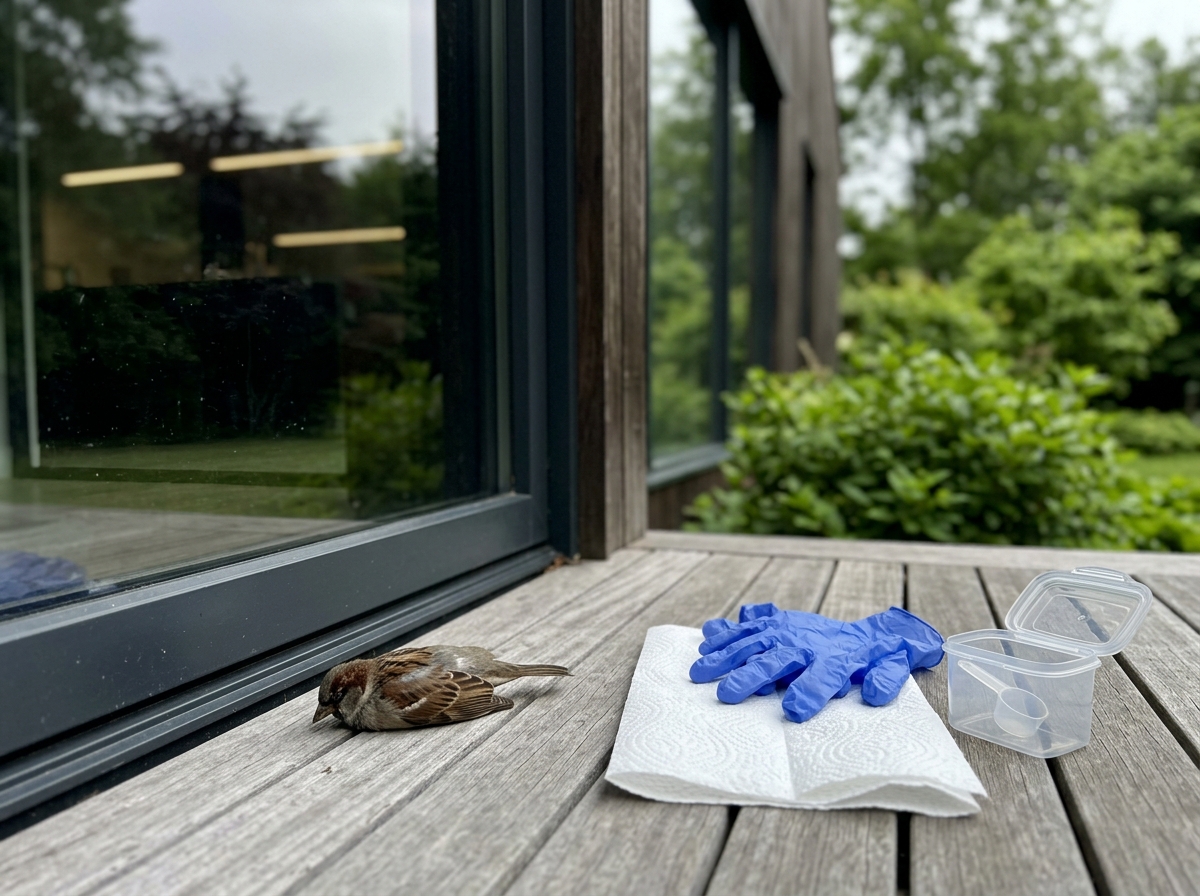
Seeing a dead bird stops you in your tracks. Whether it's on your doorstep, in your yard, or right outside your window, your first instinct is usually some mix of concern, sadness, and a quiet question: does this mean something? The honest answer is: it might mean something practical, it might mean something symbolic, and it might mean both at the same time. This guide walks you through all of it, starting with what actually killed the bird and what you should do right now, then moving into the spiritual, biblical, and folkloric interpretations that so many people reach for after an encounter like this. meaning of dead bird in your house. stepping on a dead bird meaning
Seeing a Dead Bird Meaning: Real Reasons and Next Steps

Maya Hartwell
23 Mar 2026
Why a dead bird shows up: the practical causes
Most dead birds you come across have a completely explainable cause. Understanding the real-world reasons doesn't cancel out the symbolic meaning for you, but it does help you make sense of the situation clearly before you go deeper.
Window collisions
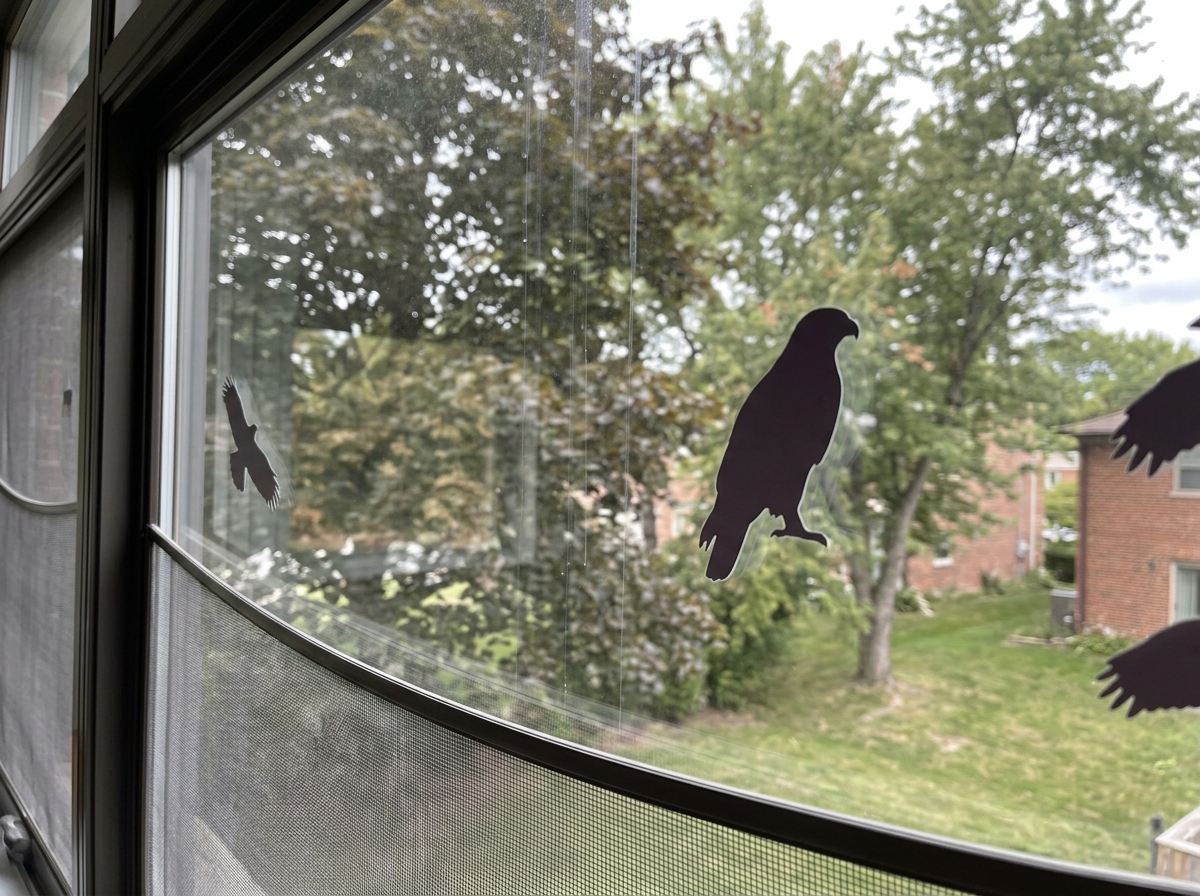
Window strikes are one of the leading human-caused sources of bird mortality, and they happen year-round. Birds can't see glass as a barrier the way we do. They see the reflection of open sky or trees and fly straight into it. Collisions are especially common during spring and fall migration, when enormous numbers of birds are moving through unfamiliar territory. Outdoor lighting makes the problem worse at night, drawing nocturnal migrants toward illuminated buildings. If you're finding dead birds near a specific window repeatedly, the window is almost certainly the cause, not a coincidence.
Predators, weather, and disease
Beyond glass, birds die from predator attacks (cats are a major factor), vehicle strikes, exposure during harsh weather, starvation, and natural disease. Old age is a factor too, though you rarely see wild birds simply dying of old age in the open. In some seasons, disease outbreaks like highly pathogenic avian influenza (HPAI/H5N1) can cause clusters of bird deaths. If you're noticing multiple dead birds of the same species in a small area, that's worth reporting to your state wildlife agency.
Natural death and the life cycle
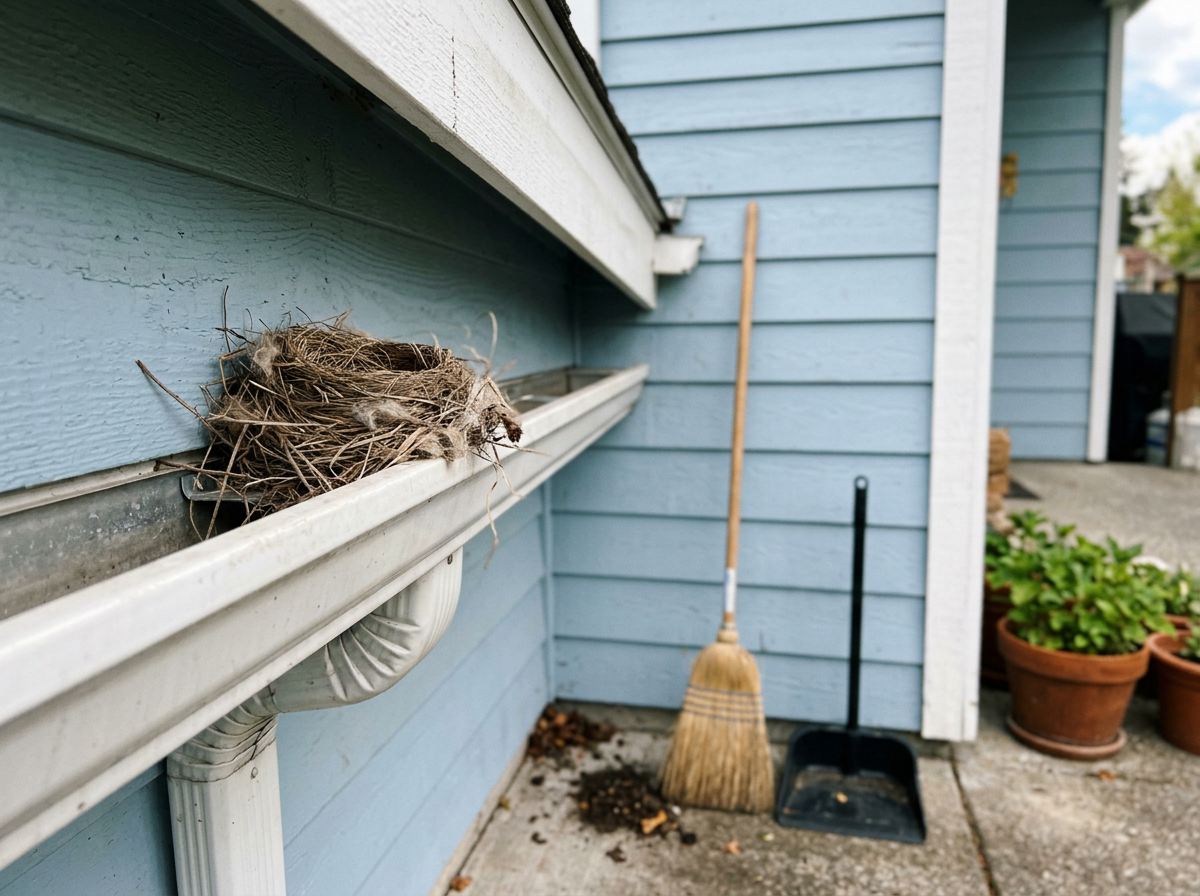
Sometimes a bird simply dies of natural causes and happens to land where you can find it. Fledglings that fall from nests, birds weakened by parasites, or older birds at the end of their season all contribute to what you might stumble across in your yard or on a walk. Finding one dead bird in the open is usually not alarming from a public health standpoint, but the way you handle it still matters.
Safety first: what to do if you find a dead bird today
Before you think about meaning, think about handling. Dead birds can carry pathogens including West Nile Virus and avian influenza. The CDC's guidance here is clear and straightforward, and following it takes about two minutes.
- Don't touch the bird with bare hands. Put on disposable impermeable gloves before you do anything else.
- Place the bird directly into a plastic bag without shaking or disturbing it. Avoid actions that stir up dust, feathers, or debris.
- If you're working in a wet environment or the situation could involve splashing, add safety goggles and a surgical mask for extra protection.
- Double-bag the bird if possible, then seal and dispose of it in your regular trash or follow your local agency's dead-bird reporting protocol.
- Remove and discard your gloves, then wash your hands thoroughly with soap and water.
- If you had direct or close contact with the bird (or a contaminated surface), monitor your health for 10 days after the exposure. Symptoms from avian influenza typically appear within 2 to 7 days. If symptoms develop, contact your state or local health department right away.
- If you suspect disease (multiple dead birds nearby, no obvious trauma), contact your state wildlife agency or a local wildlife hotline to report it before disposal.
You don't need to call anyone for a single bird with obvious trauma signs like a window strike. But if you're unsure, your state's Department of Fish and Wildlife usually has a dead-bird reporting line or online protocol that can guide you based on species and circumstance.
Meaning and symbolism: spiritual and intuitive interpretations
Once you've handled the practical side, many people still feel a pull toward meaning. That's not irrational. Humans have been reading significance into bird encounters across every culture and era. Birds exist in a realm between earth and sky, and their deaths have long been interpreted as messages at a threshold, a transition, or a turning point. finding a dead bird meaning. dream meaning dead bird. white dead bird dream meaning
Transformation and endings
The most common spiritual interpretation of seeing a dead bird is that something is ending so something new can begin. This isn't necessarily a dark message. In many metaphysical traditions, death symbolizes transformation rather than loss. The bird's death might be read as a signal to release something in your own life: a relationship, a belief, a habit, or a chapter that has run its course. If this interpretation resonates, the question worth sitting with is: what am I being asked to let go of?
A message or a warning
In many spiritual frameworks, birds act as messengers between the physical and spiritual worlds. A dead bird in this context might be read as a signal to pay attention, slow down, or redirect your energy. Some people sense that the encounter is a nudge from a deceased loved one, a spirit guide, or the universe asking them to notice something they've been ignoring. Others feel it as a warning to be cautious in a decision they're navigating. Whether you hold any of these beliefs firmly or are simply curious, the practice of asking 'what's going on in my life right now that this encounter might be reflecting?' can be genuinely useful.
Species-specific symbolism
The type of bird matters in many traditions. A dead crow or raven, both long associated with mystery and the spirit world, might carry different weight than a dead sparrow (often symbolizing the ordinary made sacred, or humility) or a dead dove (peace, hope, the Holy Spirit in Christian symbolism). If you know the species of bird you found, it's worth exploring what that bird represents across cultures, since the symbolism can add a layer of personal meaning to the encounter.
Biblical and cultural/folklore perspectives
Bird omens are ancient. The formal practice of taking signs from birds, called ornithomancy, was used across ancient Greece, Rome, Mesopotamia, and beyond. Every major culture has a framework for what birds mean, and death specifically tends to occupy a significant place in those traditions.
Folklore traditions
In Welsh folklore, the Aderyn y Corff (or 'corpse bird') was said to portend death, often appearing near the home of someone about to die. In Scottish tradition, a magpie seen near a window was considered a death omen. Southern Appalachian and broader European-influenced American folklore held that a bird entering or appearing at the home signaled either an approaching visitor or a death in the family. These traditions don't require literal belief to be culturally meaningful. They reflect how deeply communities have always felt that the natural world speaks to human experience.
A biblical perspective
Christian interpretations tend to be more cautious about omen-reading. Deuteronomy 18:10-11 warns explicitly against divination and consulting spiritual signs for guidance from the dead, and mainstream Christian teaching generally discourages treating a dead bird as a personal message or bad omen. Matthew 24:28, 'wherever there is a carcass, there the vultures will gather,' uses bird-and-death imagery in a prophetic and metaphorical sense rather than as a personal sign system. Many Christian commentators suggest the faithful response to an unsettling natural encounter is to turn toward prayer and practical trust rather than omen-interpretation. If your faith tradition follows this view, the encounter might simply be an invitation to pray for peace, protection, or discernment, without attaching prophetic meaning to the bird itself.
Indigenous and Eastern traditions
Many Indigenous North American traditions view birds as messengers between the living and the spirit world, and specific species carry specific teachings. In some East Asian traditions, certain birds near the home are considered auspicious, while others signal caution. These frameworks are deeply tied to specific communities and their relationships with local species, so broad generalizations don't do them justice. If you feel drawn to a particular tradition, it's worth exploring that lineage specifically and respectfully.
Context matters: where and how you found the bird changes everything
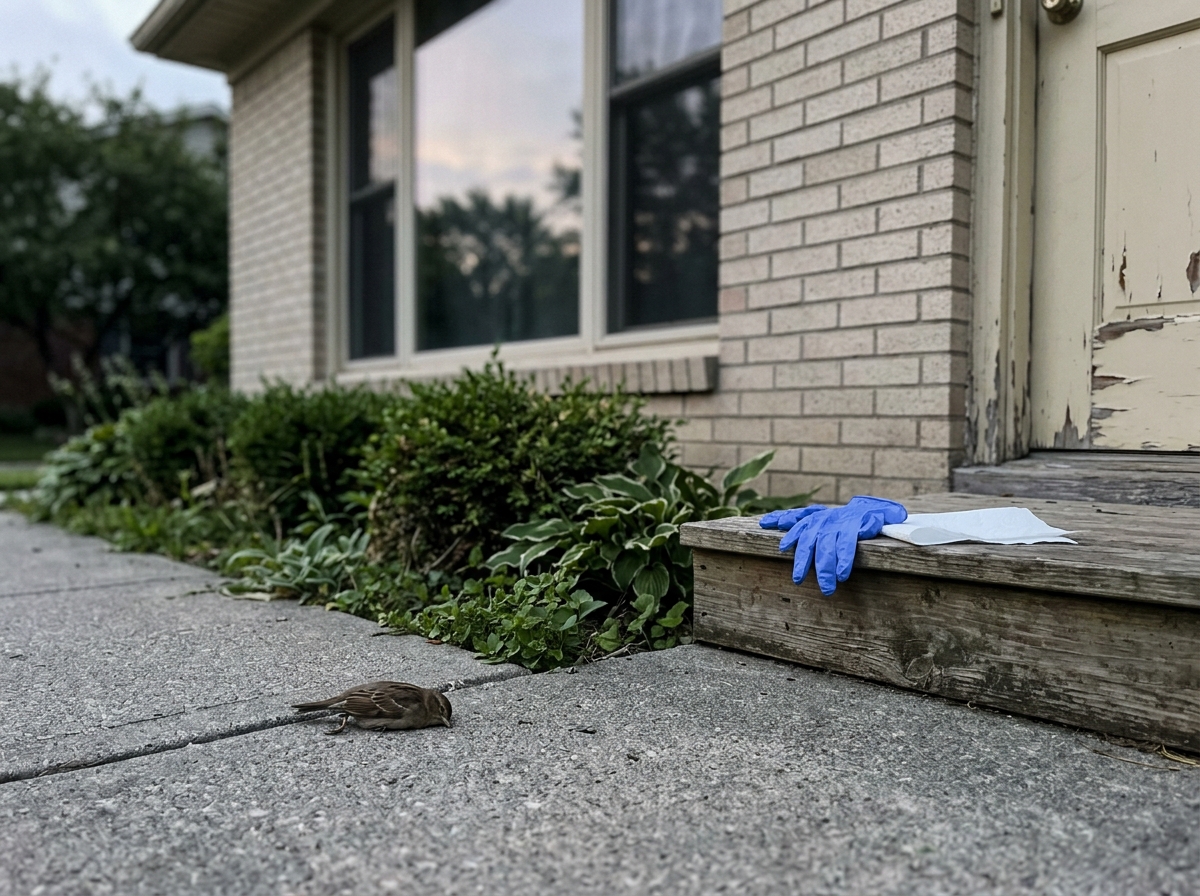
One of the most common things people search for after a dead bird encounter is the specific location: on the doorstep, in the yard, [on the driveway](/dead-bird-meaning/meaning-of-dead-bird-on-driveway), inside the house, near a window. That context matters both practically and symbolically. Here's how to think through it.
| Location/Context | Likely Practical Cause | Common Symbolic Interpretation |
|---|---|---|
| Near a window or glass door | Window collision (especially during migration) | Threshold symbolism; a message at the crossing point between worlds |
| On the doorstep or entrance | Predator drop, collision from nearby structure | Folklore warning or transition signal at a threshold; 'change is coming' |
| In the yard or driveway | Predator, cat, vehicle strike, natural causes | General transformation or ending symbolism; broader life-cycle message |
| Inside the house | Entered through open door/window before dying | Heightened omen in many folklore traditions; tied to household transitions (see sibling articles on indoor dead bird meaning) |
| Repeated sightings in same spot | Ongoing collision risk at that window or structure | Persistent message; may indicate unresolved issue asking for attention |
| Multiple birds, same area | Possible disease, power line, or structural hazard | Report to wildlife agency; symbolically may amplify urgency of the message |
Repeated dead bird findings near the same window are overwhelmingly explained by ongoing collision risk. Birds mistake reflections for open space, particularly when indoor plants or greenery are visible through the glass or when the exterior is highly reflective. This is a practical problem with practical solutions, not a supernatural pattern. That said, in symbolic interpretation, repetition is often read as emphasis, as if the message is being sent more than once because it hasn't been received yet.
Indoor dead bird encounters carry extra weight in nearly every folklore tradition, and they're also worth thinking through practically. A bird that dies inside the house typically entered through an open door or window and became disoriented. If this is happening frequently, check for entry points and consider how accessible your home is to birds that may be drawn toward interior lighting. For deeper exploration of what a dead bird inside the home might mean symbolically, that topic deserves its own full look.
How to respond: reflection, prayer, and practical next steps
After the bird is safely handled and disposed of, you're left with the experience itself. Here's how to move through it, whether your approach is spiritual, practical, or both.
If you're drawn to reflection or journaling
You don't have to hold firm spiritual beliefs to benefit from sitting with the symbolism. Take a few minutes to journal or think through these questions: What was I thinking about or dealing with right before I saw the bird? What in my life feels like it might be ending or changing? Is there something I've been avoiding that this encounter is nudging me to face? What would it feel like to let that go? These aren't meant to produce definitive answers. They're an invitation to use the encounter as a mirror.
If you're drawn to prayer or meditation
For those with a prayer practice, a dead bird encounter can be a natural prompt to pause and ask for guidance, protection, or clarity. You might pray for the bird itself, asking that its passing be honored. You might pray for whoever or whatever the encounter seems to be connected to in your life. If your tradition cautions against omen-seeking, you can simply bring the feeling of unease to prayer and ask for peace. Meditation around themes of impermanence, transition, and release can also be a meaningful response regardless of belief system.
Prevent future window collisions
If the bird died from a window strike, the most grounded next step is preventing it from happening again. Evidence-backed interventions include:
- Applying window treatments that are visible to birds (patterned films, tape strips, or external screens) on glass that has caused collisions
- Turning off or reducing interior and exterior lights during spring and fall migration seasons, a practice with measurable impact backed by Field Museum research
- Moving houseplants away from windows so birds don't mistake the reflection for accessible greenery
- Closing blinds or curtains on high-risk windows during peak migration
- Checking whether exterior lighting is pointing upward or toward reflective surfaces and redirecting or dimming it
These steps won't eliminate all collisions, but they meaningfully reduce the risk, and that's a tangible way to honor the bird's death with real action.
Check for other hazards around your home
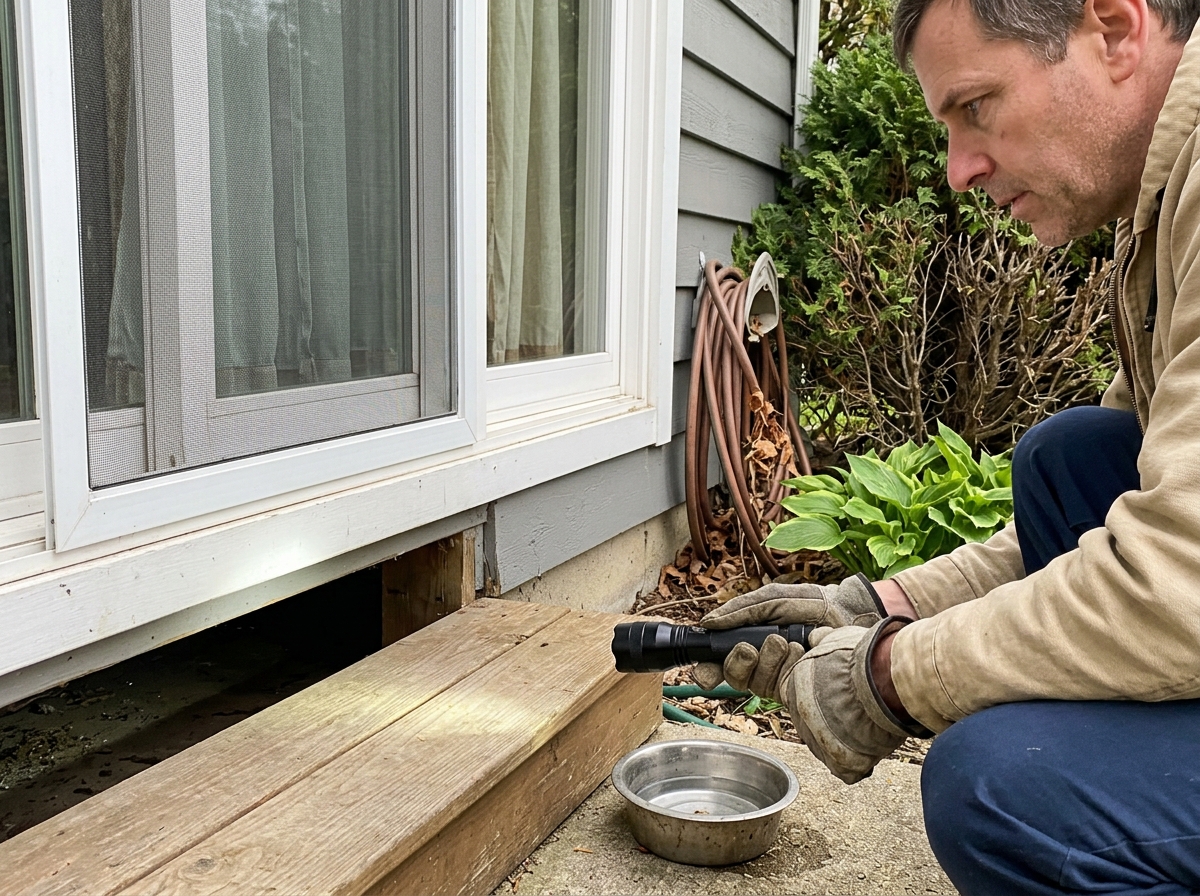
A dead bird near your home is also a practical prompt to look around. Are there other windows that might be high-risk? Is there a cat that frequents your yard? Are there areas where birds congregate near a power line or structure that might pose ongoing risk? Addressing these hazards is a concrete way to respond to the encounter, and it transforms a passive experience into an active one.
Finding closure
Whatever meaning you take from seeing a dead bird, the most useful place to land is one of active engagement rather than passive worry. If the encounter felt significant, honor it: reflect, pray, write, or take practical action. If it felt sad but neutral, you can let it be exactly that. The experience of encountering death in the natural world has moved people for as long as we've been paying attention to the world around us. You're in good company asking what it might mean, and asking that question with openness, rather than anxiety, is usually the best place to start.
FAQ
Does seeing a dead bird meaning mean someone is going to die soon?
Yes, and the key is to separate “a meaningful feeling” from a “specific prediction.” A dead bird can be a one-off event, even if the timing feels personal. If you want to take meaning seriously, use it as an invitation to review what you have control over (a decision, a habit, a safety risk like a window strike), rather than treating it as a guaranteed sign of a future event.
What should I do if I find several dead birds near my home?
Clustering matters more than symbolism. If you find multiple dead birds in a short time, especially several of the same species, contact your state wildlife agency or local public health channel for guidance. Don’t vacuum or sweep without protecting yourself, and keep pets and kids away from the area until you know it is safe to clean.
Is it safe to touch a dead bird to move it?
You generally should not. If a bird looks recently dead or has visible fluids, treat it as potentially infectious. The safer approach is to wear gloves, avoid touching your face, use paper towels to pick it up, and wash hands thoroughly afterward. If you have to handle it without gloves or you feel unsure, pause and follow your local dead-bird reporting instructions.
If the dead bird hit a window, what’s the best next step beyond spiritual meaning?
If the bird is clearly the result of a window collision, you do not need a “sign reading” step. Your priority is prevention: reduce night lighting near windows (use curtains, turn off outdoor lights, or redirect them), apply bird-safe window film or decals, and add a visual barrier so the bird does not see the reflection as open space.
Why do I keep finding dead birds near the same window?
If it appears in the same spot repeatedly, treat it like a repeat exposure, not a mystery. Check for consistent entry and attraction factors, for example a frequently opened door, indoor plants visible through glass, reflective surfaces, or a bird feeder or bird bath nearby. Then adjust lighting and physical barriers on the exact route the bird keeps attempting.
What does a dead bird inside the house mean, and is there an explanation besides symbolism?
Yes, but your practical context matters. Indoors often means the bird entered through an open door, an unnoticed cracked window, or became disoriented by interior lighting. If this is happening more than once, inspect for gaps around doors and windows and reconsider indoor lights at night, especially near the brightest room.
Does finding a dead bird on the driveway have different implications than finding it outside the front door?
Birds near driveways or on sidewalks often point to ground-level risks like vehicles, low visibility at dawn or dusk, or predators that ambush near roads. If you find one near a specific stretch, slow traffic where possible, reduce attractants near that area, and look for patterns like time of day or weather that coincide with sightings.
When should I report a dead bird instead of handling it myself?
If you’re unsure whether you should report it, use the “uncertainty rule.” Report when you cannot confidently identify the cause (no obvious collision, no obvious predator), when the bird appears part of a larger event (more than one), or when you suspect an illness pattern (birds acting lethargic, unusual numbers). Many state wildlife agencies can tell you what to do based on species and location.
How do I focus on “seeing a dead bird meaning” without spiraling into worry?
You can use meaning work without chasing it. Try a short reflection window, for example 5 to 10 minutes, and then pick one concrete action that reduces harm or improves your situation. If the symbolism starts increasing anxiety or makes you avoid normal decisions, shift back to practical steps like prevention and problem-solving.
Next Article
What Does a Dead Bird Mean Today and Spiritually
Discover what a dead bird means now and spiritually, plus safe handling, causes, black bird symbolism, and next steps.