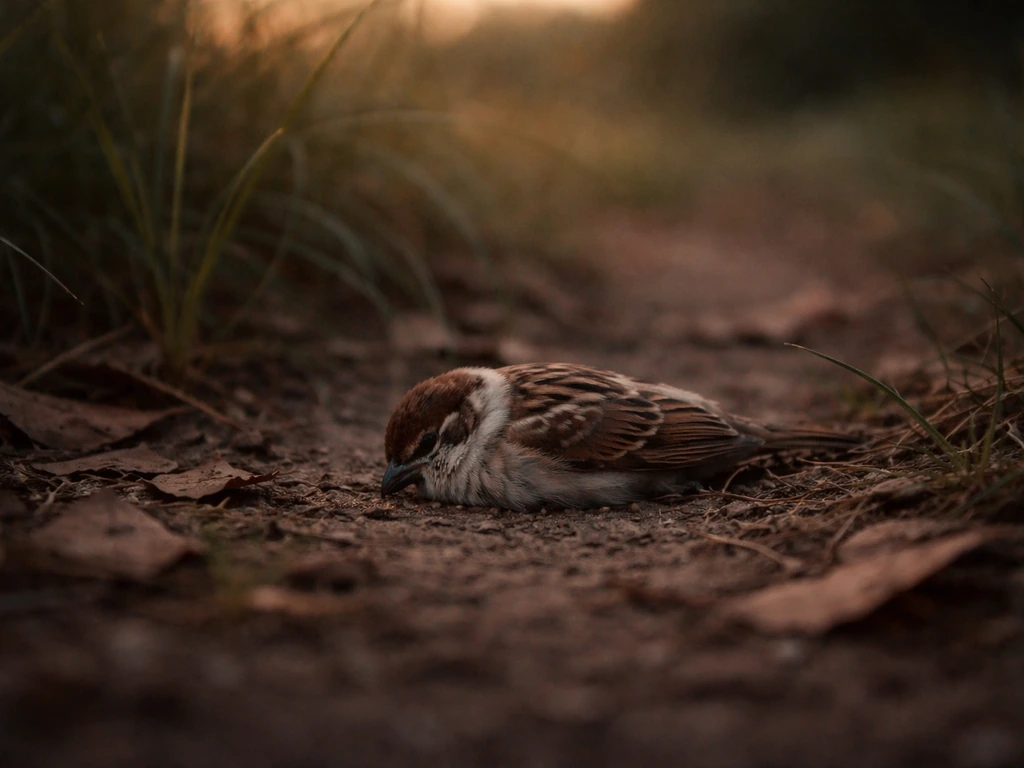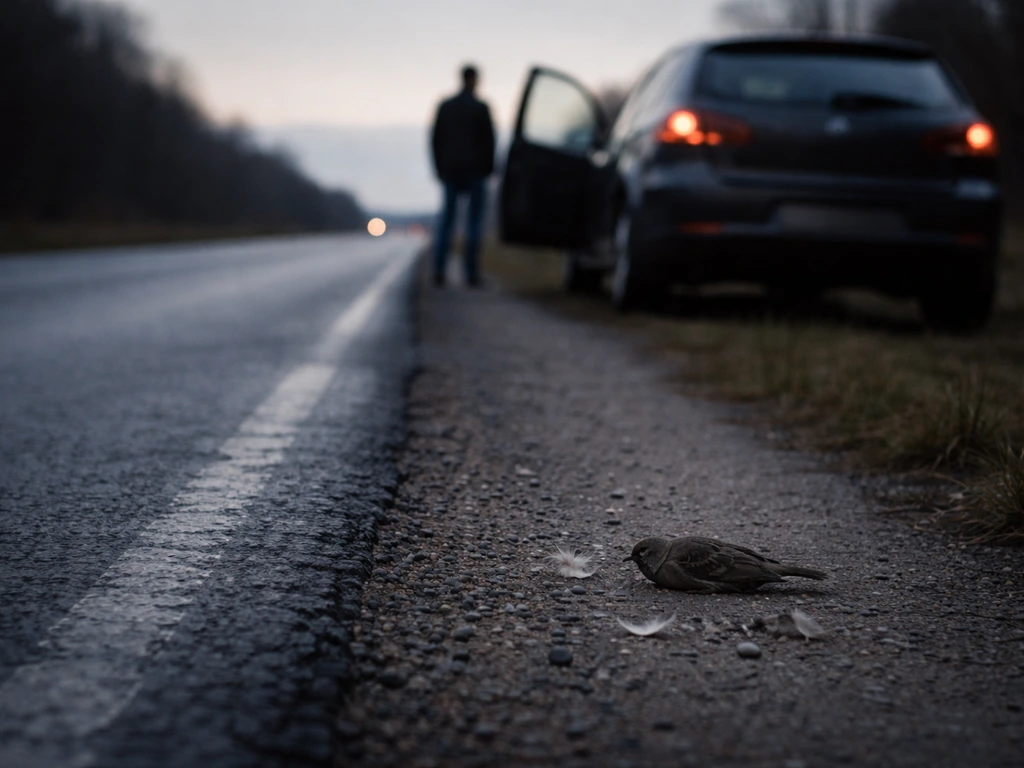
Hitting a bird while driving is an accident, full stop. It happens to careful, conscientious drivers every day, and it does not make you a bad person or guarantee bad luck. That said, it can feel surprisingly jarring, and many people find themselves asking two very different questions at once: "What do I actually do right now?
Meaning of Killing a Bird While Driving: What to Do Now
Maya Hartwell
16 May 2026
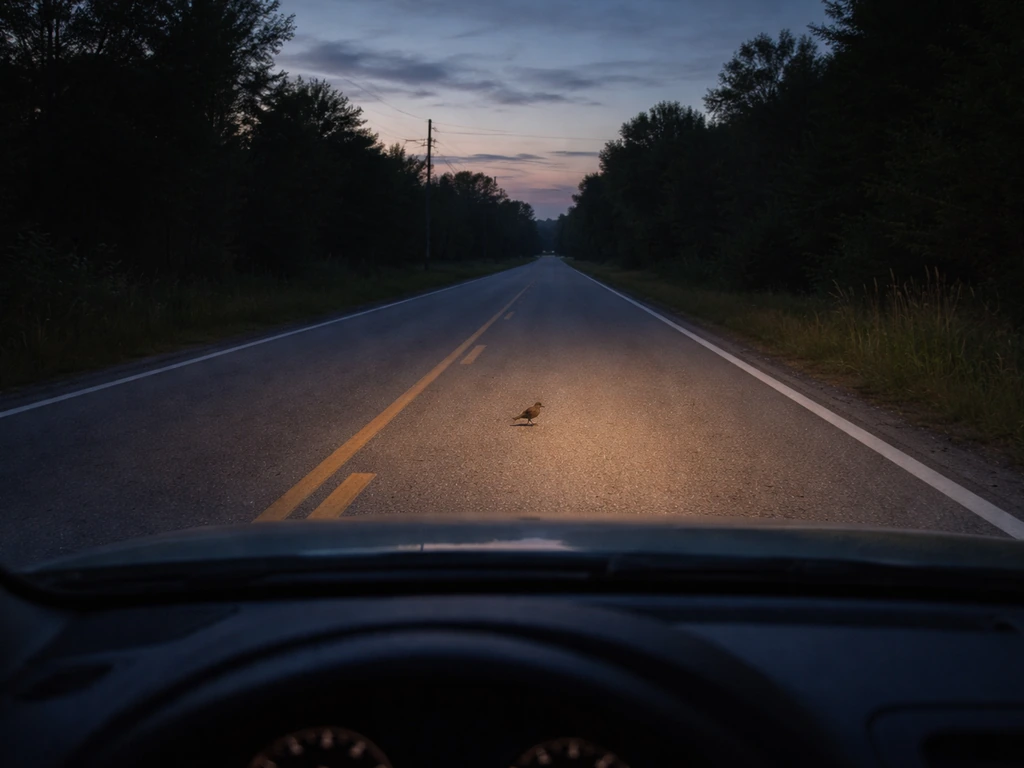
If you only almost hit a bird, the meaning is similar to a near-miss and can still bring up the same questions about what to do next and what it might symbolize almost hitting a bird. " and "Does this mean something? " Both questions deserve a real answer, so this guide covers the practical steps first, then works through the spiritual and symbolic interpretations that resonate across multiple traditions.
What to do immediately after hitting a bird while driving
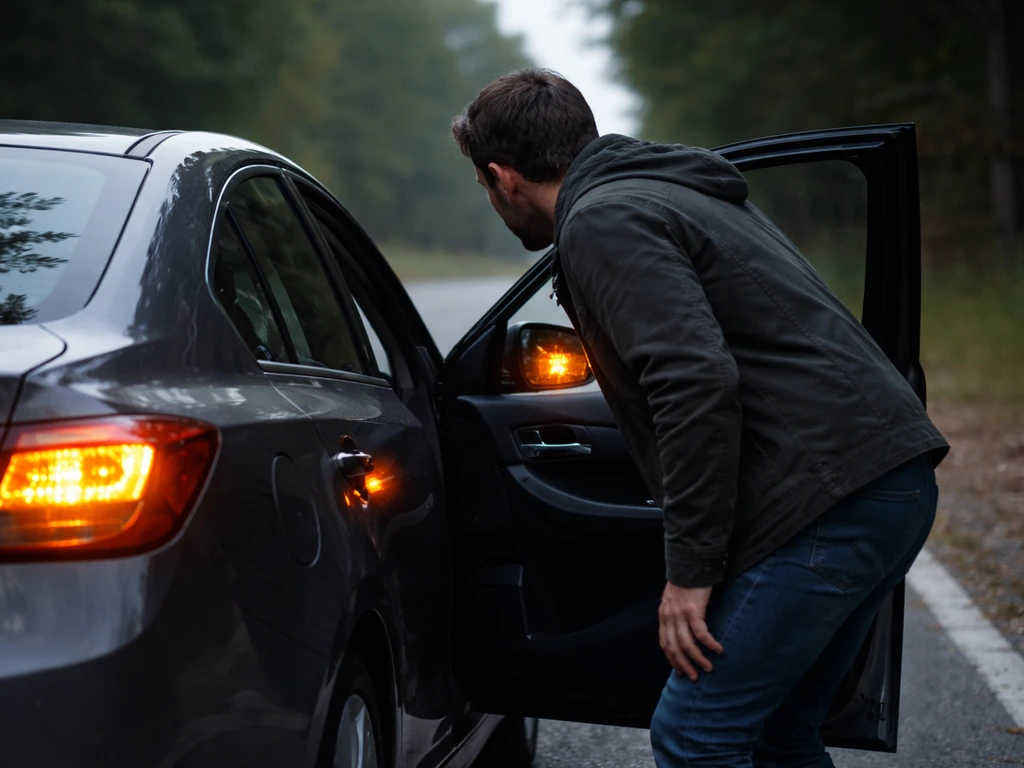
Your first priority is your own safety and the safety of other road users. Swerving hard to avoid a bird causes far more accidents than the bird strike itself, so if the impact has already happened, resist the urge to overcorrect. Here is what to do in the first few minutes:
- Signal and pull over safely if you feel concerned about damage to your windshield or grille, or if the bird lodged somewhere on the vehicle. Choose a wide shoulder, parking lot, or side street.
- Check your vehicle for windshield cracks, blocked air intakes, or hood damage before getting back on the road.
- Look in your mirrors to see whether the bird is still in the road. If traffic is heavy and you cannot safely return on foot, do not attempt it.
- If the road is safe and you want to check on the bird, do not pick it up bare-handed. The CDC recommends wearing disposable impermeable gloves before touching any dead or sick bird, because of disease risks including avian influenza (H5N1) and West Nile Virus. An N95 mask adds an extra layer of protection if you have one in your car.
- If the bird is injured but alive, do not try to rehabilitate it yourself. Contact a local wildlife rehabilitator or your state fish and wildlife office for referrals. Oregon's ODFW, for example, can be reached at 866-968-2600.
- If the bird is dead, place it in a sealed plastic bag using gloved hands, then wash your hands thoroughly with soap and water immediately after removing the gloves.
One thing worth knowing: if you hit a large number of birds in the same area, or notice other dead birds nearby, the USFW Service recommends reporting the incident to your state wildlife management agency. Clusters of bird deaths can signal a disease outbreak, and wildlife biologists rely on public reports to track and respond to events like avian influenza. A single roadkill bird rarely needs a formal report, but it is worth a quick check with your local agency if anything seems unusual.
Cleaning up properly and handling things ethically
If feathers, blood, or debris ended up on your car, clean visible dirt first with soap and water, then disinfect with an EPA-approved disinfectant that lists efficacy against influenza A viruses. Follow the product's label instructions, and avoid doing anything that stirs up dust or dried material, since that increases inhalation risk. Gloves and any disposable PPE you used should be bagged and discarded, or if reusable, run through a regular washing machine cycle with detergent.
On the ethical side: do not take feathers home as keepsakes. In the United States, the Migratory Bird Treaty Act makes it illegal to possess feathers from most wild bird species, even if you found them by accident. It is well-intentioned to want a memento, but the law is the law. The most respectful thing you can do, practically speaking, is bag the bird safely, dispose of it responsibly, and wash your hands. That simple act of care is its own form of respect.
The emotional weight of it: guilt, fear, and getting grounded
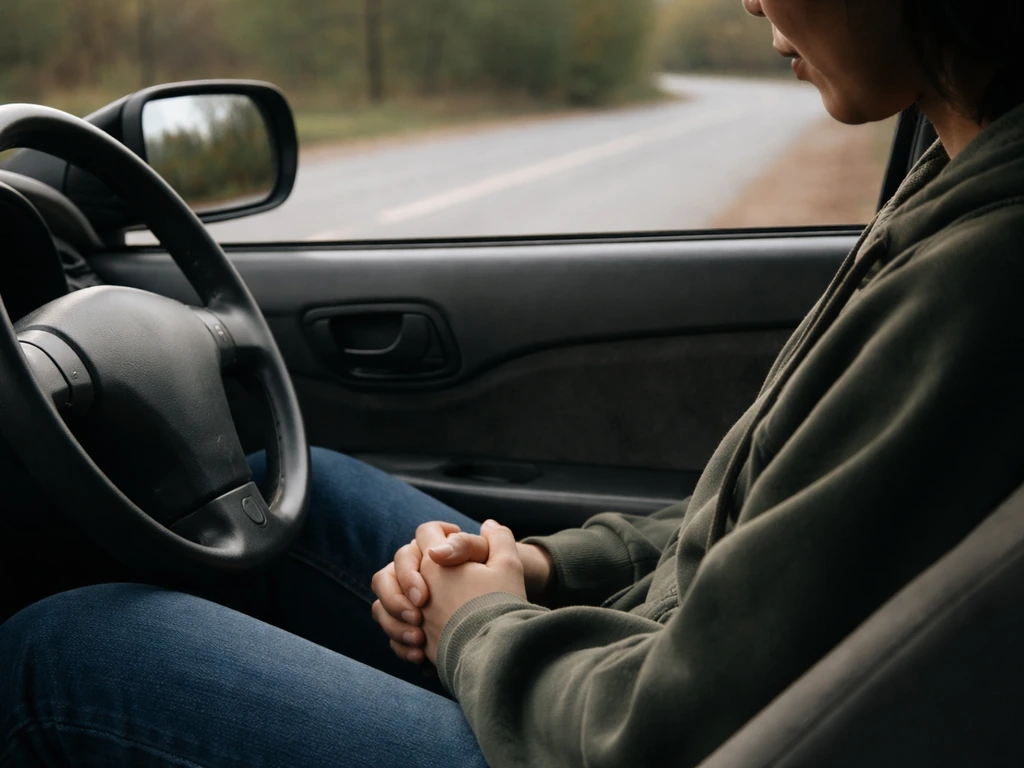
A lot of people are surprised by how shaken they feel after hitting a bird. It is a small creature, but the suddenness of it, the helplessness of not being able to stop it, can trigger a genuine stress response. Some people feel a spike of guilt even though they did absolutely nothing wrong. Others feel a vague fear, as if something bad is now "coming." Both reactions are completely normal.
Research on self-forgiveness from institutions like Berkeley's Greater Good Science Center and Harvard Health suggests a useful sequence: acknowledge what happened without judgment, reflect honestly on whether you could have done anything differently (in most bird strikes, the answer is no), and then consciously shift toward self-compassion rather than rumination. Replaying the moment on a loop does not help the bird and it does not help you. Recognizing the accident as an accident, feeling the brief sadness, and then letting it go is not callousness. It is healthy processing.
The VA's National Center for PTSD notes that some people layer spiritual fear on top of ordinary guilt after an event like this, sometimes feeling as though the incident is a punishment or a sign of personal wrongdoing. If that is landing heavily on you, it helps to separate the two things: the practical event (an accident) and the symbolic meaning you are exploring (a question, not a verdict). You are allowed to wonder what something means without deciding it is evidence against you.
What the symbolism of accidental bird death actually suggests
Across most spiritual and metaphysical traditions, the intent behind an action matters enormously. Accidentally causing a creature's death while going about your normal life reads very differently from deliberately harming one. When people in metaphysical and new-age circles talk about bird deaths as omens or messages, they are typically working with the idea that the universe communicates through patterns, not freak accidents. A single bird flying into your path and dying is more often interpreted as a message for you to receive than a judgment of what you did. If you are also wondering about the phrase "flip someone the bird", it is a different kind of meaning altogether, focused on insulting someone rather than interpreting a sign.
In a broad symbolic reading, birds represent freedom, transition, the soul, messages between realms, and the movement of spirit. When one dies suddenly and unexpectedly in your presence, even accidentally, many traditions suggest it can signal the end of one phase and the beginning of another. Think of it less like a punishment and more like punctuation. Something in your life may be closing so that something else can open. The bird becomes a messenger even in its death, drawing your attention to a threshold moment.
This is also why accidental bird deaths are treated differently from deliberate harm in almost every tradition that touches on these themes. The roadkill or window-strike death carries the weight of transition and message, while intentional harm carries entirely different moral and energetic weight. If you are comparing this experience to what it might mean when you kill a bird deliberately, or to situations like almost hitting a bird that survives, the symbolic weight shifts considerably.
How different traditions interpret this kind of encounter
Biblical and Christian perspectives
In Christian theology, animals are part of creation entrusted to human stewardship. Catholic doctrine, for instance, frames unnecessary cruelty to animals as morally wrong partly because of what it does to the person doing the harm, and it emphasizes care for God's creation. An accidental death while driving would not carry the moral weight of deliberate cruelty, but it can still prompt reflection on one's relationship with the natural world. Many Christians might respond to such a moment with a brief prayer of acknowledgment, trusting that God's creation is seen and held.
Jewish ethics and tza'ar ba'alei chayim
Jewish law includes the principle of tza'ar ba'alei chayim, which prohibits causing unnecessary suffering to living creatures. JewishEncyclopedia. com notes that [Jewish law not only forbids cruelty but also enjoins kindness to animals](https://www. jewishencyclopedia.
com/articles/4784-cruelty-to-animals), grounded in scripture and supporting care even when the animal is not “yours. ”. The tradition balances permissible human use of animals with a genuine moral obligation not to cause pain without purpose. An accident does not violate this principle, but it does fit within a worldview that treats the lives of creatures as morally significant.
In that frame, pausing to acknowledge the loss and acting to minimize unnecessary suffering (for example, by removing an injured bird from the road so it is not struck again) is a meaningful ethical response.
Buddhist ethics and intent
Buddhism's first precept is often translated as refraining from killing living creatures. Theravada discussions, though, treat accidental harm as a lesser moral breach than premeditated killing, precisely because intent is central to Buddhist ethics. The compassionate response after an accidental death is grief without self-punishment, acknowledgment without excessive guilt, and a renewed mindfulness of the creatures sharing your world. Some practitioners would offer a brief metta (loving-kindness) prayer for the bird's next journey.
Folklore and indigenous traditions
In many folk traditions across Celtic, Slavic, and various indigenous cultures, a bird crossing your path and dying is treated as a sign rather than a sin. The bird is seen as a messenger that has completed its purpose. Celtic lore in particular tends to view birds as go-betweens for the living and spirit worlds, and a sudden bird death near you might be interpreted as a soul passing a message or completing a journey. Indigenous traditions vary enormously, but a common thread is that animals are beings with their own purpose, and their deaths in your presence are not random. Acknowledging the bird and expressing gratitude for its life is a common ritual response.
Metaphysical and new-age interpretations
In metaphysical frameworks, the bird's death near you is often read as a signal to pay attention to transitions in your life. Energy workers and intuitive readers might suggest the bird absorbed or cleared something in your field, or that its death marks the end of something you needed to release. Some practitioners treat it as a karmic clearing, especially if you respond with compassion rather than dismissal. The key idea here is that an accidental death still carries symbolic weight, and what matters most is what you do with the moment.
Does the type of bird change the meaning?
Yes, in most symbolic traditions the species matters. Here is a quick reference for common birds and their associated meanings when encountered in death:
| Bird | Common Symbolic Associations | Possible Interpretation in Accidental Death |
|---|---|---|
| Crow or Raven | Transformation, mystery, the unseen, messages from spirit | A major transition or ending is close; pay attention to what is shifting |
| Dove | Peace, love, the Holy Spirit, innocence | A period of peace may be closing or beginning; a call to gentleness |
| Hawk or Eagle | Vision, power, messages from higher realms, guardianship | Check whether you have been ignoring guidance or a big-picture perspective |
| Robin | New beginnings, spring, renewal | Something new is trying to emerge; an ending that makes way for growth |
| Sparrow | Community, simplicity, the sacred in the ordinary | A reminder to value what is small and close to you |
| Owl | Wisdom, the hidden, transition between worlds | A significant threshold or hidden truth may be surfacing |
| Pigeon or Dove (feral) | Persistence, peace, returning home | A familiar pattern may be ending; a call to come back to your center |
What happened just after the strike matters too. Did another bird appear almost immediately? Did you notice a particular species showing up repeatedly in the days that followed? Did you dream about birds that night?
In symbolic interpretation, the events surrounding the core incident are treated as part of the same message. A hawk circling overhead after you hit a small bird, for instance, might be read in folklore as reassurance that the spirit has moved on safely. Pay attention without forcing a narrative, and you will likely find something that resonates personally.
This is similar to encounters people interpret when getting hit by a bird or noticing a bird flying unusually close, where the pattern of what happens before and after adds context to the meaning.
Rituals and next steps that feel right across traditions

You do not have to pick a single belief system to respond to this experience in a meaningful way. These practices draw from multiple traditions and can be adapted to fit your own worldview:
- Say a few words out loud or silently for the bird. In virtually every tradition, acknowledging the life of the creature is the baseline act of respect. It can be as simple as: "I'm sorry. I see you. Thank you for your life."
- If you are religious, offer a brief prayer in whatever form feels authentic. Christians might commend the bird to God's creation. Jewish individuals might acknowledge the loss under the principle of tza'ar ba'alei chayim. Buddhists might offer metta for the bird's next journey.
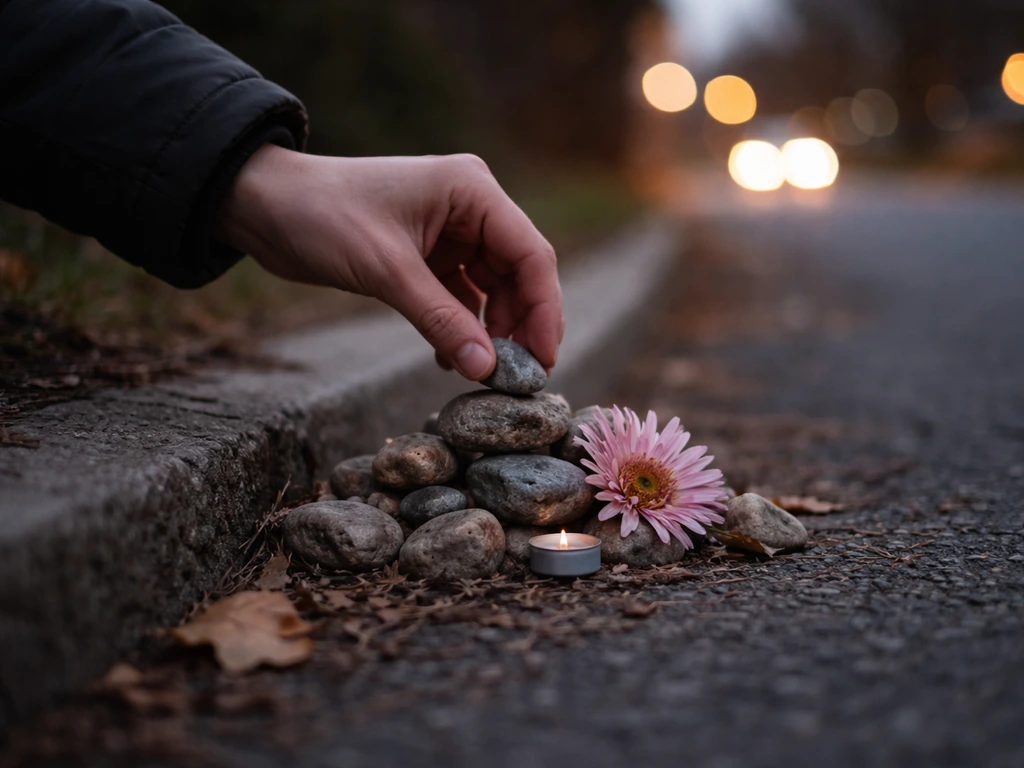
- Light a candle at home as a small ritual acknowledgment. This practice appears across traditions as a way of marking a life that has passed, even an animal's.
- Write down what you felt and what you noticed in the moments surrounding the event. Journaling the experience helps move it from your nervous system into a reflective space, which is both psychologically useful and a way to notice symbolic patterns you might have missed in the moment.
- Do one small thing for birds in general: fill a bird feeder, donate to a wildlife rehabilitation center, or simply spend a few minutes in nature watching birds. This turns the accident into an action that honors life rather than just marking death.
- Practice the self-forgiveness sequence recommended by researchers at Berkeley's Greater Good Science Center: acknowledge the event mindfully, reflect without ruminating, and consciously shift to self-kindness. You did not intend harm. You can carry the memory with care without carrying it as guilt.
- If the same bird species appears again in the days following, treat it as an invitation for reflection rather than a haunting. Ask yourself: what is this species associated with symbolically, and does that meaning connect to anything happening in my life right now?
- To prevent future incidents: reduce speed on rural roads at dawn and dusk when birds feed near roadsides, pay attention in areas where you have seen birds before, and avoid sudden swerves which are more dangerous than the strike itself.
A grounding thought before you move on
Accidents carry weight because we are empathetic beings, and that empathy is worth honoring. At the same time, turning every accident into a verdict about your fate or character is not wisdom, it is anxiety looking for a framework. The most balanced approach is to feel what you feel, take the practical steps that are within your control, and then sit with the symbolic question with curiosity rather than dread. What might this moment be pointing you toward? That question is worth sitting with. The bird's death as a punishment for driving? That one you can set down.
Reflective prompts to take with you: What was on your mind just before the bird appeared? Is there a transition, ending, or threshold in your life that you have been avoiding or ignoring? What species was it, and does its traditional symbolism connect to anything in your current experience? And perhaps most importantly: how can you move forward today in a way that honors both the bird's life and your own?
FAQ
How do I figure out the difference between a symbolic “message” and anxiety taking over?
If you are feeling pulled toward spiritual or symbolic conclusions, a helpful check is to set a boundary for yourself, for example, “I will explore meaning for 10 minutes, then I will stop.” Continue to drive safely and handle any practical steps, then treat the rest as reflection rather than proof of anything about your character or future.
What should I do if I stop and the bird is injured but not dead?
If you come upon the same bird again and it appears injured (not just deceased), prioritize safety, don’t step into traffic, and use a flashlight or hazard lights if you can do so safely. In many areas, contacting a local animal rescue, humane society, or wildlife hotline is more appropriate than trying to handle the animal yourself.
What if I keep hitting birds or I notice multiple birds dying in the same area over a short time?
If you suspect more than one species, or you notice repeated bird impacts on the same route, take it as a “spotting pattern” and note time, location, and weather (especially fog, heavy rain, or low light). For health-risk clusters, formal reporting is most important when multiple birds are dead nearby, or you see other unusual die-offs, rather than one isolated incident.
Do I need to disinfect my car every time, even if the strike looks minor?
Use a simple safety-first decision rule: if cleaning requires climbing onto the road edge, kneeling in lanes, or touching unknown debris in traffic, don’t do it there. If there are visible feathers or blood, clean from a safe position with soap and water first, then disinfect as described in your product label. Avoid rinsing into drains if your product guidance discourages it, and ventilate the area if you are using disinfectants.
If someone makes a comment about “flip someone the bird,” how is that different from the meaning of killing a bird while driving?
Yes, “flip someone the bird” is different from interpreting a bird death. The phrase is about insulting or reacting to a person, not about the bird as a symbol, so any meaning you might draw should focus on communication and emotional regulation, for example, letting anger pass instead of turning it into a signal you send to others.
How should I talk to kids or passengers who are upset about the bird strike?
If a child or passenger asks “What did I do?” avoid framing it as punishment or guilt. A grounded response is to say it was an accident, remind them that you are taking steps to stay safe, and if appropriate, model a calm moment of respect such as observing from a safe distance and washing hands if you handle anything.
Why am I still distressed days later, and when should I seek help?
It can be normal to feel guilt, shock, or dread, even though you did nothing intentionally. A practical limiter for rumination is to write down one “fact statement” (accident, not intent) and one “action statement” (what you’ll do today to care for safety and cleanup). If intrusive thoughts or panic persist, consider talking with a mental health professional, especially if sleep or driving confidence is affected.
What if I can’t identify the bird species, can I still explore the symbolism?
In symbolic readings, the species can be relevant, but avoid overfitting by forcing a link. If you are unsure what you saw, record observable details (size, color, behavior like “it looked like a hawk” or “small brown bird”), then treat meaning as a question rather than a verdict. If you can’t identify it, you can still reflect on transition themes without pinning everything to species symbolism.
What if I overcorrected or did something unsafe right after the bird strike?
In most symbolic approaches, what matters after the strike is what you do with the moment, not whether you can “undo” it. If you did something unsafe or regrettable in response (like hard swerving), you can still repair the harm by driving conservatively, checking your tires and visibility, and practicing self-forgiveness rather than trying to find a way to reverse the event.
Are there legal or safety risks if I keep feathers or try to preserve the remains?
If you are worried about legal issues, the general takeaway is to avoid keeping or transporting any feathers or remains, and to report clusters of bird deaths to the appropriate state wildlife agency when applicable. For everyday cleaning and disposal, prioritize safe cleanup and local guidance rather than trying to preserve the remains.