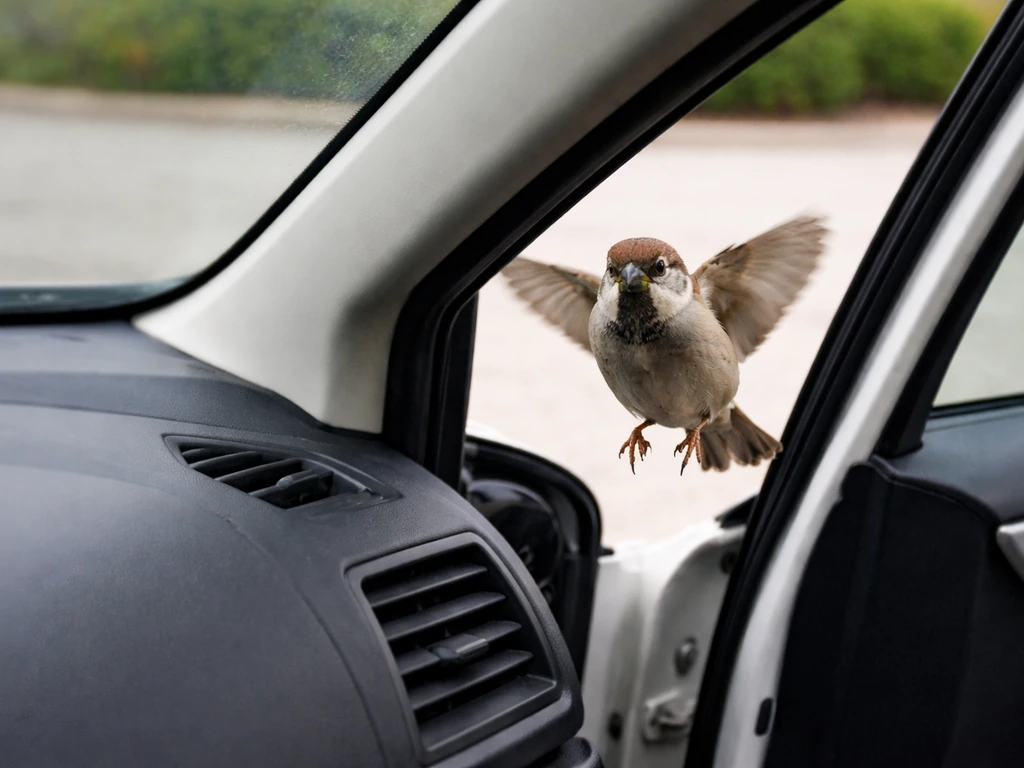
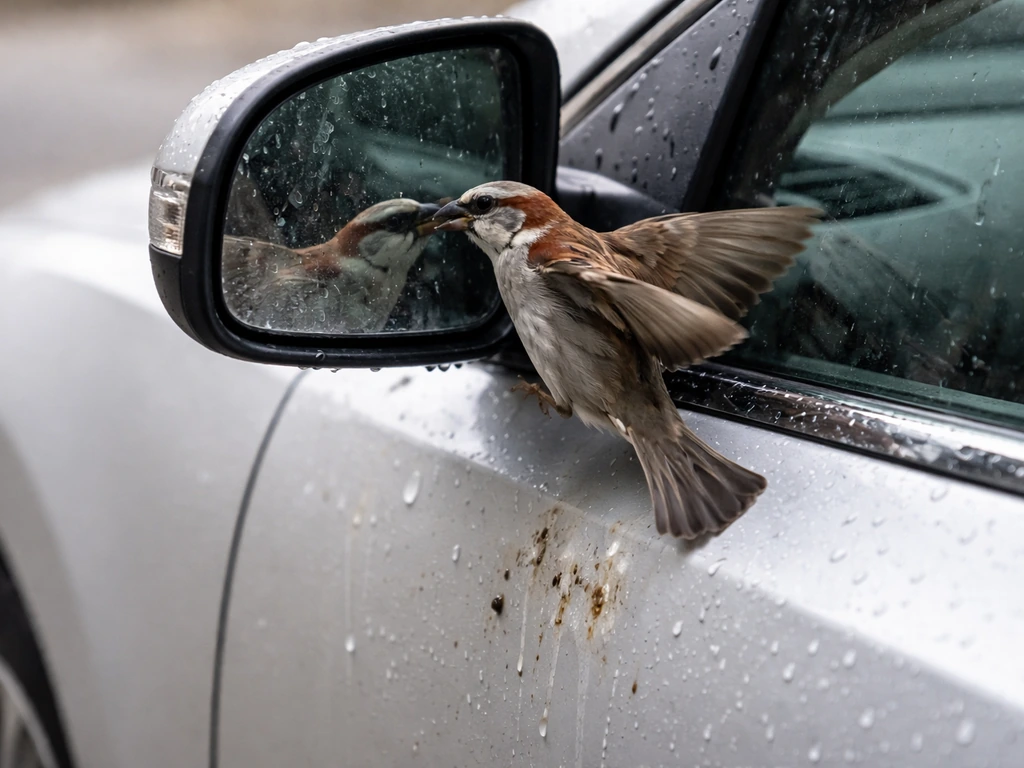
A bird is attacking your car almost certainly because it sees its own reflection in your mirror, window, or glossy paint and thinks it's a rival bird that needs to be driven off. A common cause is that the bird is trying to defend its territory against its own reflection in your car mirror or window. This is especially common in spring and early summer when birds like blank" rel="noopener noreferrer">Northern Cardinals, American Robins, bluebirds, and California Towhees are deep in breeding season and defending their territory. The bird isn't confused or sick, it's doing exactly what it's supposed to do. It just picked a fight with itself.
Why Is a Bird Attacking My Car? Causes and What to Do Today

Maya Hartwell
8 Jun 2026
Quick safety check: what to do right now
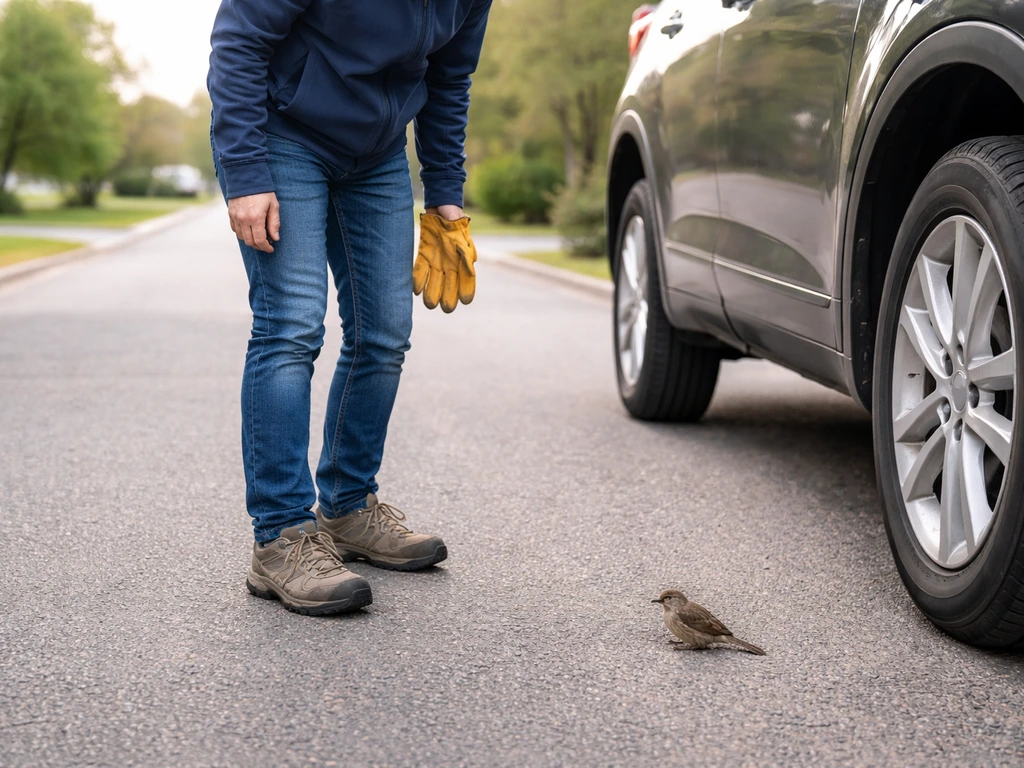
Before anything else, check whether the bird is injured. If it has already hit your car hard and is sitting on the ground looking dazed, don't handle it with bare hands and don't panic around it. Place it gently in a dark, quiet container (a shoebox works) with small air holes, keep it somewhere calm, and wait up to a couple of hours.
If a found bird seems dazed after a strike, Tufts Wildlife Clinic recommends placing it in a dark, quiet container and contacting a wildlife rehabilitator or veterinarian if it does not recover within a couple of hours. Many birds recover on their own from a daze.
If it doesn't improve, contact a local wildlife rehabilitator or veterinarian. Do not give it food or water while it's in shock.
If the bird is still actively attacking your car and seems physically fine, the priority is simply to break the cycle without harming it. Cover your side mirrors right now with a paper bag, cloth, or sock. That one step alone often stops the behavior within minutes, because the trigger (the reflection) disappears. We'll get into longer-term solutions below.
Why birds actually attack cars: the natural reasons
The overwhelming reason is territorial defense triggered by a reflection. When a bird in breeding season sees its own image in your car mirror or window, its brain reads that image as a rival intruder. It doesn't understand it's a reflection. It just sees another bird of the same species in its territory and responds the way it always would: attack until the intruder leaves. The problem is the "intruder" never leaves, so the bird keeps coming back. If the same bird keeps coming back to your house, you may need to remove the mirror or window reflections that are triggering its territorial behavior.
blank" rel="noopener noreferrer">Species that do this most often include American Robins, Northern Cardinals, bluebirds, California Towhees, Chipping Sparrows, and Song Sparrows. These are all territorial birds with strong breeding instincts. The BTO (British Trust for Ornithology) describes them as becoming "seemingly obsessed" with their own reflection, pecking and fluttering at the surface for hours at a time.
Other natural causes exist but are less common. A bird might swoop at a moving car because it has a nest on or very near the vehicle, and the perceived threat is proximity rather than reflection. Some birds, particularly mockingbirds and red-winged blackbirds, are known to dive-bomb humans and vehicles near active nests during nesting season. In those cases the attack is directional and usually stops once you move away from the nesting zone.
How to figure out what's actually happening
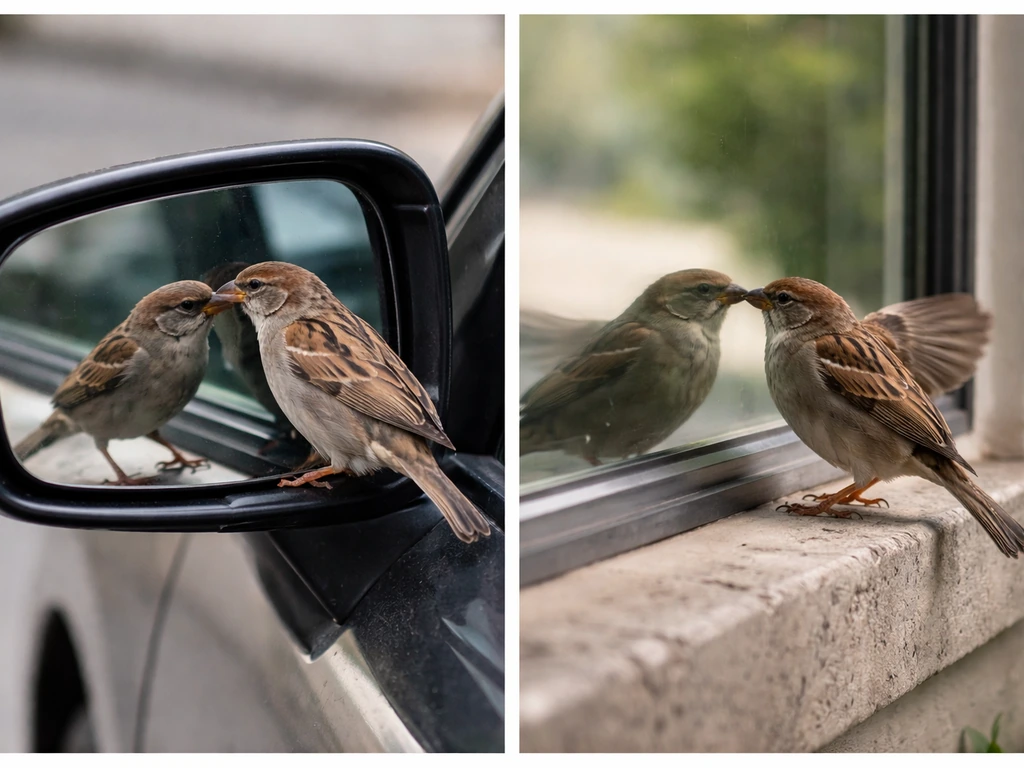
You can usually diagnose the cause in about two minutes if you pay attention to a few details. Here's what to look for:
| What you're observing | Most likely cause |
|---|---|
| Bird pecking or fluttering at a mirror or window repeatedly | Territorial reflection attack |
| Bird hitting the same spot every time, especially mirror or side glass | Territorial reflection attack |
| Bird diving at the car or at you when you walk near it | Nest defense (nest is likely very close) |
| Behavior started suddenly in spring or early summer | Breeding season territorial behavior |
| Behavior only happens when the car is parked in one spot | Reflection from a particular angle in that location |
| Multiple bird species involved, or bird seems disoriented | Possibly a window collision, not territorial attack |
| Droppings and feathers concentrated on one part of the car | Bird roosting or nesting on the vehicle |
The time of day matters too. Reflection attacks tend to happen in the morning when light angles are sharper and the mirror or glass acts more like a perfect mirror. If the attacks happen consistently at the same time each day, that's a strong sign a particular light condition is creating the illusion. If the bird is attacking from multiple angles and at all hours, look for a nest nearby.
Steps you can take today to stop the attacks (without harming the bird)
The goal is to eliminate the reflection trigger or break the bird's ability to reach it. These methods are all bird-safe and can be done immediately.
- Cover your side mirrors: Slip a paper bag, an old sock, a cloth cover, or even a grocery bag over each mirror when the car is parked. This removes the reflection entirely. It's the fastest fix and it works.
- Cover windows temporarily: If the bird is attacking a side window, covering it with newspaper or a cloth while parked can break the pattern. Audubon specifically recommends this approach for a quick stop.
- Park differently: If you can move the car to a spot where it's in shade, under a carport, or facing a different direction, the reflection angle changes and the trigger may disappear.
- Break up the reflection with tape or decals: Apply strips of masking tape or painter's tape to the outside of the mirror glass in a pattern. The disruption to the reflection is enough to confuse the bird's territorial response. For windows, the USGS recommends a 2-inch by 2-inch grid pattern placed on the exterior surface.
- Use wind-catching deterrents nearby: Strips of foil, old CDs hung near the area, or reflective tape that moves in the breeze can interrupt the bird's approach. These work because movement and shifting light break the static reflection illusion.
- Avoid chasing or shooing the bird aggressively: It won't help and may reinforce the cycle. The bird isn't scared of you the way it would be scared of a predator during breeding season; its territorial instinct overrides normal fear.
- Be patient with timing: This behavior almost always stops on its own when breeding season ends, typically by mid to late summer. If the attacks are mild and not causing damage, waiting it out is a legitimate option.
Car-specific details: where they hit and how to reduce damage
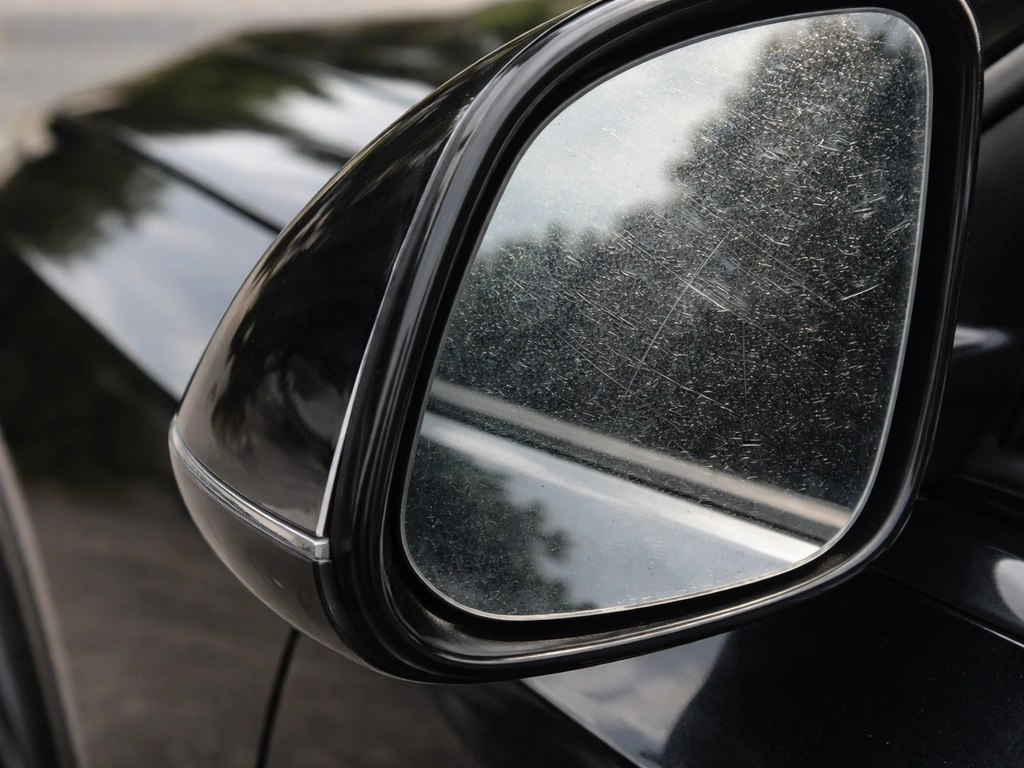
Side mirrors are the most common target, followed by side windows and occasionally the rear window or glossy door panels. Mirrors are particularly problematic because they're designed to be highly reflective and they're at exactly the right height for many small songbirds. Cardinals and robins frequently plant themselves on a mirror and peck at it directly for extended periods.
The windshield gets hit less often in territorial attacks (it tends to be more of a blind collision issue), but it can happen if the angle is right. If a bird is hitting your windshield rather than a mirror, it's more likely a genuine collision than a territorial attack, and the fix is slightly different: you want to reduce the glare and transparency illusion from outside the car.
For car windows specifically, one or two small stickers placed in the center of the glass do almost nothing. All About Birds is clear on this: markers need to cover most of the glass surface with spaces no larger than 2 inches apart to actually break the reflection and flight-path cues birds use. That's more practical on a house window than a car, but strips of tape across the exterior surface of the glass while parked achieves a similar effect temporarily.
If the bird is pecking directly at your mirror casing rather than the reflective glass itself, check whether there's a nest being built on or inside the mirror housing. Some birds, particularly small sparrows, will nest inside large side-mirror housings on trucks and SUVs. If that's happening, it's worth gently discouraging it early before eggs are laid, as removing an active nest with eggs can be complicated by wildlife protection laws depending on your location.
Cleanup and protecting yourself from damage
A bird attacking a car can leave behind a real mess. Repeated pecking and scratching can leave micro-scratches on mirror glass and window surfaces over time. Droppings accumulate fast when a bird is spending hours fixated on one spot. Beyond the cosmetic annoyance, there are a few practical things worth knowing about safe cleanup.
Don't dry-wipe bird droppings off painted surfaces. Dried droppings are acidic and can damage clear coat, and wiping them dry spreads the abrasion. Wet the area first, let it sit for 30 seconds, then blot or gently wipe. Use a proper car-safe cleaning solution.
When cleaning up accumulated droppings, take it seriously from a health standpoint. The CDC notes that bird droppings can carry psittacosis, a bacterial infection that spreads by breathing in dust from dried droppings or secretions. Histoplasmosis, a fungal infection, is also a risk when large accumulations of droppings are disturbed. For heavy accumulation: wear a mask (an N95 is ideal), dampen the droppings before cleaning to keep dust down, use disposable gloves, and wash your hands thoroughly afterward. This is not about panicking over a few droppings on a mirror, it's about sensible handling if a bird has been camped on your car for days.
If the bird has left scratch marks or paint damage from repeated impact, document it with photos. In rare cases involving very persistent birds over several weeks, the damage can be worth noting for insurance purposes, though claims for this specific cause are uncommon.
What it might mean: the spiritual and symbolic side
If you found this article because something about this encounter felt like more than a bird being weird, you're not alone. Bird encounters have carried symbolic weight across virtually every human culture, and there's a long tradition of reading meaning into moments when a bird behaves unusually around you or your space. The science is clear that this is a territorial behavior rooted in reflection and breeding instinct. But meaning and mechanism aren't mutually exclusive, and if this moment landed differently for you, it's worth exploring what different traditions say.
Attack as a message of urgency or awakening
In many folk and spiritual traditions, a bird that repeatedly strikes or confronts a person (or their possessions) is interpreted as an urgent message that something needs attention. The persistence of the behavior is the point. A bird that attacks once and flies away is background noise. A bird that returns to the same spot, day after day, demanding to be noticed, is a different kind of encounter. Some interpretive traditions read this as a call to look at something you've been avoiding, particularly something you're in conflict with or defending yourself against.
The mirror symbolism runs deep
It's hard to ignore the specific detail that the bird is attacking its own reflection and doesn't know it. Across spiritual and psychological traditions, the mirror is a symbol of self-knowledge, ego, and the parts of ourselves we don't recognize. A bird fighting its own image is striking imagery. Jungian-influenced interpretations might frame this as something about shadow self or projection: are you in a conflict right now that's really with yourself? Celtic and European folk traditions sometimes associated birds pecking at windows or mirrors with messages from the spirit world or the approach of change.
Biblical and folklore angles
In biblical tradition, birds are frequently used as messengers or signs of divine attention. Sparrows are cited in Matthew 10:29-31 as creatures watched over by God, with the message that nothing escapes divine notice. A persistent, territorial bird in folklore is sometimes read as a guardian or protector energy rather than a threat: the bird is defending something it values, and perhaps the encounter prompts the question of what you are defending, or what in your life deserves that kind of fierce protection.
What might you take from this?
The practical truth is: this bird needs the reflection to go away, and you can fix that today. If your question is specifically why a bird keeps sitting on your car, the same reflection and territorial triggers are usually behind it. The spiritual question is optional but interesting: why does this encounter feel significant to you? Is there something in your life right now where you're fighting a battle that's really a mirror? Is there an area where fierce, protective energy is being misdirected? These aren't questions with tidy answers, but they're worth sitting with. You don't have to choose between the scientific explanation and the symbolic one. Both can be true at different layers of the same experience.
If you're noticing a pattern of bird encounters beyond just this one, a bird that keeps returning to your home, appearing repeatedly out of nowhere, or trying to get into your space rather than attack it, those sibling experiences carry their own interpretations and practical explanations worth exploring separately.
FAQ
What should I do if the bird is still outside and attacking while I need to leave?
If the bird is still outside and actively attacking, do not chase it or spray it. Cover the target reflection first (paper bag or cloth over the side mirror) and keep people and pets inside. If you need to drive, wipe the glare off the glass and avoid looking into the mirror, since the bird may re-trigger when you move back into its sightline.
Could something else be reflecting the bird back besides my car mirror or window?
Yes. Reflections can come from more than the exact spot it hits, for example your car’s side mirror, adjacent parked vehicles, glossy trim, or even a smartphone screen placed near a window. Walk around the car and look for any shiny surface that could reflect the bird’s line of sight, then cover or park so the bird cannot see that surface from its usual perch.
Will a small sticker on the window stop the bird, or does it need to cover more surface?
Temporary fixes include tape strips or exterior masking across the affected glass while the bird is visiting, even if the bird ignores the center area. For the most reliable solution, use a solution that disrupts bird flight and reflection cues across most of the glass surface (small gaps between covered areas reduce effectiveness). Avoid “one little sticker” approaches on cars, they often fail.
How can I tell whether it is reflection behavior or a real injury from hitting the car?
If a collision happens, look for injury signs: the bird may sit low, show uneven balance, droop wings, have visible bleeding, or respond weakly. If you see those signs, follow the safe containment approach (dark, quiet ventilated box, limit handling, seek a rehabilitator if it does not improve within a couple of hours). If it flies off quickly and looks coordinated, injury is less likely.
Should I feed the bird or give it water after it hits my car?
Avoid feeding or watering. In addition to increasing mess, feeding can make the bird linger longer, which extends the reflection-defense pattern. If it is in daze and you are waiting, keep it calm and do not offer food, wait for recovery or professional guidance instead.
What if the bird only attacks near the car parking spot, does that still mean it is the reflection?
Birds sometimes attack because there is a nest nearby, especially if the bird dives at your face or lands close to you rather than pecking a static reflection. If the behavior is only near a particular area and includes aggressive swooping when you approach, treat it like nesting defense and increase distance rather than trying to trap or remove the bird.
The bird stops for a day then comes back, what should I do next?
If the bird keeps returning, the most effective next step is to change the visual geometry, cover the mirror or block view lines from the bird’s approach direction. If you can access it safely, cover the mirror and relevant glass for several days during peak breeding season, since persistence is often tied to daily light angles and the bird learning the same “intruder” view.
How do I prevent it from attacking again when I’m driving or parking differently?
If you want to drive away without re-triggering, do it quickly after covering the mirror target, then park so the bird cannot see your car’s most reflective sides from the bird’s usual perch. When possible, park in a different direction or farther from nearby windows or glossy surfaces that might mirror the sky and movement.
What if I discover the bird is nesting in or on my side mirror housing?
Do not remove an active nest or disturb mirror housing if you find nesting inside it. Even if the nest seems easy to access, laws vary by location and removing eggs or nestlings can have legal consequences. The safer approach is to discourage early if possible (before eggs) and contact a local wildlife professional if you suspect an active nest now.
Is it really dangerous to wipe bird droppings off right away?
If you must clean immediately, dampen first to avoid dust, use disposable gloves, and wear a mask if there is significant dried droppings. For painted surfaces and clear coat, avoid abrasive wiping. If droppings are heavy and in a confined area (like around a mirror), consider waiting until you can do a proper wet-clean and then wash hands thoroughly afterward.
Should I document the damage for insurance, or is it usually not worth it?
If you find scratches or paint damage from repeated attacks, take clear photos with a ruler or another reference for scale, and note dates. Even when claims are uncommon, documenting the timeline helps if you choose to contact your insurer or local body shop for an assessment. Keep the evidence together with notes on when the bird returned and what surfaces it targeted.
Next Article
Why Is a Bird Trying to Get in My Car? Causes and What to Do
Learn why birds try to enter your car now, what to do safely, and how to interpret the message later.