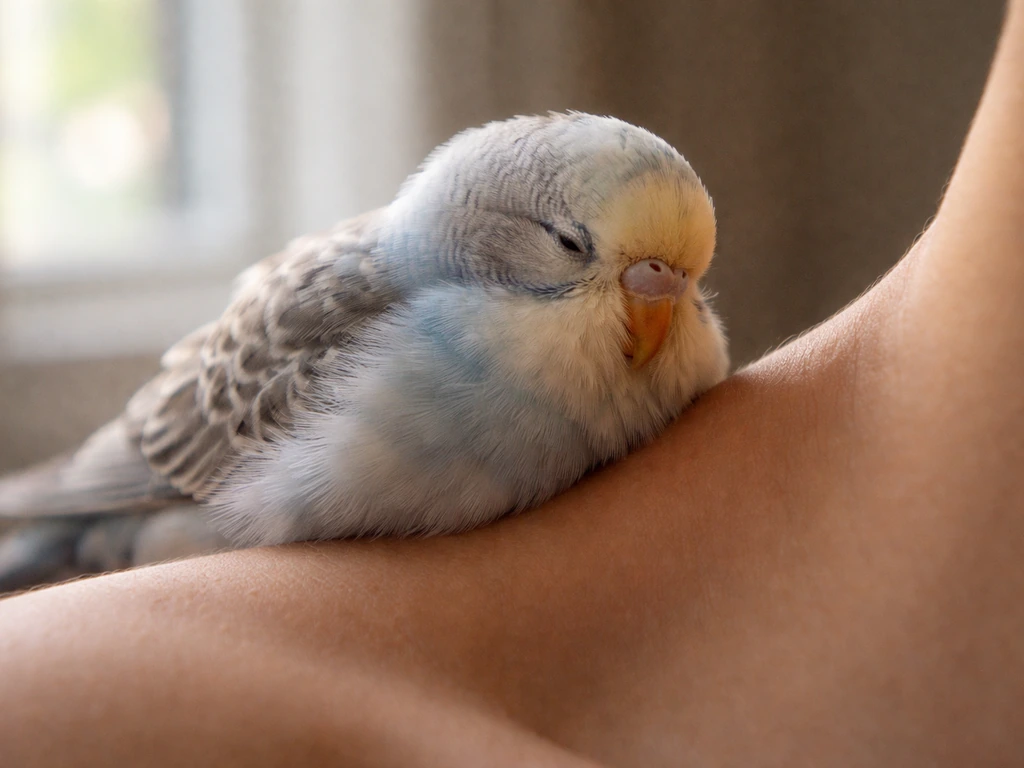
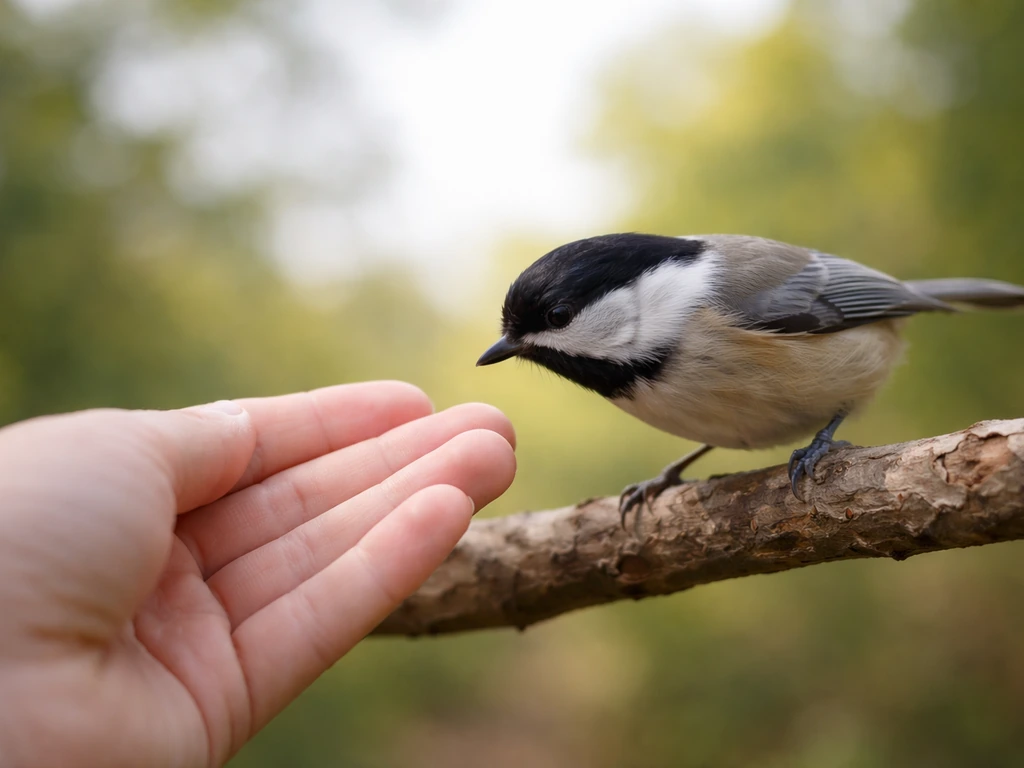
When your bird falls asleep on your shoulder, chest, or hand, it almost always means one thing: you are their safe place. In the wild, birds only sleep when they feel secure from predators, and they choose who they sleep near carefully. A bird that chooses to doze on your body is telling you, in the clearest way it knows how, that you are flock. That said, not every bird resting on you is a picture of contentment. Sometimes it signals illness, stress, or an environment that needs a second look. Knowing the difference is what this guide is here to help you figure out. Some people also notice a bird blinks at them, and that can be another clue to its comfort and trust what does it mean when a bird blinks at you.
What Does It Mean When Your Bird Sleeps on You

Maya Hartwell
7 Jun 2026
Why birds sleep or rest on people in the first place
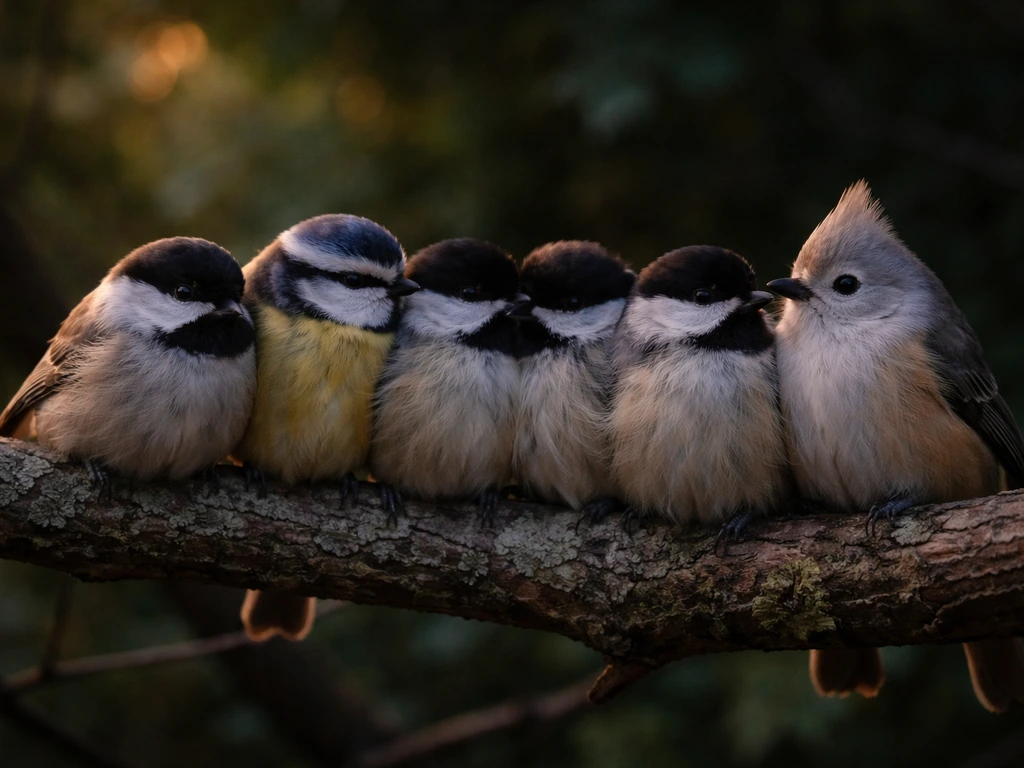
Birds are flock animals at their core. In the wild, sleeping alone is dangerous, so they roost together for warmth, vigilance, and comfort. When your pet bird chooses to sleep on you, it is engaging in that same ancient instinct. You have become its flock. This is especially true for highly social species like parrots, conures, cockatiels, and budgerigars, which are wired to sleep in physical contact with their companions.
Beyond flock instinct, your body offers a lot: warmth, a familiar heartbeat, gentle movement, and a scent your bird has come to associate with safety. For many birds, sleeping on a person is the ultimate expression of trust built over time. It is also worth noting that some birds will rest on you without fully falling asleep. They may be simply preening, relaxing, or just hanging out close. Bird preening you can be another way your bird shows trust, comfort, and a desire to bond. A fully sleeping bird, with eyes closed and posture relaxed, represents the deepest level of comfort a bird can show.
How to read body language: calm and content vs. stressed or sick
This is the most important thing to get right. A sleepy, trusting bird and a sick or stressed bird can look similar at a glance, but there are clear differences once you know what to look for.
Signs your bird is genuinely relaxed and comfortable
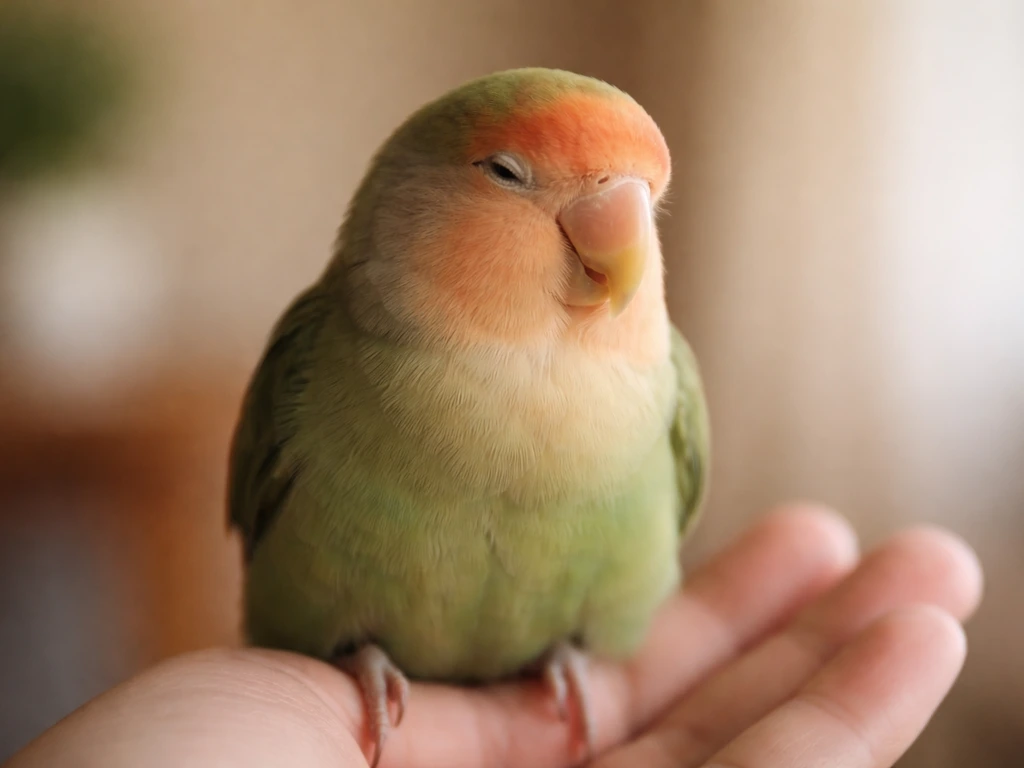
- Feathers are smooth or very slightly puffed (not dramatically fluffed)
- Eyes close slowly and peacefully, sometimes in a slow blink
- Body posture is upright or leaning gently into you
- Breathing is quiet and even, with no visible tail movement
- One foot may be tucked up into belly feathers (a classic relaxed sleep pose)
- The bird rouses easily and looks alert when you move or speak
Signs something may be wrong
Fluffed-up feathers are the single biggest red flag to watch for. The Merck Veterinary Manual, LafeberVet, and the Avian Welfare Coalition all list dramatically fluffed and ruffled feathers as a classic non-specific sign of illness, often indicating the bird is trying to conserve heat due to fever or chills. If a bird seems to be sleeping far more than usual, or if it is resting on two feet with its feathers dramatically puffed up rather than tucked on one foot in relaxed pose, that warrants a closer look.
Breathing is your next checkpoint. Any of the following are serious and need veterinary attention the same day: open-mouth breathing at rest, audible wheezing or clicking sounds, tail bobbing with each breath (the tail should not visibly pump up and down when the bird breathes), or labored breathing with increased sternal motion. Petco notes that heat-stress signs in birds include panting and holding the wings away from the body, and that heatstroke can become life-threatening heat-stress signs include panting and holding the wings away from the body. LafeberVet explicitly lists open-mouthed breathing at rest as very serious. If you see it, do not wait.
| Signal | Healthy and relaxed | Possible illness or stress |
|---|---|---|
| Feather position | Smooth or lightly puffed | Dramatically fluffed and ruffled |
| Breathing | Quiet, invisible, steady | Open-mouth, wheezing, tail-bobbing |
| Eyes | Slow blink, closes fully | Partially closed, dull, or discharge present |
| Posture | Upright, one foot tucked | Hunched, drooping, unable to perch |
| Arousal when disturbed | Rouses quickly, looks alert | Slow to respond, lethargic |
| Wings | Held naturally at sides | Drooping or held away from body |
Today's checklist: environment, comfort, safety, and bonding habits
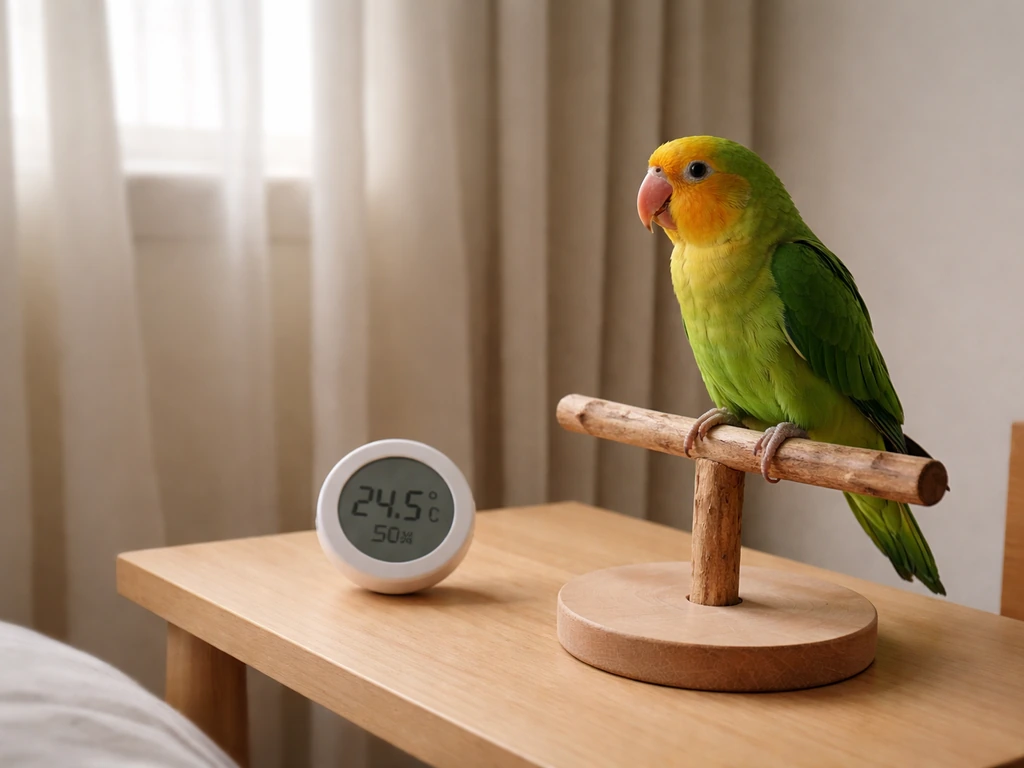
If your bird is sleeping on you and you want to make sure everything is right, here is what to run through today.
- Check the room temperature. Birds can suffer from both chilling and heat stress. If your bird is panting or holding its wings away from its body, the environment may be too hot. If it is constantly puffed up, it may be too cold.
- Look at the light cycle. Birds need 10 to 12 hours of darkness to sleep properly. Irregular lighting throws off their rhythms and can cause crankiness or excessive sleepiness during the day. PetMD notes that proper UV and light exposure is important to overall cockatiel and parrot health.
- Assess noise and disruption. A bird that cannot sleep well at night may try to catch up on your body during the day, which is not necessarily a problem but is worth noticing.
- Check your posture and the bird's safety. If your bird falls deeply asleep on you, be very conscious of movement. Accidentally shifting position and startling or squishing a small bird is a real risk. Never fall asleep yourself with a bird perched on you.
- Be aware of hygiene. Birds poop frequently and without warning. If your bird is sleeping on you regularly, plan accordingly with a towel on your shoulder or chest.
- Consider whether the closeness is balanced. Sleeping on you should be a choice your bird makes, not a compulsion driven by fear of being alone. If your bird panics when not on you, that is a different conversation about over-bonding.
- Note any changes. A bird that suddenly starts sleeping on you much more than usual, or that seems too tired to engage with its normal activities, may be unwell. Change in sleeping habits is listed by Lafeber as a potential illness indicator.
Species and relationship: does it mean the same thing for every bird?
Not quite. The meaning shifts a little depending on what species you have and how long you have had a relationship with the bird.
Parrots, conures, and larger psittacines
These birds are among the most socially complex and emotionally intelligent pet birds. A parrot or conure sleeping on you is a deeply meaningful act of trust. These species form strong pair bonds in the wild and will often treat a trusted human as their bonded partner. For a new bird that has only been with you a few weeks, falling asleep on you is a big deal. For a long-bonded parrot, it is a daily ritual that reinforces the relationship. Either way, it is one of the most genuine compliments a parrot can pay you.
Cockatiels and budgerigars
Cockatiels are famously affectionate and cuddly once bonded, and a cockatiel sleeping on your chest or in the crook of your neck is pretty common with well-socialized birds. Budgies tend to be slightly less physically clingy but will still choose to sleep near or on a trusted person. With both species, a bird that is new to you and already comfortable enough to sleep on you has either had excellent prior socialization or simply took to you quickly. That is worth appreciating.
Finches, canaries, and less hands-on species
If you have a species that is not typically handled, like a finch or canary, and it rests on or near you, that is notable. These birds usually maintain more distance from humans, so any contact-seeking behavior deserves attention. It could signal extreme trust built over a long relationship, or it could be worth checking whether the bird is feeling unwell and seeking warmth.
New birds vs. long-bonded birds
With a newly adopted bird, sleeping on you can sometimes be more about anxiety and unfamiliarity than deep trust. A bird that is overwhelmed by a new environment may cling to the one warm, moving, breathing thing it recognizes as non-threatening. Give it time. If the same behavior continues after several weeks and the bird is thriving, it has chosen you. With a long-bonded bird, sleeping on you is simply part of the rhythm of your relationship. You are its home base.
What it might mean spiritually: being chosen as a resting place
Beyond the biology, there is a layer of meaning that many people feel when a bird chooses to sleep on them. It is hard to describe, but if you have experienced it, you know the feeling: something quiet and significant in being trusted that completely. Across many spiritual and cultural traditions, that feeling has been given language.
Trust, protection, and being chosen
In many folklore traditions across cultures, birds are seen as messengers between the earthly and the spiritual. A bird that chooses to rest on you is sometimes interpreted as a sign that you carry a quality of stillness, warmth, or spiritual openness that living things are drawn to. Some people describe this as being energetically safe, a quality that both animals and people sense. If you have been going through a period of growth, healing, or seeking, a bird choosing you as its resting place might feel like confirmation that you are on the right path.
Biblical and Christian symbolism
In Christian and biblical symbolism, birds often represent the Holy Spirit, divine care, and the presence of God in everyday life. The image of a bird resting on a person carries echoes of Matthew 10:29-31, where not even a sparrow falls without God's notice, suggesting that even small bird encounters carry spiritual significance. Being chosen as a resting place by a bird can be read as a symbol of being held, protected, and seen by something greater than yourself. It is a gentle, embodied reminder that you are known.
Celtic, indigenous, and Eastern perspectives
In Celtic tradition, birds are soul-carriers and boundary-crossers between worlds. A bird choosing to rest with you can be interpreted as an ancestral or spiritual presence drawing close, offering comfort or companionship. In many indigenous traditions across North America and elsewhere, animals that seek you out are understood as carrying messages or medicine specific to your life situation. Eastern traditions, particularly in Chinese and Japanese symbolism, associate birds with good fortune, harmony in relationships, and peace in the home. A bird sleeping peacefully in your presence fits all of those themes: peace, harmony, and a home where living things feel safe.
The metaphysical read
In broader metaphysical and New Age frameworks, animals are seen as mirrors and teachers. A bird choosing you as a place of rest might prompt you to ask: where in your own life do you allow yourself to rest and feel safe? Who do you trust completely? The bird is modeling something. It also speaks to the theme of reciprocity. You have built a relationship, shown up consistently, been gentle and present, and the bird has responded by making you its sanctuary. Spiritually, that is a form of grace.
It is worth noting that behaviors like a bird preening you, touching you, or even biting you can each carry their own symbolic weight in these frameworks, and a sleeping bird sits at the most intimate end of that spectrum. If a bird bites you, it can be a sign of fear, stress, or overstimulation, so it helps to read the body language around the bite biting you. Sleep requires total surrender of vigilance. To sleep on someone is to say: I do not need to protect myself around you.
When to worry: signs that mean call an avian vet today
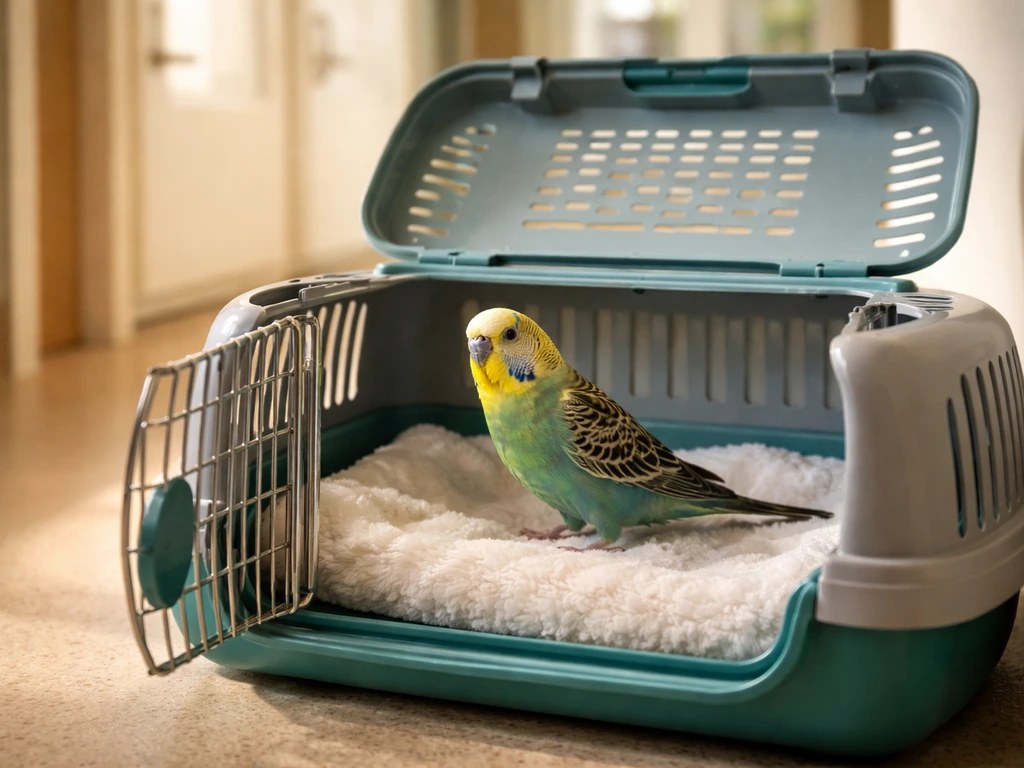
Most birds sleeping on their person are perfectly healthy. But some situations call for veterinary attention, and birds are notoriously good at hiding illness until it becomes serious. Do not wait if you notice any of the following.
- Open-mouth breathing or panting at rest (LafeberVet calls this very serious)
- Audible breathing sounds: wheezing, clicking, or rasping
- Tail bobbing with each breath (the tail pumping visibly up and down)
- Dramatically fluffed and ruffled feathers, especially combined with lethargy
- Loss of appetite or significant change in droppings (color, consistency, or volume)
- Discharge from eyes, nostrils, or beak
- Inability to perch, limping, drooping wings, or difficulty moving
- Sudden change in vocalization or loss of voice
- The bird cannot be roused normally or seems unresponsive to stimulation
- Panting with wings held away from the body, which may indicate heat stress or heatstroke
The MSPCA and Merck Veterinary Manual both emphasize seeking prompt veterinary evaluation for labored breathing, abnormal droppings, discharge, and inability to perch or move normally. Avian vets are specialists, and if you do not already have one identified, now is the time to find one in your area before you need one urgently.
How to respond: building healthy closeness without creating problems
If your bird sleeping on you is healthy and mutual, here is how to keep it that way and make it a positive part of your relationship rather than something that creates issues down the line.
- Let it be the bird's choice. Encourage your bird to step up and come to you, but avoid forcing it onto your body if it seems reluctant. The magic is in the voluntary nature of it.
- Keep sessions to a reasonable length. Long hours of contact can contribute to over-bonding, where the bird becomes anxious without constant access to you. A few good sessions a day, with time in the cage or on a stand between them, keeps things balanced.
- Maintain a consistent sleep schedule. Birds thrive on routine. If your bird is sleeping on you during the day, make sure nighttime sleep in its cage is still happening consistently, with appropriate darkness and quiet.
- Be physically careful. Support your bird's weight properly. Do not let small birds perch on areas where they could fall or be compressed. Never lie down and fall asleep with your bird loose on you.
- Observe before you intervene. If your bird dozes off on you, take a moment to quietly check the signs covered above. A few seconds of calm observation tells you a lot.
- Celebrate the bond, but keep the relationship two-directional. Talk to your bird, respond to its sounds, offer enrichment, and let it explore. A bird that sleeps on you and also has a rich, independent life is the healthiest version of this relationship.
- Reflect on what this moment means to you. Whether you read this through a practical lens, a spiritual one, or both, being chosen as a resting place by another living being is not a small thing. What does it bring up for you? What do you want to carry forward from it?
A bird sleeping on you is, at its simplest, one of the most honest things an animal can do. It has no agenda. It is not trying to impress you or earn anything. It is just telling you that you are safe, that you are its home, and that right now, everything is okay. It can also mean your bird is feeling relaxed or bonded, so it helps to read the context and body language what does it mean when a bird touches you. While this article focuses on sleeping and resting behavior, the meaning of a bird peeing on you depends largely on context like excitement, stress, or normal bodily release what does it mean when a bird pees on you. Whether you take that as pure biology, a spiritual message, or something quietly in between, it is worth sitting with for a moment before you move.
FAQ
Is it okay if my bird only sleeps on me during certain times of day?
Often, yes. Many birds choose warm, familiar contact when they are naturally calmer (for example, evenings or after a routine). If the timing suddenly changes along with other signs like fluffed feathers, reduced appetite, or unusual lethargy, treat it as a health or stress clue and check closely.
What should I do if my bird falls asleep on me but I need to move?
Move slowly and support their body. Sudden displacement can startle a sleeping bird into a higher flight response or trigger discomfort, especially if they are tucked and eyes are closed. If you want to transfer them, let them wake first, then place them back on a perch at the same height and keep the lighting and noise steady.
How can I tell the difference between “true sleep” and just resting or dozing on me?
Look for complete relaxation. True sleep usually comes with eyes closed, a settled posture, minimal head movement, and relaxed breathing pattern. Resting can still include alert scanning, occasional head bobbing, or partial eye openness. If you are unsure, compare it to your bird’s normal resting patterns when healthy.
Does a bird sleeping on you ever mean territorial or “I own you” behavior?
Sometimes, but it is less common than comfort or bonding. Territorial concern is more likely when the bird also blocks your movement, guards spots, lunges when you try to leave, or escalates with protective vocalizations. If you see guarding behavior, focus on gradual handling and boundaries, rather than treating the contact as a blanket green light.
Should I be worried if my bird sleeps on me but seems unusually quiet or refuses normal activities?
Not automatically, but it is a red flag when “quiet” comes with broader changes. Watch for appetite changes, stool changes, reduced preening, tail pumping, sitting hunched on two feet, or difficulty perching. If multiple changes are present or the behavior persists, contact an avian veterinarian promptly.
Can a new bird sleeping on me be a sign of fear rather than trust?
Yes, it can. New birds sometimes cling to the safest, warmest moving thing they recognize, which can be anxiety relief rather than deep comfort. A useful check is whether the bird explores its surroundings normally over the following weeks, preens, eats, and gradually chooses more comfortable positions on its own.
Why does my bird sometimes sleep on my shoulder but other times won’t let me hold them?
Birds often choose specific conditions for sleep, such as being warm enough, feeling unthreatened, and being able to balance comfortably. Avoiding contact can reflect fatigue, discomfort, temperature changes, or overstimulation from handling. If refusal is new, pair it with health checks like breathing quality and feather condition.
Is it safe to let my bird sleep on me overnight?
Usually it is not ideal unless you can control risk. Overnight contact increases the chances of accidental drops, overheating, or exposure to unsafe fumes or room conditions. If you want a sleeping setup, aim for a proper bird sleep environment nearby (quiet, warm, dark or dim) rather than relying on your body for the entire night.
What are common environmental factors that make birds seek body warmth to sleep?
Chilly rooms, drafts, wet feathers or recent bathing, and inconsistent light cycles can drive warmth-seeking. If sleeping on you becomes frequent during colder stretches or after changes in your home routine, stabilize temperature and lighting first, then reassess for illness signs.
When should I seek an avian vet if my bird sleeps on me?
Don’t wait if you observe breathing concerns (open-mouth breathing at rest, wheezing or clicking, tail bobbing with each breath, visible increased chest movement) or clear functional problems like inability to perch or move normally. Also seek care urgently for abnormal droppings or any marked change from baseline posture and activity level.
If my bird sleeps on me, does that mean I can stop monitoring for negative signs?
No. Even very trusting birds can feel sick, and they may still choose human warmth. Keep doing the “two-track” check: confirm they are relaxed (posture, eyes, feather position) while also scanning for illness signals like fluffed feathers, abnormal droppings, and breathing changes.
Could sleeping on me increase the risk of biting or aggression later?
Sometimes overstimulation contributes to later defensive behavior, even if the bird starts out calm. If the bird becomes irritable after waking, avoids touch, or shows body tension, respect the signal and end contact gently. Short sessions and consistent cues (where the bird rests, how you approach) help reduce conflict.
Next Articles
What Does It Mean When a Bird Blinks at You?
Learn why a bird blinks at you, from species behavior to spiritual symbolism, plus best-fit meaning and safe next steps.
What Does It Mean When a Bird Touches You and What to Do
What bird contact means plus what to do now for safety and hygiene, with spiritual and cultural interpretations.
What Does It Mean When a Bird Bites You?
Understand why a bird bites, what it means symbolically, and get first-aid steps and prevention tips.