Seeing a bird in your dream most commonly signals freedom, spiritual messages, intuition, or an upcoming shift in your life. Birds in dreams are almost universally associated with the soul, with communication from a higher source, or with the part of you that wants to rise above a situation. That said, the specific meaning depends heavily on what the bird was doing, what species or color it was, and most importantly, how the dream made you feel. A talking bird dream often points to meaningful messages, inner guidance, or a need to listen to what your instincts are saying talking bird dream meaning. Get those three things right and the interpretation becomes much clearer.
What Does Seeing a Bird in Your Dream Mean?

Maya Hartwell
3 Jun 2026
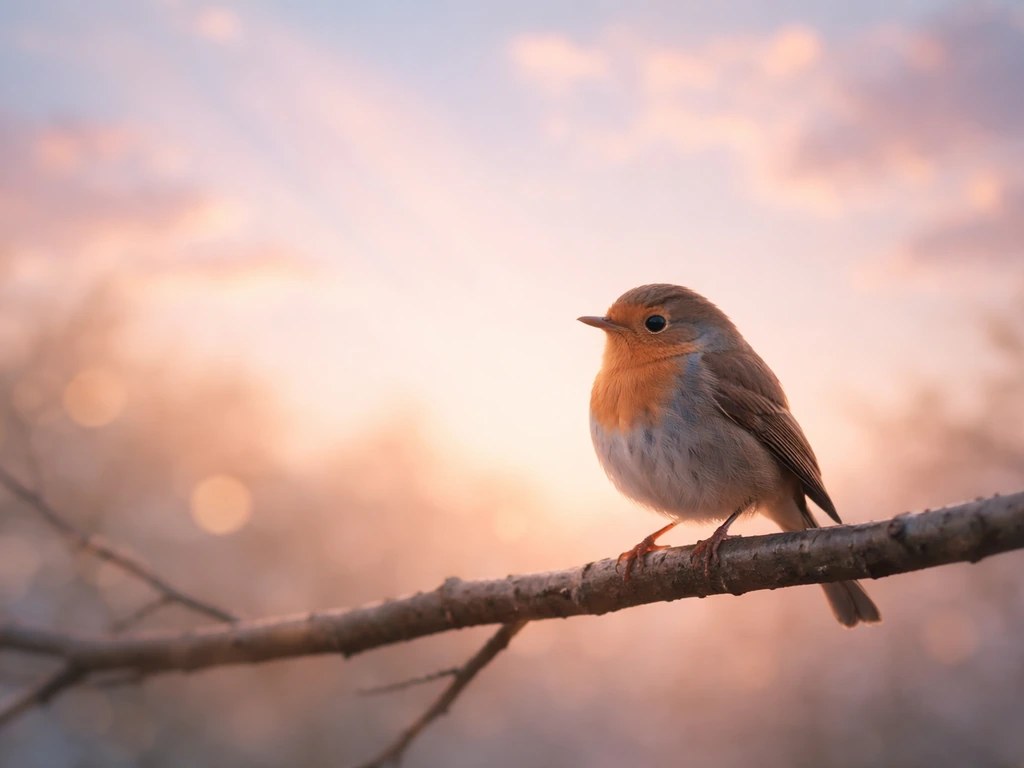
Quick meaning: common interpretations of birds in dreams

Across spiritual traditions, folklore, and metaphysical frameworks, birds in dreams tend to cluster around a handful of core themes. These are not rigid rules, but they are consistent enough across cultures and centuries to be a useful starting point.
- Freedom and liberation: birds in flight often represent a desire to break free from constraints, routines, or relationships that feel confining.
- Spiritual messages or divine guidance: many traditions view birds as messengers between the earthly and spiritual realms, so a bird appearing in a dream may signal that a message is coming, or already present.
- Intuition and heightened awareness: birds are associated with the air element, which is linked to thought, perception, and sensing what others miss.
- News or change: in many folklore traditions, dreaming of birds foreshadows news arriving, a journey beginning, or a life transition approaching.
- Transformation and renewal: a bird appearing at a crossroads moment in your life often reflects your own capacity to adapt and take flight toward something new.
- The soul or spiritual connection: across Celtic, indigenous, Eastern, and Christian traditions, birds are frequent symbols of the human soul or of spirits visiting from beyond the physical world.
Most bird dreams carry a generally hopeful undertone, but as with any symbol, context changes everything. A soaring eagle feels very different from a trapped sparrow, even though both are birds. That is why the details matter so much.
Symbolism by bird type, color, and behavior
Once you have the general idea, narrowing it down by species, color, and what the bird was actually doing will get you much closer to a personally resonant interpretation.
Bird type and species
| Bird Type | Common Dream Symbolism |
|---|---|
| Eagle or hawk | Power, clarity of vision, divine perspective, rising above obstacles |
| Dove | Peace, the Holy Spirit, love, reconciliation, divine comfort |
| Owl | Hidden knowledge, intuition, transition, or a prompt to look closer at what you are avoiding |
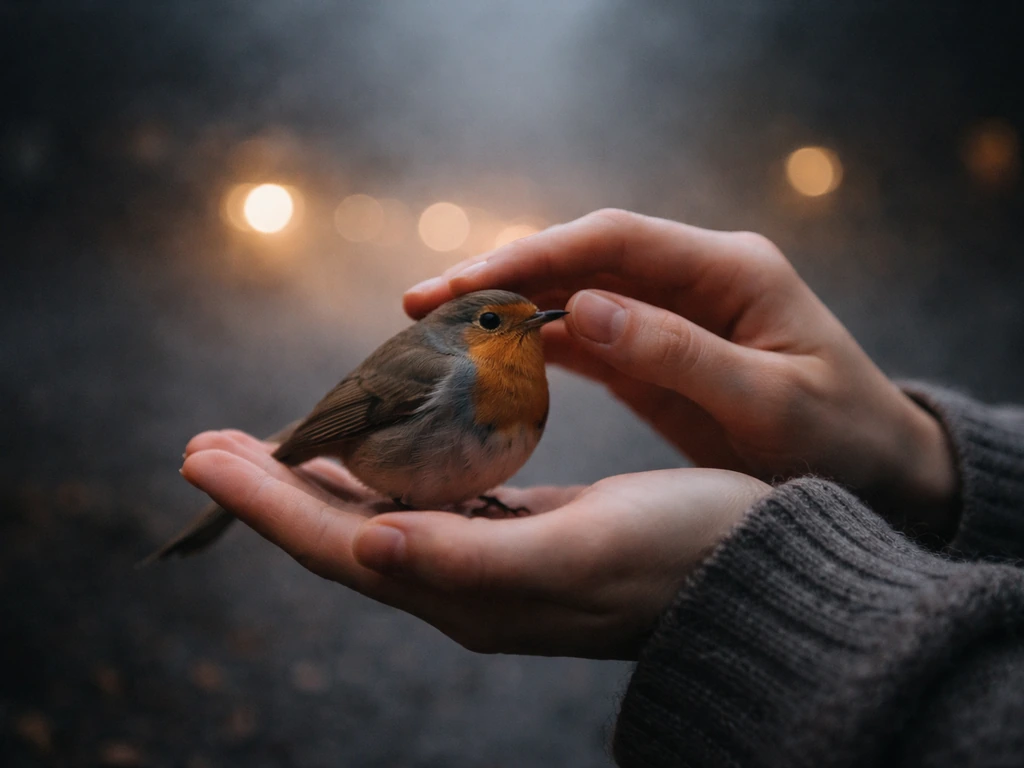
| Robin or sparrow | Everyday blessings, renewal, the idea that small things matter deeply (reinforced biblically in Matthew 10:29-31) |
| Raven or crow | Transformation, mystery, intelligence, and in many traditions a guide between worlds rather than a bad omen |
| Hummingbird | Joy, resilience, the sweetness available in small moments |
| Parrot or talking bird | Communication, messages you need to hear or say, sometimes a nudge about repetitive patterns |
| Black bird (unidentified) | The unknown, endings that precede beginnings, shadow aspects worth exploring |
| White bird (unidentified) | Purity, spiritual presence, peace, or a soul visit in many traditions |
Bird color
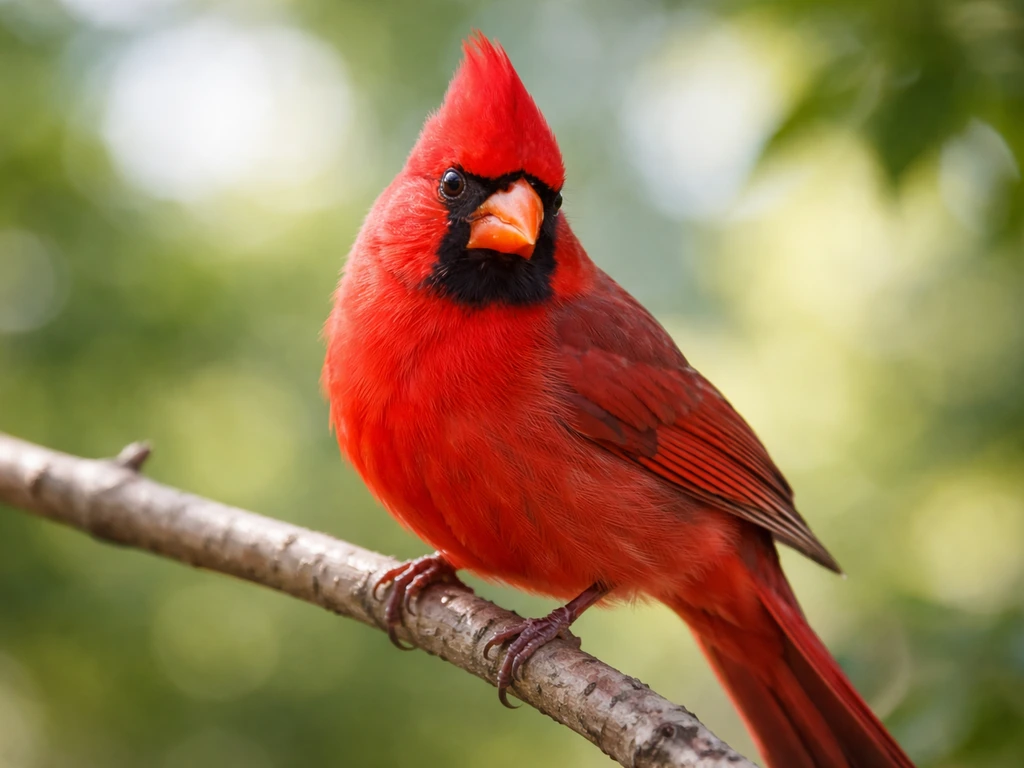
If the color of the bird stood out unusually in the dream, that is worth noting. Red birds (like cardinals) are widely associated with vitality, passion, and loved ones who have passed. Blue birds connect to calm, clarity, and spiritual communication. Yellow or golden birds often symbolize optimism, creativity, and incoming good news. A bird that struck you as unusually bright or luminous frequently signals a spiritually significant encounter, regardless of species.
What the bird was doing
Behavior is probably the single most useful detail to focus on when interpreting a bird dream. Here is how to read the most common scenarios:
- Flying freely or soaring: liberation, spiritual elevation, a sign you are ready to move forward or that freedom is available to you.
- Landing on you or near you: a message is meant specifically for you, a spiritual presence is close, or you need to pay attention to something you have been overlooking.
- Singing or calling: an important communication is coming, or you are being encouraged to use your own voice more fully.
- Circling or watching from above: surveillance, heightened awareness, a situation in your life that needs a broader perspective.
- Following you: a persistent message, a spirit guide, or a symbol of something in your life that will not let itself be ignored.
- Perched indoors: the spiritual or intuitive is entering your everyday domestic life, which can feel either comforting or intrusive depending on the dream's tone.
- Trapped or caged: feeling constrained, a part of you yearning for freedom, or an aspect of your spirit that has been suppressed.
- Attacking or aggressive: a warning, inner conflict, or a situation (or person) in waking life that is more threatening than it appears.
- Dying or injured: the end of a phase, grief being processed, or a transformation that feels painful before it resolves into something new.
- Behaving oddly or impossibly: pay special attention here, as unusual bird behavior in dreams (speaking, glowing, shifting shape) often marks the dream as spiritually significant in multiple traditions.
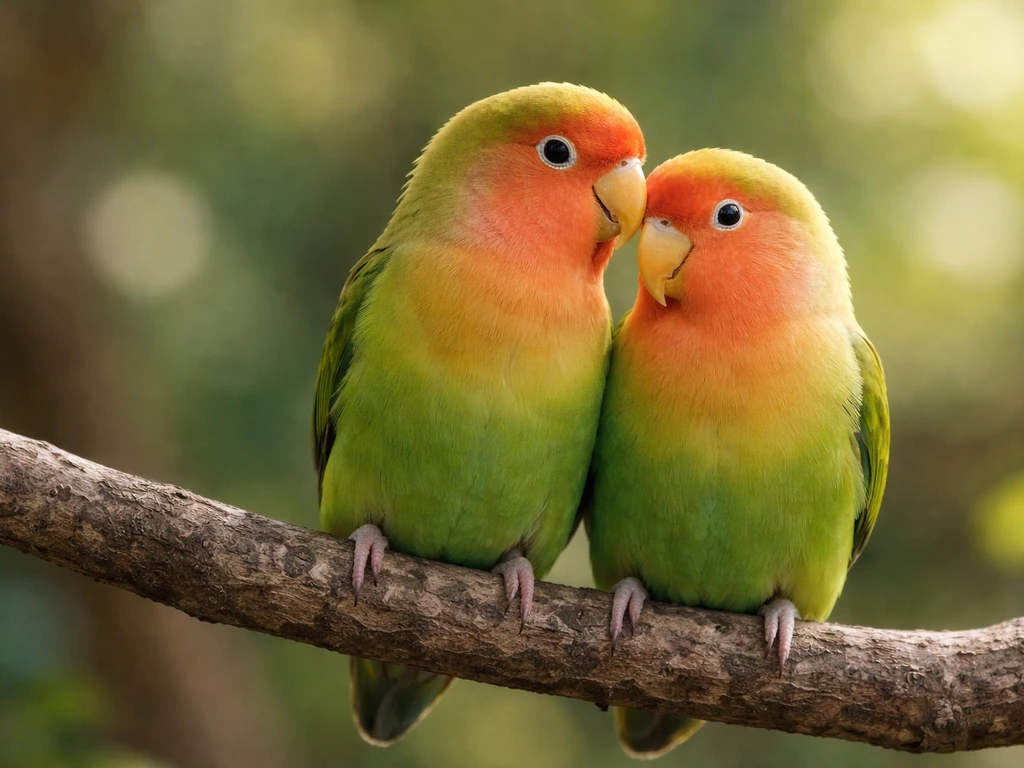
If you dreamed of interacting more closely, such as petting a bird or turning into one yourself, those experiences carry their own layered meanings that go deeper than a simple sighting. If you are wondering about turning into a bird dream meaning, focus on what you were feeling and what kind of bird it was turning into one yourself. Dreams involving lovebirds or pairs of birds often carry relational symbolism worth exploring separately too. If you dreamed of lovebirds, you may also want to explore the love bird dream meaning for what it suggests about relationships, bonding, and emotional fulfillment.
Emotional context: how your feelings shape the message
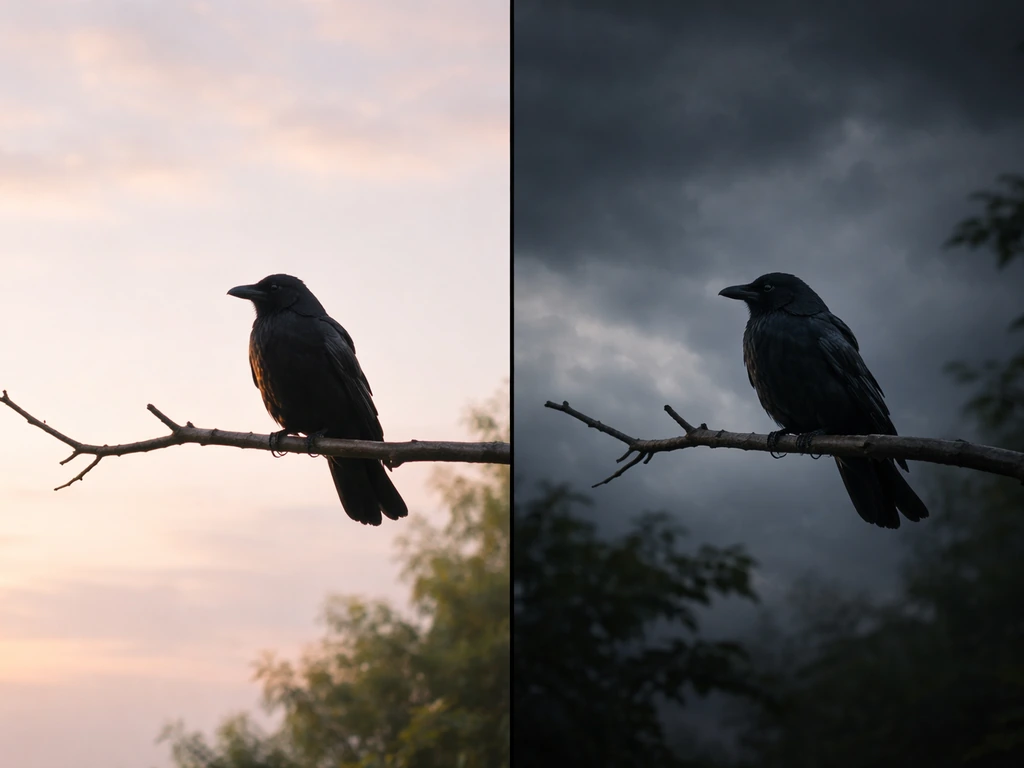
Here is something dream interpreters across every tradition agree on: the emotional tone of the dream is your most reliable decoder. Two people can dream of the same black crow and walk away with completely opposite messages, because one felt awe and the other felt dread. Your emotional response during the dream is not noise to be filtered out. It is the signal.
| How You Felt in the Dream | What It Often Points To |
|---|---|
| Peaceful, calm, or comforted | Reassurance, spiritual comfort, a message that something is okay or being watched over |
| Joyful or uplifted | Encouragement, incoming good news, a sign to move forward with hope |
| Awe or reverence | A spiritually significant encounter, possibly a divine message or soul connection |
| Curious or intrigued | An invitation to explore a new path, idea, or aspect of yourself |
| Anxious or uneasy | A gentle warning, an unresolved tension in waking life surfacing for attention |
| Fearful or threatened | A stronger warning signal, a situation requiring honest assessment, or suppressed stress finding an outlet |
| Sad or grieving | Emotional processing, especially around loss or endings, which the dream may be helping you move through |
The same bird that terrifies one dreamer may arrive as a guardian for another. Before you lock in any interpretation, ask yourself honestly: what was the dominant feeling in my chest when I woke up? That gut-level emotional residue is your clearest clue.
Spiritual and biblical perspectives on bird dreams
Birds carry rich symbolic weight across virtually every spiritual tradition on earth, and understanding a few of these frames can help you find the one that resonates most for you. None of these interpretations are offered as definitive truth, but as lenses worth considering.
Biblical and Christian perspectives
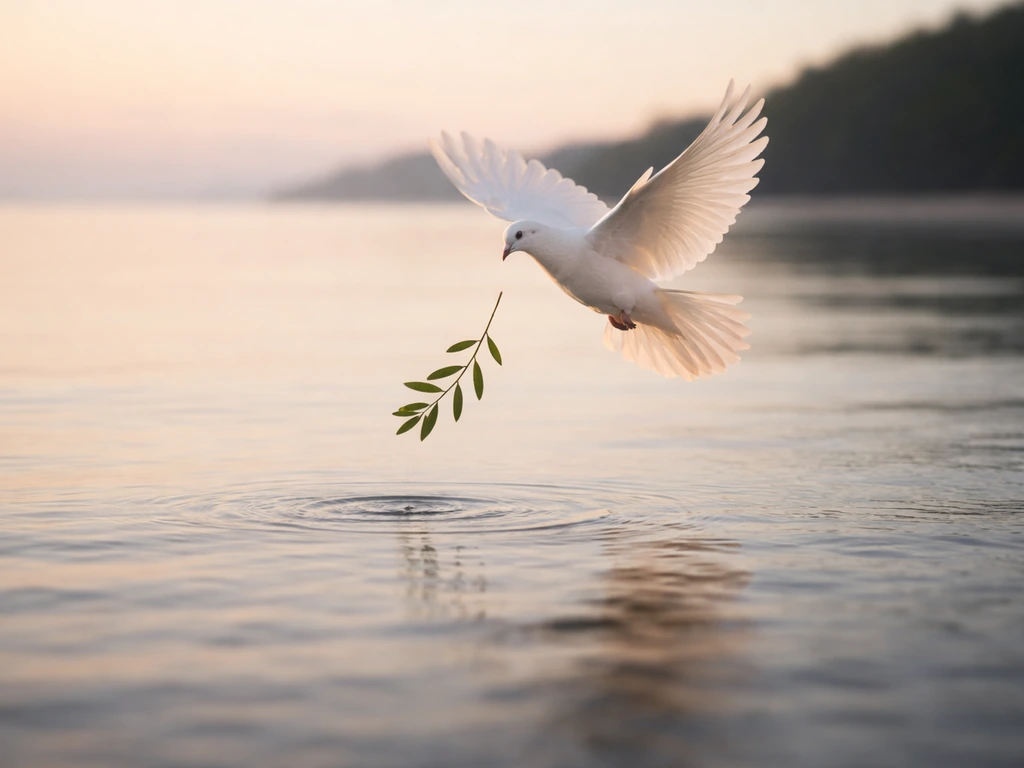
In the biblical tradition, birds appear repeatedly as vehicles of divine communication and care. The dove brings the olive branch to Noah, marking God's covenant and the end of destruction. The Holy Spirit descends in the form of a dove at Jesus's baptism. In Matthew 10:29-31, Jesus specifically uses sparrows to teach about God's intimate, attentive care, pointing out that not one sparrow falls without the Father's knowledge and that humans are worth far more.
In its Matthew 10:29-31 sermon material, Mennonite USA highlights that Jesus uses sparrows to teach God’s care and intimate knowledge of even small birds God's intimate, attentive care. Ravens feed the prophet Elijah in the wilderness.
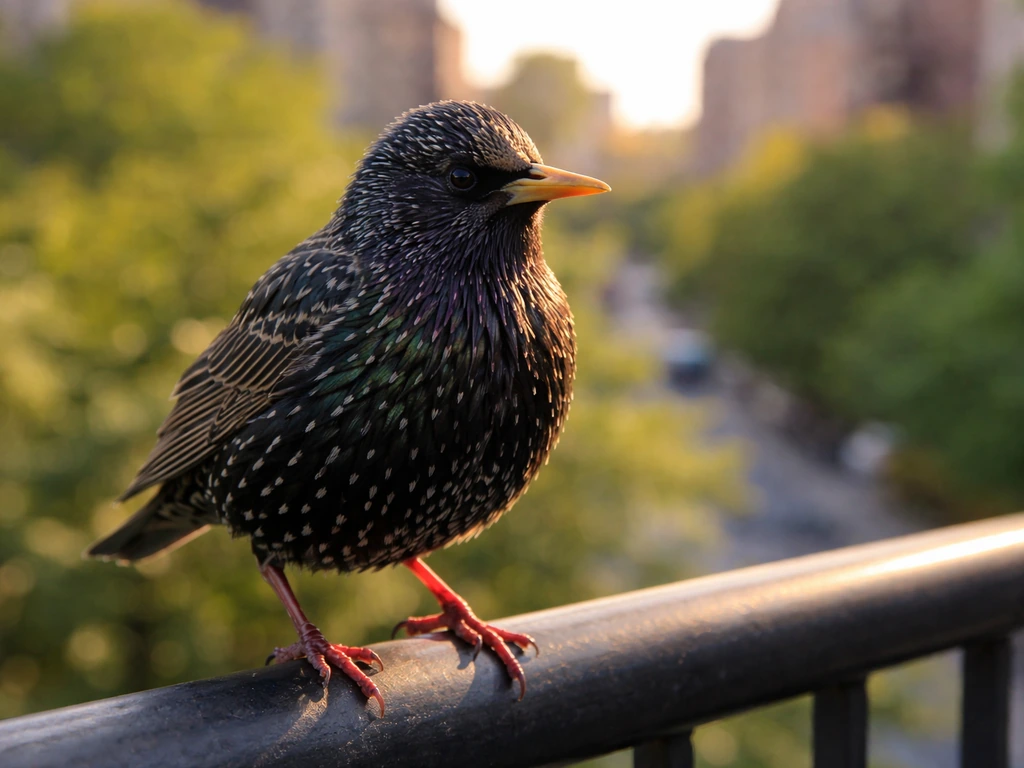
From this perspective, seeing a bird in your dream may be interpreted as a reminder of divine attentiveness, a message of comfort during hardship, or a signal that guidance is being offered. Seeing a starling bird in particular can add a more specific layer of symbolism to your dream meaning, so it is worth looking up how starlings are interpreted starling bird dream meaning.
Many Christians who dream of birds, especially doves or white birds, take it as a sign of the Holy Spirit's presence or a word of peace.
Celtic and indigenous traditions
In Celtic traditions, birds were believed to carry the souls of the deceased and to serve as intermediaries between the physical and spirit worlds. Dreaming of a specific bird could indicate a deceased loved one making contact, or a spirit guide announcing itself. Many indigenous North American traditions similarly view birds as sacred messengers, with specific species holding particular medicine or teaching for the dreamer. In these frameworks, the appearance of a bird in a dream is never accidental. It is an invitation to listen.
Eastern and metaphysical perspectives
In many Eastern traditions, birds in dreams are associated with the soul's movement and with the energy centers (chakras) related to communication and higher consciousness. Metaphysically, birds are often seen as high-vibration symbols appearing when a person is spiritually open or undergoing an awakening. If you have been meditating, praying, or doing inner work, a bird dream may be interpreted as confirmation that the work is resonating at a deeper level.
When the dream feels ominous: interpreting negative scenarios safely
Dreaming of a bird that attacks you, a bird that dies in your hands, or a flock of dark birds circling overhead can be genuinely unsettling. It is worth naming that first, before we interpret it. An ominous bird dream does not mean something terrible is coming. In most spiritual traditions, dark or frightening dream imagery serves as a prompt to pay attention, not as a prophecy of doom.
An attacking bird often reflects a situation in waking life where you feel threatened, cornered, or pressured. The bird is not the threat. It is representing a threat you may already sense. A dying bird, while sad, is almost universally associated with endings that precede transformation. In many traditions, death in a dream is the symbol most reliably linked to change and renewal rather than literal loss. A trapped bird points to feelings of confinement, and the key question it asks is: what part of your life feels like a cage right now?
If a bird dream left you frightened, the healthiest approach is to sit with the emotion without amplifying it. Healthline notes that anxiety-producing dreams are often rooted in daytime stress, and that having a frightening dream does not mean the feared event will occur. Simple breathing exercises and grounding practices after waking can help the emotional residue settle before you try to interpret the dream at all. Approach ominous bird dreams the way you would approach a warning light on a dashboard: information worth noting and addressing calmly, not a catastrophe in itself.
That said, there are times when the content or frequency of distressing dreams does warrant professional support. If bird dreams or other vivid nightmares are disrupting your sleep consistently, are connected to a traumatic event, or are causing significant daytime distress, it is both appropriate and wise to speak with a mental health professional. The American Academy of Sleep Medicine recommends imagery rehearsal therapy for recurring nightmares, and cognitive behavioral therapy (CBT) approaches have strong evidence for helping people process and reduce distressing dream patterns. Seeking that help is not a failure of spiritual interpretation. It is a smart and caring response to what your mind and body are telling you.
Practical next steps: journaling, reflection, and when to seek help
The most useful thing you can do right now, while the dream is still fresh, is to record it in as much detail as possible before the memory fades. Dreams dissolve quickly, and writing them down anchors the details you will need for meaningful reflection. Here is a simple process you can do today.
- Write down every detail you remember: the bird's species, color, size, what it was doing, where you were, who else was present, and any sounds or sensations. Do not edit or interpret yet. Just capture.
- Record your emotional experience: what did you feel during the dream? What did you feel when you woke up? Write those feelings in plain words without judgment.
- Ask: what part of my waking life mirrors the bird's behavior? If the bird was trapped, where do you feel trapped? If it was soaring freely, where do you wish you had more freedom? If it was calling or singing, what communication feels unfinished in your life?
- Ask: what message feels right? Read through the interpretations that apply to your dream's details and notice which one produces a quiet sense of recognition rather than a forced fit. That resonance is usually the most reliable guide.
- Sit with the image for 24 hours before drawing conclusions. Some dreams clarify themselves naturally once the waking mind has a chance to process the emotions.
- If the dream was distressing, use a grounding practice first (slow breathing, a short walk, a glass of water) before doing any interpretive work. Interpretation from a calm state is always more accurate.
A few journaling prompts worth exploring if you want to go deeper: What aspect of freedom, communication, or spiritual connection has been on my mind lately? Is there a message I have been avoiding or a truth I have been reluctant to acknowledge? If this bird were trying to tell me one thing, what would it be? If you’re wondering specifically about love bird dream meaning, focus on the bird’s role in your emotions and relationships in waking life. And perhaps the most honest question of all: does this dream feel like comfort, a warning, or an invitation? Trust your gut on that one. You already know more than you think you do.
FAQ
If I keep dreaming about birds, what does that mean?
Not usually. A dream bird can symbolize an energy or message, but it is not a reliable way to predict literal events. If the dream is vivid or frightening, treat it as a prompt to check your current stressors, relationships, or decisions rather than as a forecast you must follow.
Do bird dreams have the same meaning for everyone?
Start with the dream’s emotional tone over the symbol. Recurring bird dreams often show a repeated theme your mind is still processing, such as a need for communication, desire for more freedom, or unfinished closure. If the recurrence comes with poor sleep or daytime anxiety, consider a structured approach like journaling for patterns and, if needed, talking with a therapist.
How can I personalize the meaning if I don’t relate to any spiritual interpretation?
Yes, but there are practical ways to personalize it. Note the species (sparrow, crow, dove), color, and what you did, then compare that to your real-life context. If you felt calm during the dream, lean toward themes like reassurance or clarity, while dread or panic often points to a boundary issue or threat perception you are already carrying.
What does it mean if I dream that I become a bird?
If you turned into a bird or dreamed of birds acting unusually, focus on identity and agency, not just symbolism. The key question is what part of you wanted to rise, escape, or communicate. For example, if you felt empowered as the bird, it can reflect readiness to take action; if you felt trapped, it may reflect fear of being controlled.
How should I interpret a bird dying or being trapped in my dream?
Different from a generic bird dream, a trapped bird or bird that dies tends to represent blocked movement, an ending, or a change process you are resisting. The practical step is to identify one area where you feel stuck and ask what would make “freeing” possible, such as setting a boundary, changing routines, or having a difficult conversation.
What if I feel scared or uneasy after dreaming about a bird?
Use the feeling you wake with plus the body sensations during the dream. If you woke up anxious, do not force a “good news” story, instead ground the emotion first, then interpret with one concrete waking-life link (a person, decision, or deadline). Anxiety often reflects daytime stress, not only spiritual meaning.
Do specific actions like a bird landing, circling, or bringing something have different meanings?
Look for the specific action. A bird landing near you, carrying something, or delivering a message often points to “attention” or “information coming in,” while a bird repeatedly circling can reflect ongoing thoughts, unresolved decisions, or a message you have not acted on yet.
Could a bird dream just be influenced by what I saw or watched that day?
If you recently had a meaningful interaction with someone who loves birds, or you watched bird content before sleeping, your dream may be partly your brain processing recent input. Still, you can interpret it by asking what the bird symbol represents emotionally for you right now, because personal meaning usually outweighs the literal trigger.
What’s the best way to journal about a bird dream so I don’t overthink it?
Yes. If you are able to safely and comfortably, write down the dream while details are fresh, then summarize it in one sentence including your dominant emotion. After that, choose one journaling prompt that matches your feeling (comfort, warning, or invitation) and avoid collecting dozens of interpretations at once, which can blur the signal.