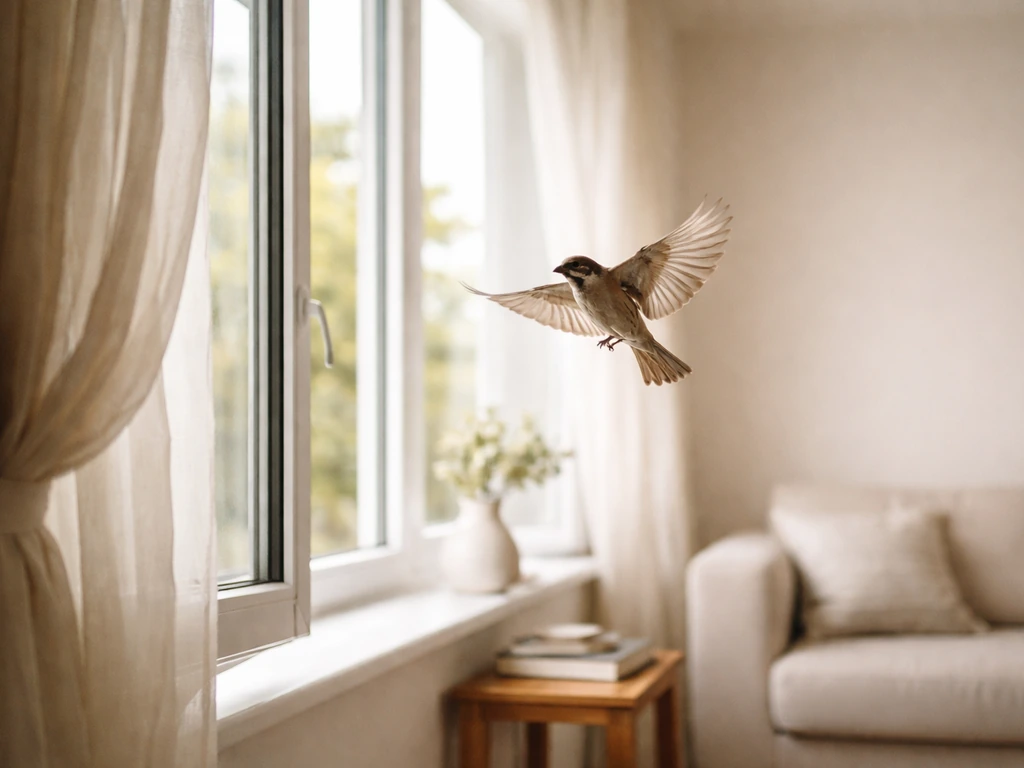
A bird inside your house almost always got there by accident: an open door or window, a chimney gap, a confused flight toward a light at night. That is the most likely explanation, and it is where you should start. Once you have helped the bird safely out and cleaned up any mess, then it is absolutely worth sitting with the question of what the encounter might mean to you personally. If you are trying to understand what it means when a bird enters your home, it helps to start with the natural explanation before you explore symbolism. Both things can be true at once.
Meaning of Finding a Bird in Your House: What to Do

Maya Hartwell
5 Jun 2026
What it usually means (the natural explanation first)
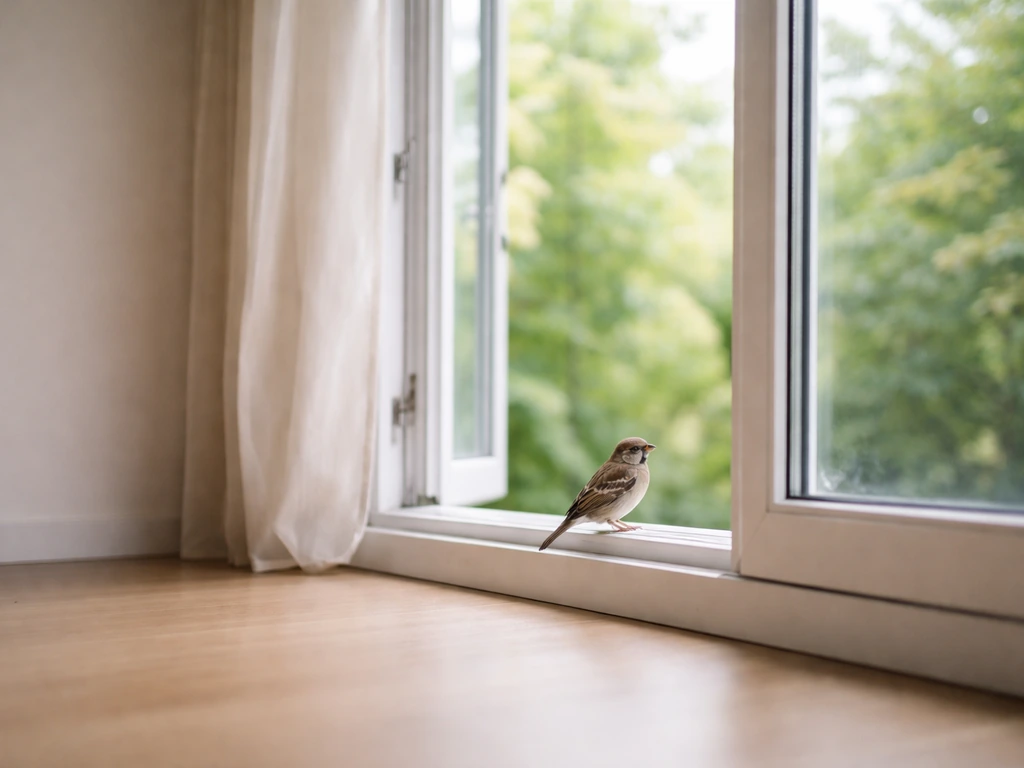
Birds do not choose to come inside your home for mystical reasons. They end up there because something in their environment confused them. Reflective glass looks like open sky. Interior lights visible through windows draw migrating birds, especially at night.
Storms push small birds into unfamiliar spaces while they search for shelter. An open door on a warm day is simply an open door. Once inside, a bird panics and tries to escape toward the brightest light it can see, which is often a closed window rather than the exit. That frantic, repeated flight pattern is normal confusion, not a message.
The same logic applies whether it is a sparrow, a pigeon, or something more unusual. If a bird is resting quietly rather than flying, it may be stunned, exhausted, or injured, and that changes your immediate response.
Why birds get inside: the most common entry points and scenarios
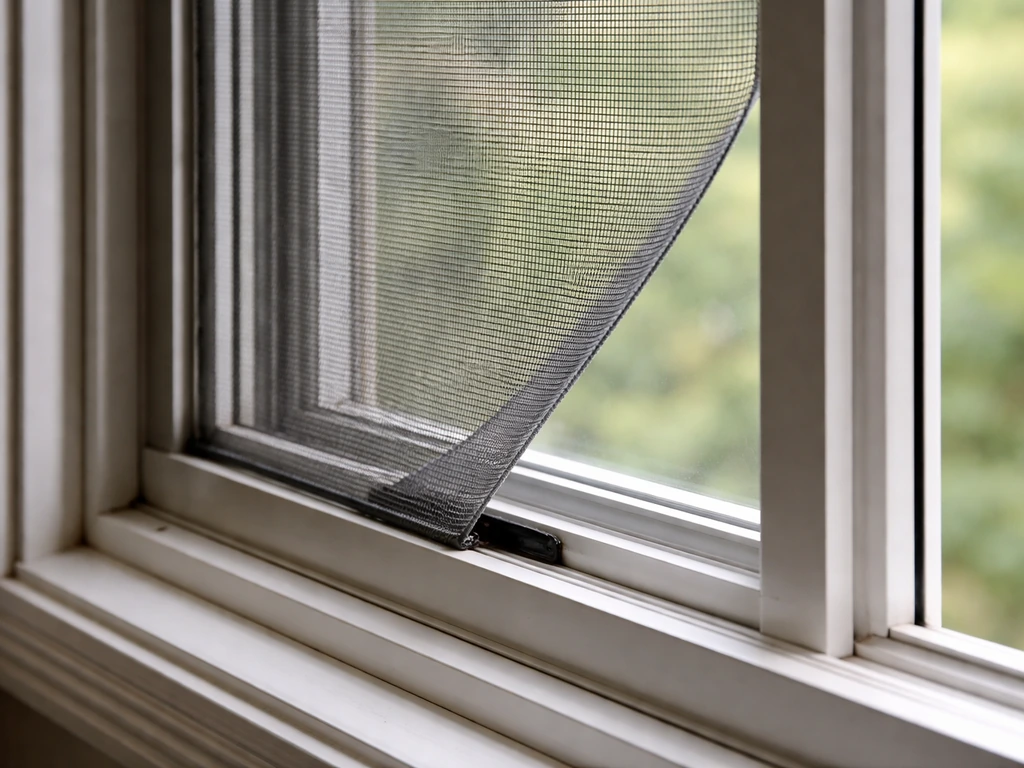
Understanding how the bird got in helps you respond correctly and prevents it from happening again. The most frequent entry points and triggering situations include:
- Open doors and windows, especially during spring and summer when people air out their homes
- Uncapped or damaged chimneys, which birds sometimes enter while exploring potential nesting sites
- Gaps around vents, eaves, and roof soffits, particularly for smaller species like sparrows or starlings
- Garages left open during the day, which birds fly into and then cannot find their way back out of
- Nighttime lights inside the house that draw migrating birds through open or weakly screened windows
- Storms and strong winds that disorient birds and push them into covered areas
- A nearby active nest, meaning the bird may already consider your home part of its territory
Knowing the entry point also matters for cleanup and prevention. A bird that came in through the chimney may have left soot and droppings in your fireplace. One that has been nesting in a vent may indicate a recurring situation rather than a one-time event.
Immediate safety steps for you and the bird
The goal here is simple: create the clearest possible exit route and let the bird find it on its own. Avoid chasing or grabbing the bird unless it is clearly injured and cannot move. Follow these steps in order.
- Secure pets and keep children calm. Put dogs, cats, and other pets in a separate room immediately. A panicked bird and an excited pet is a dangerous combination for both animals.
- Close all interior doors. Contain the bird to one room so it has less space to get disoriented in. Fewer rooms means fewer windows to crash into.
- Identify one exterior exit. Open a single exterior door or window fully and remove the screen if possible. The larger and more obvious the opening, the better.
- Darken the interior. Close blinds on windows that are not your designated exit. Turn off interior lights. Birds fly toward light, so you want the only light source to be your open exit.
- Give it time. According to the Wisconsin Humane Society, given time a bird will usually fly toward the light and out the open door. Step back, stay quiet, and let this happen naturally.
- If the bird is perched high and not moving toward the exit, Wildlife Illinois recommends gently using your arms or a broom (without contact) to encourage it downward and toward the opening.
- Use a towel or box only as a last resort. If the bird is exhausted, stunned, or clearly injured and not moving, you can gently place a light towel over it to calm it, then scoop it into a cardboard box with air holes to contain it safely.
When to call wildlife rescue instead of handling it yourself
Most healthy birds will leave on their own once you give them a clear exit. But some birds need professional help. Contact a licensed wildlife rehabilitator or vet if you notice any of the following: an obvious wound or blood, a drooping wing, an inability to stand, labored or fast breathing that has continued for at least two hours, or complete lethargy.
The RSPCA notes that wild birds often hide signs of pain, so if something seems off, trust your instinct and call for help. Audubon also recommends getting any bird that has struck a window to a wildlife rehabilitator, because internal injuries are not always visible to an untrained eye. If the bird is a nestling (no feathers, eyes not open), do not attempt to release it outside. That requires a rehabilitator.
How to handle the cleanup

Bird droppings can carry pathogens including the fungus Histoplasma, which the CDC links to a lung infection called histoplasmosis, as well as avian influenza viruses shed in saliva, mucus, and feces. This does not mean a single indoor bird visit is a major health emergency, but it does mean cleanup should be done carefully and not casually.
- Never dry-sweep or dry-wipe bird droppings. According to a university cleanup protocol from CSUCI, you should apply soapy water to droppings before and during cleanup to prevent dust and spores from becoming airborne. The CDC also notes that aerosolizing particles during cleanup is a key risk to avoid.
- Wear disposable gloves and, if cleaning up a larger amount of droppings, consider rubber-soled booties and a surgical mask or respirator. The CDC includes safety goggles as a precaution in situations where splashing is possible.
- Do not use pressurized water or sprays that could aerosolize particles.
- Do not handle droppings with bare hands, and never clean up near food-preparation areas without thoroughly disinfecting afterward.
- Dispose of soiled paper towels, gloves, and any feathers in a sealed plastic bag in your outdoor trash.
- Wash your hands thoroughly with soap and water after the entire cleanup, even if you wore gloves.
- If you find evidence of bird mites (tiny crawling specks around the entry point or perch areas), Washington State University's Pest SENSE notes that northern fowl mites and chicken mites can survive off a host for weeks to months, so treat the area and consider calling pest control.
When the encounter might carry spiritual or symbolic meaning
Once the practical side is handled and everyone is safe, it is completely natural to ask: why did this happen today, in my home, at this moment? That question is worth exploring. The Environmental Literacy Council frames it well by pointing out that while some people believe a bird indoors is a spiritual message or omen, the meaning you draw from it is ultimately personal. No tradition holds a monopoly on what it means, and the details matter enormously.
Across many spiritual frameworks, birds are seen as messengers between the physical and spiritual worlds. An indoor bird encounter, which breaks the usual boundary between outside and inside, between wild and domestic, is seen in many traditions as a liminal moment: something is crossing a threshold, and that threshold might be yours.
Common spiritual readings include a sign of incoming change or transition, a message from a loved one who has passed, a nudge toward spiritual awakening or greater awareness, or a symbol of protection and guidance during a difficult time. The species involved shifts the interpretation significantly. A dove carries very different energy in most traditions than a crow or a blackbird.
If you are curious about what a specific species might mean when it enters your home, that is worth exploring separately. Some people also look up specific species, like a myna bird, and connect the timing or “coming home” themes to astrology and personal meaning.
The timing in your life also shapes the reading. If you were already standing at a crossroads, grieving a loss, making a major decision, or feeling a sense of spiritual restlessness, the bird's arrival may feel like punctuation on something you were already processing. If life was ordinary and uneventful, you might read it as an invitation to pay more attention. There is no single correct interpretation.
Cultural, biblical, and folklore traditions around birds entering a home
Human beings have been reading meaning into indoor bird encounters for a very long time, across nearly every culture on earth. The interpretations are varied, sometimes contradictory, and often rooted in deeply local context. Here are some of the most commonly cited traditions.
Southern and Appalachian folklore
One of the most widely recognized superstitions in Southern and Appalachian American tradition holds that a bird flying into a house means either a visitor is coming or that death is near. A common question is dreaming of bird flying in the house meaning, especially when the bird appears during a stressful or transitional time. The association with death is not meant to be taken literally by modern readers so much as understood as a sign of major change, a significant transition, or the end of one chapter and the beginning of another.
European and Northern folklore
Several European folklore traditions assign meaning to where the bird lands inside the house. One variation documented by BirdSpot describes a superstition in which a bird that enters, circles a room, and lands on the back of a chair signals misfortune for the person who usually sits in that chair. Regional variations across the British Isles, Scandinavia, and parts of Germany treat an indoor bird as an omen of illness, bad luck, or death in the family, though these associations vary greatly by species. A robin, for instance, carries a warmer and more protective symbolism in English folklore than a crow would.
Biblical and religious symbolism
In both Jewish and Christian traditions, birds carry deep symbolic weight. blank" rel="noopener noreferrer">The dove in particular is one of the most universally recognized religious symbols, associated with peace, the Holy Spirit, and divine favor. When a dove appears in or around the home in these traditions, it is often read as a blessing or sign of God's presence. More broadly, birds in the Bible are depicted as creatures under divine care (Matthew 10:29 references God's awareness of every sparrow), which some believers interpret as reassurance that even an unexpected bird encounter is not outside of divine notice or intention.
Transformation, wisdom, and mystery
Across Celtic, indigenous, and various Eastern traditions, birds are closely linked to the soul, to transformation, and to movement between worlds. The Environmental Literacy Council notes that many traditions associate an indoor bird with mystery, wisdom, and the possibility of transformation. In some indigenous North American traditions, specific birds are considered messengers from ancestors or spirit guides, and their appearance in an unusual place is taken as a deliberate communication rather than an accident.
A quick look at how species changes the reading
| Species | Common symbolic associations in various traditions |
|---|---|
| Dove | Peace, divine favor, love, the Holy Spirit (biblical and Christian traditions) |
| Robin | Hope, new beginnings, a visiting spirit of a loved one (British and Celtic folklore) |
| Crow or Raven | Transformation, intelligence, mystery, a message from the spirit world |
| Blackbird | The threshold between worlds, magic, spiritual awakening (Celtic tradition) |
| Sparrow | Community, simplicity, divine care for the humble (biblical symbolism) |
| Owl | Wisdom, transition, an omen of significant change (various cultures) |
| Swallow | Good luck, safe return, protection of the home (European and Asian folklore) |
What to do next: observe, reflect, and decide
Whether you lean toward the practical or the symbolic, there are clear next steps after a bird has been in your home. The two paths are not mutually exclusive.
On the practical side
- Check and seal the likely entry point to prevent a repeat visit. Look at windows, chimney caps, vents, and gaps around eaves.
- If the bird was injured or you are unsure of its health, follow up with a wildlife rehabilitator rather than waiting.
- Complete the cleanup process described above before using the affected space as normal.
- If the bird is returning repeatedly to the same spot, consider whether there is a nesting situation that needs professional assessment.
On the symbolic and spiritual side
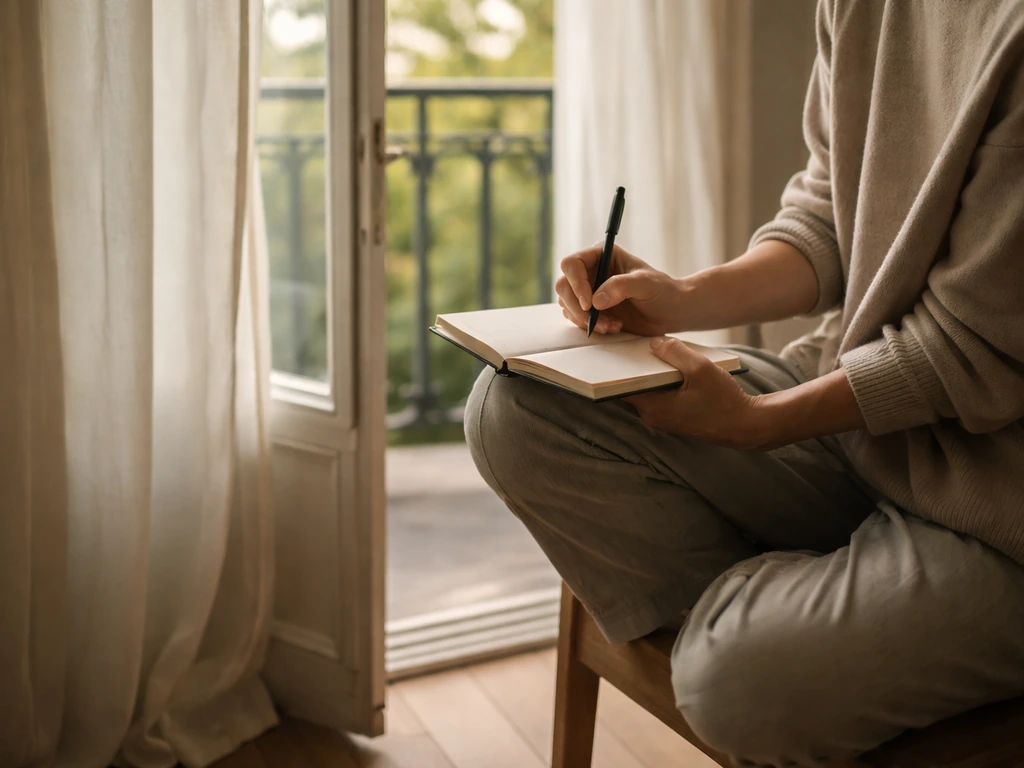
Before the details fade, take a few minutes to note what you observed: the species if you recognized it, the time of day, where in the house it appeared, how it behaved (frantic versus calm, landing in specific spots), and how you felt during the encounter. These details are what give a symbolic reading its texture. A bird sitting quietly and looking at you for a sustained moment feels different from one crashing against every window in a panic. Both can carry meaning, but they are not the same encounter.
Then ask yourself some honest questions. What was happening in your life on the day of the encounter? Were you anxious about something, grieving someone, or at a point of decision? Is there a relationship, a project, or a belief that feels like it is ending or beginning? The symbolism of birds entering a space, crossing a threshold from wild to domestic, maps easily onto life transitions of all kinds. What threshold might you be crossing right now?
If the encounter felt significant to you, it is worth journaling about it, talking to someone in your spiritual community, or simply sitting with it for a few days. You do not need to force a meaning, and you do not need to dismiss it either. Similar questions arise when people encounter a specific species indoors, like a blackbird or a myna bird, or when they dream about a bird flying through their home, and those threads are worth following if this encounter sparked genuine curiosity. The most honest answer is that the natural explanation is almost certainly true, and your personal interpretation is also valid. You get to hold both.
FAQ
What if the bird keeps flying into the same window and never finds the exit?
Yes. If the bird repeatedly hits windows, lands in the same spot, or you find it dazed on the floor, treat it as a higher-likelihood of injury and follow the professional-help triggers, especially if labored breathing or lethargy shows up for more than a couple of hours.
How can I guide the bird out without chasing it?
Turn off the interior lights near the exit and use one brighter light outside or by an open door, then close off other rooms. This reduces the bird’s instinct to escape toward the brightest visible surface, which is often a closed window.
Can I just open the door and let a stunned bird go outside?
Avoid releasing a stunned or uncoordinated bird immediately outside. If it cannot stand, cannot right itself, or seems unusually weak, contact a wildlife rehabilitator first, because internal injuries and shock are common even when there is no visible bleeding.
What should I do if the bird is a baby (nestling) indoors?
If you find a nestling or a baby bird (no feathers or eyes not open), do not feed it and do not attempt to raise it yourself. Contact a rehabilitator, because the correct diet and warmth requirements are species-specific.
How should I clean bird droppings safely after the bird is gone?
Do not use disinfectants casually while the bird’s droppings are still present. Wear gloves and a mask, pick up droppings with paper towels, then clean with an appropriate cleaner and ventilate the area, especially if you have anyone in the home with asthma or compromised immunity.
Is it safe to let pets be around the bird or the cleanup area?
If you have cats or dogs, keep them separated from the bird and from the cleaned area until cleanup is complete. Pets can track droplets or carry contamination on paws and fur even after the bird leaves.
The bird hit a window, but it seems okay now, should I still get help?
If you get a direct strike to the window, the article’s “seek help” advice applies. Window strikes can cause internal trauma, so even if the bird seems alert at first, it is still a good idea to contact a rehabilitator.
What if I find birds in my house repeatedly?
Yes. An indoor encounter that keeps happening often points to a recurring attractant, like a repeatedly lit window, a reflective surface, or a vent/chimney gap with regular access. Tracking which room it enters from helps you fix the correct entry point.
What if I cannot identify the bird species, does that affect the “meaning”?
If you do not recognize the species, focus on behavior and where it landed, rather than guessing symbolism. Many interpretations are species-dependent, so uncertain identification is a reason to delay spiritual conclusions and rely more on the practical explanation.
What if the encounter makes me feel scared or unsettled?
If your first instinct is fear, it is reasonable to prioritize safety and cleanup first, then decide later whether to explore symbolism. Practical steps reduce anxiety, and you can revisit meaning once you have confirmed the bird is safe and the area is secure.
Next Article
Meaning of a Bird Getting Inside the House and What to Do
Learn why a bird enters your home, how to safely guide it out, and common spiritual meanings behind the visit.