
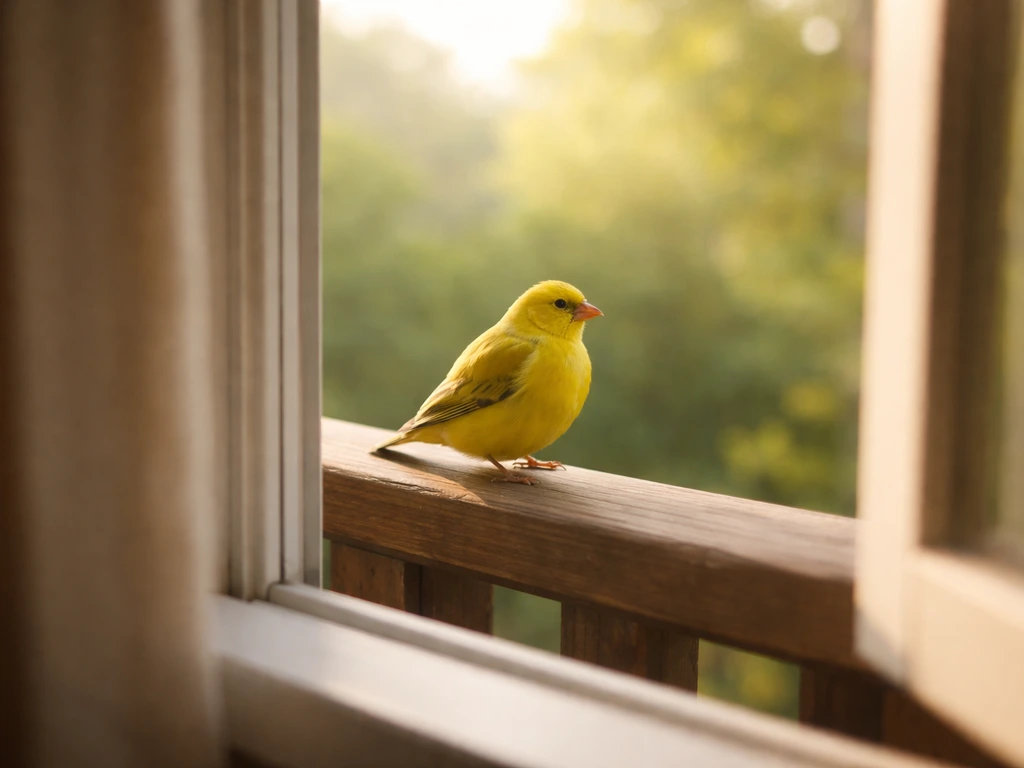
A yellow bird showing up near you, on a fence post, at your window, on a branch right at eye level, tends to stop you in your tracks. And if you're here, you're probably wondering whether that moment meant something. The short answer: it can mean quite a bit, depending on the bird's behavior, the context of your life right now, and which interpretive lens feels most true to you. But it's also just possible a small warbler was doing what small warblers do. This article will help you figure out which situation you're in, and what to make of either one.
What Does It Mean When a Yellow Bird Visits You?

Maya Hartwell
16 Apr 2026
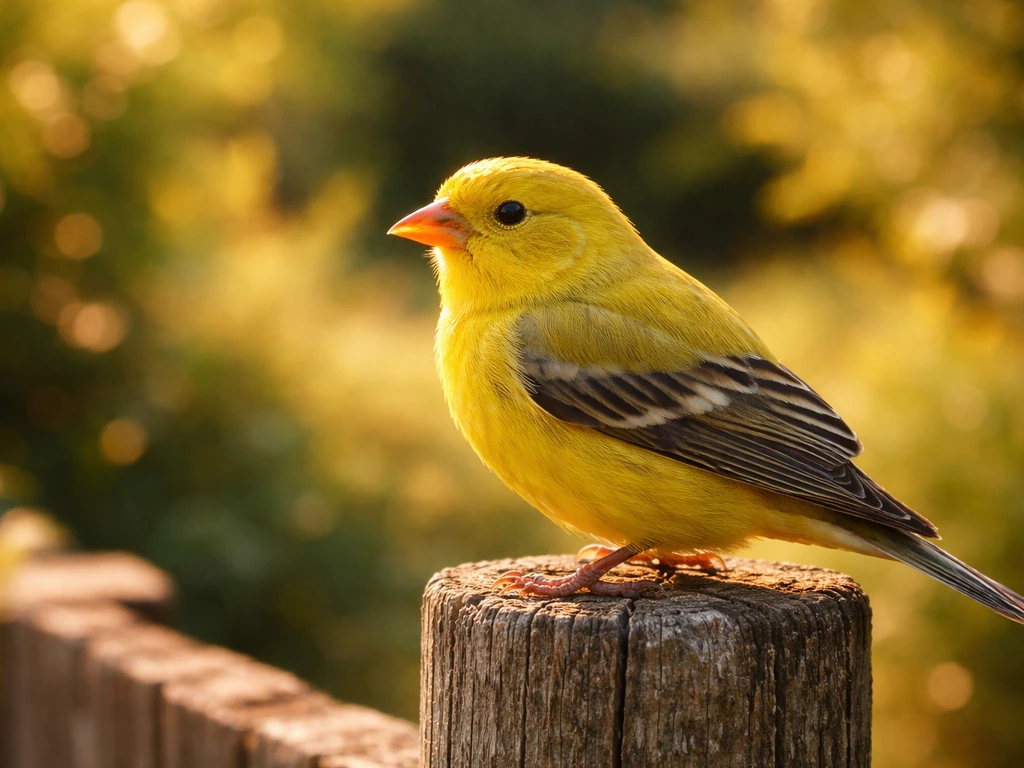
Spiritual message or just a bird being a bird?
This is always the first honest question to ask. Yellow birds, especially bright, bold ones that seem to linger near you, have been interpreted as messengers, omens, and symbols of hope across dozens of cultures. At the same time, many small yellow songbirds are highly visible precisely because of their coloring, their territorial singing, and their tendency to move through yards, gardens, and parks in ways that feel personal but are really just normal foraging routes.
So which is it? Most likely, it's both. The bird has natural reasons for being where it is. And you, as a thinking, feeling person, can still draw real meaning from the encounter. These two things don't cancel each other out. The question worth sitting with isn't "was this a sign or not?" but rather "what does this moment invite me to notice?" That's a much more useful frame, and it's the one I'll come back to throughout this article.
Common yellow birds and what they're traditionally linked to
The species matters more than most people realize. "Yellow bird" covers a wide range of very different creatures, each carrying its own traditional associations. Here's a quick look at the ones you're most likely to encounter in North America and what they're typically connected to symbolically.
| Bird | Key Traits | Traditional Symbolic Association |
|---|---|---|
| American Goldfinch | Bright lemon-yellow in summer, olive-yellow in winter, small and acrobatic | Joy, optimism, lightness of spirit, creative energy |
| Yellow Warbler | Small, vivid all-yellow bird, sings in open shrubby areas | New beginnings, clarity, gentle guidance |
| Common Yellowthroat | Olive-yellow body, bold black mask on males, skulks in dense vegetation | Hidden truths, protection, the unseen made visible |
| Yellow-rumped Warbler | Mostly gray/brown with bright yellow rump and side patches | Adaptability, resilience, finding warmth in difficult seasons |
| Evening Grosbeak | Stocky, vivid yellow and black, shows up in irregular winter flocks | Abundance, unexpected blessings, community |
| Prothonotary Warbler | Brilliant golden-orange yellow, swamp habitat | Transformation, illumination, rare gifts |
A few practical notes: the Common Yellowthroat, for instance, is most at home in wet areas with dense low vegetation and tends to stay hidden. If one appeared openly near you, that's actually unusual behavior and worth paying attention to. The Yellow-rumped Warbler is a hardy winter traveler whose range shifts with food availability and weather patterns, so a winter visit from one can carry the symbolic weight of persistence through cold seasons. Knowing what bird you're actually looking at helps you match the symbolism more precisely.
What the color yellow means in bird encounters
Color symbolism is one of the oldest human meaning-making tools we have. Yellow, specifically, carries a remarkably consistent message across traditions: it is the color of the sun, of light breaking through, of mental clarity and creative fire. In the context of a bird encounter, yellow is almost universally positive.
- Joy and optimism: Yellow is consistently associated with lightness, warmth, and happiness. A yellow bird arriving during a difficult stretch is often interpreted as a reminder that better energy is available to you.
- Hope and new beginnings: Many spiritual traditions link yellow birds to dawn energy — the promise of something fresh, even when you can't see it yet.
- Mental clarity and intellect: In metaphysical traditions, yellow corresponds to the solar plexus chakra, which governs confidence, personal power, and clear thinking. A yellow bird may signal it's time to trust your judgment.
- Healing: Yellow is connected to emotional and physical healing in several folk traditions, particularly around releasing worry or anxiety.
- Communication and creativity: The singing behavior of many yellow birds (especially warblers) doubles the symbolism — a bright, vocal bird combines the color's energy with the act of expression itself.
Think about where you are right now. Are you stuck on a decision? Recovering from something hard? Starting a new project or relationship? The symbolism of yellow tends to map directly onto whichever of those resonates most strongly for you, which is why people often feel like the message was "personal" even when they're uncertain about spiritual frameworks in general.
What might this encounter be saying to you personally?
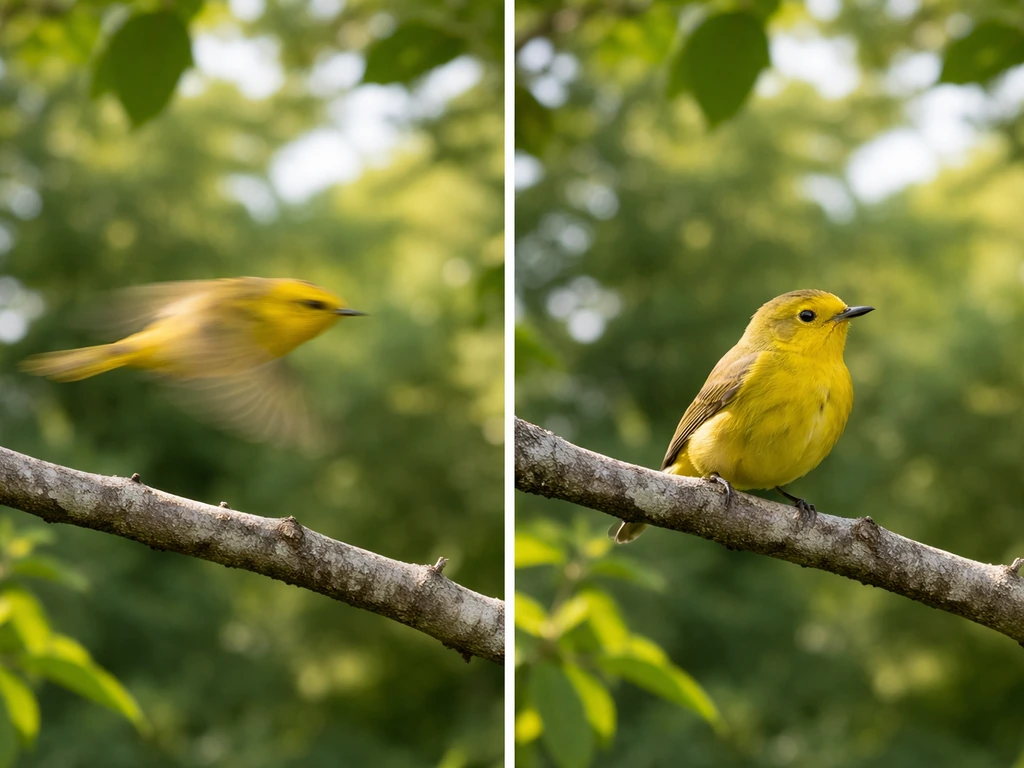
This is where interpretation gets genuinely useful. Rather than looking up a fixed answer, try using the encounter as a prompt for honest reflection. Here are the questions I find most valuable to ask after a yellow bird visit.
- What were you thinking about right before the bird appeared? Moments of symbolic encounter often land hardest when they interrupt a specific worry or loop of thought. Was there something you were mentally chewing on?
- Is there an area of your life where you've been waiting for a signal to move forward? Yellow bird symbolism consistently points toward action, confidence, and forward momentum — not staying stuck.
- Have you been neglecting joy or creativity? Yellow is one of the most "expressive" colors in symbolic systems. The bird's presence might be nudging you toward something you've been putting off.
- Are you in the middle of a relationship shift, a career change, or a health journey? Each of those maps to a different facet of yellow's symbolic meaning, and any one of them can feel illuminated by the encounter.
- Did the bird feel like a greeting or a warning? Your gut read matters. In many folk traditions, the emotional quality of the encounter (peaceful vs. agitated, brief vs. lingering) is the real message.
If a yellow bird has been coming back repeatedly, the personal message angle becomes harder to ignore. what it means when a bird visits you every day is a question worth exploring separately, because repeated visits shift the interpretation considerably, from a passing moment to something that seems to want your sustained attention.
What different traditions say about yellow birds
Biblical and Christian traditions
The Bible doesn't call out yellow birds specifically, but birds as messengers of divine care are woven throughout scripture. The famous passage in Matthew 10:29-31 reminds readers that not even a sparrow falls without God's notice. Small, bright birds in Christian folk tradition were often seen as carrying messages of reassurance, particularly to those in grief or uncertainty. Yellow, as the color of gold and divine light, amplified that sense of sacred presence. In some Catholic and Eastern Orthodox folk traditions, a bright bird arriving unexpectedly was taken as a sign of angelic proximity. If that angle resonates with you, the feeling of being "watched over" that a yellow bird visit can produce has real roots in this tradition.
Celtic and European folklore
In Celtic traditions, yellow birds (particularly goldfinches and canaries in later European folklore) were seen as soul-birds: creatures that carried the energy of departed loved ones or served as guides between the living world and whatever lies beyond it. A yellow bird at a window was taken as a visit from someone who had passed, offering comfort. A yellow bird hitting or appearing at a window can happen because birds often see reflections of habitat, sky, or trees but do not realize there is a hard barrier in the way A yellow bird at a window was taken as a visit from someone who had passed. In broader European folk tradition, bright songbirds near a home were generally considered fortunate omens, associated with prosperity and household harmony.
Indigenous and Eastern perspectives
Many Indigenous North American traditions treat birds as spirit messengers, with the specific meaning tied to the nation's own symbolic vocabulary rather than a universal code, so it's important not to flatten those interpretations into a single "Native belief." That said, yellow and gold colors in many traditions across the Americas are linked to the sun, life force, and direction (often the East, associated with new beginnings and illumination). In several East Asian traditions, yellow birds, especially golden ones, are associated with luck, happiness in the home, and the arrival of good news. Japanese folklore particularly honors small yellow birds as symbols of joy and domestic harmony.
It's interesting to compare this to the symbolism carried by other vividly colored bird visits. what it means when a red bird visits you follows a similar cross-cultural pattern, bright color, strong emotional response, and meanings that cluster around love, vitality, and divine connection. Yellow sits in a different emotional register, leaning toward intellect and hope rather than passion and urgency.
How the bird behaved changes the meaning
Not all yellow bird visits are the same, and behavior is often the most overlooked part of the interpretation. Here's how to read what you actually observed.
How it approached and where it landed
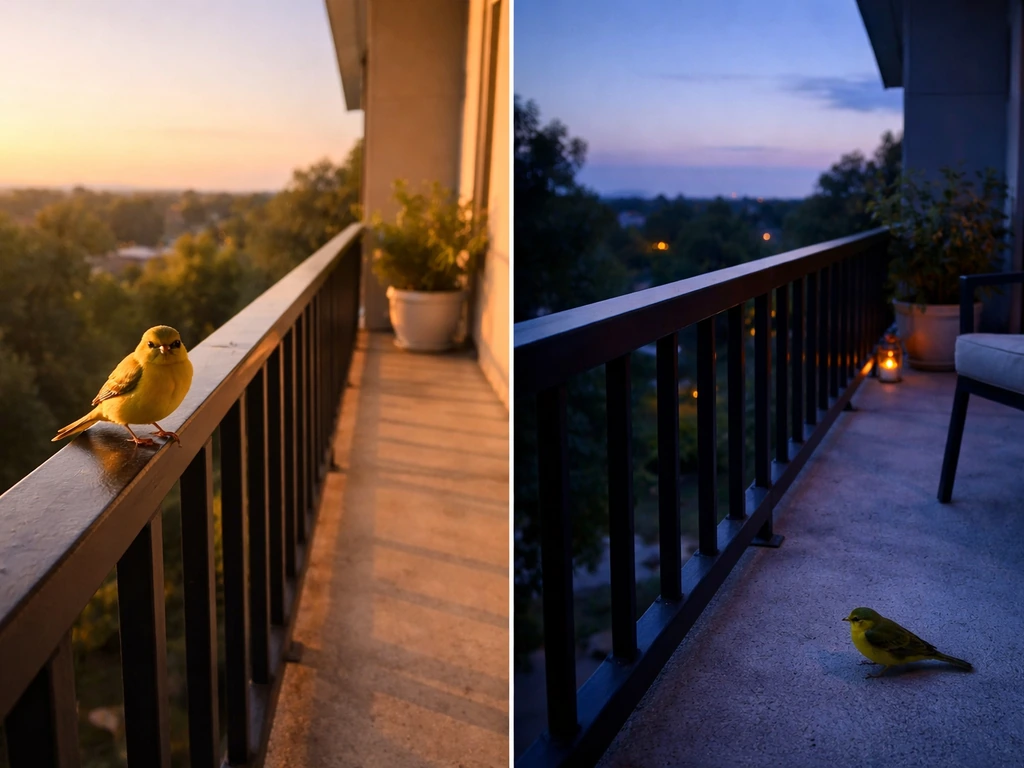
A bird that lands very close to you, on a railing, a nearby chair, or the ground right at your feet, is behaving unusually and is traditionally interpreted as a more direct, personal message. A bird that sings from a nearby branch but keeps its distance is more commonly read as a general blessing or positive omen for the surrounding environment. Landing on your home specifically (roof, windowsill, porch) is interpreted in many traditions as a message for the household as a whole. what it means when a bird visits your home goes deeper into the home-specific symbolism, which carries its own rich layer of interpretation beyond just the color.
Morning vs. evening timing
Timing has always mattered in bird omens. A yellow bird visit in the morning, especially at sunrise or shortly after, is widely read as a sign of fresh starts and incoming positive energy. It aligns perfectly with yellow's solar symbolism. An evening visit is less common in yellow bird tradition (most small yellow songbirds are diurnal), but if it happens, it's sometimes interpreted as a message to wrap something up, offer forgiveness, or prepare for a significant change. A midday visit during bright sunlight tends to amplify yellow's association with clarity and confidence.
How long it stayed
A brief fly-past is gently encouraging, a quick nod of positive energy. A bird that lingers, that returns multiple times to the same spot, or that seems to watch you directly is traditionally interpreted as carrying a more urgent or important message. In the Reddit thread, a birdwatcher describes goldfinches knocking on their window each morning and notes they put out birdseed after observing the behavior lures, or that seems to watch you directly. The Common Yellowthroat, for example, is known for its confident, persistent territorial singing, males repeat their distinctive song continuously to hold their space. If a bird like this stays near you and keeps singing, the folk interpretation of persistence and vocal confidence maps naturally onto what you might need to hear.
Healthy vs. distressed behavior
A vivid, active, singing yellow bird carries very different energy from one that is grounded, silent, or visibly injured. A healthy bird is almost universally a positive omen. A bird that seems injured, disoriented, or struggling is more nuanced: some traditions read it as a call to act (to help, to heal, to intervene in something), while others see it as a warning that something delicate in your life needs attention. Practically, it also means you may need to help the bird itself, more on that below.
Yellow birds compared to other symbolic visitors
If you've been drawn to the symbolic side of bird encounters more broadly, it helps to understand how yellow fits into the wider color-meaning spectrum. Each color carries a distinct emotional and spiritual register.
| Bird Color | Core Symbolic Theme | Typical Emotional Tone of Encounter |
|---|---|---|
| Yellow | Joy, hope, clarity, new beginnings, healing | Uplifting, encouraging, intellectually clarifying |
| Red / Cardinal | Love, vitality, divine connection, urgency | Passionate, emotionally charged, spiritually direct |
| White | Purity, peace, spiritual presence, transition | Calm, sacred, sometimes associated with loss and comfort |
| Black | Mystery, transformation, endings making way for beginnings | Sobering, thought-provoking, not necessarily negative |
| Mixed / Multicolor | Complex messages, duality, integration of opposites | Layered, personal, requires more contextual reading |
Cardinals are probably the most culturally prominent symbolic bird in North America right now, and their red coloring carries a very different energy than yellow. what it means when a cardinal bird visits you covers that specific tradition in depth, including the popular belief that cardinals carry messages from loved ones who have passed. Yellow birds tend to be more associated with living guidance and forward movement, rather than connections to those who've died. And on the other end of the spectrum, what it means when a white bird visits you leans into themes of peace and spiritual transition that are more solemn than yellow's bright optimism. what it means when a black bird visits you rounds out the color spectrum with a very different set of associations centered on change and shadow work.
One thing many people don't realize: the same bird species can carry different meanings depending on where it appears. A yellow bird at a feeder, especially one you've intentionally set up to attract wildlife, is sometimes treated as less "omen-like" by spiritual seekers than one that appears unexpectedly at a window or in an unusual location. the spiritual significance of birds at feeders is a separate but related thread worth exploring if you regularly attract birds to your yard and wonder about the meaning of those daily visits.
Practical next steps: what to actually do after this encounter

If the bird seems healthy and the visit felt meaningful
Give yourself a few minutes to just be present with it. Don't grab your phone immediately. Let the experience land before you shift into research mode. After it leaves, write down what you were thinking about beforehand, what the bird did, how long it stayed, and how you felt. Even a few sentences in a notes app counts. Seekers who document their encounters consistently report that patterns emerge over time that feel personally significant, and having a record lets you look back with clarity rather than relying on memory.
If the bird seems injured or in distress
This is where practical action matters more than symbolic interpretation. If the bird is grounded, stunned (from a window strike, for example), or visibly injured, the right move is to contact a local wildlife rehabilitator. For preventing window collisions and helping a stunned bird, All About Birds recommends using window treatments and screening approaches. You can find one through the National Wildlife Rehabilitators Association or your state's fish and wildlife agency. Don't handle the bird more than necessary, don't try to feed it water (which can cause aspiration), and don't keep it as a temporary pet. Give it quiet, darkness, and space while you get professional help. Some traditions would say that helping an injured bird is itself the response the encounter was asking for.
When to treat it as purely natural
If you live near the bird's natural habitat, if you have feeders or fruit-bearing plants that attract that species, or if yellow birds are simply common in your region during the current season, the visit is likely just normal bird behavior. That doesn't make it unbeautiful, it just means the meaning, if any, is subtler and more personal rather than a dramatic cosmic message. Ask yourself honestly: would this have felt significant if you hadn't been in a reflective moment? Sometimes we project urgency onto ordinary events because we're looking for guidance. That's human and understandable, but it's worth staying honest about.
A simple reflection practice to close the loop
If you want to honor the encounter without overthinking it, try this: write one sentence describing what you saw, one sentence about what was on your mind at the time, and one sentence about what area of your life the yellow bird's traditional symbolism (joy, clarity, hope, healing, creative confidence) most applies to right now. That's it. Three sentences. You'll likely find that the third one comes quickly and feels true, which is often the most honest answer to what the visit meant for you, regardless of what framework you use to explain it.
FAQ
How can I tell whether the yellow bird was just foraging or actually “targeting” me?
Look for repeated, purposeful behavior: landing close to you (railing, chair, right at your feet), lingering in one spot, direct-looking eye contact, or coming back to the same perch within minutes. Brief appearances in normal routes, especially near feeders or gardens, are more consistent with foraging or territory patrol.
What should I do if a yellow bird keeps hitting my window?
Treat it as a safety issue first. Move indoor lights to reduce glare at night, cover or relocate reflective surfaces when possible, and keep curtains partially closed during peak flight times. If the bird is stunned or injured, follow wildlife rehab guidance (quiet, darkness, minimal handling) rather than relying on symbolic interpretation.
Does the meaning change if the bird is silent versus singing?
Yes. Singing, especially sustained or territorial-style repetition, often gets read as “persistent message” in folk interpretations. A silent bird perched nearby can shift the read toward “presence and notice” rather than urgency, but it can also simply reflect the bird resting or pausing between foraging.
If I see multiple yellow birds in one day, does that make the message stronger?
It can feel that way, but it’s not automatically more “significant.” Multiple birds may indicate a food source (insects, fruit, seed) or seasonal movement. As a decision aid, compare the behavior to your context: if their timing repeatedly overlaps with your same unresolved issue, that’s when the reflective “invitation to notice” frame becomes more useful.
What if the yellow bird looks ill or disoriented, what does that mean and what do I do?
Traditionally it can be read as a call to act, but practically it’s a welfare concern. Provide space and avoid attempting to rehabilitate yourself. Contact a local wildlife rehabilitator if it cannot fly well or seems trapped, and do not keep it as a pet.
Is it a bad sign if a yellow bird visits me and I feel uneasy?
Not necessarily. Feelings can come from the surprise and intensity of the encounter. A useful approach is to separate emotion from meaning, ask what you were already worried about, and interpret the moment as a prompt for attention rather than a verdict about your future.
How do I interpret it if I don’t know the exact species?
You can still work with observation-level details the article highlights: distance from you, location (window, feeder, ground), timing (morning versus evening), and behavior (lingering, singing, fly-past). If you want more precision later, try to note identifying features (size, beak shape, wing bars, tail pattern) rather than relying only on “yellow” color.
What does it mean if a yellow bird appears at a feeder I set up?
Many people read feeder visits as less “omen-like” because the bird’s presence is likely driven by food and habit. Even so, you can still use the encounter meaningfully by asking what hope, clarity, or creative energy you are currently cultivating, without treating it as an unexpected sign.
What’s the difference between a quick visit and a bird that keeps returning?
A short fly-past is often interpreted as gentle encouragement, while returning to the same spot or lingering suggests more sustained attention. Use that distinction to calibrate how strongly you act: treat repeated visits as a prompt to check in on one concrete goal or decision, not as a guarantee of specific outcomes.
Should I act on the “message” by making big life decisions immediately?
Usually no. Symbolic reads are best used as reflection, not as a sole decision tool. If you’re facing a choice, pair the insight with real-world steps (talk to someone, make a plan, gather information). Let the encounter motivate clarity, then verify with practical reasoning.
How can I write down the encounter so I can spot patterns later?
Record four details right after it happens: date and time, exact location (window, branch at eye level, ground), bird behavior (singing, lingering, fly-past), and your mind-state beforehand. Over a few weeks, you’ll see whether the timing consistently aligns with one recurring theme in your life.
When should I stop interpreting and conclude it was ordinary wildlife?
If the bird’s behavior fits normal movement (passing through, foraging in your yard, showing up regularly during the season) and your reflection doesn’t reveal a meaningful connection to an active concern, it’s reasonable to treat it as beauty without deeper coding. Context matters: the encounter is “personal” mainly when it resonates with something you are genuinely processing.
Next Articles
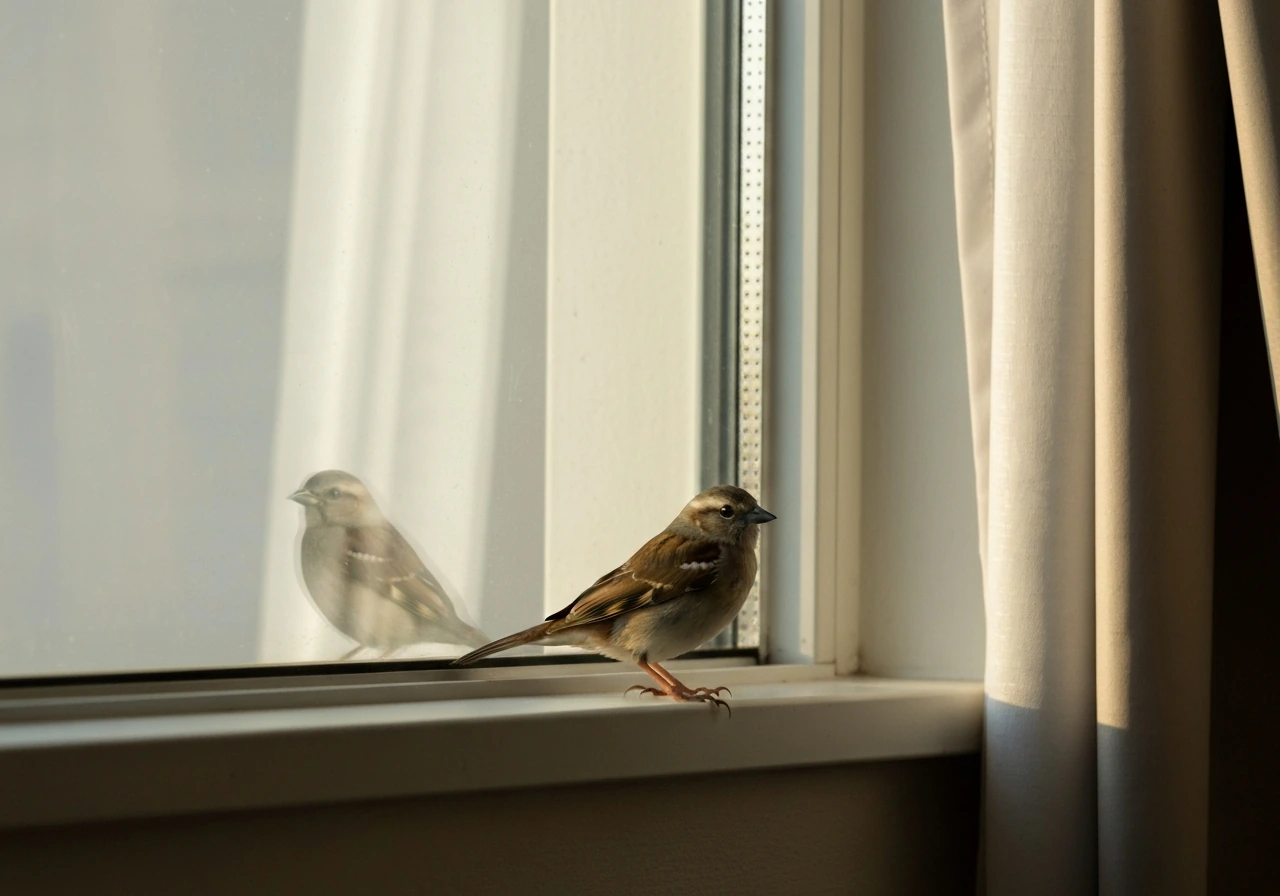
What Does It Mean When a Bird Visits You Every Day?
Why the same bird visits daily: practical causes and spiritual meanings, plus safe steps to observe, stop, or encourage
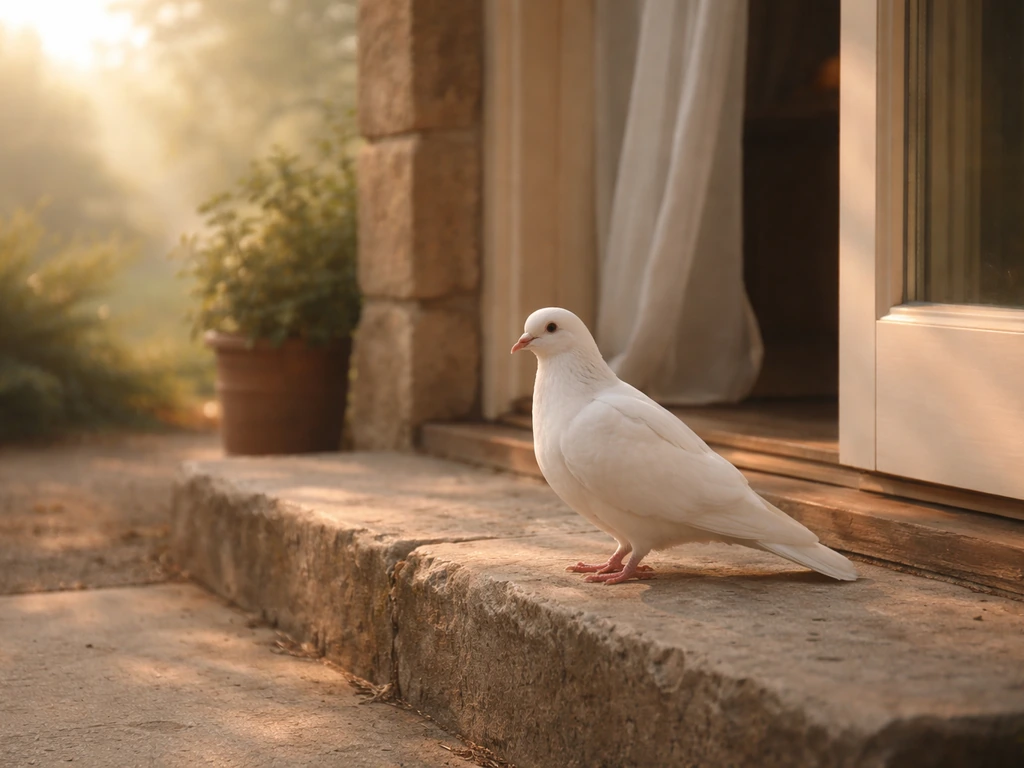
What Does It Mean When a White Bird Visits You
Meaning of a white bird visit: spiritual, biblical, and folklore interpretations plus safety steps and how to choose the
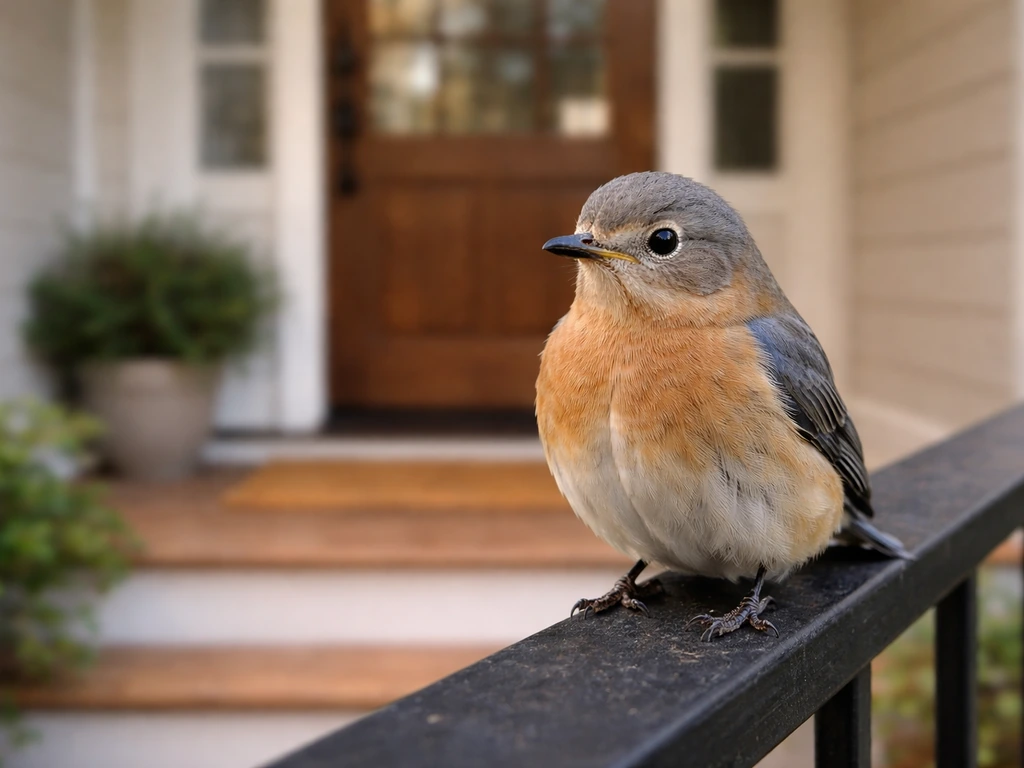
What Does It Mean When a Bird Visits Your Home?
Practical reasons and spiritual symbolism when a bird lands by your door, plus what to do and how to interpret details.