
Cardinals show up at feeders repeatedly because your yard is giving them exactly what they need: food, water, cover, and a safe perch. That's the practical answer. But if you've been noticing a cardinal appearing at just the right moment, especially during grief, prayer, or a quiet thought about someone you've lost, you're not alone in wondering whether something more is going on. Many people frame that feeling with the phrase 'cardinals appear when angels are near,' and whether you take that literally, symbolically, or somewhere in between, this guide covers both sides: how to understand what's drawing cardinals to your feeder, how to confirm what you're seeing, and how to interpret those visits in a way that's grounded and personally meaningful.
Cardinals at Your Bird Feeder When Angels Are Near

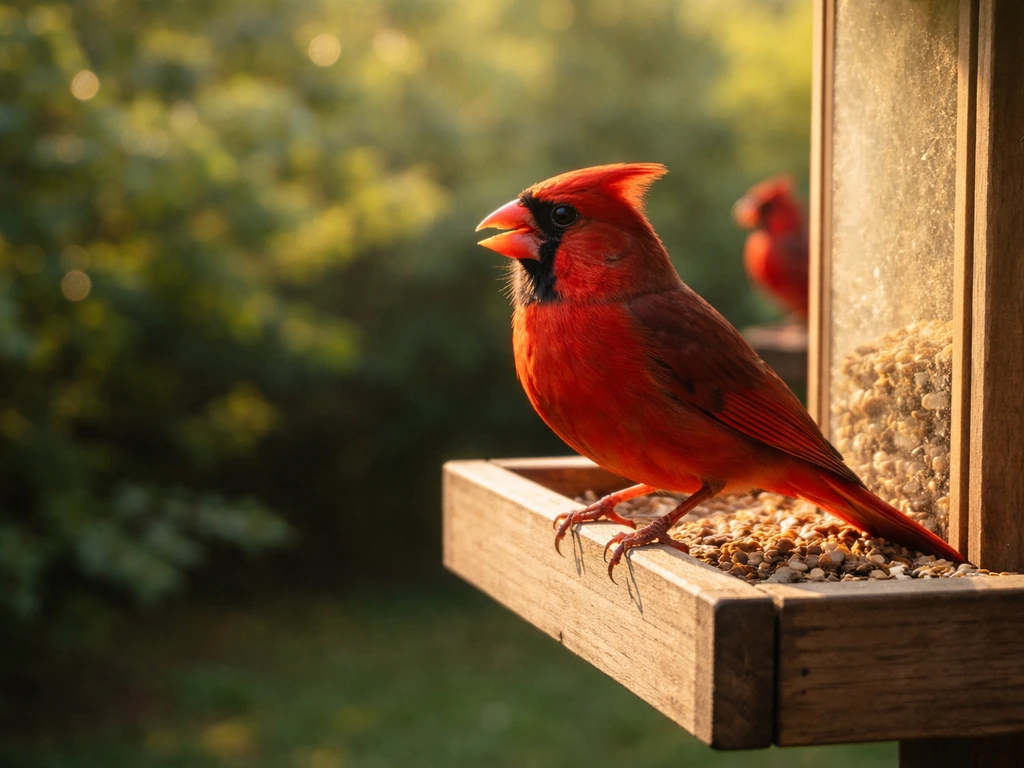
Why Cardinals Show Up at Feeders (The Bird Behavior Side)
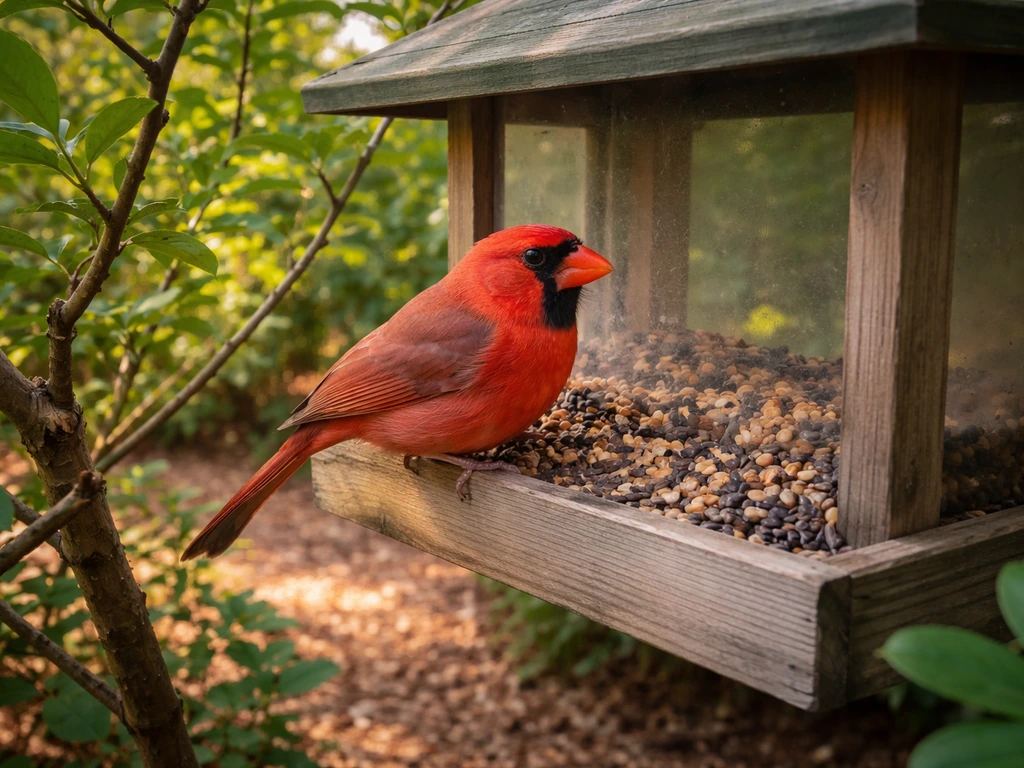
Northern Cardinals are not rare or elusive birds. They're resident species throughout most of the eastern and central United States, which means they don't migrate. Whatever your local cardinals need, they're finding it year-round within a relatively small home range. A good feeder fits neatly into that range as a reliable food source, and once a cardinal discovers it, you'll almost certainly see the same individuals coming back. This is the core reason cardinals seem to 'appear' so reliably: they're not visiting from far away. They live nearby and have simply added your feeder to their daily circuit.
Cardinals are also creatures of habit tied strongly to territory and nesting cycles. Males in particular are highly territorial during spring and summer. You may notice a male cardinal showing up more aggressively and frequently from late February through July because he's defending a nesting area that probably includes your yard. After the breeding season, family groups forage together more loosely, which can actually increase how many cardinals you see at once through late summer and fall. In winter, cardinals flock in small groups, and if your feeder is well-stocked, it can become a genuine hub for multiple birds every single day.
What Actually Brings Cardinals to a Feeder: Food, Water, Timing, and Cover
If you want cardinals showing up consistently, you need to get these four things right. Skip one and visits become sporadic. Get all four right and you'll be seeing cardinals almost every morning.
The Seeds That Work Best
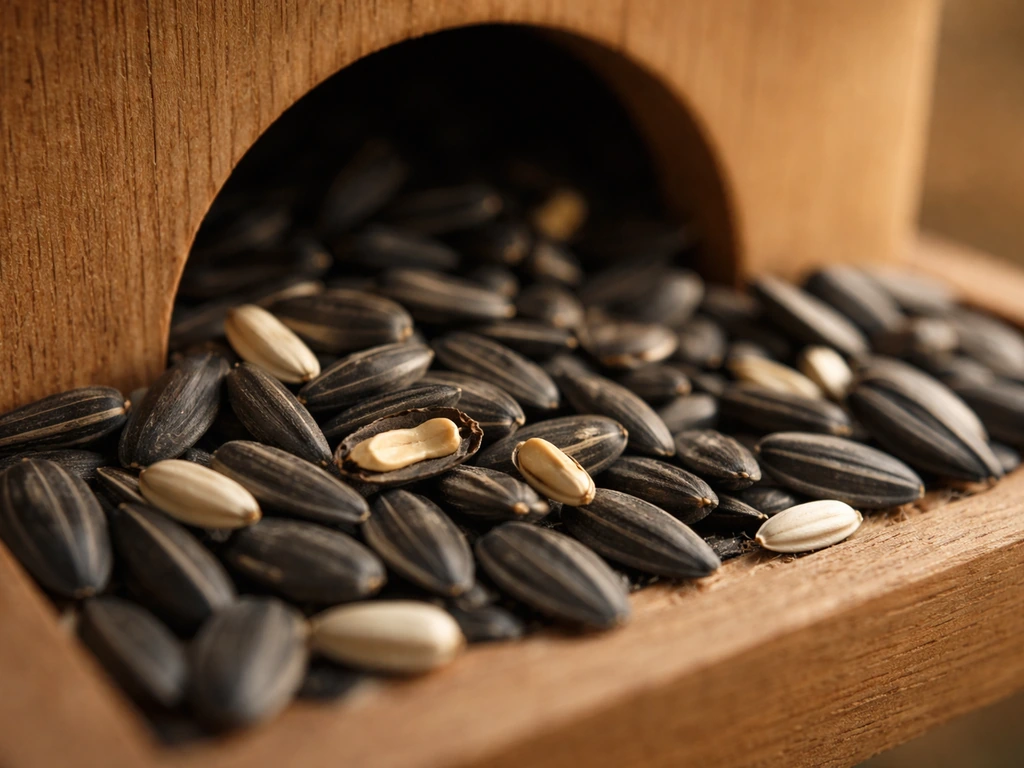
Both the blank" rel="noopener noreferrer">Cornell Lab of Ornithology and Audubon agree that black oil sunflower seed is the top draw for Northern Cardinals at feeders. Audubon’s field guide notes that Northern Cardinals readily come to bird feeders and favor sunflower seeds.
The thin shell makes it easy to crack with their thick, conical bill, and the high fat content makes it nutritionally worth the trip. Safflower seed is another strong choice: Cornell Cooperative Extension specifically lists safflower as a cardinal favorite, and it has the added benefit of being unappealing to starlings and squirrels, so your cardinals get less competition.
A platform or hopper feeder works better than a tube feeder for cardinals because they prefer a wide, stable perch when eating. Avoid mixes heavy in milo or millet if you're targeting cardinals specifically. They'll eat around those fillers and may lose interest.
Water and Cover Matter Too
Audubon points out that access to water, like a birdbath or small fountain, helps cardinals feel at home in your yard. Moving water is especially effective because birds can hear it. A dripper or small recirculating fountain near your feeder setup can dramatically increase how often cardinals linger rather than grab a seed and go. Dense shrubs, hedgerows, or even a brush pile within 10 to 15 feet of the feeder give cardinals a place to retreat if they feel startled. They're not bold birds. They want an escape route close by before they'll settle in.
Feeder Placement and Height
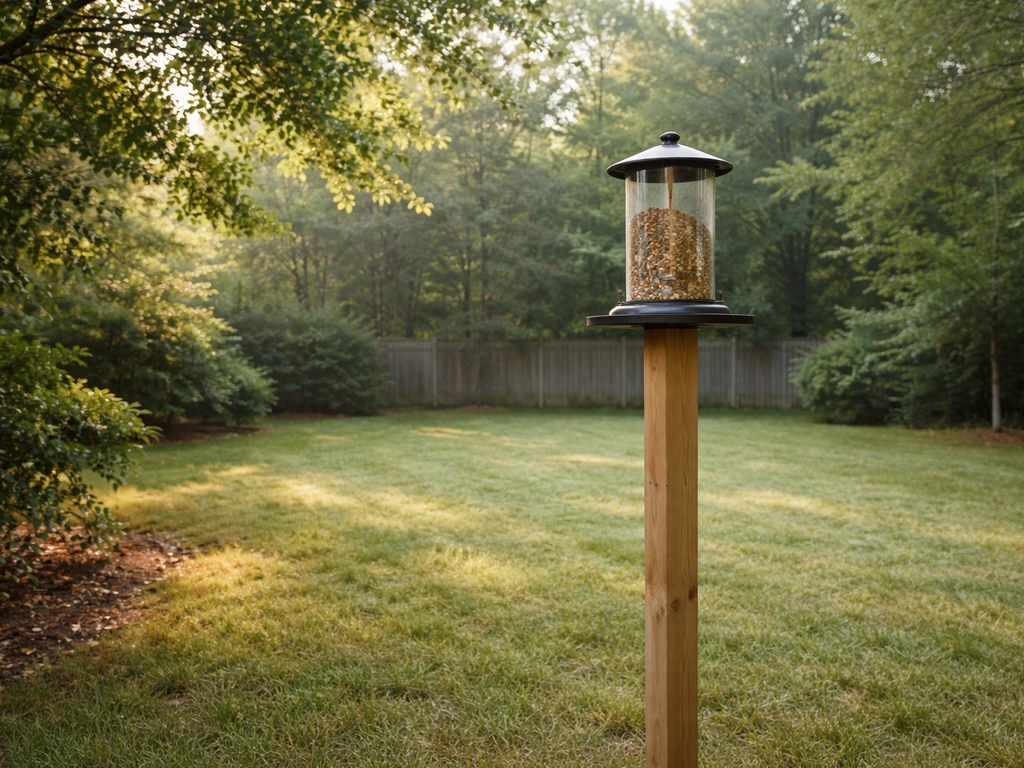
Cardinals tend to favor feeding stations placed roughly 5 to 6 feet off the ground. That height puts them at a comfortable level: high enough to feel exposed to predator views from all sides, but not so high that approaching the feeder feels exposed from below. Audubon's feeding guidance also suggests placing feeders near suitable cover rather than in the open center of a yard. A feeder tucked at the edge of a tree line or near a dense shrub will see more consistent cardinal traffic than one mounted on a pole in the middle of a lawn.
Timing: When to Expect Them
Cardinals are reliable early risers. They typically feed heaviest right at dawn and again in the late afternoon before roosting. If you're missing them, you may simply be checking the feeder at the wrong time. Winter is actually one of the best seasons for consistent sightings: Audubon's winter feeding resources specifically note that yard feeding increases opportunities to observe winter birds, including cardinals against snowy backgrounds. Audubon specifically notes that yard feeding increases opportunities to observe winter birds, including cardinals against snowy backgrounds. Males stay brilliantly red year-round, so there's no off-season for spotting them.
How to Confirm You're Actually Seeing Cardinals
If you're new to bird watching, it's worth double-checking that the red bird at your feeder is genuinely a Northern Cardinal and not a lookalike. This matters both for your bird records and for the spiritual interpretation: the folklore and symbolism around 'cardinals appear when angels are near' is specifically tied to the Northern Cardinal (Cardinalis cardinalis), not just any red bird. If you see a yellow bird visit you, you may be wondering whether it carries a similar spiritual meaning a yellow bird visits you.
| Feature | Northern Cardinal (Male) | House Finch (Male) | Purple Finch (Male) |
|---|---|---|---|
| Overall color | Brilliant all-red body | Red head and breast, brown elsewhere | Raspberry-red wash, streaked |
| Crest | Prominent pointed crest | No crest | No crest |
| Bill shape | Thick, conical, orange-red | Small, curved, seed-cracker | Slightly larger, curved |
| Mask | Black mask from face to throat | No distinct mask | No distinct mask |
| Size | Robin-sized (8–9 inches) | Sparrow-sized (5–6 inches) | Sparrow-sized (6 inches) |
| Female appearance | Warm buff-brown with red tinges | Streaky brown, no red | Streaky brown, no red |
The crest is the easiest giveaway. No other common feeder bird in North America has that sharp, pointed head crest combined with an all-red body. The female cardinal is worth learning too: she's a warm tawny-brown with reddish tinges on her crest, wings, and tail. If you're seeing a pair where one is vivid red with a crest and one is buff-brown with a crest, you've almost certainly got Northern Cardinals. Note the bill: it's thick, blunt, and orange-red, distinctive even from a distance.
Start a Simple Log to Track the Pattern
One of the most useful things you can do is keep a quick observation log. You don't need a special journal. A notes app on your phone works fine. Each time you see a cardinal at the feeder, note the date, approximate time, weather conditions, and what you were doing or thinking about just before the visit. After two or three weeks, patterns become obvious. You'll likely discover that cardinals show up at dawn and dusk almost every day, which helps you separate genuine observation from coincidence. You may also notice that emotionally significant sightings tend to cluster around quiet mornings when you're already reflective, which is worth knowing if you're trying to interpret the visits spiritually.
The Spiritual and Symbolic Meaning of Cardinals at Your Feeder
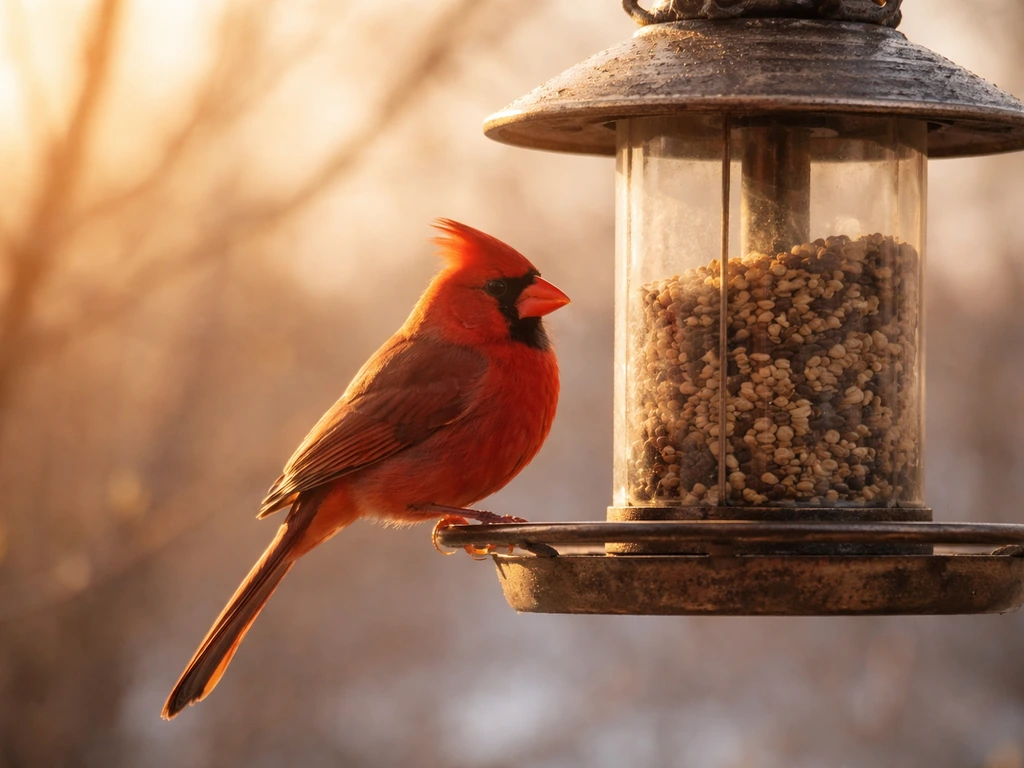
The phrase 'cardinals appear when angels are near' isn't from a single religious text or formal doctrine. It's a piece of living folk belief, the kind of saying that gets passed down through families and communities because it resonates with personal experience. And the symbolism behind it is layered and genuinely old, even if the specific phrase is more recent.
Cardinals have long been associated with the souls or messages of deceased loved ones in North American spiritual and folk traditions. The reasoning is intuitive: the male's vivid red color makes him impossible to overlook, he appears in every season including the bleakness of winter, and he returns again and again to the same place. These qualities map neatly onto what people hope from those who have passed: visibility in moments of need, persistence, and a sense of return.
When a cardinal lands at your feeder during a moment of grief or prayer, the symbolism lands hard precisely because the bird is so present and so striking. If you are also curious about what a black bird visit could mean, you may be interested in this related guide on what does it mean when a black bird visits you.
Beyond messages from the deceased, cardinals at feeders are also interpreted as symbols of hope, guidance, and protection. Some interpretations frame the cardinal as a messenger (not the angel itself, but a sign that angelic or divine attention is nearby). Others see the bird as a reminder to stay present, to notice beauty in the ordinary, or to trust that something watches over you even in difficult seasons. If you've been researching what it means when a red bird visits you, or what it means when a cardinal specifically comes to your window or yard, these themes appear consistently across traditions.
What's worth holding onto is that the spiritual symbolism of cardinals isn't about the bird doing something supernatural. It's about what you bring to the encounter. The cardinal's appearance becomes meaningful in context: your context, your grief, your hope, your question. The feeder is where that context happens to meet the bird.
Biblical and Folklore Interpretations of Cardinals and Red Birds
The Northern Cardinal gets its name directly from the red robes of Roman Catholic cardinals, a connection made by early European settlers in North America who saw the bird's color as fitting for something sacred. That association between red and spiritual authority or divine presence runs deep in many traditions. In biblical symbolism, red is the color of the Holy Spirit (especially through the image of fire and blood), of sacrifice and redemption, and of divine love.
While the Bible doesn't mention cardinals specifically (they're a New World species), red birds and messenger birds appear throughout scripture as signs of divine attention. Elijah is fed by ravens, the dove carries the olive branch as a message of peace, and sparrows are held up as examples of God's care for small and overlooked things.
In Celtic and broader European folklore, red-colored animals are often associated with the Otherworld and with messages crossing between realms of the living and the dead. A red bird landing near your home or at a place you've tended, like a feeder you've built and maintained, would historically be read as a meaningful sign in many folk traditions: something is trying to get your attention, or something is confirming you're being watched over. Indigenous North American traditions vary widely, but some nations view the cardinal as a lucky bird, a bird tied to relationship and partnership (fitting with the species' famous monogamous pair bonds), and a bird whose appearance signals positive change.
Across these traditions, the throughline is this: a brilliantly visible bird that returns faithfully to the same spot is easy for human minds to interpret as intentional. Whether you read that through a Christian lens, a folk spirituality lens, or a more broadly animistic one, the meaning offered is consistently positive: presence, love, hope, and continuity.
What to Do Today: Practical Steps and a Simple Reflection Practice
Here's how to move forward in a way that covers both angles. You don't have to choose between the practical and the spiritual. If you are wondering what it means when a bird visits your home, this kind of reflection helps you connect the moment to your own values and life. They work better together.
Set Up Your Feeder for Cardinal Success
- Switch to black oil sunflower seed or safflower if you haven't already. Either seed alone will outperform most commercial mixed blends for attracting cardinals.
- Use a platform or hopper feeder rather than a tube feeder. Cardinals need a wide, stable surface to eat from comfortably.
- Place or reposition the feeder 5 to 6 feet off the ground, within 10 to 15 feet of a dense shrub, hedge, or tree line that cardinals can retreat to.
- Add a birdbath or small dripper fountain nearby. Moving water is one of the fastest ways to increase bird traffic in any yard.
- Keep the feeder filled consistently, especially in early morning and late afternoon when cardinals feed most heavily.
Start Your Observation Log
Today, open a notes app or grab a small notebook and create a simple cardinal log. For the next two weeks, record every cardinal sighting with the date, time, weather, and a brief note about what you were thinking or doing when you noticed the bird. You'll quickly separate reliable feeding patterns from emotionally significant moments, and that distinction helps you interpret both more honestly. It also makes the spiritual encounters feel more intentional when they happen, because you've already ruled out the mundane visits.
A Simple Reflection Practice for When a Cardinal Appears
When a cardinal visits and the moment feels significant, here's a practice you can use on the spot. If you've been wondering what it means when a bird visits you every day, this same idea applies: the visit becomes meaningful based on your patterns and your context. It works regardless of your belief system, whether you pray, meditate, or simply reflect quietly. If you are wondering about a white bird visit, you can approach it the same way: look for natural reasons first, then notice what the moment brings up for you what does it mean when a white bird visits you.
- Pause. Don't immediately reach for your phone or walk away. Give the moment 30 to 60 seconds of undivided attention.
- Notice what you were thinking or feeling just before the cardinal appeared. Grief, a question, gratitude, worry? Name it.
- Ask yourself one question: 'If this visit is a message, what do I most need to hear right now?' Sit with whatever comes up.
- Offer an acknowledgment, whether it's a prayer, a quiet thank-you spoken to whoever you believe might be sending the message, or simply a moment of gratitude for the bird itself.
- Write it down in your log before the feeling fades. Over time, these entries become something genuinely meaningful to look back on.
The goal isn't to decide once and for all whether cardinals carry angelic messages. The goal is to meet the experience with both open eyes and an open heart: to see the bird clearly for what it is, and to let the meaning that arises be genuinely yours. Cardinals are also connected to themes of visitation and relationship in the context of other red and brightly colored birds, so if you find yourself drawn to what it means when any vivid bird visits your home or yard, that curiosity is worth following. Each tradition and each bird adds a layer to the same underlying question: what are we being asked to pay attention to?
FAQ
If cardinals show up “at the right moment,” how can I tell whether it is coincidence or something meaningful?
Yes. If the birds are eating regularly, their visits will often still peak at dawn and late afternoon even when you are not praying or grieving. The easiest way to tell is to compare your sightings across ordinary days versus emotionally intense days in your observation log.
What signs suggest the visit is more about feeding behavior than a spiritual interpretation?
Cardinals can show up and still be grounded in boredom, weather, or competition, especially if the feeder is “right” for them. A practical check is to see whether multiple cardinals use the same perches and arrive in normal feeding windows, which points to routine rather than an isolated event.
How should I track sightings so my emotional interpretation does not skew the facts?
Use a neutral recording method: note the exact time you first noticed the bird, not when you later decided it was “meant for you.” If you are frequently rereading your own feelings into the timing, focus the log on observable details (seed type, light, wind, number of birds).
Why did cardinals stop visiting after I changed the feeder or seed?
Switching feeders can temporarily reduce visits. For example, changing from a tube to a platform or altering seed brand may take several days for cardinals to reassess safety and food quality. Keep the area consistent, and give new setups about a week before concluding the bird “stopped coming.”
Could other birds at my feeder be making it hard to tell whether the red bird is a Northern Cardinal?
Yes, and it usually means you can’t “read” the visit from a single bird. If you want cardinals specifically, keep starlings and finches from dominating by using feeders and seeds that cardinals prefer (for example, platform/hopper plus black oil sunflower or safflower) and consider reducing loose millet-rich mixes.
What should I do if squirrels or other birds keep driving cardinals off?
If you live in a region that gets house sparrows or other aggressive small birds, they may chase cardinals away from open perches. Dense cover within 10 to 15 feet and placing the feeder near that cover can improve cardinal access even when other species are present.
How does feeder cleanliness affect whether cardinals “appear” reliably?
In areas with lingering cold, cardinals may linger longer at the feeder, but you might still miss them if the feeder is cleaned less often. Sticky seed, spilled hulls, or moldy seed can reduce activity. Refresh seed, clean the tray, and remove wet, clumped food.
Why are my cardinals consistent one week and then absent the next?
Keep the feeder low enough for comfort, about 5 to 6 feet as described, and avoid putting it where predators can ambush. If you see sudden stop-start patterns after mowing or increased human traffic, cardinals may be staying quiet until the area feels calm again.
What is the most reliable way to confirm it is actually a Northern Cardinal?
The strongest indicator is identification, not the color alone. A red bird seen briefly could be something else, especially if the lighting is poor. Confirm crest shape, body pattern, and bill color, and if you can, take a quick photo for later comparison.
How can I tell if I am seeing the same cardinal repeatedly or just new birds?
If cardinals are around, you might see them without realizing they are “the same bird” each time. Practice will help you notice consistent traits, like bill thickness and the same perch choices. If you want to be more certain, track whether the same individuals return to the same spots during the same time windows.
Could the placement near windows be affecting cardinal sightings or safety?
A window strike is more likely around dawn or in poor weather when birds are active. If you have a glass collision risk, add window film, decals, or screens and slow down your interpretation until you know the feeder is safe, since distress events can change visit patterns quickly.
How do I keep the meaning supportive without expecting the bird to behave supernaturally?
If your feeder is attracting cardinals for food and shelter, the bird still will not necessarily “respond” to prayer or grief. A helpful approach is to treat the meaning as something you decide in the moment after you confirm mundane factors like seed availability, weather, and time of day.
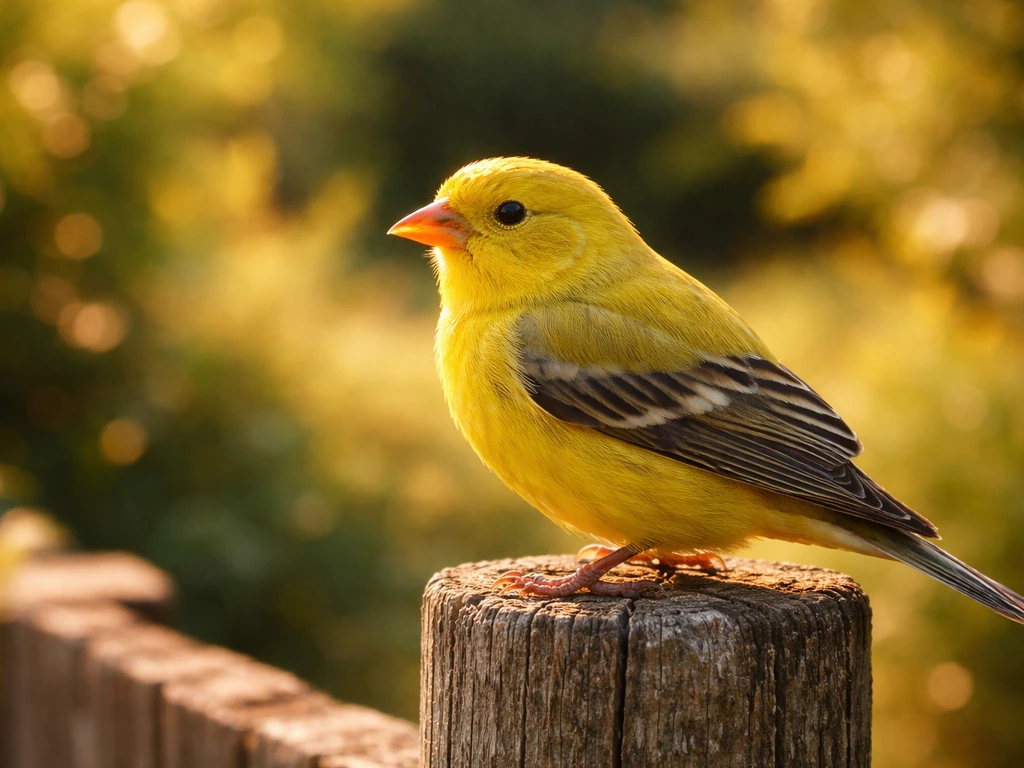
Learn what a yellow bird visit may symbolize and how to read it using spiritual clues plus real-world bird behavior.
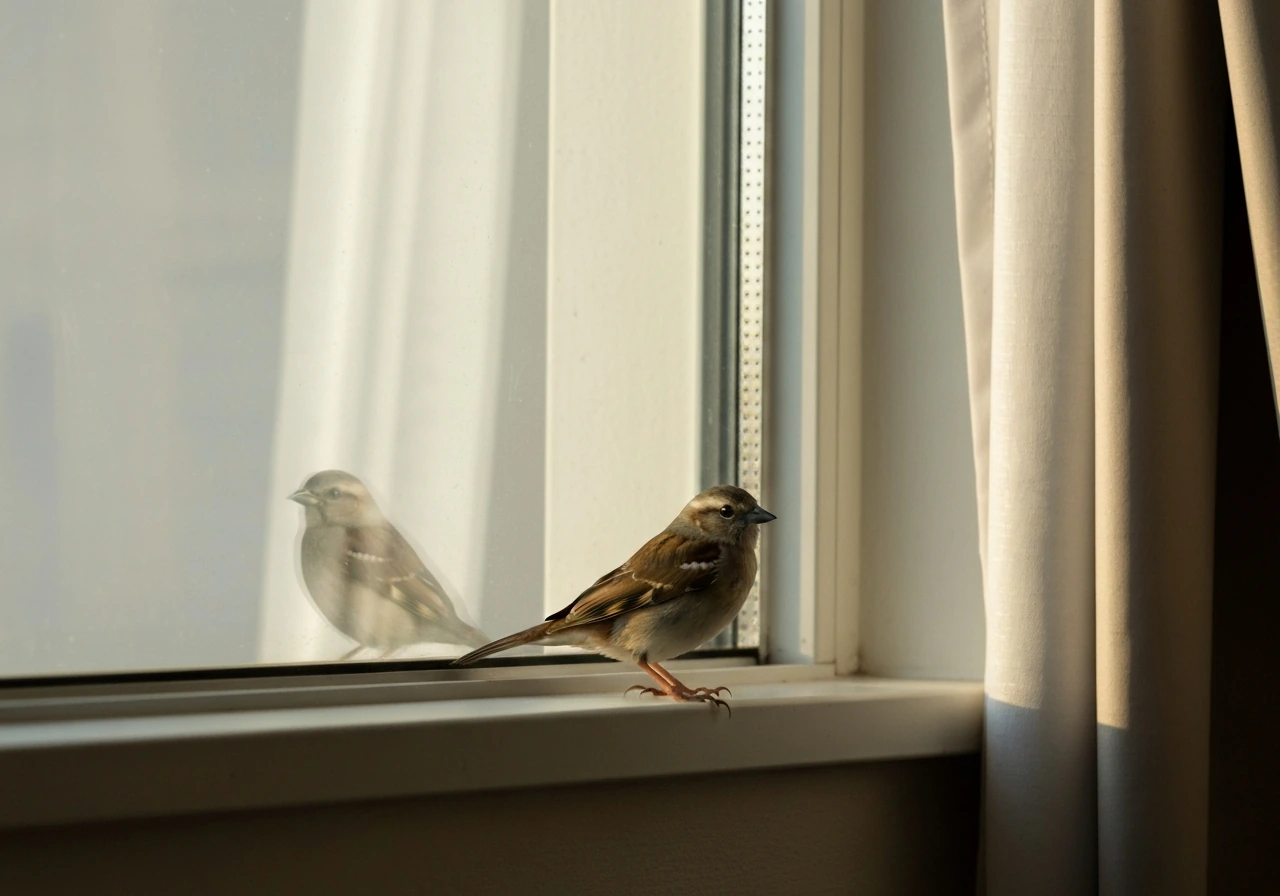
Why the same bird visits daily: practical causes and spiritual meanings, plus safe steps to observe, stop, or encourage
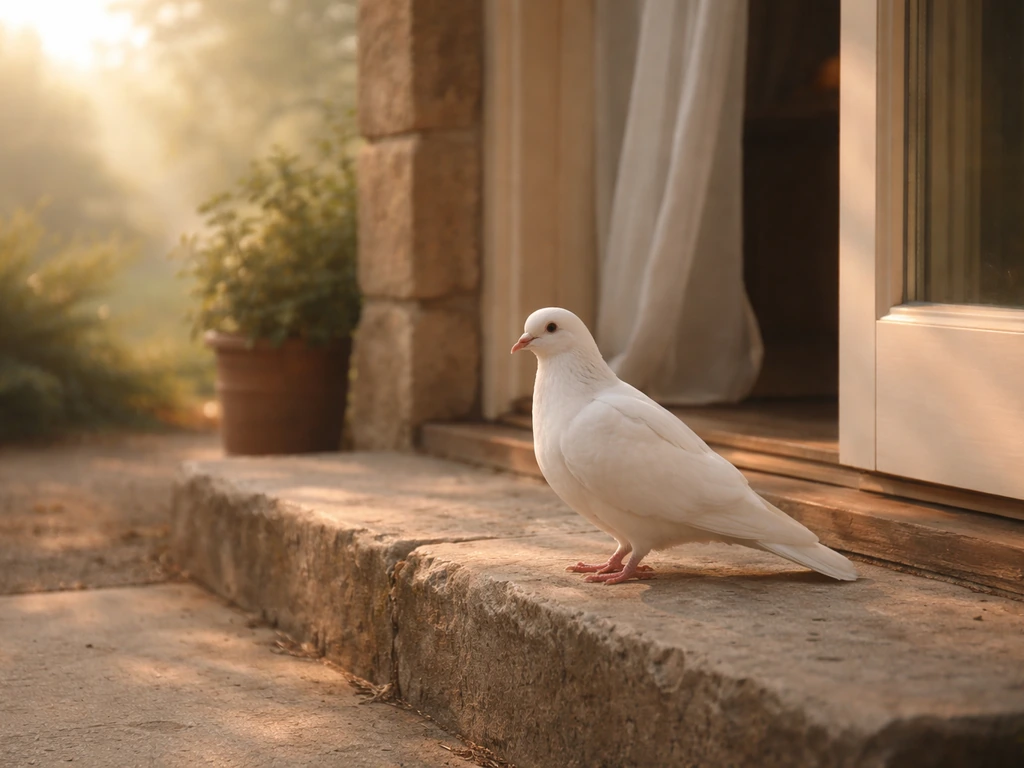
Meaning of a white bird visit: spiritual, biblical, and folklore interpretations plus safety steps and how to choose the